


What if ambition could make you unstoppable but also destroy everything?
In this Wolf of Wall Street summary, we will see Jordan Belfort’s rise and fall in the intense world of 1990s finance.
As someone who has studied both Wall Street culture and its cinematic portrayals, I find this story offers insight into ambition, greed, and personal consequences.
You’ll get a look at the schemes, extravagant lifestyle, and the risks Belfort took to gain power and wealth.
This blog shares an experienced perspective on the thrills and the high costs behind the story.
Introduction to The Wolf of Wall Street

The Wolf of Wall Street is a 2013 film directed by Martin Scorsese. It tells the story of Jordan Belfort, played by Leonardo DiCaprio, a young stockbroker who rises quickly in the financial world.
The movie combines dark comedy, crime, and real-life events to show how Belfort and his firm, Stratton Oakmont, operated in the 1990s.
It presents the intense culture of Wall Street at the time, highlighting how greed and ambition shaped the lives of those involved.
The film shows both the excitement and the consequences of this lifestyle. Critics praised it for its storytelling, energy, and performances, and it continues to be a reference for understanding this period in finance.
The Wolf of Wall Street Summary & Full Plot

The story of The Wolf of Wall Street follows Jordan Belfort’s rise and fall in the 1990s on Wall Street. It shows how ambition, risk, and unethical choices shaped his career and personal life.
Early Career and Entry into Wall Street
Jordan Belfort began his career at a small brokerage firm in 1987.
He experiences the effects of Black Monday, the major stock market crash, and struggles with the challenges of the financial world. These early setbacks push him to find opportunities for faster success and growth.
Founding Stratton Oakmont
Belfort teams up with Donnie Azoff to create Stratton Oakmont. They focus on selling penny stocks and recruiting a team of aggressive brokers.
Their goal is to generate rapid profits, building a firm that becomes known for both its financial success and its reckless sales culture.
Rise to Wealth Through Fraud
The firm uses hard-sell techniques and “pump and dump” schemes to manipulate stock prices. Belfort quickly gains immense wealth and influence in the 1990s financial market.
His success is fueled by clever but unethical strategies, putting him at the center of attention in Wall Street circles.
Life of Excess and Hedonism
Stratton Oakmont becomes infamous for lavish parties, drug use, and extravagant spending.
Belfort and his team embrace a lifestyle of indulgence, creating chaos both in and out of the office. The culture of excess affects personal relationships and adds pressure to maintain their rapid rise.
Downfall and Legal Consequences
Authorities, including the SEC and FBI, start investigating Belfort’s firm. Facing mounting evidence, he cooperates with the law, wearing a wire to provide information.
Eventually, his fraudulent activities are exposed, leading to legal action, fines, and a prison sentence.
Imprisonment and Reflection
Belfort served 22 months in federal prison for his crimes. During this time, he reflects on the impact of his choices, recognizing the consequences of greed and unethical behavior.
His time in prison marks a turning point, forcing him to confront both personal and professional failures.
Main Characters of The Wolf of Wall Street
The story follows key characters who influence Jordan Belfort’s rise and fall, shaping his career, Stratton Oakmont’s culture, and the personal costs of wealth and excess.
Jordan Belfort

Jordan Belfort is an ambitious and charismatic stockbroker. He climbs quickly in Wall Street, gaining wealth and influence.
His drive for money and status leads him into fraud, excess, and ultimately forces him to face serious legal and personal consequences.
Donnie Azoff
Donnie Azoff is Belfort’s loyal friend and business partner. He thrives alongside Jordan in the fast-paced, high-risk brokerage world.
His humor and recklessness bring comic relief, but he also shares in the moral and legal fallout of their actions.
Naomi Lapaglia

Naomi Lapaglia is Jordan’s wife. She experiences the strain of his wild lifestyle and the consequences of excess.
Her story highlights the personal toll of greed and indulgence, showing the impact of Belfort’s choices on those closest to him.
Mentor and Colleagues
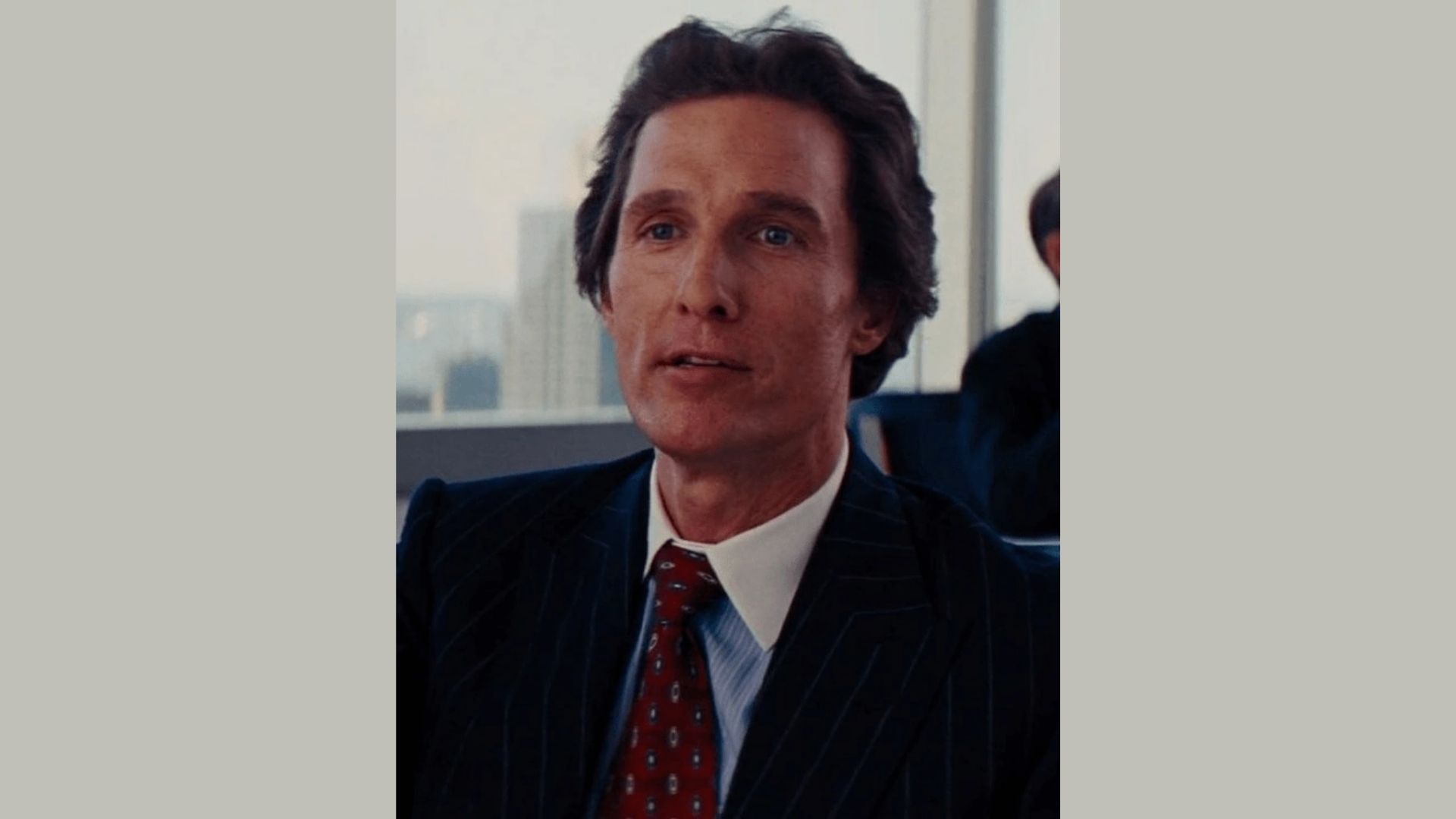
Mark Hanna is Jordan’s first mentor, introducing him to Wall Street’s intense culture. The Stratton Oakmont brokers are a mix of loyal, reckless, and morally flexible individuals.
Together, they create a high-pressure, indulgent workplace that drives both success and chaos.
Themes in The Wolf of Wall Street
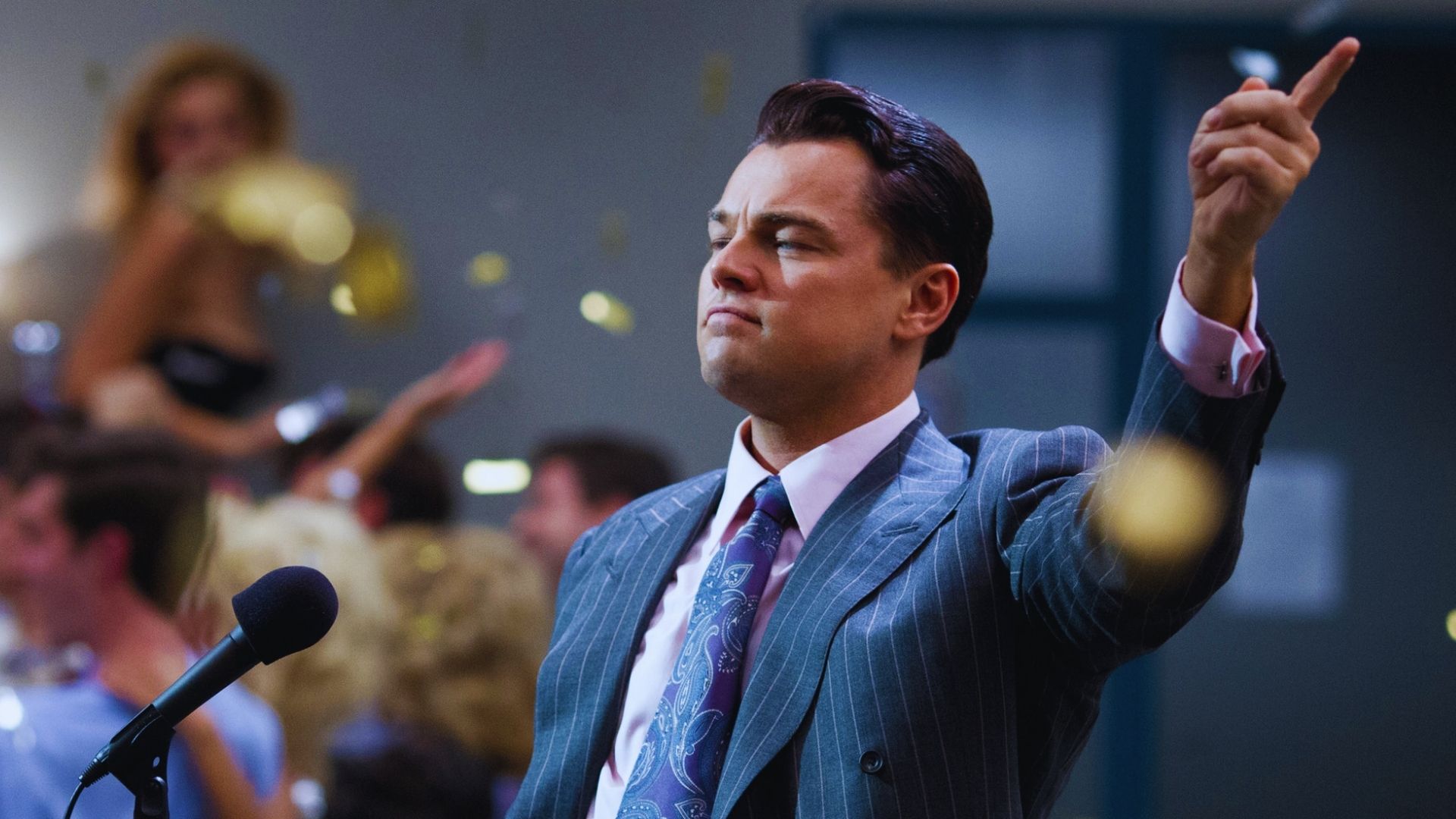
The film shows ideas that shaped Belfort’s life and choices. It highlights how greed, ambition, and risky behavior affect both personal life and the people around him.
Greed and Ambition
Belfort’s desire for wealth and status drives him to unethical choices.
His ambition drives him to take risks and bend the rules, illustrating how the pursuit of money can overshadow morals and lead to serious consequences.
Moral Corruption and Consequences
The story shows how unethical decisions affect personal relationships and society.
Belfort and his team face legal and social consequences, demonstrating that ignoring right and wrong eventually leads to punishment and regret.
Excess and Addiction
The movie shows indulgence in drugs, parties, and spending. These habits create chaos in work and personal life, illustrating the dangers of a lifestyle built on constant overindulgence and the difficulty of maintaining control.
Power and Influence
Belfort’s rise demonstrates the allure of authority and control in finance. Power allows him to shape others’ actions and decisions, but it also exposes him to scrutiny, temptation, and the risk of a dramatic downfall.
Cautionary Tale
The story warns that short-term gain from unethical behavior leads to long-term consequences.
Belfort’s wealth and lifestyle come at a personal and legal cost, showing that actions driven by greed often backfire in the end.
Real Story vs. Movie Adaptation
Real events inspire the film, but some scenes are dramatized for storytelling. It’s interesting to see how closely it follows Jordan Belfort’s actual story.
Jordan Belfort’s Memoir:
The film is based on Belfort’s book, which details his rise, business strategies, and personal life. The memoir gives more insight into his mindset and choices than the movie does.
Accuracy of Events:
Some scenes, like parties and character interactions, are dramatized for effect. The core story of fraud, excess, and legal trouble remains true, though a few events are simplified or exaggerated.
Cultural Reflection:
The movie shaped how audiences see 1990s Wall Street. It shows the lure of quick wealth, the risks of unethical behavior, and the consequences of excess, influencing public perception of financial culture.
It captures Belfort’s rise and fall while blending fact with cinematic storytelling.
Fun Facts and Behind the Scenes
The making of The Wolf of Wall Street combined research, bold performances, and careful filmmaking to bring Belfort’s story to life.
Leonardo DiCaprio’s Preparation: DiCaprio studied Belfort’s memoir and interviews to capture his energy, speech, and charisma, creating a convincing and lively performance.
Iconic Scenes: Office chaos, wild parties, and key dialogues were staged to balance humor and realism, becoming some of the most memorable parts of the film.
Critical Acclaim and Awards: The movie earned several Academy Award nominations, including Best Actor, and received praise for its direction, performances, and storytelling.
Behind the scenes, dedication and creativity helped make the film both entertaining and reflective of Belfort’s life.
Key Takeaways from The Wolf of Wall Street Summary
Here are the main points to remember from The Wolf of Wall Street:
- The story keeps viewers engaged with its fast-paced narrative and real-life events.
- Jordan Belfort’s character arc shows the rise and fall caused by ambition and risk.
- The film highlights the consequences of unethical decisions in both business and personal life.
- Scenes of excess and indulgence illustrate the dangers of greed and addiction.
- It provides insights into finance, human behavior, and the culture of 1990s Wall Street.
These takeaways show why the story remains engaging and relevant today.
Overall Ratings and Public Reactions

The Wolf of Wall Street received strong ratings and reviews from both critics and audiences worldwide, reflecting its impact and popularity.
IMDb Rating: The film holds an 8.2 out of 10 score on IMDb based on more than 1.7 million user ratings, showing strong audience approval and long‑term popularity.
Metacritic Score: On Metacritic, critics give it a 75 out of 100, indicating generally favorable reviews from professional reviewers.
Rotten Tomatoes Consensus: The movie has a 78-79% approval rating on Rotten Tomatoes, with many critics noting its bold style and strong performances, while some point out its length and excess.
Audience Reactions: Many viewers praise DiCaprio’s performance and Scorsese’s direction, while a smaller number feel the film’s length and scenes of excess lessen its impact.
Award Nominations: The film earned five Academy Award nominations, including Best Actor, and received wide recognition for its cast and storytelling.
Overall, the film’s performance, acclaim, and audience approval confirm its place as a memorable and influential modern classic.
Final Thoughts
The Wolf of Wall Street summary highlights how ambition and greed shape a life and career.
Jordan Belfort’s story reveals the thrill, chaos, and personal costs of chasing wealth without limits.
His rise and fall offer a clear view of 1990s Wall Street and the consequences of unethical choices.
Personally, it reminds me that success without integrity comes at a price. This Wolf of Wall Street summary leaves a lasting impression and encourages reflection.
Take a moment to revisit this story and see how decisions influence outcomes in finance and life!
Frequently Asked Questions
Is The Wolf Of Wall Street Based On A True Story?
Yes, the film is inspired by Jordan Belfort’s real-life experiences as a stockbroker and his memoir, though some scenes are dramatized for storytelling.
How Long Is The Wolf Of Wall Street Movie?
The movie runs for approximately 3 hours, or 180 minutes.
Who Wrote the Screenplay for The Wolf of Wall Street?
Terence Winter wrote the screenplay, adapting Jordan Belfort’s memoir for the film.
Did Leonardo DiCaprio Win An Oscar For This Film?
No, DiCaprio was nominated for Best Actor but did not win for this film.
Where Was The Wolf Of Wall Street Filmed?
The film was primarily shot in New York City, with some scenes filmed in Long Island and other locations in the U.S.