

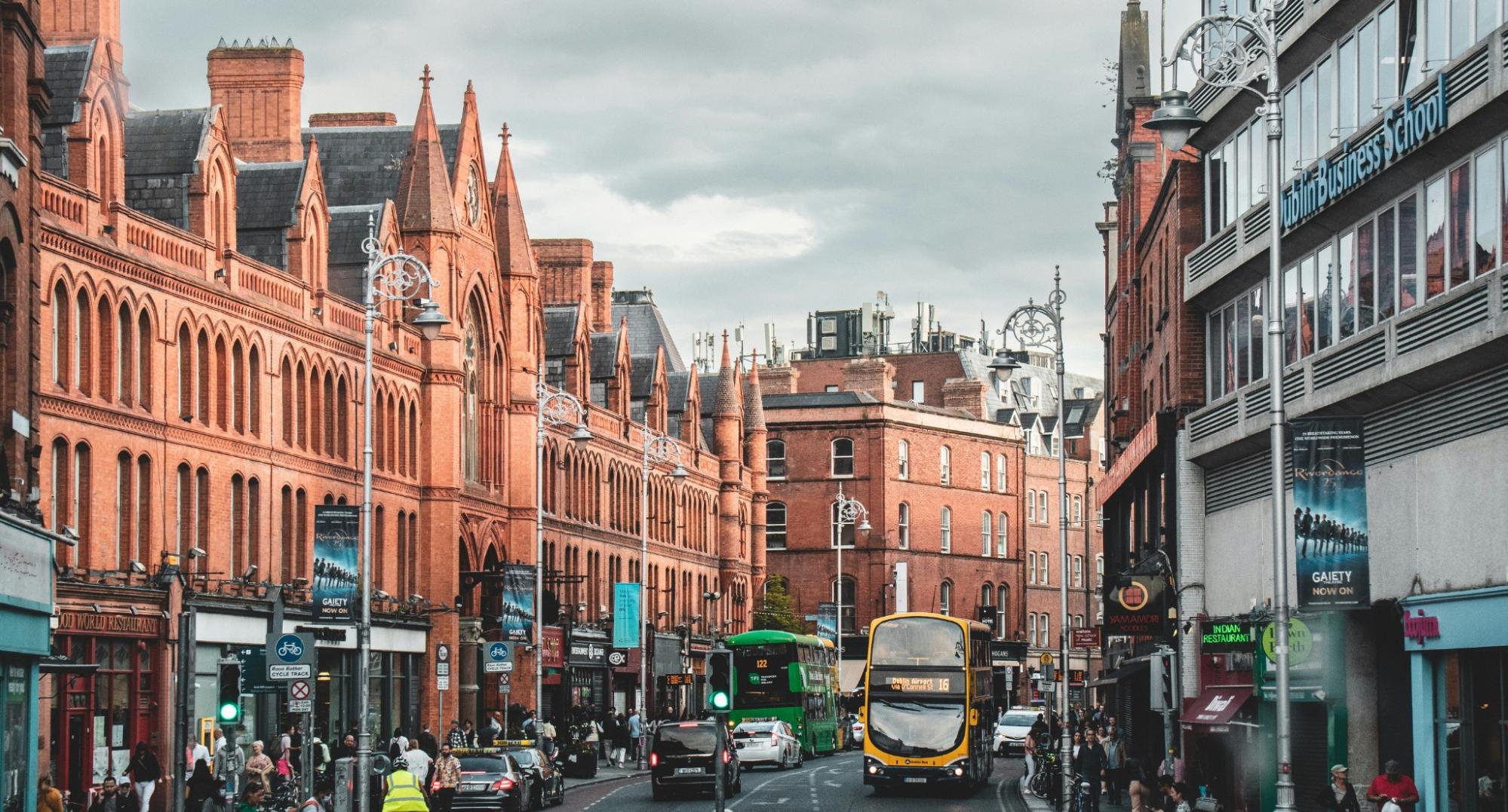
A first visit to Dublin works best when you cover the compact center on foot, cross the River Liffey deliberately to feel the Northside and Southside contrast, and spend your evenings in pubs beyond the tourist core, keeping costs sensible while experiencing the city’s genuine character.
Understanding Dublin Geography and the Liffey Divide
On my first time in Dublin, the first thing I did was stand on the Ha’penny Bridge and watch the River Liffey slide toward the Irish Sea. That single stretch of brown water explains most of how Dublin thinks about itself. The Southside, with its Georgian squares, Trinity College and St. Stephen’s Green, traditionally carried the reputation of money and polish. The Northside, home to O’Connell Street and the General Post Office, was historically working-class and is where much of the 1916 Rising played out. Locals still joke about the rivalry, and the stereotypes have softened considerably, but you will hear them in conversation.
What surprised me most was how small the divide feels in practice. The core of the city fits inside roughly two square kilometers, and any of its bridges crosses the Liffey in seconds. From the Ha’penny Bridge to O’Connell Bridge is a five-minute stroll, and the whole central district loops comfortably on foot.
That compactness is why I stopped bothering with buses and the Luas tram within a day. Public transport is genuinely unnecessary for the core. Every landmark worth seeing sits within a 30-minute walk of the next, and the walking itself is where Dublin reveals itself: the damp cobblestones around Trinity College glistening after a morning shower, the bakery smells drifting from side streets, the sudden spill of live trad music from a doorway you were only passing.
Strategic Route Planning for 48 Hours
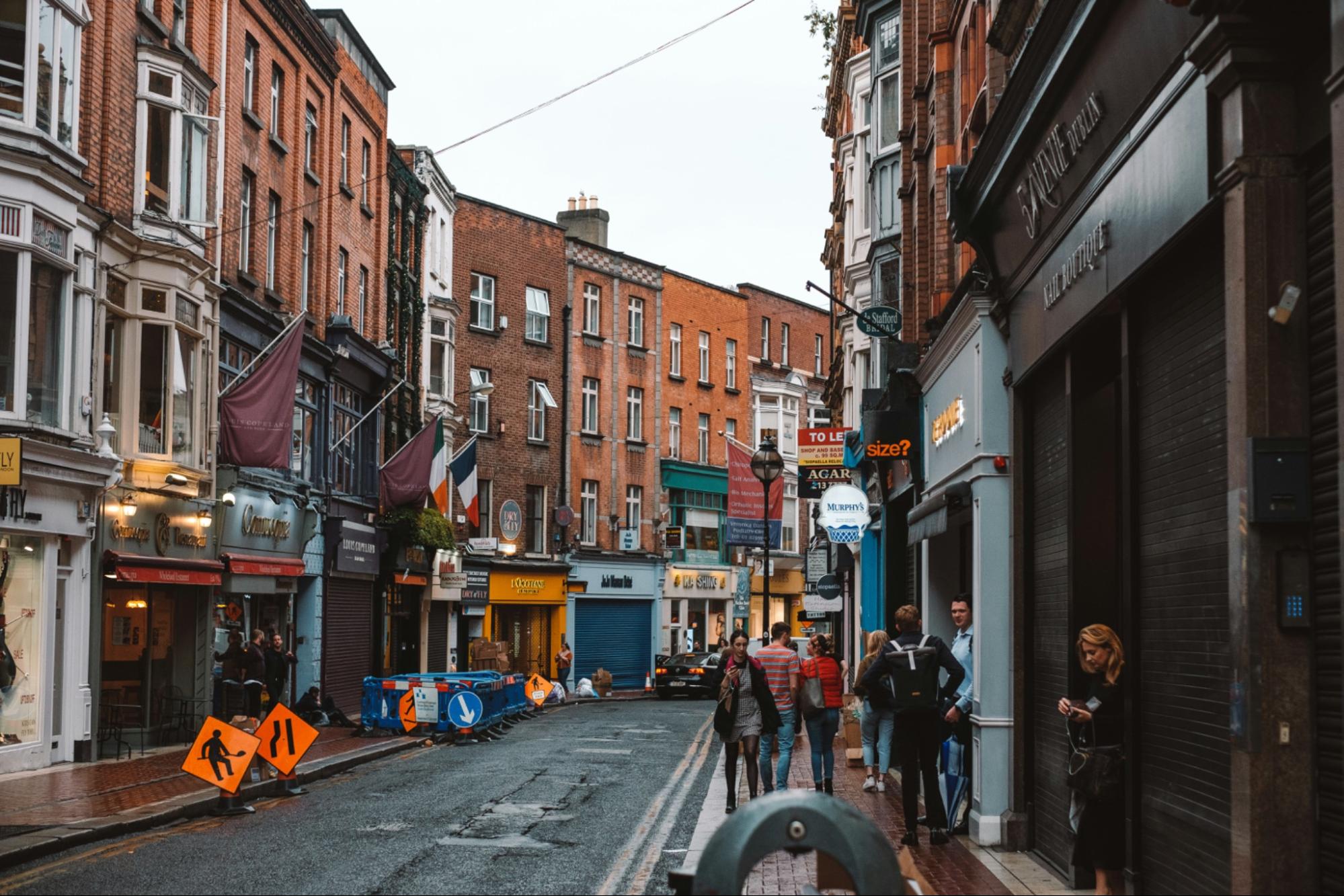
The mistake I see most often, and made myself, is trying to stack every major site into one punishing Saturday. A sensible Dublin weekend itinerary separates the dense southside core from the wider attractions, giving each its own half day.
When I first stood in front of Dublin’s layers of history, from Viking settlement on the Liffey’s banks to Norman rule, Georgian rebuilding and the 1916 Rising, I felt properly overwhelmed. Plaques and statues told fragments of stories I could not connect. Starting the weekend with a guided Dublin experience turned out to be the smartest logistical move I made. A knowledgeable local places the bullet marks on the GPO columns, the Viking origins and the Castle’s medieval footprint into one coherent timeline, and gives you the geographical bearings to navigate the rest of the weekend on your own.
With that foundation, I split my own plan like this. Saturday morning belongs to Trinity College, where the Book of Kells and the Long Room of the Old Library draw heavy queues by 10:30 a.m. Booking a timed ticket online (around €25) and arriving at opening saves up to an hour. From there, it is a ten-minute walk to Dublin Castle, then a stroll up Grafton Street, where buskers perform and the crowds thicken, to the green calm of St. Stephen’s Green. The park’s 22 acres are an ideal place to rest tired feet before lunch.
Saturday afternoon is for the Guinness Storehouse. The walk from Trinity College to the Guinness Storehouse takes roughly 25 minutes westward through the Liberties, and the smell of roasting hops from St. James’s Gate reaches several streets before the entrance. The route passes working-class terraces and old distillery walls, which is a better introduction to the area than any taxi ride.
Sunday is for the Northside: O’Connell Street, the GPO and the Spire, followed by Kilmainham Gaol if you have booked ahead, as tickets sell out days in advance. Keep Sunday evening loose. Dublin rewards wandering.
Navigating the Historical and Cultural Districts
After two days of walking back and forth, I found it helpful to think of the city as five connected zones rather than a scatter of attractions. This Dublin walking guide shows how they link together.
|
City District |
Key Landmarks |
Logistical Walking Notes |
|
Trinity and Grafton Quarter |
Trinity College, Book of Kells, Grafton Street, St. Stephen’s Green |
Flat, paved and very busy by mid-morning; cobblestones turn slick in rain, so wear grippy shoes |
|
Temple Bar and Castle Area |
Temple Bar, Dublin Castle, Ha’penny Bridge |
Narrow, crowded lanes; loudest after 6 p.m.; visit castle interiors early in the day |
|
The Liberties |
Guinness Storehouse, St. James’s Gate, St. Patrick’s Cathedral |
Longer, gently uphill walk of about 25 minutes from Trinity; quieter streets with fewer services |
|
Northside Core |
O’Connell Street, GPO, The Spire |
Wide, flat boulevard; busy traffic crossings; evenings feel quieter than the Southside |
|
Kilmainham |
Kilmainham Gaol, Irish Museum of Modern Art |
Beyond walking distance from the city center; take a short bus or Luas ride |
The practical takeaway is that Trinity, Grafton Street and the Castle cluster tightly, so you can cover them with minimal backtracking. The Liberties and the Northside each demand a deliberate trip, which is exactly why separating them across different half days keeps the weekend from feeling like a march. Once you accept that, the 48 hours in Dublin logistics become simple: one cluster per half day, one transport hop for Kilmainham, and everything else on foot.
The Economics of Authentic Irish Pub Culture
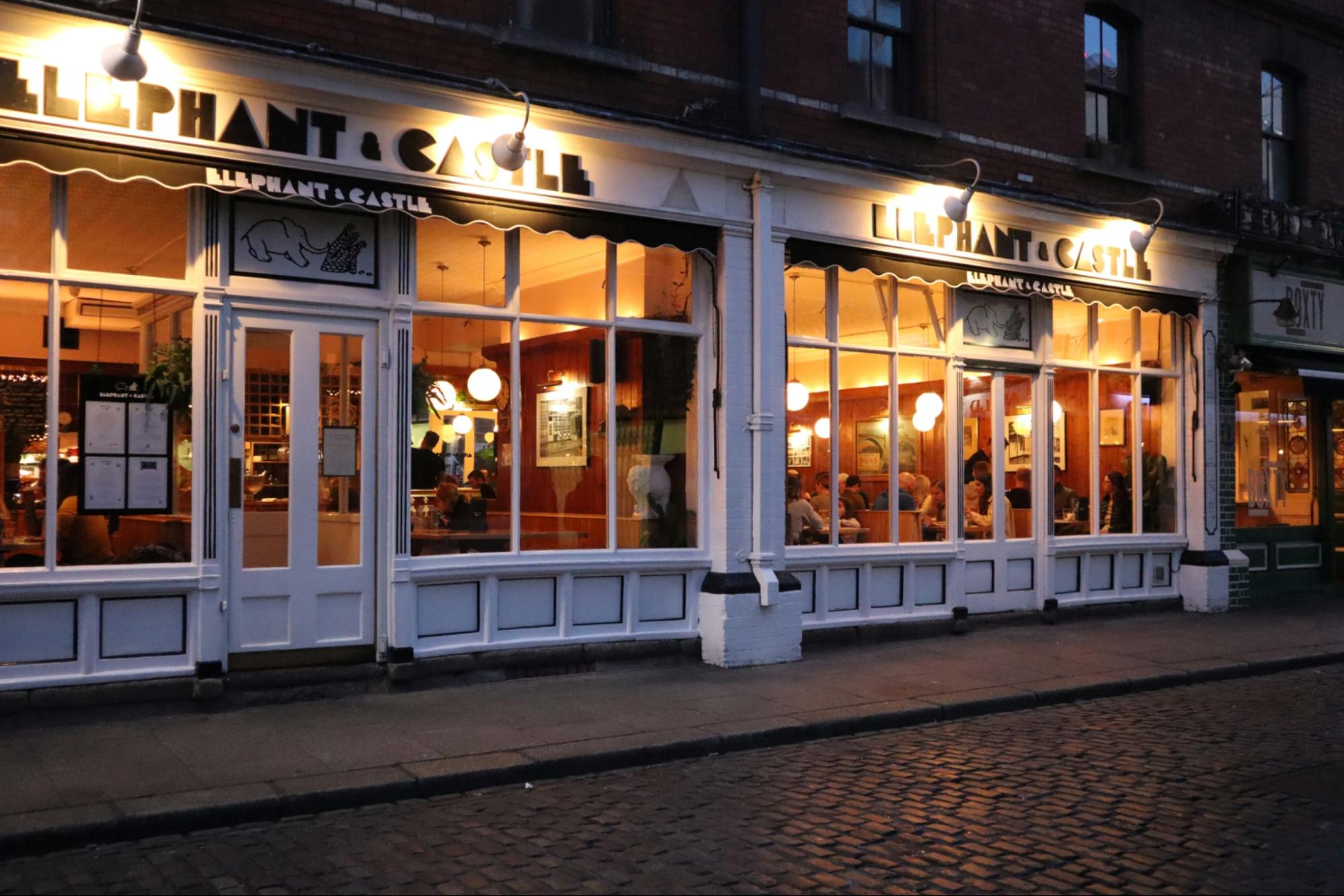
Dublin’s pubs are the best education in local life, and also where a first-time visitor can waste the most money.
Temple Bar is the obvious magnet. I loved the energy for twenty minutes: the neon, the fiddles, the packed doorways. But the economics are brutal. A pint of Guinness inside Temple Bar typically costs €9.50 to €11.00. Walk just two streets away, to a traditional pub with worn wooden stools and a regulars’ corner, and the same pint costs €6.50 to €7.50. Over a weekend of several pints, the gap adds up quickly, and the atmosphere is often better. The music in smaller pubs feels less staged, with local players sitting in a corner rather than performing on a schedule.
That brings me to the idea of the craic, pronounced “crack.” It means news, gossip, fun and good company all at once. Asking “What’s the craic?” is a greeting, not a question about drugs, and the honest answer is usually a story. The craic is why Irish pubs are conversational places first and drinking places second. You will not find it in the busiest tourist bars, but you will find it in the quiet ones.
The other unwritten rule is buying rounds. If you drink with a group, each person takes a turn buying drinks for everyone. Skipping your turn is a serious social error, while joining the cycle earns genuine warmth. Order at the bar, pay at the bar, and do not expect table service in most traditional pubs.
I also plan my walking sections around these pubs. A pint near the Ha’penny Bridge after the Castle or a late-afternoon stop in the Liberties after the Guinness Storehouse provides a natural resting point without the Temple Bar premium.
Frequently Asked Questions About Visiting Dublin
Do I need to carry cash for pubs in Dublin?
Contactless payment is accepted almost everywhere, including small pubs. Still, I always kept a few Euro coins for tipping buskers on Grafton Street and for the occasional small traditional pub that prefers cash for a quick round.
Is public transport necessary in the city center?
Rarely. Staying on foot is the easiest way to navigate the center without worrying about timetables or tickets. Reserve public transport for visits to Kilmainham or coastal towns like Howth.
How do you order a pint of Guinness correctly?
Guinness is served with a two-part pour. Order your pint first, then wait while the bartender fills it most of the way and lets it settle. Never rush them or ask them to top it off early. The pint is topped off after settling, and patience is part of the ritual.
