
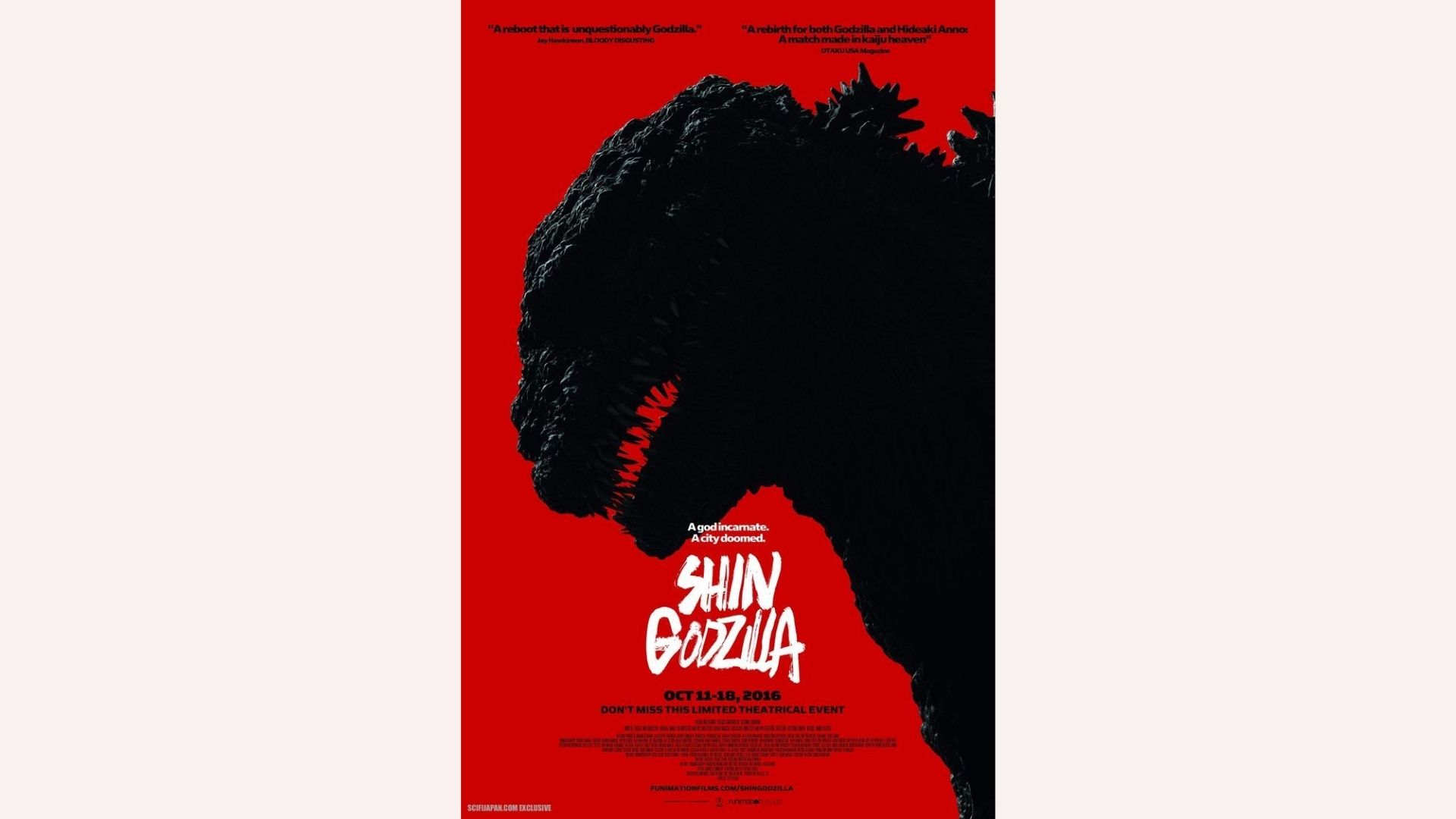
What truly happens when a monster film cares as much about meetings as destruction? I had that thought while preparing this Shin Godzilla review after revisiting the 2016 film.
Instead of nonstop action, the story places you inside tense government rooms and urgent crisis talks.
As someone who studies monster cinema closely, I paid attention to how the film balances politics, science, and large-scale destruction.
In this article, you will see key story points, my honest rating, and much more after watching it again. If you like kaiju films, this breakdown will help you decide if it deserves your time.
Introduction to Shin Godzilla
I recently watched Shin Godzilla (2016), a Japanese monster film directed by Hideaki Anno and Shinji Higuchi. It reached U.S. theaters on October 11, 2016, and runs about 120 minutes.
The film includes Japanese, English, and Japanese Sign Language. Produced by Toho, it had a budget near 1.3 billion yen and later earned about $82.6 million worldwide.
As I watched, what stood out was its serious tone. Many Godzilla films center mainly on destruction, but this one spends time inside government meetings and crisis rooms.
That focus makes the disaster feel realistic while Godzilla still appears in strong attack scenes that leave a lasting impact.
Plot Summary and Key Story Elements
The story begins when strange activity appears in Tokyo Bay, and officials soon realize a massive creature is moving toward the city.
When Godzilla first reaches land, the situation creates panic across Tokyo. Government leaders and emergency teams rush to respond, but meetings and approvals slow early action.
Much of the film shows how officials discuss plans while the threat grows. I found this focus on government response very interesting because it shows how difficult quick decisions can be during a national crisis.
As the situation grows worse, Godzilla continues to change form and become stronger.
One of the most intense moments comes when the creature releases its atomic breath, causing large-scale destruction across the city.
Characters and Performances in Shin Godzilla
The film focuses on officials, scientists, and military leaders managing the crisis. Each character shows a different side of how the country responds to Godzilla.
1. Raita Noda (Hiroki Hasegawa)
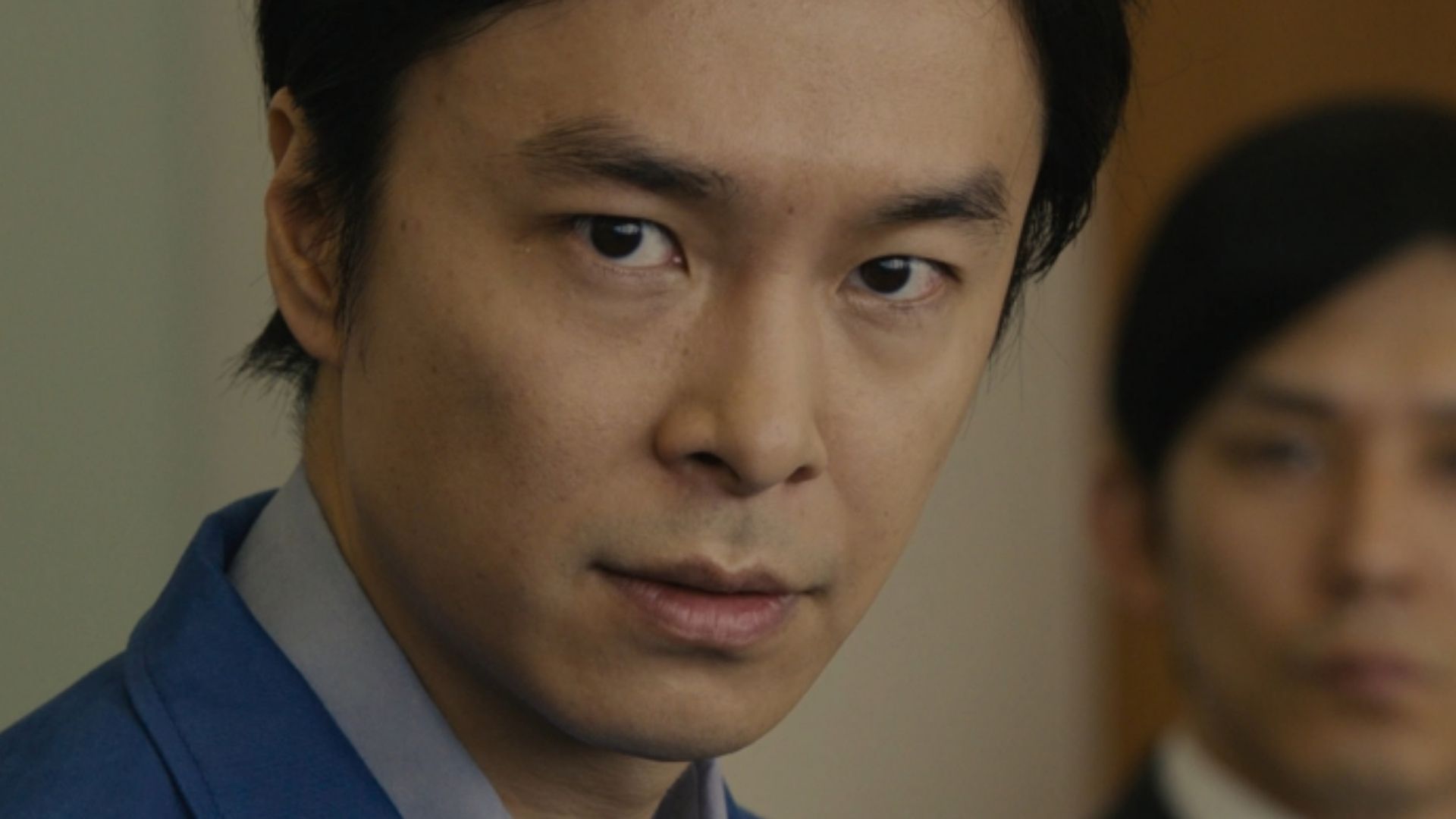
Raita Noda stands at the center of the emergency response team. Hiroki Hasegawa plays him as a focused and calm official trying to move past slow procedures.
I found his role important because he pushes for faster action while balancing rules and political pressure.
2. Hideki Akasaka (Yutaka Takenouchi)
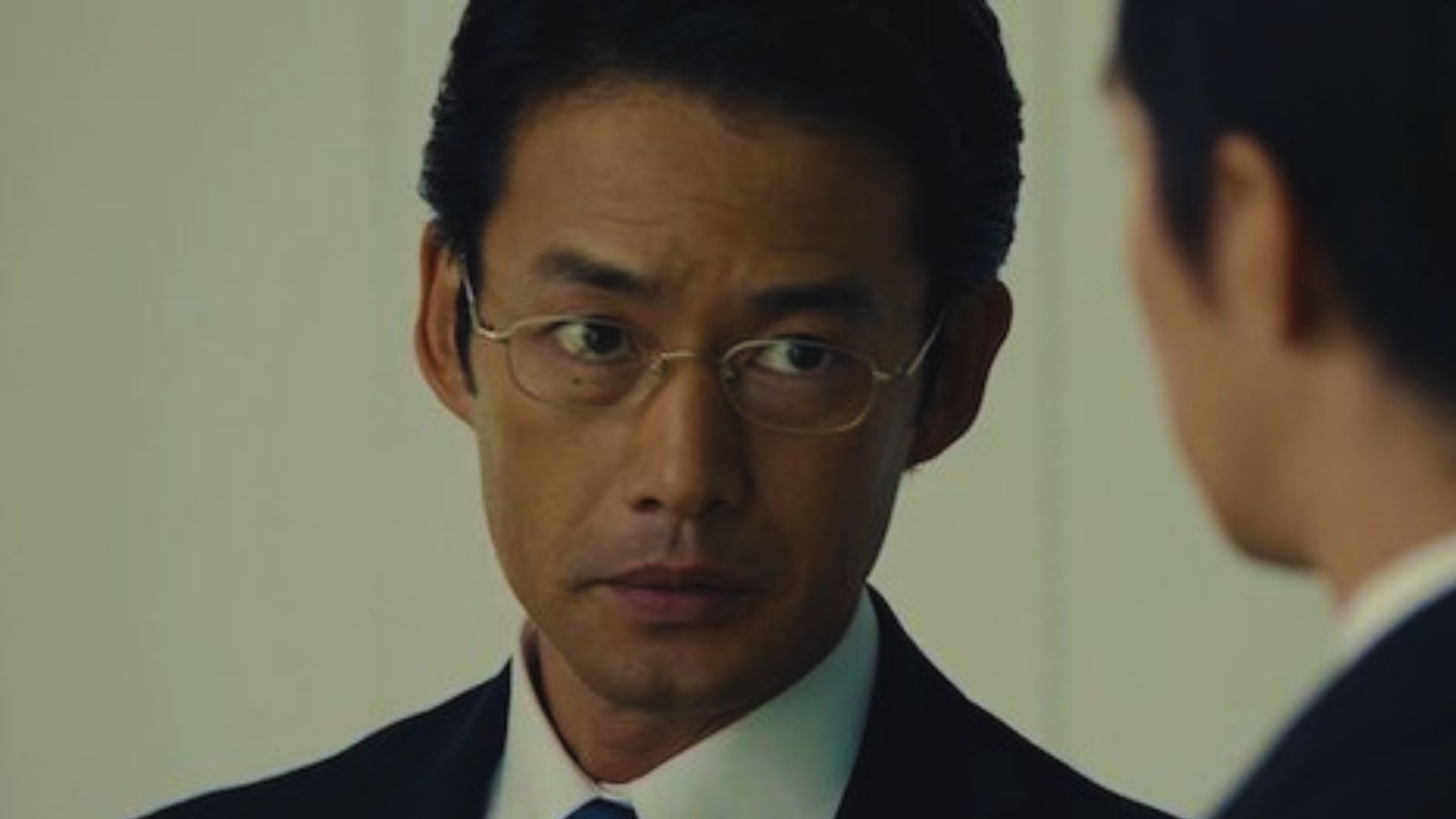
Hideki Akasaka serves as the Prime Minister’s chief advisor during the crisis. Yutaka Takenouchi gives the role a calm and steady tone while guiding discussions in tense meetings.
His character often weighs difficult choices as leaders try to protect Tokyo from further destruction.
3. Hiromi Ogashira (Satomi Ishihara)

Hiromi Ogashira is a political figure working closely with government leaders during the emergency.
Satomi Ishihara brings energy to the role while presenting an outside viewpoint inside official meetings. Her character often questions decisions and highlights how the crisis affects people.
4. Dr. Ichiro Kanzaki
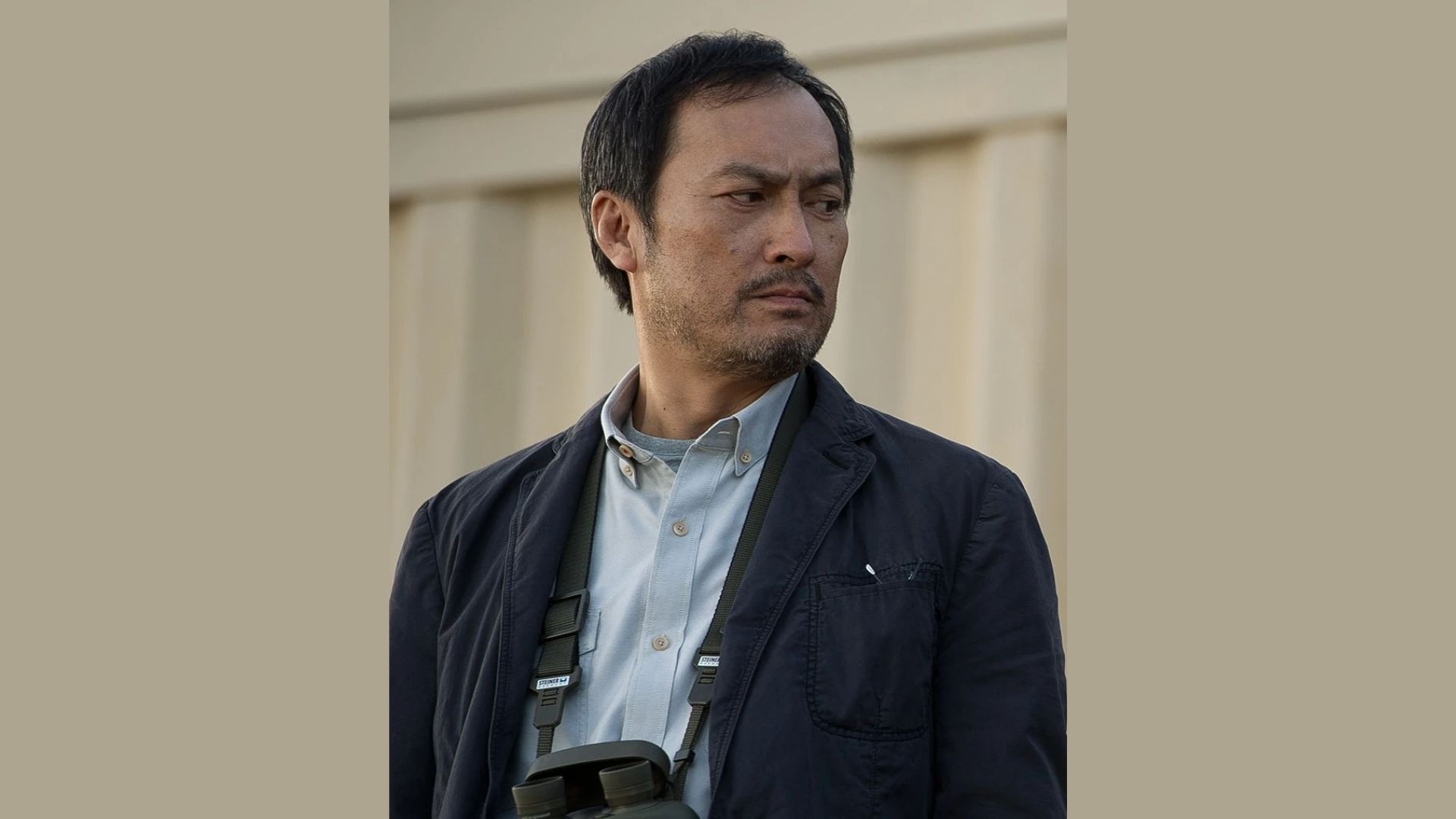
Dr. Ichiro Kanzaki represents the scientific effort to understand the creature threatening Japan.
His research into Godzilla’s biology and rapid mutation becomes vital for forming a response plan. I liked how the film shows scientists working carefully while time runs short.
5. Military Commanders

Several military commanders appear throughout the film as the Self-Defense Forces prepare attacks against Godzilla.
These officers coordinate air strikes, ground units, and defense plans under strict command rules. Their scenes show how military operations must follow procedure during a national emergency.
6. Shin Godzilla / Gojira
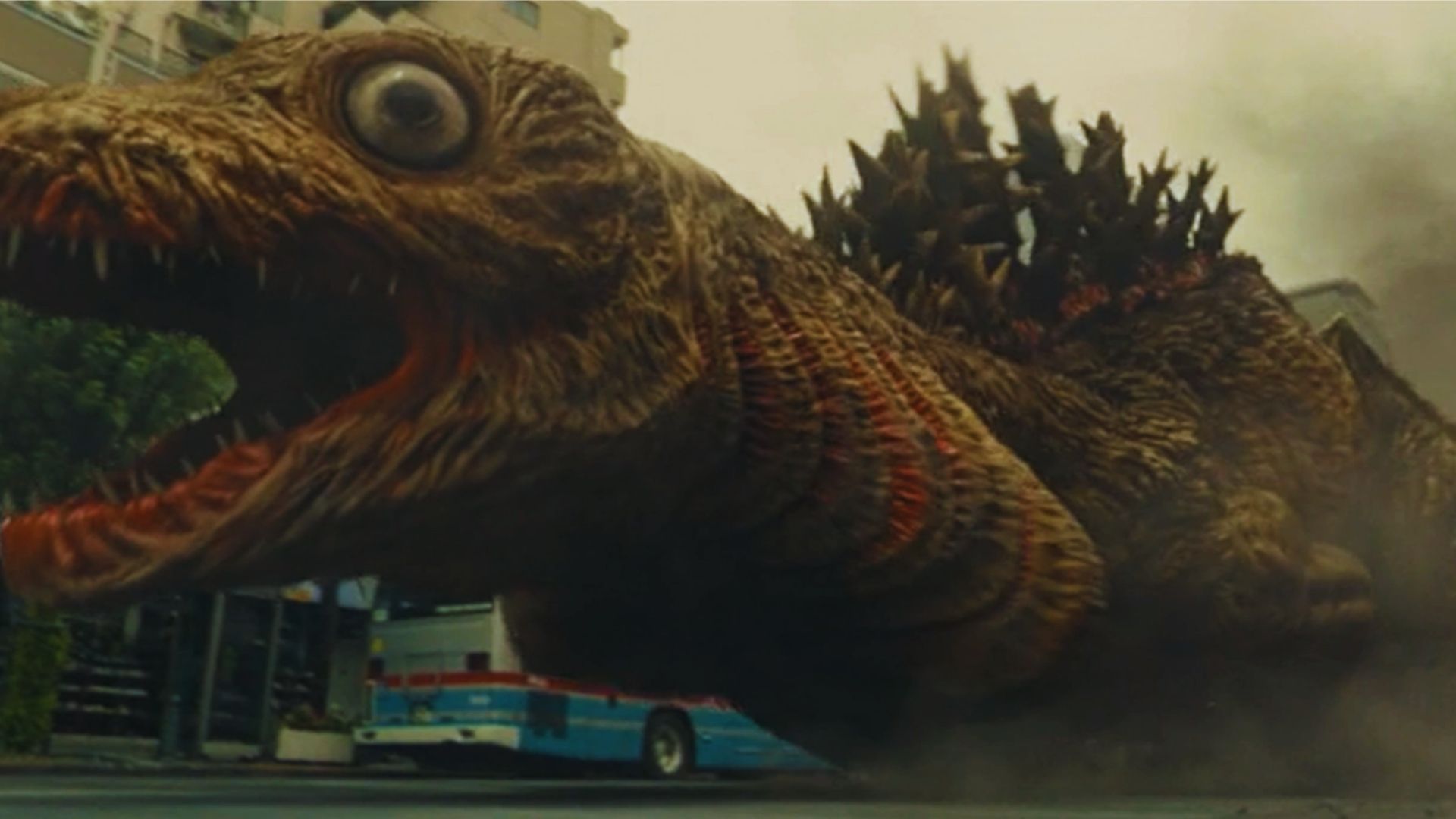
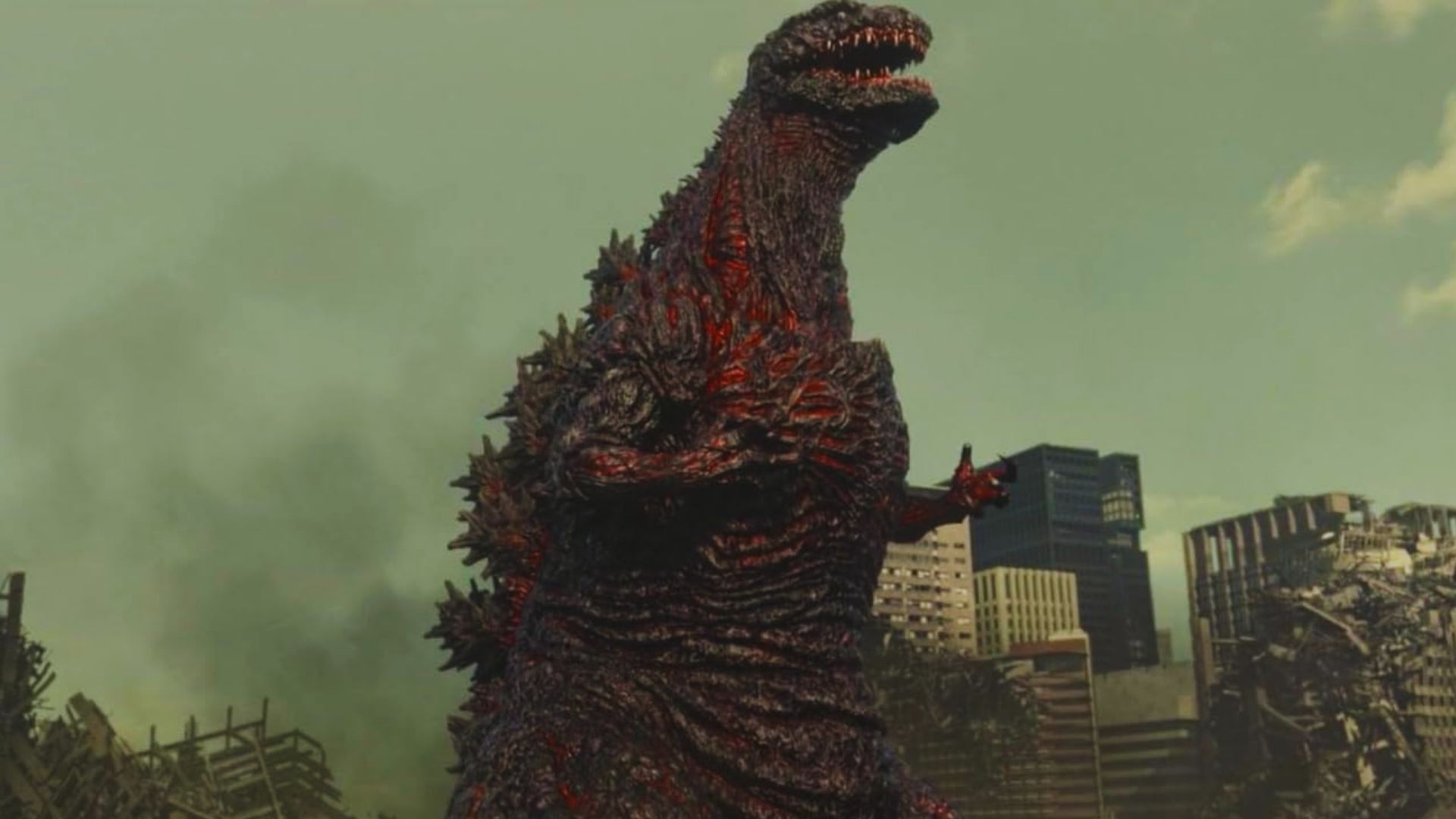
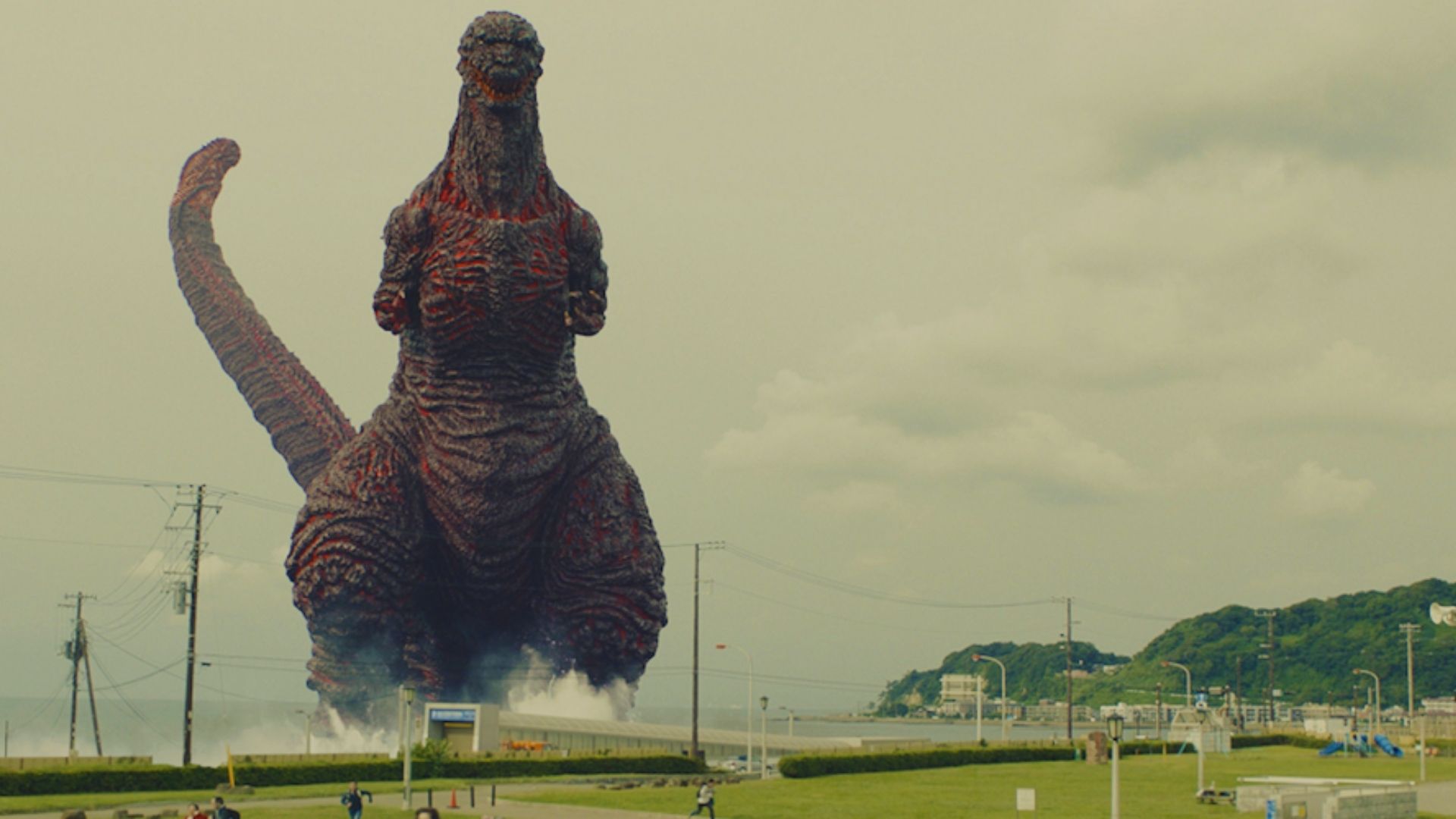
Shin Godzilla is more than a monster; it acts as the main force driving the entire story. The creature changes form as it grows stronger, creating fear across Tokyo.
Its destructive power and strange behavior also reflect larger fears about disasters and national security.
Themes and Symbolism
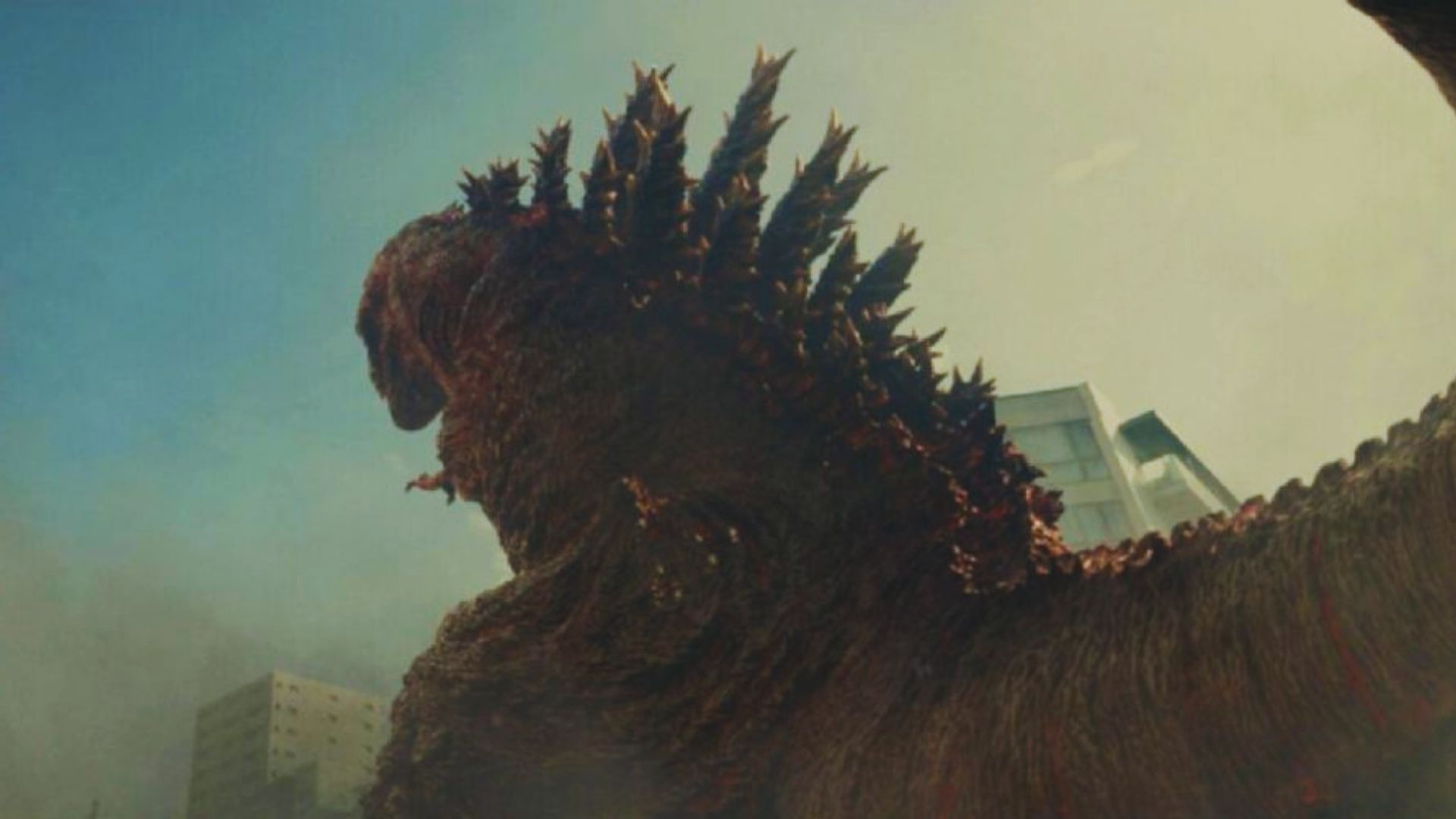
Beyond the destruction scenes, the film presents deeper ideas about society and crisis response. It uses Godzilla to comment on politics, nature, and the modern style of monster films.
1. Political Satire and Bureaucracy
One clear theme is the slow pace of government systems during emergencies. The film shows long meetings, approval chains, and constant rule checks while the threat grows.
This approach quietly criticizes how bureaucracy can delay action when fast decisions are needed.
2. Humanity vs. Nature
Godzilla works as a symbol of nature acting beyond human control. The creature appears suddenly and grows stronger while people struggle to respond.
Watching these scenes reminded me of how disasters can overwhelm systems, forcing society to face limits in power and preparation.
3. Modernization of a Classic Monster
The film also updates Godzilla for a modern audience while respecting the original concept from earlier Japanese films.
The creature’s new design, behavior, and evolution feel fresh, yet the story still keeps the serious tone that made the classic Godzilla famous.
Visual Effects and Cinematography
Visual effects play a key role in showing the scale of destruction across Tokyo.
Monster Design and CGI Innovation: Shin Godzilla has a darker design with glowing red details and changing forms. The film uses modern CGI instead of the traditional suit style from older Godzilla films.
Action Sequences and Practical Effects: Scenes show buildings collapsing and military forces attacking the monster with helicopters, jets, and ground units.
4K Blu-ray and Home Release Quality: The 4K version provides sharper visuals and clearer sound for explosions, roars, and city destruction.
These visual elements help make the destruction scenes feel intense and believable throughout the film.
Soundtrack and Audio Design
Sound helps build tension throughout the film and supports many key moments.
Music Composition and Tone: The score uses dramatic orchestral music that strengthens suspense as the crisis grows and Godzilla approaches the city.
Audio Effects for Monster and City Destruction: Roars, explosions, and collapsing buildings create a powerful soundscape during the destruction scenes.
Together, the music and effects add strong impact to many of the film’s key moments.
Shin Godzilla Review: Critical Reception and Audience Response
The film gained strong attention from both critics and fans after release. I also looked at several reviews and discussions to see how audiences reacted.
Professional Reviews:
Shin Godzilla received positive critical response. On Rotten Tomatoes, the film holds about 87% approval from critics.
A review on Roger Ebert by Simon Abrams gave it 3.5 out of 4 stars, praising its political commentary and visual effects.
Fan and Community Reactions:
Online discussions show mixed but strong opinions. Many Reddit users praise the serious tone, though some feel the heavy dialogue slows the pace.
YouTube reviewers like Chris Stuckmann also highlighted the film’s bold direction and atomic breath scene.
Cultural Impact in Japan and Worldwide:
The movie became one of the most discussed modern kaiju films. Its political themes and serious approach helped renew interest in the Godzilla franchise.
Overall, the film gained praise from critics and strong discussion among fans. Its serious tone helped it stand out in modern Godzilla films.
Pros and Cons
After watching the film, I noted several strengths and a few drawbacks. The table below summarizes the main points.
| Strengths | Weaknesses |
|---|---|
|
Strong visual effects that make Godzilla feel powerful |
Slow pacing during long meeting scenes |
|
Serious and realistic tone in the story |
Heavy dialogue in many government discussions |
|
Detailed look at government crisis response |
Less focus on personal character stories |
|
Memorable atomic breath sequence |
Some viewers may not like the monster design |
|
Fresh approach within the Godzilla series |
Action scenes appear later in the film |
Overall, the film offers strong ideas and visuals, though its style may not suit every viewer.
My Personal Opinion on This
After watching Shin Godzilla, I would give it a personal rating of 8.5 out of 10.
The film feels very different from many monster movies because it focuses strongly on government response and scientific analysis during a national emergency.
I liked how the story builds tension through meetings, planning, and decision-making rather than constant action.
This approach makes the disaster feel more realistic. The atomic breath sequence stands out as one of the most powerful moments in the film.
Some scenes move slowly due to long discussions, but overall, the concept works well and keeps the film engaging.
Final Thoughts
Shin Godzilla delivers a serious and thought-provoking take on the kaiju genre.
In this Shin Godzilla review, the film stands out for its focus on government response, scientific problem-solving, and large-scale destruction.
The visual effects, especially the atomic breath scene, create some of the most memorable moments in modern Godzilla films.
Although the pacing slows during meeting sequences, the overall impact remains strong.
If you enjoy intelligent monster films with deeper themes, watch Shin Godzilla and decide your own rating!
Frequently Asked Questions
Is Shin Godzilla Connected To The American Godzilla Films?
No. Shin Godzilla is a standalone Japanese reboot by Toho and is not linked to the American MonsterVerse films.
Why Does Shin Godzilla Keep Changing Form?
The creature evolves quickly during the film. These mutations make it stronger and harder for scientists and the military to understand.
Is Shin Godzilla Suitable For Younger Viewers?
The film is rated PG-13 in the U.S. It includes intense destruction scenes and serious themes that may suit older viewers more.
Was Shin Godzilla Inspired By Real Events?
Many critics connect the story to Japan’s response to the 2011 Tōhoku earthquake and Fukushima nuclear disaster.
Will There Be A Shin Godzilla Sequel?
No direct sequel has been confirmed. Toho has continued making other Godzilla films with different storylines.