


I’ll be honest. When I first heard about a movie built around a Bob Ross-style TV painter, I wasn’t sure what I was walking into. Was it a parody? A mockumentary? Just a weird indie film?
I watched Paint so you don’t have to guess. This Paint movie review covers everything, the story, performances, direction, themes, and what critics actually said.
I’ve been reviewing films for years, so I know what makes a small comedy work and when it doesn’t.
By the end of this post, you’ll know exactly whether Paint deserves a spot on your watchlist.
Quick Verdict: Should You Watch Paint?

Paint is a slow, dry comedy that works best if you appreciate deadpan humor and quiet storytelling.
Owen Wilson plays Carl Nargle, a soft-spoken local TV painting host whose comfortable world gets shaken by a younger rival.
The film has real charm and a few genuine laughs, but it moves at a pace that won’t suit everyone. If you enjoy quirky character studies, you’ll likely find something here.
If you need fast jokes and a strong plot, this one may test your patience.
Story Overview: The Life of a TV Painter

Carl Nargle is a beloved local TV painting host, until his comfortable world starts to crack.
Carl Nargle: The Beloved Art Host
Carl has hosted a local public TV painting show for years. He paints mountains, trees, and calm skies while half the town watches. He’s known, liked, and settled into his routine.
His on-screen calm gives him a kind of quiet local fame. Off-camera, though, Carl is far less at peace with himself than he appears.
The New Rival Painter
A younger, more dynamic artist arrives at the station. She’s talented, fresh, and the audience notices immediately. Her arrival chips away at Carl’s standing.
Ratings shift. His control over the schedule shrinks. What once felt comfortable and certain now feels anything but.
Fame, Ego, and Identity
Carl’s story is really about what happens when the spotlight moves. He’s spent so long being the guy that he doesn’t know who he is without that title.
The film looks at how fragile a public identity can be, and what it costs when someone else steps into your space.
Direction and Vision: How the Film Was Crafted

Brit McAdams builds a small, specific world and stays inside it the whole way through.
Brit McAdams’ Comedy Style
McAdams doesn’t go for big laughs. The humor comes from awkward silences, flat line delivery, and tiny moments that land if you’re paying close attention.
There’s no slapstick. No loud punchlines. Just a dry, patient style that rewards viewers who are willing to slow down with it.
Small-Town Television World
The local TV station feels lived-in and real. Faded sets, outdated equipment, and a small tired crew give the film its quiet, nostalgic atmosphere.
The setting isn’t flashy, and that’s completely intentional. It mirrors Carl’s place in the world, once important, now quietly overlooked.
Performances: Who Brings the Story to Life
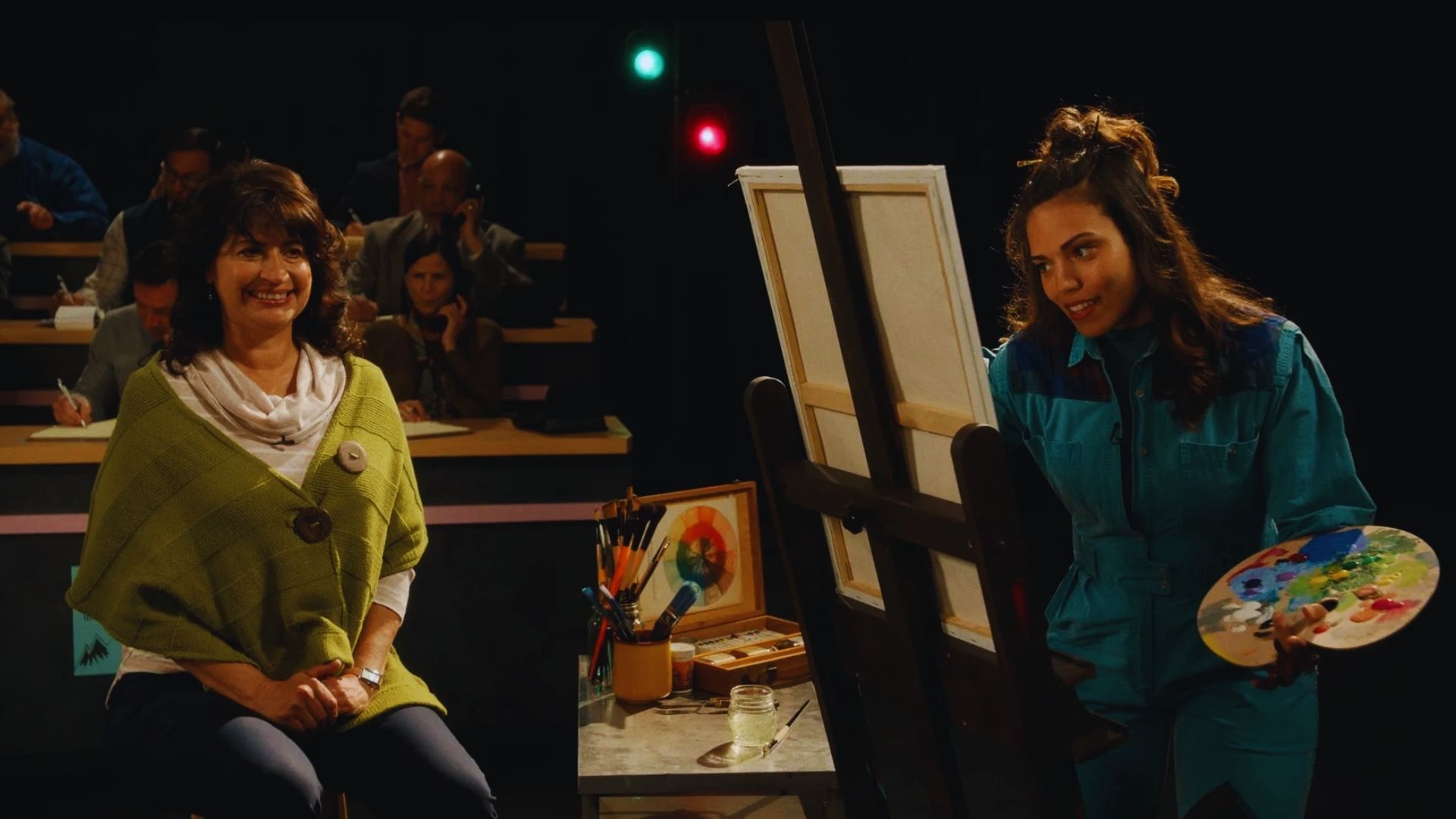
The cast keeps things grounded, with Wilson anchoring every scene he’s in.
Owen Wilson as Carl Nargle
Wilson tones everything way down here. His usual easy charm is still present, but it’s muted and a little sad, which fits Carl perfectly.
He balances the comedy with a genuine sense of loneliness. It’s one of his more interesting performances, even if it isn’t a showy one. He does a lot with very little.
Supporting Cast
The people around Carl, producers, co-workers, and station regulars, all add to the awkward, off-kilter mood. Nobody plays it big.
Everyone is slightly uncomfortable, slightly odd, which keeps the tone consistent throughout. A few supporting characters land genuinely funny moments that break up the slower, quieter stretches nicely.
Themes: What Paint Tries to Say
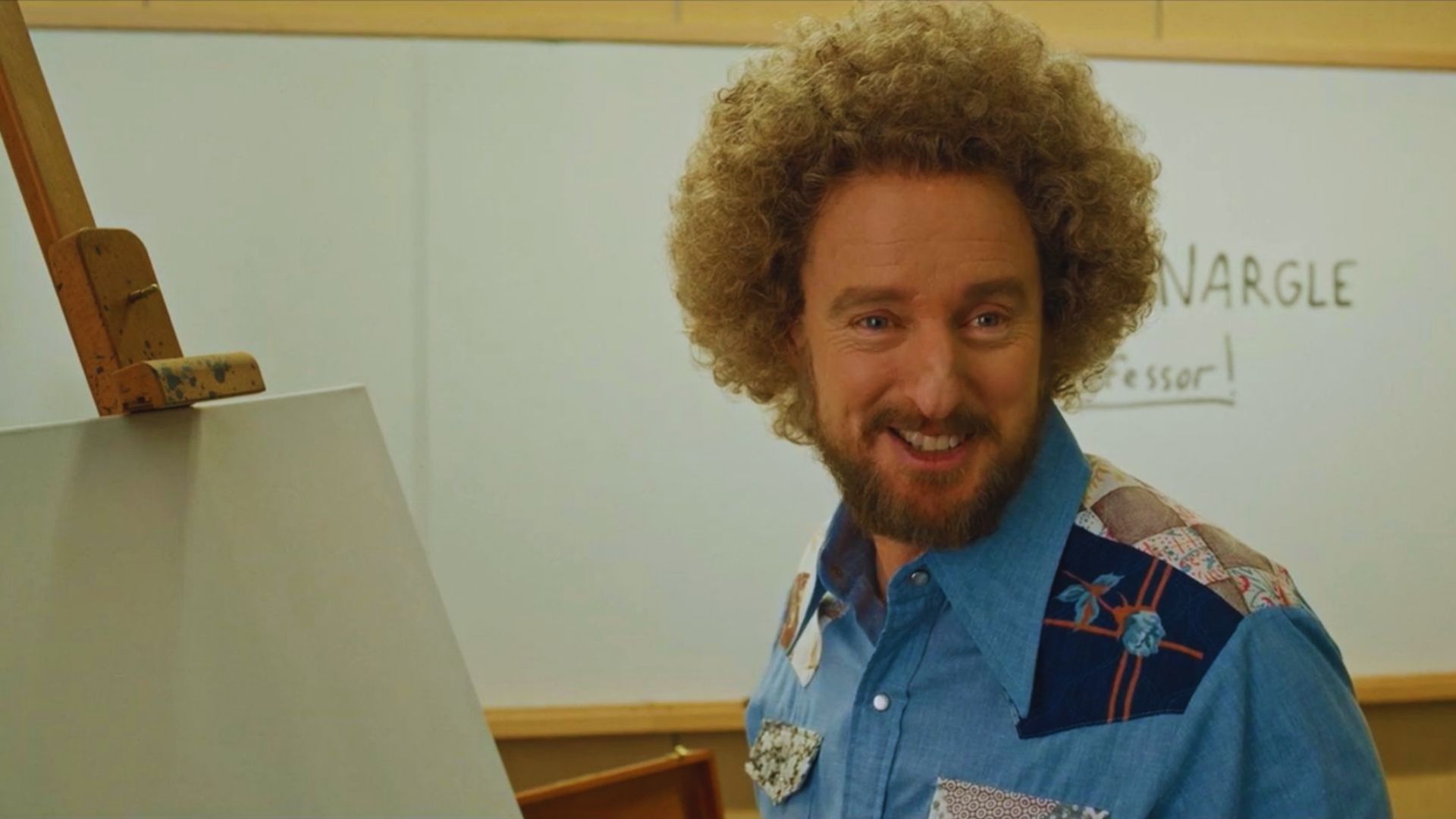
Beneath the comedy, the film asks something real about identity, relevance, and creative ego.
Public Persona vs. Private Reality
Carl on TV is calm and warm. Carl off TV is insecure and a little lost. The gap between who we perform and who we actually are sits at the center of the film.
It’s a familiar tension, and the movie handles it without being too heavy-handed or obvious about it.
Artistic Pride and Competition
Carl doesn’t handle competition well. He sulks. He dismisses. He quietly fears being replaced. The film doesn’t judge him for it, it just shows it plainly and honestly.
That honesty is one of the more interesting things Paint gets right about creative ego and the fear of losing relevance.
Nostalgia for Public Television
There’s real fondness here for slow, low-budget public TV programming. The kind of show you’d stumble across on a rainy Sunday afternoon.
Paint treats that format with genuine affection, and that nostalgia gives the whole story an extra layer of warmth that makes Carl easier to root for.
Cinematic Style: Visuals and Music
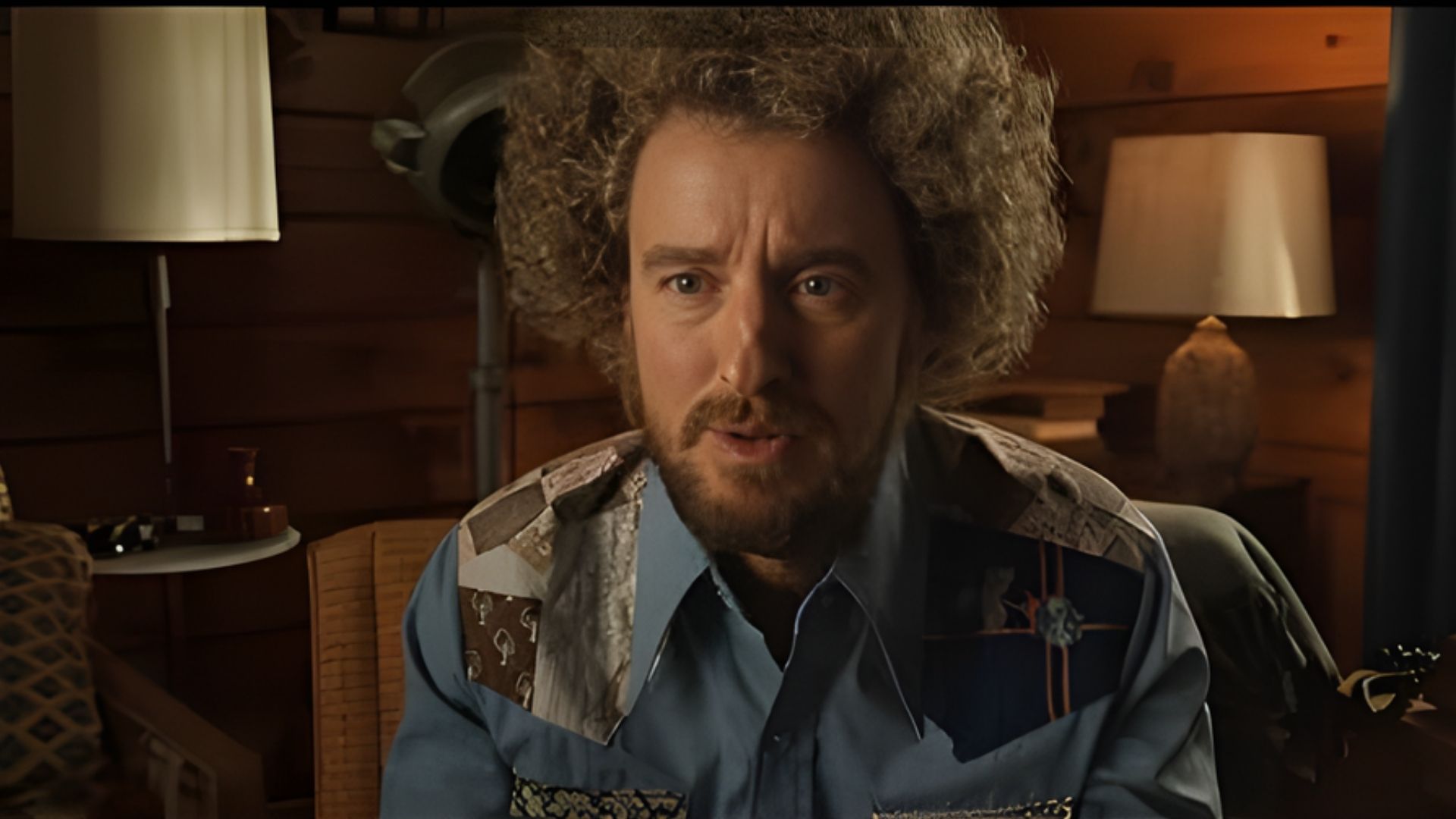
The film looks and sounds exactly like the world it’s trying to capture.
Colorful Landscapes and Art Imagery
Painting scenes run throughout the film and reflect Carl’s inner state directly. When the art flows, Carl feels in control. When it doesn’t, he isn’t.
It’s a simple device, but it works well. The colors in these moments are the brightest, most alive parts of the whole film.
Relaxed Cinematography and Tone
The camera is unhurried. Long takes. Slow cuts. The pacing mirrors the subject, a public TV painting show doesn’t rush, and neither does this movie.
Some viewers will find it too slow to hold their attention. Others will find the restraint genuinely refreshing.
Music and Atmosphere
The soundtrack is gentle and warm throughout. It never tries to push emotions or tell you how to feel.
Instead, it sits quietly behind the visuals, supporting the mood without calling attention to itself. It fits the film’s overall approach of restraint over drama, subtlety over big moments.
What Critics Loved
- Owen Wilson’s restrained performance: Critics consistently praised his emotional honesty and the quiet depth he brought to Carl, calling it one of his more layered roles in years.
- The dry, deadpan humor: Reviewers who appreciated patience over punchlines found the understated comedy style landed consistently and felt genuinely original.
- Nostalgic atmosphere: The film’s warm, affectionate tribute to public television charmed many critics and gave the story a distinctive, specific quality.
- Strong visual storytelling: The use of painting imagery to reflect Carl’s emotional state was seen as a creative and well-executed choice throughout.
- Quiet emotional depth: Many reviewers picked up on the real sadness underneath the comedy and found that tension compelling and surprisingly affecting.
Criticisms: Where the Film Struggles
- Pacing problems: A large number of critics felt the film moved too slowly, with long stretches where very little happens to push the story forward.
- Thin storyline: The plot doesn’t offer many twists or turns, and some reviewers felt it was too slight to carry the full runtime comfortably.
- Underdeveloped supporting characters: Several critics noted that interesting side characters were left without enough screen time or meaningful arcs.
- Narrow audience appeal: The humor is so dry and specific that it likely won’t connect with casual comedy fans looking for something more energetic or accessible.
- Unexplored ideas: Some critics felt the film raised genuinely interesting questions about ego and fame but didn’t push those themes far enough to fully pay off.
Conclusion
I went into Paint expecting a lightweight comedy and came out thinking about it a bit longer than I expected.
It’s not for everyone. But if you enjoy watching a character slowly reckon with himself, there’s something quietly worthwhile here.
Personally, I found Carl’s stubbornness more relatable than I’d like to admit. That fear of being replaced? It’s more universal than the film lets on.
Give it a try on a slow evening. Then come back and drop a comment, did Carl’s story land for you, or did the pacing lose you? Share this post if you think someone else would enjoy the read.
Frequently Asked Questions
Is Paint based on a real person?
Not directly. Carl Nargle is fictional, but the film clearly draws from Bob Ross and the calming public TV painting shows popular in the 1980s and 1990s.
Is Paint suitable for kids?
Paint is rated PG-13. The themes around ego, relationships, and fading relevance are more likely to connect with adult viewers than younger ones.
Where can I watch Paint?
Paint is available on major streaming platforms including Amazon Prime Video. Availability can vary by region, so check your local options.
Is Paint worth watching if I don’t usually like slow comedies?
Probably not. If you prefer faster pacing and a stronger plot, Paint will feel too quiet. It’s built for patient viewers who enjoy character moments.
How long is the Paint movie?
Paint runs approximately 1 hour and 36 minutes, a short, manageable watch despite the slower pace.