

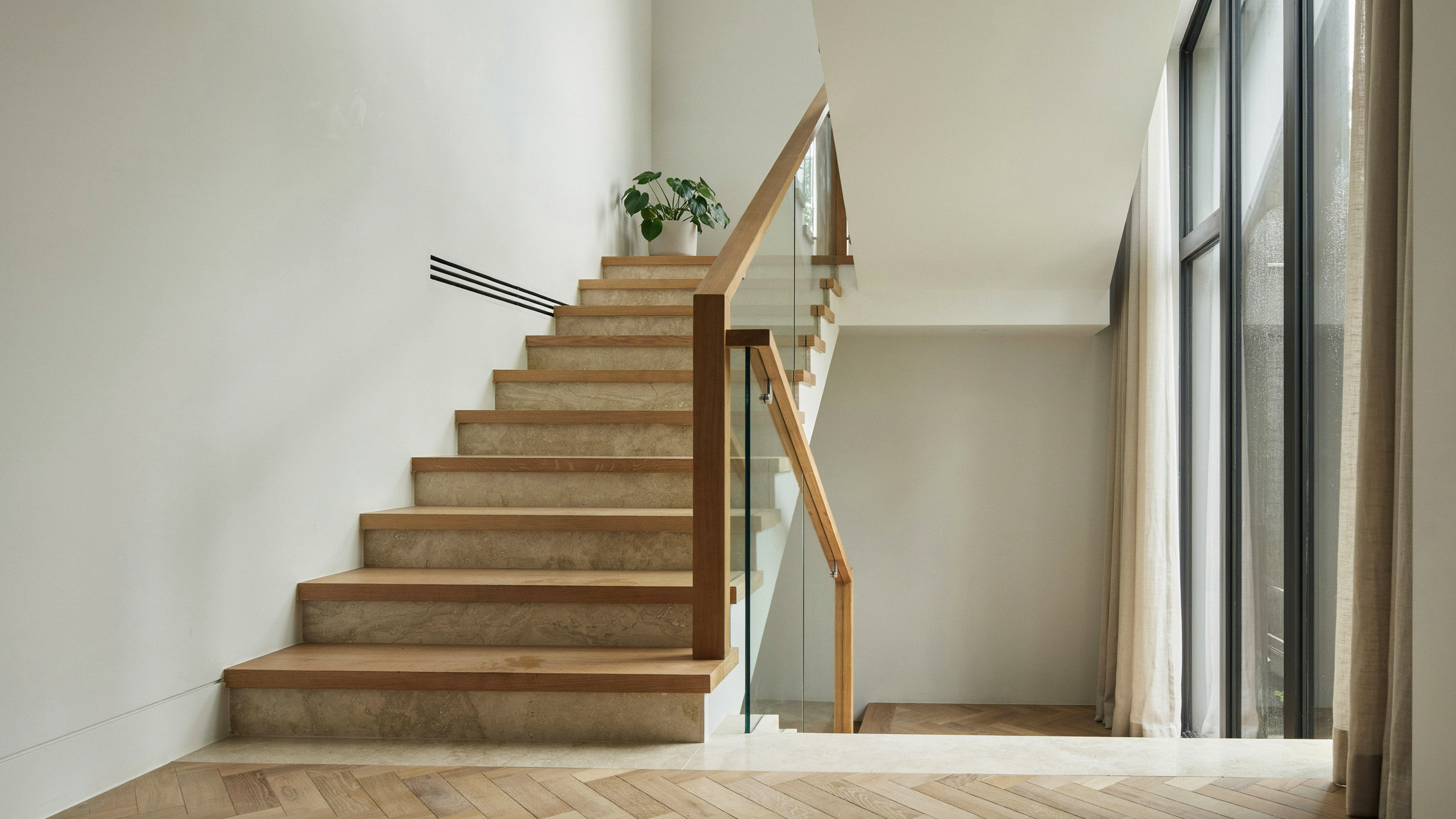
Readers who follow GrahmsGuide for its tours of iconic homes and film sets know that the staircases inside those grand houses are rarely accidents of design. They are engineered responses to the buildings around them, including the climate pressing in on every wall and window. Whether you are dreaming about the sweeping wooden stairs featured in a historic film location or simply eyeing the staircase in your own hallway, the same physical forces are at work. Humidity, temperature swings, and seasonal moisture all shape how safe and durable that structure will be over time.
It might seem like a stretch to connect celebrity homes and filming locations to staircase engineering, but the truth is that beautiful interiors only stay beautiful when the underlying materials are matched to their environment. A staircase photographed in a coastal mansion or a mountain retreat has to withstand very different conditions than one in a dry inland home. Understanding those differences helps homeowners make smarter choices, whether they are restoring a period property or simply maintaining the stairs they use every day.
How Humidity Levels Impact Wood Staircase Stability and Safety
Wood is a living material even after it has been milled and installed, which means it continues to absorb and release moisture based on the surrounding air. Most flooring and staircase professionals recommend keeping indoor relative humidity between 40 and 60 percent to prevent cupping, splitting, and the unsightly gaps that appear between treads and risers. When humidity climbs well above that range, wood fibers swell and can warp the tread surface, creating uneven footing that increases trip hazards. When humidity drops too low, especially during dry winter months with heating systems running constantly, wood shrinks and joints loosen, sometimes producing squeaks or slight instability underfoot.
For anyone curious about how dramatically staircase style and material can vary by setting, the collection of 10 amazing staircases found indoors shows just how much design choices depend on the building’s environment, from grand wooden spirals to sleek metal-and-glass structures suited for entirely different climates. A staircase that looks stunning in a dry desert home might need significant modification to perform safely in a humid coastal one. This is why professionals increasingly treat humidity control as part of staircase design rather than an afterthought handled solely by the HVAC system.
Research on thermal comfort has also found that occupant comfort and perceived air quality decline sharply once indoor relative humidity rises from around 65 to 75 percent, a statistically significant shift that also correlates with higher mold risk near staircases and enclosed stairwells. Mold tends to develop when indoor air temperatures sit between 26 and 28 degrees Celsius alongside relative humidity of 50 to 80 percent, conditions that are surprisingly common in poorly ventilated stairwells attached to bathrooms, basements, or exterior walls. According to NIH, relative humidity is much harder to control inside buildings than in open air because it is so heavily influenced by outside climate, which is why hygrothermal design incorporating heat and moisture transfer analysis and proper insulation is essential for preventing mold and moisture damage.
Regional Climate Patterns: Designing Stairs for Humid, Cold, and Coastal Environments
Homes in humid subtropical regions face a very different set of challenges than those in arid or continental climates. In a humid city like Charleston or New Orleans, indoor staircases are far more prone to moisture absorption, wood swelling, and mold growth along baseboards and stringers, which means builders often lean toward engineered wood, sealed hardwoods, or moisture-resistant composites. In colder northern climates, the bigger threat comes from extremely dry winter air combined with dramatic temperature swings between rooms, which can cause wood stairs to contract and develop gaps or squeaks by midwinter. Coastal properties add salt air into the mix, accelerating corrosion on metal railings, hinges, and support brackets even when the wood itself is holding up well.
These regional differences also affect stair safety in ways that go beyond aesthetics. The World Health Organization has reported that slips and falls cause roughly 684,000 deaths worldwide each year, and moisture on stair surfaces is consistently cited as a major contributing factor to those incidents. A staircase that feels perfectly safe during a dry season can become genuinely hazardous once humidity rises and surfaces become slightly damp or slick, particularly if the finish has worn down or the wood has begun to warp. This is one reason building codes in humid regions increasingly emphasize slip-resistant treads and improved ventilation around stairwells.
Material Selection by Climate Zone: Wood, Metal, Ceramic, and Composite Options
Choosing the right staircase material starts with an honest assessment of local climate rather than personal style alone. Solid hardwood performs beautifully in moderate, stable climates but requires diligent sealing and periodic refinishing in humid or coastal zones. Metal staircases, especially powder-coated steel or aluminum, resist moisture damage well but can develop condensation in humid environments if not properly insulated, creating a slip risk of their own. Ceramic and stone treads handle humidity and temperature swings gracefully and are popular in tropical and coastal designs, though they can become slippery when wet unless textured or treated. Composite materials, which blend wood fibers with polymers, have become a practical middle ground for climates with wide seasonal humidity swings because they resist warping far better than solid wood while still offering a natural appearance.
|
Metric |
Value |
|
Optimal indoor humidity for wood stairs |
40-60% relative humidity |
|
Thermal acceptability decline |
Significant drop between 65% and 75% RH (p<0.01) |
|
Mold prevention range |
26-28°C with 50-80% RH |
|
Pressure-treated outdoor wood stair lifespan |
15-30 years, moisture-dependent |
|
Global fall-related deaths annually |
684,000 (WHO) |
Preventive Maintenance Schedules Tailored to Your Local Climate
Maintenance frequency should reflect regional conditions rather than following a generic nationwide schedule. In humid climates, staircases benefit from quarterly inspections for warping, mold spots, and loose joints, along with dehumidifier use in enclosed stairwells during peak humidity months. In colder regions, late fall inspections before the heating season begins help catch shrinkage-related gaps before they worsen, and a humidifier can ease the transition into dry indoor air. Homeowners dealing with recurring musty smells or unexplained moisture near a staircase should also look for warning signs your hvac system might be contributing to the problem, since ductwork running near or beneath stairwells can quietly spread mold spores throughout a home, as explored in warning signs your hvac system has a mold issue.
Pressure-treated outdoor wood stairs typically last 15 to 30 years, but that range narrows considerably when moisture management is neglected, underscoring how much climate awareness matters even for structures built with durable materials. Indoor staircases face gentler but more constant exposure to humidity fluctuations from cooking, bathing, and seasonal weather changes, which makes regular inspection just as important as the initial material choice. Property owners who treat staircase maintenance as an extension of overall home climate control tend to avoid costly repairs and, more importantly, keep their families safer on the steps they use every single day.
