

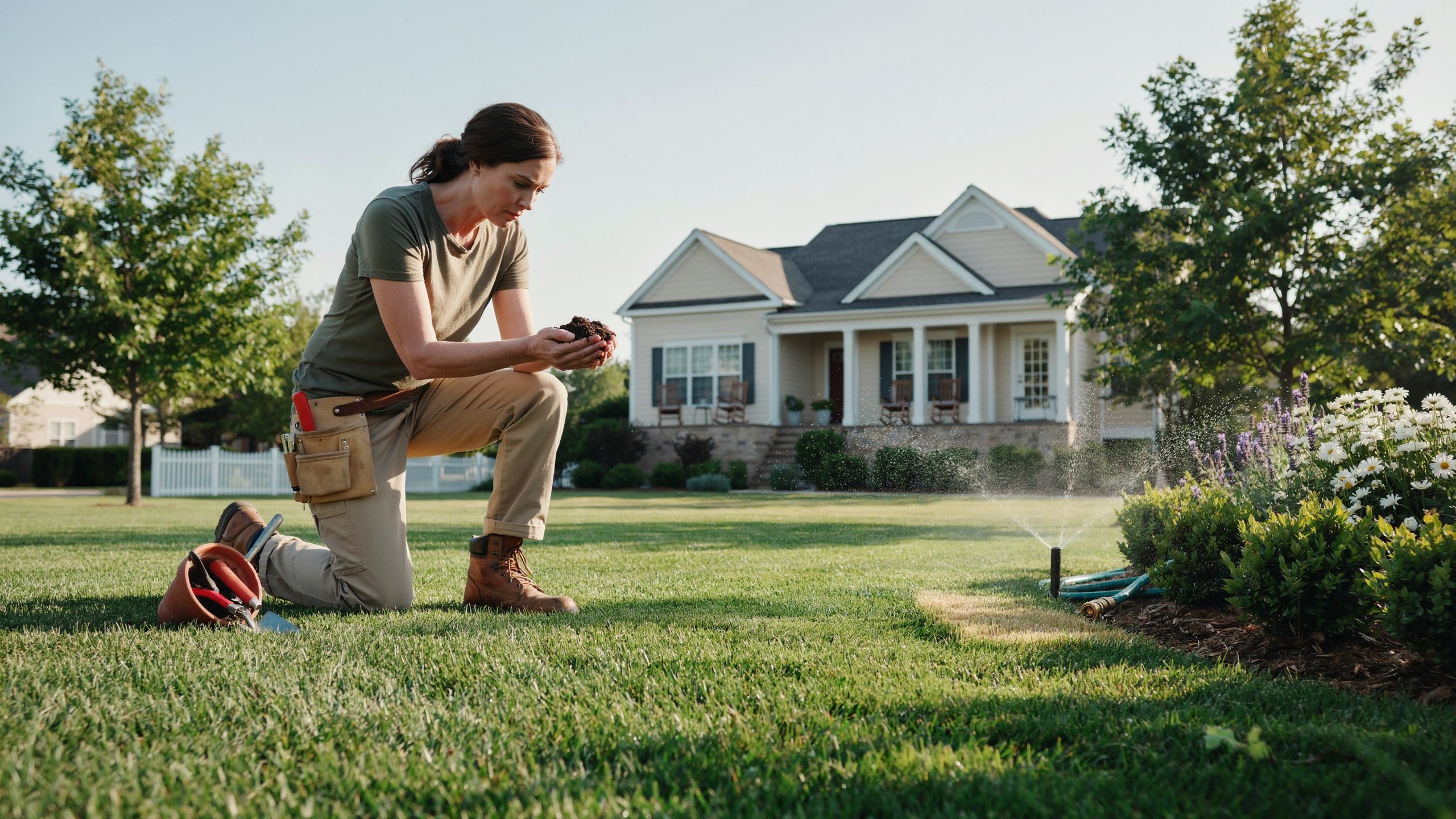
If you spend your weekends scrolling through celebrity home tours or picking apart the landscaping in your favorite period drama, you already know that the lawns surrounding those iconic properties rarely look that good by accident. Whether it is the manicured grounds outside a famous filming location or the quietly impressive front yard of a home featured in our Home & Interior coverage, that kind of turf is the product of routine, not luck. The owners and groundskeepers behind those properties are not scrambling to fix brown patches after the fact, they are following a schedule designed to keep problems from ever showing up on camera.
That same philosophy applies to the lawn outside your own front door, even if no film crew is ever going to set foot on it. Most homeowners only start paying attention to their grass once something has gone visibly wrong: a patch of weeds, a yellowing section, a soggy corner that never dries out. By then, you are usually looking at a longer, more expensive fix than if you had simply built a few preventive habits into your routine from the start. The good news is that lawn care, like set design, rewards attention to the fundamentals long before anything needs repair.
This is especially true for homeowners establishing new turf, where early habits determine whether a lawn thrives or struggles for years afterward. Local climate and soil conditions play a bigger role than most people expect, which is why working with an experienced source for SodLawn sod in Roseville can make the first few months dramatically easier. Getting healthy, well-rooted sod from a supplier familiar with the region’s heat patterns and soil composition removes a huge amount of guesswork, and it sets the stage for every prevention habit described below to actually work as intended.
The Prevention Mindset: Why Proactive Lawn Care Saves Time and Money
A prevention mindset simply means treating your lawn’s health as an ongoing maintenance project rather than a series of emergencies. Weeds, fungus, and bare patches rarely appear overnight. They build gradually from small imbalances in watering, mowing, or soil nutrition that go unnoticed until the damage is obvious. Catching those imbalances early, or better yet avoiding them altogether, is almost always cheaper and less labor intensive than reseeding a dead section or treating an established disease outbreak.
Homeowners who adopt this approach tend to spend less time troubleshooting and more time simply enjoying their yard. It also tends to be far less expensive over a full year, since fungicides, herbicides, and replacement sod cost considerably more than a consistent watering and mowing schedule. Thinking in terms of prevention rather than reaction changes the entire relationship homeowners have with their lawn, turning it from a recurring chore into a predictable routine.
The Four Pillars of Prevention: Watering, Mowing, Fertilization, and Soil Health
Almost every common lawn problem traces back to one of four basics: watering habits, mowing height, fertilization timing, or underlying soil condition. Overwatering is a particularly common culprit, since excess moisture creates the damp, low-airflow environment that fungal disease thrives in. According to LawnBySeason, cultural practices such as morning-only watering, correct mowing height, moderate fertilization, and good air circulation prevent more than 80 percent of residential lawn disease problems, which means most homeowners can skip fungicide entirely if these basics are handled correctly.
Mowing height matters more than most people realize too, since cutting grass too short stresses the root system and opens the door for weeds to take hold in thin, exposed soil. Fertilization should be moderate and timed to the grass type and season, since too much nitrogen encourages soft, disease-prone growth. Soil health rounds out the list, and a simple test every couple of years can reveal pH or compaction issues long before they show up as visible turf problems.
| Lawn Challenge or Practice | Percentage of Homeowners |
| Cite weeds as their biggest lawn challenge | 65% |
| Battle lawn diseases regularly | 30% |
| Prevent disease through cultural practices alone | 80%+ |
| Fungal diseases linked to overwatering | Up to 70% |
| Use pre-emergent herbicide for weed prevention | 45% |
Seasonal Prevention Routines: Spring, Summer, Fall, and Winter Prep
Spring is the season for resetting the lawn’s foundation, which means aerating compacted soil, applying a pre-emergent herbicide before weed seeds germinate, and giving the grass its first light feeding. Summer shifts the focus to consistent, early-morning watering and raising the mower blade slightly to help grass withstand heat stress without drying out. These two seasons do the heaviest lifting in terms of prevention, since mistakes made in spring and summer tend to surface as visible problems by fall.
Fall is the ideal time for a deeper fertilization push, since grass is storing energy for winter dormancy and responds well to nutrients at that stage. It is also a smart window for overseeding thin patches before cold weather sets in. Winter prep is lighter but still matters, since clearing fallen leaves and debris prevents trapped moisture that can encourage fungal growth even in dormant turf. Following this rhythm year after year keeps a lawn’s needs predictable instead of reactive.
Common Prevention Mistakes Homeowners Make (and How to Avoid Them)
The most frequent misstep is watering on a fixed schedule regardless of weather, which often leads to overwatering during cooler or rainy stretches and contributes directly to the fungal issues mentioned earlier. A close second is mowing too short in an effort to cut grass less often, which weakens roots and leaves soil exposed to opportunistic weeds. Skipping soil testing is another common oversight, since many homeowners fertilize blindly without knowing whether their soil actually needs nitrogen, phosphorus, or a pH adjustment in the first place.
If problems do appear despite these precautions, targeted remediation such as spot treatment for fungus or reseeding a damaged patch is still an option, though it should be viewed as a backup plan rather than the primary strategy. Addressing an isolated issue quickly, before it spreads across the yard, keeps remediation simple and inexpensive. Still, the homeowners who spend the least time dealing with lawn repairs are consistently the ones who built strong preventive habits from the very beginning, which is the real lesson worth carrying into next season.
