

Film and TV fans spend hours in front of screens. Movies, behind-the-scenes documentaries, location-scouting videos, and streaming marathons can eat up entire weekends. But a growing number of enthusiasts are discovering that analog hobbies offer a welcome counterbalance to all that screen time.
The numbers back this up. According to a 2025 report from Hobbycraft and the mental health charity Mind, 60% of adults wish they spent less time on screens, and 48% say crafting reduces stress. The same study found that 46% of people use creative activities to cut back on device use. Meanwhile, Michaels’ 2026 Creativity Trend Report shows that analog hobby searches surged 136% in just six months on Michaels.com, with needlepoint searches alone up 251% year over year.
These hobbies don’t replace film fandom. They complement it. The same impulse that makes you pause a movie to admire a set design or track down a filming location for your next trip translates naturally into hands-on creative work. Whether you’re stitching a scene from your favorite film or baking a pie from a movie cookbook, analog hobbies let you stay connected to the stories you love without adding more screen time.
Here are eight analog hobbies that pair perfectly with a film and TV obsession.
1. Punch needle embroidery – create movie-inspired textile art
Punch needle embroidery is a tactile craft that creates looped yarn textures on fabric. It’s forgiving, fast, and surprisingly addictive. Unlike traditional embroidery that requires precision with every stitch, punch needle lets you work quickly and see results in a single session.
For film fans, it’s a natural fit. You can create wall art inspired by your favorite movie color palettes, iconic scenes, or retro film posters. The needlepoint resurgence is real, and Punchora offers beginner-friendly kits with everything included. No prior experience required. Small projects finish in hours, not weeks.
Some films are practically color studies in themselves. The flower-filled yellows, blues, and whites of Midsommar, the vibrant pinks and reds of Barbie, and the pastel-heavy palette of The Grand Budapest Hotel all translate beautifully into punch needle projects. Recreating these distinctive color schemes in yarn is a hands-on way to engage with the visual storytelling that makes these films so memorable.
2. Film photography – channel your inner cinematographer
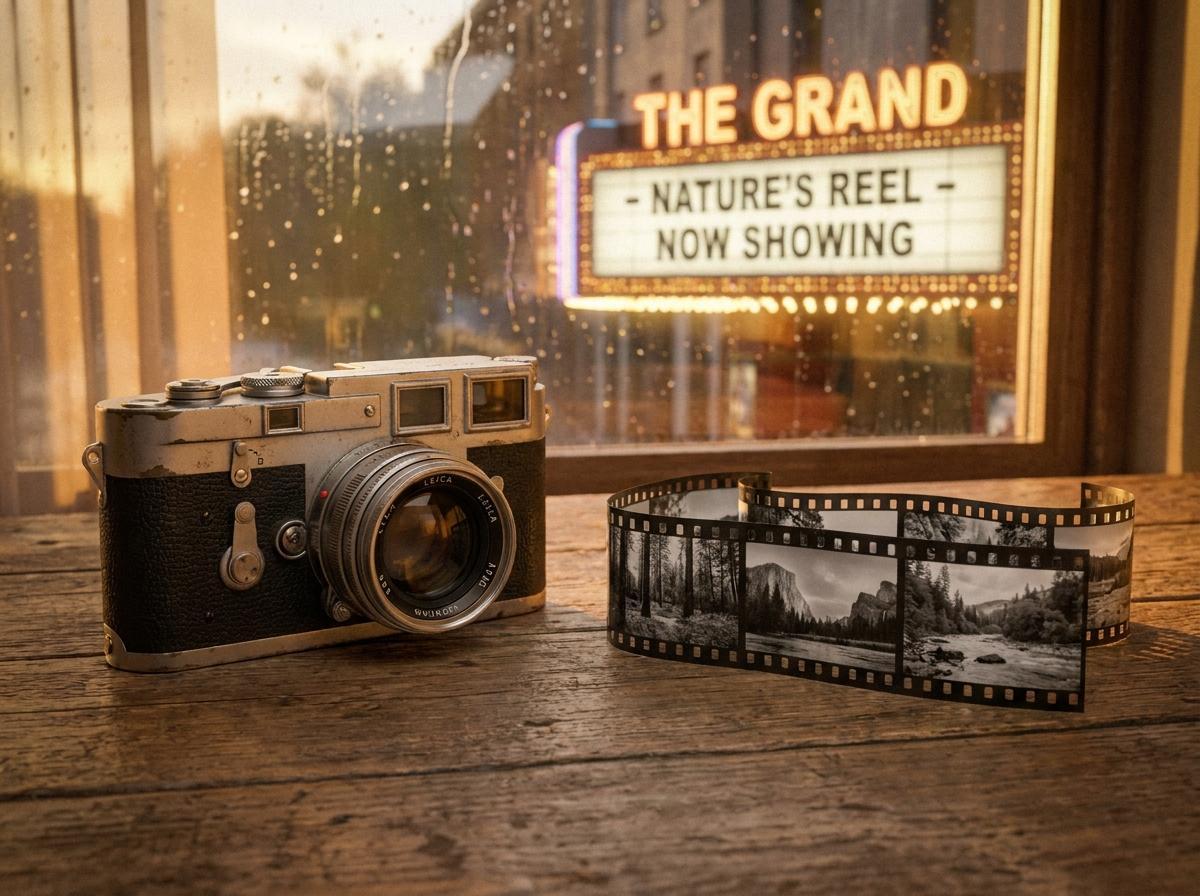
Analog photography is the purest crossover between film fandom and hands-on craft. Shooting film forces intentionality in a way digital never can. You get 24 or 36 frames per roll. No chimping. No instant delete. Every shot requires real thought about composition, lighting, and exposure.
That discipline translates directly into a deeper understanding of cinematography. When you shoot film, you start noticing how directors use light and color to shape mood. You pay attention to focal lengths and depth of field. The cost of film and development adds up fast, but that friction is part of what makes each shot matter.
Expedia’s 2026 Set-Jetting Report found that 81% of Gen Z and Millennials now plan trips based on TV shows and films, with the global screen tourism market valued at $66.2 billion. Film photography gives set-jetters a way to capture those locations with the same medium their favorite directors used.
3. Movie journaling – keep a physical record of everything you watch
Physical journaling offers an analog antidote to Letterboxd and streaming-platform watchlists. Instead of clicking a star rating on an app, you sit down with a pen and paper and think about what you actually watched.
A movie journal tracks the date, your rating, favorite scenes, cinematography notes, and any filming locations you spotted. Junk journaling and bullet journaling have both seen major search growth. Michaels’ 2026 report notes a 63% increase in junk-journaling searches alone.
Over time, a movie journal becomes more than a watchlist. It turns into a personal record of your evolving taste in cinema. Looking back through old entries can reveal patterns you might otherwise miss, such as a preference for certain directors, genres, cinematography styles, or storytelling techniques. For many film enthusiasts, the process of reflecting on a movie after the credits roll is just as rewarding as watching it in the first place.
4. Paint by number – recreate iconic movie scenes
Paint by number is making a quiet comeback, and it’s perfect for film fans who want to create art without drawing. The format is simple: a canvas printed with numbered sections corresponds to specific paint colors. You fill in the areas and watch an image emerge.
Custom paint-by-number kits let you turn personal photos into canvases. Movie stills, travel shots from set-jetting trips, or film posters all work. No artistic skill required. It’s a meditative, structured activity with a framed result you can hang on your wall.
The Business Research Company estimates the global arts and crafts supplies market at $47.4 billion in 2025, with projections to reach $67.4 billion by 2030. A 2025 study published in Frontiers in Public Health found that creative activities significantly improve psychological well-being, particularly for adults with high-stress lifestyles.
5. Knitting and crocheting – the perfect cozy movie night companion

The craft cinema trend is real. Knitting-friendly screenings are selling out in cities like Vienna, Melbourne, and New York. The format is simple: watch a movie while you knit or crochet, with house lights kept slightly brighter than usual so you can see your work.
Knitting works during movies because it’s repetitive and hands-free enough to follow a plot. You can do it at home during a rewatch or take it to a theater for a special screening. It’s portable and social when done in groups.
The Hobbycraft and Mind report found that 48% of adults say crafting reduces stress, and 46% say it helps them spend less time on devices. For film fans, combining a movie with a knitting project turns passive watching into active, productive time.
6. Building movie-themed puzzles – 1000 pieces of film history
Jigsaw puzzles featuring movie posters, famous scenes, and production stills have become a niche market with staying power. Brands like Ravensburger and Buffalo Games produce officially licensed puzzles for everything from classic films to current streaming hits.
Puzzles require patience, focus, and a willingness to work without instant gratification. They also work as a group activity, making them a solid option for movie-night gatherings. For set-jetting enthusiasts, puzzles of famous filming locations offer a way to stay connected to travel goals between trips.
Completing a movie-themed puzzle encourages you to slow down and notice details that are easy to miss on screen. As hundreds or thousands of pieces come together, you start paying closer attention to costume design, set decoration, lighting, and composition. It is a different way to appreciate the craftsmanship behind filmmaking, turning a single image into an activity that can keep you engaged for hours.
7. Sketching and storyboarding – learn the language of film
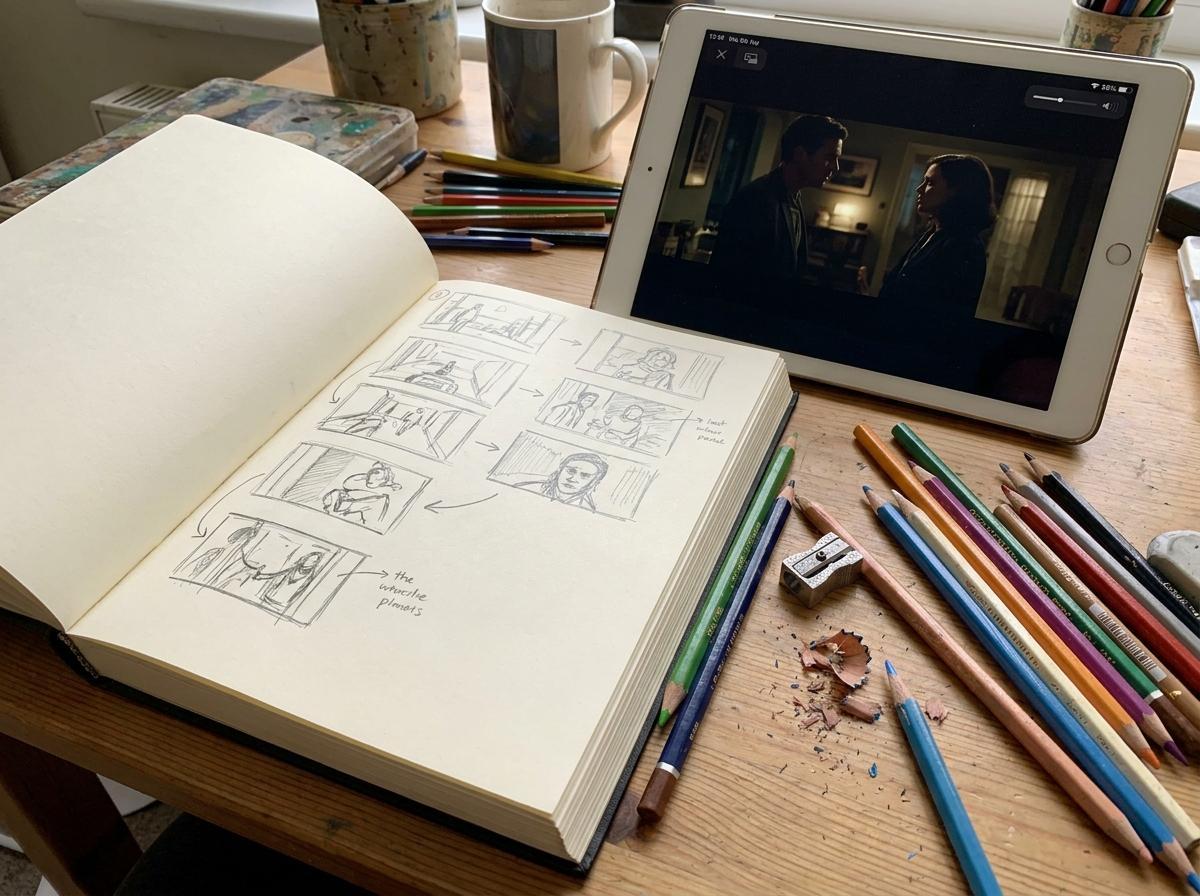
Storyboarding is the closest you can get to thinking like a director without a budget. It forces you to consider shot composition, camera angles, scene blocking, and visual flow. These are the same elements that make your favorite films work.
All you need is a pencil and paper. You can sketch storyboard frames from a scene you love, reverse-engineering how the director planned each shot. It’s a direct way to learn filmmaking language while creating something with your hands.
Some films are especially rewarding to break down into storyboard form. The inventive visual style of Fight Club, the intricate dream sequences of Inception, and the carefully choreographed action in The Dark Knight all provide excellent examples of visual storytelling. Sketching these scenes frame by frame can help you see how directors guide the audience’s attention through composition, camera placement, and movement.
8. Baking from film-inspired cookbooks – taste the movies
Film-inspired cookbooks have become a publishing category of their own. Studio Ghibli’s cookbook, the official Harry Potter baking book, and titles tied to The Bear all spend weeks on bestseller lists. These books are physical objects. No tablet or phone required in the kitchen.
Baking from a cookbook is an inherently analog activity. You measure ingredients by hand. You follow a sequence of steps. You produce something you can eat while you watch the movie that inspired it. Themed viewing parties with matching snacks take the experience further.
Michaels’ 2026 report also notes that 72% of its shoppers use creative projects as a way to save money. Baking at home from a cookbook instead of ordering delivery for your next movie night fits that trend perfectly.
Conclusion – finding your analog balance
The eight hobbies above share one thing in common: they all enhance film fandom without adding more screen time. Punch needle embroidery lets you create art inspired by the movies you love. Film photography deepens your understanding of cinematography. Movie journaling turns passive watching into active reflection.
You don’t need to try all eight. Pick one that feels right and start small. A single punch needle kit, a roll of film, a cheap notebook, or a movie-themed puzzle is enough to see whether the format clicks. The best hobby is the one that actually gets you away from the screen while keeping you connected to the stories you care about.