


I watched Midsommar expecting a typical horror film. What I got stayed with me for weeks. I’ve spent years writing about film, and this one deserves an honest, clear look.
This Midsommar review covers everything you need before hitting play. I’ll break down the plot, themes, performances, and whether it’s worth your time in 2026. No fluff. Just a straight, honest take on one of the most talked-about films of the last decade.
You’ll know exactly what to expect and how to watch it right. That is what I am here for.
Plot Overview Without Major Spoilers

A quick, spoiler-light breakdown of the story and its emotional core.
Dani and Christian are a couple barely holding on. Christian has mentally checked out. Then Dani suffers a devastating family tragedy and has no one to lean on. Christian, partly out of guilt, brings her along on a trip to Sweden with his friends.
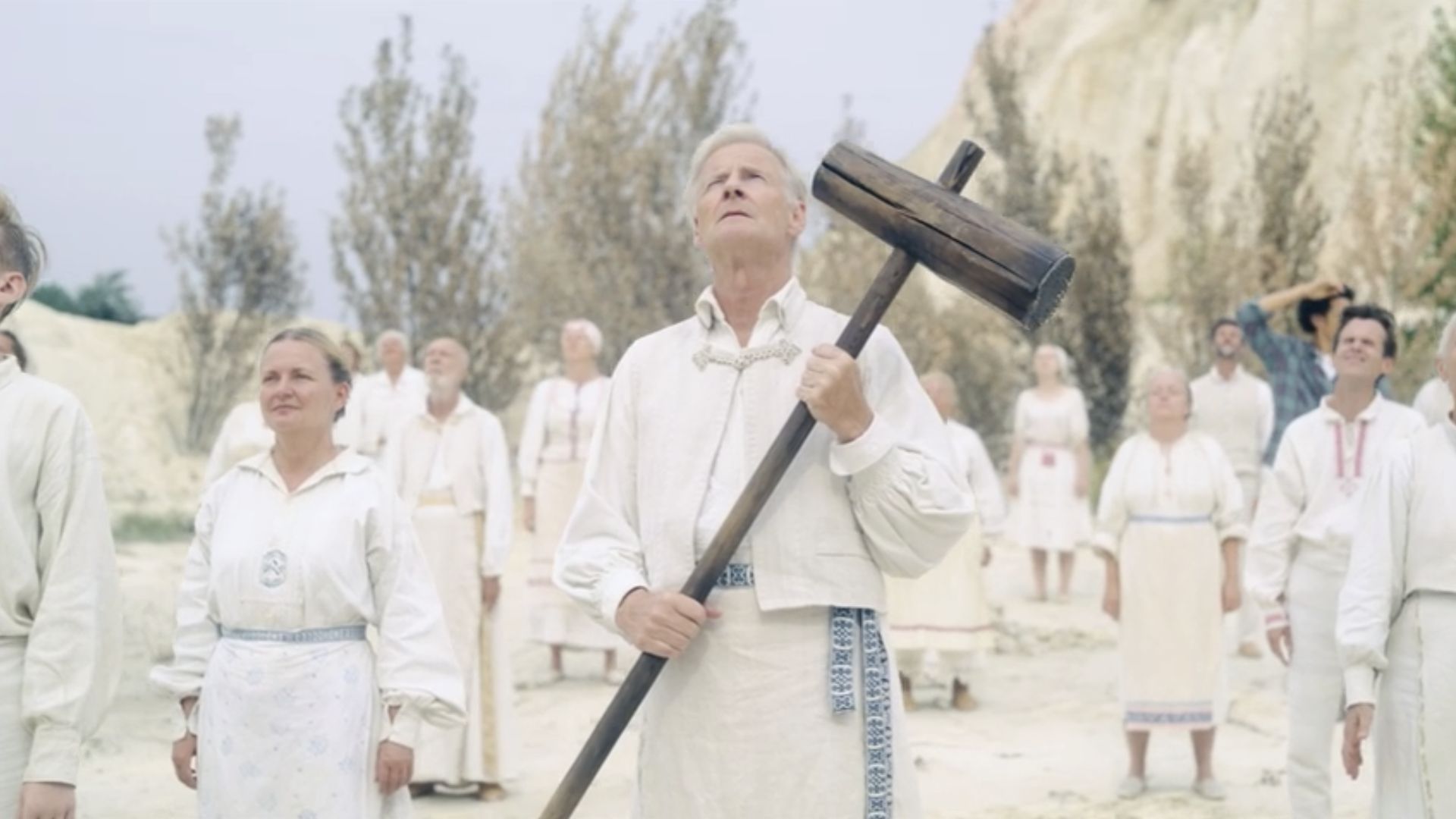
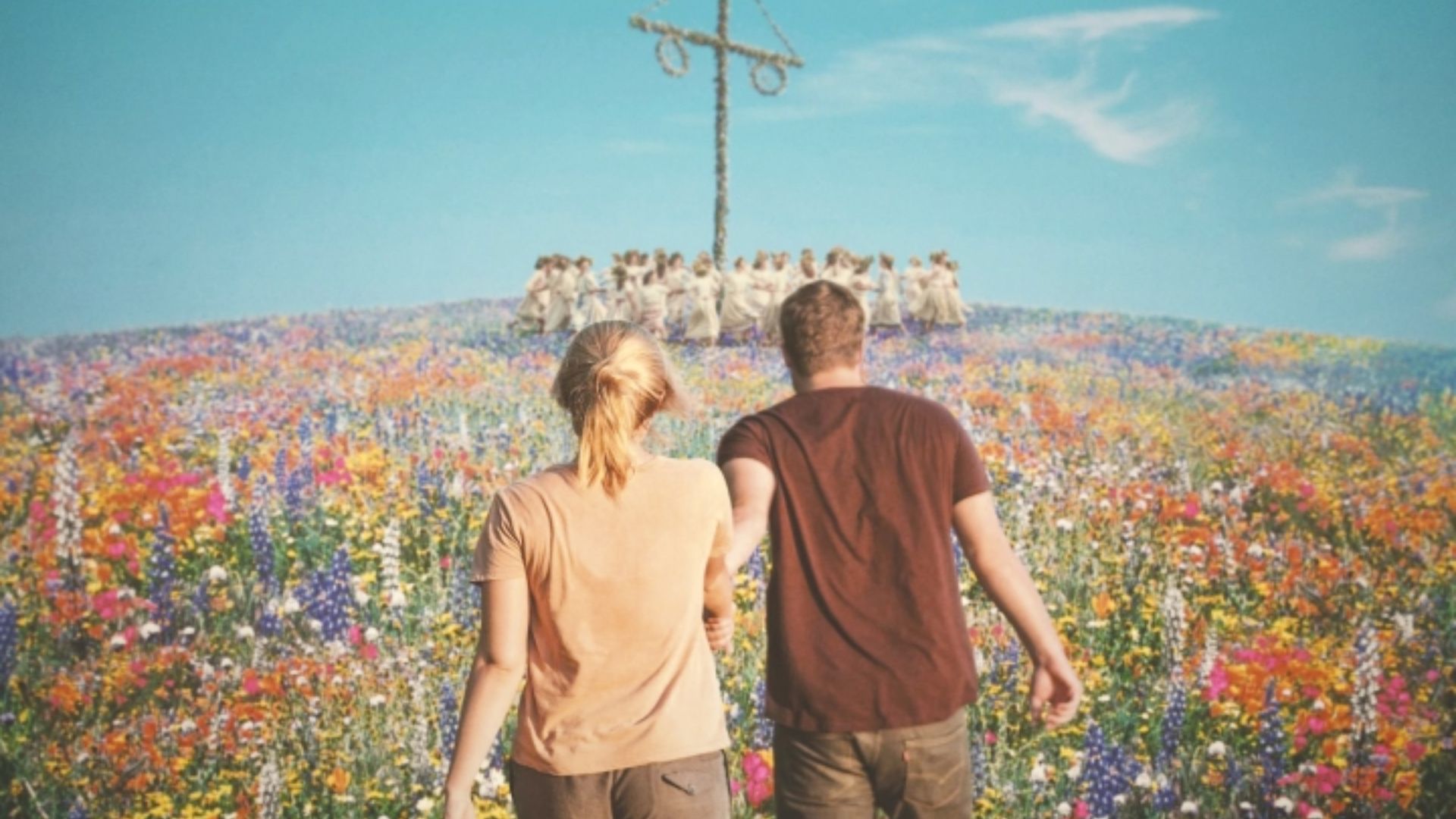
The group arrives at a rural commune. It looks peaceful. Sunlight, flowers, and smiling people in white linen. But something feels off. Strange rituals. Odd behavior. Rules that do not make full sense.
The shift is slow. What starts as a cultural trip begins showing cracks. By the time the group understands what is really happening, leaving is no longer an option.
Ari Aster’s Vision and Direction
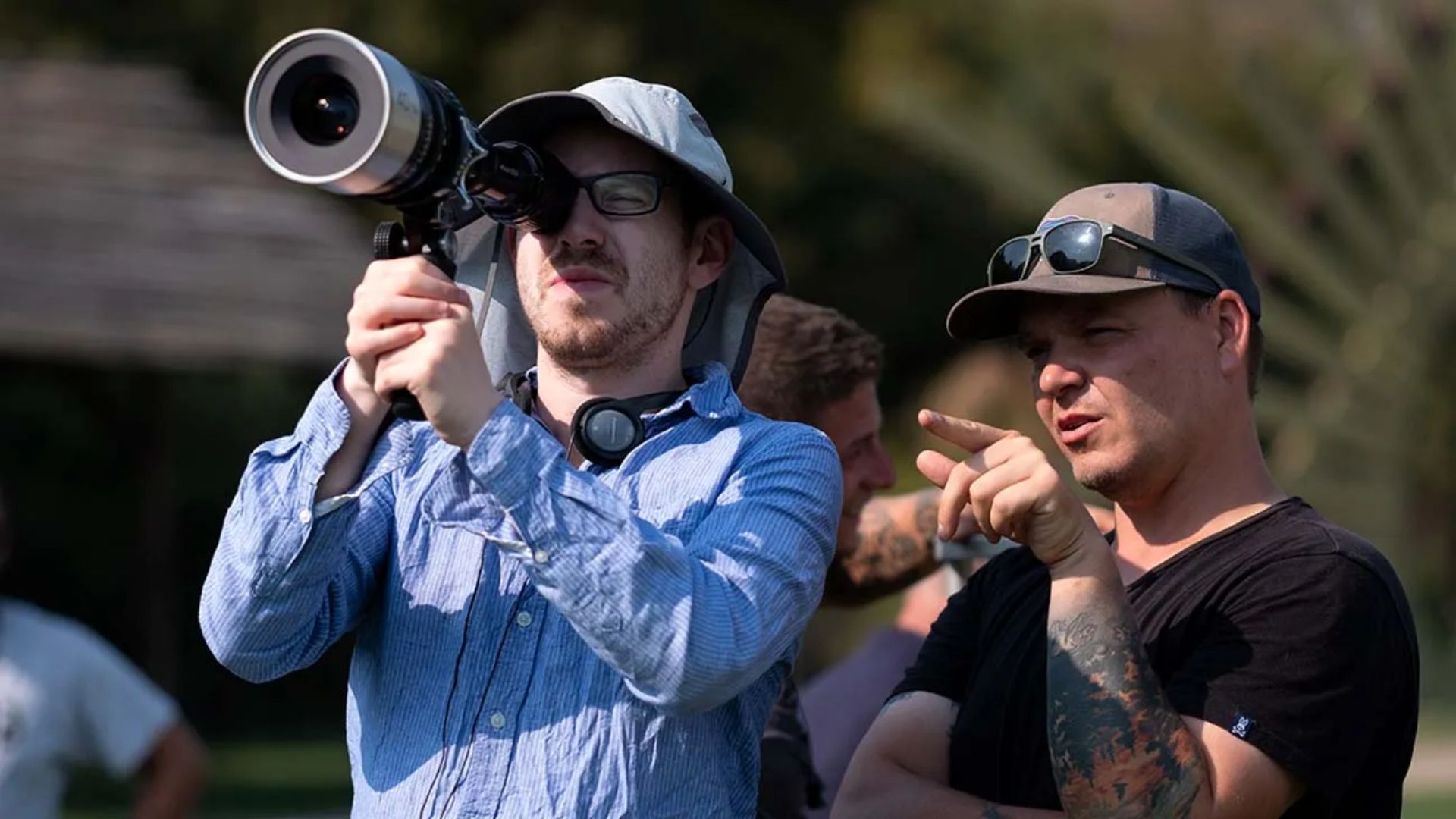
How the director shaped a film that broke genre rules and built something new.
Ari Aster’s first film, Hereditary, was dark, claustrophobic, and set mostly at night. Midsommar is almost the opposite. Wide open, sunlit, and shot almost entirely outdoors. Most horror films rely on darkness. Aster proved that daylight can be just as disturbing.
The film belongs to a sub-genre called folk horror. Think less about monsters and more about communities, rituals, and belief systems that feel deeply wrong.
There are no jump scares. The horror comes from watching something unfold that you cannot stop. That psychological discomfort is harder to shake than any loud noise.
Aster uses long, wide shots and lets scenes breathe. That patience is exactly what makes the dread build so well.
Performances That Carry the Film
Strong acting turns a disturbing story into something genuinely moving.
Florence Pugh’s Career-Defining Role
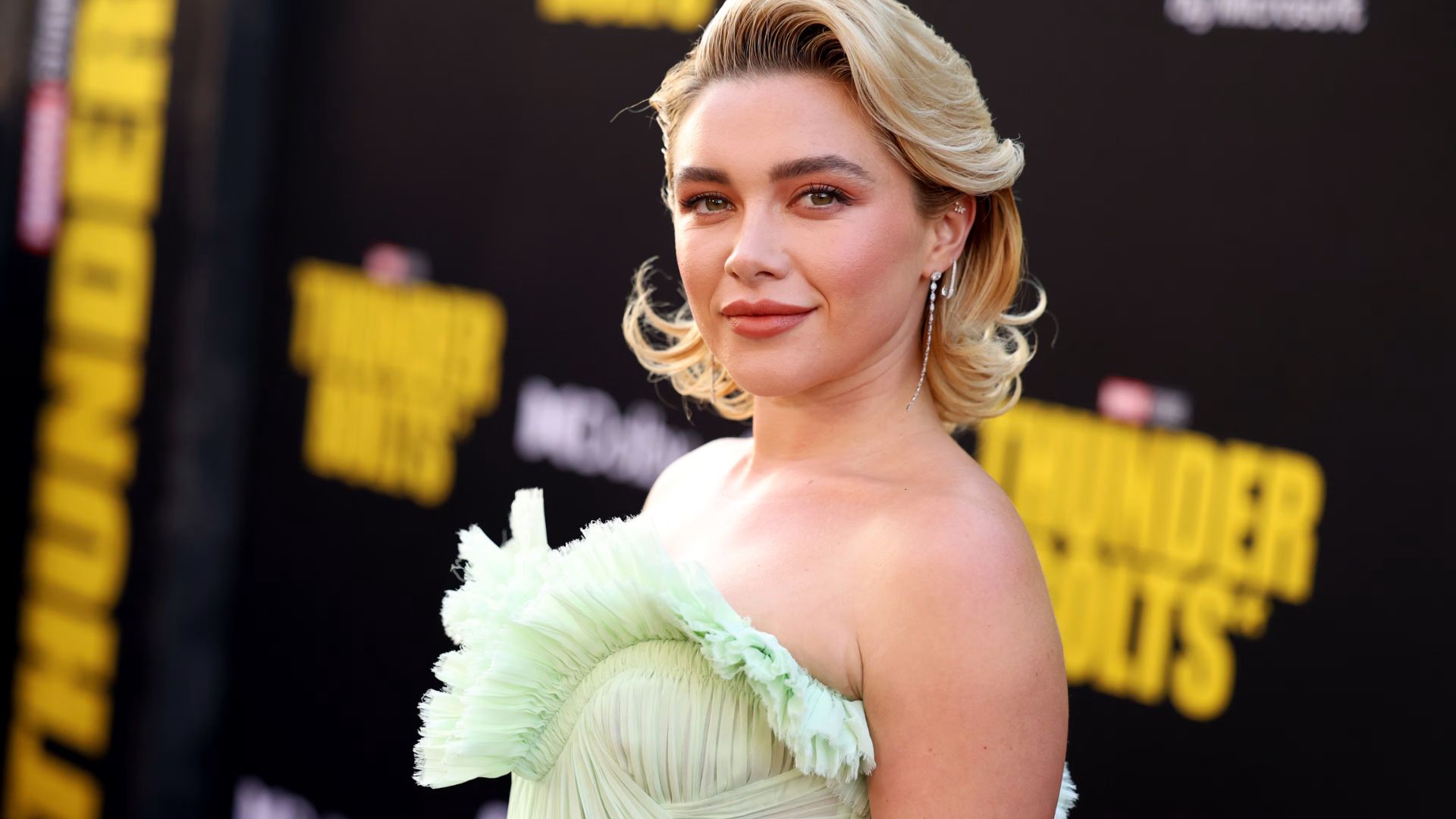
Florence Pugh carries this film on her back. Her portrayal of Dani is grief-stricken and raw, but never over the top. Every reaction feels real. Her face tells the full story even when she says nothing.
There is a crying scene early in the film that is one of the most honest moments of emotional pain I have seen on screen.
Pugh was only 23. The performance feels far beyond her years, and it is the reason this midsommar review keeps coming back to her work.
Supporting Cast and Character Dynamics
Jack Reynor plays Christian with just the right amount of emotional detachment. You understand him, but you do not like him. William Jackson Harper as Josh brings an intellectual coldness that contrasts well with the chaos around him.
Will Poulter plays Mark, the loud and insensitive friend. His scenes are funny until they are not. Vilhelm Blomgren as Pelle is warm and welcoming on the surface, but something behind his eyes never fully settles. He is quietly one of the most important characters in the film.
Themes and Symbolism Explained
The film works on multiple levels, and the ideas underneath the surface matter.
Grief, Codependency, and Emotional Isolation
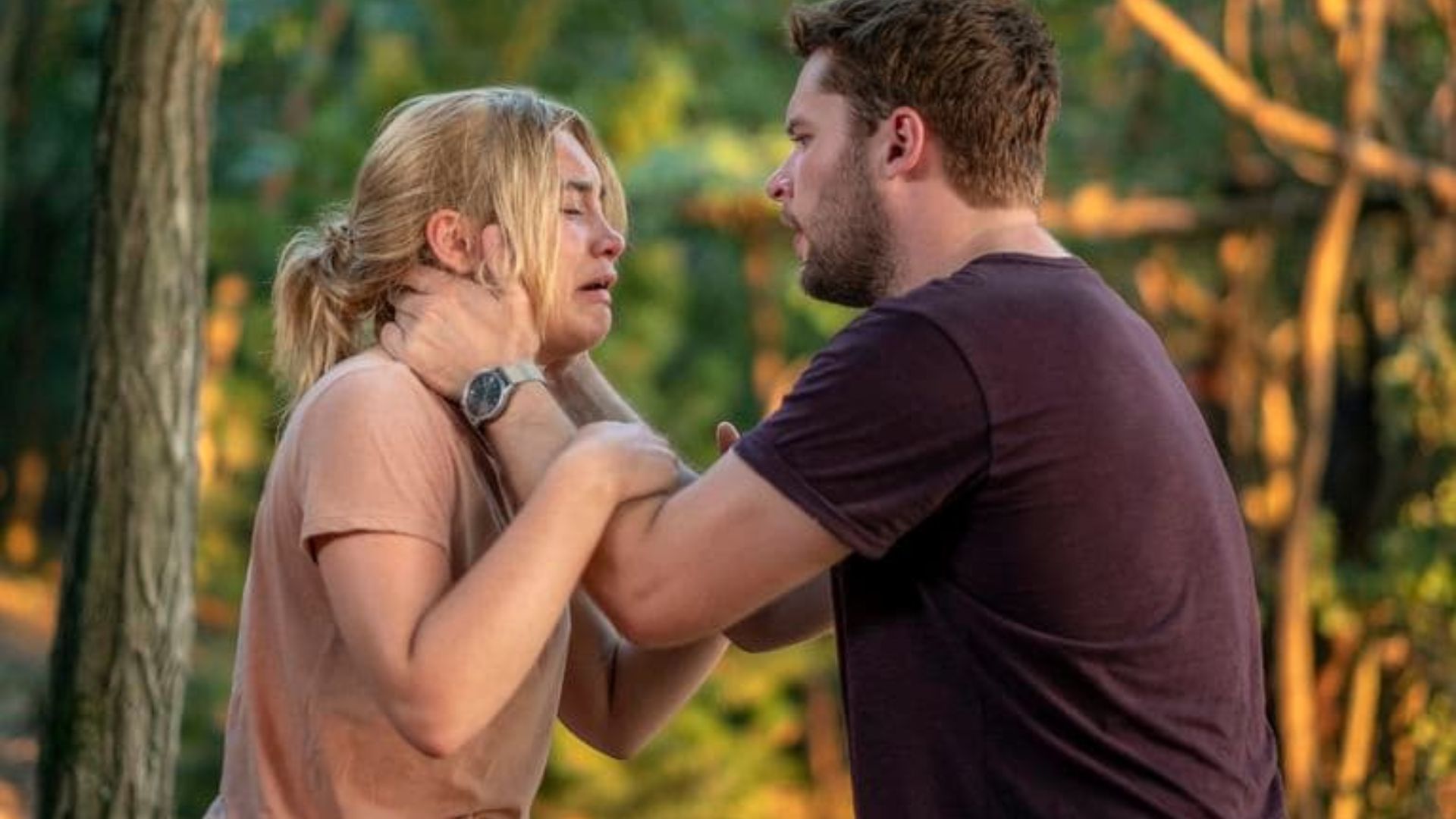
Dani’s grief is not a side plot. It is the core of the film. She lost her entire family in a single night and is leaning on a boyfriend who does not want to be there for her.
The commune offers her something she has never had people who openly acknowledge her pain. That sense of belonging, even within something deeply wrong, is what the film is really about.
Toxic relationships are a form of psychological horror. Midsommar understands that better than most films.
Ritual, Community, and Cult Psychology
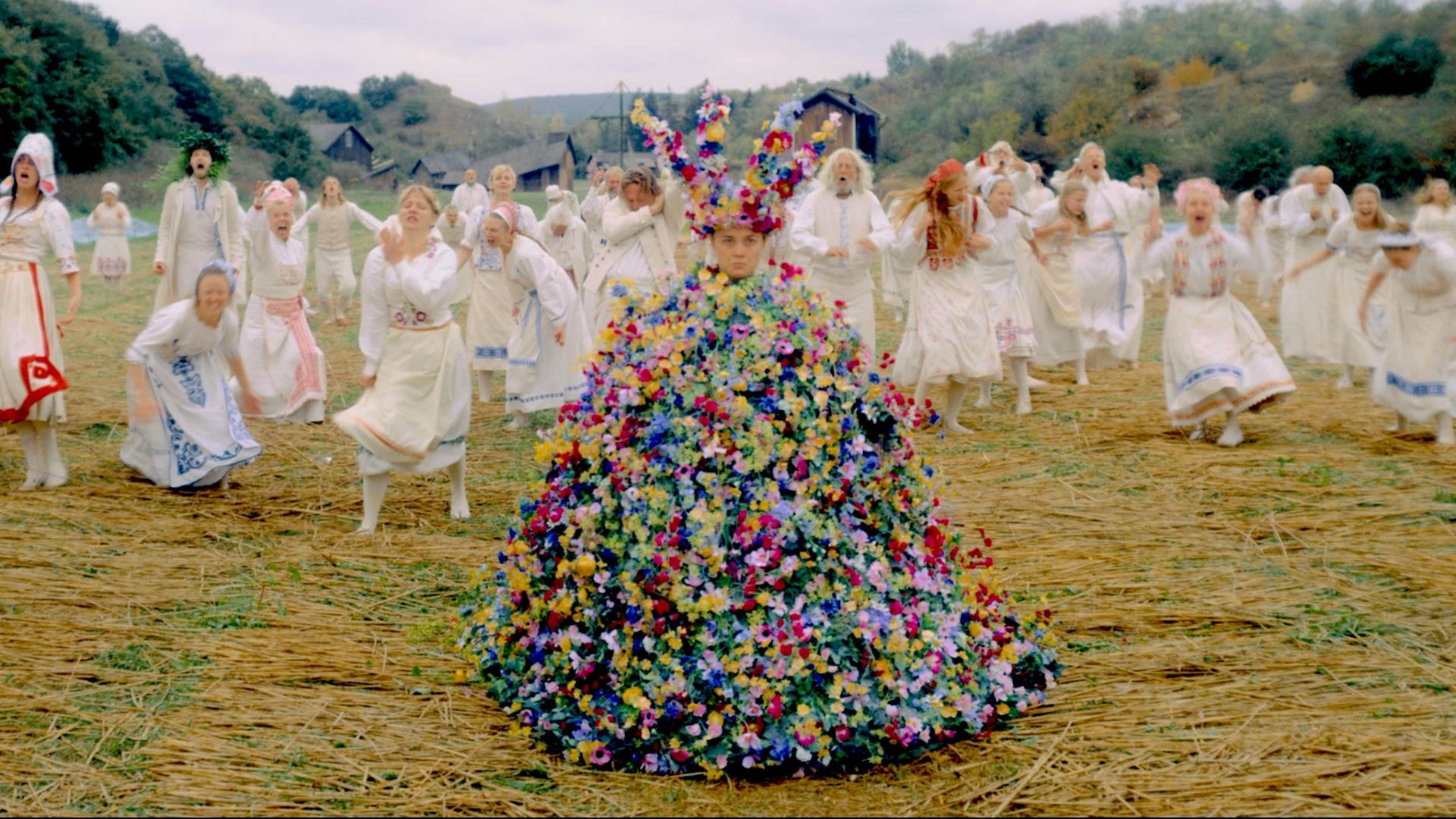
The commune is a cult, but the film does not present it as obviously evil from the start. It shows how these systems work. They offer belonging, tradition, and a sense of meaning. They make outsiders feel welcome, at first.
The rituals follow an internal logic, and that is what makes them so disturbing. It is not random cruelty. It is a system. And systems are harder to fight than individuals.
The Power of Visual Symbolism
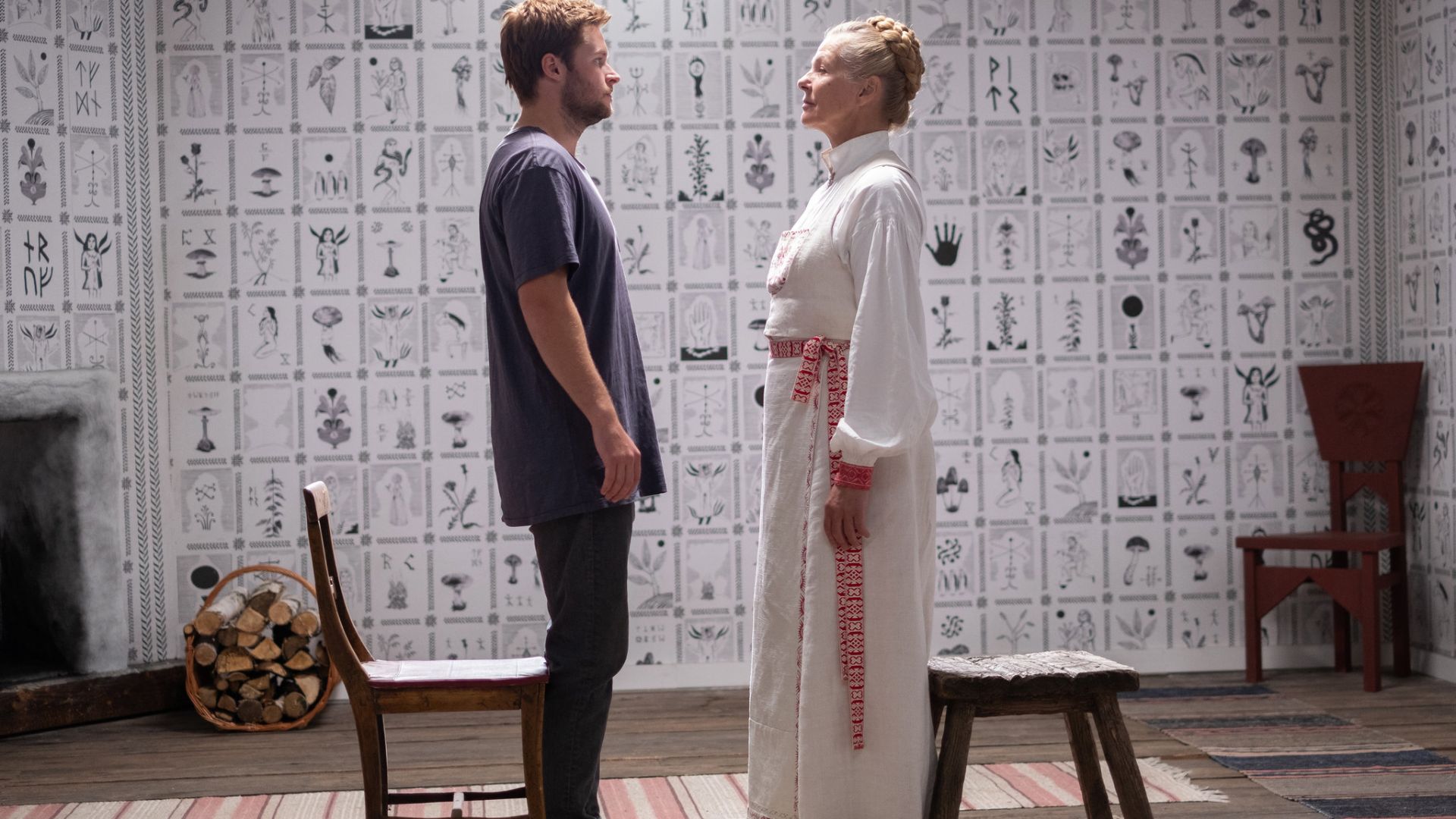
The murals painted throughout the commune tell the story before it happens. Watch them closely.
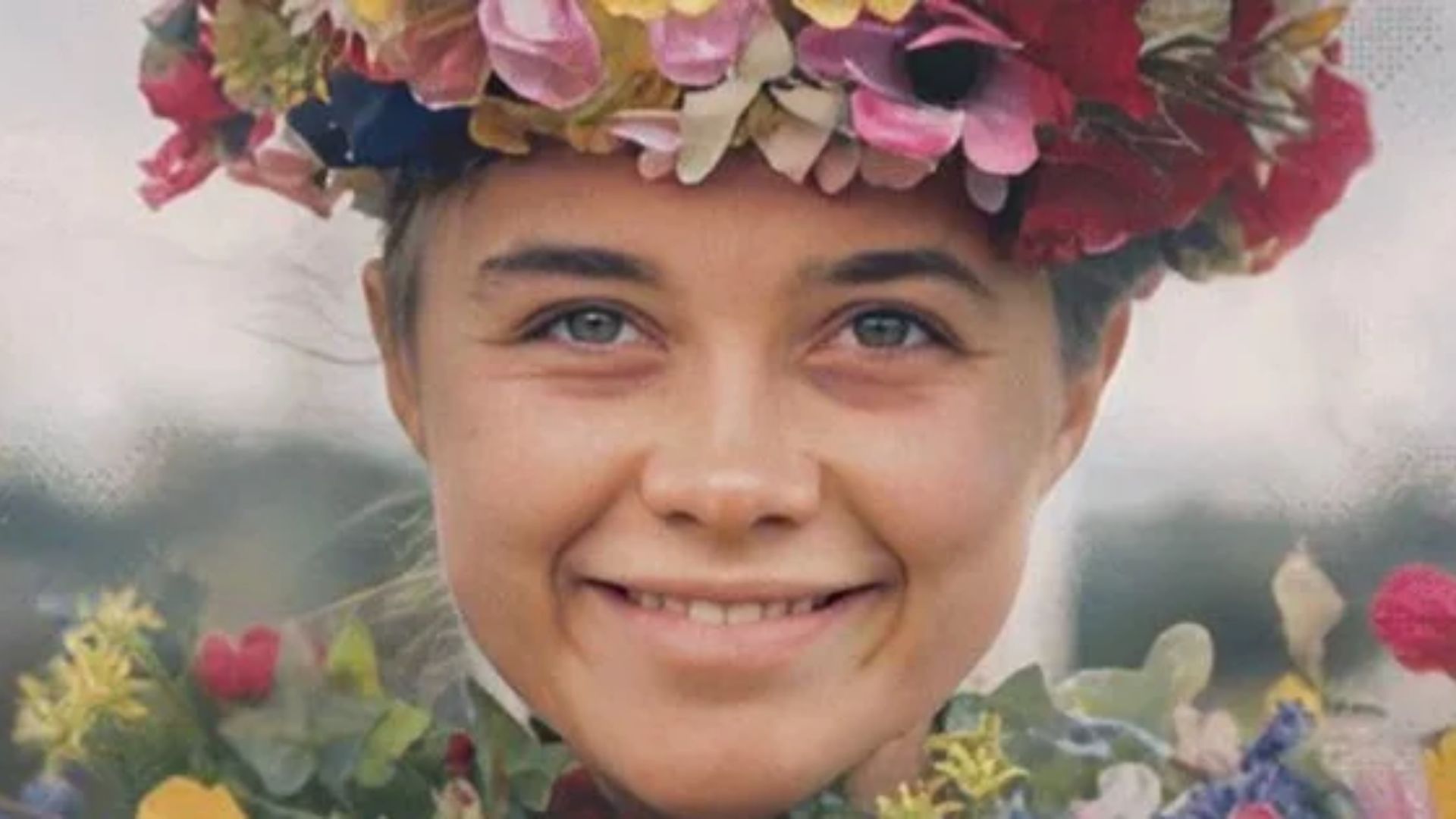
Flowers appear constantly, representing growth and cycles. Dani’s floral imagery toward the end is one of the most striking visual choices in modern horror.
The framing is almost always symmetrical, giving every scene a ritualistic quality that feels deeply unsettling when violence enters the frame.
Cinematography, Production Design, and Score
Every technical choice in this film was made to make you feel something specific.
Bright Daylight as a Weapon
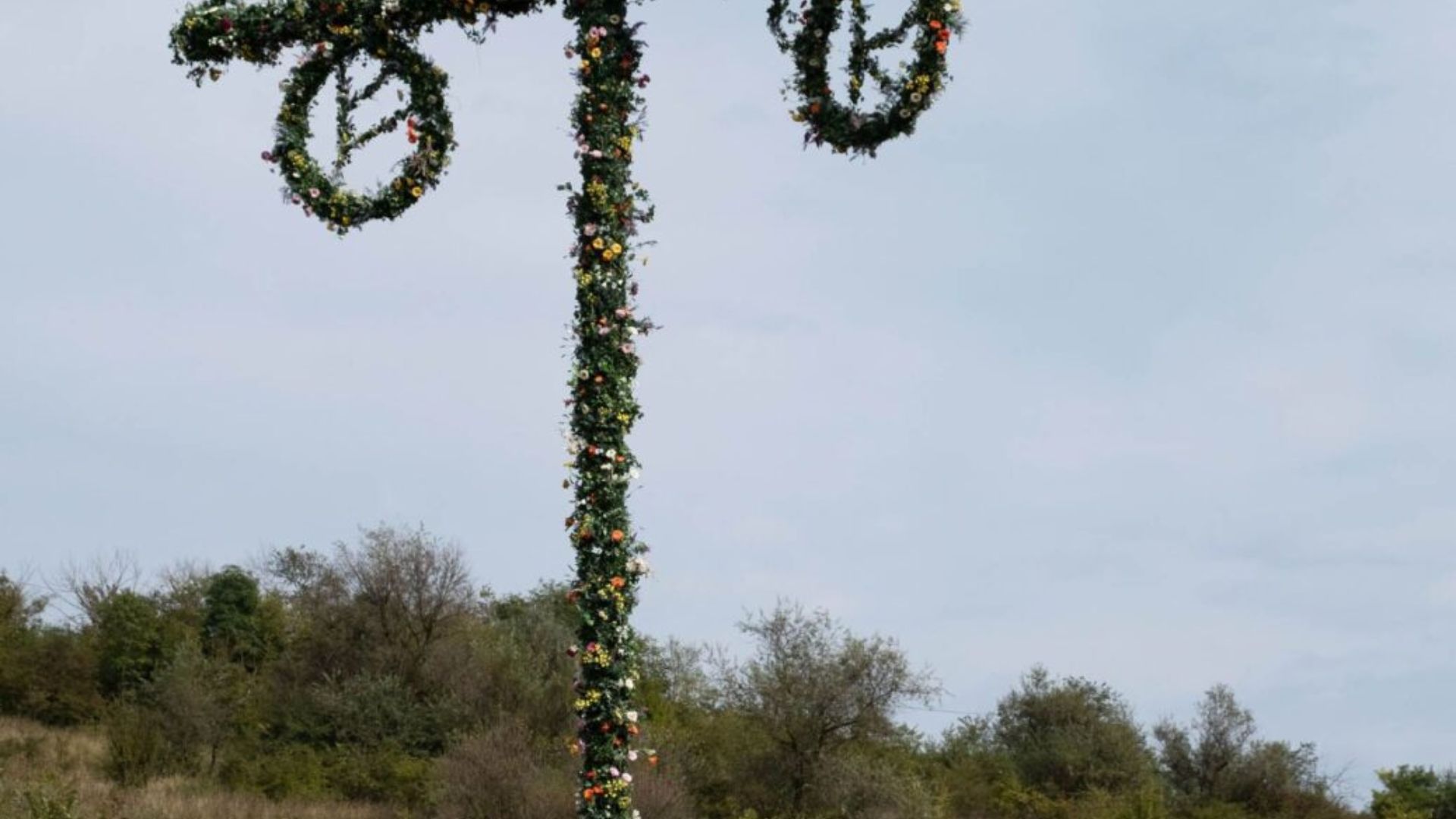
Cinematographer Pawel Pogorzelski shot the film almost entirely in natural light. Long takes let scenes play out without cutting. There is nowhere to look away.
The color palette of green, gold, and white looks like a painting, and that beauty sits uncomfortably next to what the story is doing.
Immersive Production Design
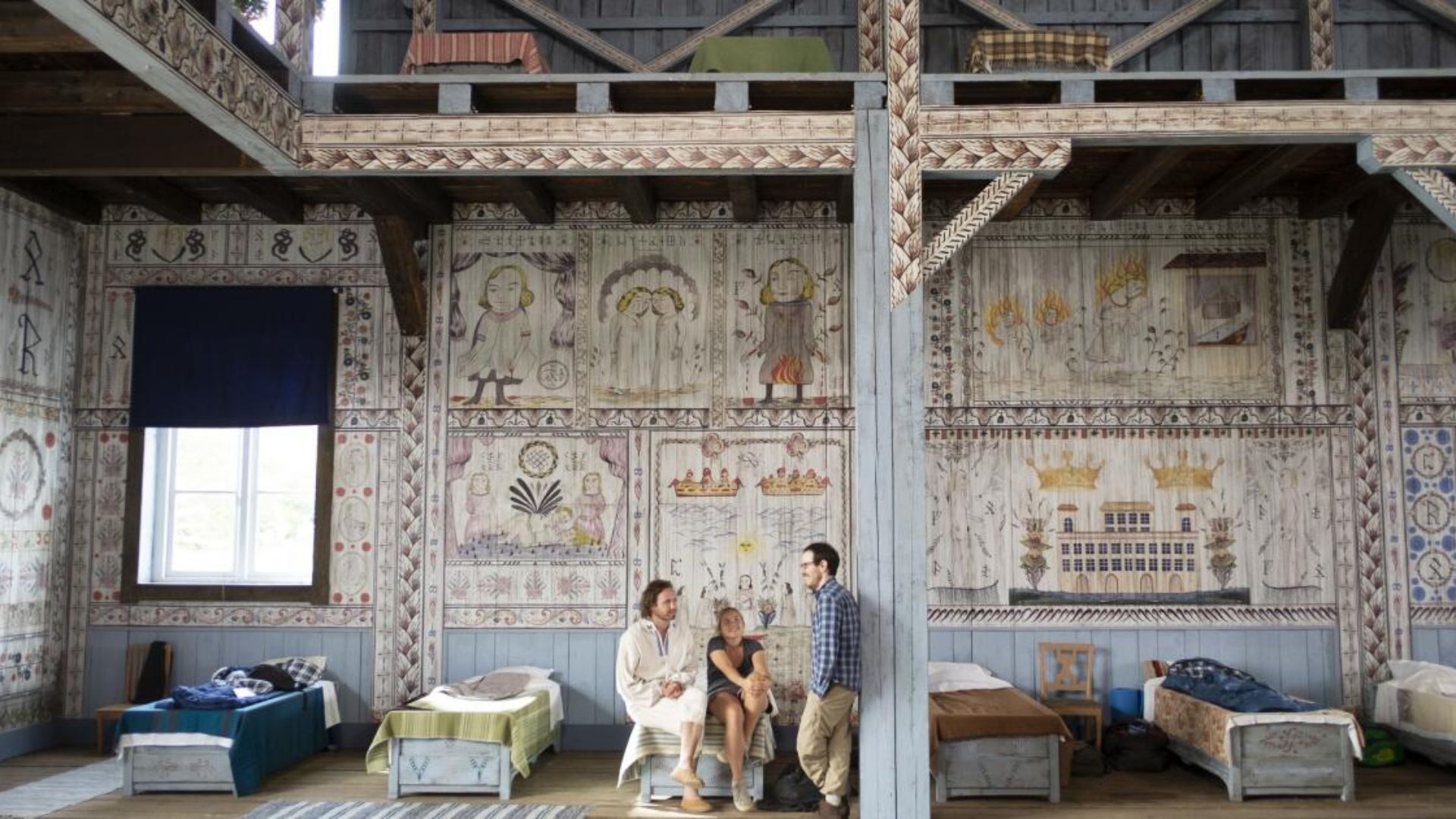
The commune feels like a real place. The buildings, ritual spaces, clothing, and food all follow an internal logic. It does not look like a movie set.
It looks like somewhere that has existed for centuries, and that is exactly what makes the rituals feel so real.
Soundtrack and Musical Atmosphere
Bobby Krlic wrote a score that is unsettling without being obvious. No loud stingers. No dramatic swells. The music crawls under your skin slowly.
He layers in diegetic sound, the ritual music performed by the commune characters, blending it with the composed score. That mix makes it genuinely hard to know when you should feel safe.
Critics vs Audience Reception
The film earned strong praise from critics, but general viewers had a more divided take.
Midsommar holds a strong score on Rotten Tomatoes. Critics praised Pugh’s performance, Aster’s direction, and the film’s willingness to do something genuinely new with horror. Many placed it among the best horror films of the decade.
General audiences were more mixed. Many went in expecting a traditional horror film and got something slow, strange, and emotionally heavy instead. The pacing is not for everyone, and the disturbing imagery put off some viewers. But if you are comfortable sitting with discomfort, it pays off.
Is Midsommar Really a Horror Film?
Genre labels only get you so far. This film stretches past most of them.
The honest answer is that it is both folk horror and a relationship drama. The rituals, setting, and threat function as horror. But the emotional core is a story about grief and codependency. The two are not separate. The horror serves the emotional story.
There are also moments of dark comedy scattered throughout. Some scenes are almost absurd. That tonal range is unusual and not every viewer appreciates it, but it is entirely intentional.
Conclusion
I still think about the final shot of Midsommar. It is not easy to shake. Ari Aster built something that works on more than one level, and Florence Pugh gave a performance that deserved far more recognition than it got.
This midsommar review gives it a strong recommendation, but with one clear caveat know what you are signing up for. This is not a comfortable watch. It is a heavy, slow, and deeply affecting one.
If you have seen it, I would love to hear your thoughts in the comments. And if you have not, share this with a friend who loves slow-burn cinema.
Frequently Asked Questions
Is Midsommar based on a true story?
No, the film is not based on real events. Ari Aster created the story, though he drew from real Swedish folklore and midsummer traditions to make the commune feel authentic.
How long is Midsommar?
The theatrical cut runs about 2 hours and 27 minutes. The director’s cut is approximately 2 hours and 51 minutes, with additional scenes throughout.
Is Midsommar scarier than Hereditary?
That depends on what you find scary. Hereditary is more traditionally frightening with intense horror sequences. Midsommar is more psychologically disturbing and emotionally heavy. Both are unsettling in different ways.
Does Midsommar have jump scares?
There are very few, if any, traditional jump scares in the film. The horror comes from building dread and disturbing visuals rather than sudden loud noises or quick cuts.
What does the ending of Midsommar mean?
The ending shows Dani making a choice that reflects her emotional arc throughout the film. It is open to interpretation, but most readings suggest she has found a sense of belonging, however dark that belonging may be. It is not a happy ending in any traditional sense.