
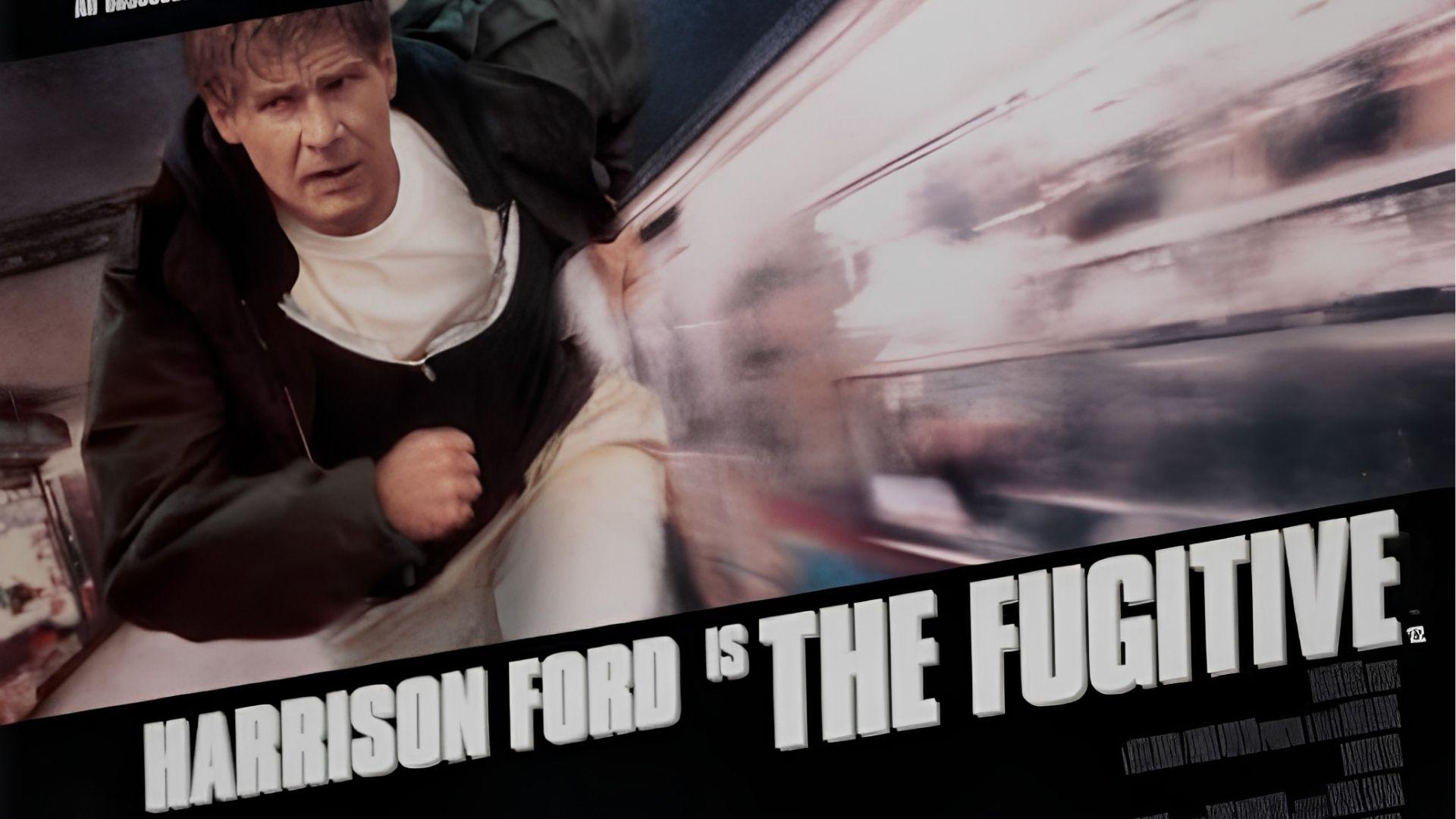
I watched The Fugitive for the first time and kept thinking: those locations look too real to be sets.
They were.
This article breaks down exactly where The Fugitive was filmed, from the rain-soaked streets of Chicago to the mountains of North Carolina.
I'll show you every major filming spot, what scenes played out there, and whether you can actually visit them today.
The filmmakers used real streets, real hospitals, and real railways. No sets. No faking it. That's why the chase feels so urgent and grounded.
If you've been trying to place those locations, I've done the research for you.
Let's get into it.
Where Was The Fugitive Filmed?
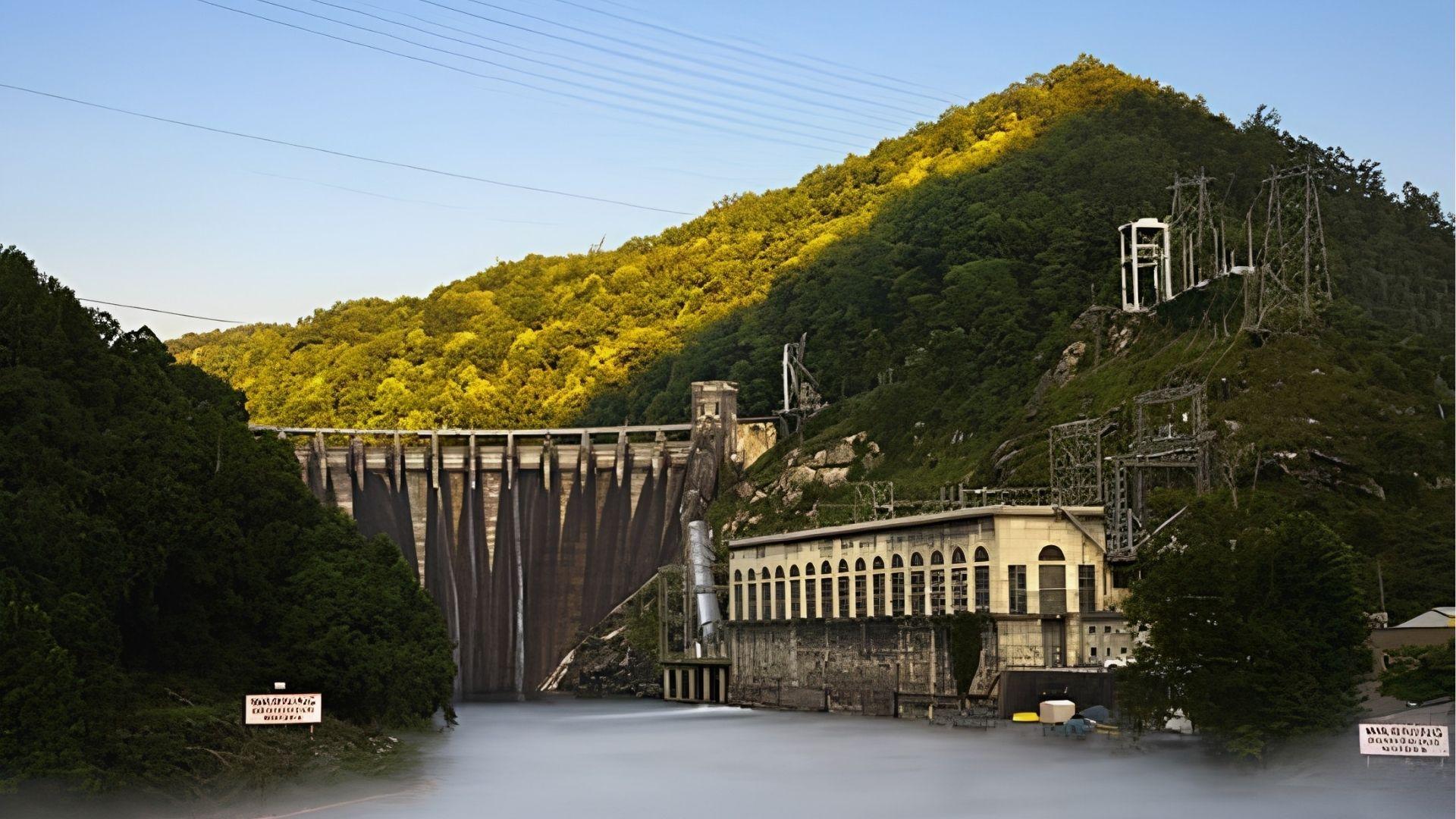
The Fugitive was filmed primarily in Chicago, Illinois and across North Carolina, including Dillsboro, Bryson City, and the iconic Cheoah Dam.
The filmmakers chose real streets, real hospitals, and real railways. No studio sets. No controlled environments. Just actual locations with real energy.
Chicago gave Dr. Richard Kimble a maze to disappear into. North Carolina gave the film its most dramatic, jaw-dropping sequences.
Director Andrew Davis made a deliberate call to shoot on location. He believed fake sets would kill the tension.He was right.Real locations made the chase feel like it could actually happen.
Chicago Filming Locations in The Fugitive
Chicago wasn't just a backdrop. It was practically a character in the film.
Four Seasons Hotel
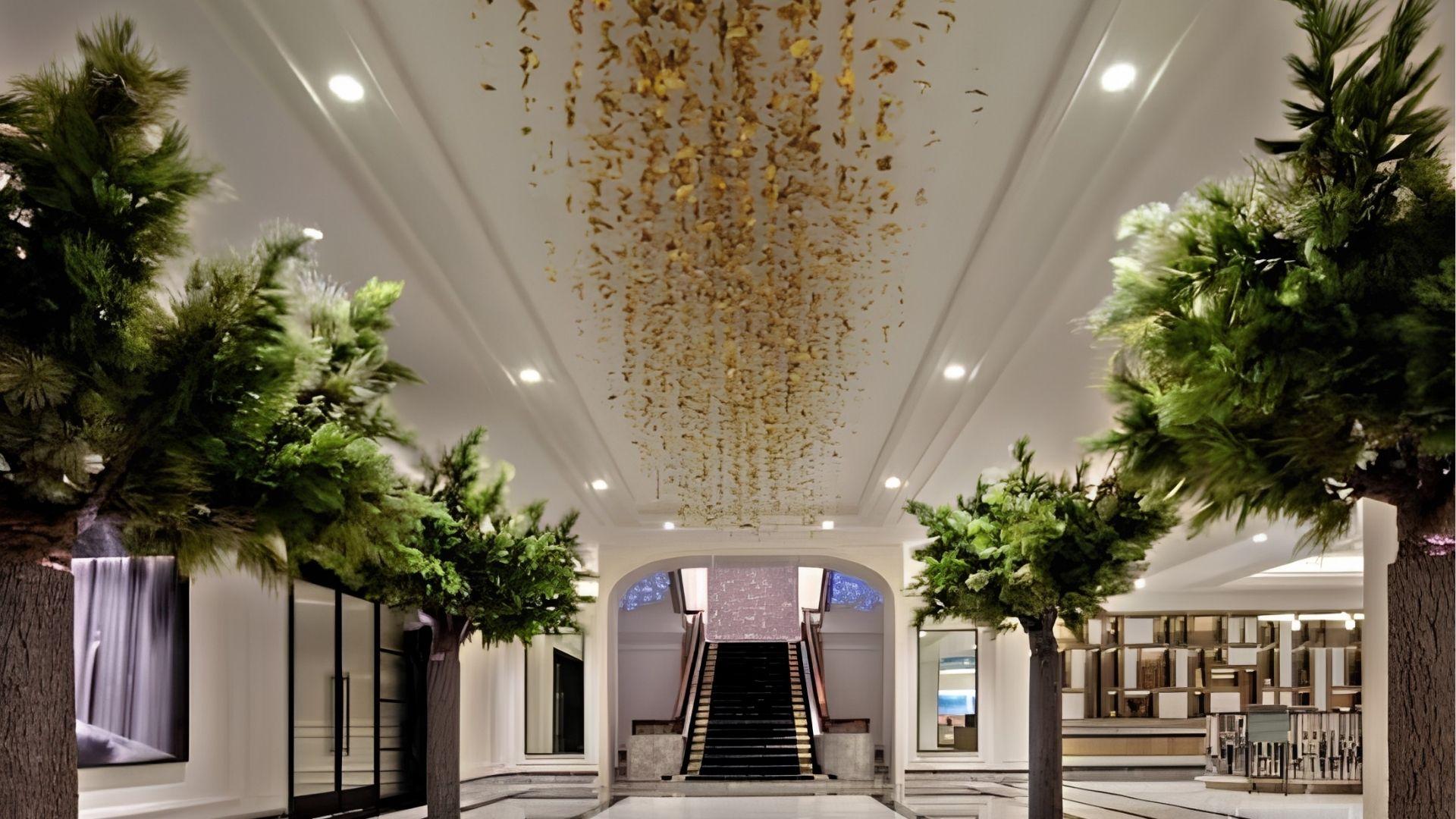
The Four Seasons Hotel on the Magnificent Mile in Chicago was used for the charity fundraiser scene early in the film.
This is where Dr. Richard Kimble is seen at a formal event before his life falls apart.
The hotel's grand interior matched the upscale social world the movie needed to set up. It's a real, working hotel and it still looks just like it did on screen.
University of Chicago Hospital
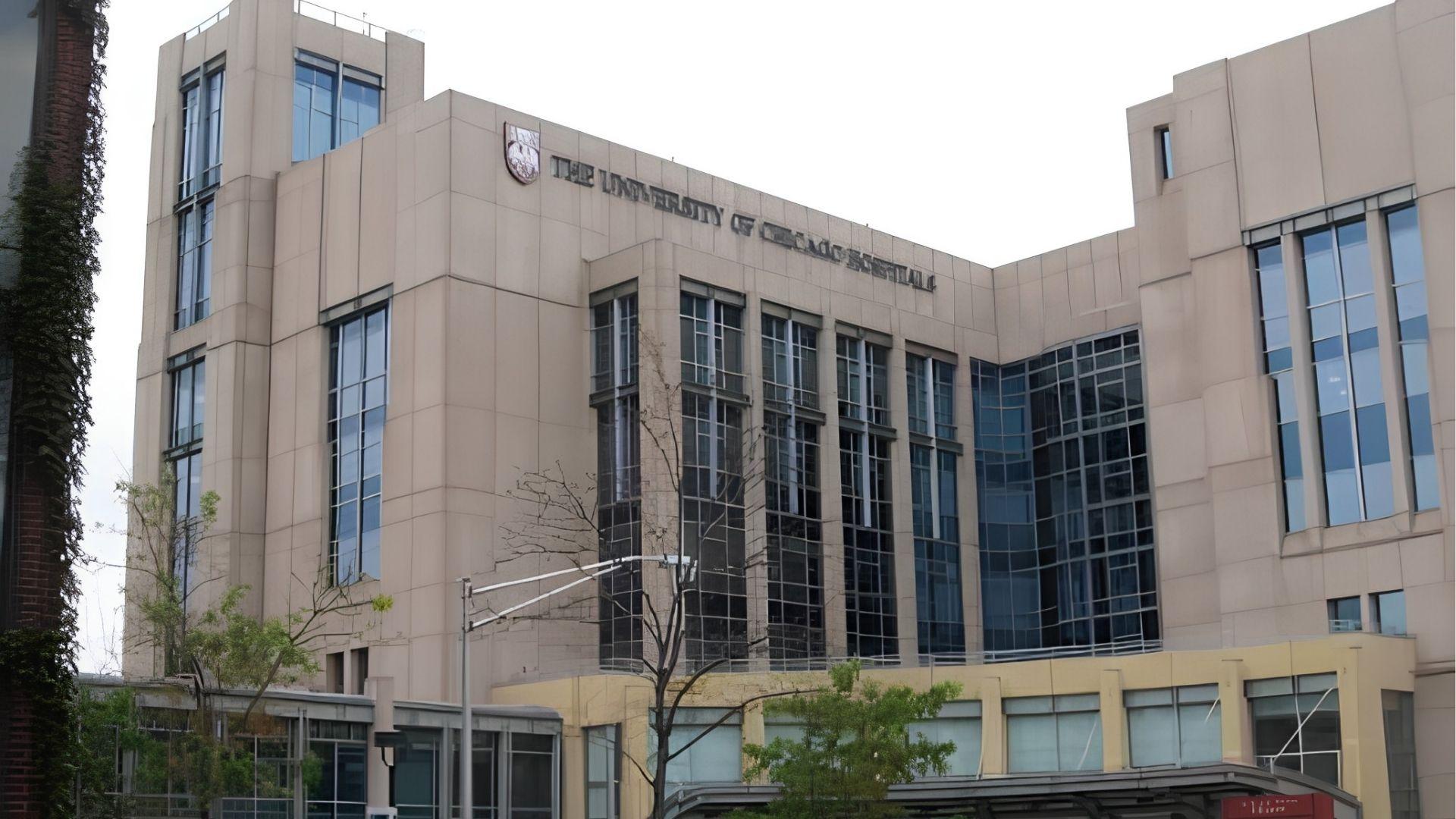
The University of Chicago Hospital served as Dr. Richard Kimble's workplace. The campus sits in the Hyde Park-South Kenwood district, between East 57th and East 59th Streets.
The filmmakers used the hospital's exterior and parts of the campus to shoot key scenes. It made sense. The building looks exactly like where a respected surgeon would work.
The real hospital setting added weight to Kimble's credibility as a doctor and made his world feel lived-in before everything went wrong.
Richard Kimble's House
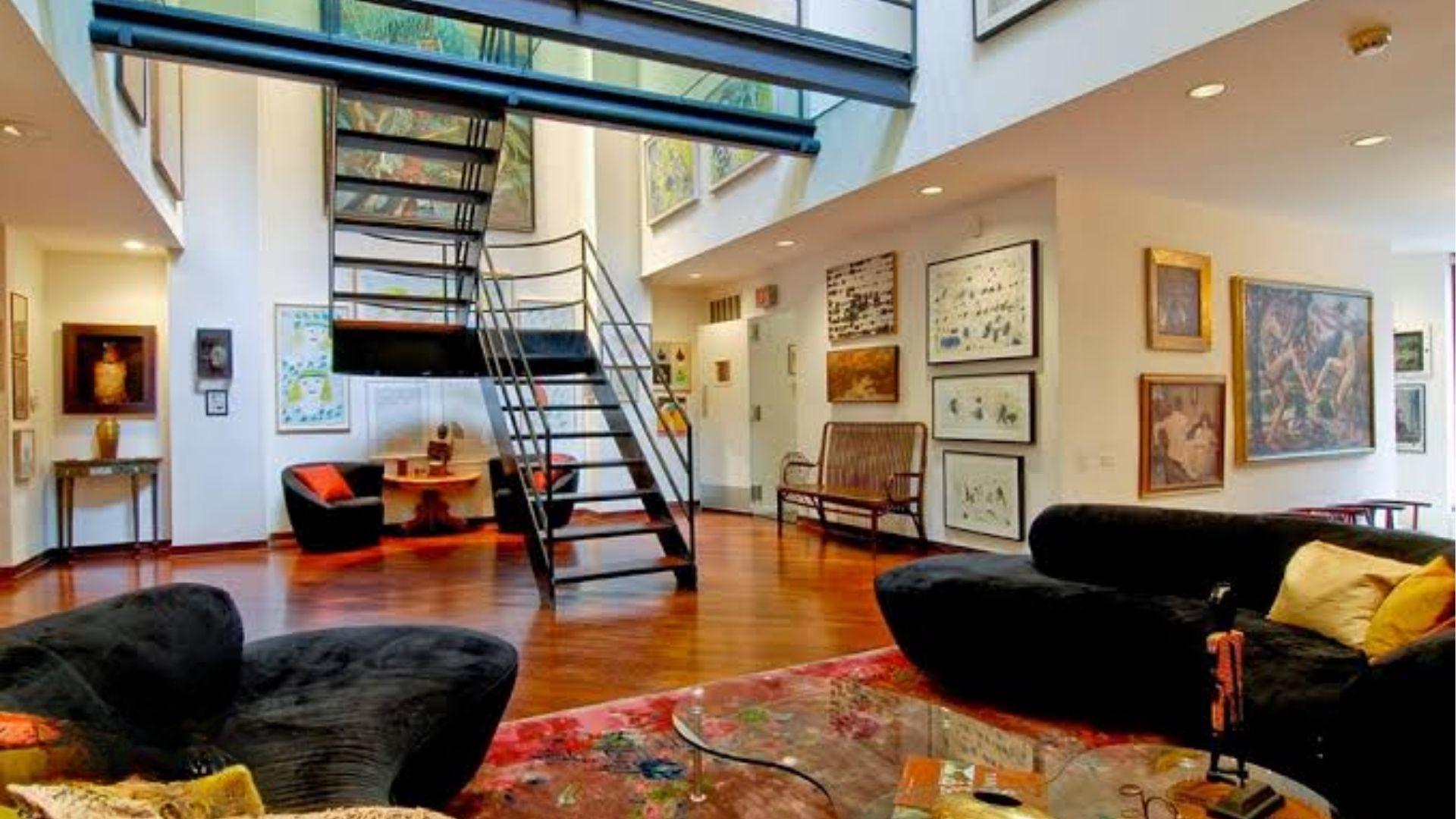
Kimble's home was filmed at 336 West Wisconsin Street, a real Lincoln Park residence in Chicago.
The modernist design, by architect Ron Ysla, features glass-floored catwalks and floating stairs. This was the home where the attack happens, so the location had to feel real and personal.
Lincoln Park is one of Chicago's most recognized neighborhoods, and the house fit the character's life perfectly without looking like a movie set.
Downtown Chicago Landmarks
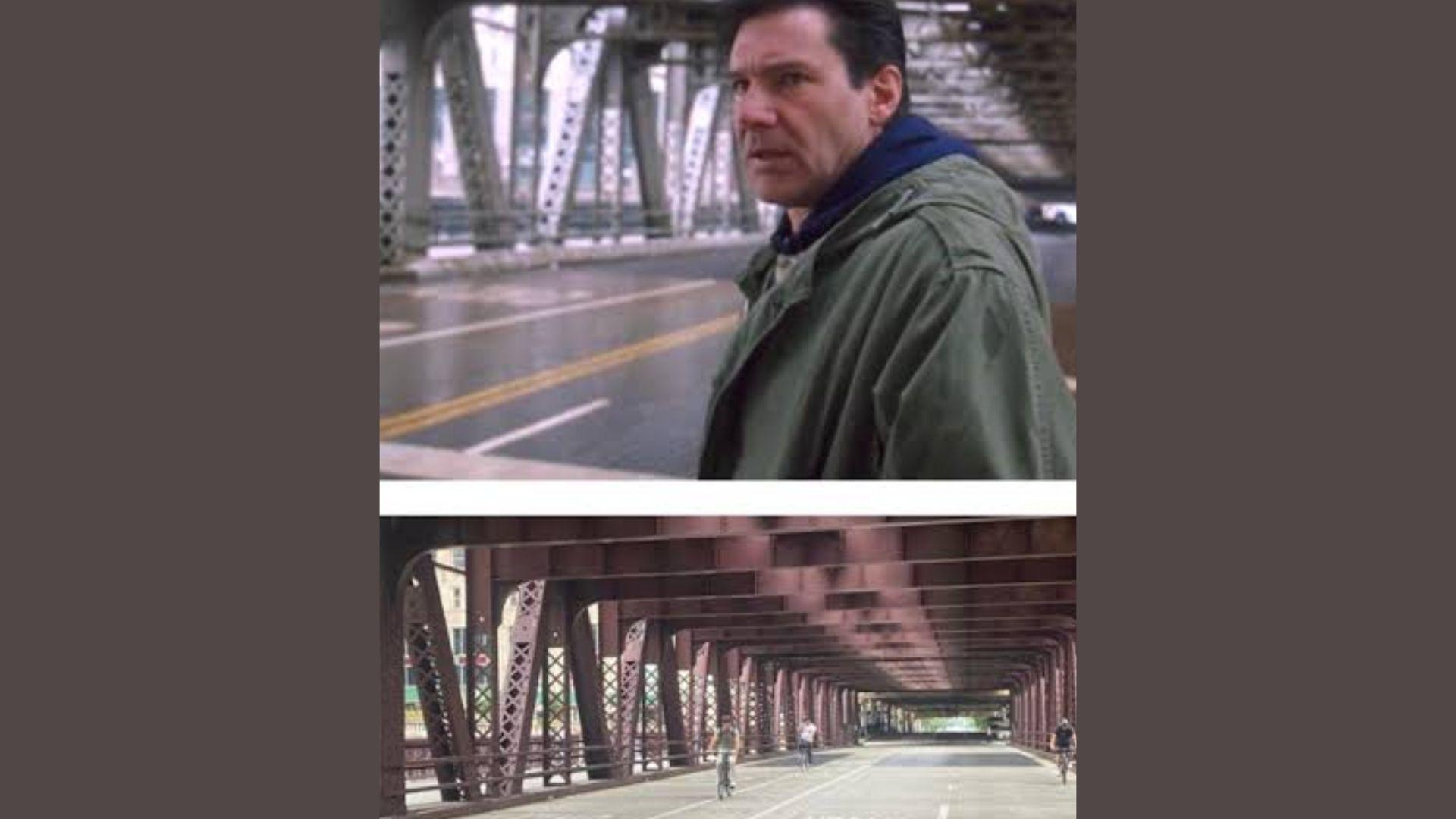
Several downtown Chicago landmarks appear throughout the film:
- Cook County Hospital: used for intense medical and chase sequences
- City Hall–County Building: featured in pursuit scenes through government corridors
- Daley Plaza and the Picasso sculpture: Kimble runs past it during a real St. Patrick's Day Parade on Dearborn Street, using the crowd as cover
- Pullman's Pub:a quick stop during Kimble's time blending into the city
- Chicago Hilton: the setting for the film's tense finale
These real landmarks gave the movie its authentic Chicago identity.
North Carolina Filming Locations
North Carolina brought the film's most heart-stopping moments to life.
Great Smoky Mountains Railroad, Dillsboro
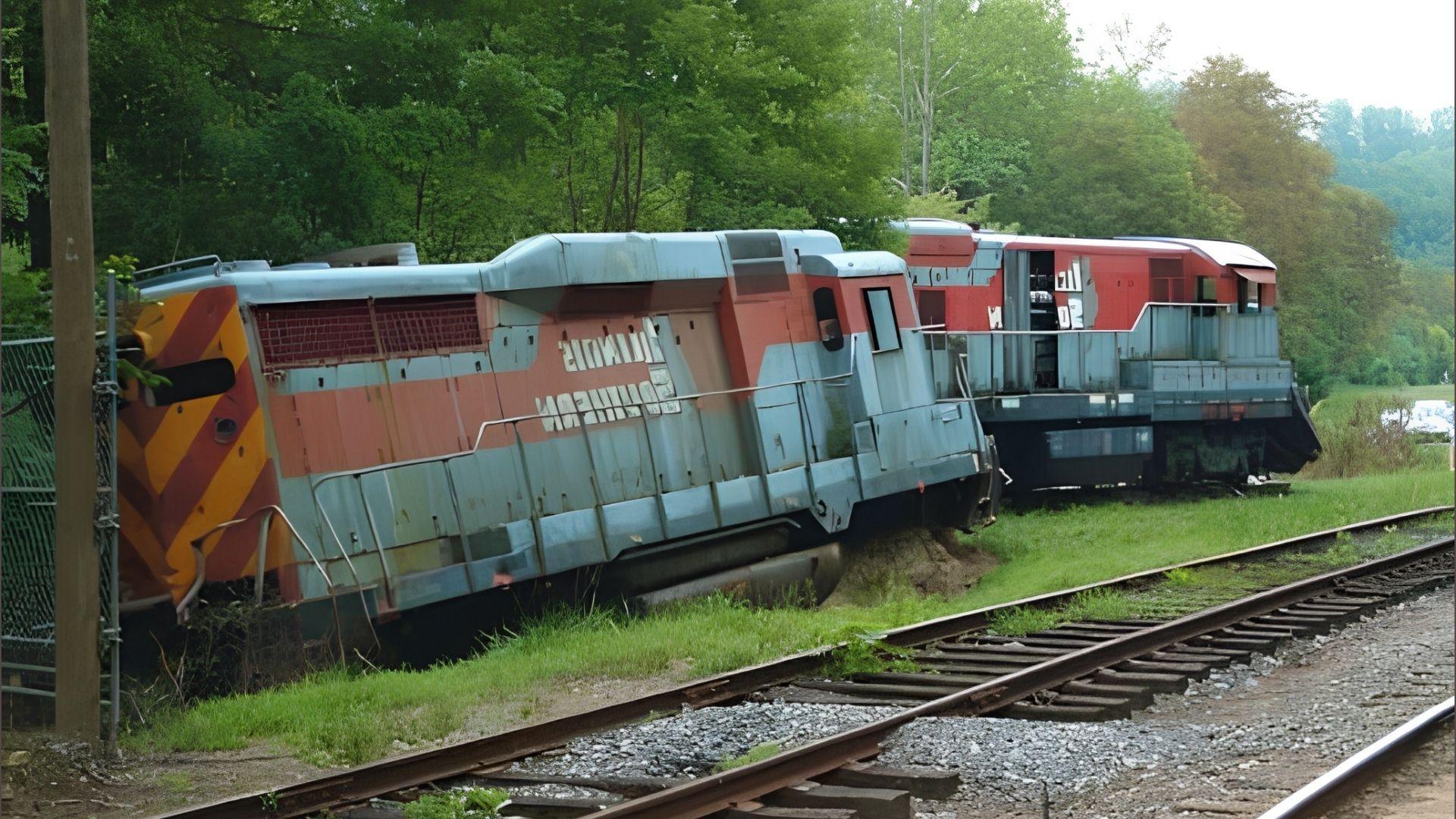
The famous train crash sequence was filmed on the Great Smoky Mountains Railroad near Dillsboro, North Carolina. The production team took over a section of the railroad for two months to prepare.
They used 16 cameras to capture the crash, most of them operated remotely for safety reasons. One camera ended up buried under 26 feet of dirt and took eight hours to dig out.
The whole crash lasted about 60 seconds and cost around $1.5 million. It remains one of the most talked-about practical effects in Hollywood history.
Bryson City
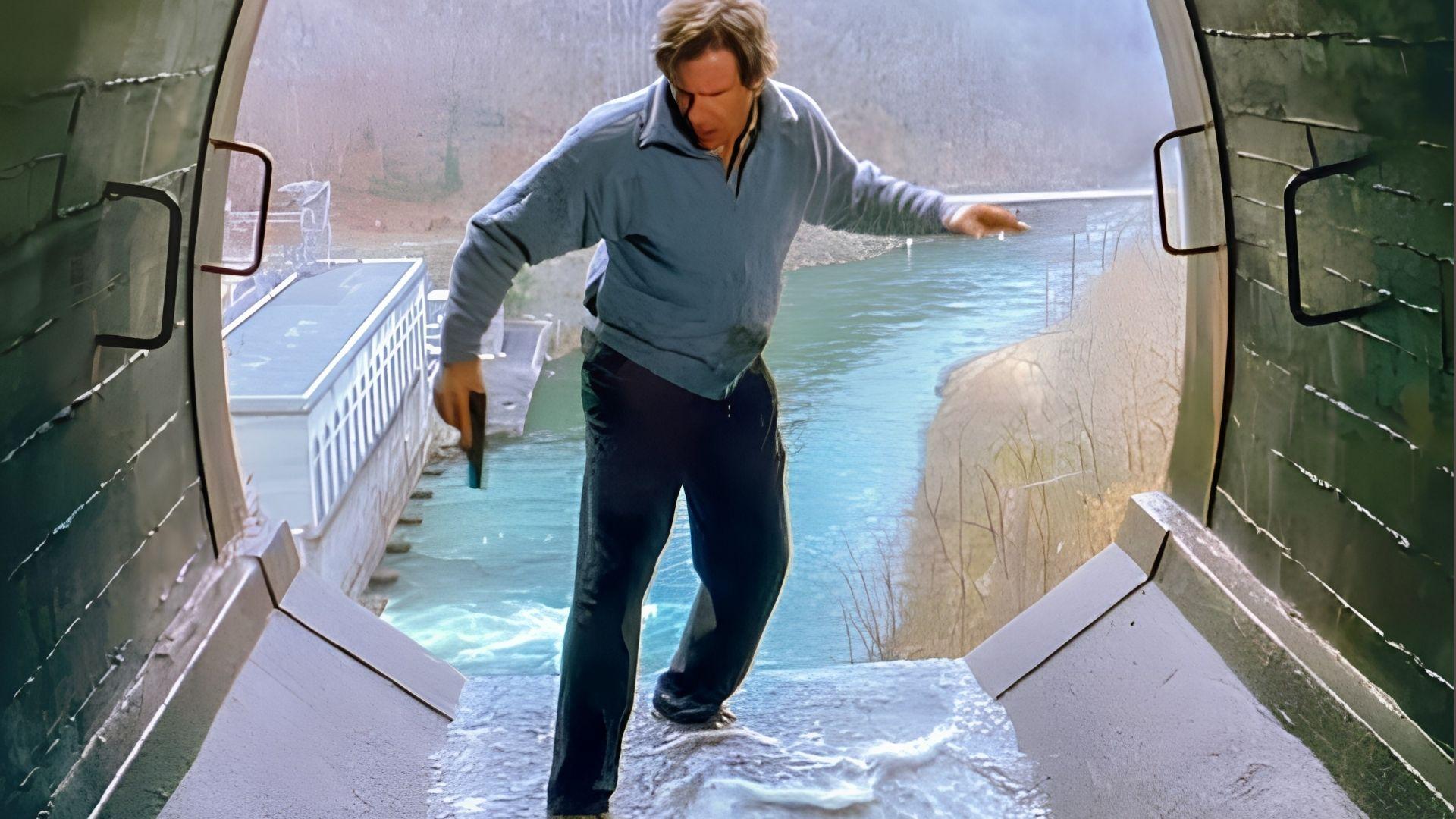
Bryson City's downtown streets were used during Kimble's escape scenes following the crash. The small-town roads and surrounding landscape gave the sequence a chaotic, disoriented feel.
Kimble is on the run, and Bryson City's real streets made that feel urgent and unplanned.
The area's natural surroundings blended well with the film's overall tone of a man trying to disappear into unfamiliar territory.
Cheoah Dam
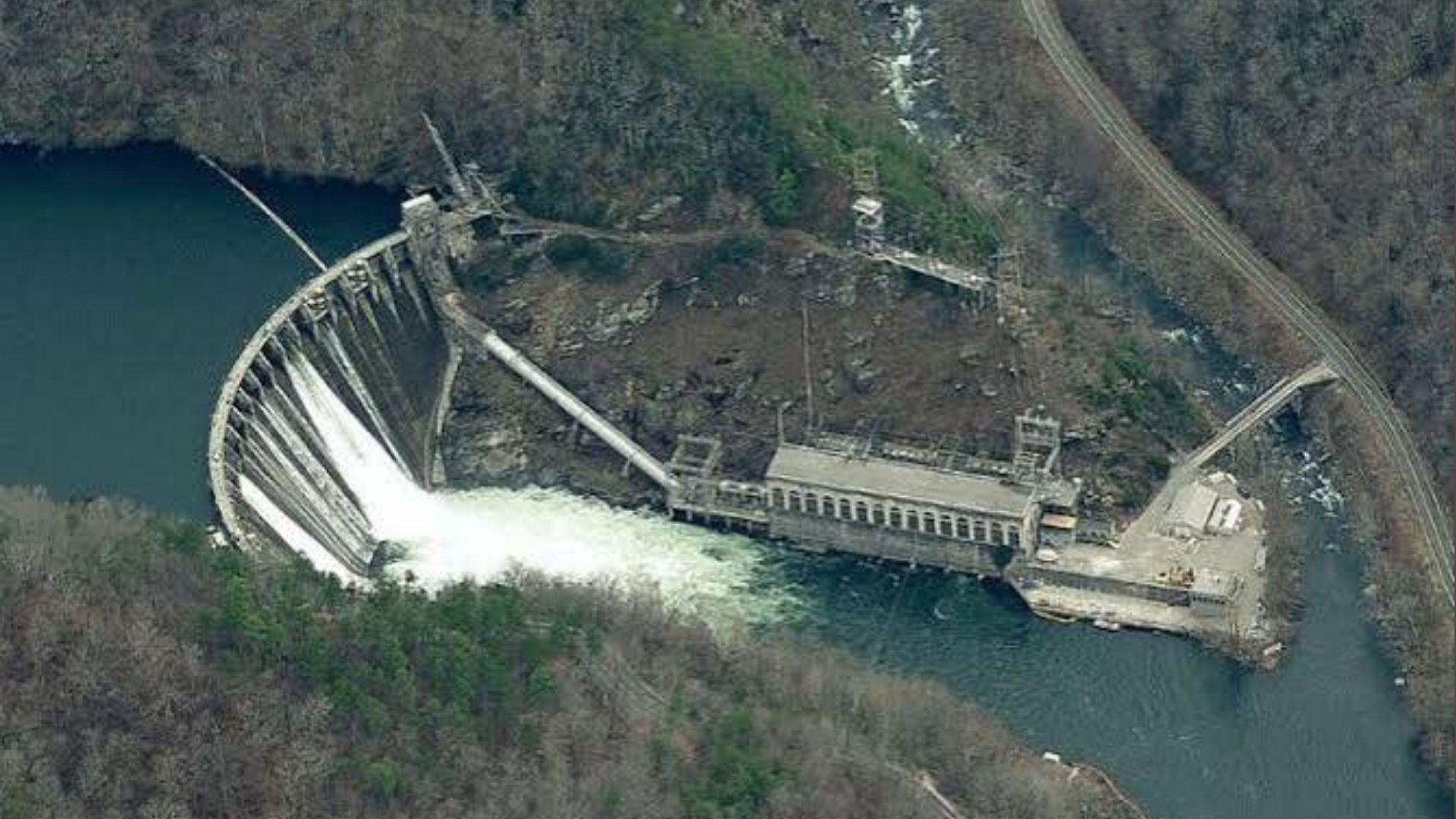
Cheoah Dam is where Richard Kimble's iconic leap was filmed. Built in 1919 on the Little Tennessee River, the dam stands 225 feet tall and sits on the National Register of Historic Places.
Alcoa charged the production $12,000 in water fees for two days. The tunnel effect was created using a drainage pipe on a flatbed truck driven right onto the dam.
The entire sequence cost $2 million. Worth every penny.
Can You Visit The Fugitive Filming Locations Today?
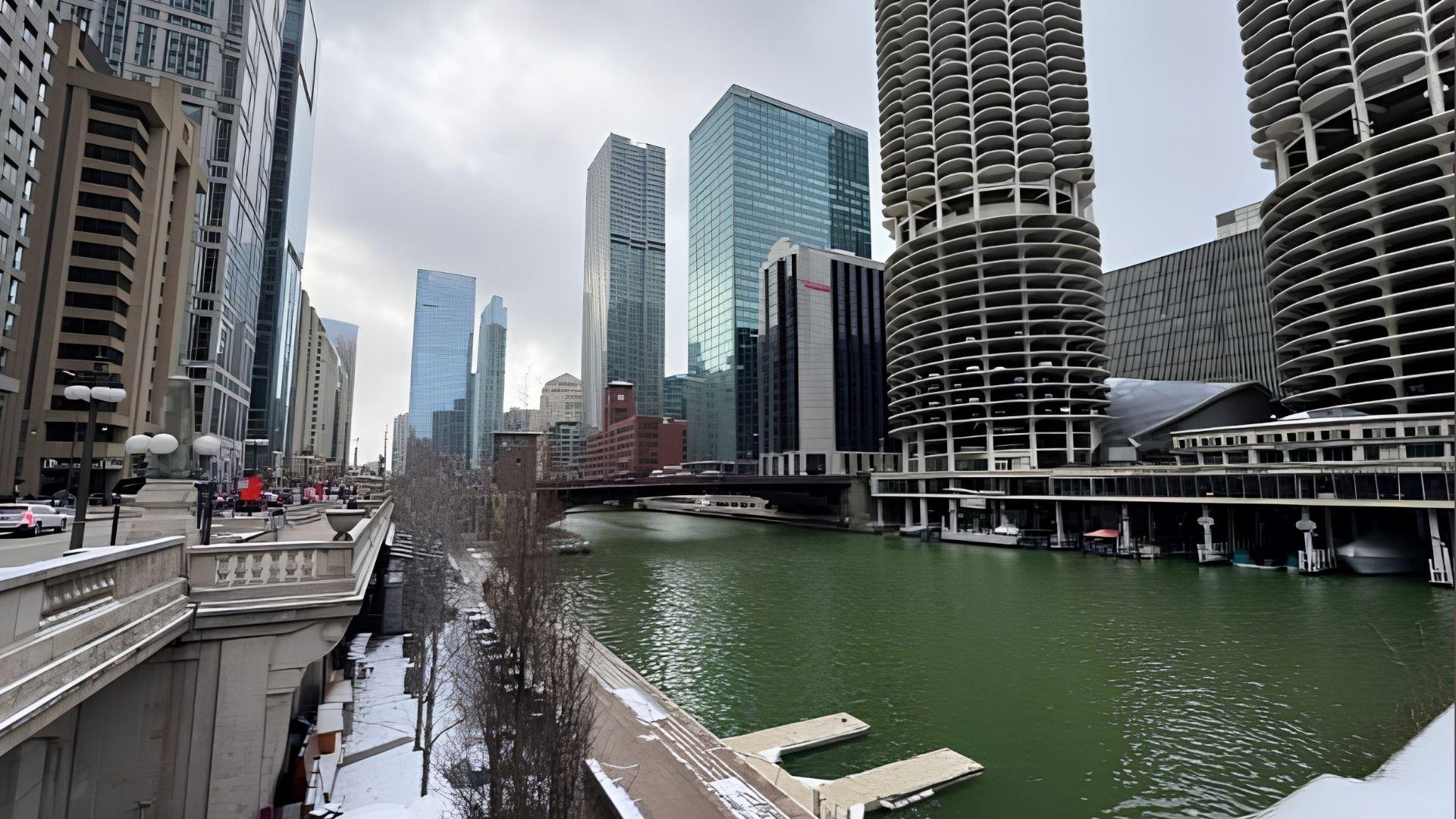
Yes, most of the filming locations from The Fugitive are still accessible. The University of Chicago Hospital, Daley Plaza, Chicago Hilton, and Four Seasons Hotel are all open to the public in various ways.
In North Carolina, the Great Smoky Mountains Railroad still runs excursions out of Dillsboro, and Cheoah Dam is open to visitors along Highway 129 with pull-off spots for a closer look.
Bryson City remains a small, walkable town. If you're a fan of the film, a road trip through these spots is completely doable and pretty rewarding.
Behind the Scenes of The Fugitive Filming
Here's what most people don't know about how this film was made.
- Director Andrew Davis refused to use studio sets. He believed fake environments would kill the tension. He was right.
- The train crash was real. One locomotive, one shot, no second chances.
- Practical effects ruled everything. The crash, the dam jump, the chase sequences. All done physically, on location.
- Harrison Ford actually stood on the edge of Cheoah Dam, 225 feet above the river.
- Chicago was never shut down. Real hospitals, real government buildings, real crowds. That's where the energy came from.
Conclusion
I still think about that dam jump every time I watch The Fugitive. It hits differently when you know that's a real dam in North Carolina on the Little Tennessee River and a real person going over it.
Now you know exactly where The Fugitive was filmed, from Chicago's streets to the mountains of North Carolina.
If you've been to any of these spots or you're planning to go, I'd love to hear about it. Drop a comment below and tell me which location you want to visit most.
Frequently Asked Questions
Was The Fugitive based on a true story?
No, it was based on a 1960s TV series of the same name created by Roy Huggins.
Did Harrison Ford do his own stunts in The Fugitive?
He did much of his own on-location work but professional stunt performers handled the most dangerous sequences, including the dam jump.
How much did The Fugitive make at the box office?
The film grossed around $369 million worldwide against a $70 million production budget.
Did Tommy Lee Jones win an Oscar for The Fugitive?
Yes, he won the Academy Award for Best Supporting Actor for his role as Deputy Marshal Samuel Gerard.