
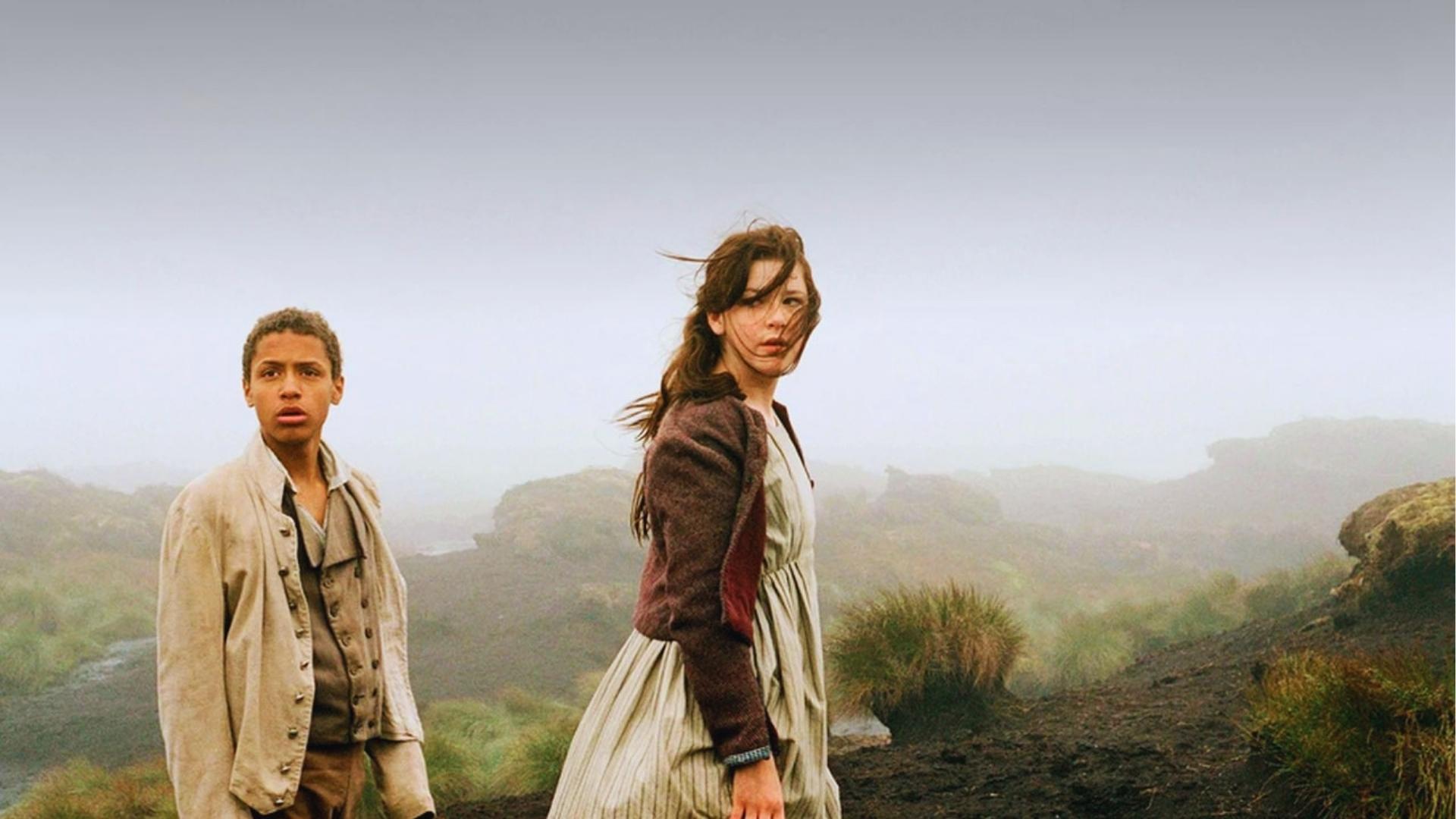
If you want to know where Wuthering Heights was filmed, you are in the right place. Many fans watch the film and immediately want to see those wild, windswept landscapes for themselves.
Finding accurate, detailed information about filming locations can be harder than it looks, and most guides leave out the practical details that actually matter.
This guide covers every major filming location, from the Yorkshire Dales to studio sets and historic houses.
You will also find tips on how to visit, what to bring, and how to plan your trip efficiently.
Having researched film locations across the UK for years, I can say that getting the details right makes all the difference between a memorable visit and a wasted one.
Where Was Wuthering Heights Filmed?
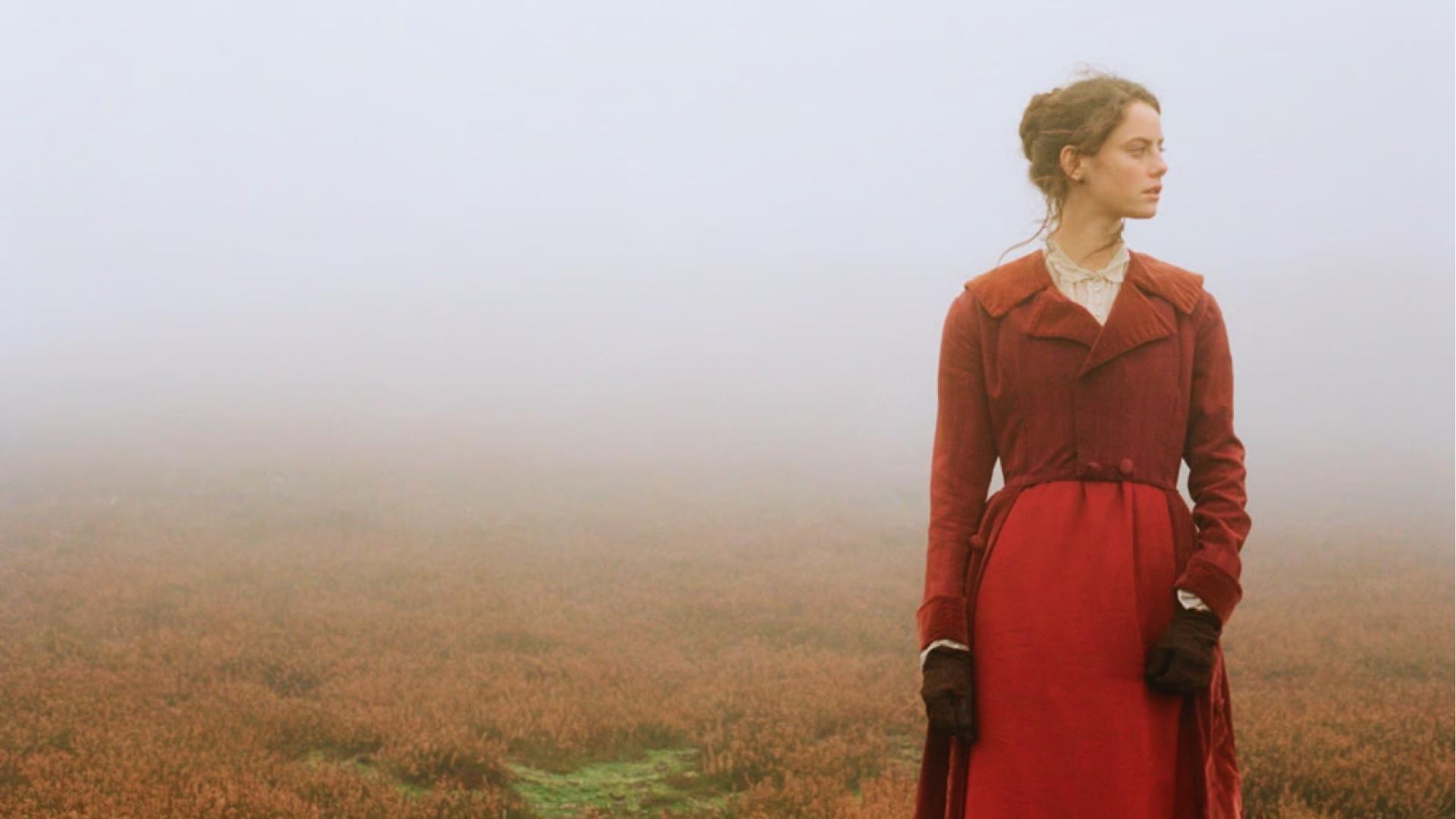
The 2011 film adaptation of Wuthering Heights, directed by Andrea Arnold, was shot across real outdoor landscapes and some controlled interior environments.
Most of the raw, wild footage came from the north of England, while certain interior scenes required more precise shooting conditions.
Emily Brontë set her novel in the Yorkshire moors, and the landscape delivered exactly what the story required.
Rolling hills, grey skies, and open moorland created a mood no set designer could fully replicate.
The region also carries real history connected to Brontë herself, adding authenticity to every frame.
The production team made strong use of real Yorkshire geography, keeping the film grounded in the landscape that inspired the novel.
Main Wuthering Heights Filming Locations
The key locations span several counties and settings. Here is a breakdown of each one.
Yorkshire Dales National Park
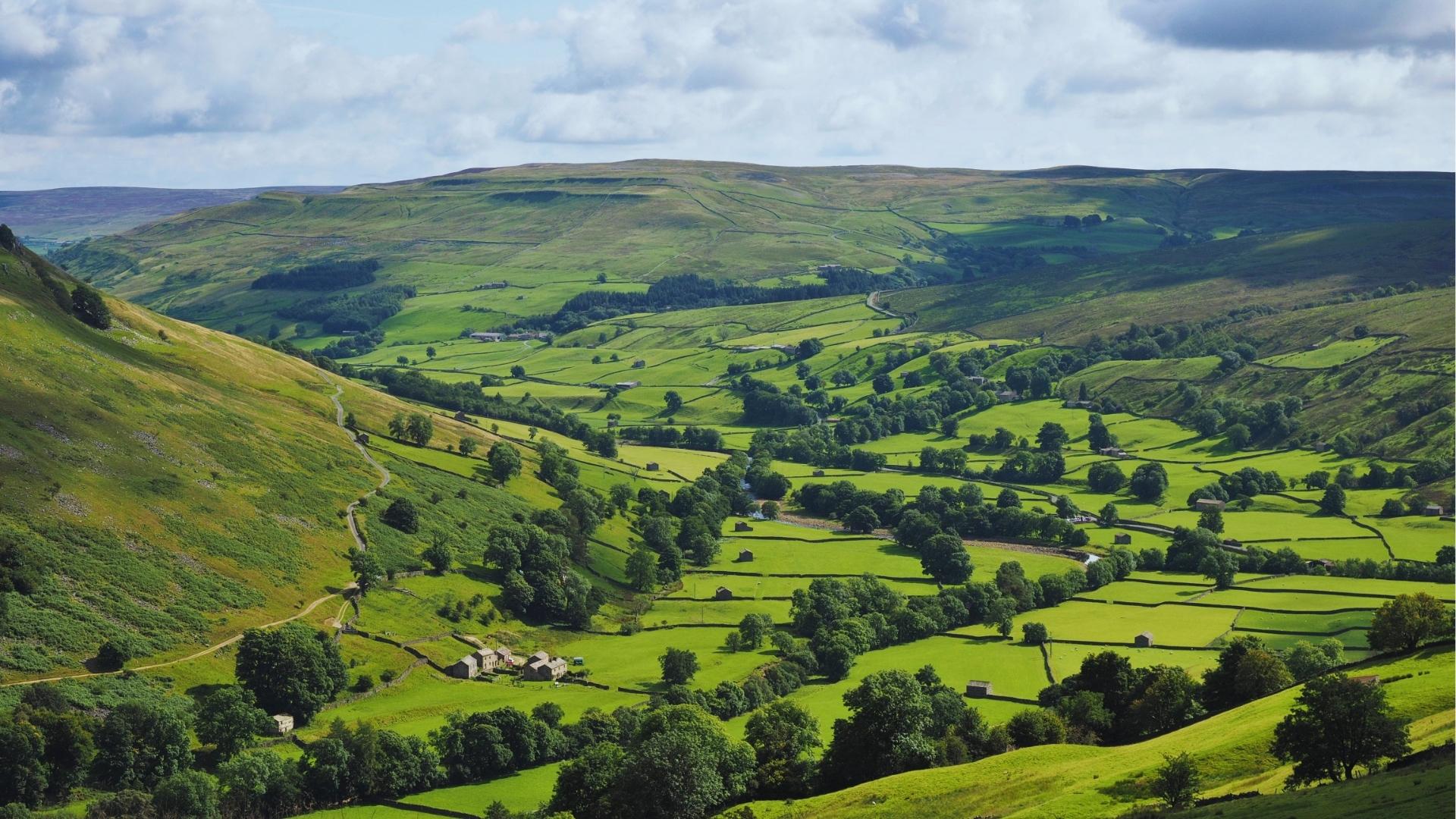
The Yorkshire Dales provided the backbone of the film's outdoor look.
The national park covers over 800 square miles of hills, valleys, and moorland, much of it sitting within the Pennines, the chain of hills often called the backbone of England.
The crew used its open landscapes to shoot wide, atmospheric scenes that show the isolation central to the story.
The park is publicly accessible, so visitors can walk the same land seen on screen.
Needle's Eye, Wentworth Estate
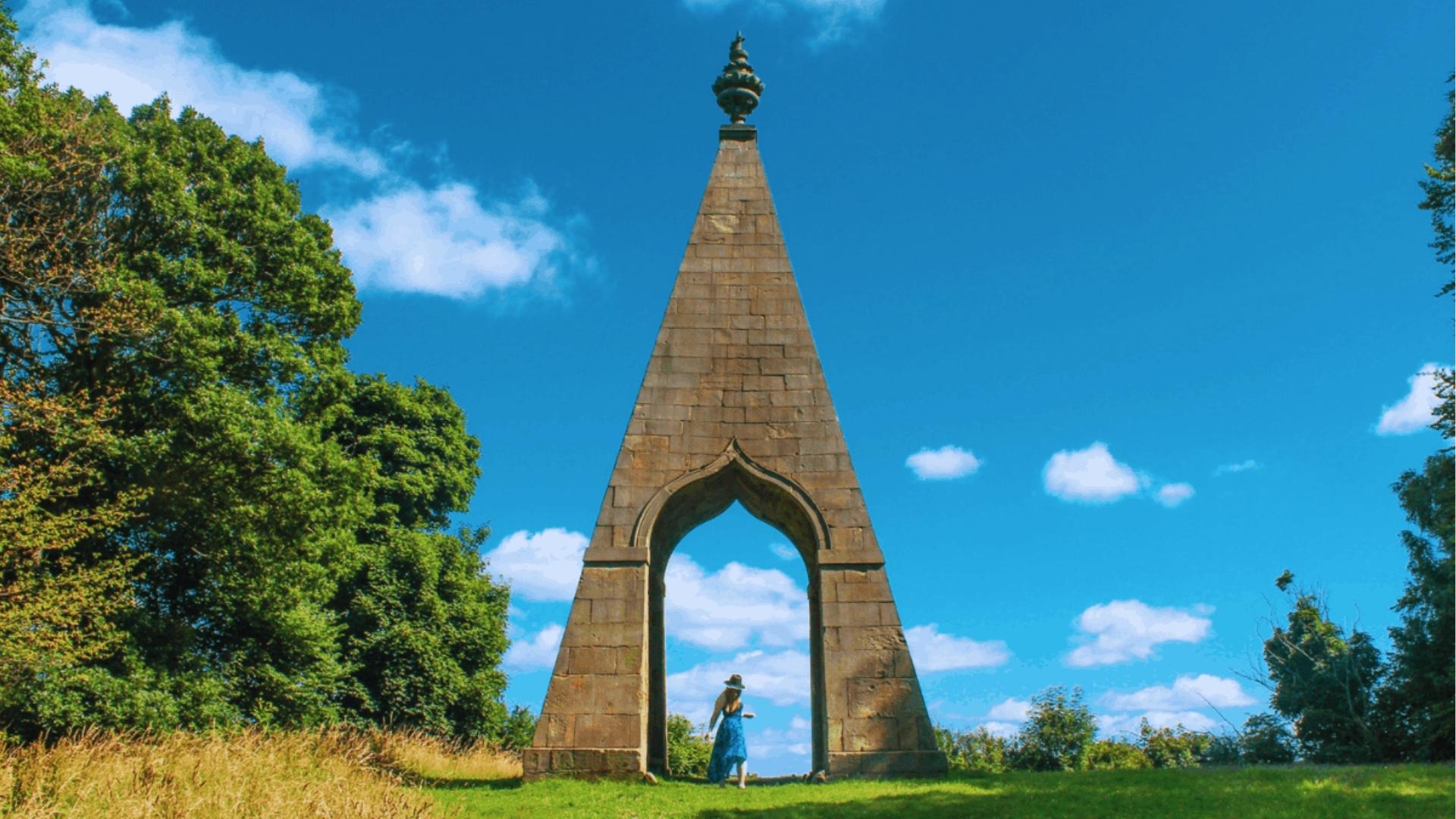
The Needle's Eye is a curious Gothic stone structure on the Wentworth Estate in South Yorkshire. It was built in the 18th century and has an unusual pointed arch design.
This striking feature appeared in the film and is one of the more unusual location choices. The estate grounds are partially accessible to the public.
Yorkshire Filming Locations Seen Throughout the Film
Beyond the main sites, the production used several specific spots within Yorkshire that appear throughout the film's outdoor sequences.
Arkengarthdale
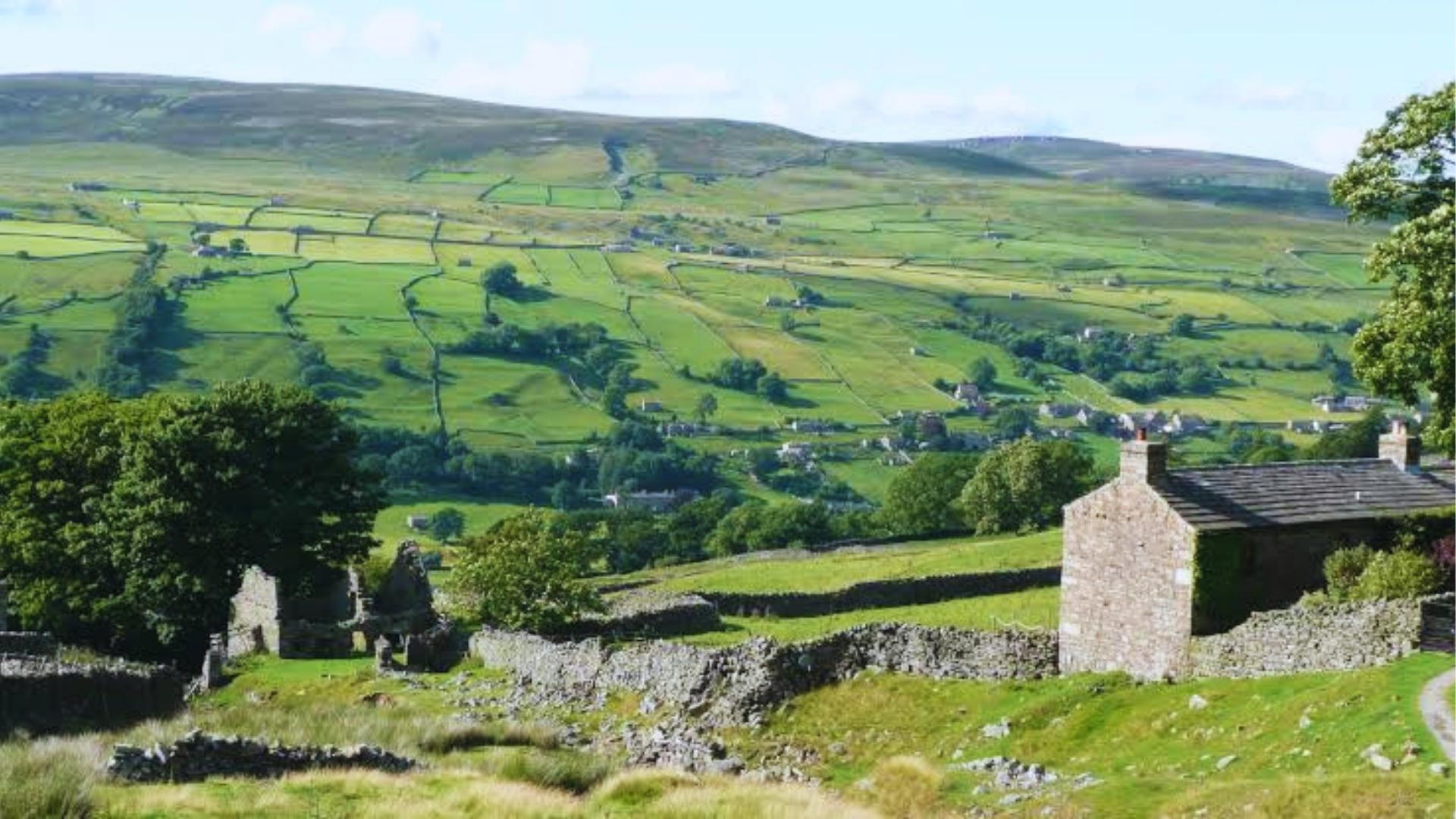
Arkengarthdale is the most northerly dale in the Yorkshire Dales National Park. It is a remote, quiet valley with a strong sense of isolation.
The small village of Langthwaite sits within the dale and makes a good stopping point, with its old stone cottages and an authentic village pub.
The dale's open moorland and sparse population made it ideal for capturing the kind of desolate beauty the film needed. Walking routes through the area are well marked.
Old Gang Smelt Mill
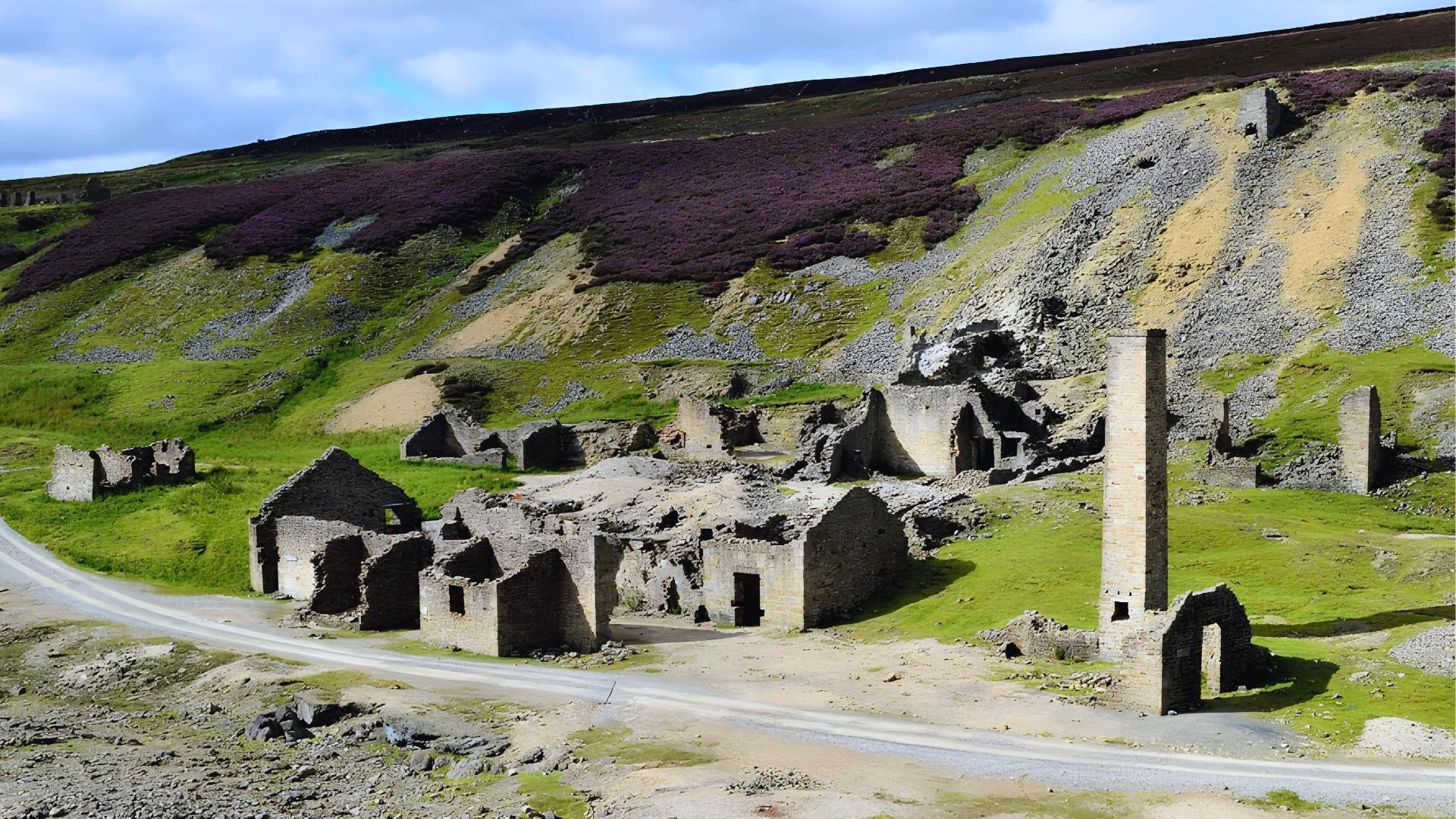
Old Gang Smelt Mill is a ruined lead smelting site in Swaledale. The crumbling stone structures sit in open moorland and have a raw, industrial history.
The ruin adds texture to the landscape and appeared as part of the film's bleak outdoor scenes. It is accessible on foot and makes for a striking walk.
Bouldershaw Lane
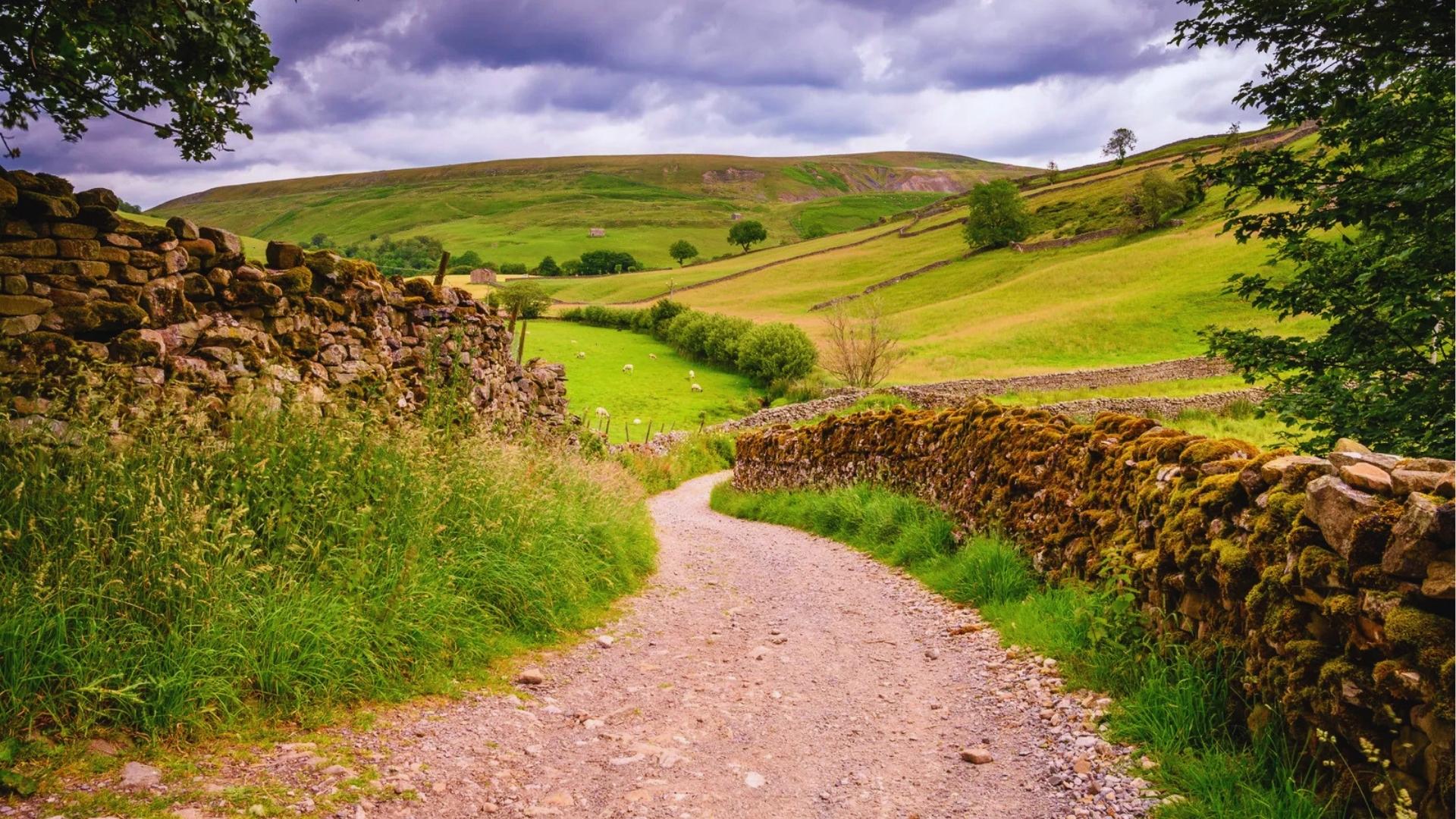
Bouldershaw Lane is a rural track that cuts through moorland in North Yorkshire. It is exactly the kind of remote, unpaved path that suits the film's tone.
The lane offers open views across the hills and is relatively easy to walk along, though it can get muddy in wet weather.
Melbecks Moor
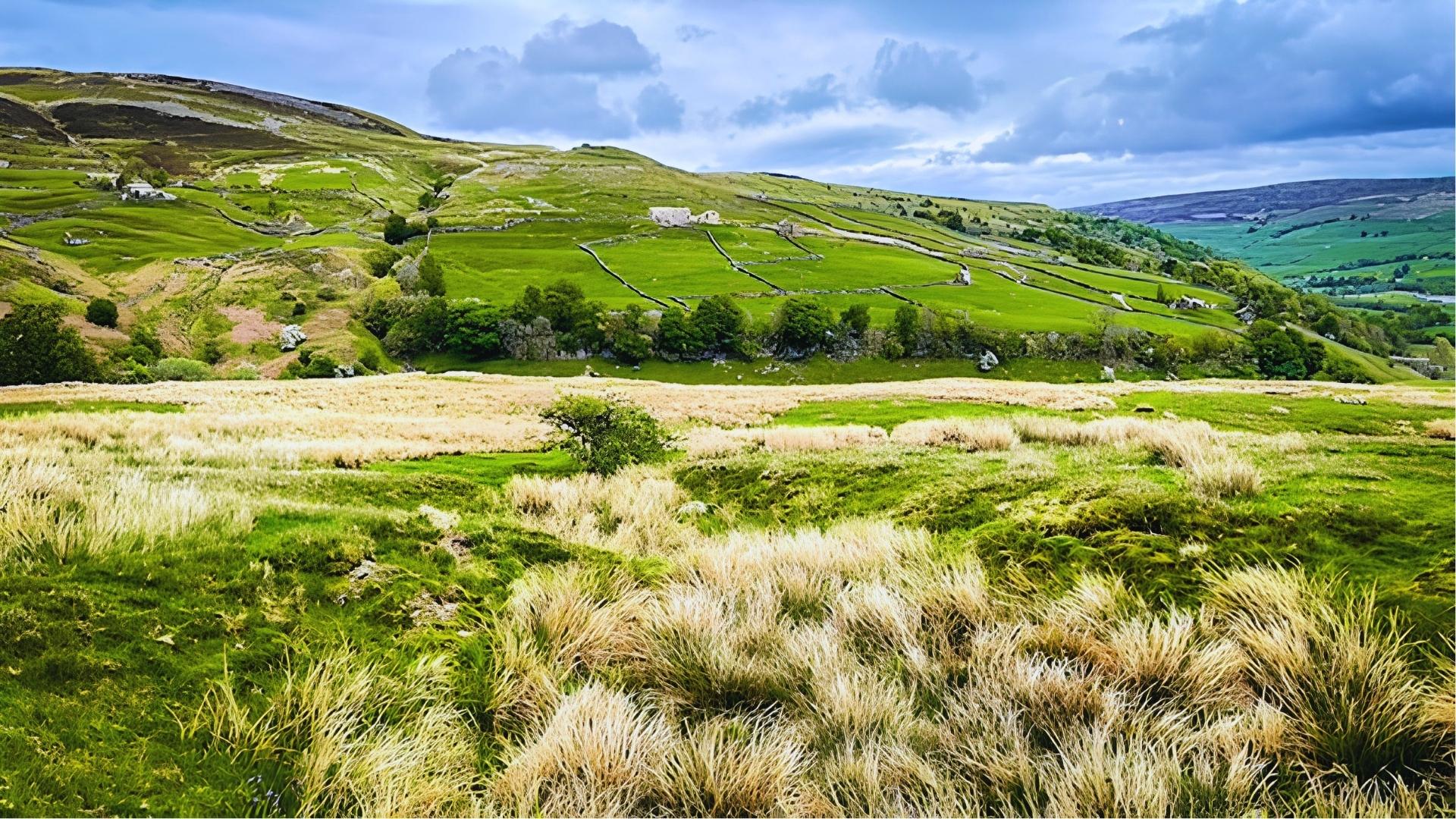
Melbecks Moor sits above Swaledale and is part of the broader moorland used throughout the production. The moor is high, exposed, and visually dramatic in most weather conditions.
It connects to several walking routes and is within reach of nearby villages in the Dales.
Wuthering Heights Filming Locations Map and Travel Route
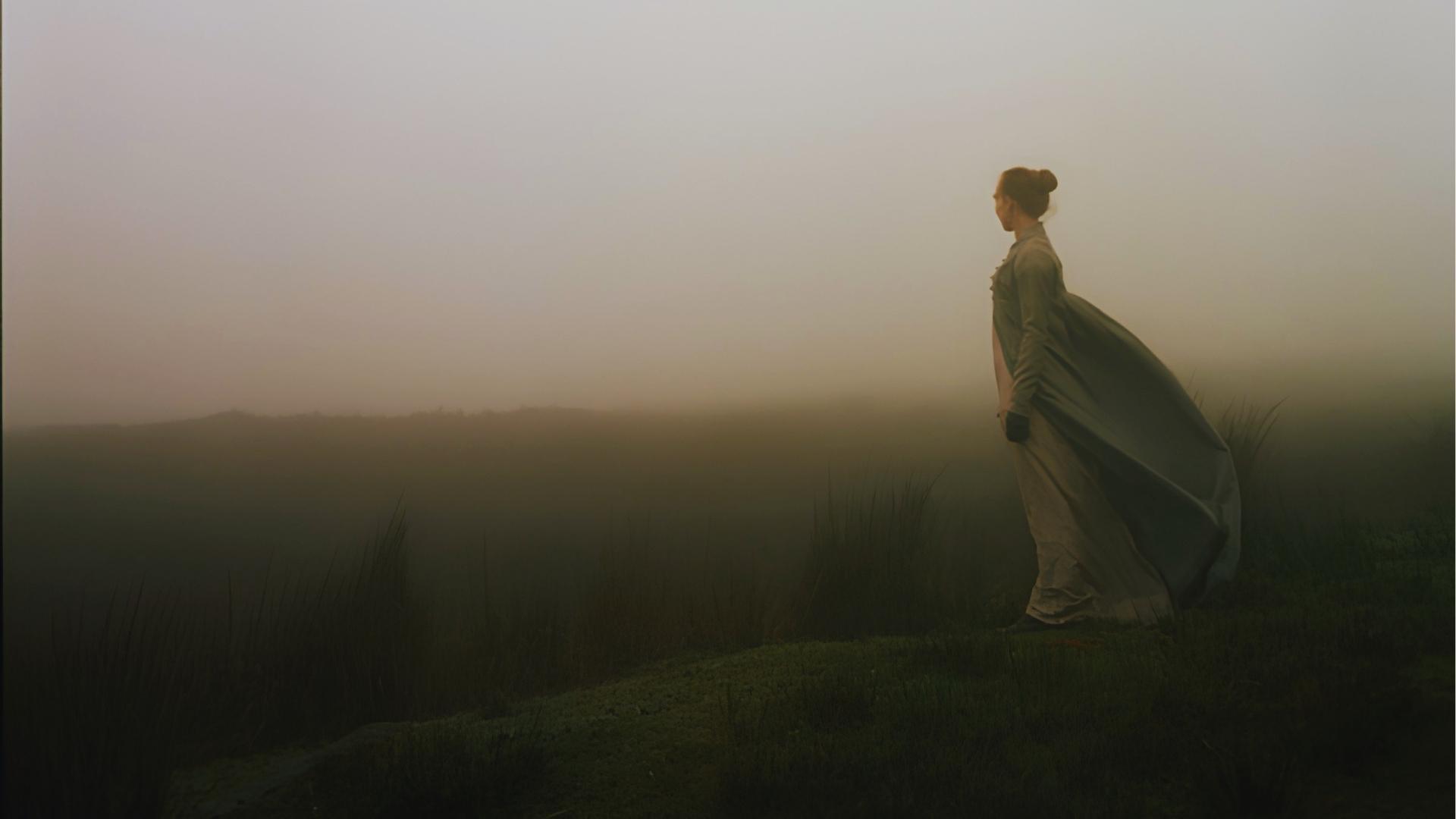
Knowing where each site sits relative to the others helps you plan smarter and avoid unnecessary backtracking.
Where the Main Filming Locations Are Located
The filming locations are clustered within Swaledale and its surrounding moorland in North Yorkshire.
This includes Arkengarthdale, Reeth, Old Gang Smelt Mill, Melbecks Moor, and Bouldershaw Lane.
The village of Thwaite in Swaledale stood in for Gimmerton in the 2011 film, while Moor Close Farm near the village of Muker was used to portray the Heights itself.
Cotescue Park in Coverham, near the market town of Middleham, served as Thrushcross Grange and sits roughly 20 miles southeast of the Swaledale cluster.
The Needle's Eye at Wentworth Estate is in South Yorkshire, roughly two hours south of the Dales cluster.
Most visitors focus on the Yorkshire locations and can combine the Wentworth Estate as a final stop on the way south.
Driving Distances Between Key Filming Sites
Reeth to Arkengarthdale is roughly 4 miles. Old Gang Smelt Mill sits about 3 miles from Reeth.
Melbecks Moor and Bouldershaw Lane are within 6 miles, so the entire upper Swaledale cluster is easy to cover in a day.
Thwaite and Muker, where Moor Close Farm sits, are a further 8 miles west along Swaledale and add less than 20 minutes to the drive.
Cotescue Park near Middleham is approximately 20 miles southeast of Reeth, around 35 minutes by car.
The Wentworth Estate is approximately 70 miles south of Reeth, around 90 minutes by car.
How to Plan an Efficient Travel Route
Base yourself in Reeth for two to three days. The production office for the 2011 film was based in Hawes, just 12 miles northwest of Reeth, which makes it a natural first stop before heading into the moors.
Day one, walk to Old Gang Smelt Mill and Melbecks Moor. Day two, drive through Arkengarthdale and along Bouldershaw Lane, then continue west through Muker to see Moor Close Farm and the surrounding Swaledale countryside.
Day three, drive southeast to Cotescue Park near Middleham, then head south to Wentworth Estate.
Can You Visit the Wuthering Heights Filming Locations?
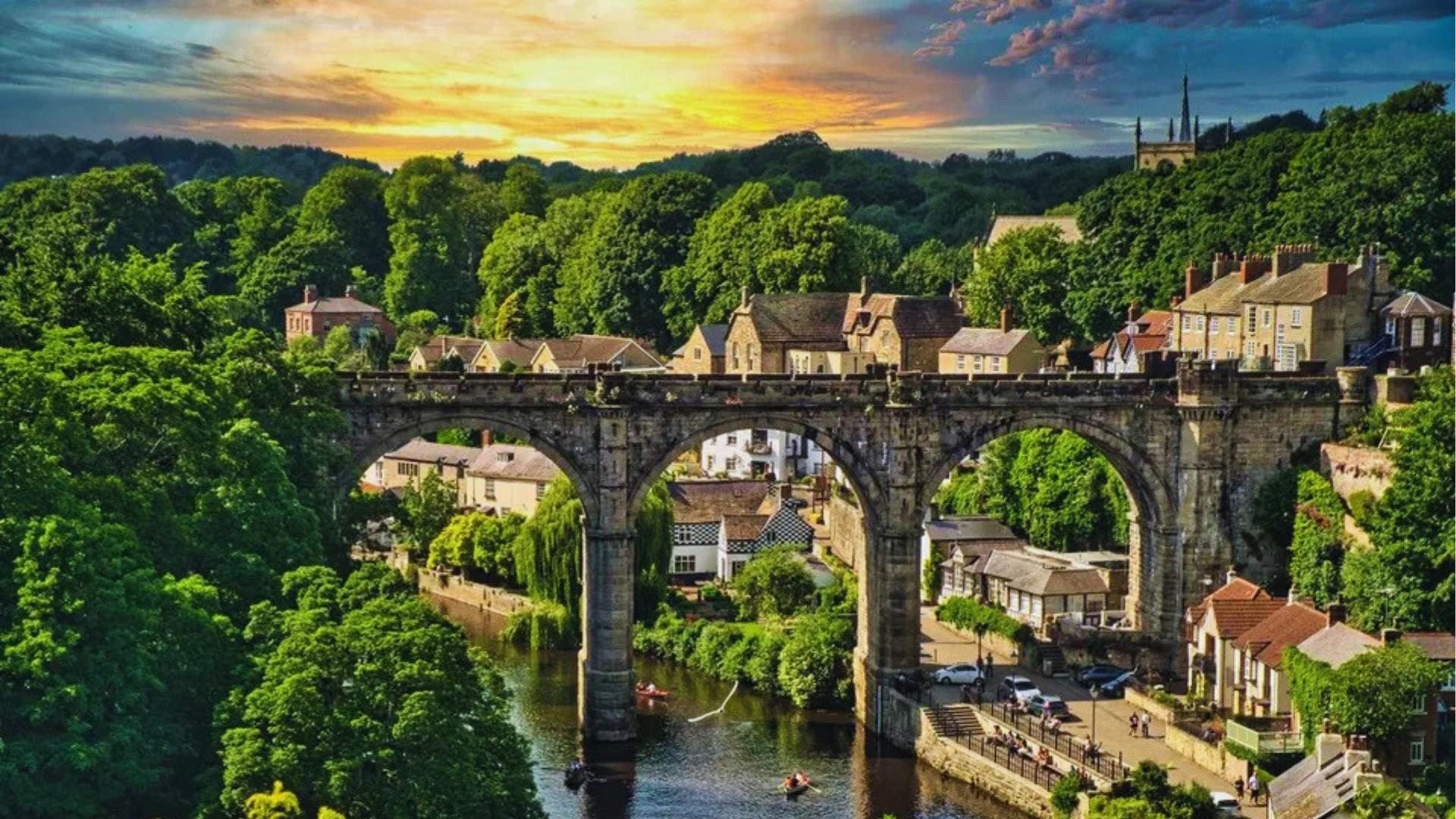
Yes, most of the filming locations are accessible to the public, though some require a bit of planning.
Which Locations Are Open to the Public
The Yorkshire Dales National Park is freely accessible. Arkengarthdale, Old Gang Smelt Mill, Bouldershaw Lane, and Melbecks Moor can all be reached on foot using public rights of way.
The Needle's Eye at Wentworth Estate has limited public access, so it is worth checking current arrangements before visiting.
If you want to go further into Brontë country, Haworth in West Yorkshire is worth a visit.
The village is where Emily Brontë grew up, and the Brontë Parsonage Museum there houses the largest collection of Brontë artefacts in the world.
Top Withens, a ruined farmhouse on the moors above Haworth, is also traditionally linked to the novel's setting.
Neither was used as a filming location, but both add real context for fans of the book.
Best Time to Visit the Yorkshire Sites
Late spring and early summer offer the most reliable walking conditions, with longer daylight hours and reasonable weather.
Autumn brings dramatic colours to the moorland and is popular with photographers. Winter visits are possible but require more preparation, as paths can become waterlogged or icy.
Summer weekends can get busy in the more popular parts of the Dales, so midweek visits tend to be quieter.
Suggested Route for a Self-Guided Tour
Start in Reeth, which works as a central base. From there, head up into Arkengarthdale to take in the dale and the Old Gang Smelt Mill.
Continue along the moor paths to Melbecks Moor and Bouldershaw Lane. Allow a full day for this circuit and bring a good OS map.
If you have a second day, drive south to the Wentworth Estate.
Tips for Visiting Wuthering Heights Filming Locations
A little preparation goes a long way when visiting remote moorland.
- Wear waterproof boots and bring a waterproof jacket, as moorland ground stays wet most of the year and weather can change quickly at higher elevations.
- Carry a paper OS map or downloaded offline map since mobile signal is unreliable in remote parts of the Yorkshire Dales.
- Stick to public footpaths and bridleways to avoid trespassing on private land and damaging protected habitats within the national park.
- Read the Countryside Code before visiting, follow it throughout, and always leave gates exactly as you find them.
- Tell someone your route and return time before heading out, check the forecast on the day, and wear broken-in footwear to avoid blisters and ankle injuries.
Conclusion
Wuthering Heights filming locations are spread across some of the most dramatic countryside in England.
From the raw moorland of the Yorkshire Dales to the windswept valleys of Swaledale, each site adds something real to the story on screen.
If you are planning a visit, start with Reeth and work outward from there. The moors are best experienced on foot, so give yourself time.
If this guide helped you plan your trip, share it with a fellow Brontë fan or leave a comment below.
Exploring where Wuthering Heights was filmed is one of the best ways to connect with this timeless story.
Frequently Asked Questions
Was Wuthering Heights Filmed at the Actual Haworth Parsonage?
No. The Brontë Parsonage in Haworth was not used as a filming location, though it remains closely associated with Emily Brontë and is open to visitors.
Is There a Real Building Called Wuthering Heights?
No single real building served as the direct model, but Top Withens farm near Haworth is traditionally linked to the novel's setting by Brontë scholars.
How Long Does It Take to Walk the Main Yorkshire Filming Locations?
A full circuit covering the key Swaledale and Arkengarthdale spots takes roughly six to eight hours depending on your pace and route.
Did Andrea Arnold Change Any Filming Locations from Earlier Adaptations?
Yes. Earlier adaptations used different Yorkshire sites. Arnold's 2011 version specifically chose more remote, lesser-known locations to create a rawer visual feel.