
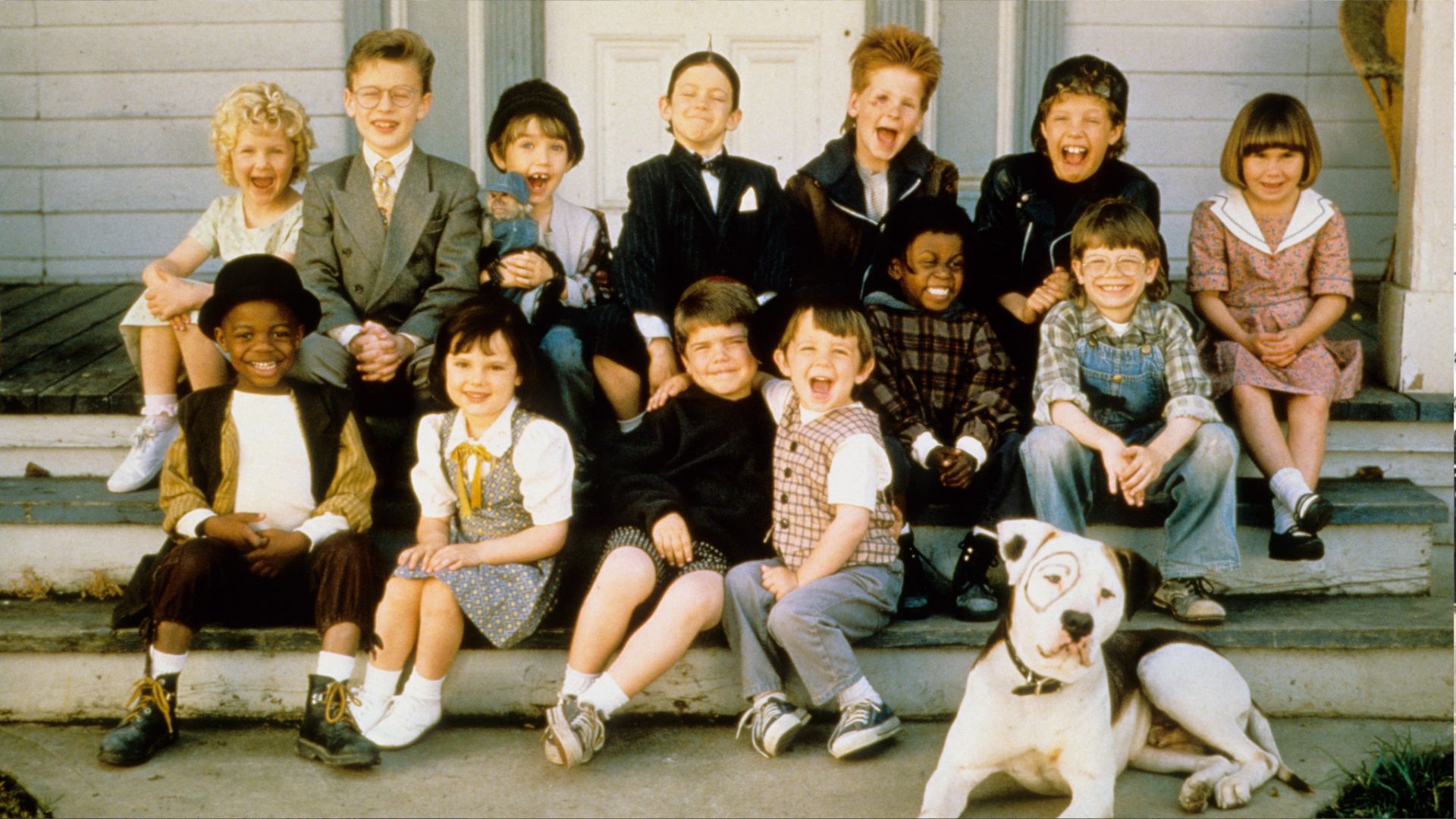
If you have ever watched The Little Rascals and wondered where it was actually filmed, you are not alone. The 1994 movie has a charming look that feels like a real neighborhood frozen in time.
But figuring out exactly where those scenes were shot is not always easy.
This guide covers every major filming location used in the movie, from real Los Angeles streets to studio backlots built to look like the perfect small-town setting.
You will also find tips on which places you can still visit today. Where Was Little Rascals Filmed is a question fans have asked for years, and this article answers it clearly and completely.
Where Was Little Rascals Filmed?

The 1994 movie The Little Rascals was primarily filmed in California, with a mix of real outdoor locations and purpose-built studio sets. The film was produced by Amblin Entertainment and released theatrically by Universal Pictures.
Director Penelope Spheeris and producer Robert Simonds worked hard to capture the feel of a classic American neighborhood from the 1930s, even though the film was made in the 1990s.
The film used real streets and private residences across Los Angeles, Pasadena, Burbank, and North Hollywood.
Key spots included Figueroa Terrace in the Echo Park district, the Venice Canals near Venice Beach, Castle Green Apartments in Pasadena, a private home on Delaware Road in Burbank, and Fire Station 60 on Tujunga Avenue in North Hollywood.
The filmmakers needed locations that could pass for a quiet, mid-century American town.
Real neighborhoods around Los Angeles offered architecture and street layouts that already had that older, worn-in look without much dressing.
Outdoor locations were chosen when the natural environment added something a studio simply could not fake, like open hillsides for the clubhouse scenes or tree-lined canals for the serenade.
The combination of both approaches helped the movie feel grounded without breaking the production budget.
California Filming Locations Explained
California served as the backbone of the entire production. Most of what you see on screen was either shot in Los Angeles or at real locations within a short drive of the city.
The state's variety of neighborhoods, parks, and architectural styles made it the obvious choice for a film like this.
Los Angeles Neighborhoods Featured in the Film
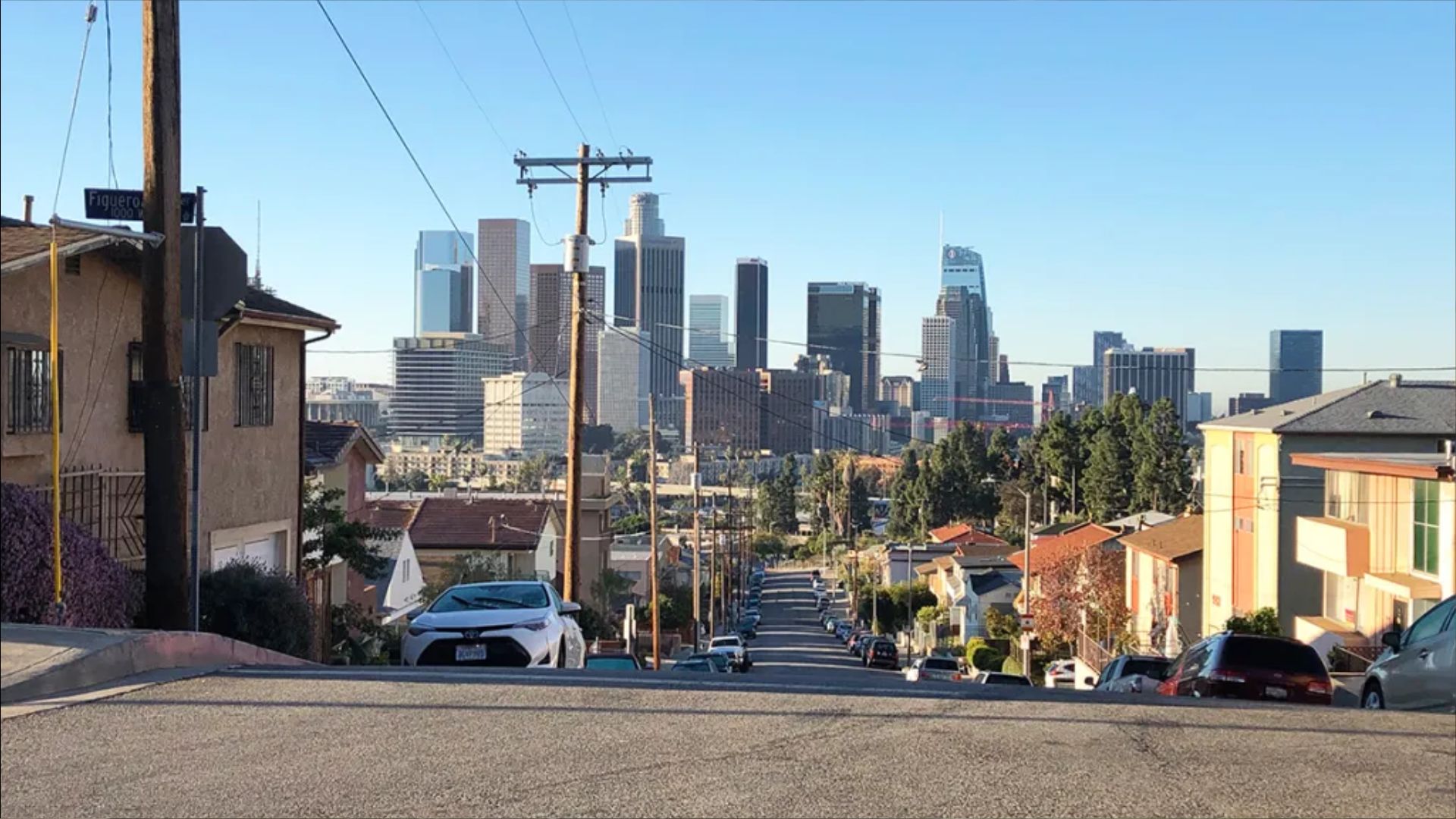
Several distinct parts of Los Angeles provided backdrops for the film. The Echo Park district, specifically the hillside at 1031 Figueroa Terrace, served as the clubhouse location.
This area overlooked Downtown Los Angeles and gave the club its distinctive elevated look. The Venice Canal Historic District, developed by Abbot Kinney in 1905, provided the romantic waterway setting for Alfalfa's serenade scene.
These real neighborhoods gave the film a lived-in quality that a studio set alone cannot fully replicate.
Studio Backlots Used for Neighborhood Scenes
While many scenes used real locations, the production also relied on studio facilities for controlled interior work and certain street scenes.
Soundstages were used for interiors that required managed lighting and special effects. The specific studio facility and soundstage numbers used for these shoots have not been publicly disclosed in production records.
The production design team, led by production designer Larry Fulton, dressed existing sets to match the look of a 1930s American neighborhood. Storefronts, sidewalks, and building facades were all adjusted to fit the movie's time period.
Parks, Streets, and Residential Locations

Real residential streets appear throughout the film. Darla's house was filmed at 537 Delaware Road in Burbank, a private home that was painted white for production. No public permit or production records have been released detailing how the home was secured for filming.
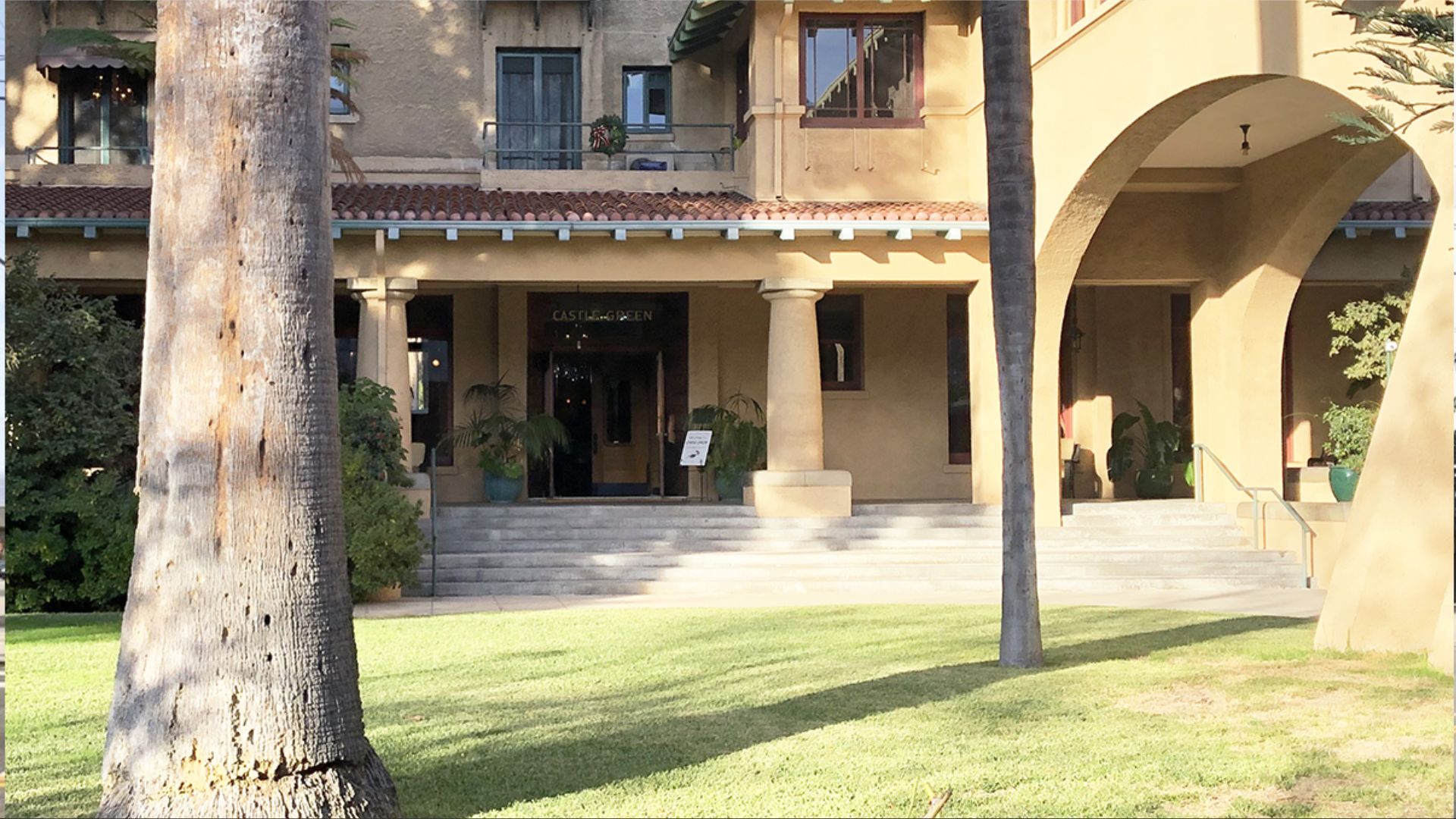
The ballet recital scene used the grounds of Castle Green Apartments at 99 S Raymond Avenue in Pasadena, a Moorish Revival building constructed between 1893 and 1903.
These real addresses grounded the film in actual Southern California geography.
Iconic Little Rascals Scene Locations
Several scenes in the movie stand out as fan favorites, and each one was filmed at a specific, identifiable location. Knowing the exact addresses adds a new layer of appreciation for the film.
The He-Man Woman Haters Club Clubhouse
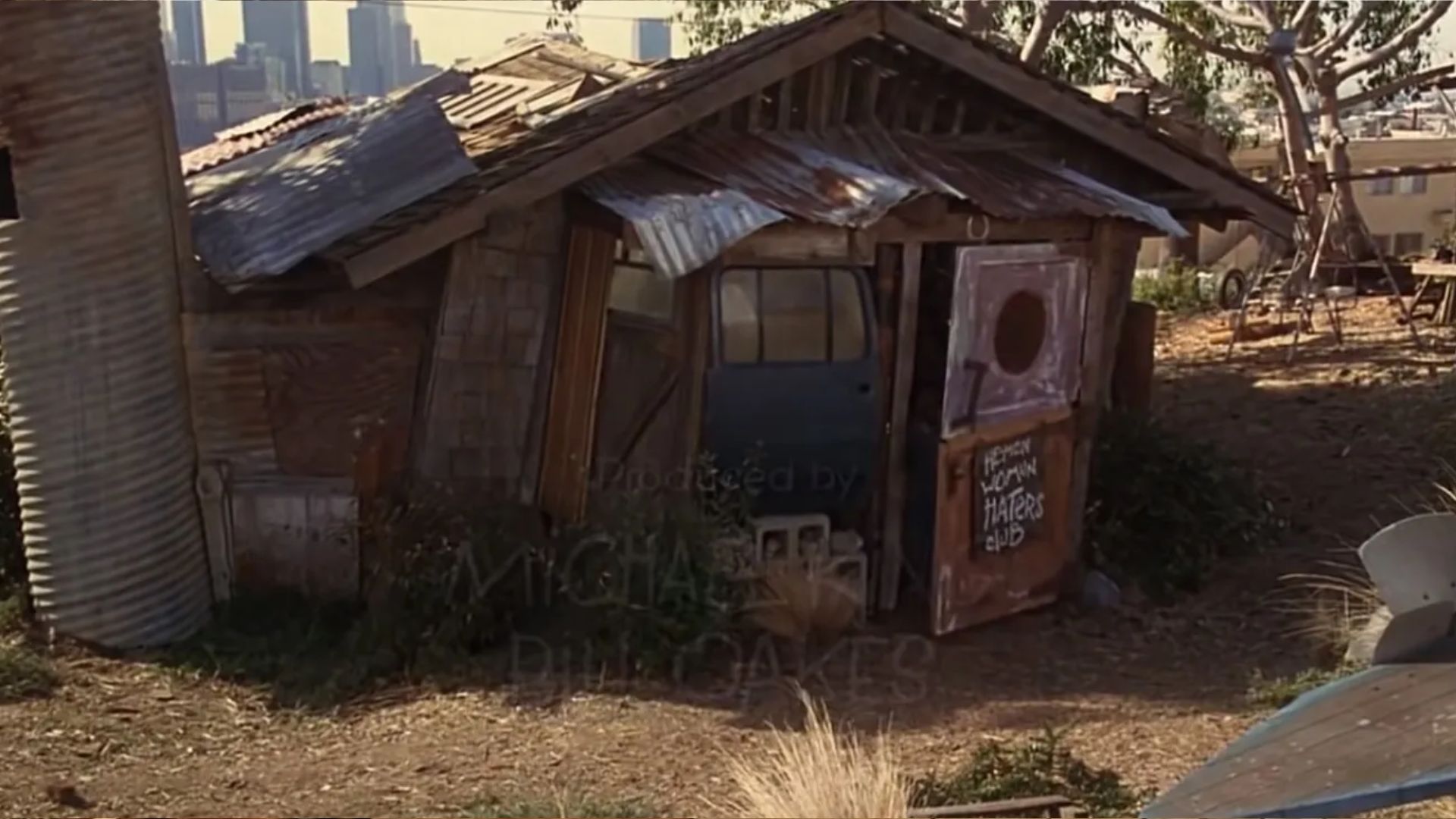
The clubhouse exterior was filmed on a hillside at 1031 Figueroa Terrace in the Echo Park district of Los Angeles, overlooking Downtown. Bug Hall as Alfalfa and Travis Tedford as Spanky were filmed here for the outdoor club scenes.
The hillside gave the clubhouse its elevated, slightly isolated look that fit perfectly with the gang's secretive nature.
That specific area of open land has since been developed, so the exact hillside no longer looks the way it did during filming.
The Soapbox Derby Race Location
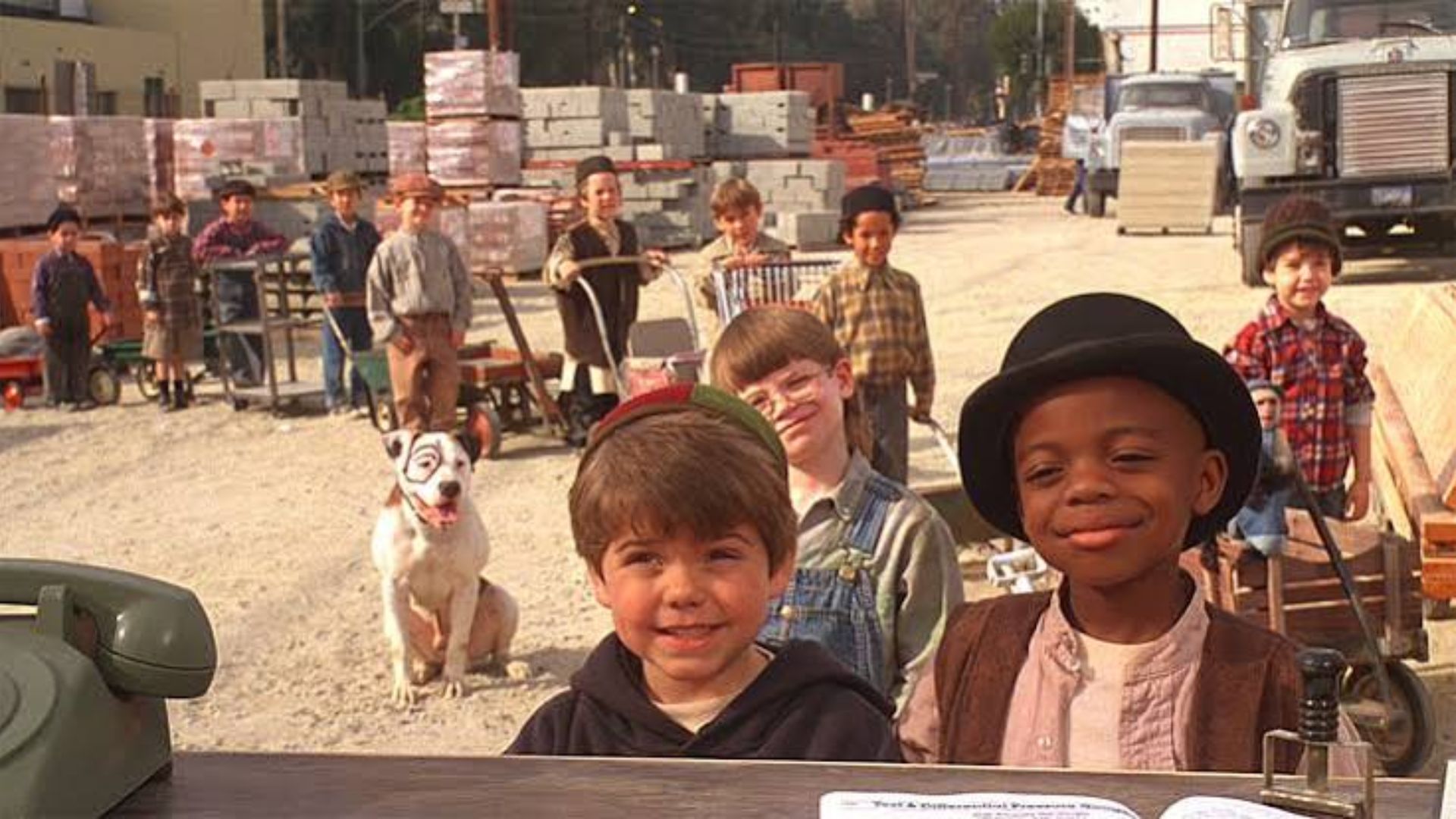
The soapbox derby race is one of the most exciting sequences in the film. This scene required a real outdoor location with enough space for the cars to move and the crowd to gather.
The production team dressed the location with period-appropriate signage, flags, and crowd members in costumes to give it the look of a 1930s community event.
No specific address or venue for the derby location has been confirmed in publicly available production records. The film itself only describes the setting in general terms, and no location scouting records have surfaced to pin it to a particular site.
If you have a confirmed source, feel free to share it in the comments.
Alfalfa's Serenade and Neighborhood Scenes

The serenade scene was filmed at the Venice Canals near Venice Beach. Bug Hall, as Alfalfa, serenades Brittany Ashton Holmes, as Darla, from a boat on the canal.
The scene was shot at the bridge connecting Linnie Canal to Court C. This bridge still exists today and looks nearly identical to how it appeared in the film.
The Venice Canal Historic District has also appeared in other well-known productions, making it a familiar spot for film location fans.
The Final Race and Memorable Outdoor Sequences
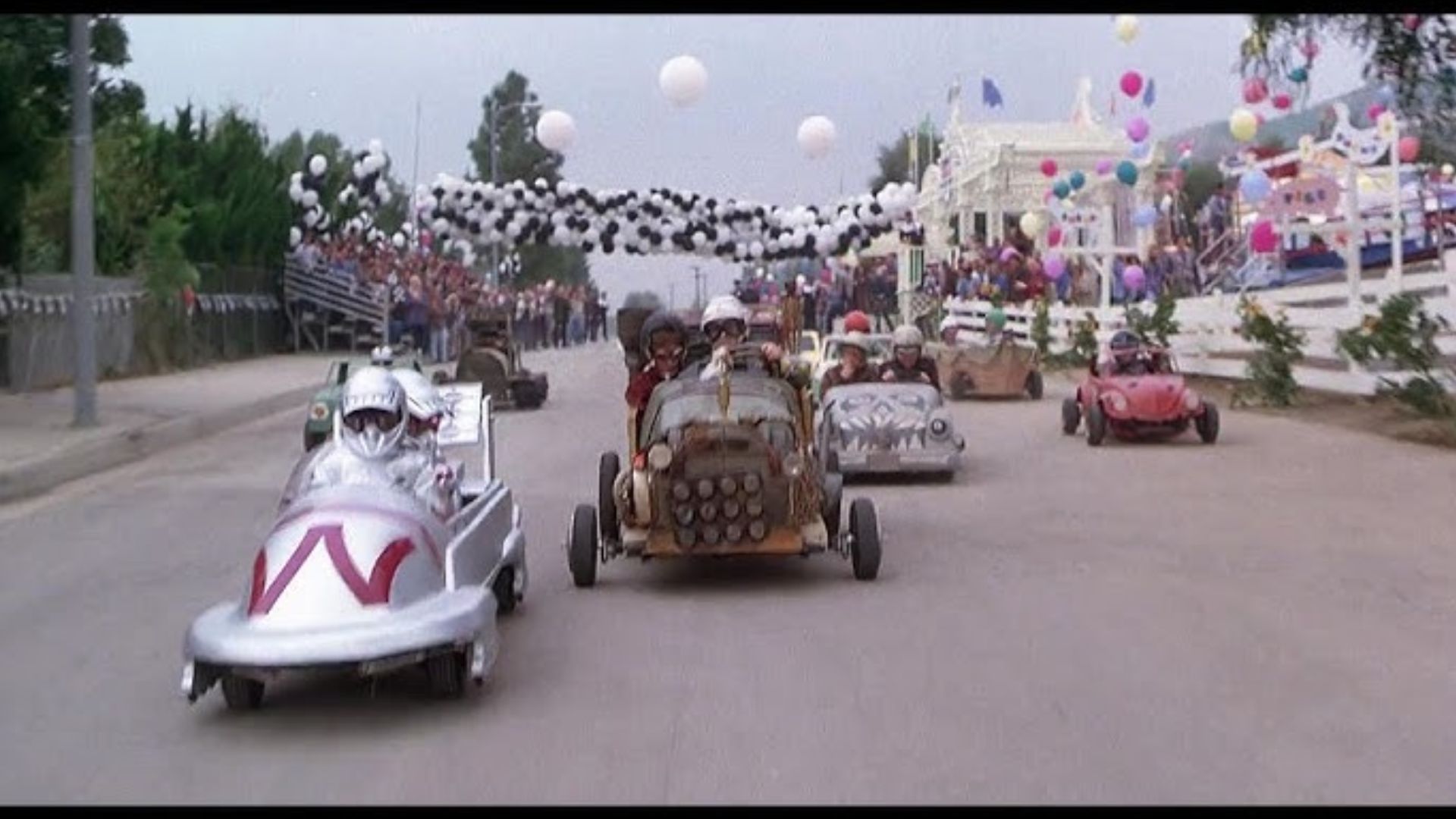
The final race sequence required a lot of open space and careful staging. The production filmed these scenes at outdoor locations in the Los Angeles area.
Crowd scenes were managed with extras and careful camera positioning to make the crowd look larger than it was. The race course itself was laid out in a location that allowed for smooth camera movement and gave the actors room to perform their gags safely.
Real Places vs Movie Sets

One of the most common questions about the film is which parts were real and which were built just for the movie. The answer is a mix of both, and knowing the difference can change how you watch certain scenes.
Several specific, verifiable addresses appear in the film.
The Venice Canals bridge, the Figueroa Terrace hillside, Castle Green Apartments in Pasadena, Fire Station 60 at 5320 Tujunga Avenue in North Hollywood, and the private home at 537 Delaware Road in Burbank were all real places that existed before filming and most still stand today.
The natural environment in these shots, including trees, canals, and residential streets, came directly from the real world rather than a constructed set.
Interior scenes were almost entirely filmed on soundstages. This includes the inside of the clubhouse, interior home scenes, and any sequences that required controlled lighting or special effects.
The name of the studio lot or facility used for these interiors has not been confirmed in any publicly available source.
These sets were built and dressed specifically for the film and no longer exist. The production design team used period-accurate props, signage, and costumes to make both real locations and studio sets look like a 1930s small town.
School-related scenes were filmed on dressed sets rather than at a real school, but no records have been made available identifying where those sets were built or which facility housed them.
At Darla's house on Delaware Road in Burbank, the home was painted white to create the right look for the scene. Modern elements at real locations were removed or hidden from camera view.
This level of attention to detail is what makes the film feel consistent from scene to scene.
Can You Visit Little Rascals Filming Locations?
Many fans want to visit the places where their favorite scenes were shot. Some locations are still accessible, while others have changed or no longer exist in the same form.
The Venice Canals bridge between Linnie Canal and Court C still stands and looks much the same as it did in 1994.
Castle Green Apartments at 99 S Raymond Avenue in Pasadena offers exterior viewing, and Fire Station 60 at 5320 Tujunga Avenue in North Hollywood is still an active station visible from the street.
The clubhouse hillside at 1031 Figueroa Terrace has since been built over, and studio sets constructed for the film no longer exist.
If you plan to visit, keep a few things in mind. Darla's house at 537 Delaware Road in Burbank is a private residence, so admire it from the street only.
Castle Green Apartments is also privately owned, so check access options before heading out. Bring a map or save screenshots of each spot, since none of these locations have signs or markings identifying them as filming sites.
Behind the Scenes of Filming
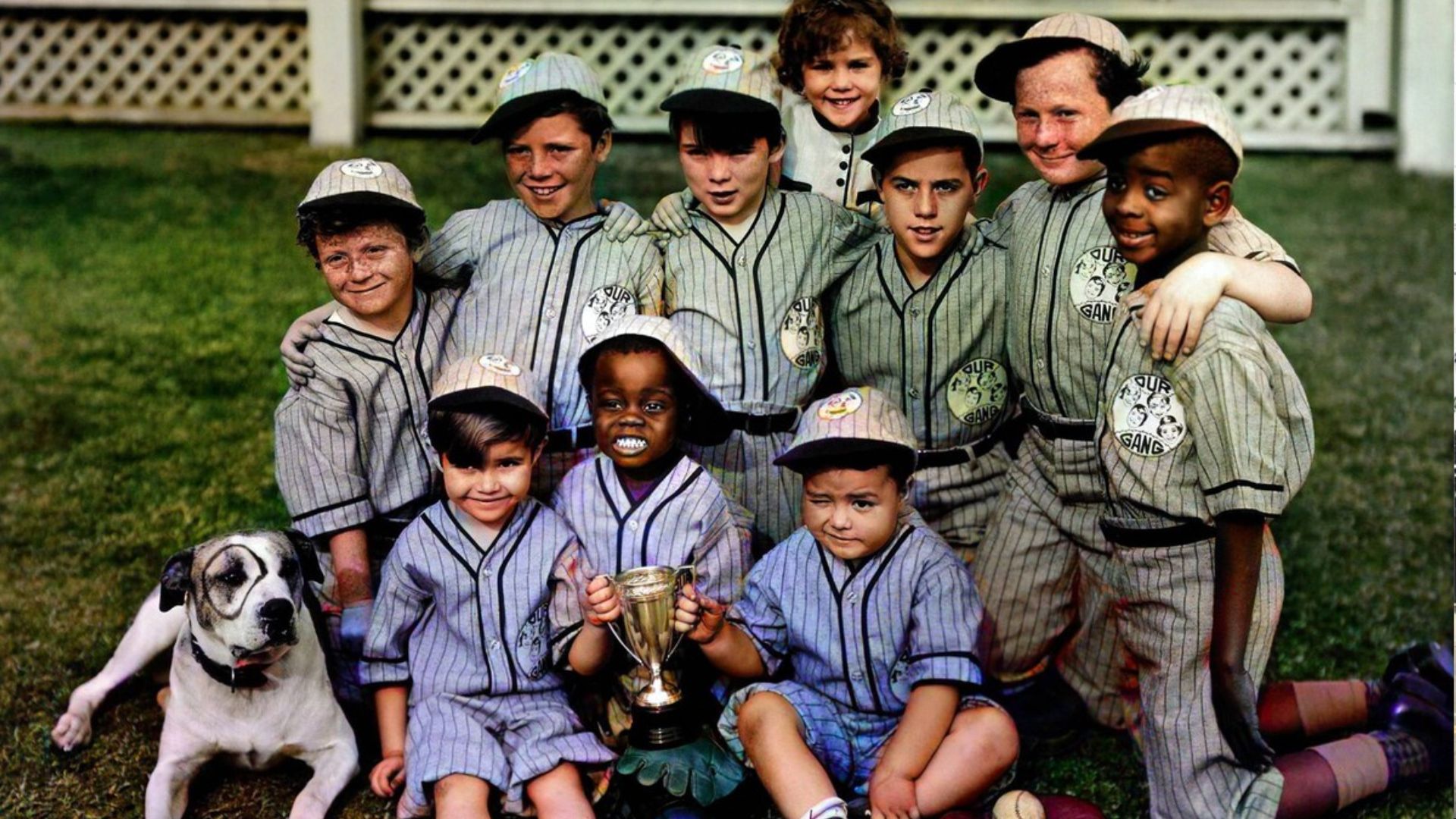
Understanding how the film was made adds a lot of context to the locations you see on screen.
The Little Rascals filmed from January 11 to April 6, 1994 and was released on August 5, 1994, grossing over $67 million worldwide against an $18 million budget. The film was produced by Amblin Entertainment and distributed by Universal Pictures.
The screenplay was written by Penelope Spheeris, Paul Guay, and Stephen Mazur, based on a story by Spheeris, Robert Wolterstorff, Mike Scott, Guay, and Mazur.
The film was shot by cinematographer Richard Bowen, with production design by Larry Fulton. The score was composed by William Ross, who also orchestrated and arranged the classic "Little Rascals" theme alongside Alan Silvestri.
The production had to work around strict child labor laws, which limited how many hours the young cast could work each day, making scheduling more complicated than a typical film production and contributing to the nearly three-month shoot.
Director Penelope Spheeris wanted the film to feel warm and accessible. She prioritized locations that looked friendly and open rather than gritty or dark, leaning toward bright, well-lit spaces that would photograph well.
Choosing real Southern California neighborhoods over studio backlots for many key scenes gave the film more visual authenticity than it would have had otherwise.
The film also featured celebrity cameos from Whoopi Goldberg, Mel Brooks, Reba McEntire, and Daryl Hannah, many filmed quickly at the primary locations.
The cast included Ross Bagley as Buckwheat and Zachary Mabry as Porky, whose fire station scene at 5320 Tujunga Avenue in North Hollywood became one of the film's most quoted moments.
Little Rascals Filming Locations vs Original Our Gang

The 1994 film was based on the original Our Gang short films, which were produced from the late 1920s through the 1940s. Comparing the two productions reveals a lot about how filmmaking has changed and how the creators of the 1994 version tried to honor the original.
How the 1994 Movie Recreated the Classic Look
The original Our Gang shorts were filmed on the Hal Roach Studios lot in Culver City, California. The 1994 production could not use those same facilities, as the Hal Roach lot no longer exists in its original form.
Instead, the filmmakers studied the visual style of the original shorts closely and worked to create that look using real Los Angeles neighborhoods and period-appropriate set dressing.
The goal was to make the 1994 film feel like it existed in the same world as the originals, even if it was shot in a different place.
Differences Between Original and Recreated Locations
The original Our Gang films used real Culver City streets and the Hal Roach lot, which gave them a slightly rougher, more naturalistic look.
The 1994 film used a mix of real LA locations and studio interiors that overall look noticeably brighter and more controlled. The original shorts had a grittier, lower-budget quality that was partly a result of the era and the resources available.
The 1994 version had a bigger budget, which shows in how polished each frame looks compared to the originals.
Conclusion
Now you know exactly where Little Rascals was filmed, from the hillside at Figueroa Terrace to the Venice Canals bridge and Castle Green Apartments in Pasadena.
The film's look came from a smart mix of real Southern California spots and carefully dressed sets. If you are a fan of the movie, the Venice Canals and Castle Green Apartments are the easiest places to visit today.
Share this guide with fellow fans, leave a comment about your favorite scene, or check out more of our film location articles for other classics you love.
Frequently Asked Questions
Was The Little Rascals filmed at a real school?
No actual school was used. The production relied on dressed sets to create any school-related scenes in the film. No details have been made public about which facility housed those sets or where they were constructed.
How long did filming take for The Little Rascals 1994?
Principal photography ran from January 11 to April 6, 1994, a schedule of just under three months. Child labor restrictions kept daily shoot hours short, which extended the overall production timeline significantly.
Did the child actors visit the filming locations together?
Not always. Many scenes were shot separately by character group, meaning the full cast rarely filmed at the same location on the same day.
Was the go-kart in the movie a real working vehicle?
Yes. The soap box derby cars were functional builds created by the prop department and driven by the child actors during actual outdoor race sequences.
Has Castle Green Apartments been used in other famous movies?
Yes. Castle Green has appeared in True Romance, The Sting, Bugsy, The Last Samurai, Sneakers, and several other well-known Hollywood productions over the decades.