
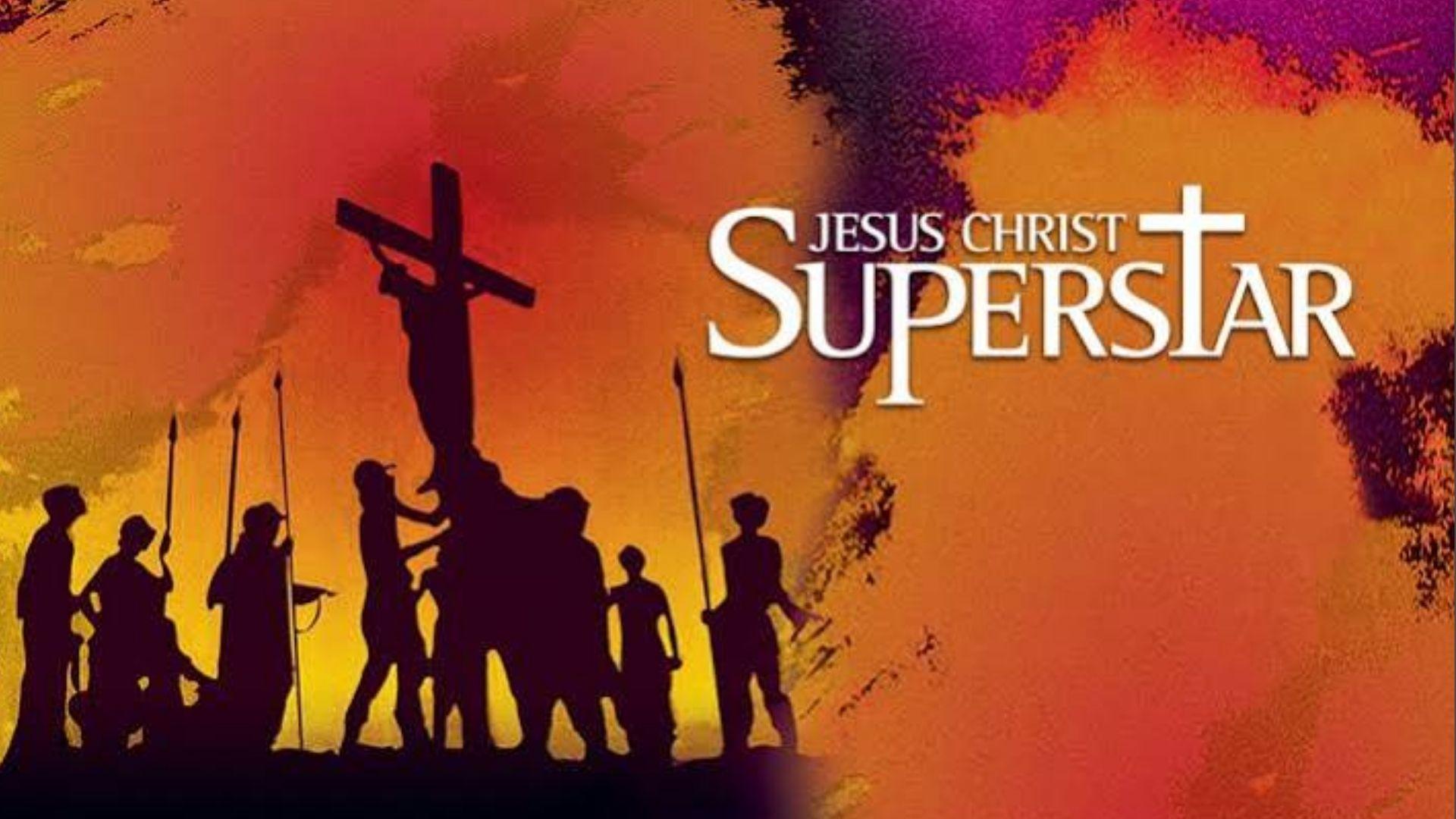
I've always been curious about movies that feel like they were shot in another world. Jesus Christ Superstar (1973) is one of them. The landscapes look almost too real to be sets. That's because they aren't.
In this post, I'll tell you exactly where Jesus Christ Superstar was filmed, location by location. You'll get the full breakdown, from ancient ruins to open desert.
I'll also share why Israel was chosen and what made this production so different from anything that came before it.
No green screens. No studio backlots. Just real sand, real ruins, and real history baked into every frame.
If you've ever watched this film and wondered about those backdrops, you're in the right place.
About Jesus Christ Superstar (1973)
Released in 1973, Jesus Christ Superstar was directed by Norman Jewison and brought to life the iconic rock opera by Andrew Lloyd Webber and Tim Rice.
The film follows the final days of Jesus Christ through raw, emotional music and striking visuals.
With a runtime of about 107 minutes, it blends drama, rock music, and biblical storytelling in a way that had never been done on film before.
It was the first major feature-film adaptation of the stage production, and it took a bold creative risk by ditching traditional studio sets for real outdoor locations.
Main Cast
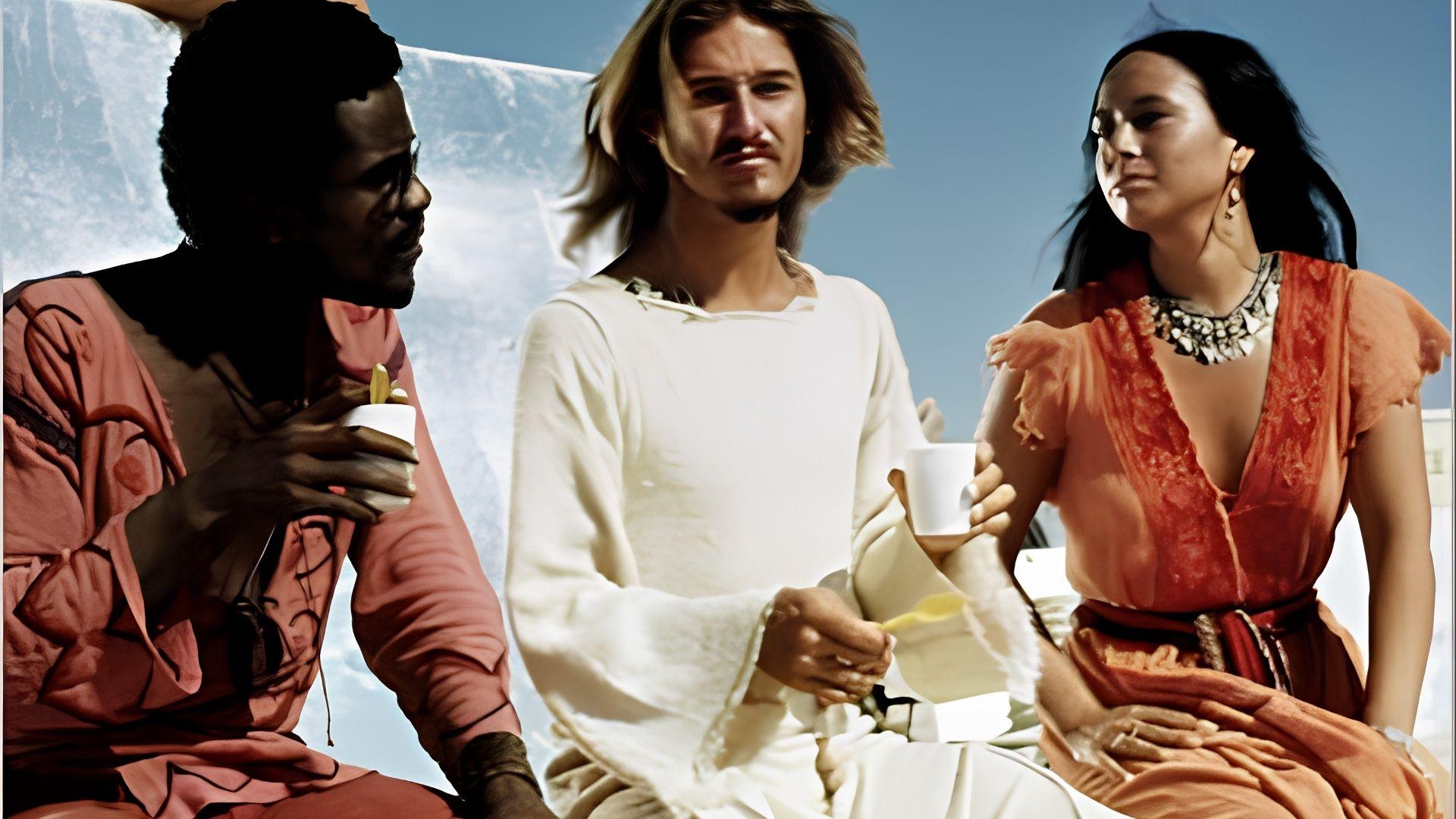
Ted Neeley played Jesus with a rawness that earned him a Golden Globe nomination. Carl Anderson brought intensity to the role of Judas Iscariot, making the character deeply conflicted and human.
Yvonne Elliman portrayed Mary Magdalene with quiet emotion and vocal strength.
The supporting cast included Barry Dennen as Pontius Pilate and Josh Mostel as King Herod, each adding their own layer to the story.
Together, the cast gave the film a grounded, believable energy that matched the real-world locations around them.
Major Jesus Christ Superstar Filming Locations
The film was shot entirely on location in Israel, using real ancient sites to bring the story to life.
Avdat

Avdat is an ancient Nabataean city carved into the rocky hills of southern Israel. The film used its crumbling temple ruins as a backdrop for several key musical sequences.
The site's raw, weathered look gave those scenes a sense of age and weight that no studio set could replicate.
Avdat is now a UNESCO World Heritage Site, recognized for its historical and cultural value. Seeing it on screen, you'd never guess it wasn't built for the movie.
Bell Caves, Beit Guvrin
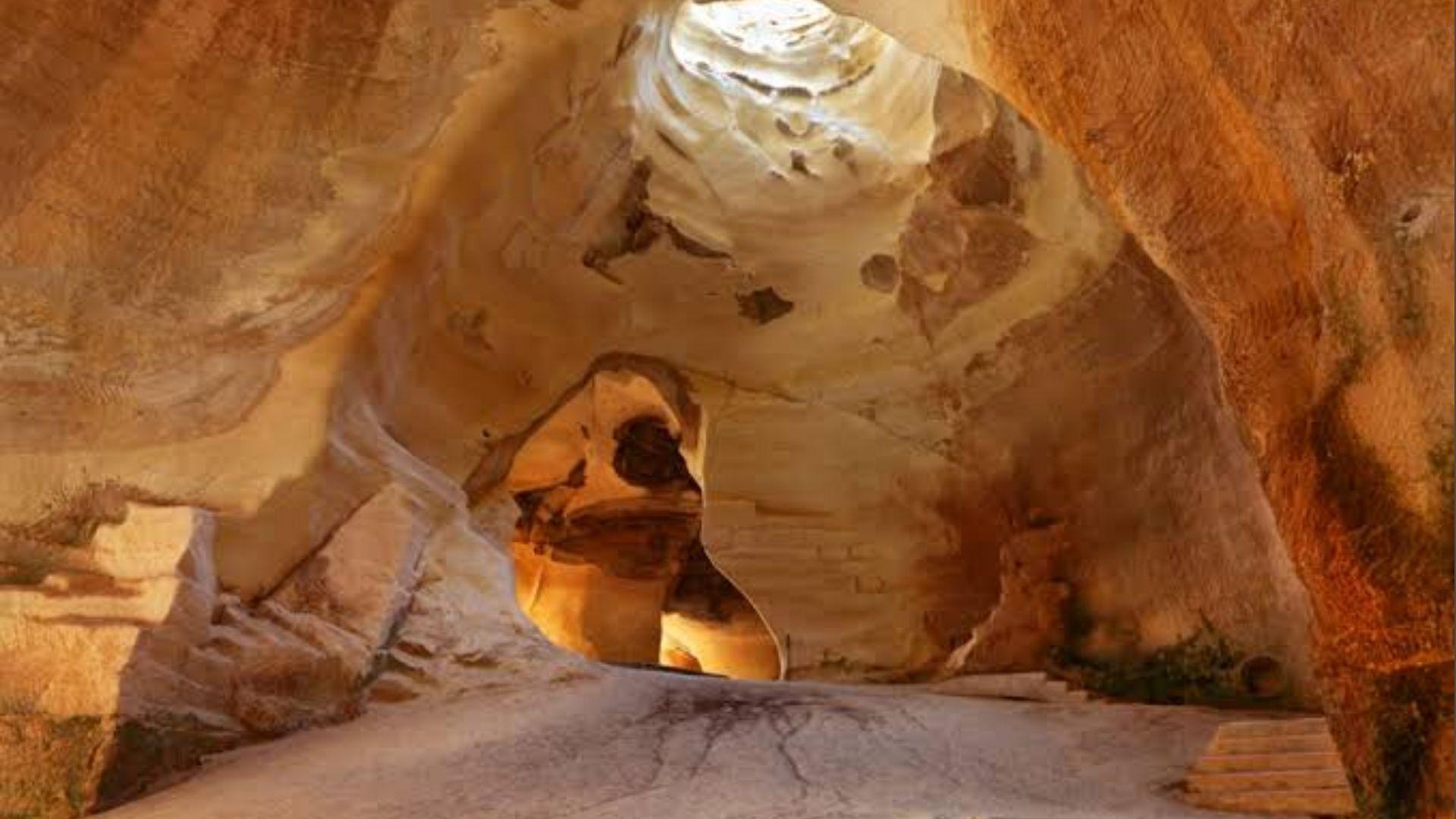
The Bell Caves at Beit Guvrin are a network of underground limestone caves with dramatic, dome-shaped ceilings.
What makes them visually striking is the natural skylight opening at the top of each bell-shaped chamber. Light pours in from above, creating a natural spotlight effect.
The filmmakers used this setting for key musical performances, and the results were unlike anything audiences had seen. The caves added depth and mystery to the scenes filmed there.
Beit She'an

Beit She'an is home to one of the best-preserved Roman amphitheaters in all of Israel. The site has a long history stretching back thousands of years, with layers of civilizations built on top of each other.
In the film, this location was used during the courtroom-style scenes, where the scale and grandeur of the ruins gave those moments real visual authority.
Standing in that space, you can feel the weight of history. The film used that feeling well.
Dead Sea

The Dead Sea made a memorable appearance during "King Herod's Song," one of the film's most theatrical and playful sequences.
Its glimmering, still surface and the surrounding barren landscape created a surreal contrast with the upbeat tone of the scene.
As one of the most recognized natural landmarks in the world, it brought an instant sense of place to the film. No words were needed. The location spoke for itself.
Pratzim and the Negev Desert
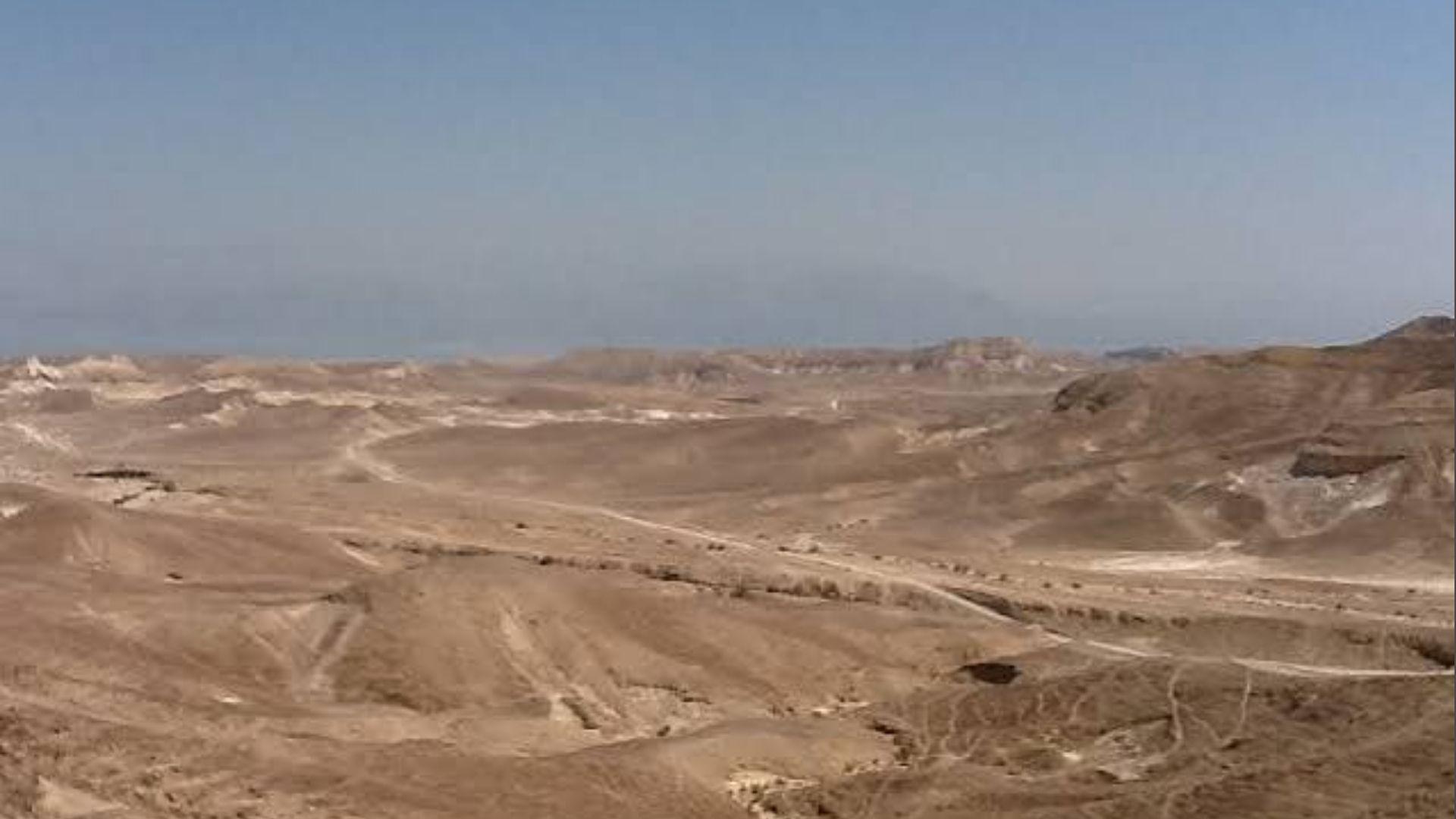
The Negev Desert appears throughout the film in wide, sweeping shots that give the story a sense of scale and solitude.
The terrain at Pratzim and across the Negev is raw and unfiltered, with cracked earth, rocky ridges, and open sky as far as you can see.
These landscapes helped build the film's authentic biblical atmosphere without a single prop or set piece. The desert did the work. And it did it well.
Behind the Production
Filming kicked off in August 1972, and the crew faced real challenges shooting outdoors in intense desert heat.
- No studio shortcuts: The production team committed to real locations from day one, which shaped every creative decision.
- Desert conditions were tough: Heat, dust, and remote locations made logistics difficult for cast and crew.
- The landscapes became characters: The barren terrain, ancient ruins, and open sky weren't just backdrops. They carried emotion.
- Minimal set construction was needed: The real sites looked the part already, saving time and adding authenticity.
- The outdoor approach defined the film's identity: It's a big reason this version still stands apart from all stage adaptations.
Why Israel Was Chosen as the Filming Location
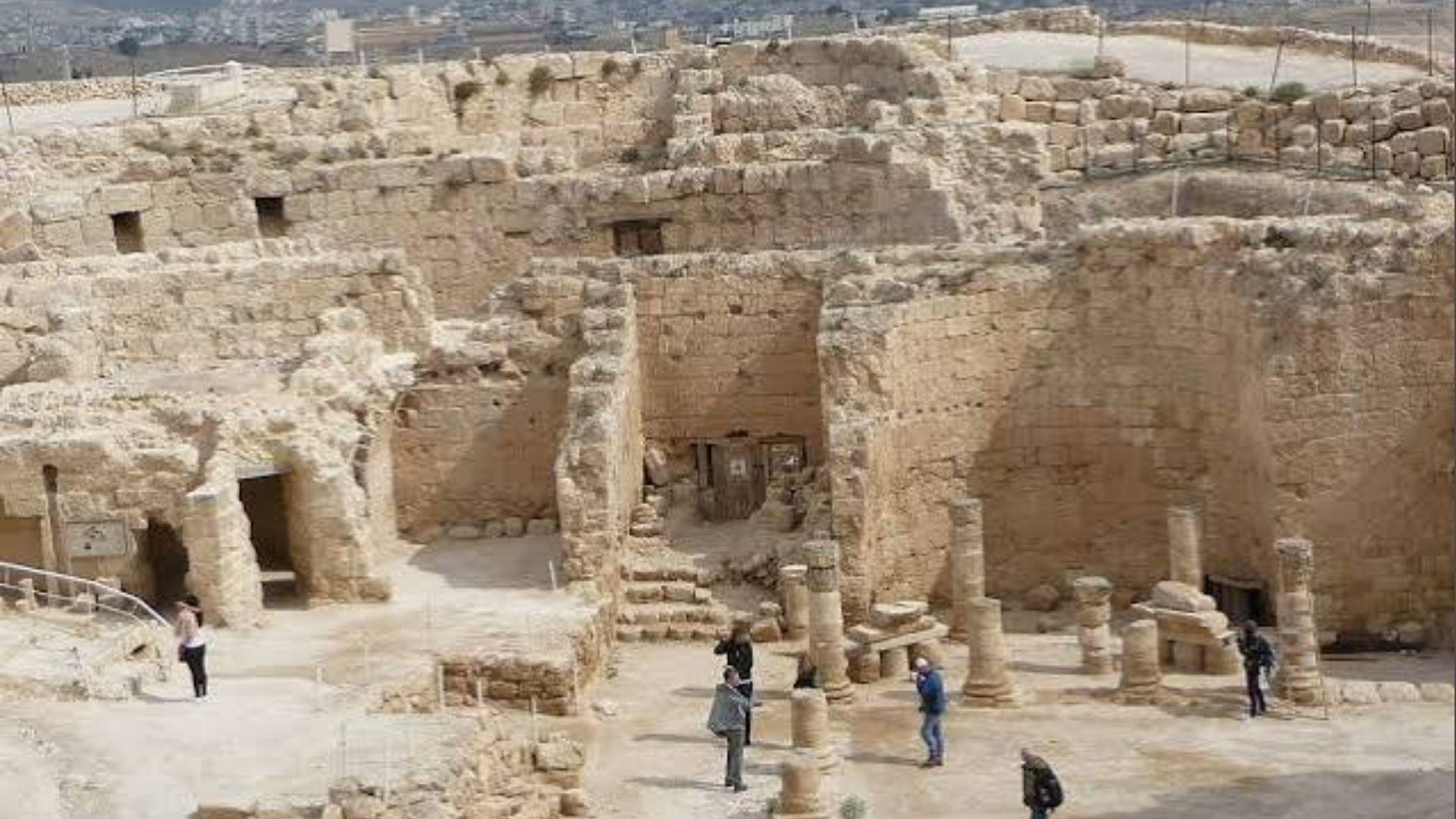
Norman Jewison wanted the film to feel grounded, not theatrical. Israel offered something no studio could: real biblical landscapes that had existed for thousands of years.
Ancient ruins like Avdat and Beit She'an required almost no set construction.
The natural lighting in the desert was dramatic and ever-changing, giving each shot a raw, documentary-style quality.
Shooting on location also meant the actors were physically present in spaces that matched the story. That reality came through on screen. Israel wasn't just a practical choice. It was the right creative one.
Interesting Facts About Jesus Christ Superstar
A few things about this film that most people don't know:
- It was the first feature-film version of the rock opera, setting a standard for all future adaptations.
- All filming took place on location in Israel, with no studio sets used throughout the production.
- Ted Neeley and Carl Anderson both received Golden Globe nominations for their performances as Jesus and Judas.
- The film continues to attract fans from both the movie world and the musical theatre community, decades after its release.
- Norman Jewison's decision to use real locations is still talked about as one of the boldest choices in film production history.
Conclusion
I'll be honest. Before I looked into where Jesus Christ Superstar was filmed, I assumed it was all studio work.
Finding out it was shot across real sites in Israel changed how I see the film. Those locations aren't just pretty. They carry history.
If you're a fan of this movie, I hope this gave you a new reason to rewatch it with fresh eyes.
Drop a comment below and tell me your favorite scene. And if you found this helpful, share it with someone who loves classic films.
Frequently Asked Questions
Was Jesus Christ Superstar filmed in a real desert?
Yes, the entire film was shot in Israel's Negev Desert, using real sand, rock, and open sky instead of studio sets.
Did the cast actually film on location in Israel?
Yes, every scene was shot on location across real historical sites in Israel, with no studio sets used at any point during production.
Was Herodium used in Jesus Christ Superstar?
Yes, the ancient fortress near Jerusalem was one of the most frequently used filming locations in the entire production, appearing in multiple key scenes.
Is Avdat open to visitors today?
Yes, Avdat is now a UNESCO World Heritage Site and fully open to the public as a national park in the Negev region of southern Israel.