
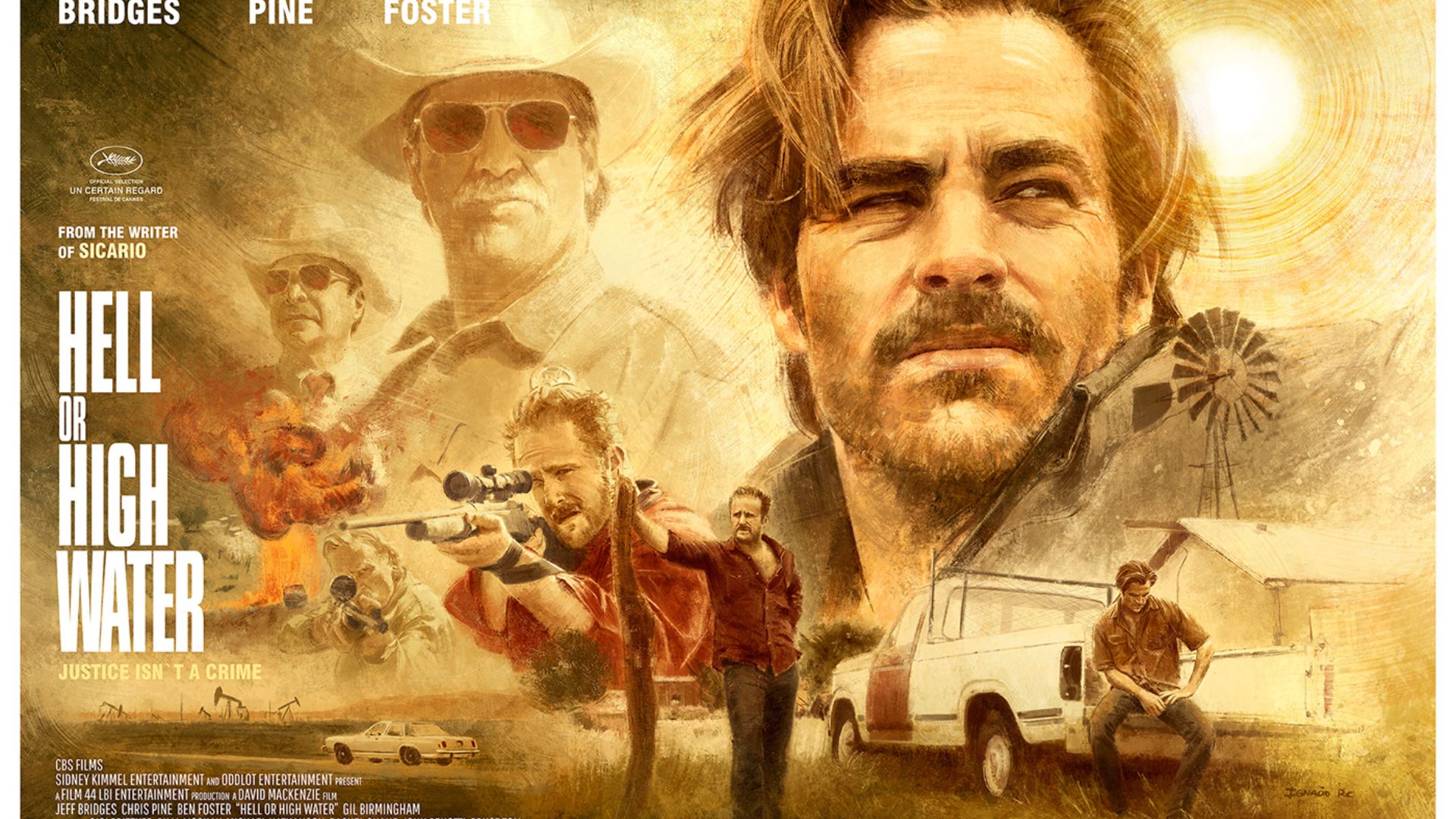
I watched Hell or High Water and couldn’t stop thinking about those wide, empty Texas roads.
The dusty towns. The worn-down banks. It all felt so real, I had to find out where they actually filmed it.
Turns out, I went deep into this, and the locations are just as raw and gritty as the movie itself.
In this blog, I’ll cover the real filming spots across Texas and New Mexico. The towns you can actually visit. Behind-the-scenes location details most people miss.
I’ve done the research so you don’t have to.
Where Was Hell or High Water Filmed? (Quick Answer)
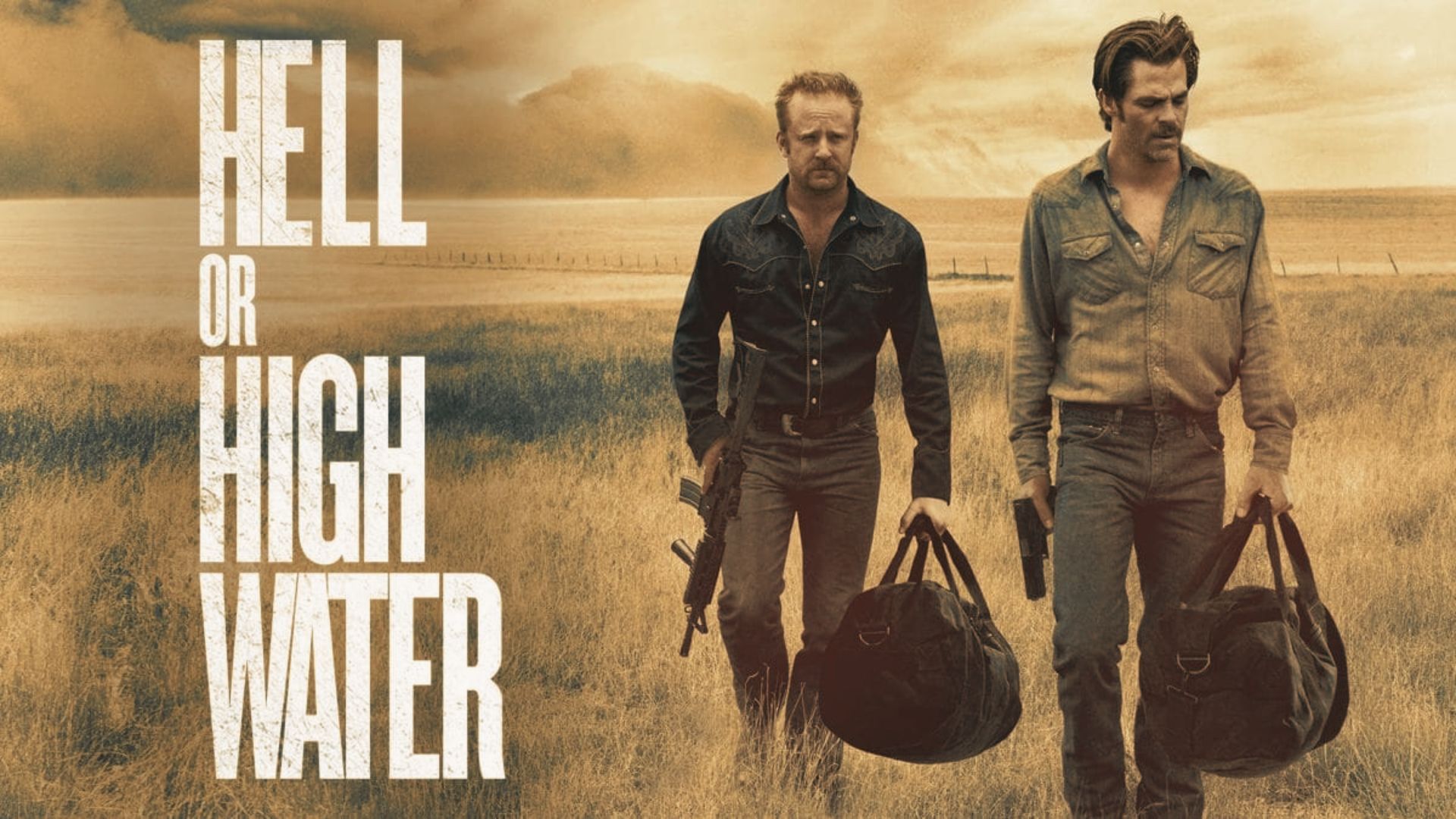
Hell or High Water was filmed almost entirely in New Mexico, standing in for West Texas. The main locations include Olney, Archer City, Tatum, and Santa Fe.
Director David Mackenzie chose these spots for their wide-open landscapes and worn-down small-town feel.
Some scenes were shot in Albuquerque as well. Even though the story is set in Texas, most of the actual filming happened across New Mexico.
The dusty roads and empty storefronts gave the film that raw, sun-baked Texas look it needed.
Why New Mexico Was Chosen Over Texas
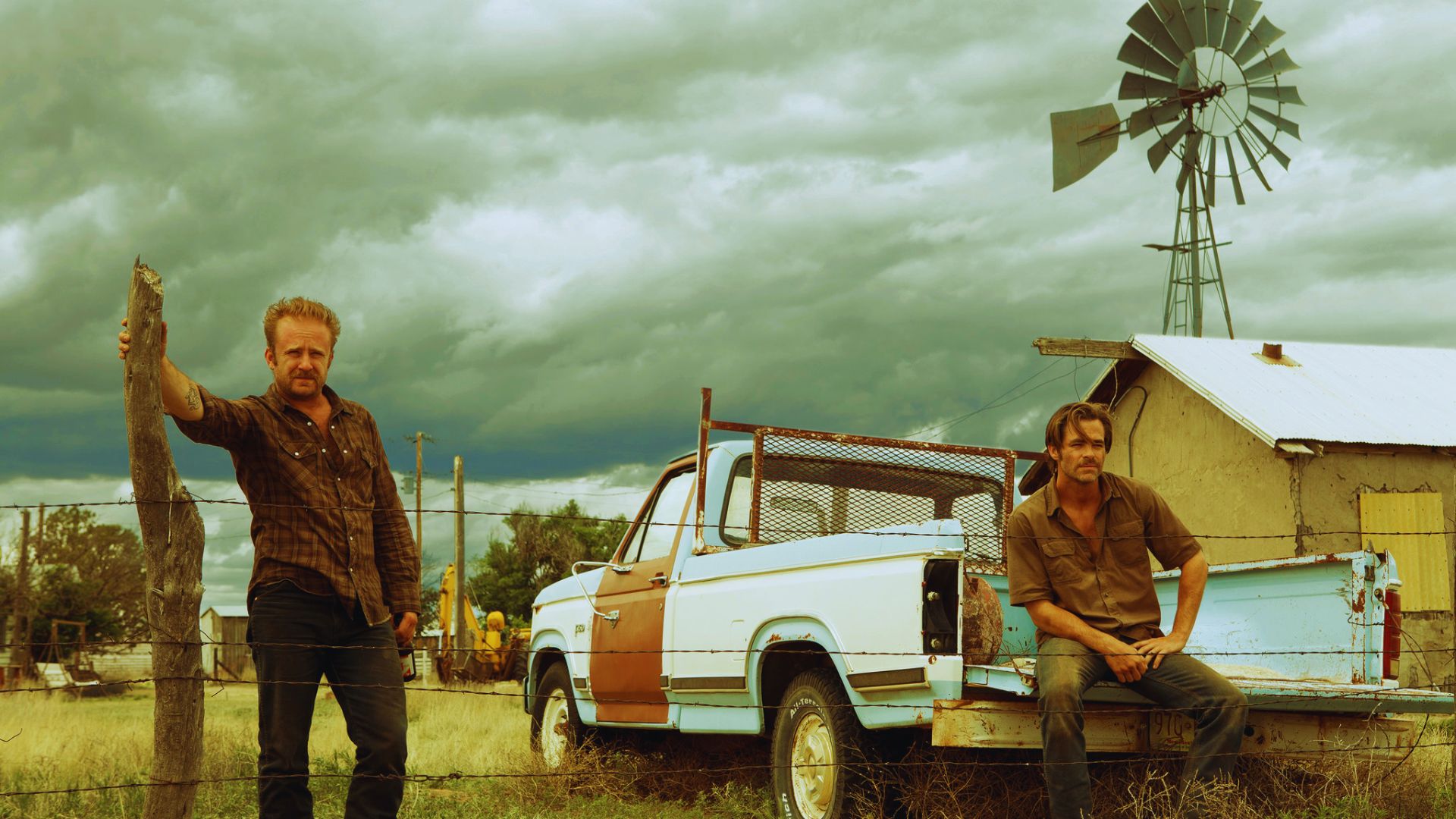
I find this surprising too. Hell or High Water is a deeply Texan story, yet most of it was not actually shot in Texas at all.
You might wonder why. The answer is simple: money. New Mexico offered strong film tax rebates, giving productions up to 25% back on qualifying costs.
Texas had no comparable program at the time. On top of that, New Mexico’s wide, flat, sun-baked terrain looks nearly identical to West Texas.
So the film crew got the authentic look they needed at a much lower price.
Main Filming Locations in Hell or High Water
Most of the film was shot across small towns in New Mexico, standing in for the dusty Texas Panhandle you see on screen.
Clovis – The Heart of the Film
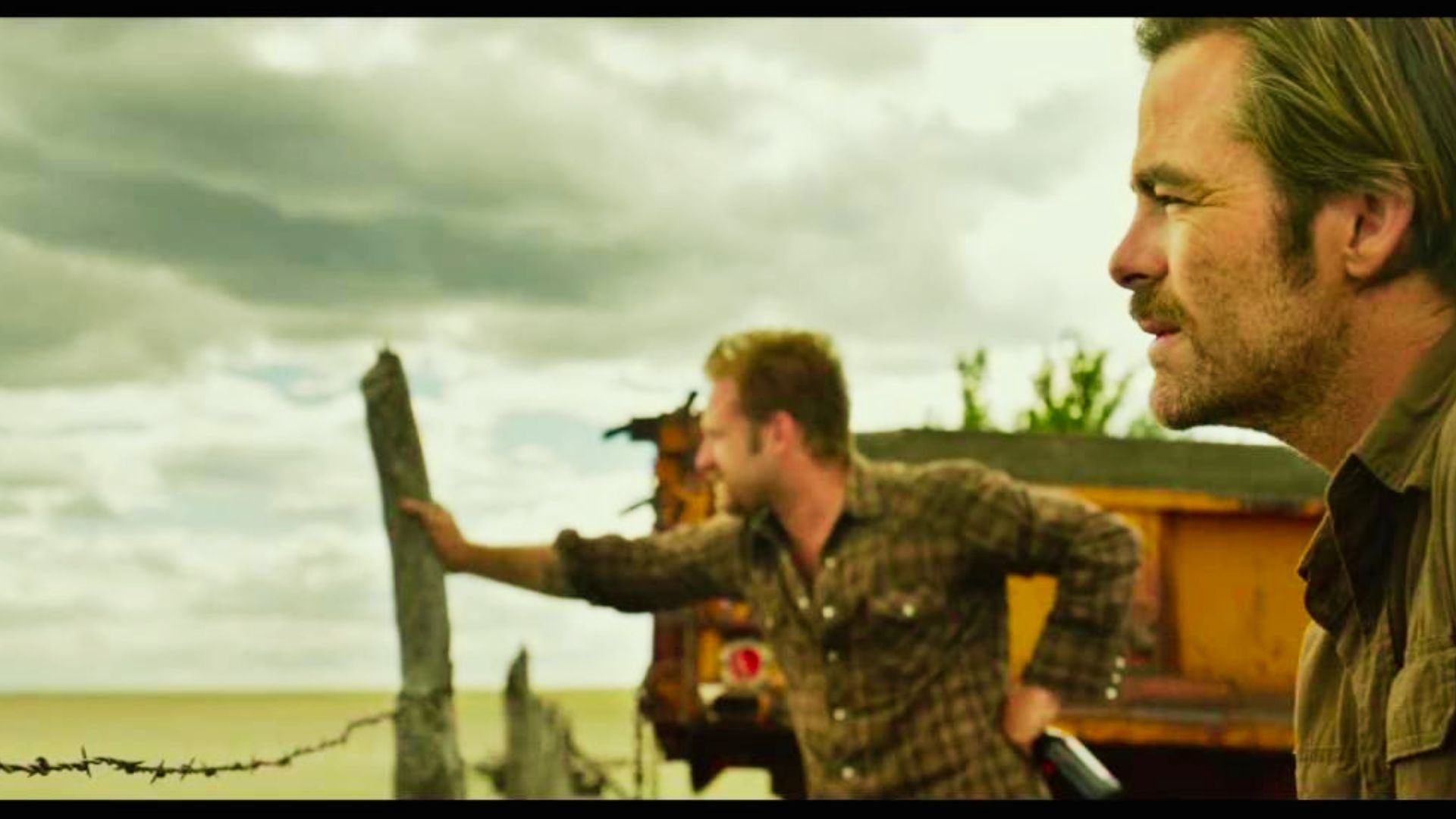
Clovis, New Mexico did the heaviest lifting in this film. The bank robbery scenes, the dry streets, the worn-down storefronts, most of it was shot here.
It looked exactly like a forgotten Texas town. The city’s flat land and faded buildings gave the film its raw, grounded feel.
Portales – Key Supporting Location
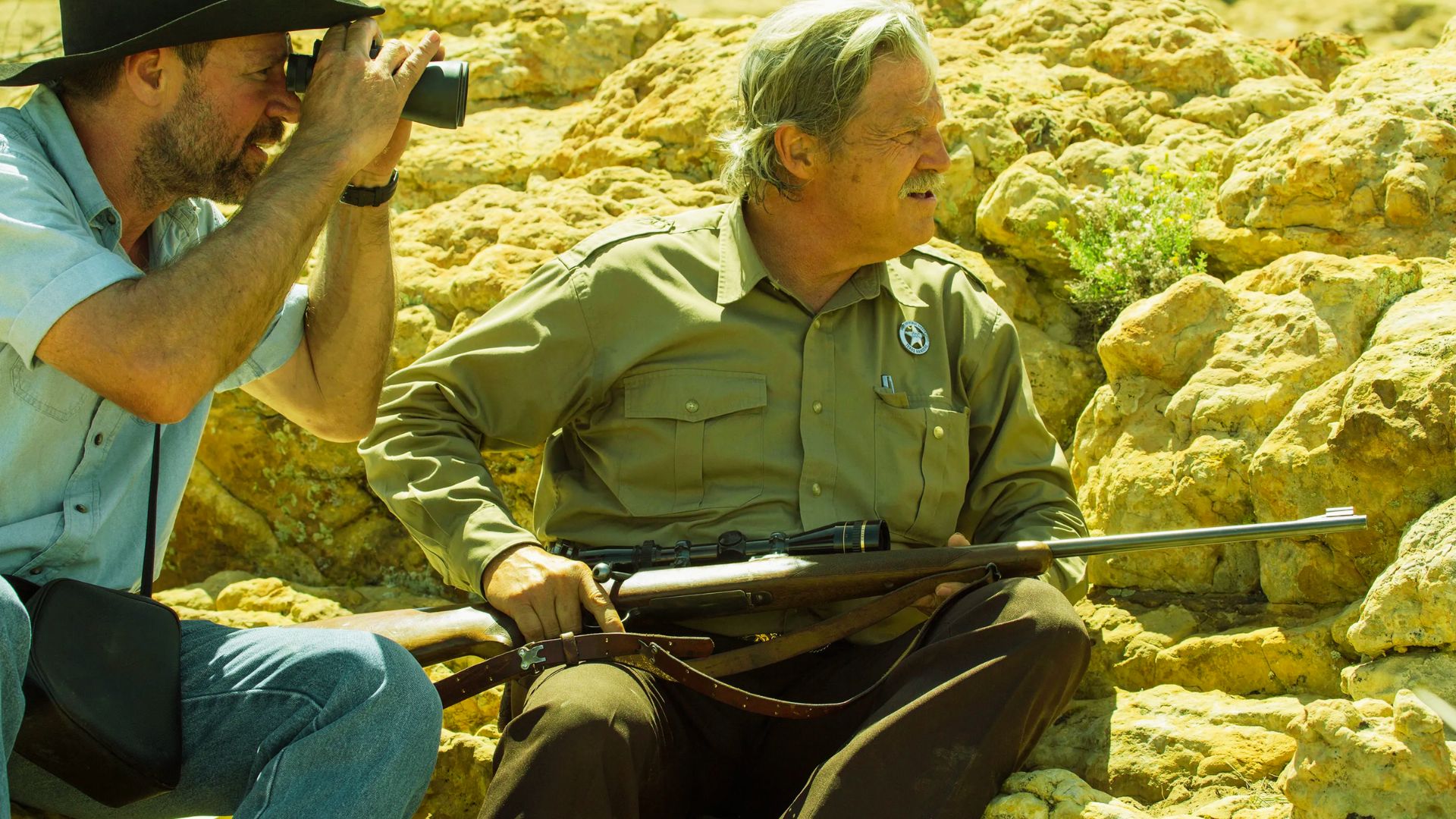
Portales added more small-town weight to the story. I noticed how the quiet streets and older buildings blended perfectly with Clovis.
Together, they built a world that felt real and lived-in. The town’s low-key look made it easy to believe you were watching West Texas, not New Mexico.
Tucumcari – Iconic Western Vibes
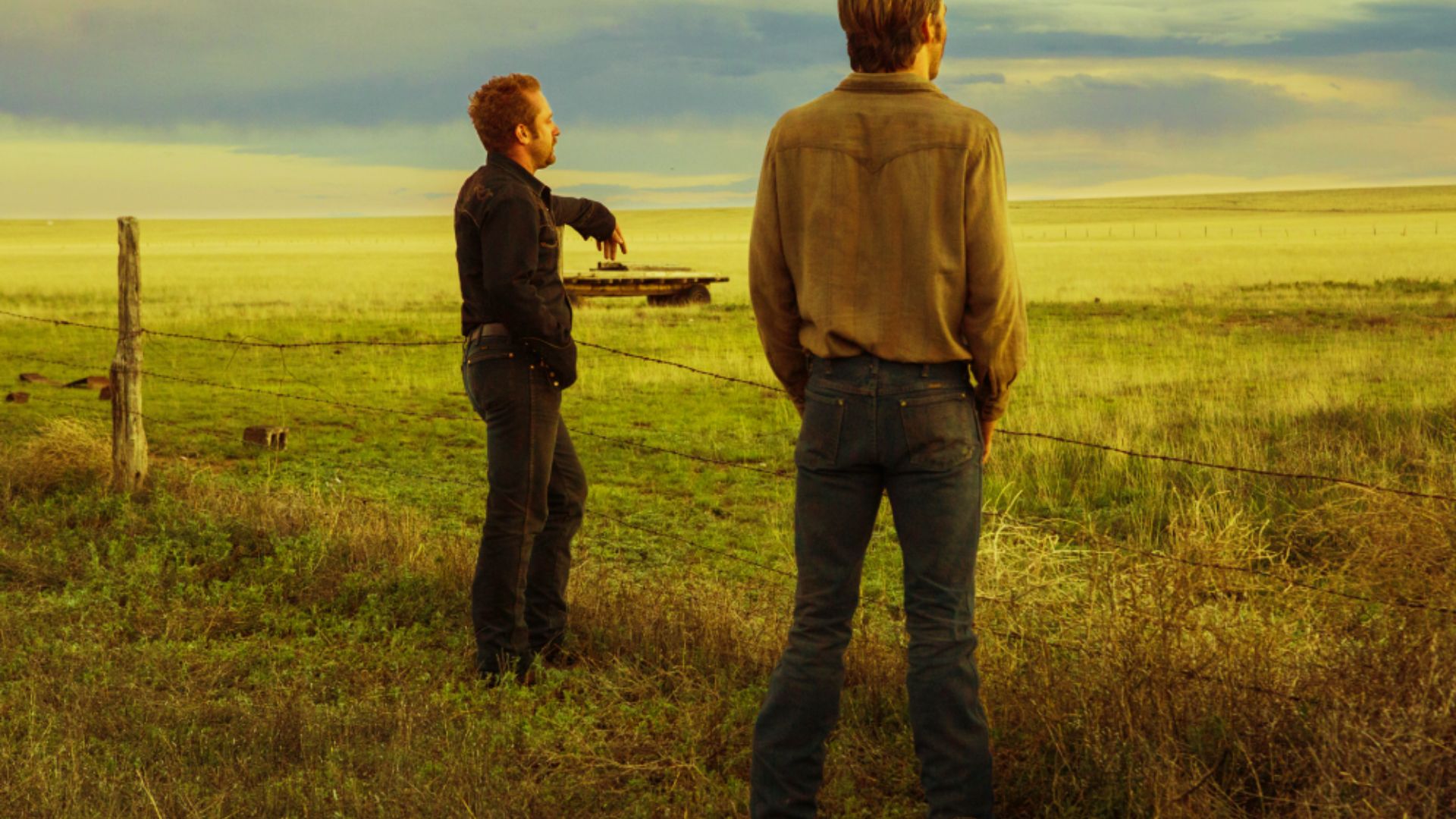
Tucumcari brought the classic Route 66 energy to the film. The faded motels, old signs, and open desert roads fit the tone perfectly.
This town has a worn, weathered look that no set designer could fake. It gave certain scenes a wide, lonely feel that stayed with you long after watching.
Albuquerque – Production Hub

Most of the behind-the-scenes work happened in Albuquerque. It served as the base for the crew during production.
While it doesn’t show up much on screen, it keeps everything running. The city’s film infrastructure, studios, equipment, and local talent, made the whole shoot possible and kept it on schedule.
Famous Scenes and Where They Were Shot
Some of the most gripping moments in this film were shot in real, working Texas towns, and the locations tell a story all on their own.
Bank Robbery Scenes
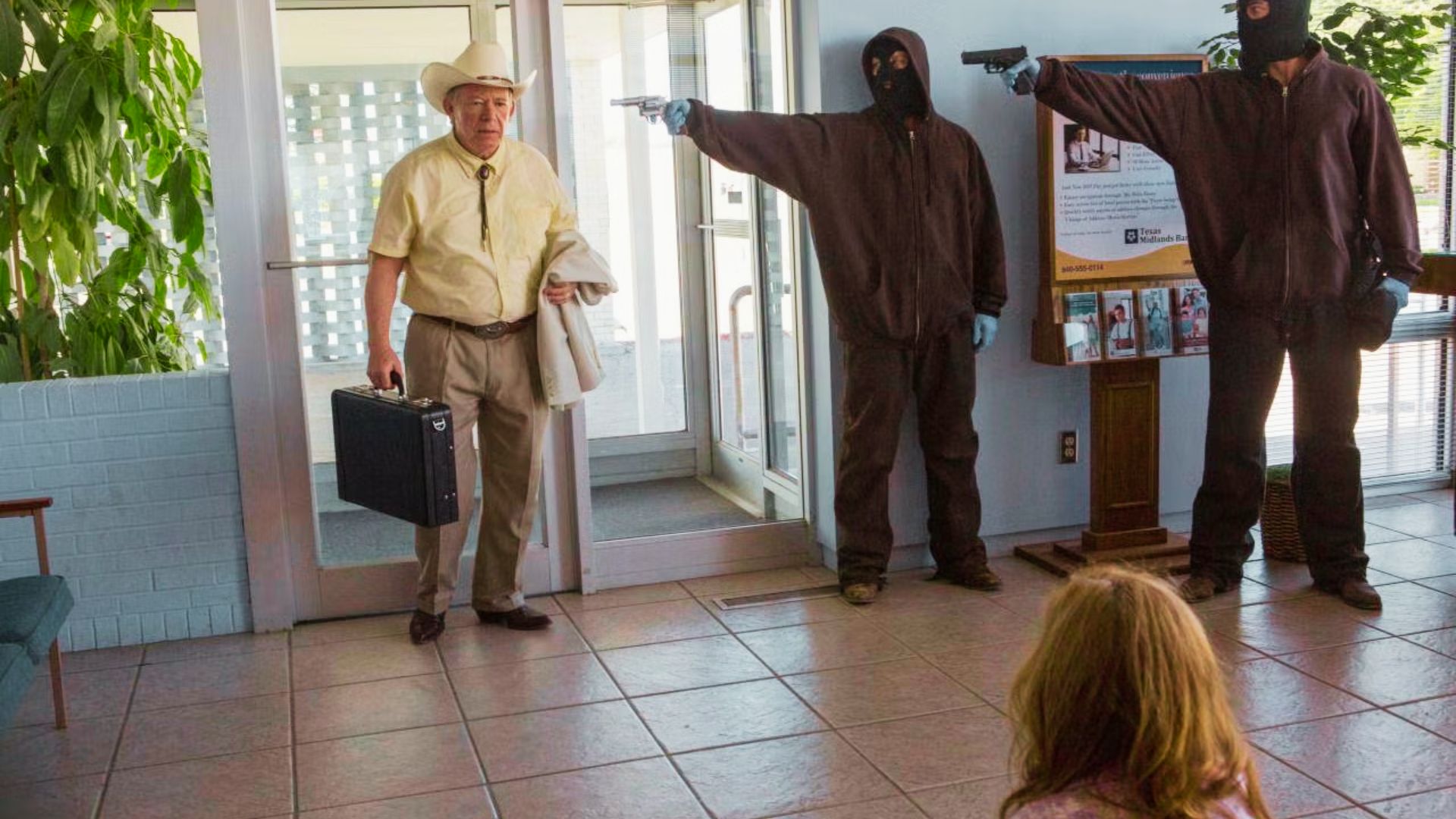
The bank robbery scenes were filmed in Olney and Archer City, Texas. I was surprised to learn these are real, small towns with actual working banks.
The production used local businesses with minimal changes. You can still visit these spots today. They look almost exactly like they do on screen.
Final Showdown Location
The final showdown was filmed near Post, Texas, a small town in the South Plains region. I think this location was a perfect pick.
Wide open land, dry grass, and flat roads stretching for miles. You get a real sense of isolation watching that scene. The landscape does half the acting.
Behind-the-Scenes Filming Insights
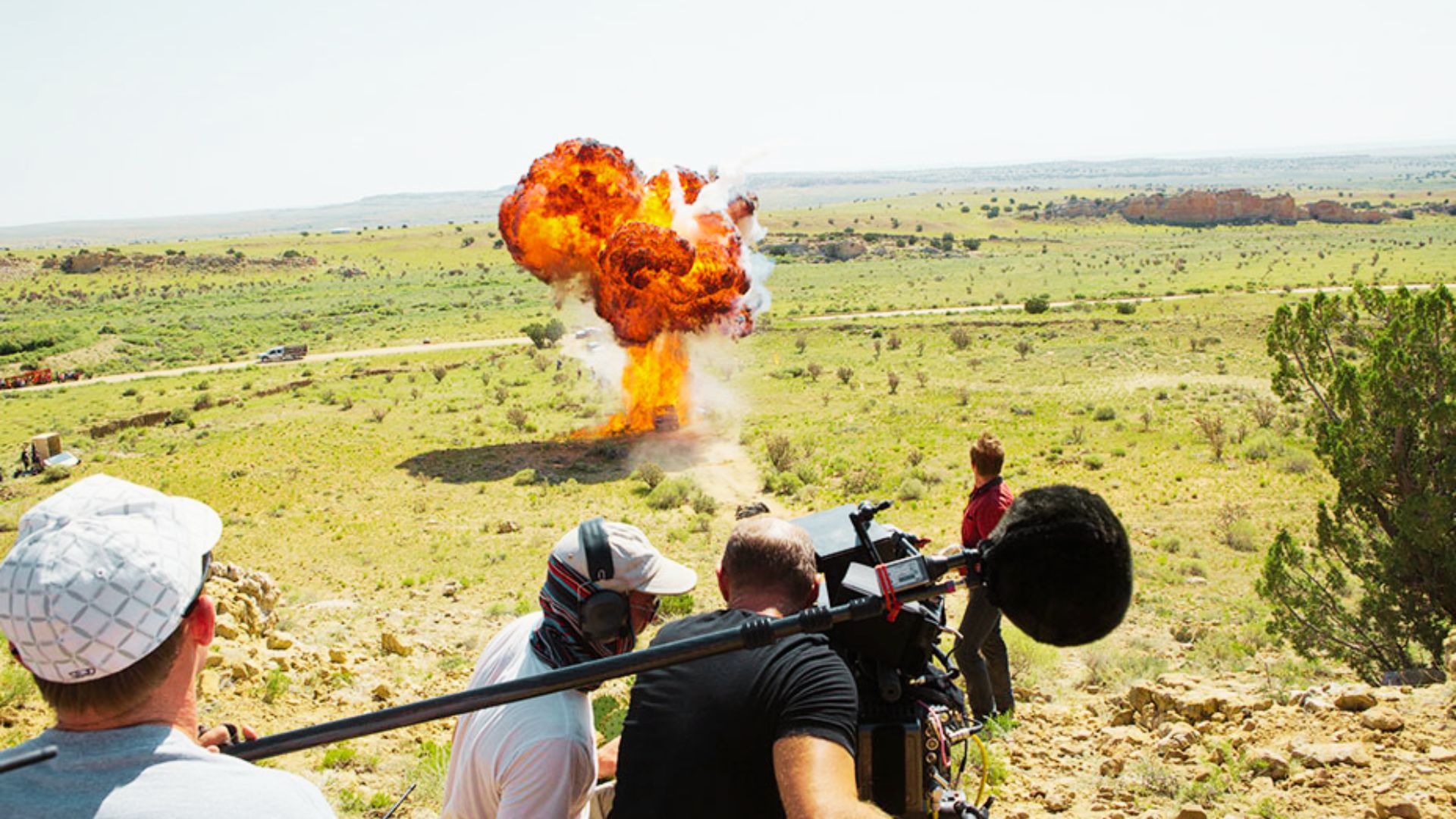
Most of what you see on screen was shot on location, not on a studio lot.
Real Locations vs Set Builds
Almost every scene in Hell or High Water was filmed in actual Texas towns. The production team used real banks, diners, and highways.
Very little was built from scratch. That rawness you feel watching it? It comes from real dust, real heat, and real empty streets, not a constructed set.
How the Setting Shapes the Story
The setting does more than look good. It tells you everything about these characters before they say a word.
Cracked roads, shuttered storefronts, and flat horizons make the desperation feel real. West Texas isn’t just a backdrop here.
It’s practically a character pushing the story forward on its own.
Can You Visit Hell or High Water Filming Locations Today?
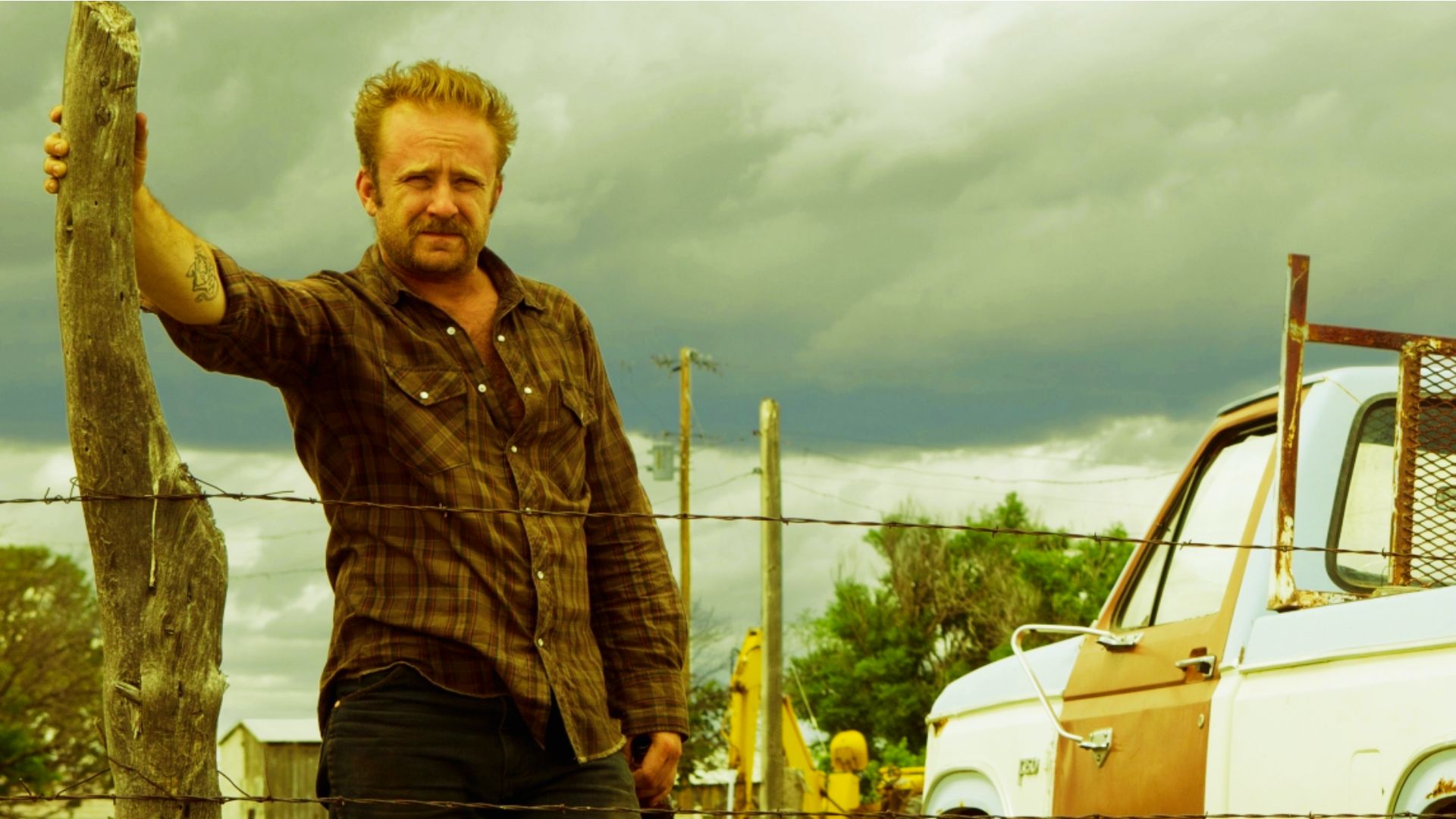
Yes, most of the filming locations are real towns in Texas, and many are still standing and open to visitors.
Accessible Spots for Fans
Most of the towns used in the film are real, working places. You can walk the same streets the cast did.
Some spots look almost exactly like they did on screen. Others have changed a little, but the feel is still there. It’s worth the drive.
Travel Tips for Visiting
Plan your trip right and you’ll get the most out of it. Here’s what I’d keep in mind:
- Go on a weekday. Small towns get busy on weekends. You’ll have a better time with fewer people around.
- Fill up before you leave the city. Gas stations are sparse out here. Don’t get caught running low on a back road.
- Check what’s still open. A few businesses used as sets have closed since 2015. Look them up before you go.
- Bring a real camera. The light in West Texas hits different, wide skies, flat land, long shadows. You’ll want a proper shot.
Fun Facts About Hell or High Water Filming
Not everything you see on screen happened where you think it did.
- The film was shot almost entirely in New Mexico, not Texas, even though it’s set in West Texas.
- Director David Mackenzie used wide open landscapes to make the emptiness feel like a character itself.
- The Permian Basin towns referenced in the film were recreated using small New Mexico towns like Tucumcari and Olney.
- Several real abandoned buildings were used on location, giving the film its worn-down, lived-in look.
- The production team drove hundreds of miles scouting locations to find the right dusty, forgotten-town feel.
Conclusion
I watched Hell or High Water twice before I even thought about the locations. The third time, I couldn’t stop pausing just to look at the landscape.
If you’re a fan of the film, I really think visiting these spots would be different in person. There’s something about standing where those scenes were shot that makes the story feel real.
Have you been to any of these Hell or High Water filming locations? Drop a comment below. I’d love to hear about it.
And if you enjoyed this, share it with a fellow film fan!
Frequently Asked Questions
Was Hell or High Water actually filmed in Texas?
Most of the film was shot in New Mexico, not Texas. Only a few scenes used real Texas locations like Olney and the Midland-Odessa area.
Which real Texas towns appeared in the movie?
Olney, Texas, was the most notable real location used. The Midland-Odessa region also appeared in select scenes.
Why did the filmmakers shoot in New Mexico instead of Texas?
New Mexico has strong film tax incentives that cut production costs. The landscape also closely mirrors West Texas, so the swap was seamless.
Can you visit the locations where Hell or High Water was filmed?
Yes, Olney, Texas, is open to visitors and still looks close to how it did in the film. Small towns along U.S. Route 180 are worth a stop too.
What bank was used in the robbery scenes?
Real bank branches and storefronts were dressed up for filming. Most were located in small New Mexico towns, styled to look like Texas Midlands Savings.