

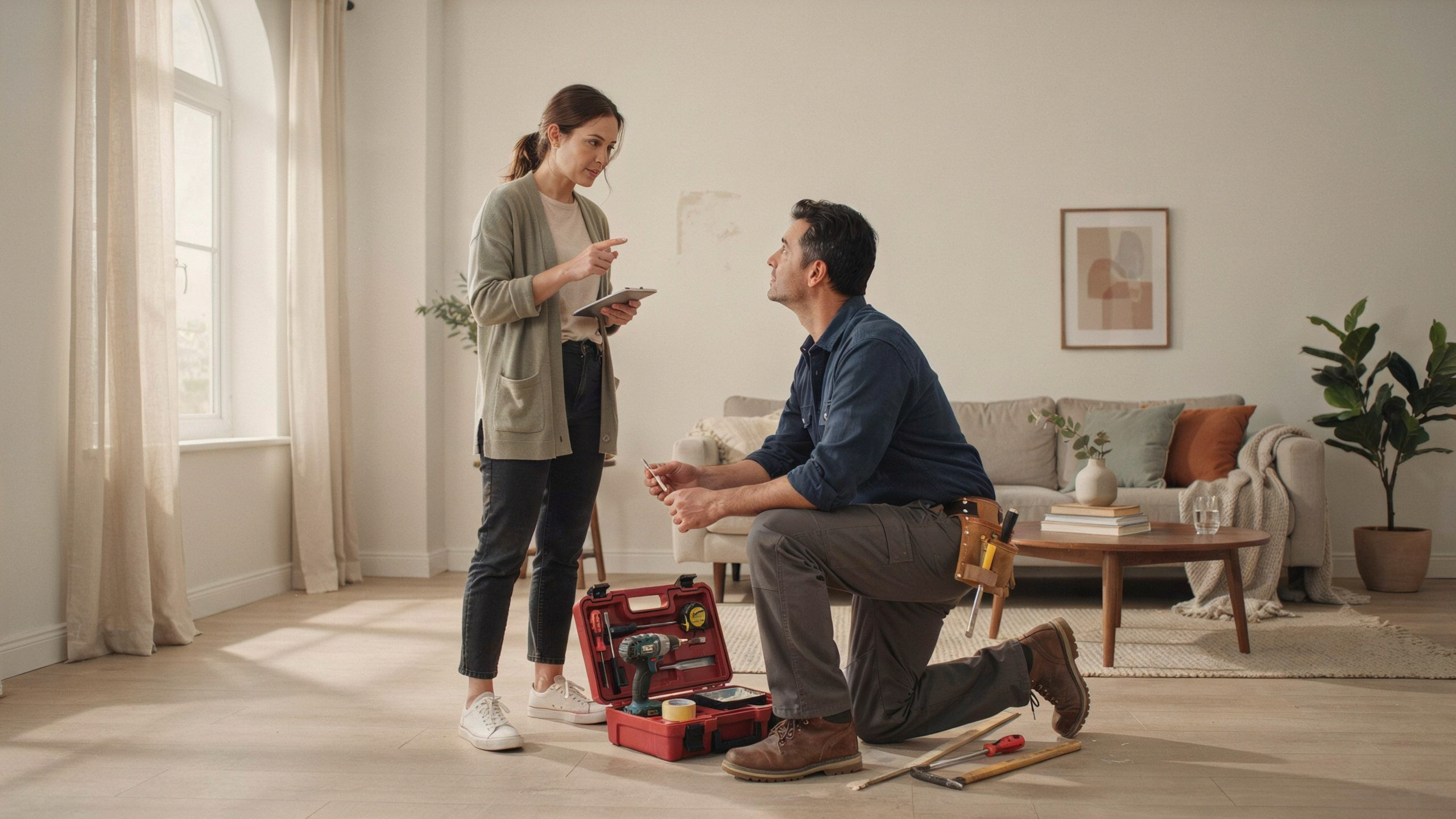
Buyers make their minds up fast. Most have a rough opinion of a property within the first minute of walking through the door, and a lot of that opinion comes down to small things you’ve stopped noticing. Estate agents will tell you the same thing again and again: kitchens and bathrooms sell houses, and a tired one drags the whole viewing down. The good news is that the fixes with the biggest impact are usually cheap and quick.
In fact, low-cost presentation work like cleaning, neutral paint and small repairs tends to return far more at sale than a full kitchen or bathroom refit, which often recoups only around half to two thirds of what you spend. Below we’ll run through the jobs worth doing before the photos go up.
Why First Impressions Decide the Sale
A buyer isn’t valuing your home the way a surveyor would. They’re reacting to how it looks and smells in the moment. A dripping tap, a patch of black mould around the bath or a cracked tile sends a signal that the place hasn’t been looked after, even if the rest of the house is sound.
It’s not just a hunch either. Many UK buyers form a firm view within the first minute or two of a viewing, and the majority of buyers will start forming a view from the exterior alone, before they’ve even stepped inside.
That signal is expensive. Once a buyer starts spotting little faults, they start wondering what bigger problems are hiding behind them, and that doubt comes off the offer. Fixing the obvious stuff removes the excuse to knock you down on price.
The trick is to sort the cheap, visible jobs first. You’re not renovating. You’re just making sure nothing gives a buyer a reason to walk away or lowball you.
Quick Bathroom and Kitchen Upgrades
These two rooms do the heavy lifting, so they’re worth most of your attention. Start with the grout. Old, stained grout makes even clean tiles look grubby, and regrouting is a cheap weekend job that sharpens up the whole room. Re-seal around baths and sinks at the same time, because yellowing silicone is one of the first things people notice.
Sometimes the tiles themselves are the problem. Dated colours, cracked sections or wall surfaces that have just had enough can pull the room down even when the bath and sink are fine. Full retiling is messy, expensive and slow, which is where hygienic wall panels have stepped in to fill this important role. Fitted straight over existing tiles or plaster, they wipe clean and give a kitchen or bathroom a fresh, modern finish in a fraction of the time. Most hygienic wall panels suppliers stock a range of colours and finishes, so you can match the look you’re after without a full strip-out.
Beyond the walls, a few small touches go a long way. Replace any tired light fittings, swap dated cabinet handles and put up fresh towels for the viewings. It’s cheap, it’s fast, and it all reads as “well cared for”.
The Cosmetic Jobs That Punch Above Their Weight
Paint is the best money you’ll spend. A neutral coat over scuffed or bold walls makes rooms look bigger, brighter and ready to move into. Stick to soft whites and warm greys so buyers can picture their own things in the space instead of yours.
Then work through the snagging list most people ignore:
- Fix dripping taps and running toilets
- Fill and paint over any cracks or picture holes
- Replace blown bulbs so every room is bright
- Oil squeaky doors and ease anything that sticks
- Deal with any visible mould or damp at the source, not just the surface
Damp deserves a proper mention. Wiping a patch and painting over it fools nobody, because it comes back within weeks and a sharp buyer or surveyor will spot the cause. If you’ve got a recurring problem, sort the ventilation or leak behind it before you cover anything up.
Get the Outside Right Too
The front of your house is the first photo a buyer sees and the first thing they look at in person. A weedy path, a faded front door or wheelie bins on show can put someone off before they’ve even stepped inside.
Spend an afternoon on the basics. Jet wash the path, paint the front door, tidy the borders and clear the gutters. If you’ve got a bit of outdoor space at the back, mow it and clear the clutter so it reads as usable rather than neglected.
None of this is expensive, but it sets the tone. A buyer who arrives to a smart exterior walks in already expecting to like the place.
Small Fixes, Bigger Offers
You don’t need to spend thousands to get your home ready for the market. The jobs that move the needle are mostly small: fresh paint, clean grout, working taps, sorted damp and tidy kerb appeal.
Tackle the kitchen and bathroom first, since those are the rooms that win or lose buyers, and work outwards from there. Do the cheap stuff well and you’ll show better, sell faster and give buyers far less to argue about on price.
