


I watched The Tragedy of Macbeth expecting a standard Shakespeare retelling. What I got was something far more striking.
In this review, I’ll walk you through everything, the performances, the direction, the themes, and whether it’s worth your time.
I’ve studied classic adaptations for years, and I’ll give you an honest, grounded breakdown. No fluff. No spoilers in the synopsis.
Just a clear, well-researched look at one of the most talked-about films of recent years.
Synopsis (Spoiler-Free)
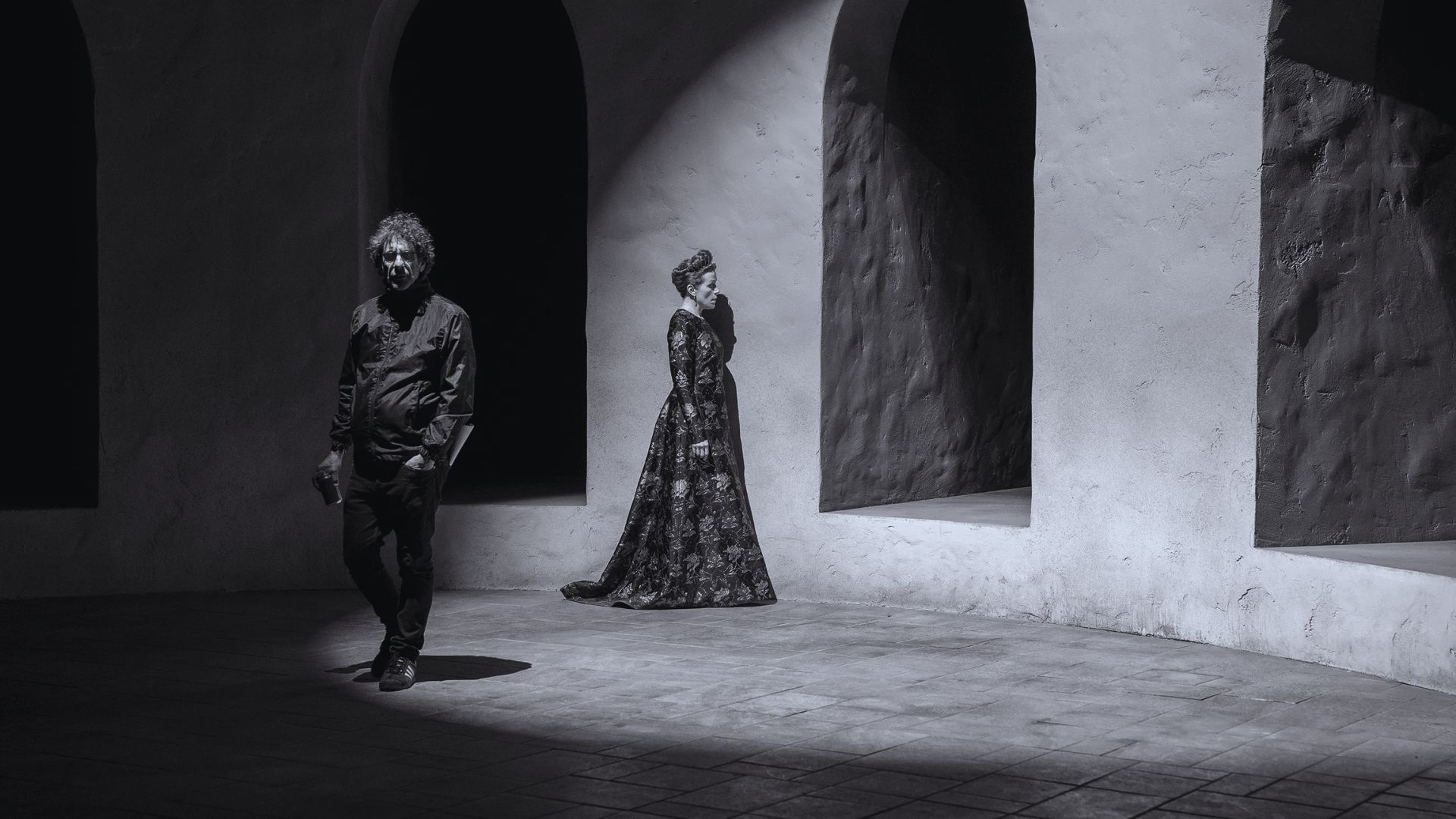
The Tragedy of Macbeth follows a Scottish general who receives a prophecy that he will become king.
Driven by ambition and manipulated by dark forces, including his own wife, he makes choices that set off a chain of violence and paranoia.
Directed by Joel Coen and shot entirely in black and white, the film strips the story down to its rawest form.
It stays close to Shakespeare’s original text while creating a world that feels both timeless and deeply unsettling.
Cast and Characters
Every actor in this film brings something real, here’s a closer look at each one.
Denzel Washington: Macbeth
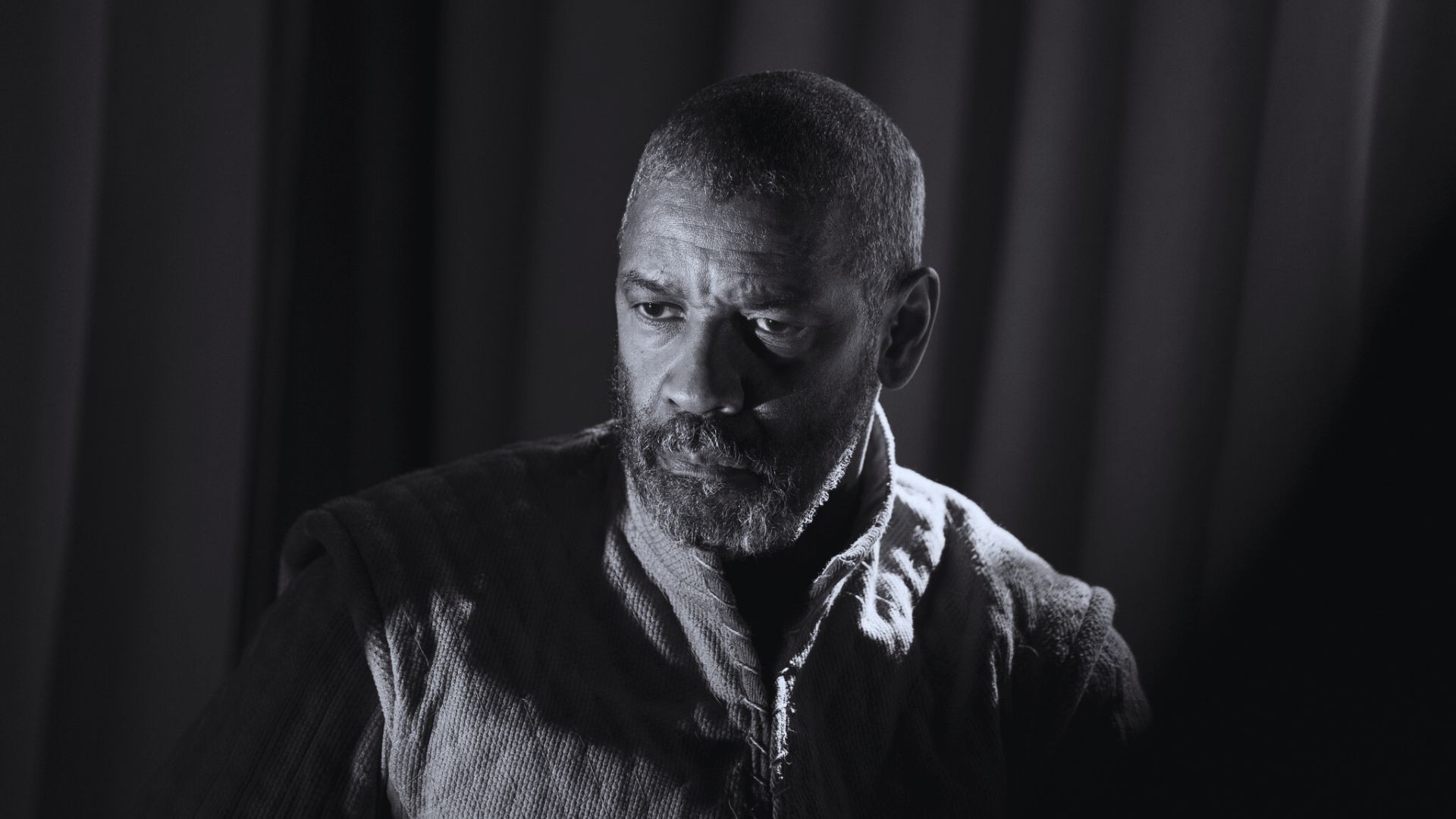
Washington plays Macbeth with quiet intensity. He doesn’t shout or overact. Every decision shows on his face.
His physicality is controlled, his voice commanding, a restrained yet powerful performance.
Frances McDormand: Lady Macbeth
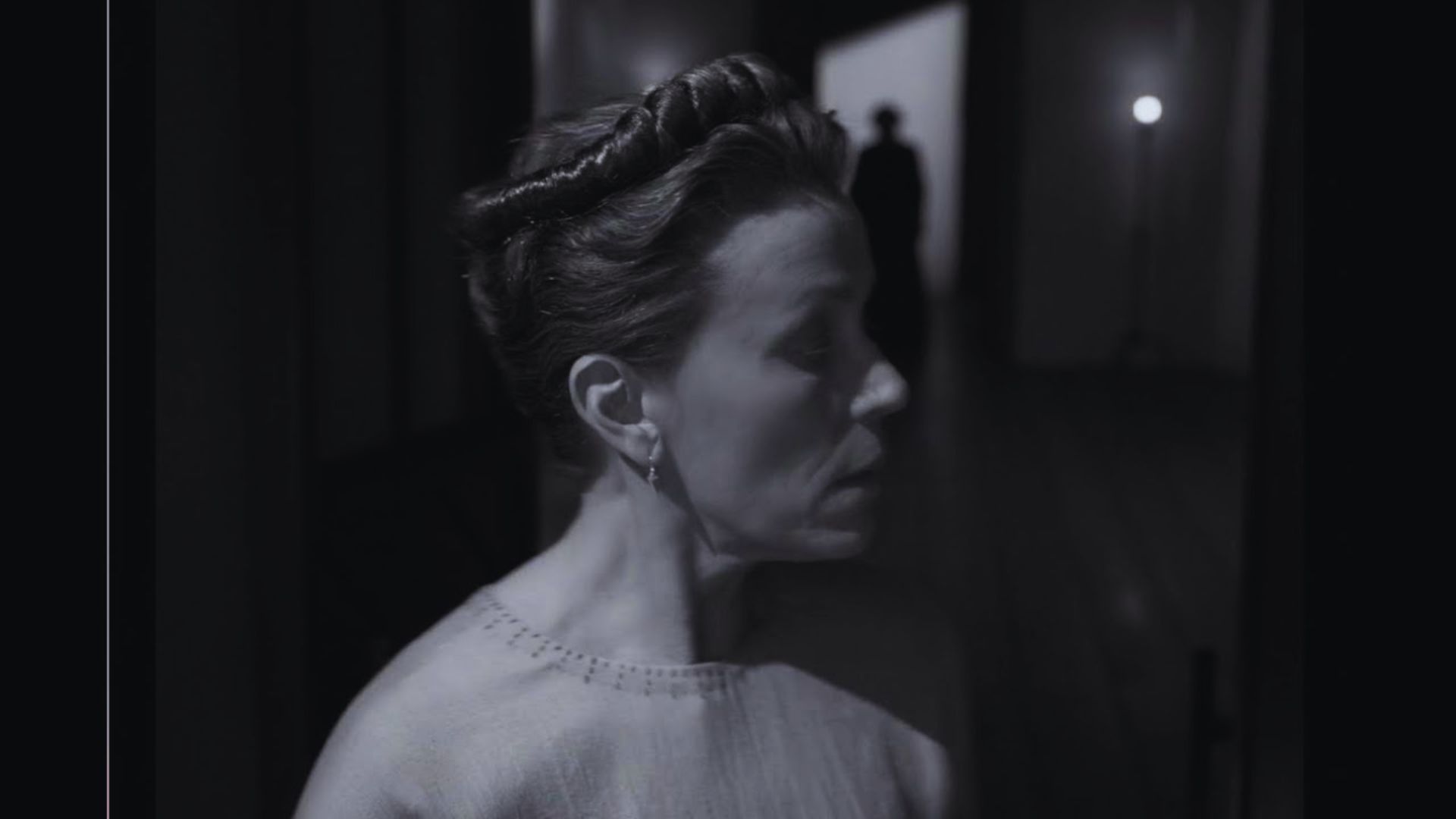
McDormand brings cold, calculating energy to Lady Macbeth. She is sharp, deliberate, and unsettling.
Her shift from control to collapse is handled with precision. This is not a theatrical performance, it feels completely real.
Brendan Gleeson: King Duncan
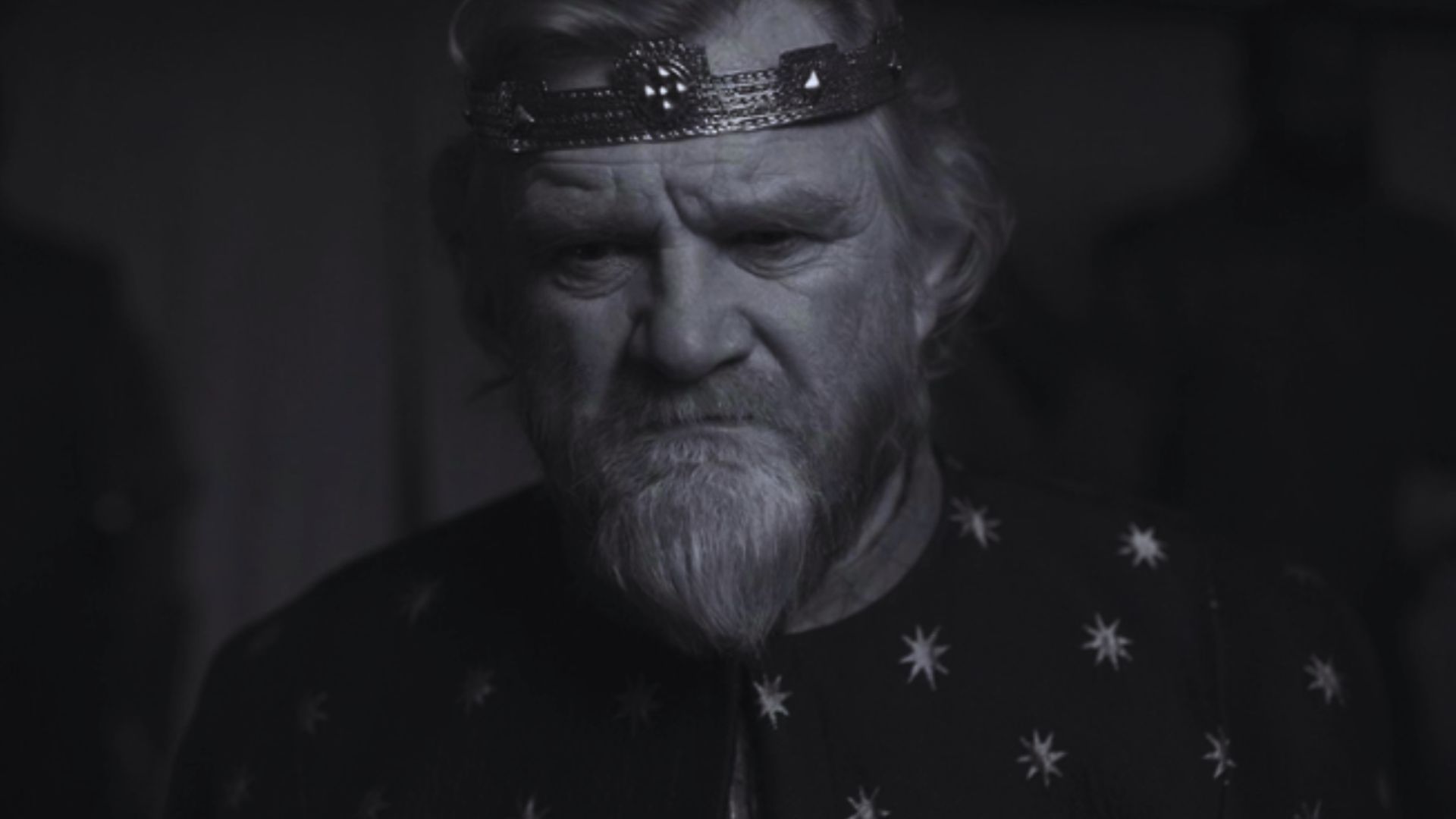
Gleeson gives Duncan genuine warmth and dignity. He feels trustworthy from the start, which makes the events around him hit harder.
His screen time is limited, but his presence stays with you.
Corey Hawkins: Macduff
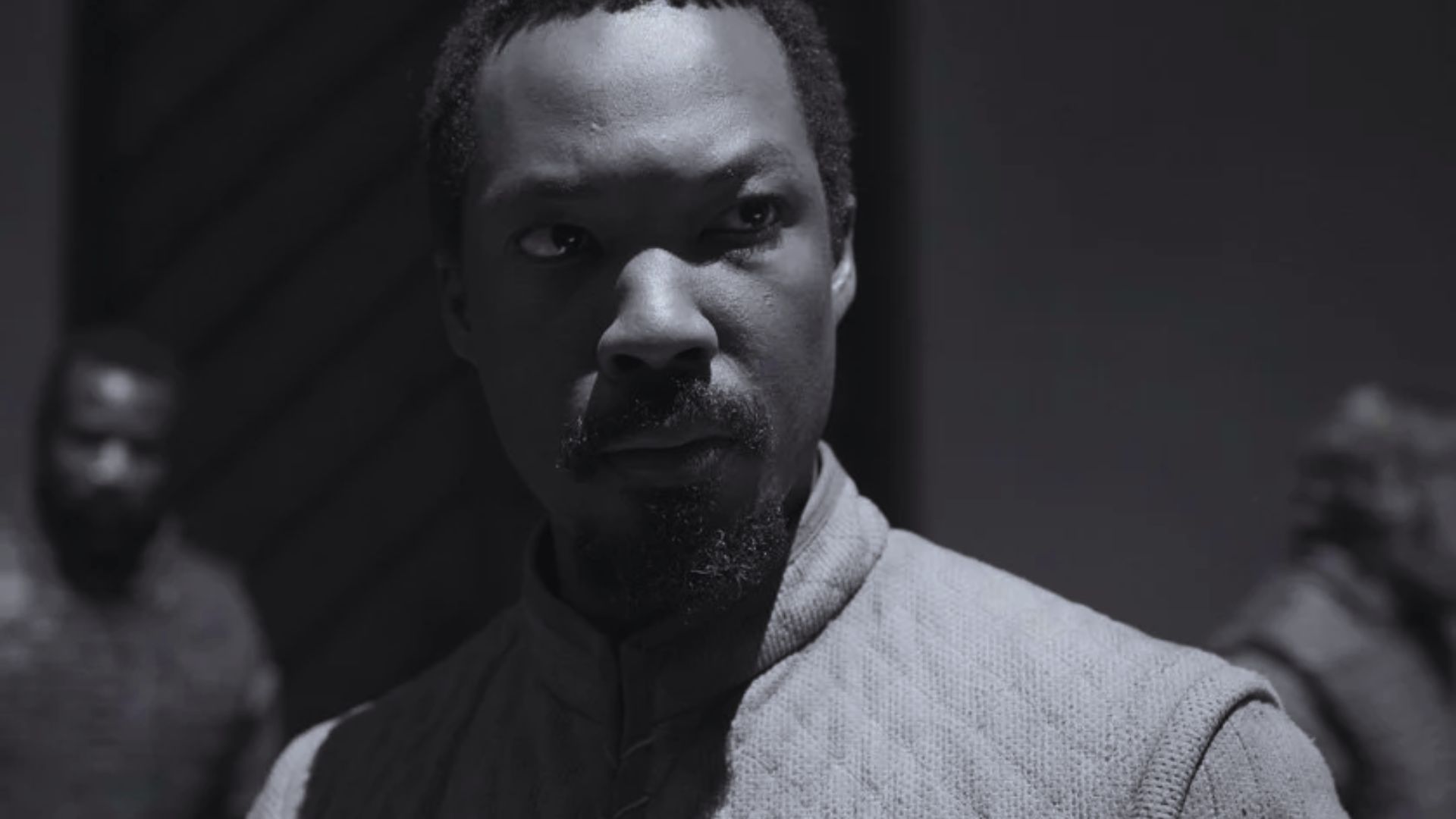
Hawkins gives Macduff real emotional weight. A key late-film scene shows his full range, and it lands hard. He holds his own against Washington without ever trying too hard.
Harry Melling: Malcolm
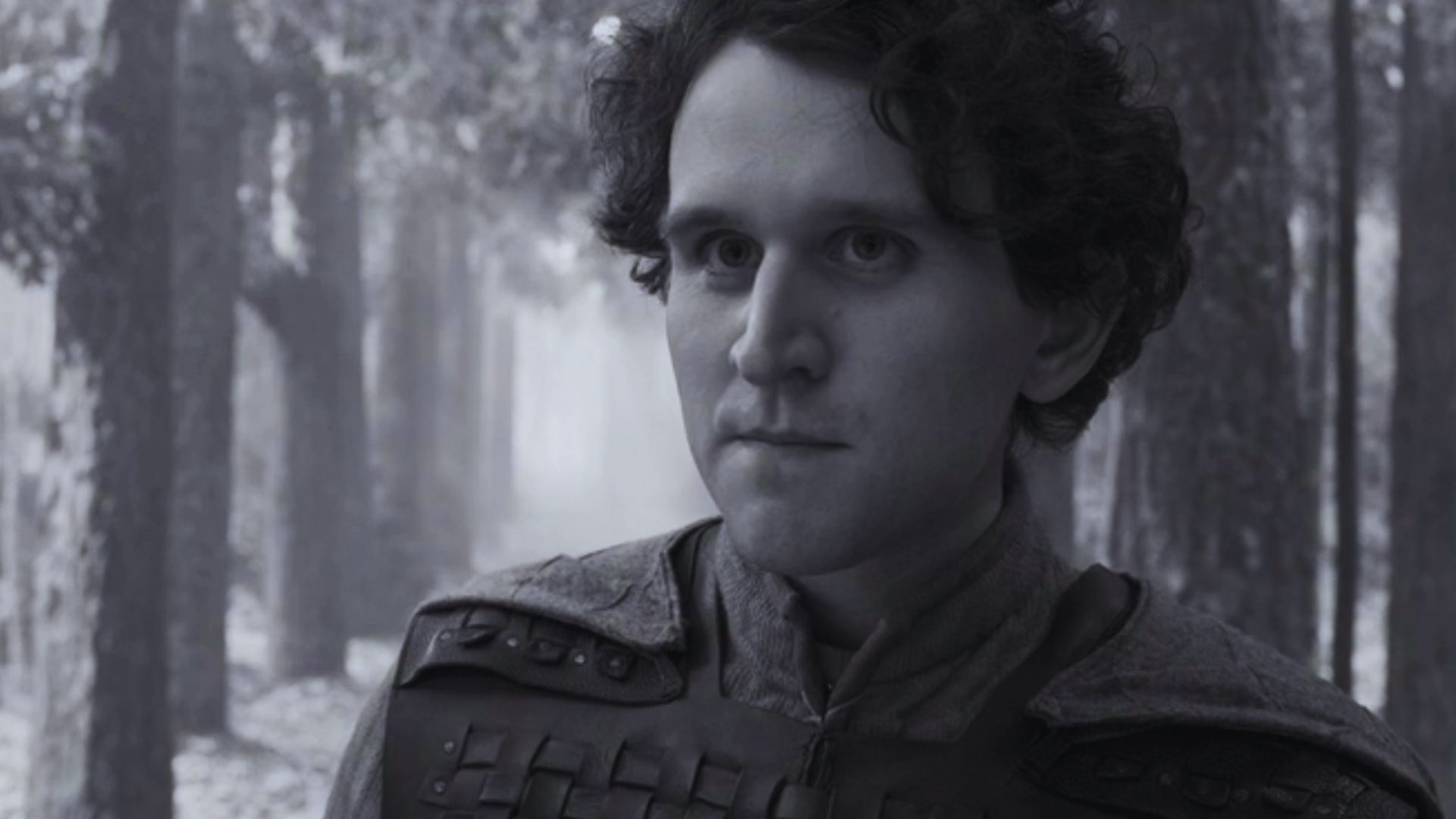
Melling plays Malcolm with understated confidence. He isn’t the center of the story, but his arc feels complete and earned.
A quiet, steady presence that adds real balance to the film.
Character Performances
The chemistry between Washington and McDormand anchors this film. Their scenes feel like a negotiation, two people bound by the same ambition, pulling in opposite directions.
Every cast member commits fully to the language and the weight of the material, making the ensemble feel cohesive rather than star-driven.
Direction, Cinematography & Technical Review
Joel Coen directs this as a solo project, and the control he brings to every frame shows. Bruno Delbonnel’s black-and-white cinematography is the film’s most talked-about feature, and for good reason.
The stark contrast, the fog, the near-empty sets, all of it creates a mood that feels oppressive from the first scene.
The production design is minimal by choice, pulling focus entirely onto the performances and the text.
The sound design and Carter Burwell’s score add tension without ever overpowering the dialogue.
Critical Reception
Here’s how critics and viewers responded to the film.
Aggregator Scores
- Rotten Tomatoes: 93% critics score / 72% audience score
- Metacritic: 84/100
- IMDb: 7.0/10
Critics’ Opinions
Most critics praised the visual boldness and the performances of Washington and McDormand. The black-and-white decision drew wide approval.
A few felt the pacing dragged in the middle, and some noted the stripped-down style may not suit all viewers.
Audience Response
The audience reaction is more divided. Art-house and theater fans responded well. Those expecting a conventional film found the pace challenging.
Washington’s performance, however, draws consistent praise across the board.
Analysis of Themes and Adaptation
This film has more to say than most, and it says it through every frame.
Faithfulness to Shakespeare
The screenplay stays very close to Shakespeare’s original language. Coen makes cuts for pacing but does not modernize the dialogue.
What changes is the visual language, the film uses space, shadow, and silence in ways the stage cannot.
It respects the source material while making clear cinematic choices that belong entirely to this version.
Modern Relevance
The themes of unchecked ambition, manipulation, and the cost of power connect easily to today’s world.
Watching a leader destroy everything around him in pursuit of control feels as relevant now as it did in the 1600s.
The film doesn’t force this connection, it lets the audience draw it naturally.
Symbolism & Visual Storytelling
The use of crows appears throughout the film as a motif tied to fate and death. Mirrors are used repeatedly to show Macbeth confronting himself.
The fog-covered landscapes suggest confusion and moral loss. Every visual element carries weight, and none of it feels accidental.
Coen and Delbonnel use the frame intentionally, what’s left out of the shot is often as telling as what’s in it.
Suitability for Viewers
Not every film is right for every viewer, here’s what you need to know before pressing play.
Age Appropriateness
The film is rated R. It contains scenes of violence, including on-screen killings and disturbing imagery.
The language is Shakespearean English throughout, which may be difficult for younger viewers to follow. The emotional intensity is high.
This is best suited for mature teens and adults. It is not graphic in a gratuitous way, but the darkness is consistent and intentional.
Emotional & Intellectual Engagement
Viewers who enjoy literary fiction, classic theater, or visually driven filmmaking will get the most from this.
It rewards patience and attention. Those who appreciate strong performances and layered storytelling will find a lot here.
Casual viewers or those unfamiliar with the Macbeth story may want to read a brief summary beforehand to stay grounded in the plot.
Is It Worth Watching?
Yes, but know what you’re signing up for. The Tragedy of Macbeth is not a crowd-pleasing blockbuster.
It is a precise, controlled piece of filmmaking built around two exceptional performances. If you appreciate art-house cinema or have any affection for Shakespeare, this is worth your full attention.
The black-and-white visuals alone make it a standout. It’s slow at points, but the payoff is real. Watch it on the biggest screen you can find, in a quiet room, without distractions.
Final Verdict
I’ll be honest, I wasn’t sure I’d connect with this film. Shakespeare adaptations can feel cold or distant.
This one didn’t. Washington pulled me in from the first scene and never let go. If you’re looking for something that stays with you after the credits roll, The Tragedy of Macbeth delivers.
Give it a shot and let me know what you think in the comments below. Have a different take on the performances? Share it, I’d genuinely love to hear your read on this one.
Frequently Asked Questions
Is The Tragedy of Macbeth based on Shakespeare’s original play?
Yes, it follows Shakespeare’s text closely. Joel Coen made selective cuts for pacing but kept the original dialogue intact throughout the film.
Why is the film shot in black and white?
It was a deliberate creative choice by director Joel Coen and cinematographer Bruno Delbonnel. The monochrome look strips the story down and puts full focus on mood, shadow, and performance.
Is The Tragedy of Macbeth suitable for high school students?
It can be, with guidance. The Shakespearean language may be challenging, but the themes align well with classroom study. The violence is present but not excessive.
How does Denzel Washington’s Macbeth compare to other versions?
Washington plays the role with restraint rather than theatricality. Many critics consider his version one of the most grounded and controlled portrayals of the character on screen.
Where can I watch The Tragedy of Macbeth?
It is available on Apple TV+. It had a limited theatrical release before streaming. You can watch it directly through the Apple TV+ platform with a subscription.