


You want to read The Big Lebowski script, and you are in the right place.
I have studied screenplays for years, and this one always comes up when writers talk about real, character-driven dialogue.
Whether you are here to study the writing or just love the film, this article has what you need.
It covers where to read the script for free, a full scene by scene breakdown, famous lines and what makes them work, writing lessons from the Coen Brothers, and behind the scenes facts.
No fluff. Just what you actually need.
Let us get into it.
Where to Read The Big Lebowski Script
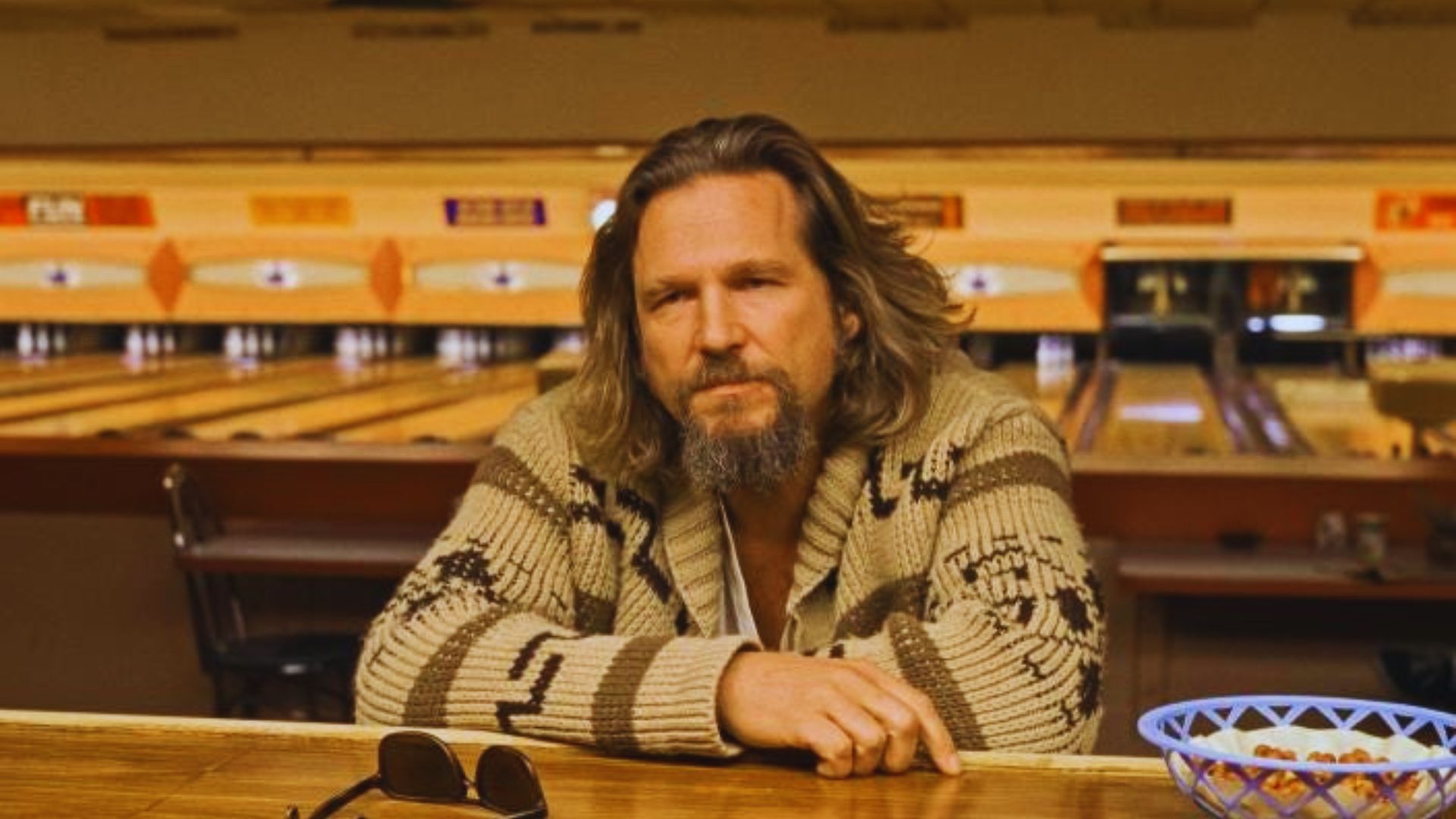
Several websites host The Big Lebowski script for free. Sites like Simply Scripts, Script Slug, and The Daily Script are popular options. Always look for the final draft version since early drafts may have scenes that were cut or changed.
If you prefer reading offline, a quick search for “The Big Lebowski script PDF” will give you several options. Avoid sites that ask you to sign up or pay.
One thing worth knowing before you download: the script is still under copyright. Universal Pictures holds the rights.
Downloading it for personal study is generally low risk, but sharing it commercially is a different matter. Read it to learn. Do not publish it or sell it.
Full Big Lebowski Script Breakdown
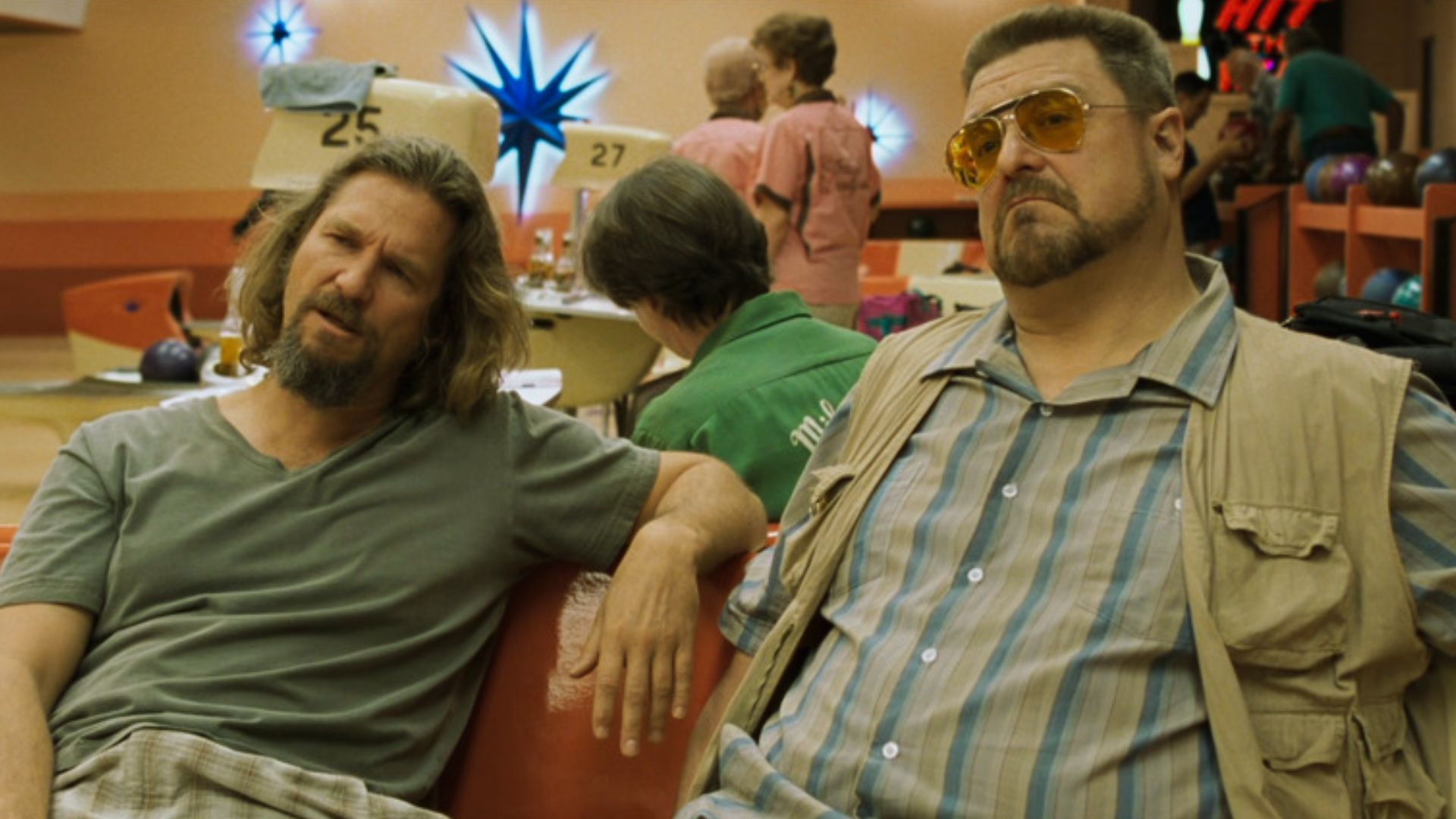
The script follows a case of mistaken identity that spirals into one ridiculous situation after another. It is loose, funny, and structured around a man who wants nothing more than to be left alone.
Opening Scene (The Narrator and The Dude)
The film opens with a narrator describing a man he admires, a man who is a product of his time and place. We then see Jeffrey Lebowski, known simply as “The Dude,” wandering through a grocery store in a bathrobe and paying by check for a small carton of milk.
This opening sets the tone immediately. Nothing is played for urgency. The pace is relaxed, and the world feels lived in before a single word of real plot is spoken.
The Dude and the Mistaken Identity Storyline
Two men break into The Dude’s apartment, rough him up, and ruin his rug. They were looking for another Jeffrey Lebowski, a wealthy man across town. The Dude goes to see this other Lebowski to ask for compensation for the rug.
What follows is a fake kidnapping, a bag of dirty laundry passed off as ransom, and The Dude getting pulled deeper into something he never wanted to be part of.
Walter Sobchak and Donny Arc
The Dude’s best friend, Walter, is a Vietnam veteran who applies military logic to every situation, including bowling. He is loud, opinionated, and completely unpredictable. His friendship with The Dude is the emotional core of the film.
Donny is their bowling teammate, always a step behind the conversation and consistently told to be quiet by Walter. The three of them together create a rhythm that carries the entire middle of the film.
Maude Lebowski Storyline
Maude is the daughter of the wealthy Lebowski, and she is nothing like her father. She is an artist, self-possessed, and entirely in control of every situation she enters. She wants The Dude’s help recovering a rug, and her scenes bring a dry intelligence to the story.
Her subplot adds a layer of absurdity that fits perfectly into the larger chaos surrounding The Dude.
The Nihilists and the Resolution
The villains of the film are a group of German nihilists who believe in nothing. They are the ones behind the fake kidnapping plot, and when things collapse around everyone, they confront The Dude in a final showdown outside a bowling alley.
The resolution is low-key, sad in one way, and quietly funny in another. The Dude abides.
Final Scene and the Narrator’s Return
The film ends with the narrator returning to tie things together in a loose and satisfying way. He sends The Dude off with warmth. The world keeps turning. The Dude keeps bowling.
Iconic Dialogue from the Script
The dialogue in The Big Lebowski is what people remember most. It sounds effortless because it is written with a very specific kind of character logic.
Most Famous Quotes
Several lines from this script have become part of popular culture. Walter’s declaration about a line in the sand is aggressive, completely out of proportion, and absolutely in character. The Dude explaining that he is not Mr. Lebowski, he is The Dude, is simple and perfectly delivered in text form.
Maude describing her art with total seriousness while The Dude looks confused is funny without a single joke being told. The Stranger’s closing lines about the Dude abiding are warm and strange in equal measure.
What these lines share is that they reveal character, move the scene forward, and feel spontaneous rather than scripted.
Why the Dialogue Feels Real
Joel and Ethan Coen write the way specific kinds of people actually talk. Their characters repeat themselves, go off topic, and argue about things that have nothing to do with the plot. Walter’s tangents about Vietnam belong to a man who cannot separate any part of his life from that experience.
That specificity is what makes the dialogue feel real. Most screenplays keep characters on track. The Coens let them wander, and the wandering is where the personality lives.
Writing Style of Joel and Ethan Coen
The Coens write with precision disguised as looseness. Stage directions are lean and visual. They do not over-explain what a scene is doing because the dialogue carries the weight.
Their scripts have a very strong sense of place and atmosphere, but they achieve it through small, specific details rather than long descriptions. Every character sounds different from every other character, which is harder to do than it looks.
Reading a Coen Brothers script feels like watching the movie in your head. The voice is that clear.
What Writers Can Learn from the Script
The biggest lesson from The Big Lebowski script is that a passive protagonist can still carry a story. The Dude does not drive the plot forward. Things happen to him. But his reactions, his voice, and his relationships make every scene worth watching.
The second lesson is about character contrast. Walter and The Dude are opposites in almost every way, and putting them together in every scene creates natural tension without the script needing to manufacture conflict.
The third lesson is tone. The Coens commit fully to the absurdity. They never wink at the audience or make the comedy feel easy. The humor comes from treating ridiculous situations with complete seriousness.
Behind the Scenes of the Script
The script had an interesting path before it became the film people know today.
How the Coens Wrote It
Joel and Ethan Coen wrote the script together, as they always do. The character of The Dude was influened by a real person named Jeff Dowd, a film producer and political activist they had known for years. They spent time with him and absorbed his personality before putting it on the page.
The bowling alley setting came from a desire to ground the story in a very specific Los Angeles subculture that rarely gets attention on screen.
Idea Behind the Story
The Coens drew from Raymond Chandler’s crime novels, especially The Big Sleep, as a structural reference. They loved how Chandler’s plots were famously confusing and how readers kept reading anyway because the characters were so strong.
They wanted to make something in that tradition but push the confusion further and surround the central mystery with characters who had no idea what was going on either.
Script vs Final Film Differences
The script and the final film are very close, but some scenes were adjusted during production. A few of The Dude’s lines changed slightly, and some of Walter’s speeches were trimmed for pacing. The dream sequences were expanded visually beyond what the script described.
Even a great script gets adjusted. What ends up on screen is never exactly what was written.
Is The Big Lebowski Script Worth Reading?
The Big Lebowski script is worth reading, especially for screenwriters, comedy writers, film students, and fans who want a deeper look at how the Coens build character through voice. It is readable even if you have never picked up a script before.
Reading a screenplay lets you see the choices made on the page. With The Big Lebowski, you get a strong sense of how passive characters can be compelling, how comedy lives in specificity, and how a story can hold together without a traditional plot engine.
Every scene earns its place, and every character has a voice you would recognize anywhere. If you want to write better or just love the film, this script is a great place to start.
Conclusion
Reading The Big Lebowski script genuinely shifted how I approach character writing. I kept assuming every protagonist needed to be aggressive and goal-driven, and then The Dude showed up doing absolutely nothing and still held my attention completely.
If you made it this far, you clearly care about the craft. That is worth something.
Read The Big Lebowski script slowly and out loud if you can. Notice how Walter and The Dude never sound alike.
Drop a comment below, share this post, and check out our other screenplay breakdowns.
Frequently Asked Questions
Where can I find the full Big Lebowski script for free?
Websites like Simply Scripts and The Daily Script host the screenplay for free. You can access them without signing up or paying anything.
Did the Coen Brothers write The Big Lebowski script alone?
Yes, Joel and Ethan Coen wrote the script together as they do with all their films. They work as a team through every stage of the process.
Is reading The Big Lebowski script useful for writers?
Yes, the script is one of the best examples of character-driven comedy writing. Writers at any level can take practical lessons from how the Coens build dialogue.
How is The Big Lebowski script structured?
The script follows a loose mystery format centered on a case of mistaken identity. Each scene serves a clear purpose within the larger story.
Are there differences between the script and the final film?
Yes, some scenes were trimmed and a few lines changed during production. The core story remains the same throughout.