


What secrets lie in the pages of the Lord of the Rings scripts that films never show?
I’ve personally reviewed the Lord of the Rings scripts, and they reveal dialogue, character arcs, and story details that are often missed on screen.
Adapted by Fran Walsh, Philippa Boyens, and Peter Jackson, these scripts turn Tolkien’s novels into cinematic storytelling with care and precision.
For fans, aspiring writers, and film students, reading them offers a unique perspective on narrative choices, pacing, and character development, showing how Middle-earth comes alive beyond what we see in theatres.
Introduction to Lord of the Rings Scripts

I’ve personally reviewed the scripts of The Lord of the Rings, and there’s something truly compelling about reading them.
Fans and scholars often seek the full scripts to experience the story beyond the movies, noticing details that can be missed on screen.
The scripts allow readers to follow the dialogue, stage directions, and subtle character interactions, which helps in understanding the plot and motivations more deeply.
They also serve as valuable resources for anyone studying writing or filmmaking.
What makes these scripts stand out is the collaboration of Fran Walsh, Philippa Boyens, and Peter Jackson, who adapted J.R.R.
Tolkien’s novels with care and precision, bringing Middle-earth to life in words as well as visuals.
Main Characters in the Lord of the Rings Scripts
Reading the Lord of the Rings scripts reveals the main characters’ arcs, dialogue, and key moments, offering a deeper understanding of the story beyond what appears on screen.
Frodo Baggins: The Ring Bearer
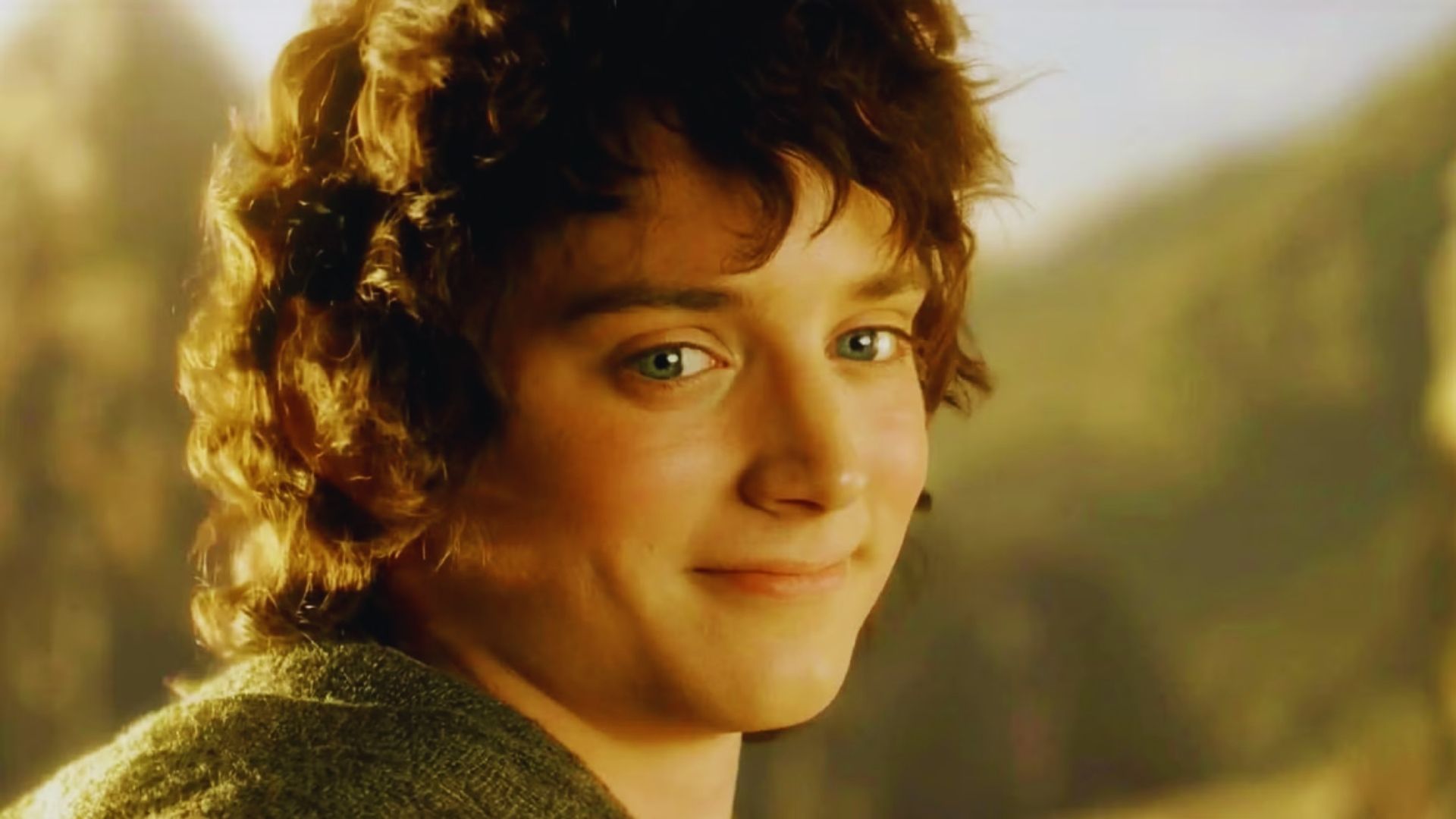
Frodo’s story in the scripts shows his growth from a simple hobbit to a determined and brave hero. Key scenes capture his fear, doubt, and courage as he carries the Ring.
Dialogue emphasizes his struggles, making his journey deeply personal and moving throughout the trilogy.
Samwise Gamgee: Loyalty Personified
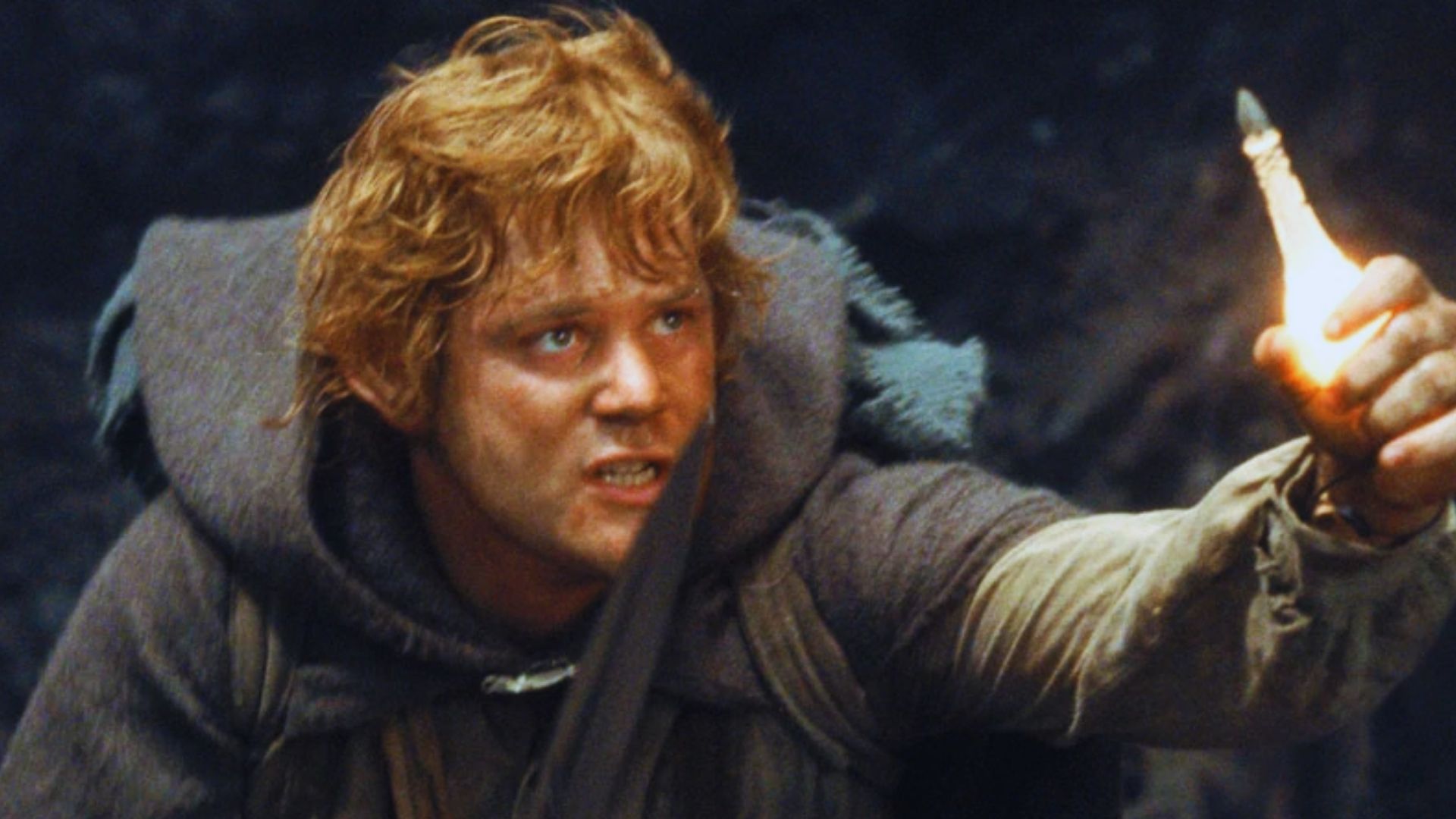
Sam’s role in the scripts highlights his unwavering loyalty and support. His dialogue and actions consistently show devotion to Frodo and the fellowship.
The scripts capture moments where Sam encourages, protects, and motivates, establishing him as the emotional heart of the story.
Aragorn: The Reluctant King
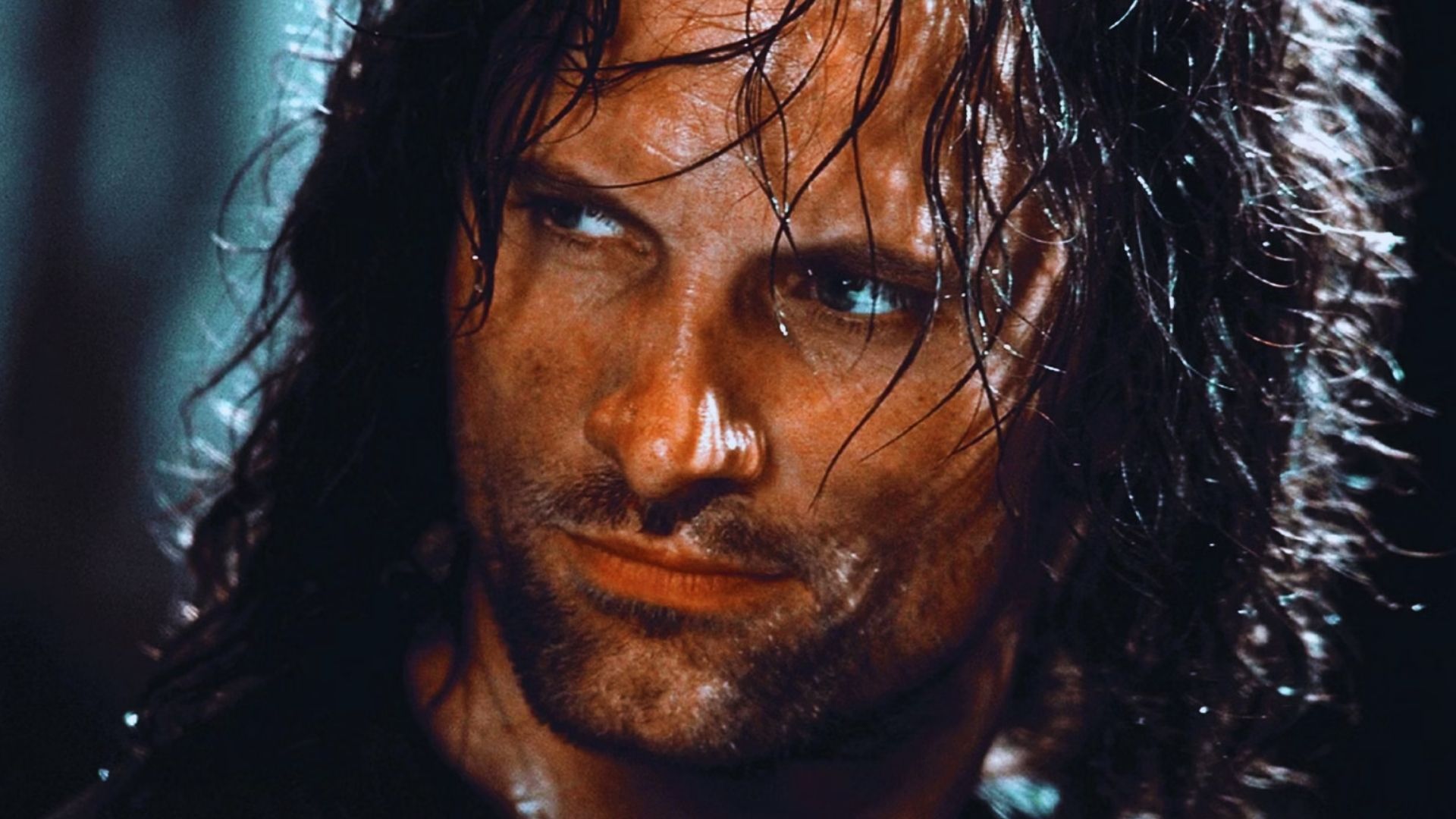
Aragorn’s development is clear through his dialogue and decisions in the scripts. Scenes show him stepping into leadership while facing doubt and responsibility.
His pivotal lines reflect his courage, wisdom, and readiness to lead, marking the evolution of his character across all three films.
Gandalf: The Guide
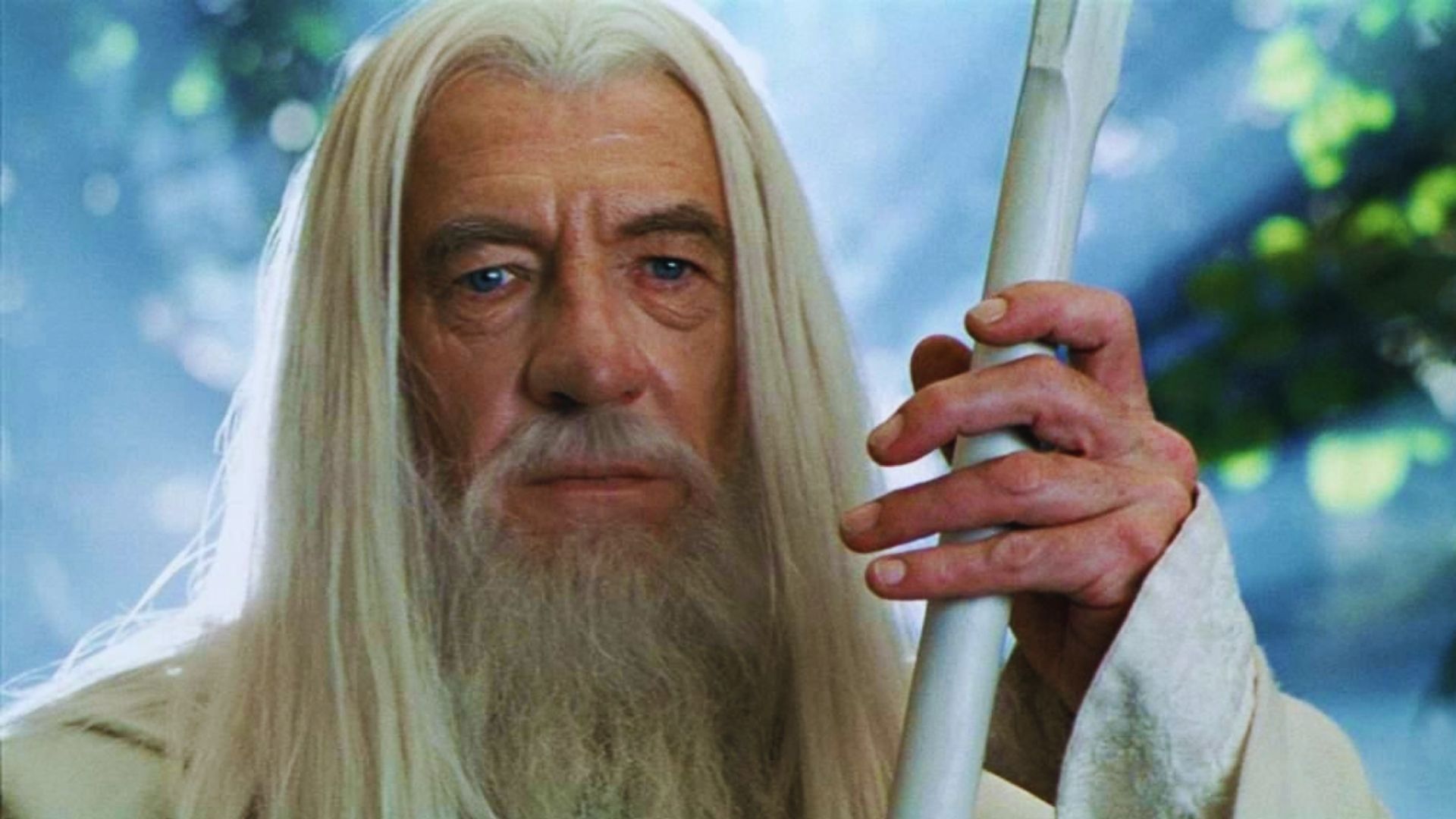
Gandalf’s presence in the scripts guides both characters and story. His speeches often clarify choices and provide wisdom.
Dialogue captures his care, patience, and moral clarity, showing his importance as a guide and mentor, shaping events while offering insight into the larger conflict.
Gollum / Smeagol: Duality and Obsession
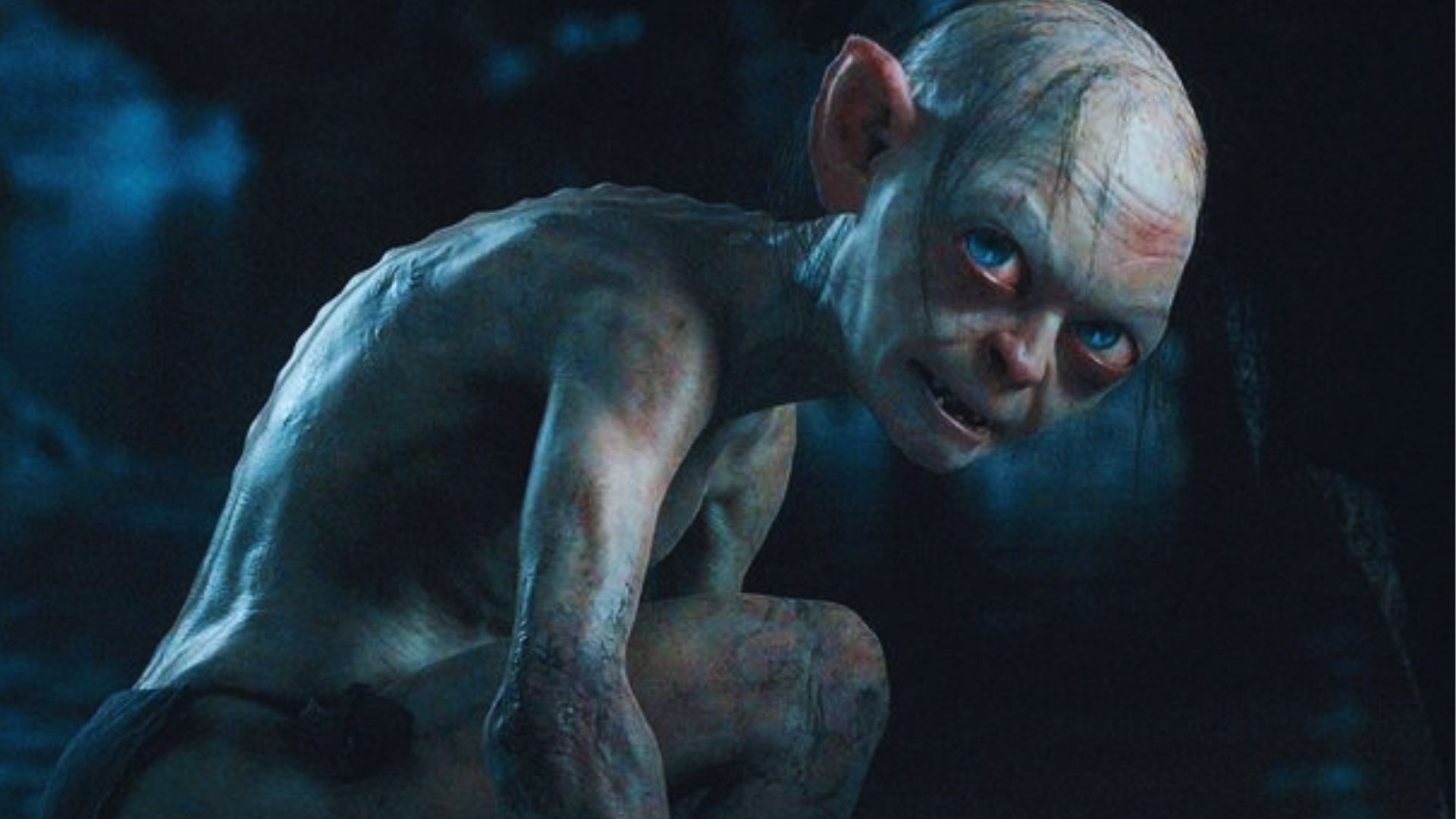
The scripts highlight Gollum’s split personality and obsession with the Ring. Dialogue conveys internal conflict, manipulation, and vulnerability.
Comparing the script to the film reveals subtle differences in the portrayal, showing how his inner struggle drives key plot points and his interactions with Frodo and Sam.
Supporting Characters
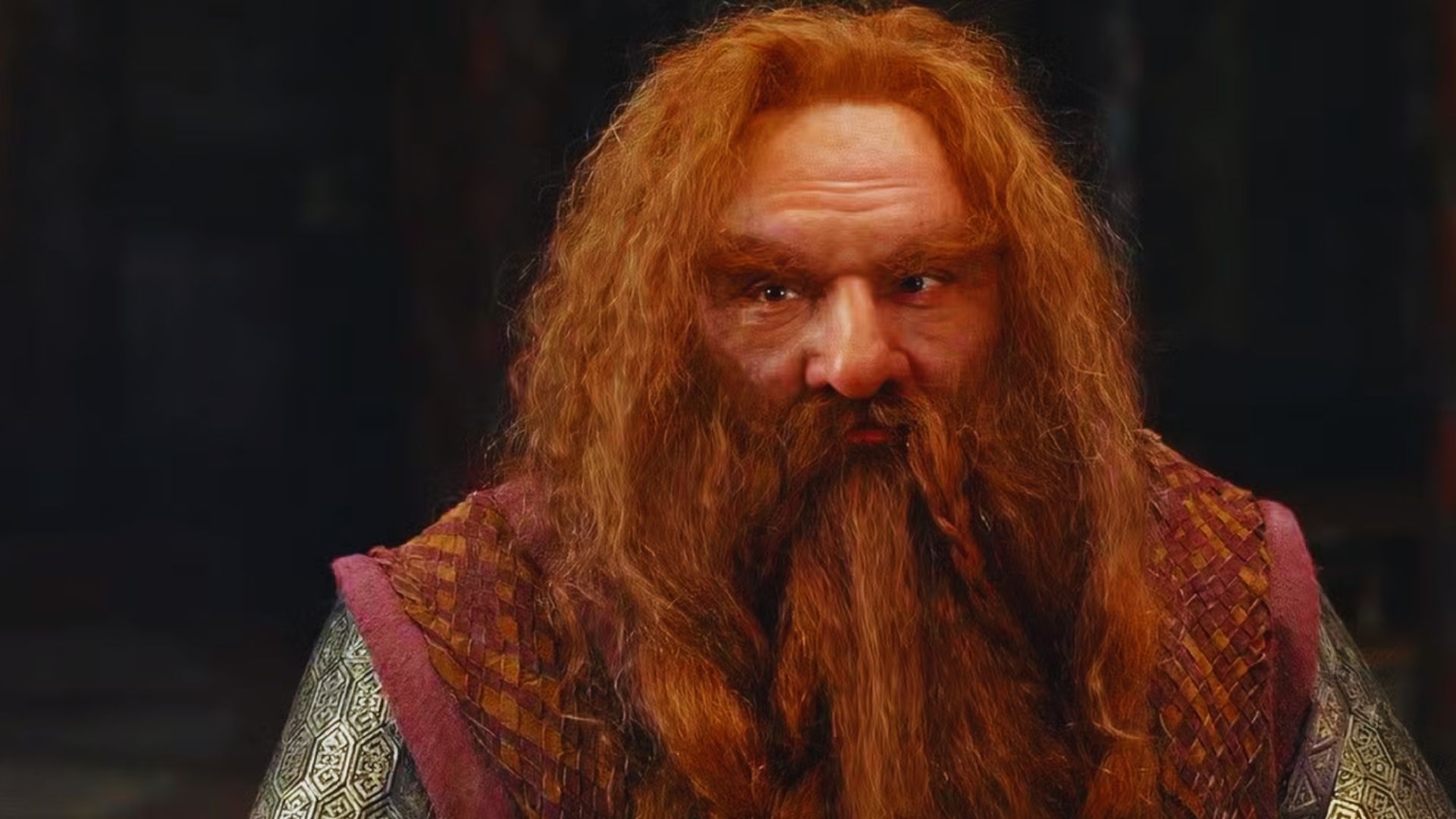
Characters like Legolas, Gimli, Boromir, Merry, and Pippin have defining moments in the scripts. Their dialogue and actions contribute to the plot and team dynamics.
Script highlights show humour, bravery, and loyalty, giving each character purpose and presence while enriching the fellowship’s story.
Major Themes Explained Through the Scripts
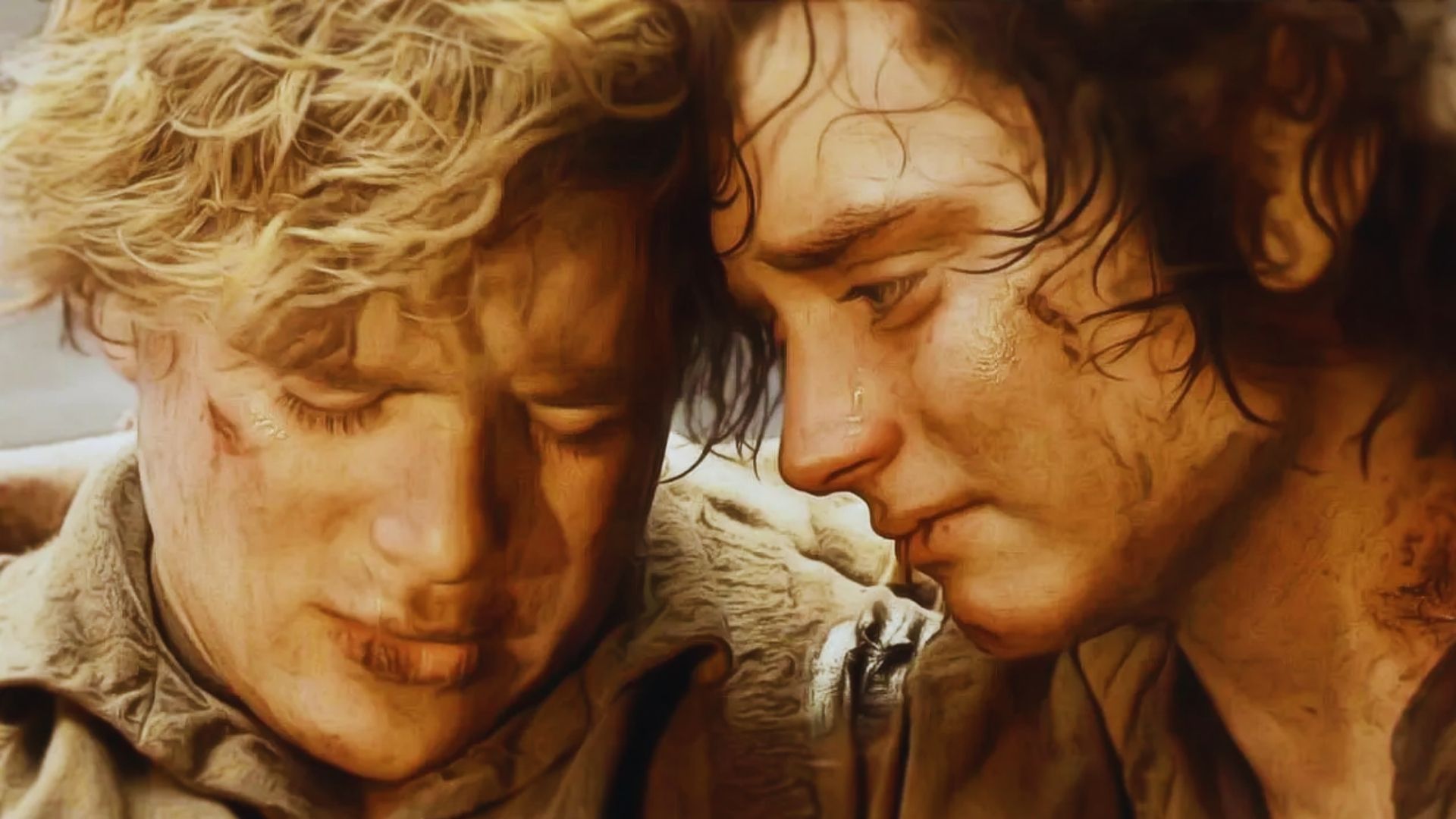
The scripts show key themes through dialogue and actions, revealing characters’ struggles and the values that guide their choices.
Friendship and Fellowship
The scripts show how bonds between characters hold the story together. Dialogue and interactions highlight loyalty, trust, and support.
From the fellowship’s meetings to moments of encouragement, the writing emphasizes unity and the importance of standing together in the face of danger.
Corruption and Power
The Ring represents temptation and corruption in the scripts. Scenes and monologues show how it affects characters differently, testing morals and ambitions.
Dialogue captures internal struggles, illustrating the influence of power and the risks it brings to those who seek or carry it.
Courage and Sacrifice
Heroism appears in many scripted moments, from small acts to epic battles. Characters face fear and danger while protecting others or fulfilling responsibilities.
The scripts highlight these choices clearly, showing bravery and the willingness to sacrifice for friends, ideals, and the greater good.
Destiny and Choice
The scripts emphasize how characters make crucial decisions that shape events. Dialogue and stage directions reflect internal dilemmas and responsibilities, showing how personal choices affect outcomes.
This theme highlights the balance between fate and free will within the story’s larger context.
Hope and Perseverance
Even in the darkest scenes, the scripts show characters holding on to hope. Dialogue, inner thoughts, and actions illustrate resilience and determination.
These moments remind readers that perseverance, courage, and trust in one another are necessary to overcome overwhelming challenges.
The Fellowship of the Ring Script
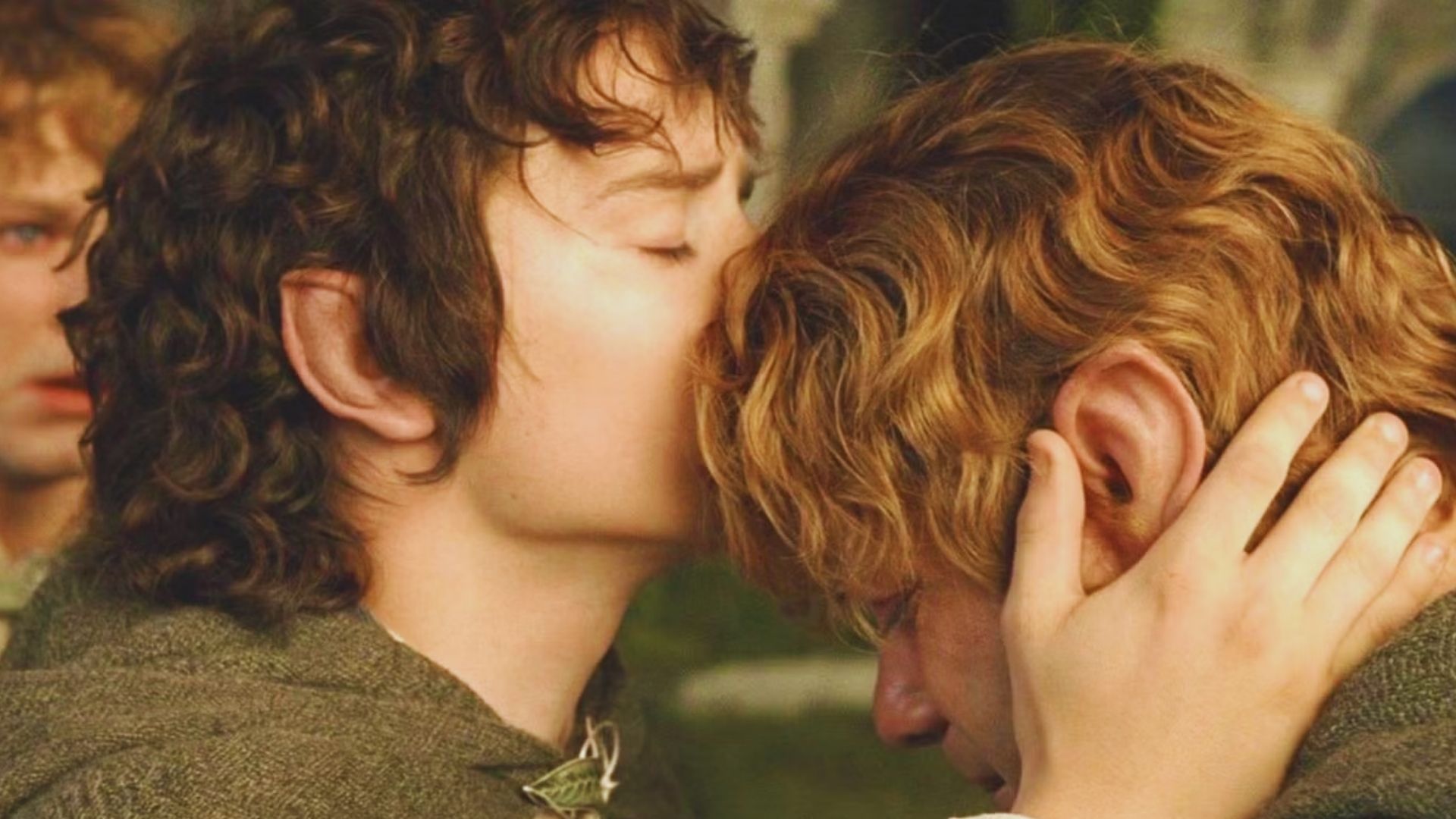
This script sets up the story and characters, showing how Tolkien’s tale becomes dialogue, action, and cinematic moments.
Key Scenes and Dialogues for Study
Important scenes in the script capture pivotal story moments. Bilbo’s farewell party shows character relationships and humour, Frodo’s departure begins his difficult task, and the Council of Elrond sets the stage for the fellowship.
Dialogue highlights personality and motivation throughout.
Notable Script Features
The script includes clear stage directions and descriptive writing that guide the action. The dialogue closely adapts Tolkien’s prose while maintaining cinematic pacing.
These features help readers understand both character intentions and how the story translates from page to screen.
The Two Towers Script
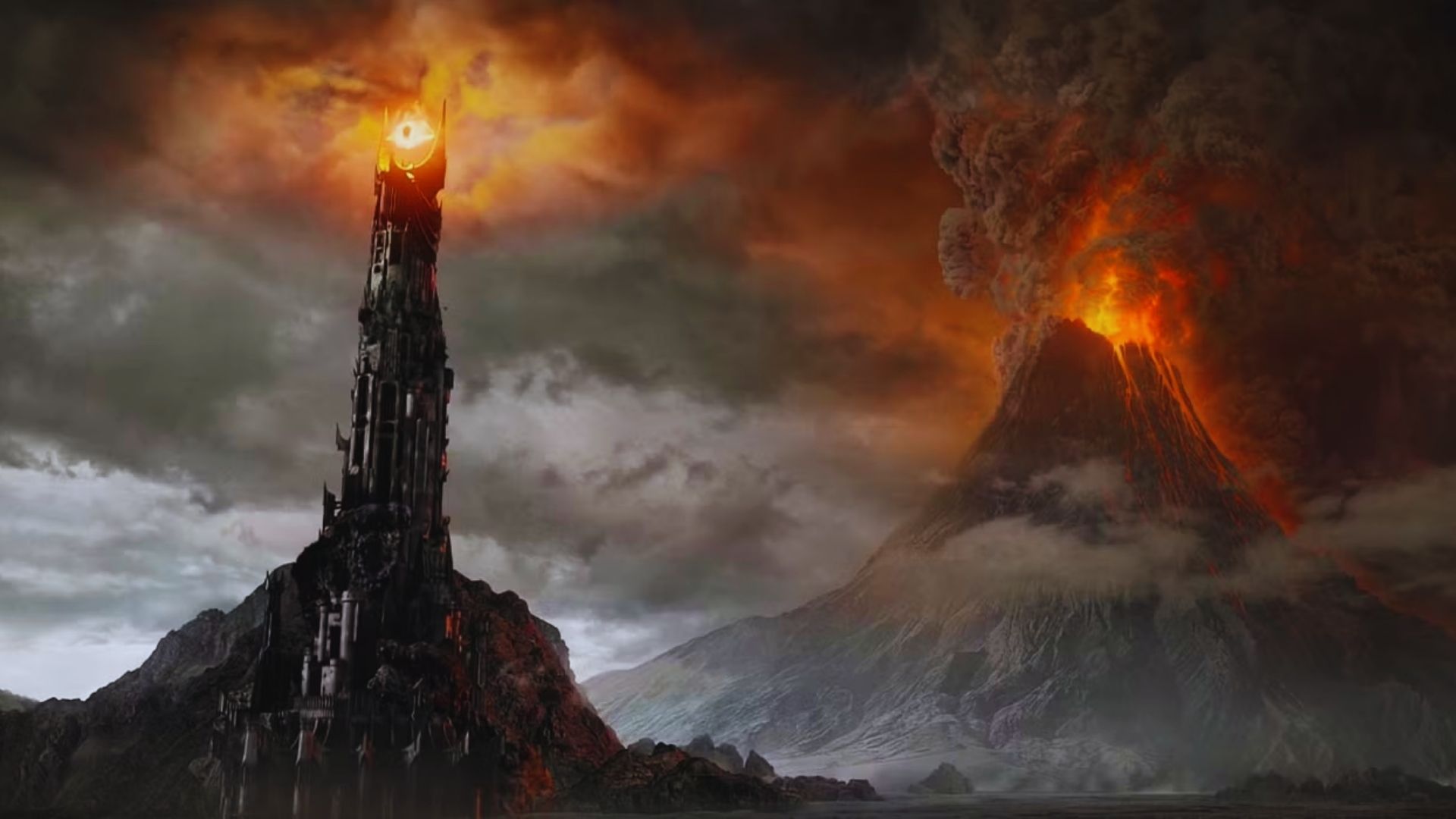
The script raises the stakes and shows character growth, adapting Tolkien’s story into tense, engaging scenes.
Important Script Highlights
The script captures major events like the Battle of Helm’s Deep with precise stage directions and dialogue.
Gollum’s character is explained through internal conflict and interactions, showing his dual nature. These highlights demonstrate how action and character development work together in the screenplay.
Script Analysis Opportunities
Readers can compare the script to Tolkien’s original text to see adaptation choices.
Dialogue and stage directions reveal character arcs and evolution, offering insight into pacing, tension, and how writers translate complex narratives for film while maintaining core story elements.
The Return of the King Script
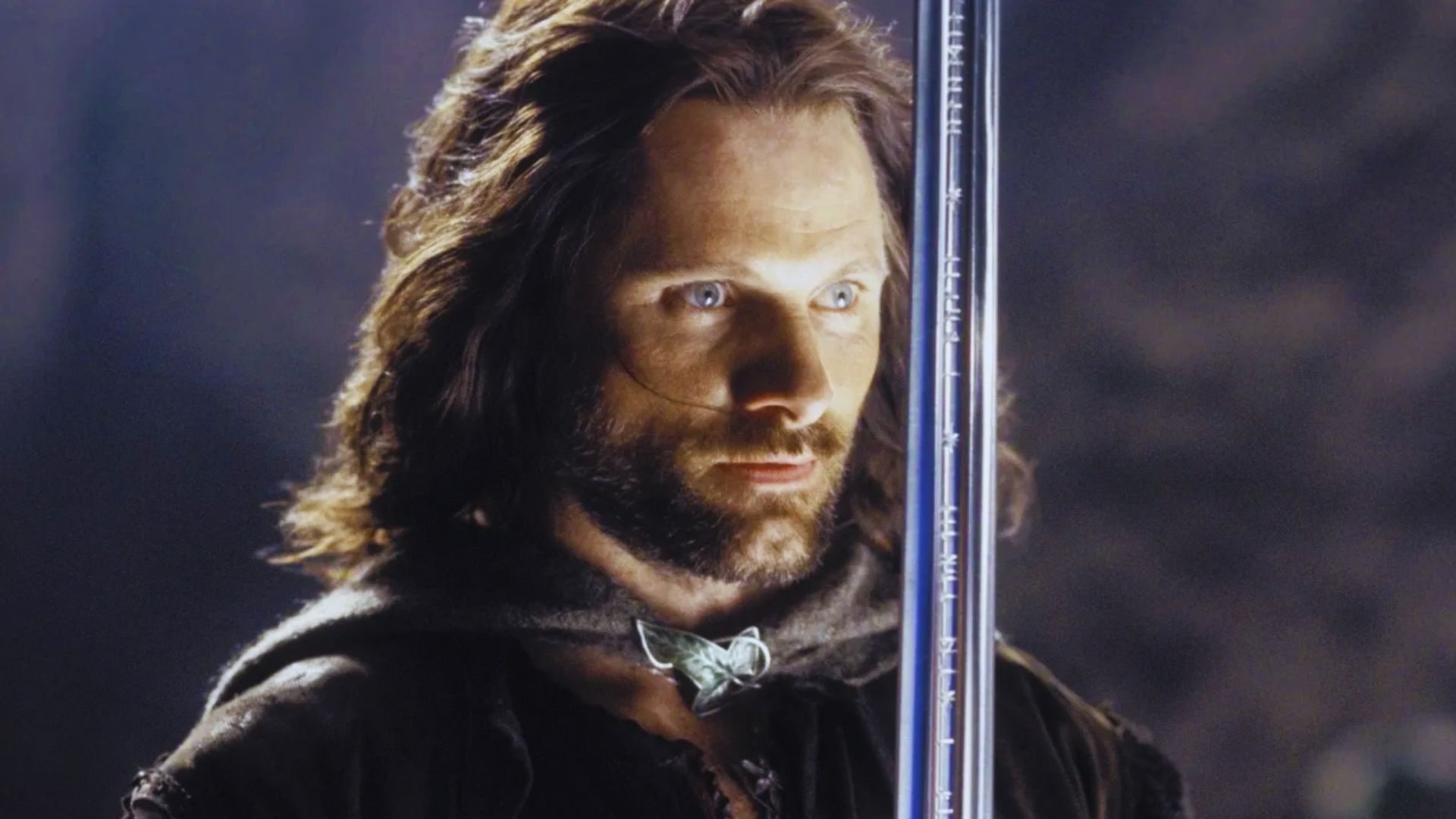
The script ends the trilogy with epic battles and emotional moments, showing how Tolkien’s story is adapted into dialogue, action, and cinematic scenes.
Must-Read Scenes
The script highlights major events like the Siege of Minas Tirith and Frodo and Sam’s journey to Mount Doom.
These scenes show bravery, tension, and resolution, with dialogue and stage directions emphasizing the stakes and emotional weight of the story’s final chapter.
Cinematic Techniques in Script
Suspense and emotion are carefully crafted in the script through dialogue and stage directions.
Visual cues guide action and reactions, showing how filmmakers translate tension, pacing, and character emotion from page to screen while keeping the story compelling and clear.
Where to Find the Complete Lord of the Rings Scripts

Accessing the complete Lord of the Rings scripts online helps readers study the story, but it’s important to use safe and reliable sources.
Online Resources and Databases
These websites let you read or download the scripts for all three movies.
- IMSDb: Read scripts for Fellowship of the Ring, The Two Towers, and The Return of the King online.
- ScriptSavant: Download PDF versions of the scripts for offline reading.
- ScriptSlug: Access scripts online for free, with easy expedition between movies.
Collections and Compilations
Collections provide complete scripts in one place for easy study.
- Bulletproof Screenwriting: Complete LOTR script collection for reference and study.
- Phuulish Fellow PDFs: Transcriptions and PDFs of all three films’ scripts for detailed reading.
Tips for Safe and Legal Script Access
Follow these tips to access scripts safely and legally.
- Always check the site’s copyright and legitimacy before downloading or using scripts.
- Use authorized or verified sources to avoid legal or security issues.
These resources make it easy to read and study the Lord of the Rings scripts safely and effectively.
How to Use the Scripts for Learning and Analysis
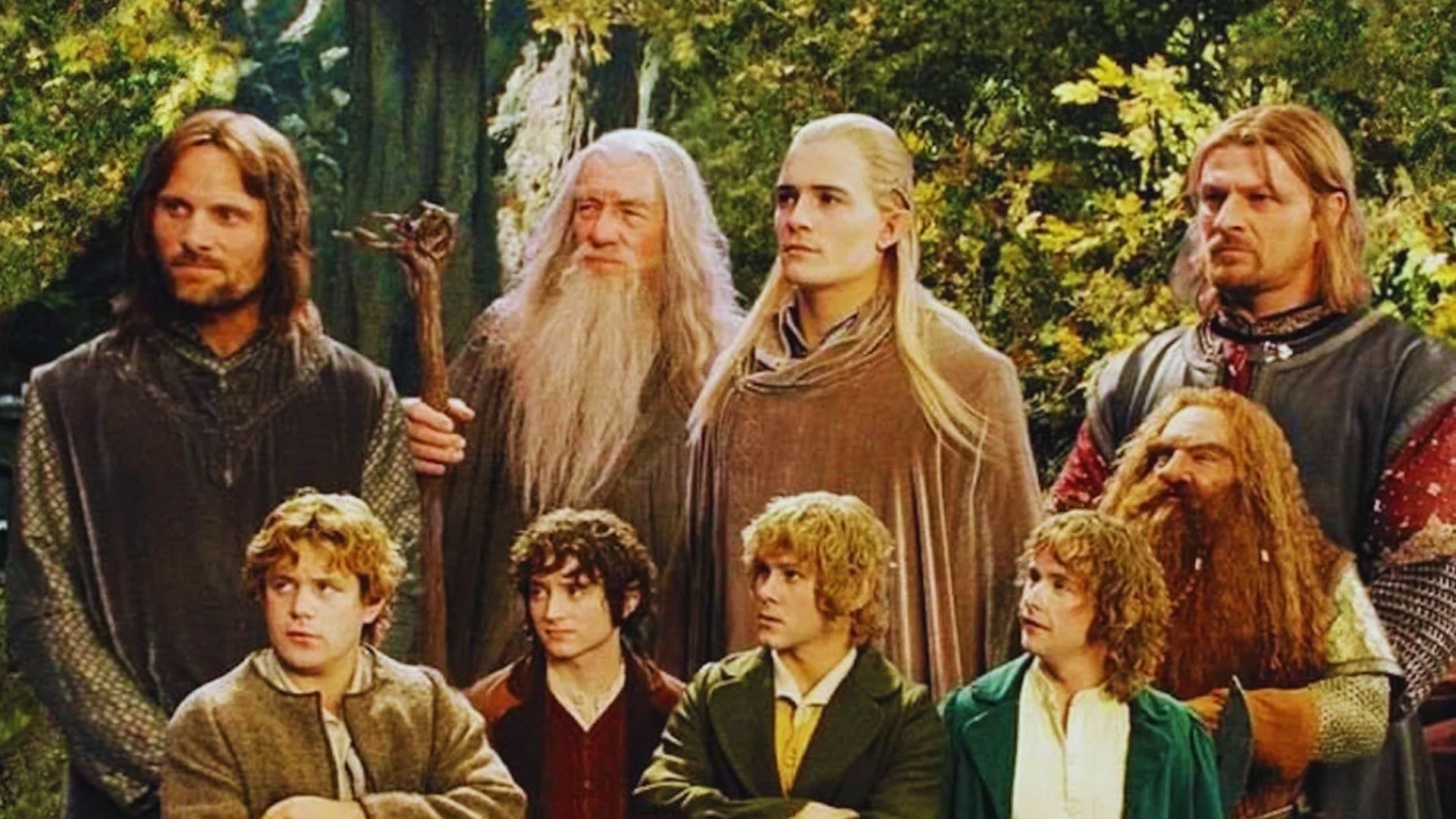
Reading the Lord of the Rings scripts is both fun and useful for learning, analysis, and creative projects.
Study for Screenwriting Skills: The scripts show structure, pacing, and dialogue, helping readers learn tension, character arcs, and cinematic storytelling.
Compare Films vs. Scripts: Spot added, cut, or altered scenes to understand adaptation choices and how scripts are adjusted for film.
Academic and Creative Applications: Use scripts for literary study, character analysis, or fan projects, offering insight into story and craft.
These scripts offer a valuable resource for fans, students, and aspiring writers alike.
Comparing Book Scripts to the Movie Scripts
Comparing book and movie scripts shows how Tolkien’s story was adapted for film.
| Feature | Book Script | Movie Script |
|---|---|---|
|
Major Differences |
Detailed descriptions, inner thoughts, and world-building. |
Streamlined scenes, simplified dialogue, and some events combined or removed. |
|
Screenwriting Decisions |
Extended scenes and timelines, inner monologues. |
Scenes shortened, expanded, or omitted for pacing and cinematic flow. |
|
Lessons for Screenwriters |
Shows literary depth and character details. |
Demonstrates adapting literature into engaging screenplays. |
It offers insight into balancing literary detail with cinematic storytelling.
Final Thoughts
Having personally reviewed the Lord of the Rings scripts, I can say they offer a deeper understanding of Tolkien’s story and its adaptation to film.
The scripts highlight character growth, themes, dialogue, and narrative choices that bring Middle-earth to life.
They are useful for fans, aspiring writers, and students interested in story structure and cinematic storytelling.
Reading them provides fresh insight into the films and the creative process behind them.
Read the scripts yourself to see the story unfold in a new way and spark your own creativity!
Frequently Asked Questions
How Long Are The Lord Of The Rings Scripts?
Each script is around 150-180 pages, including dialogue and scene directions.
Were The Scripts Fully Faithful To Tolkien’s Novels?
They adapt the story but condense or change some scenes for the films.
Can I Use The Scripts For Fan Projects?
Yes, for personal use only, don’t distribute commercially.
Are There Differences Between The Theatrical And Extended Edition Scripts?
Extended editions include extra scenes and dialogue not in theatrical releases.
Where Can I Find Script Notes Or Behind-The-Scenes Insights?
Some online resources and special edition DVDs include writer and director notes.