

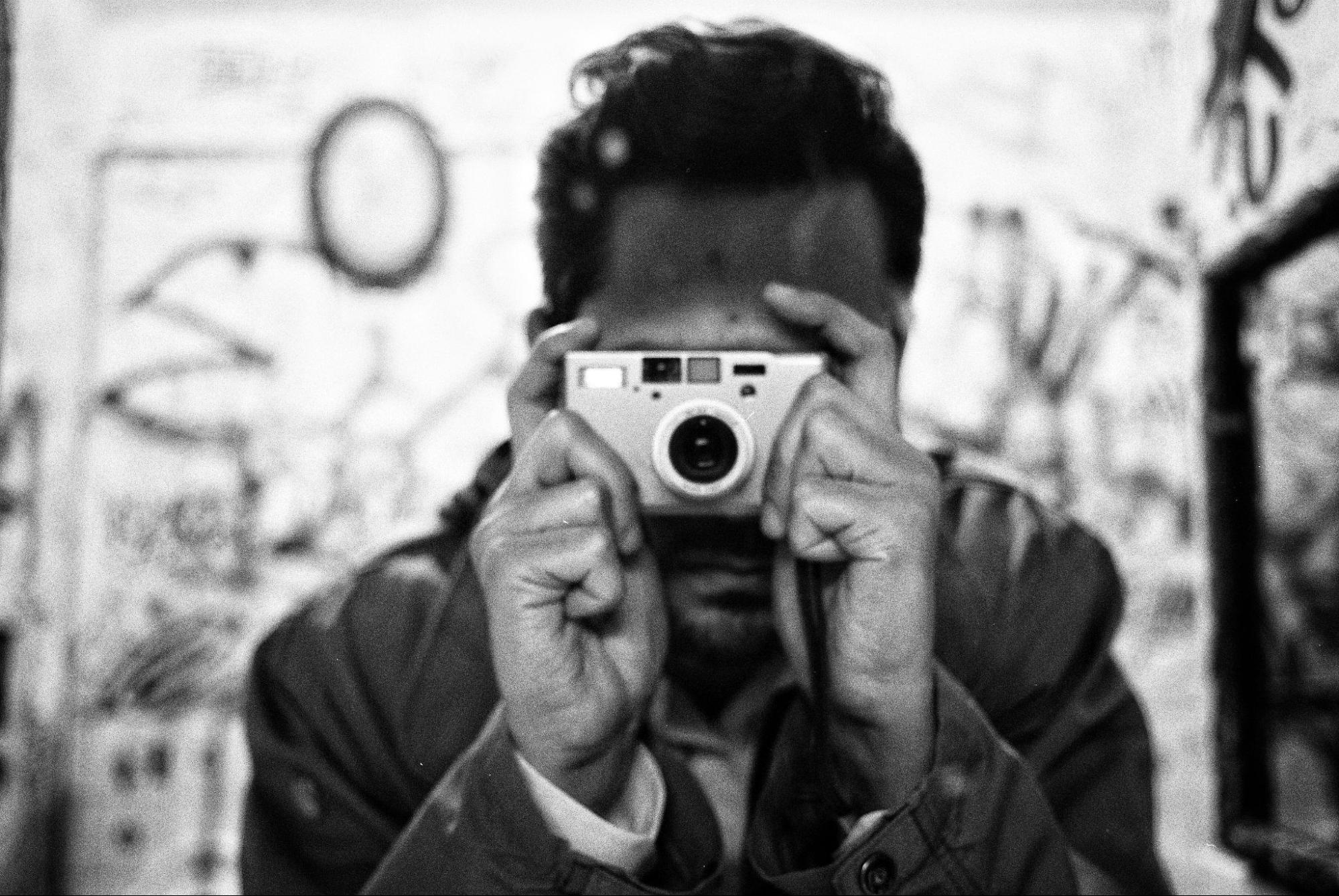
In an age of cinematic universes, social media feeds, and immersive digital platforms, visual storytelling shapes how people understand the world more than ever before. Whether it is a film, a travel article, or a short video on a phone, images often carry the meaning before words even appear.
Long before modern cameras and editing tools, documentary photography established many of the visual habits we still rely on today. It developed a way of seeing that values real moments, real people, and real environments. Those ideas now influence almost every form of visual storytelling, from filmmaking to travel media to branded content.
The Roots of Documentary Photography
Documentary photography is built on a simple idea. It aims to show life as it is rather than staging or constructing it. Photographers working in this tradition focus on observing the world and capturing moments that reveal something truthful about people and places.
Early documentary photographers were often visual historians. They recorded social change, migration, labor, poverty, celebration, and everyday life. These images were not just records of events. They helped people understand experiences they might never encounter firsthand.
What made this style so powerful was its ability to tell a story in a single frame. A photograph could hold emotion, tension, and context at the same time. That narrative strength is one of the reasons documentary photography continues to influence modern visual media.
Influential Photographers and Their Legacy
Several photographers have played a major role in shaping how visual storytelling developed.
Dorothea Lange is known for her work during the Great Depression. Her images captured the human impact of economic hardship in a way that remains deeply influential in photojournalism and documentary filmmaking today. Her work showed that a photograph could carry both emotional weight and historical importance.
Henri Cartier-Bresson introduced the idea of the decisive moment. He believed that powerful images come from capturing events at exactly the right instant when form and meaning align. This concept continues to influence photographers and filmmakers who look for natural, unposed moments.
Diane Arbus took a very different approach. She focused on people who were often overlooked or misunderstood. Her portraits challenged viewers to look more closely at subjects who did not fit into conventional ideas of normality. Her work expanded the boundaries of portrait photography and encouraged a more complex understanding of human identity.
Together, these photographers helped shape the language of visual storytelling that is still used today.
Why Authenticity Matters in Storytelling
One of the most lasting contributions of documentary photography is the emphasis on authenticity. Audiences respond strongly to things that feel real. Even in highly produced films or carefully edited travel content, viewers often look for moments that feel unplanned or genuine.
Documentary photographers developed techniques that helped preserve that sense of reality. They worked with natural light, avoided excessive staging, and often waited for moments to unfold rather than directing them.
Modern filmmakers and content creators use many of the same approaches. Handheld camera work, natural lighting, and location based shooting all come from this tradition. These choices help create a feeling that the viewer is witnessing something real rather than constructed.
Human Centered Storytelling
Documentary photography often places people at the center of the story. Even when the subject is a place or an event, the focus usually comes back to human experience.
This approach has had a strong influence on modern storytelling. Travel content, for example, has shifted away from simply showing landmarks. Instead, it often highlights local communities and everyday life. Audiences want to understand how people live, not just what places look like.
Film and television have followed a similar path. Many stories now use individual characters to explore larger themes. By focusing on personal experience, storytellers make complex ideas easier to connect with emotionally.
The strength of documentary photography is that it reminds us that stories are always about people first.
The Role of Environment in Visual Narratives
In documentary photography, the environment is never just background. It plays an active role in shaping meaning. A street, a home, or a landscape can reveal as much about a subject as their expression or actions.
Modern visual storytelling uses this idea constantly. Filmmakers carefully choose locations that reflect mood and character. Travel writers describe not only what a place looks like but how it feels and how people interact with it.
A quiet rural landscape tells a different story than a dense city street. A modern glass building communicates something different from an old industrial space. These choices shape how audiences interpret the narrative.
Documentary photography helped establish this way of thinking about space as part of storytelling.
Documentary Influence In Modern Filmmaking
The connection between documentary photography and filmmaking is strong and ongoing. Many modern films borrow visual techniques that originated in documentary work.
Natural lighting is one of the most obvious examples. Instead of heavily controlled studio lighting, many films now use available light to create a more realistic atmosphere. Camera movement has also shifted, with handheld shots and longer takes becoming more common.
Location shooting is another major influence. Rather than relying only on studio sets, filmmakers often choose real environments that add texture and authenticity to the story.
These choices help films feel more grounded. They give audiences the sense that what they are watching could exist in the real world.
Documentary Thinking in Travel Storytelling
Travel storytelling has changed significantly in recent years. Instead of focusing only on destinations and attractions, many creators now focus on experience and culture.
Documentary photography plays a key role in this shift. It encourages storytellers to look beyond surface level beauty and explore how people live in a place. This might include daily routines, local traditions, or quiet moments that reveal character.
This approach creates travel content that feels more meaningful. It moves away from simple sightseeing and toward a deeper understanding of place.
Visual Storytelling in the Digital Era
Digital platforms have made visual storytelling more important than ever. People consume images and videos constantly, often without reading much text. This has increased the demand for visuals that feel immediate and real.
At the same time, audiences have become more sensitive to content that feels overly staged. There is a growing preference for authenticity, even in commercial or branded content.
This is where documentary influence becomes especially visible. Behind the scenes footage, candid photography, and unpolished moments are often more engaging than highly produced visuals. They create a sense of trust between creator and audience.
Why Documentary Photography Still Matters
Even with advanced technology and artificial intelligence tools, the principles of documentary photography remain relevant. The tools for creating images have changed, but the need for truthful storytelling has not.
Documentary photography teaches observation. It encourages patience, attention to detail, and respect for real moments. These qualities are valuable in any form of visual storytelling.
Whether someone is making a film, writing a travel article, or creating content for social media, the same idea applies. The strongest stories are often the ones that feel real.
Conclusion
Documentary photography has had a lasting influence on how stories are told visually. Its focus on authenticity, human experience, and environmental context continues to shape modern media in many forms.
From filmmaking to travel storytelling to digital content creation, its impact is everywhere. It reminds creators that powerful storytelling does not always come from invention. Often it comes from observation, patience, and a willingness to see the world as it is.
