

You want to read the Pulp Fiction script, and you’re in the right place.
Maybe you’re a writer looking to study great dialogue, or maybe you’re a film fan who wants to go deeper than just watching the movie.
This article covers where to find the script, what happens in each storyline, and what writers can take from it.
I’ve spent time studying screenplays, and this one stands out for good reason.
You’ll find where to read it free, a full story breakdown, famous lines, writing lessons, and behind-the-scenes facts.
Let’s get into it.
Where to Read the Pulp Fiction Script
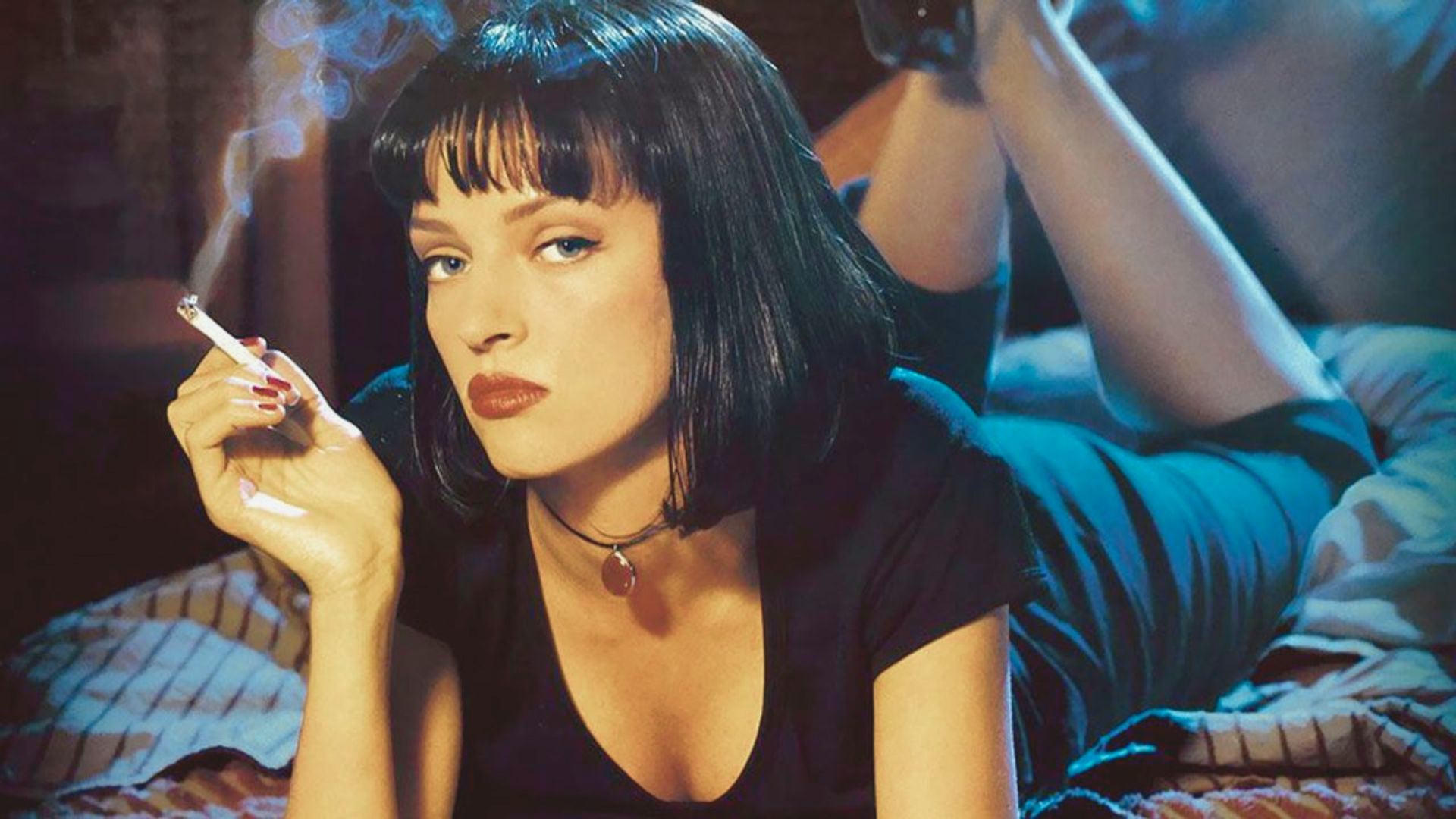
Several websites host the Pulp Fiction script for free. Sites like Simply Scripts, Script Slug, and The Daily Script are popular options.
Always look for the final draft version since early drafts may have scenes that were cut or changed.
If you prefer reading offline, a quick search for “Pulp Fiction script PDF” will give you several options. Avoid sites that ask you to sign up or pay.
One thing worth knowing before you download: the script is still under copyright. Miramax holds the rights.
Downloading it for personal study is generally low risk, but sharing it commercially is a different matter. Read it to learn. Don’t publish it or sell it.
Full Pulp Fiction Script Breakdown

The script tells multiple stories that connect in ways you don’t expect. It’s bold, sharp, and structured in a way most films avoid.
Opening Scene (Diner Conversation)
The film opens with two people, Pumpkin and Honey Bunny, having a casual conversation in a diner that quickly shifts into a robbery plan. It ends on that tension.
This opening pulls you in without explaining anything, and you’re already invested before the title appears on screen.
Vincent and Jules Storyline
Vincent Vega and Jules Winnfield are hitmen heading to collect something for their boss, Marsellus Wallace.
Their conversation along the way tells you everything about who they are before anything happens. When they arrive, Jules delivers a speech that becomes one of the most quoted scenes in film history.
Something later shakes Jules deeply and changes his life. Vincent doesn’t react the same way, and that difference drives the rest of their story.
Mia Wallace and Vincent Vega Arc
Vincent is asked to take his boss’s wife, Mia Wallace, out for the evening. They go to a 1950s styled diner, dance, and talk.
The chemistry is clear and so is the danger. The night takes a serious turn when Mia overdoses, and the scene that follows is intense and urgent.
Butch Coolidge Storyline
Butch is a boxer paid to lose a fight. He doesn’t. He collects his money and tries to leave the city with his girlfriend Fabienne, but goes back for something important.
That decision puts him in serious danger and leads to an unexpected crossing of paths with Marsellus Wallace that ends in a strange but earned resolution.
Final Scene and Circular Ending
The film ends where it began, in the diner, now seen from Jules and Vincent’s point of view. Jules talks Pumpkin and Honey Bunny down without violence.
The same scene hits differently the second time because now you know Jules and understand why he makes the choice he does.
Iconic Dialogue from the Script
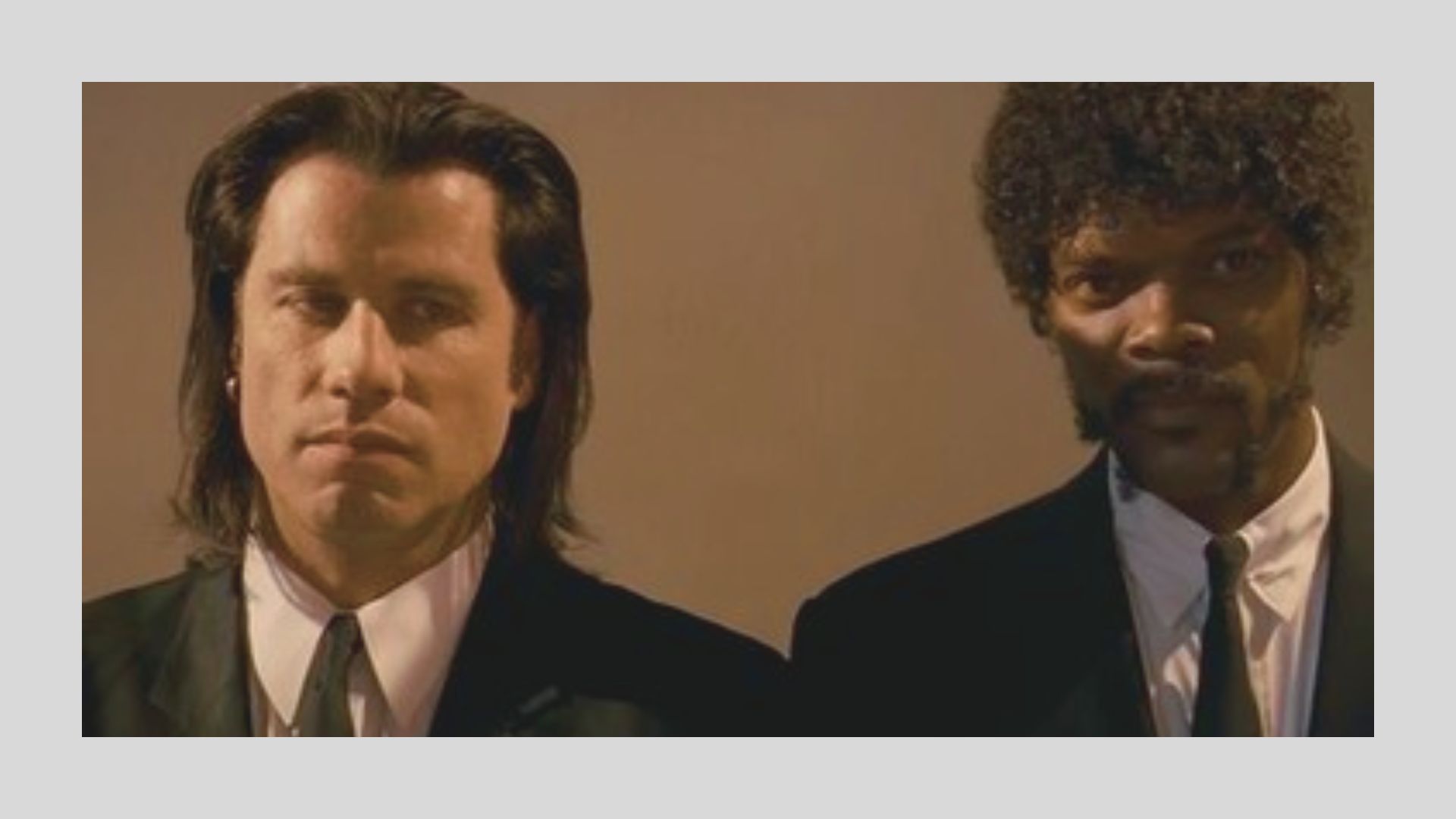
The dialogue in Pulp Fiction is what people remember most. It sounds real because it is written the way people actually talk.
Most Famous Quotes
Several lines from this script have become part of popular culture. Jules reciting a passage before confronting people is dramatic and theatrical, and it works because he makes it his own.
Vincent and Jules debating the ethics of a foot massage is funny, absurd, and completely in character. Mia’s comment about uncomfortable silences is simple and sharp, the kind of line that sounds easy to write but isn’t.
What these lines share is that they reveal character, move the scene forward, and feel spontaneous rather than scripted.
Why the Dialogue Feels Real
Tarantino writes the way people actually talk, not the way people are supposed to talk in movies. His characters go off on tangents, argue about small things, and sometimes talk too much.
That messiness is what makes them feel human. Most screenplays keep dialogue tight and on-topic, but Tarantino lets it breathe.
The side conversations build character before the action even starts, and his lines carry a natural rhythm that you can hear when you read them out loud.
Writing Style of Quentin Tarantino
Tarantino’s style is direct and visual. He writes what the camera sees, keeps stage directions short and clear, and uses present tense throughout.
There’s no flowery language and no long descriptions. He also uses capitalization for emphasis, which creates urgency on the page.
His voice is present throughout the script. Reading it feels like someone is telling you a story, not just describing a film.
What Writers Can Learn from the Script
The biggest lesson from the Pulp Fiction script is that dialogue is character. Every time someone speaks, you learn who they are without needing a character description.
The second lesson is subtext. Characters often say one thing and mean another, and the tension lives in what’s not said.
In Pulp Fiction, character is shown through what people say, not what they do. Jules evolves entirely through conversation, shifting from a killer who quotes scripture as a ritual to someone who truly believes it.
The script is also told out of order, and it works because each section is emotionally complete. Know your full chronological story first, then arrange each section so it lands with the most impact.
Behind the Scenes of the Script
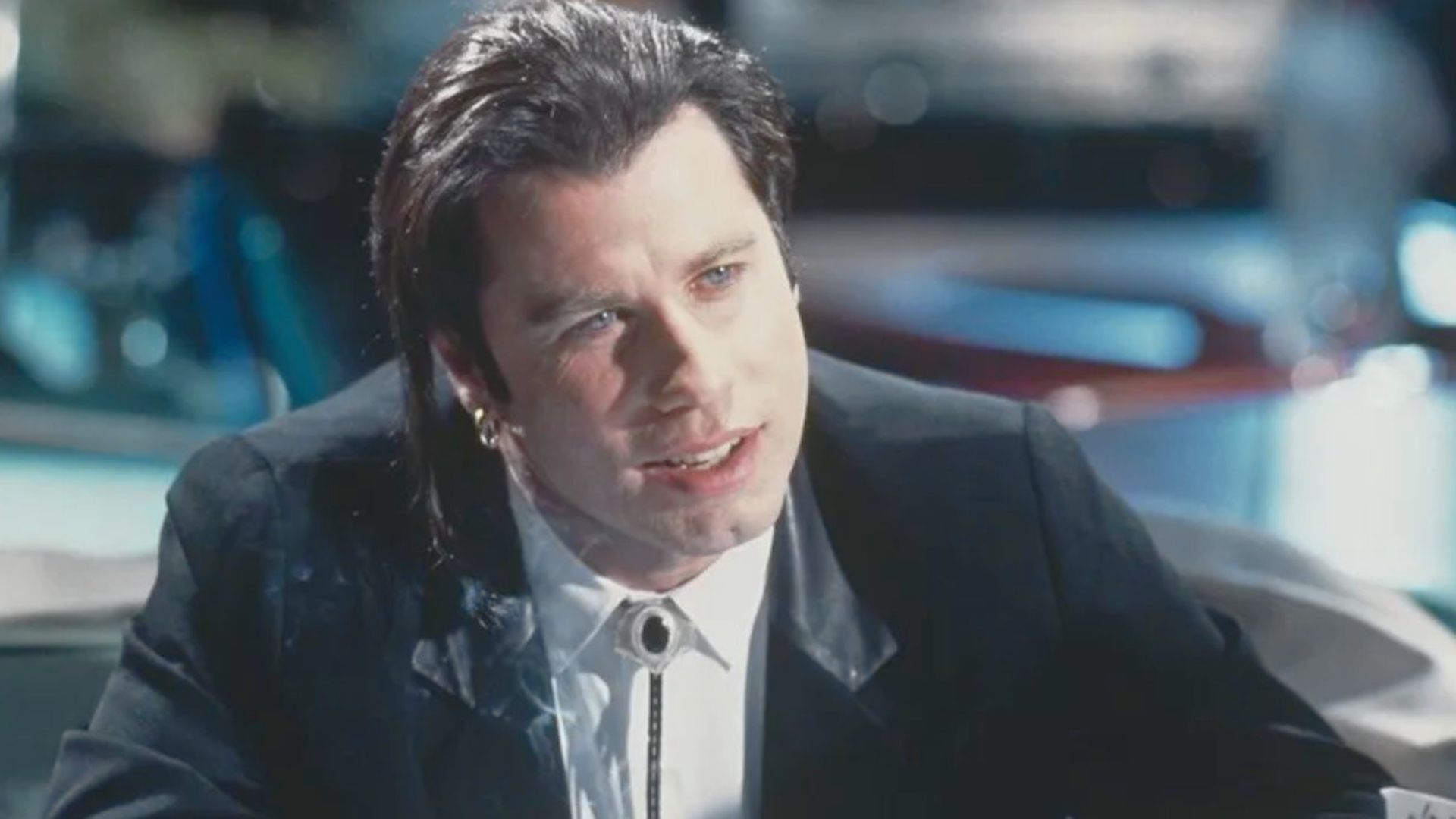
The script had an interesting path before it became the film people know today.
How Quentin Tarantino Wrote It
Tarantino wrote the script with Roger Avary, who contributed a significant portion including parts of the Butch storyline.
Tarantino let the characters drive the story first and worked on structure later during revision.
The script was rejected before finding independent financing, which gave Tarantino more control over the final product.
Idea Behind the Story
Tarantino drew from pulp fiction novels of the 1950s and 60s, cheap paperback crime stories full of violence and dark humor.
He was also influenced by Hong Kong action cinema, French New Wave films, and crime writers like Jim Thompson and Elmore Leonard.
Much of his idea came from years of working in a video rental store.
Script vs Final Film Differences
The script and the final film are very close, but some scenes were shortened during editing and a few lines changed during production.
The Butch storyline has extended scenes that didn’t make the final cut, giving more context to Fabienne’s character.
Even a great script gets adjusted. What ends up on screen is never exactly what was written.
Is the Pulp Fiction Script Worth Reading?
The Pulp Fiction script is worth reading, especially for screenwriters, fiction writers, film students, and fans who want a deeper look at the film. It’s readable even if you’ve never picked up a script before.
Reading a screenplay lets you see the choices made on the page. With Pulp Fiction, you get a strong sense of character voice, dialogue-driven storytelling, and how non-linear structure works.
Every scene earns its place, and every character has a clear voice. If you want to write better or just love the film, this script is a great place to start.
Conclusion
Reading the Pulp Fiction script changed how I look at dialogue. I used to think action was everything. This script proved me wrong. Great conversation can carry a story just as far.
If you’ve made it here, you care about good writing. That matters.
Read the script slowly. Pay attention to how characters talk, not just what they say. You’ll start seeing your own writing differently.
Drop a comment below with your thoughts. Share this post if it helped. And check out our other breakdowns of classic screenplays.
Frequently Asked Questions
Where can I find the full Pulp Fiction script for free?
Websites like Simply Scripts and The Daily Script host the screenplay. These platforms have shared it publicly for years and are easy to access without signing up.
Did Quentin Tarantino write the Pulp Fiction script alone?
No, Roger Avary co-wrote the script. Avary contributed significantly to the story, especially parts of the Butch Coolidge storyline.
Is reading the Pulp Fiction script useful for writers?
Yes. The script is one of the best examples of dialogue-driven storytelling. Writers at any level can take practical lessons from how the characters speak and interact.
How is the Pulp Fiction script structured?
The script is told out of order. It follows several separate storylines that connect at key points. The film begins and ends at the same scene, giving it a circular feel.
Are there differences between the script and the final film?
Yes, some scenes were shortened or trimmed in editing. A few lines changed during production. The core story is the same, but the script includes some extended scenes not in the final cut.