

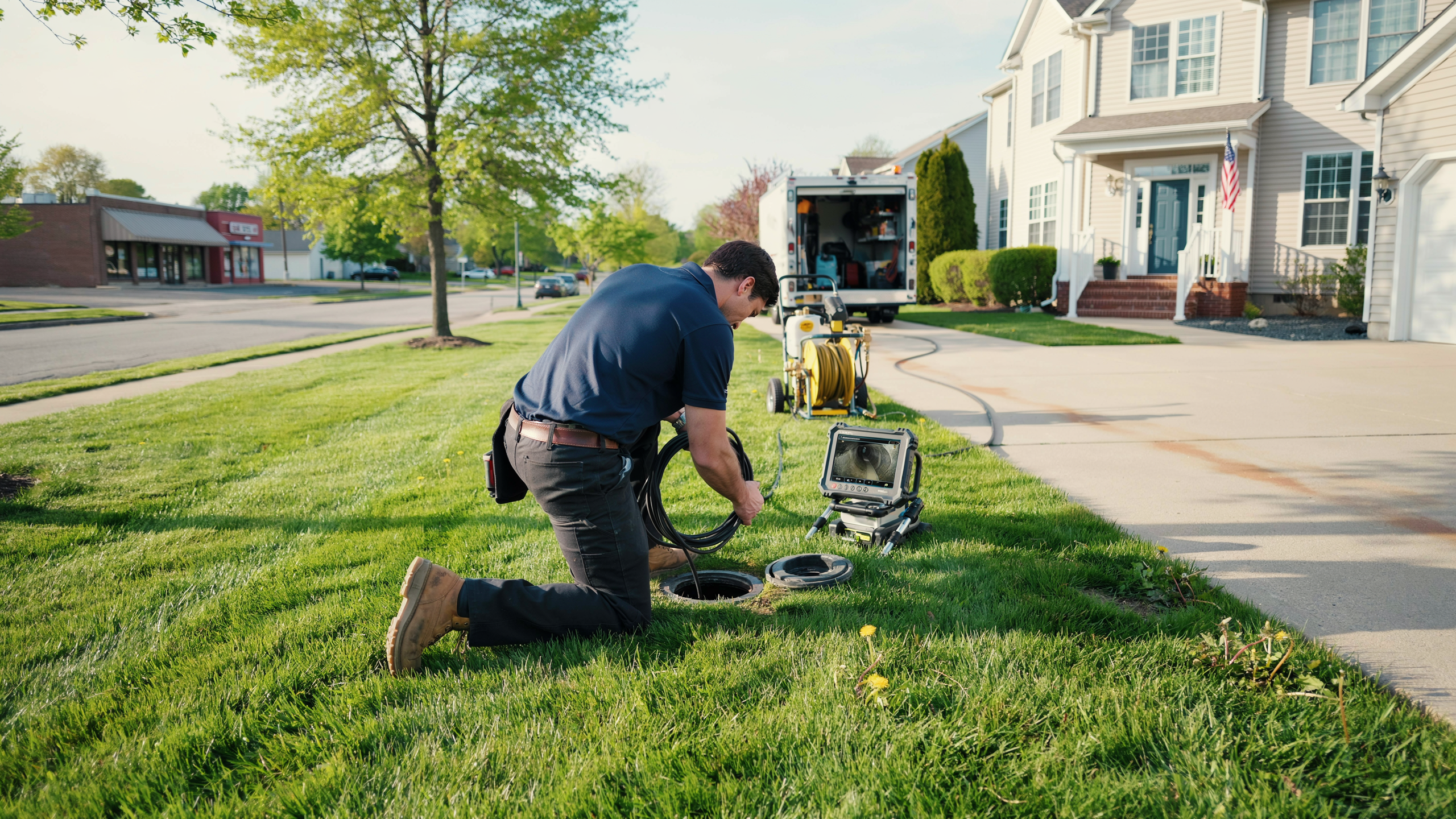
Your property’s plumbing system works quietly behind the scenes every day, carrying wastewater safely away from sinks, showers, toilets, and appliances. Because it’s mostly out of sight, many homeowners and business owners don’t think about their drain lines until a problem appears. Unfortunately, waiting until drains clog or back up often leads to expensive repairs and unexpected disruptions.
For properties in Dayton, preventive drain maintenance is especially important. Older neighborhoods, seasonal weather changes, tree root intrusion, grease buildup, and daily wear can all contribute to drain line issues over time. Fortunately, a few simple maintenance habits can keep your plumbing system flowing efficiently while reducing the likelihood of emergency repairs.
Why Drain Line Maintenance Matters
Drain lines gradually collect soap residue, grease, food particles, hair, mineral deposits, and other debris. Even if water still drains, buildup slowly reduces the pipe’s diameter, making clogs more likely.
Ignoring early warning signs can eventually result in:
- Slow-draining sinks and tubs
- Frequent toilet backups
- Foul odors coming from drains
- Water damage from overflowing fixtures
- Expensive sewer line repairs
Professional plumbers note that routine maintenance is one of the most effective ways to prevent these problems before they become major plumbing emergencies.
1. Be Careful What Goes Down Your Drains
Many drain problems start with everyday habits.
Kitchen drains are particularly vulnerable to grease, cooking oils, coffee grounds, pasta, rice, and food scraps. Even garbage disposals aren’t designed to handle every type of waste.
Bathroom drains commonly clog because of:
- Hair
- Soap scum
- Toothpaste residue
- Cotton products
- Hygiene items
Commercial properties, restaurants, and office buildings should also educate employees on proper waste disposal practices. Preventing debris from entering the plumbing system is far easier than removing stubborn blockages later.
2. Install Drain Strainers
One of the simplest and most affordable maintenance upgrades is installing drain strainers.
These inexpensive devices capture:
- Hair
- Food particles
- Soap residue
- Small objects
Cleaning a strainer every few days takes only minutes but can significantly reduce buildup inside your plumbing system.
3. Avoid Chemical Drain Cleaners
Many people reach for chemical drain cleaners at the first sign of a slow drain. While these products may provide temporary relief, repeated use can damage certain plumbing materials and may not completely remove the underlying blockage.
Instead, try:
- A plunger
- A drain snake
- Hot water for minor grease buildup
- Professional drain cleaning when necessary
Mechanical cleaning methods remove clogs without exposing pipes to harsh chemicals.
4. Schedule Preventive Professional Cleaning
Even with excellent daily habits, residue naturally accumulates inside drain lines over time.
Professional plumbers use specialized equipment such as drain snakes, video inspections, and hydro jetting to remove buildup before it causes major blockages. Hydro jetting, in particular, uses high-pressure water to clear grease, sludge, mineral deposits, and even tree roots while restoring the pipe’s interior.
Homeowners with older plumbing systems or businesses with heavy daily usage benefit from scheduling preventive cleanings every year or two.
If you’re looking for reliable Drain Line Cleaning Services Dayton OH, working with experienced professionals can help identify developing issues early and keep your plumbing system operating efficiently.
5. Watch for Early Warning Signs
Drain problems rarely appear overnight.
Common warning signs include:
- Multiple slow drains
- Gurgling sounds
- Water backing up into sinks or tubs
- Bad odors
- Frequent clogs
- Standing water around floor drains
Addressing these symptoms early often prevents more extensive repairs later.
6. Protect Outdoor Drain Lines
Many Dayton properties feature mature trees that enhance curb appeal but can create hidden plumbing challenges.
Tree roots naturally seek moisture and may enter tiny cracks in underground sewer lines. Once inside, they continue growing and eventually restrict water flow or damage the pipe.
To reduce the risk:
- Avoid planting large trees near sewer lines.
- Schedule periodic sewer inspections.
- Repair damaged pipes before roots spread.
Video camera inspections can identify root intrusion long before a complete blockage occurs.
7. Prepare for Seasonal Weather
Ohio’s changing seasons place additional stress on plumbing systems.
Heavy spring rains can overwhelm drainage systems, while freezing winter temperatures may contribute to pipe movement or cracks. Autumn leaves can also block outdoor drains and stormwater systems.
Seasonal maintenance should include:
- Cleaning outdoor drains
- Removing leaves and debris
- Inspecting sump pumps
- Checking for standing water
- Ensuring proper yard drainage
These simple tasks help prevent water damage during severe weather.
8. Don’t Ignore Slow Drains
Many people continue using slow drains for months before seeking help.
Unfortunately, a slow drain usually indicates a developing blockage rather than a temporary inconvenience.
Prompt action often allows plumbers to remove buildup before it hardens or creates a complete obstruction.
Ignoring slow drainage increases the likelihood of backups affecting multiple fixtures throughout the property.
9. Businesses Should Create Maintenance Schedules
Commercial buildings place much heavier demands on plumbing systems than most homes.
Restaurants, offices, retail stores, apartment complexes, and healthcare facilities all benefit from scheduled drain maintenance.
A preventive maintenance program may include:
- Routine drain cleaning
- Grease trap servicing
- Video inspections
- Main line inspections
- Hydro jetting when needed
Regular maintenance minimizes downtime while reducing the risk of costly emergency plumbing repairs.
10. Know When to Call a Professional
Some plumbing problems require more than DIY solutions.
Contact a licensed plumber if you experience:
- Repeated drain clogs
- Multiple blocked fixtures
- Sewage odors
- Water backing up into floor drains
- Overflowing toilets
- Suspected tree root intrusion
Professional equipment can accurately diagnose the problem and recommend the most effective repair without unnecessary guesswork.
Final Thoughts
Drain line maintenance doesn’t have to be complicated. Consistent preventive care, good disposal habits, and periodic professional inspections can extend the life of your plumbing system while helping you avoid costly emergencies.
Whether you own a family home or manage a commercial property in Dayton, keeping your drain lines clean is an investment that pays off through fewer repairs, better plumbing performance, and greater peace of mind. By taking proactive steps today, you’ll help ensure your drains continue operating efficiently for years to come.
