


I watched Black Bear on a quiet night and had no idea what I was in for. By the end, I had more questions than answers, and honestly, that’s what made it so good.
In this Black Bear movie review, I’ll cover the plot, performances, themes, and that confusing ending, so you walk away with real clarity.
I’ve reviewed dozens of indie films, so you’re in good hands. From direction and writing to who should actually watch this film, I’ve got it all here.
Black Bear Movie Review: Quick Overview

Black Bear follows three people stuck at a remote cabin. Allison, a filmmaker, arrives at a lakeside retreat run by Gabe and Blair, a couple with their own problems. What follows is a tense web of jealousy, manipulation, and creative ambition that never lets up.
The film is split into two acts, and each one shifts your sense of what’s real. It won’t spell things out for you, and that’s exactly the point.
It’s a psychological drama with meta-thriller elements, running about 1 hour and 44 minutes. It debuted at Sundance in 2020, earned strong critical praise for its bold structure, and left audiences fairly divided for the same reason.
Direction and Screenwriting: A Meta-Narrative Puzzle

How Lawrence Michael Levine crafted a film that plays with truth, control, and creative obsession.
Lawrence Michael Levine’s Vision
Lawrence Michael Levine wrote and directed Black Bear. That double role matters here because the film is deeply personal in its themes. He pulls apart ideas around who controls a story and what artists are willing to do for their work.
Levine uses a two-act structure where the second half feels like a mirror image of the first. Characters shift positions. Power changes hands. The emotional tone flips almost completely.
He’s interested in control, not just between people, but between a filmmaker and their subject. That theme runs through every scene.
Storytelling Structure Explained
The film uses a film-within-a-film concept in a subtle but effective way. The first act feels like a tense drama unfolding in real time. The second act suggests the first might have been a constructed scenario for artistic purposes.
This blurring of reality and performance is what makes Black Bear so mentally engaging.
You’re constantly asking yourself: Is this real? Is someone performing? Who is watching whom?
The structure isn’t confusing for the sake of it. It’s there to make you feel the same discomfort the characters feel.
Performances That Lift the Film
Three actors do extraordinary work in a film that demands everything from them.
Aubrey Plaza’s Career-Defining Role

Aubrey Plaza plays Allison, and this is without question one of the best performances of her career.
She moves between vulnerability and calculation with ease. In one moment, she seems lost and emotionally open. In the next, she’s pulling strings and watching to see what breaks.
Plaza handles both acts of the film with completely different energy, and she’s convincing in both. Her ability to switch registers without it feeling forced is what makes this role so impressive.
She received strong awards buzz following the film’s festival run, and rightfully so.
Christopher Abbott’s Intense Character Study
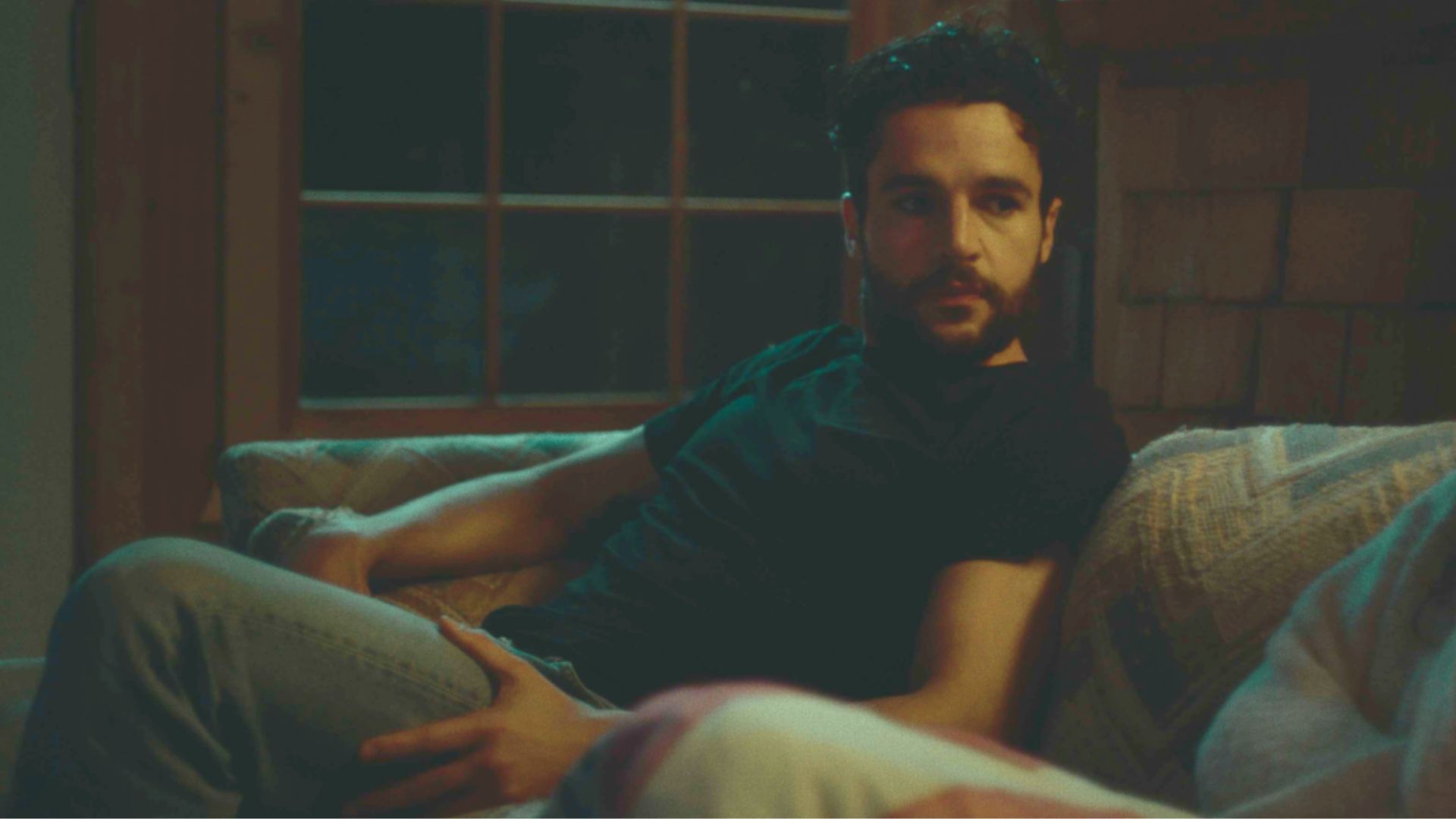
Christopher Abbott plays Gabe, a man riddled with insecurity and ego. He’s the kind of character who needs to feel in control and falls apart when he doesn’t.
Abbott plays him without any softening. Gabe is not someone you’re meant to root for, but Abbott makes him fully human. You understand why he behaves the way he does, even when you dislike him.
His performance is about what happens when a man’s sense of self is tied to being seen as creative, intelligent, and dominant. Abbott never overplays it. The restraint is what makes it land.
Sarah Gadon’s Subtle Yet Powerful Presence
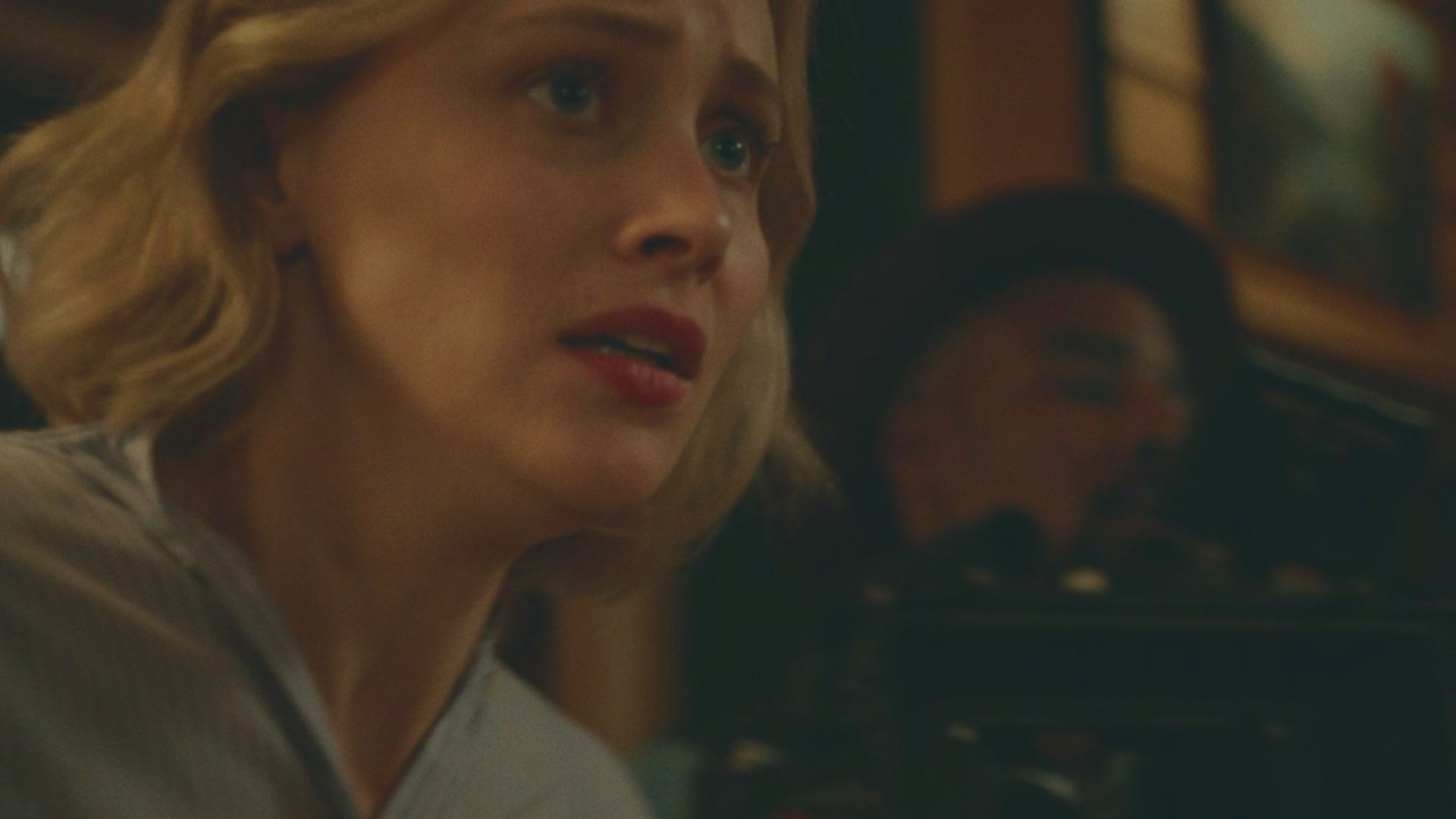
Sarah Gadon plays Blair, and her role requires a different kind of strength.
In the first act, Blair is sharp, suspicious, and emotionally reactive. In the second act, her character shifts significantly, and Gadon handles that shift with real skill.
She brings a quiet emotional depth to Blair that keeps the character grounded even when the plot gets more abstract. Her work is easy to overlook at first, but on reflection, she’s holding a lot of the film together.
Themes and Symbolism in Black Bear

The film is layered with ideas about art, power, and the cost of making something real.
Toxic Relationships and Power Dynamics
Black Bear is fundamentally about manipulation. Every relationship in the film involves someone trying to control someone else, emotionally, creatively, or psychologically.
Gabe and Blair use each other as weapons. Allison watches and absorbs. The power shifts constantly, and no one in the film is entirely innocent.
The film also looks at how gender shapes these dynamics. Gabe’s jealousy is tied to his ego. Blair’s anger is tied to feeling dismissed. Allison exists in a space that both men and women project onto.
The Nature of Art and Exploitation
One of the film’s central questions is this: Does great art require real suffering?
The second act suggests that a director might deliberately engineer emotional pain in others to capture something true on screen. It’s an uncomfortable idea, but the film doesn’t give you an easy answer.
The line between creating art and exploiting people gets very thin in Black Bear. That tension is the heart of the film.
Identity and Self-Reflection
The film uses character doubling in a meaningful way. Allison appears in both acts, but in very different positions. The same can be said for the other characters.
This repetition is about self-reflection. Who are you when the roles change? What do you become when the story shifts?
The title itself, Black Bear, is worth thinking about. A black bear appears briefly in the film, watching silently from the edge of the water. It could represent the unconscious, the observing self, or art itself watching from a distance.
Cinematography and Atmosphere
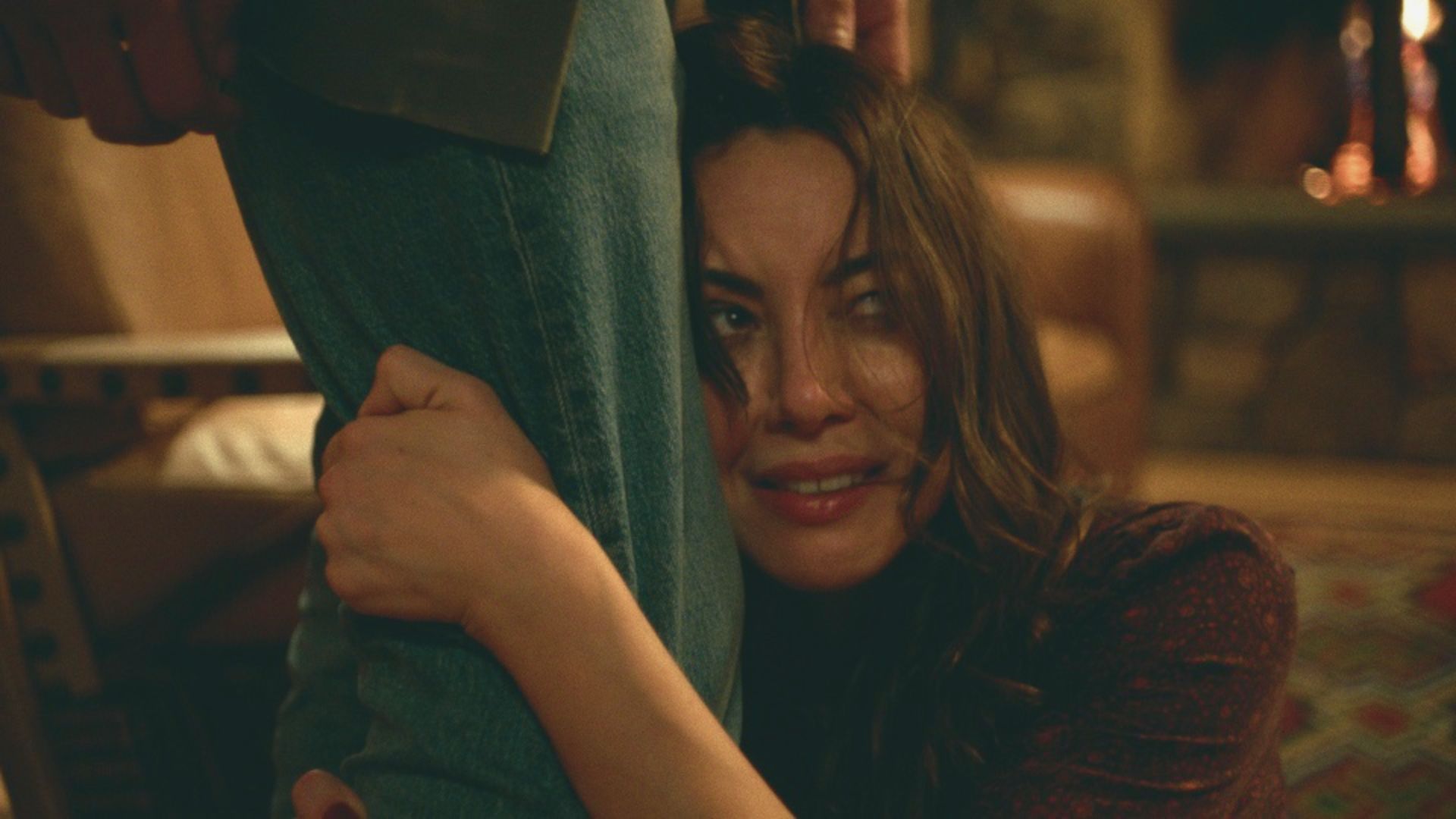
The film’s visual language does as much work as the dialogue.
Isolated Setting as a Psychological Device
The cabin and lake setting do a lot of heavy lifting in Black Bear. The location is remote, quiet, and beautiful in a way that feels suffocating rather than freeing.
There’s nowhere to go. The characters are stuck with each other and with themselves. The setting functions like a pressure cooker. The longer they’re there, the more volatile things become.
Minimalism in the environment forces you to focus entirely on the people and what they’re doing to each other.
Sound Design and Visual Tone
The film uses naturalistic lighting throughout. Scenes feel lit by available sources, which keeps things grounded and intimate.
Sound is used with real intention. Silence appears often, and it’s never comfortable. The absence of music in key moments makes you lean in and pay close attention.
When things get loud or chaotic in the second act, the contrast hits harder because of how quiet the film has been.
Critical Reception and Audience Response
The film was praised widely by critics but divided audiences right down the middle.
What Professional Reviewers Said
Black Bear earned strong reviews from critics following its Sundance premiere. Most focused on Aubrey Plaza’s performance and Levine’s bold structural choices.
Publications like The Hollywood Reporter and Variety highlighted the film’s intelligence and emotional risk. Many called it one of the more daring indie films of 2020.
Why the Film Polarizes Viewers
Audience reactions were far more divided.
Some viewers loved the ambiguity and found the non-linear structure rewarding. Others found it frustrating and felt the film was being deliberately withholding.
The emotional discomfort in the film is real and sometimes hard to sit with. Viewers who prefer films with clear emotional resolution often struggle with Black Bear.
Who Should Watch Black Bear?
This film is not for everyone, and that’s okay.
If you enjoy psychological dramas, love picking apart layered storytelling, or have a soft spot for indie cinema, you’ll likely find a lot to appreciate here. It rewards viewers who like thinking about a film long after the credits roll.
That said, if you prefer clear and linear narratives, find intense relationship drama hard to sit with, or want a tidy resolution at the end, this one might not be the right fit for you.
Conclusion
I genuinely enjoyed Black Bear, though “enjoy” isn’t quite the right word. It unsettled me, and then I kept thinking about it for days. That’s the sign of a film doing something right.
If you like films that trust you to think for yourself, this one is worth your time. Watch it once, sit with it, then watch it again.
I’d love to hear what you thought of the ending. Drop your interpretation in the comments, and feel free to share this post with a fellow film lover who appreciates something a little different.
Frequently Asked Questions
Is Black Bear based on a true story?
No, Black Bear is an original story written by Lawrence Michael Levine. It draws on themes around filmmaking and relationships but is entirely fictional.
What is the film-within-a-film in Black Bear?
The second act of the film suggests that the events of the first act may have been staged as part of a film being directed by Allison. The lines between fiction and reality are left open for the viewer to interpret.
Why does the story split into two parts?
Levine uses the two-act structure to flip power dynamics and show how perspective changes everything. The same scenario looks completely different depending on who is in control.
Is Black Bear available on streaming platforms?
Yes, Black Bear has been available on platforms like Hulu and Apple TV+ in various regions. Check your local streaming options for current availability.
What does the black bear symbolize in the film?
The black bear appears briefly but carries weight as a symbol. It is most commonly interpreted as a silent observer, representing the watching self, the unconscious mind, or the nature of art itself observing human behavior from a distance.