

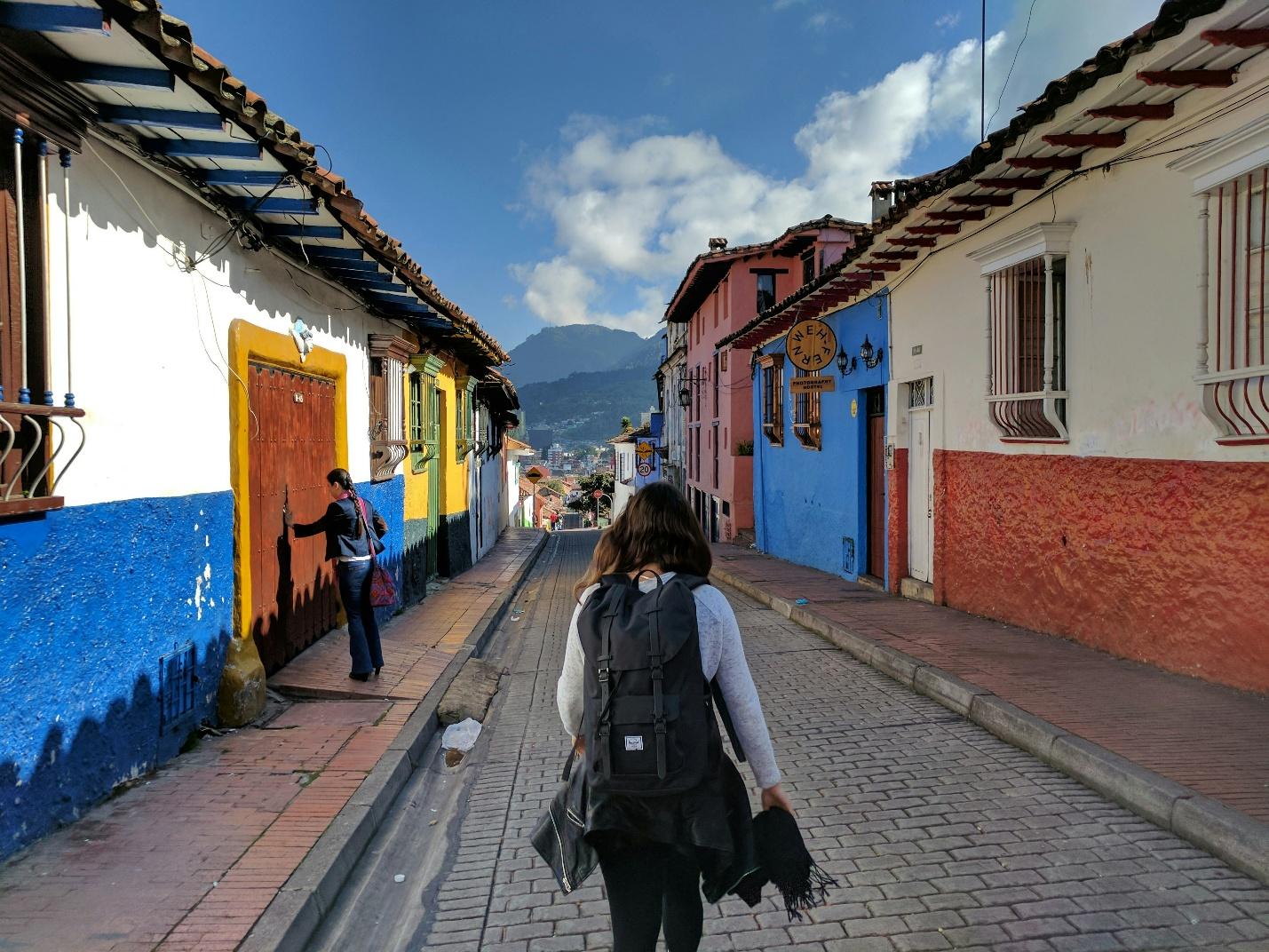
There used to be a script every European trip followed. Paris, Rome, Amsterdam, Prague — hit the landmarks, wait in line at the big museums, get the photo everyone gets, then move on.
Plenty of people still like that plan. But something’s changed. More travelers are now building whole trips around places that used to be day trips or quick stopovers. Four days in Valencia instead of Barcelona. Porto before anyone mentions Lisbon. Bologna, with no guilt about skipping Rome.
This isn’t about avoiding famous cities. It’s about noticing that some of the best travel moments happen a little past the obvious stop.
Looking Beyond the Headline Destinations
Before locking in a route, many travelers spend time comparing transport options, places to stay, and even how easy it’ll be to get online. Anyone planning a longer stay abroad, or working while traveling, might also see Private Internet Access’s US server options to get a sense of how they can keep secure access to the services they rely on back home.
Once that groundwork is out of the way, the real decision is the destination itself.
Second cities sit in an odd, appealing spot. Many carry centuries of history, food traditions people take seriously, solid museums, good-looking streets, and neighborhoods that actually function — yet they see only a sliver of the visitors their capital gets.
That gap changes how a place feels. Instead of walking through something built for tourists, you’re walking through somewhere people actually live. Markets still serve locals in the morning. Cafés fill with people going to work before anyone shows up with a camera. The main square still belongs to the city, not to its guests.
It’s a small thing. But it tends to stick with people long after the trip ends.
The Appeal of Slowing Down
Travel has been drifting away from country-counting and toward spending real time in fewer places.
Instead of cramming six capitals into two weeks, more travelers are picking one or two spots and settling in. Renting an apartment, buying bread from the same bakery a few times, walking instead of rushing, getting a little familiar with how a place actually runs day to day — that’s where the richer experience tends to come from.
Second cities make this pace easy because they don’t push you to “see everything.”
Bologna is a good example. Sure, people come for the medieval streets and the food, but the city rewards wandering with no plan at all just as much. Hours vanish under its endless porticoes, inside small wine bars on side streets, or just watching student life spill across the piazzas.
That kind of trip doesn’t usually give you the classic postcard shot. It tends to give you the better memory instead.
Similar Character, Fewer Compromises
The idea that smaller cities offer less doesn’t really hold up once you look closely.
Porto has serious architecture, a river that does a lot of the scenic work for you, and one of Europe’s most recognized food traditions. Valencia mixes beaches, old neighborhoods, and modern design. Graz has the café culture and elegant streets without Vienna’s constant crowding. Antwerp has museums, fashion, and Renaissance architecture on par with plenty of bigger names, despite getting far less international attention than Brussels.
Most travelers aren’t giving up quality here. They’re trading famous landmarks for something that feels more like their own experience.
If squeezing more travel out of the same budget is part of the plan too, our piece “The Real Way to Travel More Without Spending More” goes into a few habits that tend to matter more than just hunting for the cheapest flight.
Price matters, sure, but it’s rarely the whole story. Plenty of people will spend close to the same amount if it means skipping a three-hour museum line or eating somewhere that isn’t built entirely around tourist turnover.
Convenience has quietly become its own kind of luxury.
Social Media Has Changed Expectations—and Reactions
Social media probably helped create this shift in the first place.
For years, the same landmarks showed up on every feed. Millions of nearly identical shots made certain places feel even more essential to visit — until they started feeling predictable instead.
Now travelers are often looking for places that haven’t already been photographed from every possible angle.
That doesn’t mean chasing hidden villages nobody’s heard of. It usually means picking cities familiar enough to feel manageable, but still open enough to surprise you.
Walk around Brno, Lille, or Zaragoza, and you’ll run into streets, cafés, bookshops, and squares that never turned into a backdrop for anyone’s feed. It feels less staged because it genuinely is.
There’s a real appetite now for places that surprise you rather than just confirm what you already expected.
Rail Travel Has Quietly Reshaped Itineraries
Better rail networks across Europe have made this whole shift a lot easier to pull off.
Instead of flying capital to capital, more travelers are building routes around regional train lines. Someone in northern Italy can easily split a trip between Milan, Bologna, Verona, and Parma. Spain’s high-speed rail makes pairing Madrid with Valencia or Zaragoza simple. Belgium’s compact network makes it easy to fold Antwerp or Ghent into a Brussels trip without much extra effort.
That flexibility pulls people past the country’s main gateway city.
Smaller cities are turning from side trips into the actual destination.
It also says something about what travelers want now — trips that feel joined up, not chopped into pieces by airport transfers and tight connections.
Local Identity Matters More Than Ever
Part of why second cities work so well is that they tend to hold onto a stronger sense of their own identity.
Food changes noticeably from one city to the next. Local festivals stay local instead of turning into international events. Independent shops still shape the main streets instead of getting replaced wholesale by the same global chains you’d find anywhere.
None of this is exclusive to second cities. It’s just easier to notice in places where tourism hasn’t taken over daily life.
Recent coverage of seven travel trends that will define 2026 points to travelers leaning harder into authenticity, slower travel, and experiences tied to actual local communities rather than a checklist of famous sights.
That lines up naturally with places that haven’t spent decades reshaping themselves around international tourists.
Choosing Curiosity Over Checklists
None of this makes the big capitals any less remarkable.
Paris is still Paris. Rome still has that history nothing else quite matches. Amsterdam still rewards anyone willing to get past its busiest canals.
What’s changed is how people approach the trip itself.
Fewer people are measuring a good trip by how many famous sights they hit. More are walking away with a conversation with a shopkeeper, a neighborhood café they found by accident, a quiet evening walk with no crowds, or a market where they were clearly one of the only outsiders around.
Second cities leave more room for exactly that kind of moment, simply because they leave room for spontaneity in the first place.
Maybe that’s the real reason they’re gaining ground in 2026. Not because nobody’s found them yet — plenty of people have — but because they invite you to actually experience a place instead of just checking it off.
Sometimes the place that stays with you isn’t the one everyone told you to see first. It’s the one that quietly showed itself once you went one stop further.
