

I’ve spent time researching where did they film The Hobbit, and I know how confusing it can get. So many locations, so little clear info.
This article covers every real filming spot across New Zealand, from the North Island to the South Island. I’ll tell you what’s open to visit, what requires a tour, and how to plan your trip.
With hands-on research and verified details, you can trust what’s here.
No fluff. Just the facts you need.
Was The Hobbit Film Trilogy Filmed in New Zealand?
Yes, all three Hobbit films were shot entirely in New Zealand. Director Peter Jackson chose the country for its wide range of natural landscapes, from green rolling hills to volcanic peaks and deep fiords.
Most of the filming took place on real outdoor land. The crew worked across both the North and South Islands, using forests, rivers, farmland, and mountains as natural sets.
One important thing to know: Most of these locations no longer have any movie sets left. Crews filmed on location and then packed up. Only one site still has permanent movie sets standing today, and that’s the Hobbiton Movie Set in Matamata.
North Island Filming Locations for The Hobbit
The North Island holds two key filming spots, one you can walk through and one you can hike.
Hobbiton Movie Set : Matamata
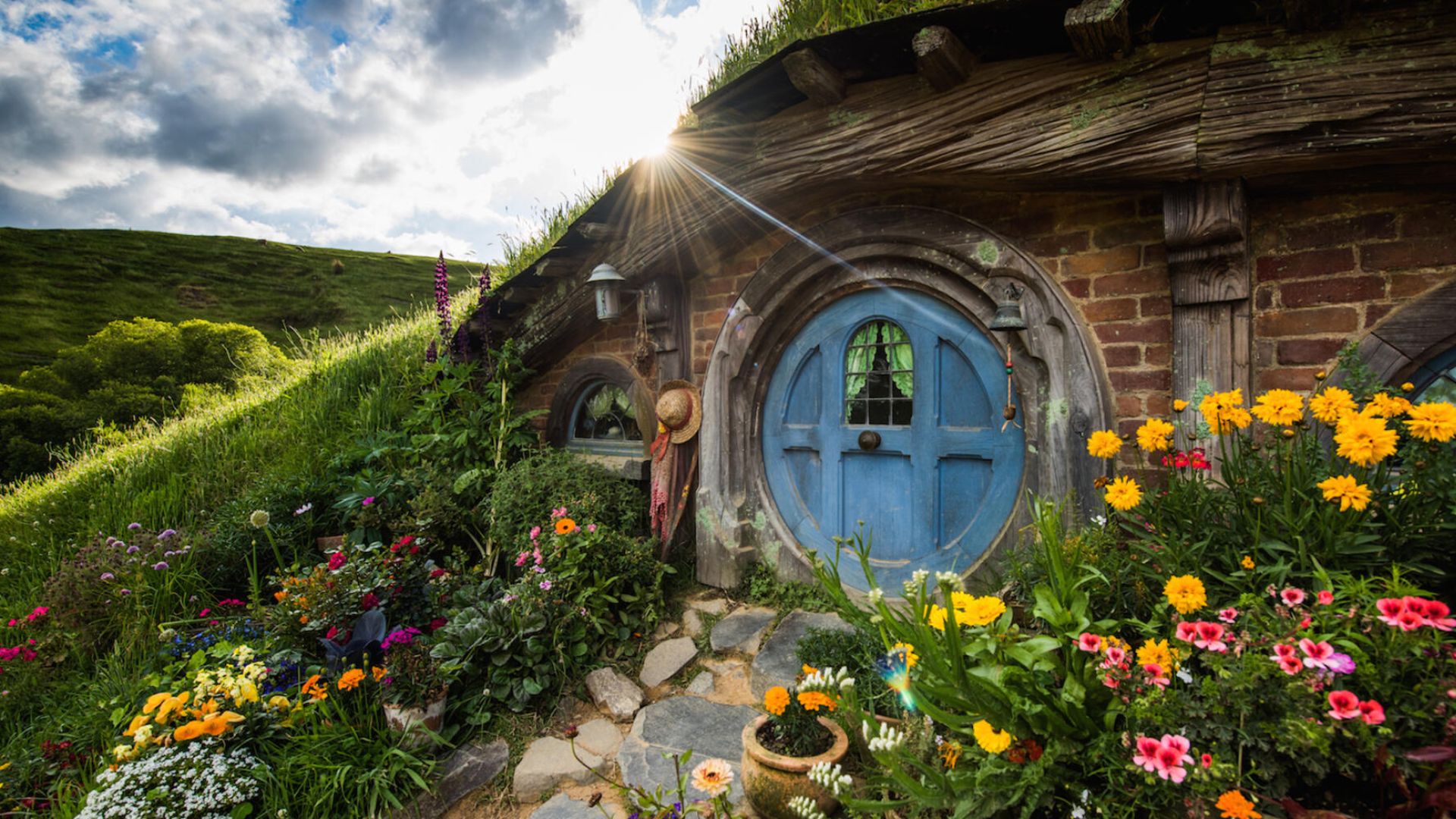
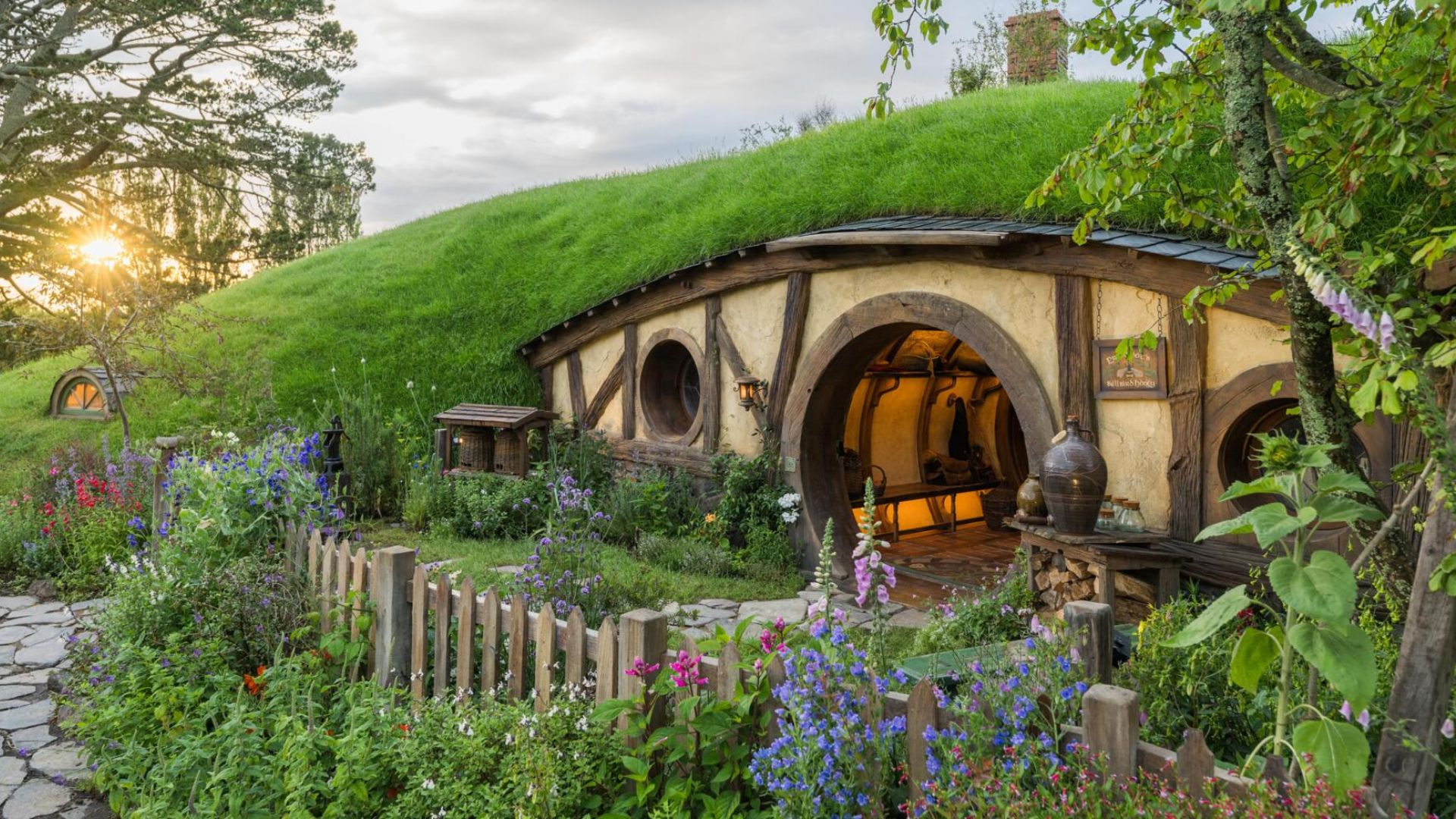
If you want to stand inside the actual Hobbit village, Hobbiton is the one place you need to visit. The set was built on a private farm near Matamata in the Waikato region. After filming wrapped, the owners made a deal to keep the sets standing, and today it runs as a full tourist attraction.
On site you’ll find the original hobbit holes built into the hillside, the famous Green Dragon Inn where you can sit and have a drink, and the Party Field with its surrounding gardens.
This is the only Hobbit filming location in New Zealand where the sets are still physically standing. Everything else is just natural land.
Tours run daily and last around two hours. Booking ahead is strongly recommended.
Tongariro Alpine Crossing : Mount Doom Area
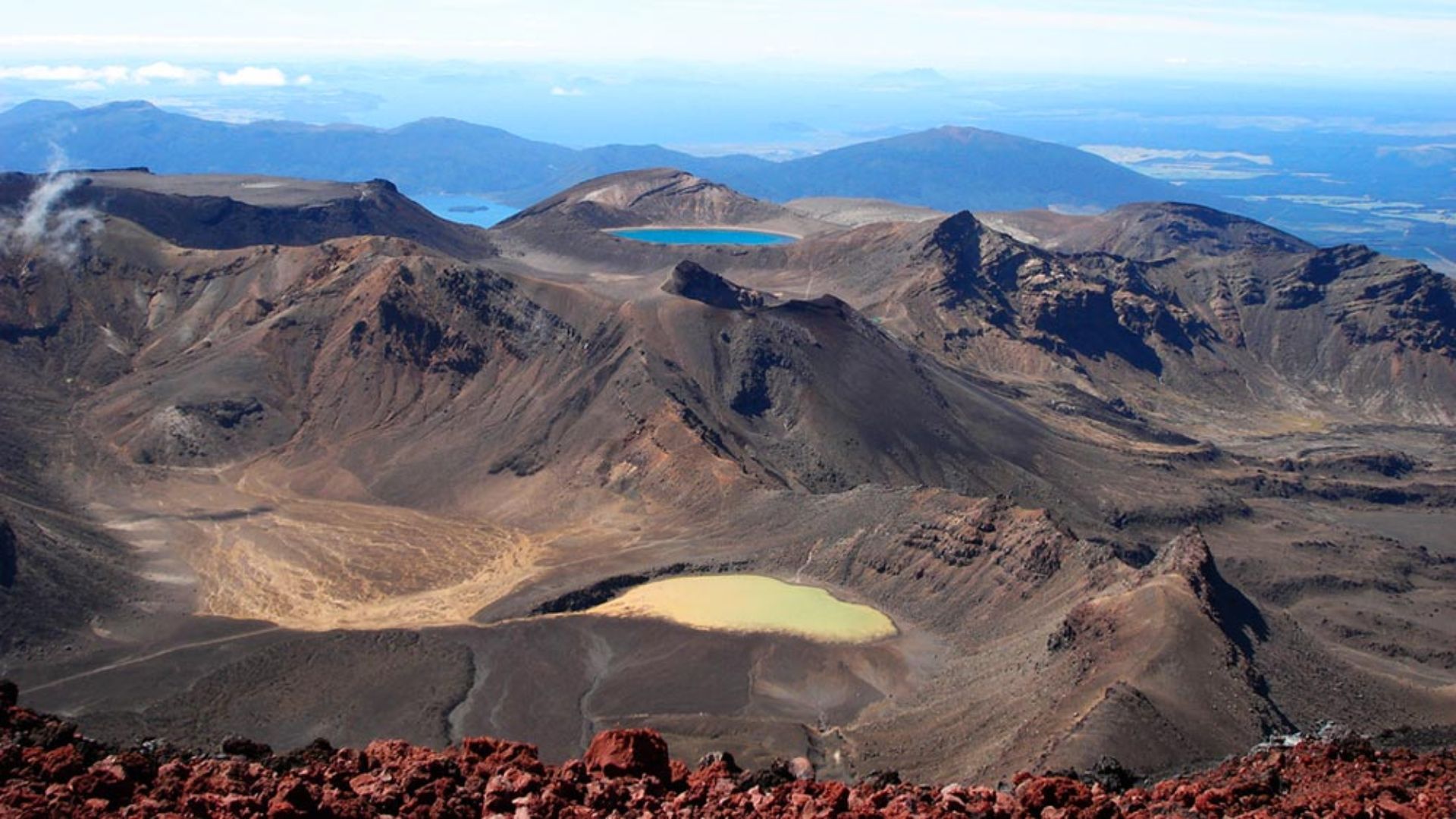
The volcanic landscape of Tongariro National Park was used for the large mountain scenes in Middle-earth. Mount Ngauruhoe, one of the active volcanoes in the park, stood in for Mount Doom.
The Tongariro Alpine Crossing is one of New Zealand’s most popular day hikes. It takes you through the same volcanic terrain seen in the films. The ground is red and black, the air smells of sulfur in places, and the views are wide and raw.
The crossing is around 19 kilometers and takes most people six to eight hours. You don’t need a guide, but you do need good gear and a weather check before you go.
Wellington Area Filming Sites Linked to The Hobbit
Wellington wasn’t a shooting location, but it was the creative heart of the entire production.
Wellington : Film Production Base
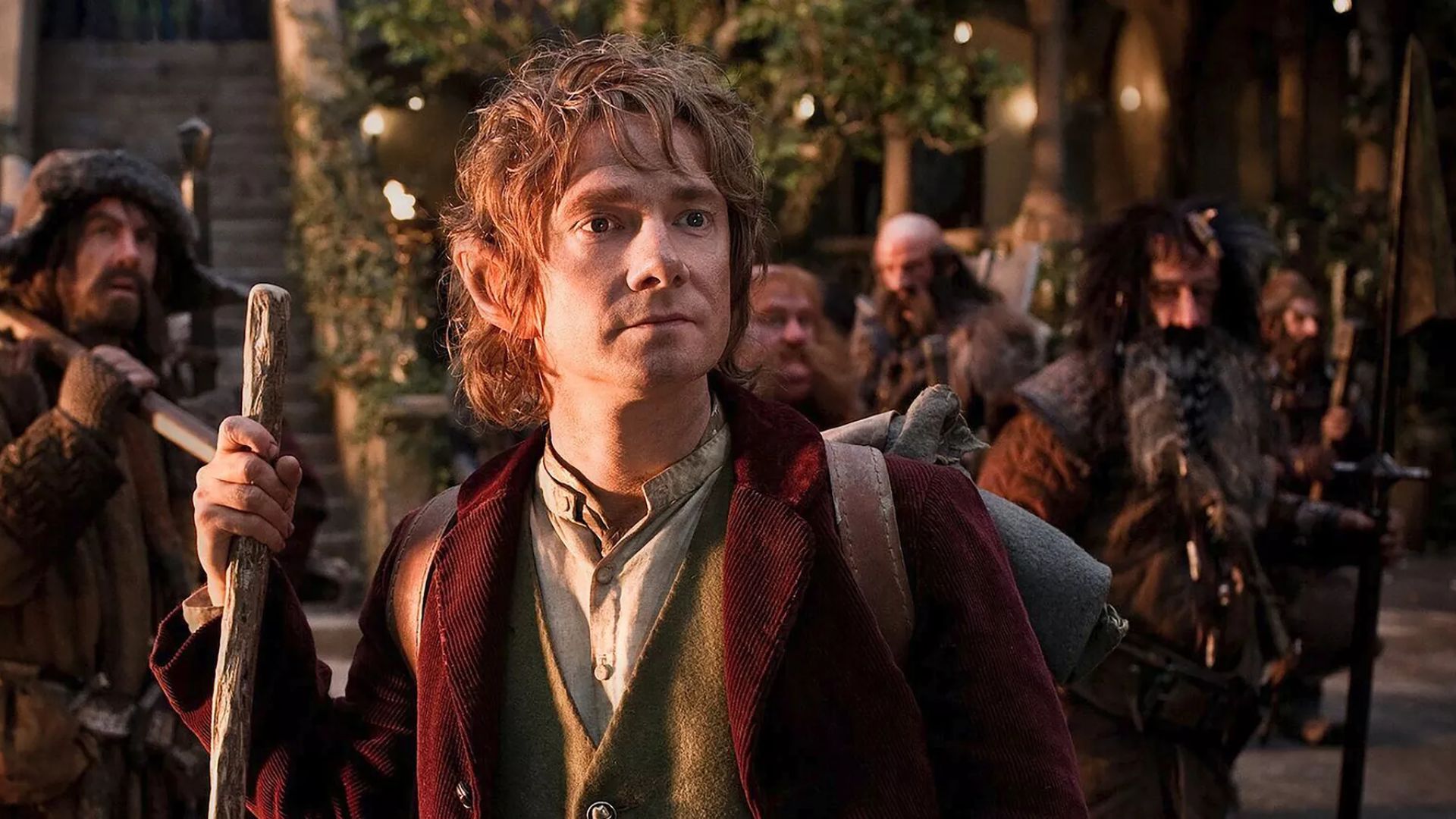
Wellington didn’t appear on screen, but it played a huge role in making The Hobbit happen.
Weta Workshop, based in the suburb of Miramar, handled nearly all the creature work, special effects, weapons, and armour for the films. The team built the goblins, Smaug’s physical details, and hundreds of props used throughout the trilogy.
Weta Workshop offers public tours. You’ll see concept art, creature models, and prop replicas up close. It’s a good stop if you’re flying in or out of Wellington.
South Island Filming Locations for The Hobbit
The South Island gave The Hobbit its most dramatic backdrops, from high valleys to wide-open grasslands.
Queenstown : Main Base for Hobbit Filming Tours
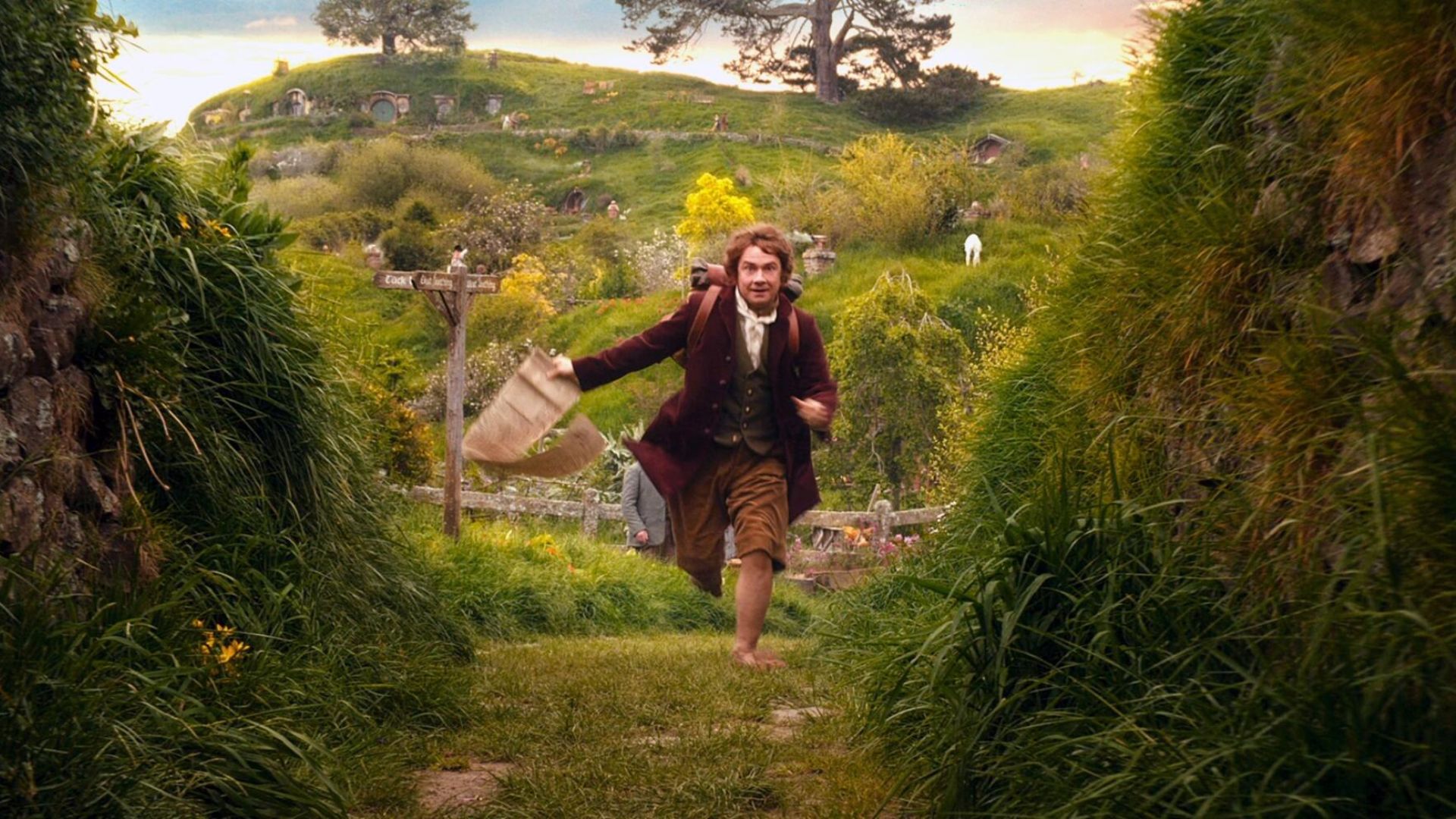
Queenstown sits in the middle of some of the most-used filming country in New Zealand. Several valleys, rivers, and alpine areas nearby were used in The Hobbit films.
The town itself is a practical base. Most guided filming-location tours start from here. If you want to visit multiple South Island locations without a lot of driving confusion, booking a guided day tour from Queenstown is the easiest option.
Dart River Valley : Queenstown Region
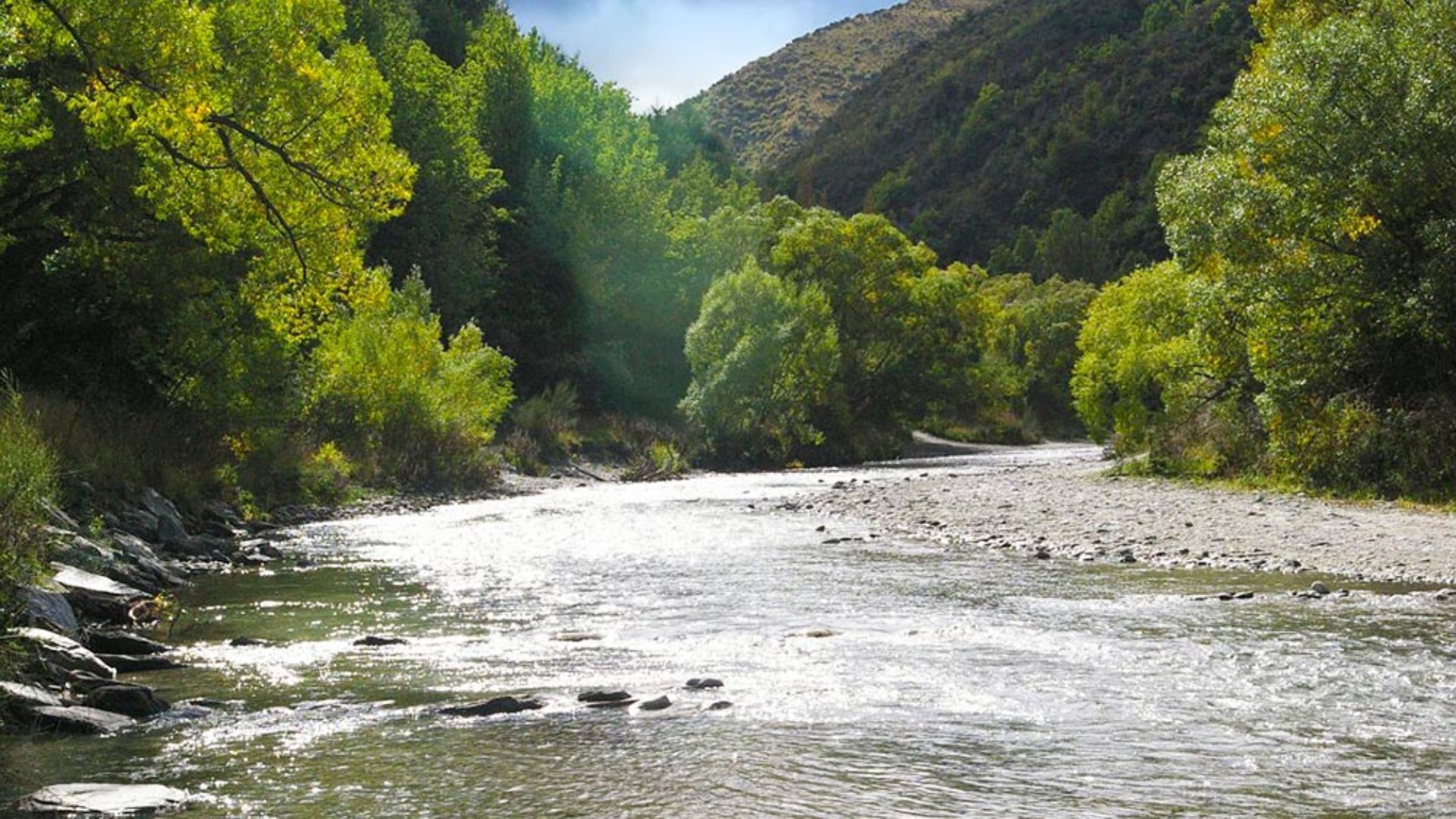
The Dart River Valley stretches north of Queenstown toward the mountains. Its wide river flats and dramatic mountain walls made it a natural fit for the travel scenes where the company moves through wild open country.
You can reach parts of the valley by road. Guided jet boat tours also run on the Dart River and pass through filmed areas.
Paradise : Glenorchy
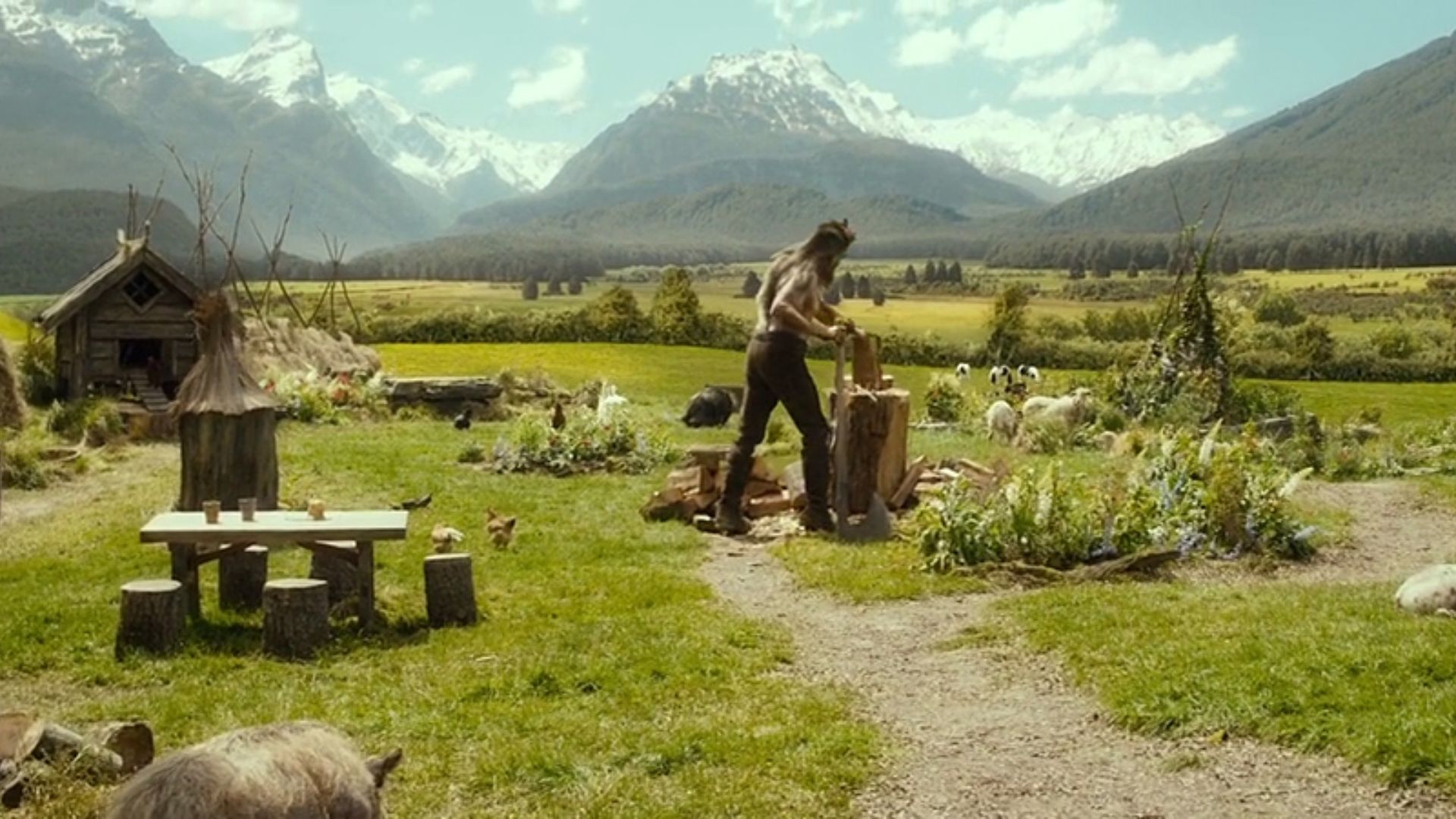
The small settlement of Paradise, near Glenorchy, was used as several different Middle-earth environments across different scenes. The high-country landscape there has large old trees, open flats, and mountain backdrops that read differently depending on the camera angle.
It’s about an hour’s drive from Queenstown along the edge of Lake Wakatipu. The road is unsealed near Paradise, so a higher-clearance vehicle helps.
Fiordland National Park : Large-Scale Scenic Backdrops
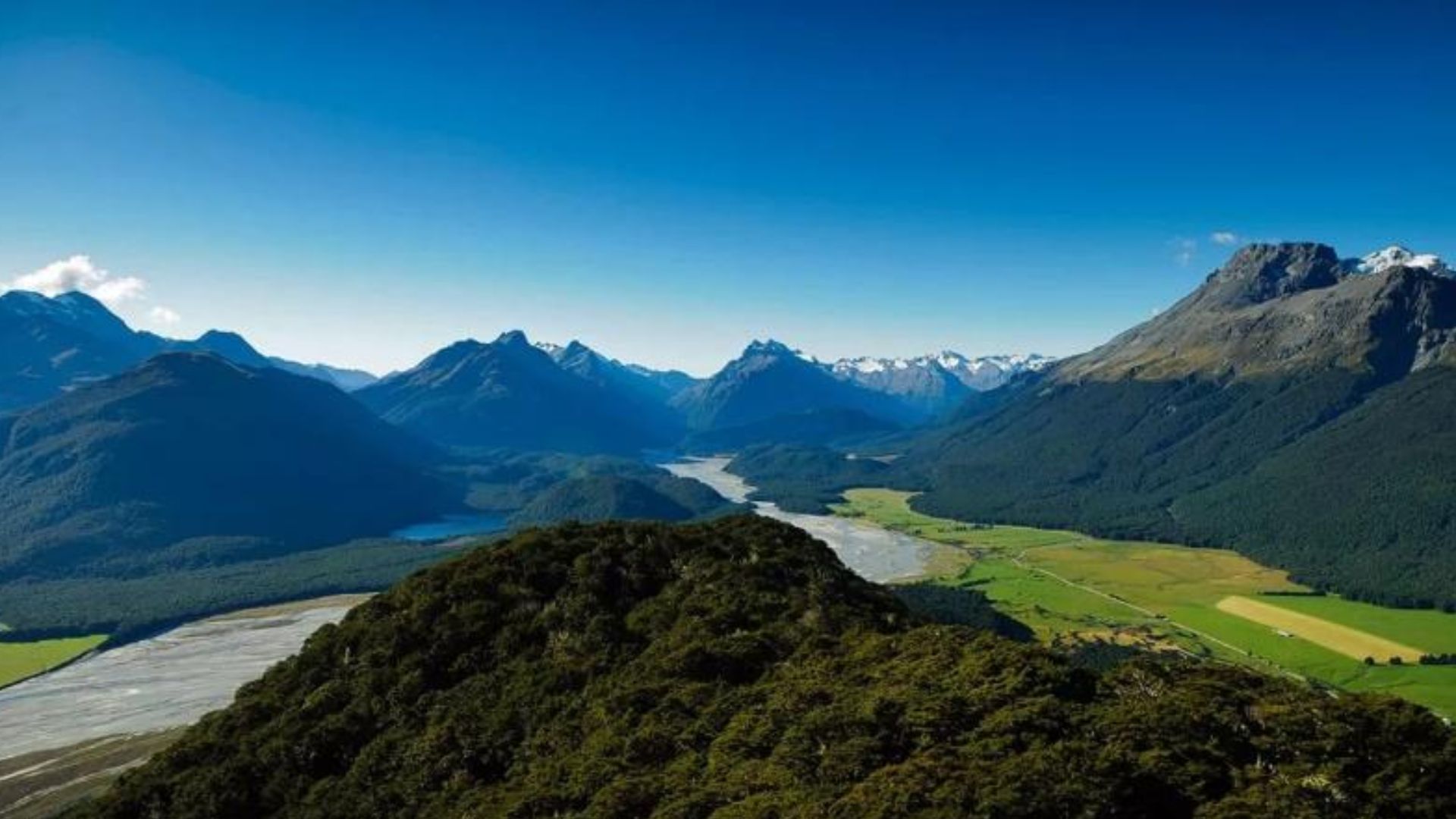
Fiordland provided the sweeping aerial and wilderness shots used throughout the trilogy. The sheer scale of the fiords, forests, and mountains gave the films their sense of size.
Much of Fiordland is only accessible by air or boat. Some of the filmed areas are visible from the road to Milford Sound. Scenic flights give you the broadest view of the landscape used in production.
Te Anau Downs : Chase Scene Location
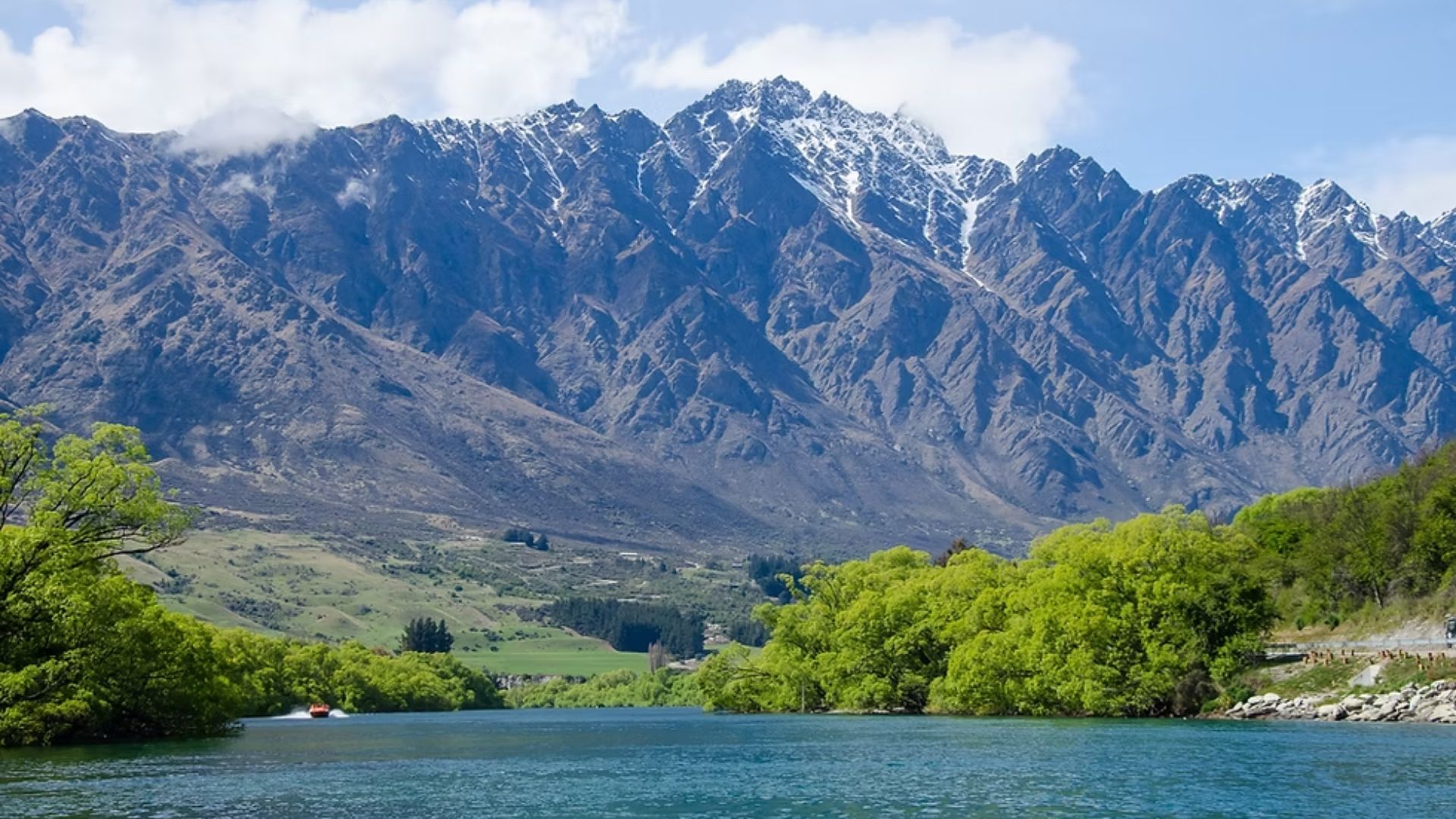
The flat open grasslands at Te Anau Downs were used for fast-moving action sequences. The wide space gave the cameras room to capture speed and movement.
Te Anau Downs is on the road between Te Anau and Milford Sound. It’s easy to stop and walk around the area. There’s no set or marker, just the same open land you’d see in the films.
Mararoa Saddle : Thorin’s Wildland Route
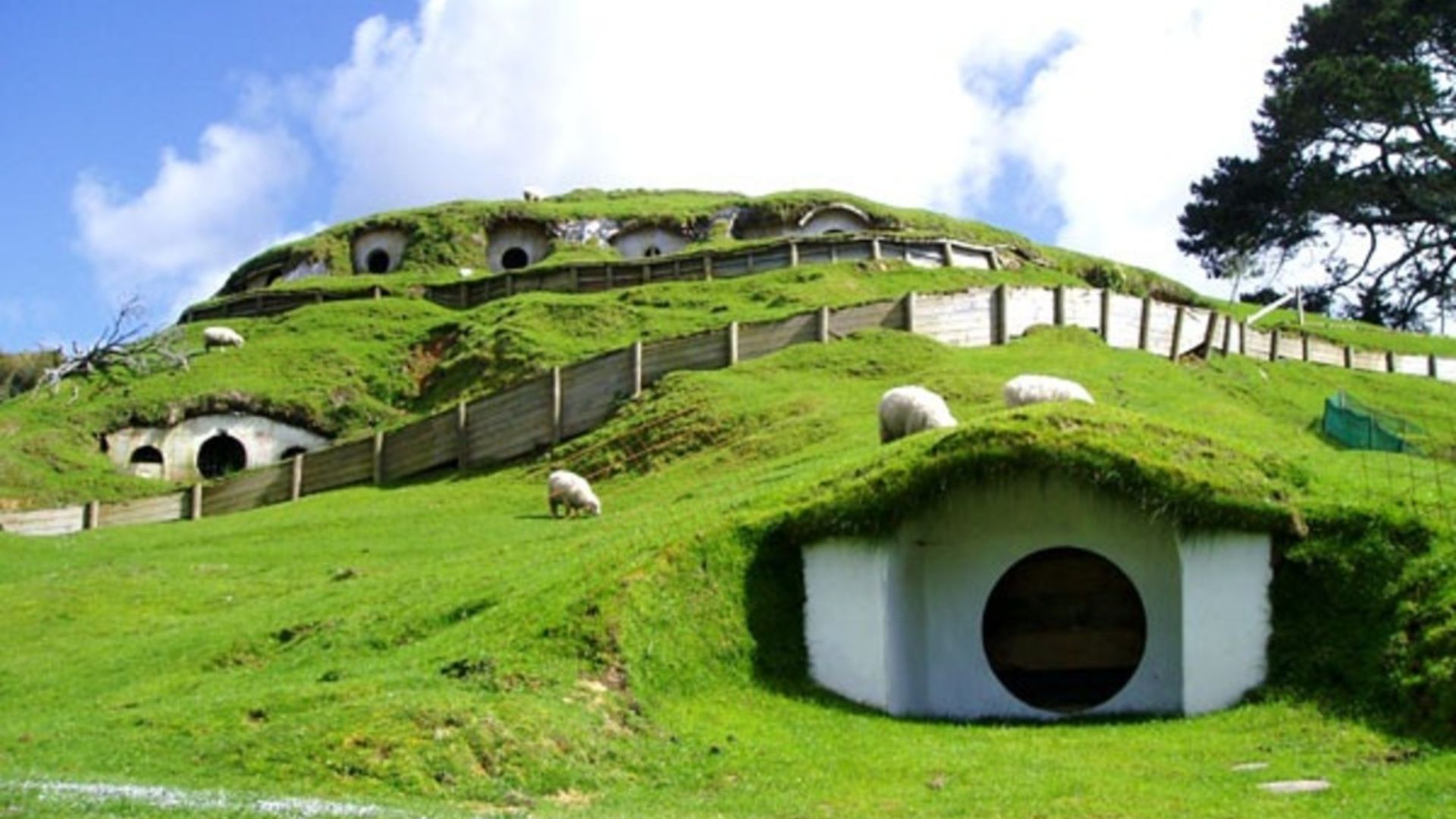
The Mararoa Saddle area was filmed as the wild country that Thorin leads the company through. It has a remote, open feel that works well for scenes of characters moving through rough terrain.
This location is less visited than others on the list. It sits in the backcountry between Fiordland and the Queenstown region.
Best Way to Visit The Hobbit Filming Spots in New Zealand

Smart ways to see the most filming locations without wasting time or doubling back.
The easiest self-drive route starts in Auckland, stops at Hobbiton in Matamata, continues to Tongariro National Park, then heads to Wellington for the Weta Workshop.
From Wellington, take the ferry to the South Island and use Queenstown as your base. Allow at least ten to fourteen days to cover both islands comfortably.
If you’re short on time, guided day tours from Matamata and Queenstown are a solid option. Some include jet boat rides and short walks through filmed areas.
The best part is most filming locations already sit along standard New Zealand sightseeing routes. You don’t need a separate trip. They fit right into a regular road trip.
Conclusion
If you’re planning to track down where did they film The Hobbit, I hope this gave you a clear and honest map.
I’ve gone through all of this myself, and the one thing I’d say is: Don’t skip Hobbiton. Standing there felt surprisingly real. For everything else, the land speaks for itself. No sets needed.
Pick two or three spots that match your travel style and go from there. Have questions or been to any of these spots? Drop a comment below. I’d love to hear about your experience.
Frequently Asked Questions
Where did they film The Hobbit in New Zealand?
Filming took place across both islands. Key spots include Hobbiton in Matamata, Tongariro National Park, Queenstown, Glenorchy, and Fiordland National Park.
Can you visit the actual Hobbit filming locations?
Yes, most are open to the public. Hobbiton requires a paid tour. National park locations like Tongariro and Fiordland are free to access.
Is Hobbiton the only filming location with sets still standing?
Yes. Hobbiton is the only place in New Zealand where the original movie sets were kept. All other locations are natural land with no permanent structures.
How long does it take to visit all the main Hobbit filming locations?
A full self-drive trip covering both islands takes around ten to fourteen days. If you focus on just one island, you can do it in four to five days.
Do I need a guide to visit South Island Hobbit filming locations?
Not for all of them. National parks and public land are accessible on your own. For private farmland areas or detailed filming history, a guided tour from Queenstown is the better option.