

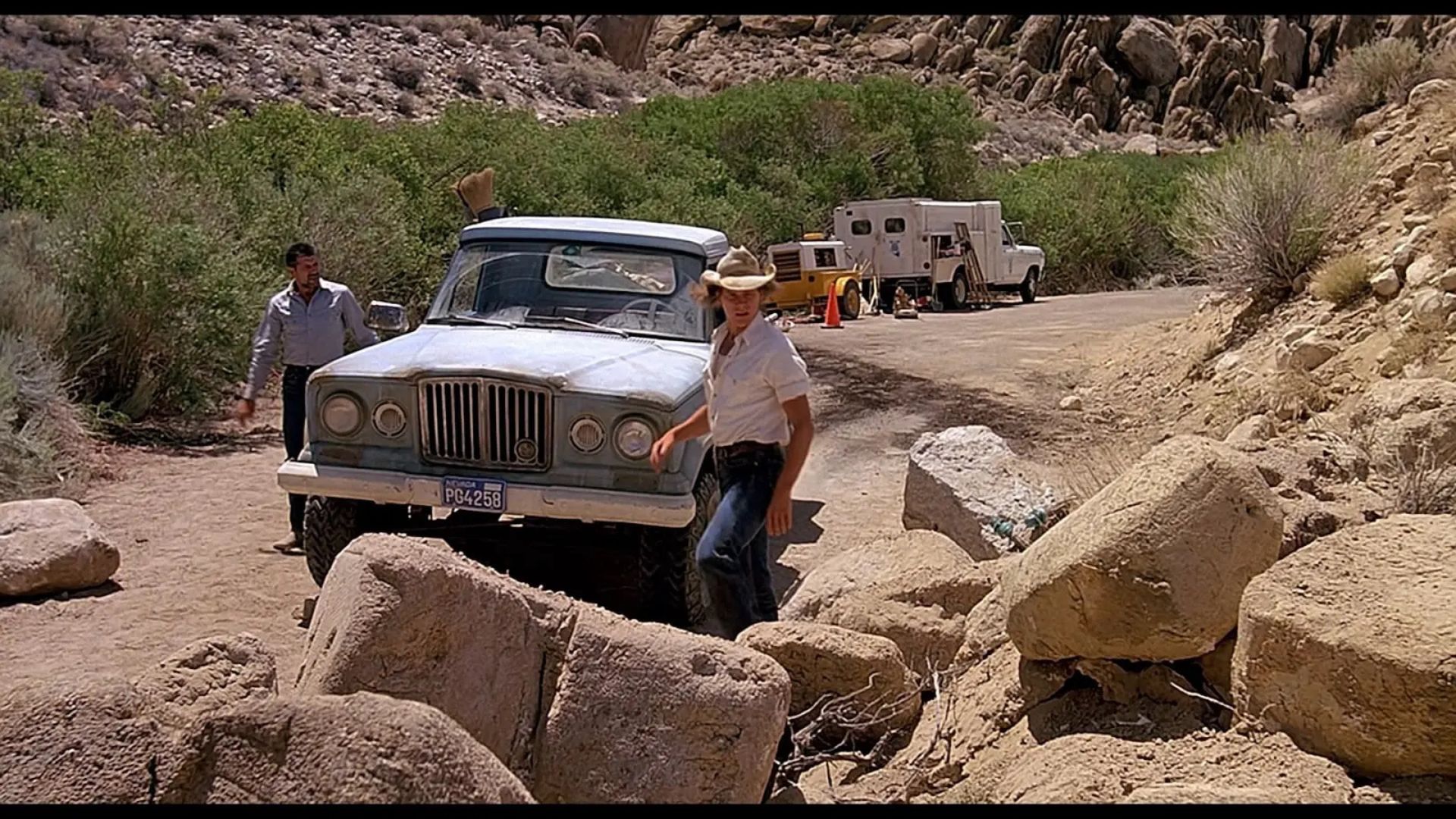
I have watched Tremors more times than I can count. Something about that movie just sticks with you. The desert, the tension, the giant worms and it all felt so real.
That got me wondering:where was Tremors filmed?
If you are asking the same question, you are in the right place. In this blog, I will cover the exact filming locations, what you can visit today, behind-the-scenes facts, and how the setting shaped the film's mood.
I have researched this thoroughly so you do not have to go looking elsewhere. Let's get into it.
Where Was Tremors Filmed? The Complete Guide to Tremors Filming Location
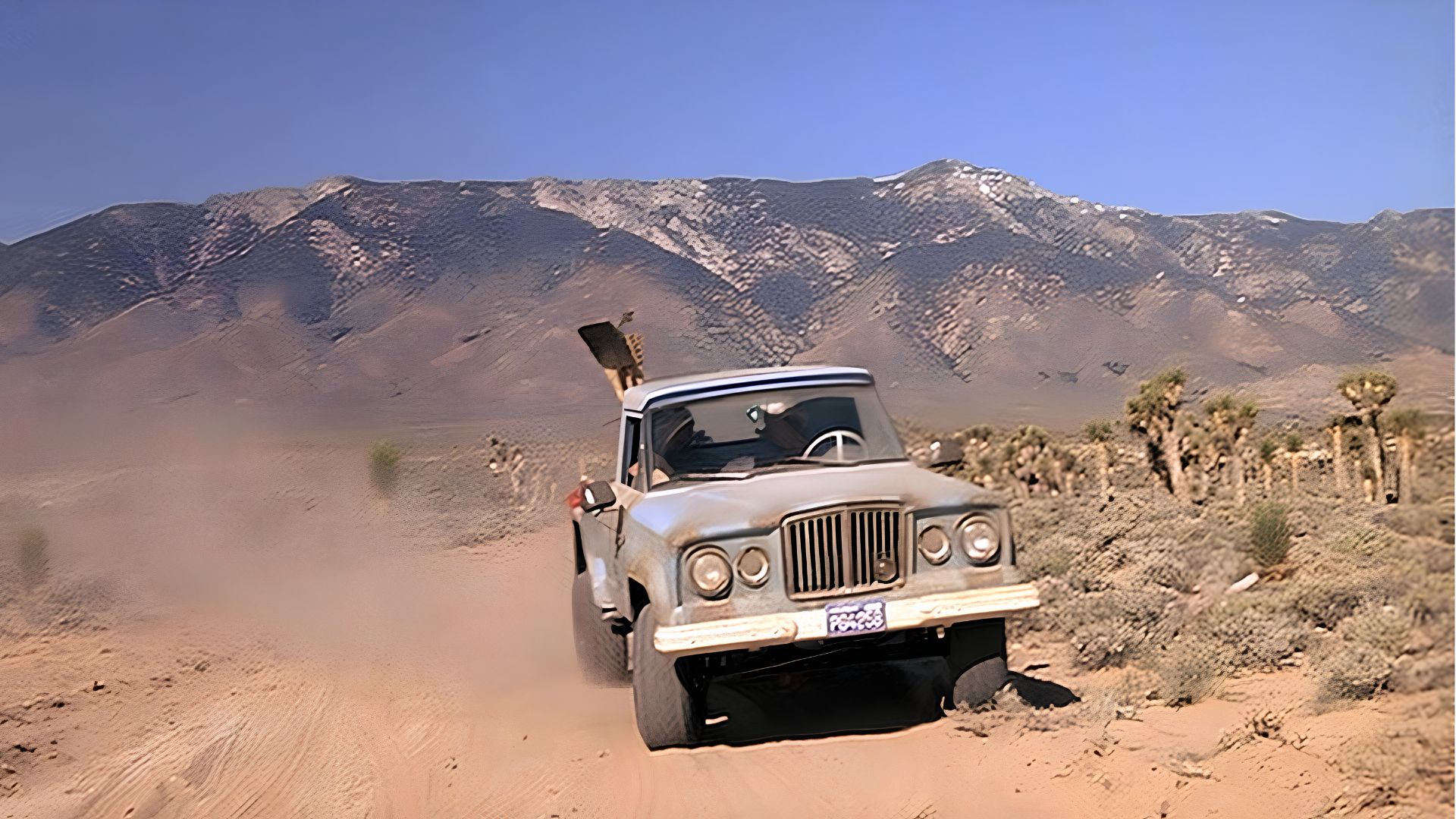
The filming location played a major role in making Tremors feel authentic. Its vast desert landscapes, rocky terrain, and isolated atmosphere perfectly suited the fictional town of Perfection, helping create the tension and suspense that made the movie a cult classic.
Today, the location remains a popular point of interest for fans of the film.
I have watched Tremors more times than I can count. Something about that movie just sticks with you. The desert, the tension, the giant worms and it all felt so real. That got me wondering: where was Tremors filmed?
If you are asking the same question, you are in the right place. In this blog, I will cover the exact filming locations, what you can visit today, behind-the-scenes facts, and how the setting shaped the film's mood.
I have researched this thoroughly so you do not have to go looking elsewhere. Let's get into it.
Where Was Tremors Filmed?
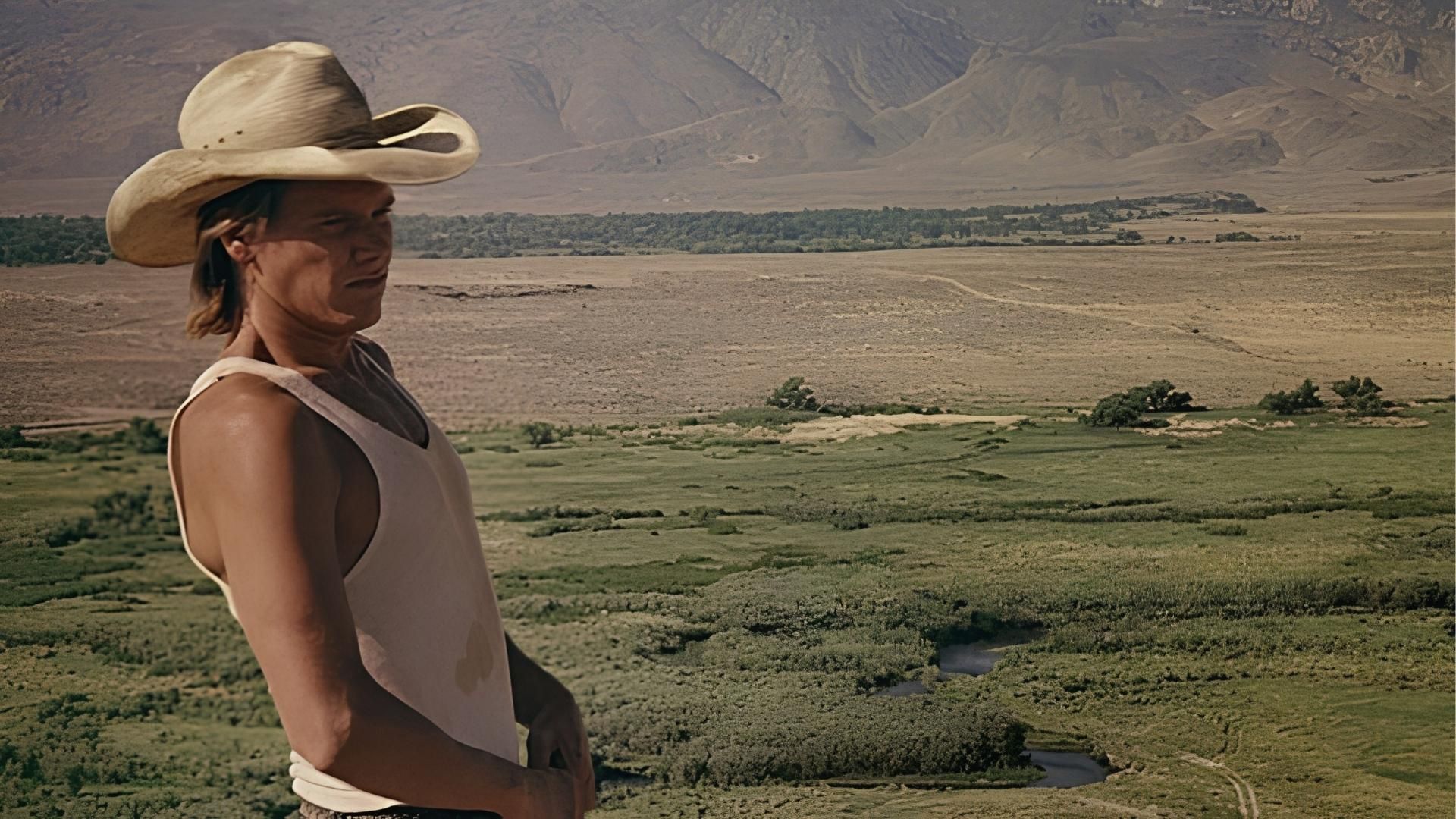
Most of Tremors was filmed in California's Alabama Hills and the surrounding Lone Pine area, whose rugged desert scenery became the fictional town of Perfection.
The Main Tremors Filming Location
The Tremors filming location is Lone Pine, California. More specifically, the production used the Alabama Hills area, a stretch of rounded rock formations sitting just outside the town. This region sits in the Owens Valley, right at the base of the Sierra Nevada mountains.
The area gave the film its wide open, isolated look. You can see the rugged terrain in almost every outdoor shot. The flat desert floor, the scattered boulders, and the distant mountain range all came from this one location in Inyo County, California.
Why the Production Chose This Remote Desert Setting
The filmmakers needed a place that looked completely cut off from the rest of the world. The town of Perfection in the movie has no easy escape route. That feeling of being trapped had to come through on screen.
Lone Pine delivered that. The valley is surrounded by mountains on both sides. The nearest large city is hours away. When you stand in the Alabama Hills, you genuinely feel far from everything.
That sense of isolation was not created in post-production. It was built into the location itself.
The area was also practical. It offered wide stretches of flat land for filming the Graboid attack sequences. The ground was accessible for equipment trucks. And the landscape had enough visual variety to keep scenes from looking repetitive.
How the Location Helped Create the Town of Perfection
The production team used the natural landscape as a foundation and built the set on top of it. A few structures were constructed on site to represent the small desert community. The dirt roads, the open ground, and the rocky surroundings were all already there.
The location made Perfection feel like a real place. Viewers never questioned whether a town like that could exist in the American Southwest. The setting did a lot of the storytelling work before a single line of dialogue was spoken.
The Real-Life Town Behind Perfection
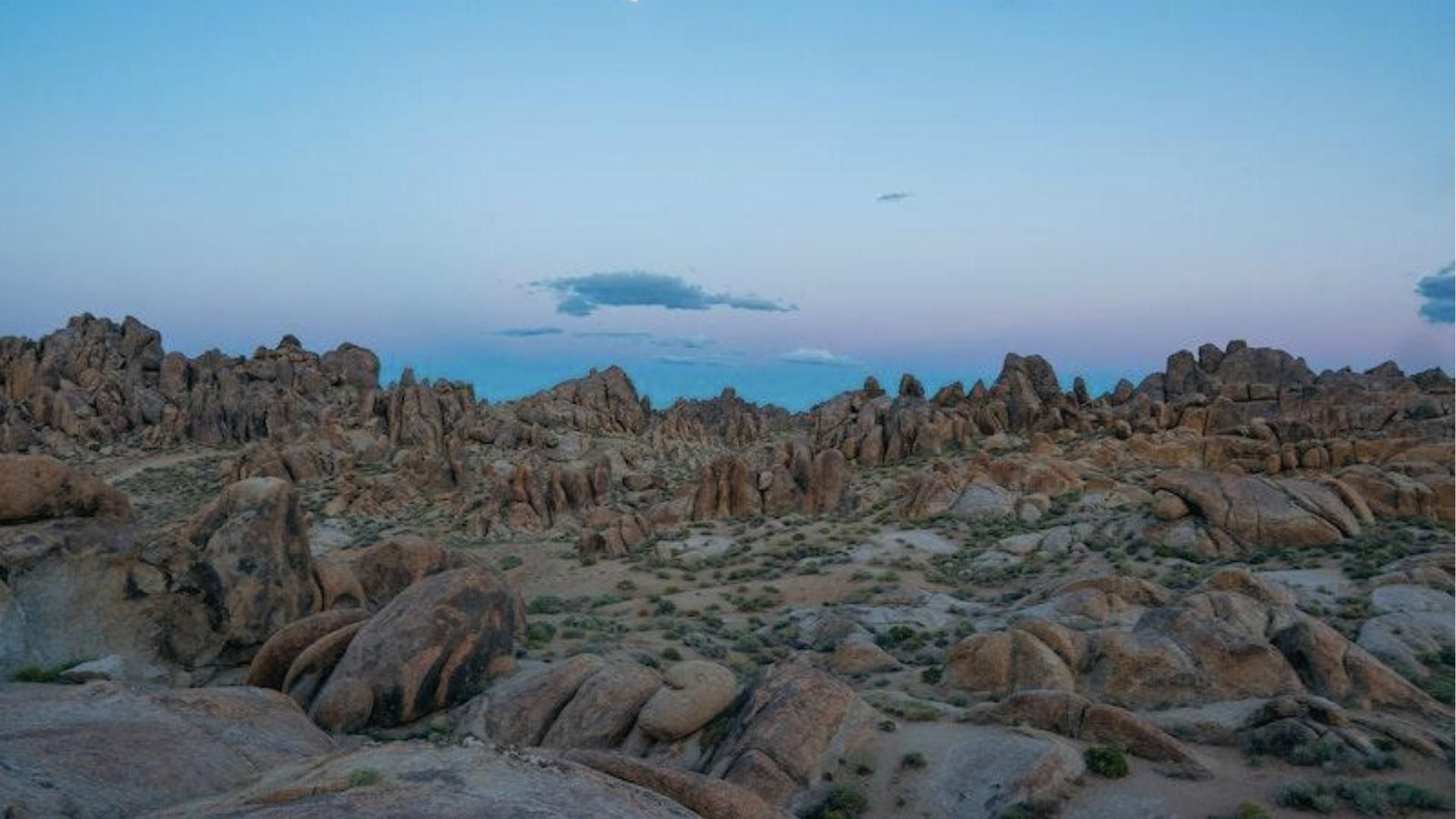
Perfection may be fictional, but its memorable setting was created using real desert locations in California.
Is Perfection a Real Place?
No, Perfection is not a real town. It was created entirely for the film. There is no town called Perfection in Nevada or anywhere else in the United States. The name was chosen to give the story a slightly ironic tone, since nothing about the situation in the film is perfect.
However, the location where Perfection was built is very real. The land used for filming is in the Alabama Hills near Lone Pine, California. So while the town does not exist, the ground it was built on does.
How the Fictional Town Was Created
The production designer worked with the director Ron Underwood to figure out what a tiny, forgotten desert town would look like. They wanted it to feel lived-in but sparse. A handful of buildings, a dirt road, and a lot of open space around everything.
Some structures were built specifically for the film. Others were adapted from what was already at the location. The goal was to make Perfection look like a town that had been there for decades but never really grew.
The result was a setting that felt completely believable. Audiences accepted Perfection as a real place because the landscape around it was genuinely remote and dusty.
What Remains of the Movie Set Today
Most of the original set was dismantled after filming wrapped. The Alabama Hills is a public land area managed by the Bureau of Land Management. Permanent structures are not allowed to remain indefinitely.
Some fans who visit the area report finding traces of the production, like patches of cleared ground or remnants of foundations. But there is no standing movie set to walk through today.
What remains is the landscape itself, which looks largely the same as it did when the film was made in 1989.
Tremors Filming Location in California
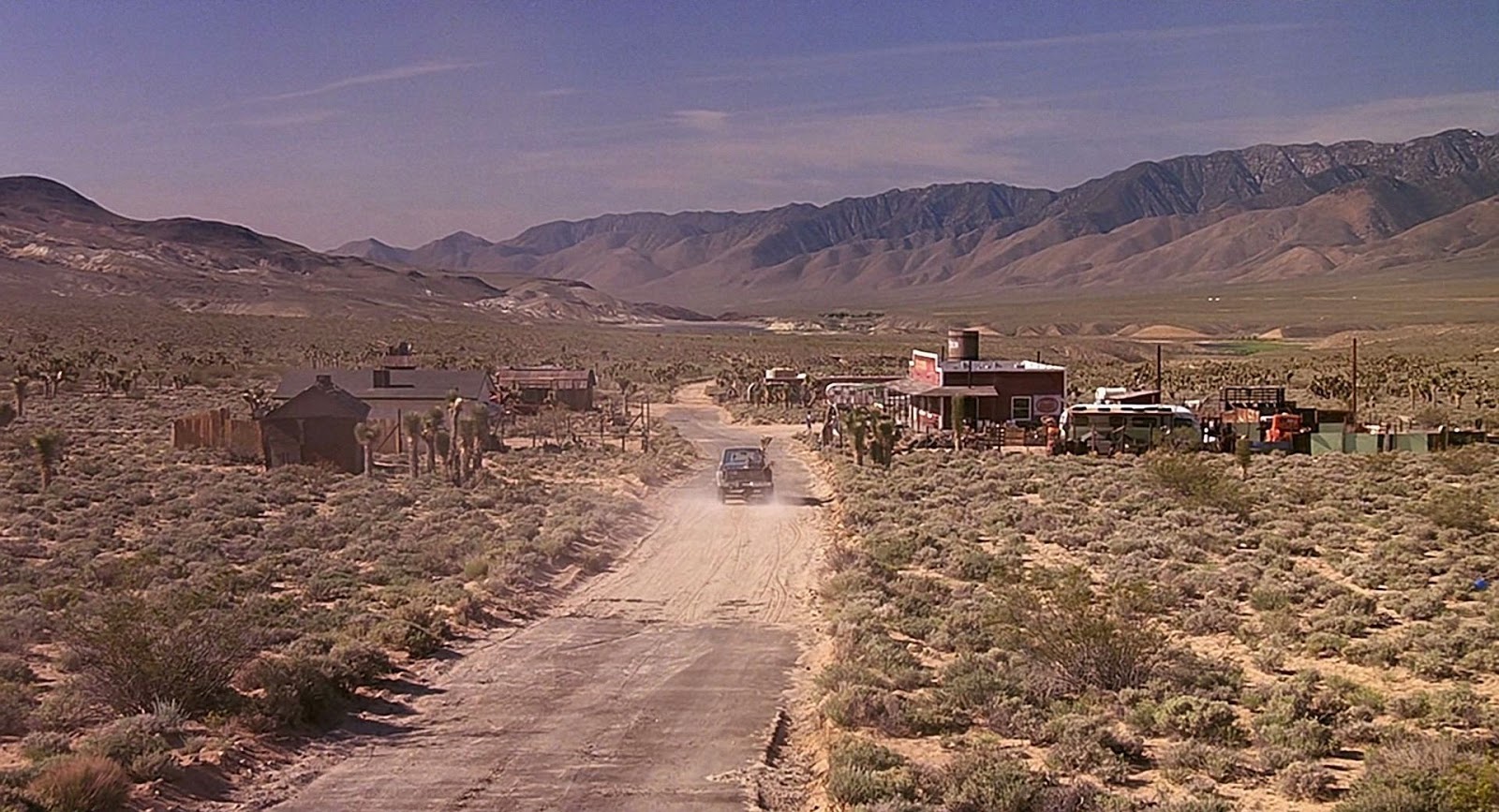
California's Alabama Hills and Lone Pine region provided the dramatic desert backdrop that defined the world of Tremors.
Lone Pine and the Alabama Hills Area
Lone Pine is a small town in eastern California with a population of just over 2,000 people. It sits along US Route 395, which runs north to south through the Owens Valley. The Alabama Hills are located just west of town, accessible via Movie Flat Road.
The Hills are known for their rounded, orange-brown rock formations. These rocks have been used as a backdrop in over 400 films and television shows. Tremors is one of the most well-known productions to use the area, but it is far from the only one.
The combination of desert floor and dramatic rock formations makes Alabama Hills one of the most filmed outdoor locations in Hollywood history.
Notable Landmarks Seen in the Film
Several specific rock formations appear in the background of Tremors scenes. While the production did not highlight these landmarks by name, fans who visit the area have identified many of them.
The large boulders that appear in the Graboid chase scenes are still there. The open flats where the characters try to move from rock to rock are accessible on foot. The view of the Sierra Nevada mountains in the background, including Mount Whitney, the tallest peak in the contiguous United States, is visible throughout the film.
Scenic Desert Landscapes Featured on Screen
The film captures the Owens Valley at its most open and exposed. Long shots show miles of flat desert stretching toward distant mountains. The color palette of tan, brown, and orange runs through nearly every outdoor scene.
These landscapes were not dressed up for the camera. What you see in the film is what the area actually looks like. That authenticity is part of what makes the Tremors filming location so memorable for people who visit after watching the movie.
Famous Scenes and Where They Were Filmed
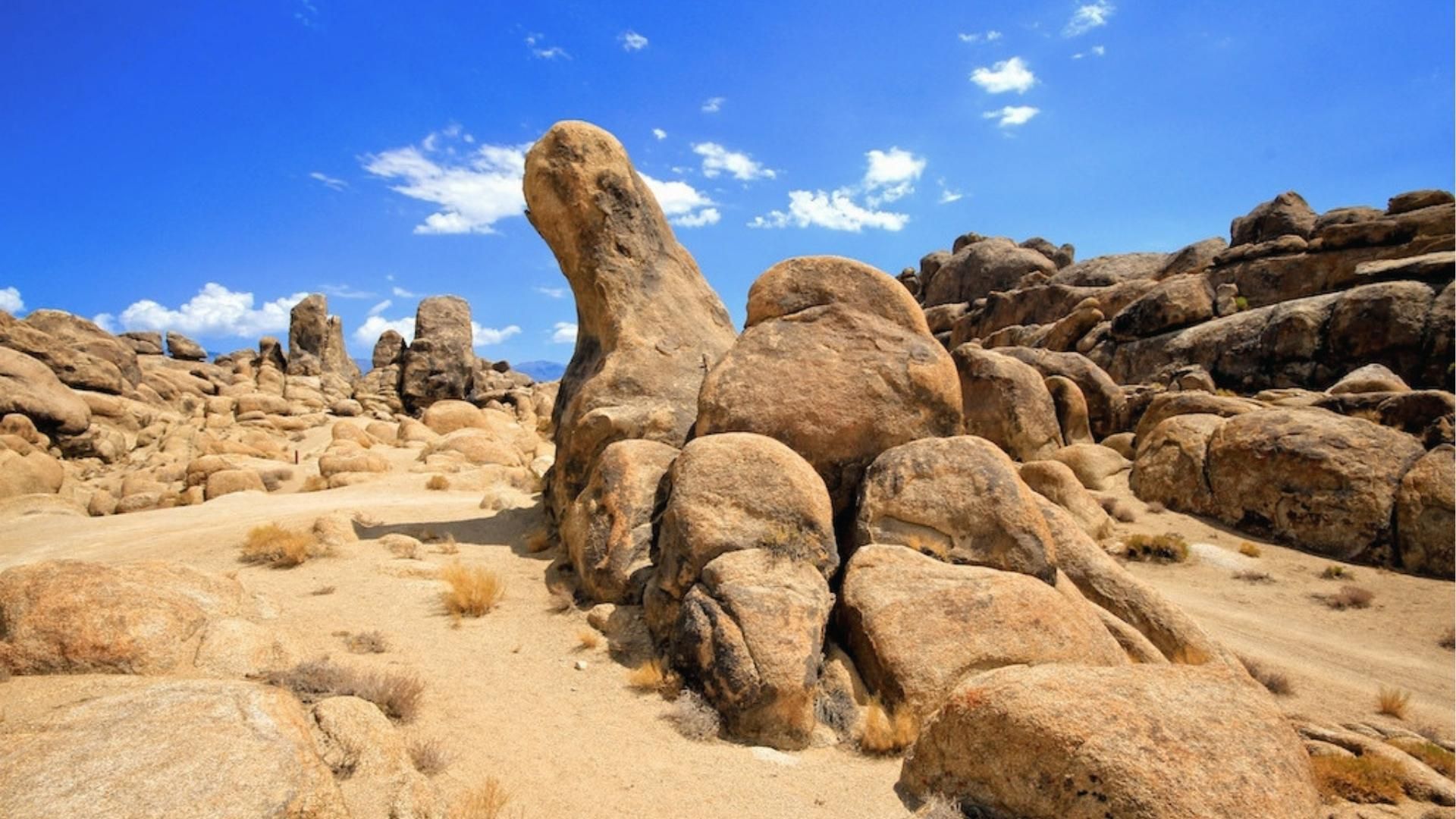
Many of Tremors' most memorable scenes were filmed among the rocky landscapes and open desert areas of California's Alabama Hills region.
The Graboid Attack Sequences
The sequences where the Graboids move underground and attack characters were filmed across the flat sections of the Alabama Hills. The production team dug trenches and used mechanical rigs to simulate the creatures moving beneath the surface.
The open terrain was necessary for these shots. The camera needed long sight lines to show the dirt trail moving toward the characters. Tighter or more enclosed landscapes would have made these scenes much harder to film and less effective on screen.
Several of the most iconic moments, including the scene where the Graboid bursts through the ground near a car, were filmed on the flat desert floor just outside of Lone Pine.
Burt and Heather's Survivalist Compound
The home belonging to Burt and Heather Gummer was one of the more structured sets in the film. It was built to look like a fortified rural property, complete with a basement gun room. The exterior shots used the Alabama Hills as a backdrop.
The interior of the Gummer home, including the famous scene where they shoot a Graboid through the basement wall, was filmed on a soundstage. But the establishing shots that show the property from the outside were captured on location in California.
The General Store and Community Gathering Areas
The general store served as the social center of Perfection. Most of the community scenes, where the characters gather to figure out what is happening, used this set as the backdrop.
The store was a constructed set piece placed within the larger outdoor location. Wide shots show it sitting in the middle of an open desert. The isolation of the building within the landscape reinforced how few resources the characters had available to them.
Visiting the Tremors Filming Location Today
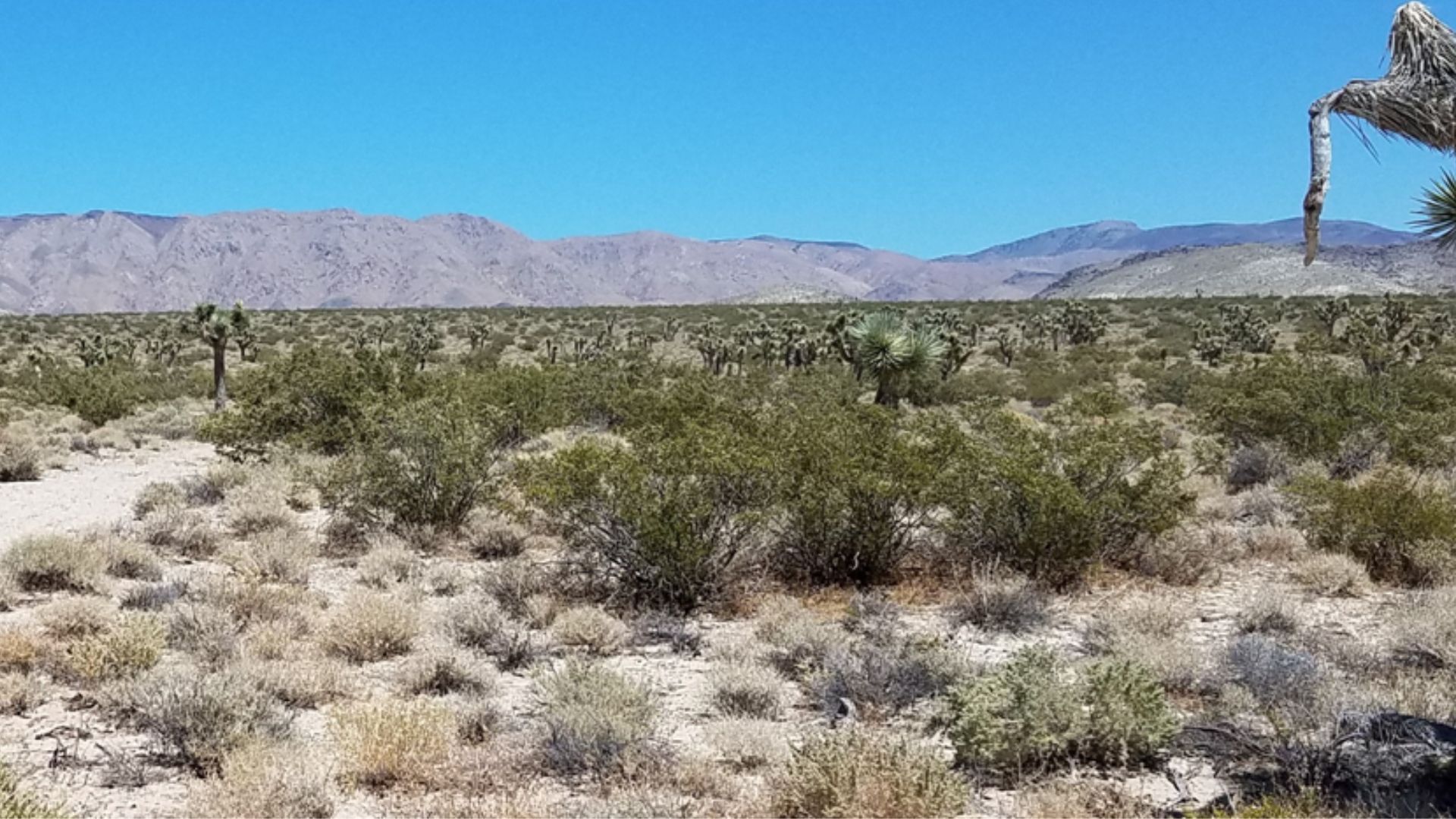
Fans can still visit many of the real-life filming sites and experience the desert landscapes that brought Tremors to life.
How to Get to the Filming Sites
Lone Pine is located about 200 miles north of Los Angeles on US Route 395. The drive takes roughly three to four hours depending on traffic. From Lone Pine, take Movie Flat Road west into the Alabama Hills. The area is open to the public and free to access.
There is no guided Tremors tour operating in the area as of now. Fans typically use scene comparisons and GPS coordinates shared in online fan communities to find specific spots. Some locations are easy to identify because the rock formations are distinctive and have not changed.
Best Time to Visit the Area
Spring and fall are the most comfortable times to visit. Temperatures in the Owens Valley can be extreme. Summer highs regularly exceed 100 degrees Fahrenheit. Winter can bring snow and cold temperatures that make hiking less enjoyable.
March through May and September through November offer the best balance of mild weather and good light for photography. Sunrise and sunset in the Alabama Hills are particularly striking, as the light turns the rocks deep orange and red.
Tips for FansVisiting the Locations
Bring more water than you think you need. The desert air is dry and the sun is intense. Wear sunscreen and a hat even on days that do not feel especially hot.
Download a map of the Alabama Hills before you go. Cell service in the area can be unreliable. A physical map or offline GPS will help you move between locations without getting turned around.
Take your time at each spot. The landscape rewards slow exploration. Sitting quietly in the Alabama Hills, you can easily understand why filmmakers keep coming back to this place.
Behind-the-Scenes Facts About Tremors Filming Location
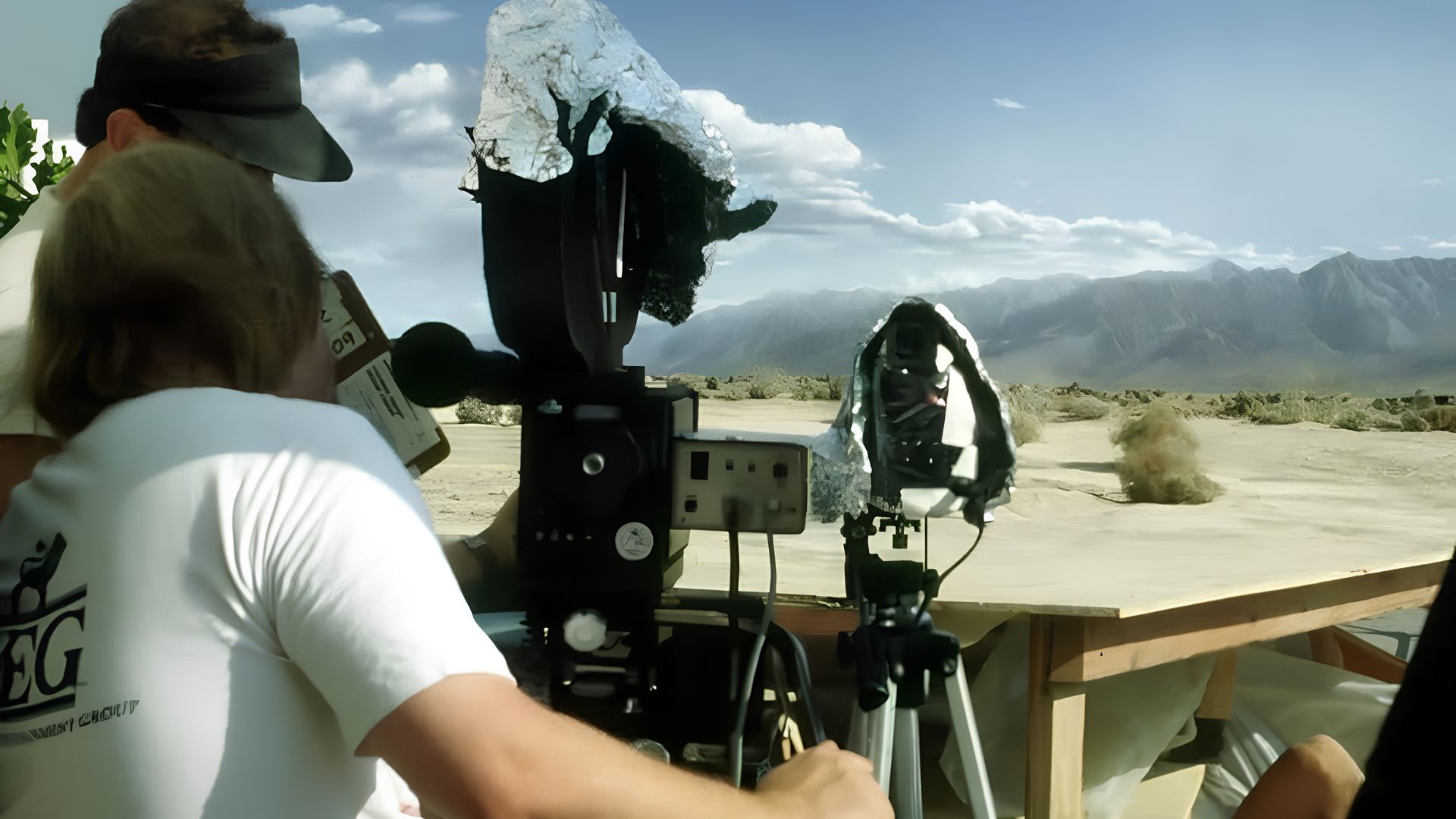
The remote filming locations added realism to the movie but also presented unique challenges for the cast and crew during production.
Challenges the Cast and Crew Faced
Filming in the desert presented real physical challenges. The heat during the 1989 production was significant. Cast members spent long days outside in temperatures that made concentration difficult. Water and shade were constant priorities on set.
The remote location also created logistical challenges. Getting equipment, catering, and personnel to the site every day required careful planning. There were no nearby facilities to fall back on if something went wrong.
Director Ron Underwood later described the location as both the best and most demanding choice the production made.
How Practical Effects Were Used on Location
The Graboids were practical effects. There were no digital creatures in the original Tremors. The production built mechanical rigs that were buried in the sand and operated by crew members below the surface.
Filming these effects in a real outdoor location added complexity. The ground had to be prepared carefully. The camera angles had to hide the rigs while still making the creatures look threatening.
Working in an actual desert, rather than on a soundstage, made this much harder but also made the results look far more convincing.
Interesting Production Stories from the Desert
Kevin Bacon and Fred Ward reportedly spent significant time together before filming to develop their on-screen chemistry. The isolation of the location actually helped this, since the cast had fewer distractions than they would have had filming in a city.
There were also reports of wildlife encounters on set. The Alabama Hills area is home to various desert animals, and the crew occasionally had to pause filming due to unexpected visitors to the set.
How the Filming Location Contributed to the Film's Success
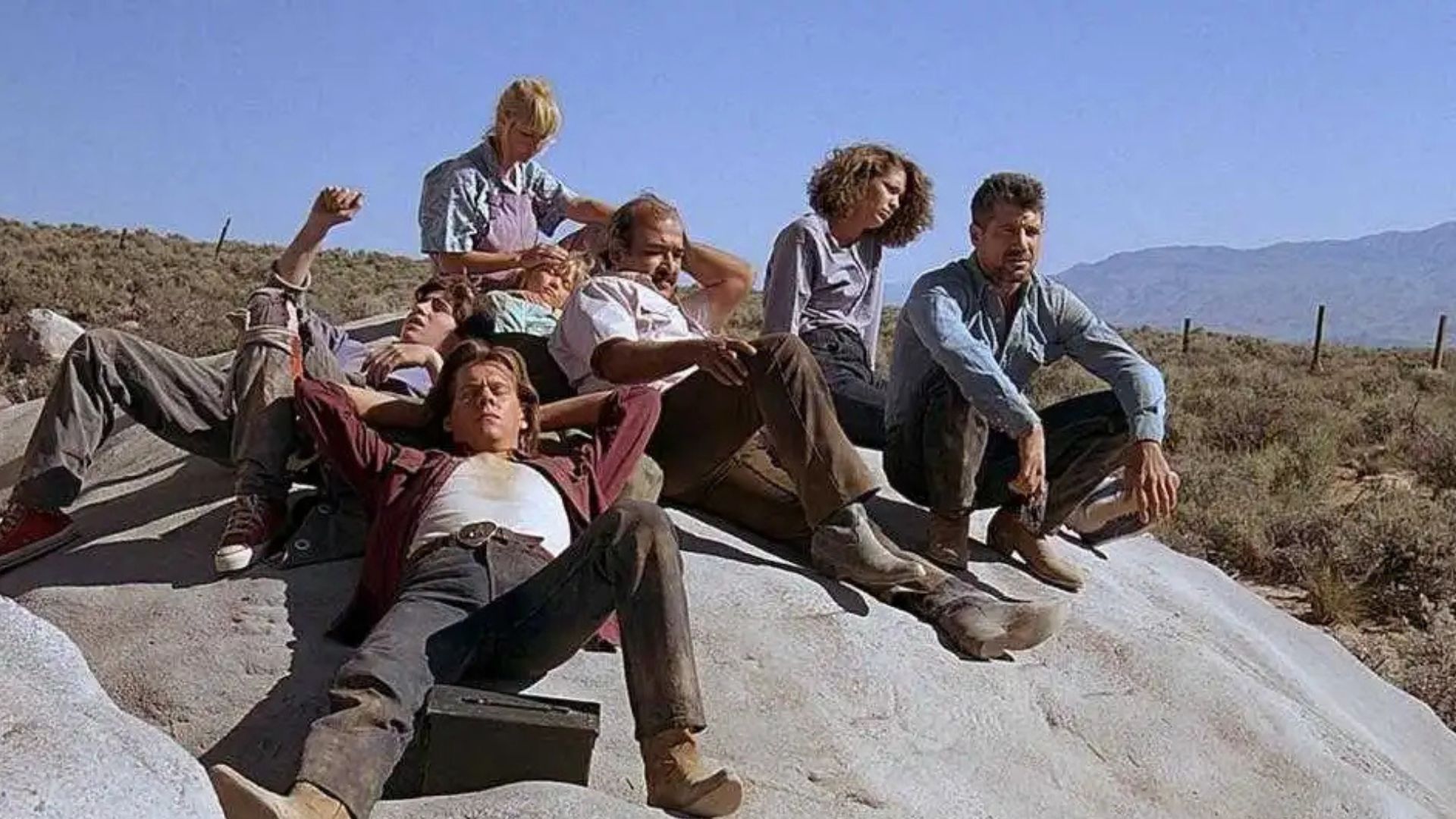
The isolated desert setting enhanced the film's suspense and helped make the world of Tremors feel believable and unforgettable.
Creating Isolation and Suspense
The success of Tremors depends almost entirely on the audience believing that the characters cannot simply leave. If escape looked easy, the tension would collapse. The Alabama Hills location made escape look genuinely difficult.
Mountains in every direction. Miles of open ground. No visible roads leading out. The landscape communicated danger before the Graboids ever appeared on screen.
The Role of the Desert Environment
The desert also worked as a kind of character in the film. It was indifferent to the people trying to survive in it. The heat, the openness, and the silence all added pressure to every scene.
Horror films often rely on darkness and enclosed spaces. Tremors did something different by setting most of its action in broad daylight across wide open terrain. The desert environment made that possible and made it work.
Why the Setting Became Iconic
Fans remember the look of Tremors as much as they remember the story. The flat desert, the boulders, the mountains in the background and these visuals are inseparable from the film.
The Tremors filming location became iconic because it was used so effectively and so consistently throughout the movie.
Location scouting decisions that might seem purely practical often end up shaping how audiences remember a film. Tremors is a clear example of that.
Tremors Filming Location vs the Movie's Fictional Setting
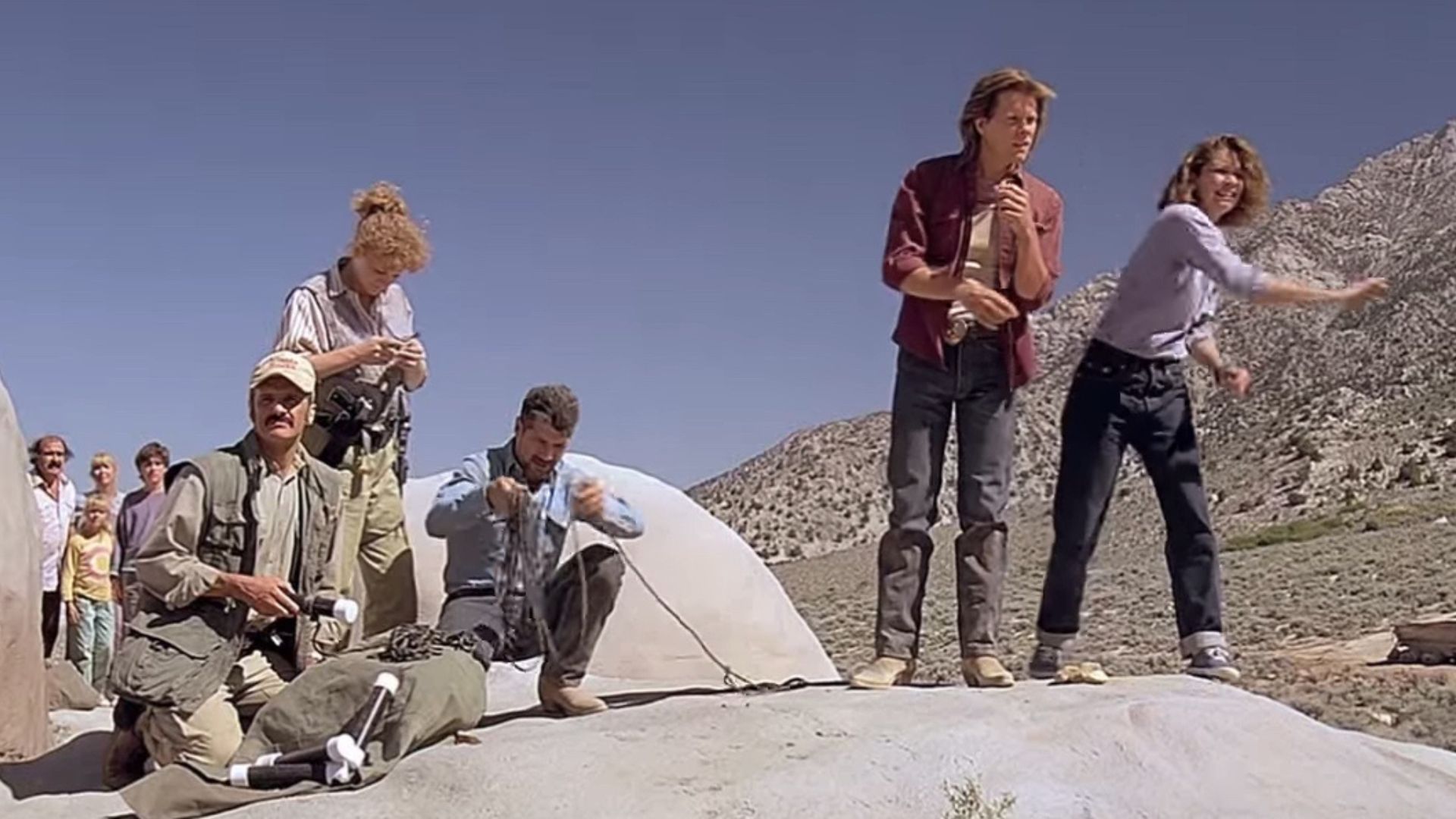
While Perfection was a fictional town, the film used real California desert landscapes to make its setting feel authentic.
Differences Between Reality and the Film
The film sets Perfection in Nevada. The actual filming location is in California. This is a common filmmaking practice where a more accessible or visually suitable location stands in for a fictional one.
Nevada and the California Owens Valley share similar landscape characteristics. Both are high desert environments with flat terrain and mountain backdrops. Most viewers would never notice the difference.
How Locations Were Modified for Production
The production team cleared some areas of the Alabama Hills to make room for vehicles and equipment. They also constructed the buildings that made up the town of Perfection. Road markings and signage were added to establish the fictional geography of the town.
None of these modifications permanently altered the landscape. After production ended, the area was returned to its natural state as required by land use agreements with the Bureau of Land Management.
Common Myths About Where Tremors Was Filmed
Some fans believe the film was shot in Nevada to match the fictional setting. This is not accurate. The production was based in California throughout.
Others have suggested that a real abandoned town was used as the basis for Perfection. This is also incorrect. The town was built specifically for the film on otherwise open desert land. There was no pre-existing settlement at the location.
Other Movies Filmed Near the Tremors Filming Location
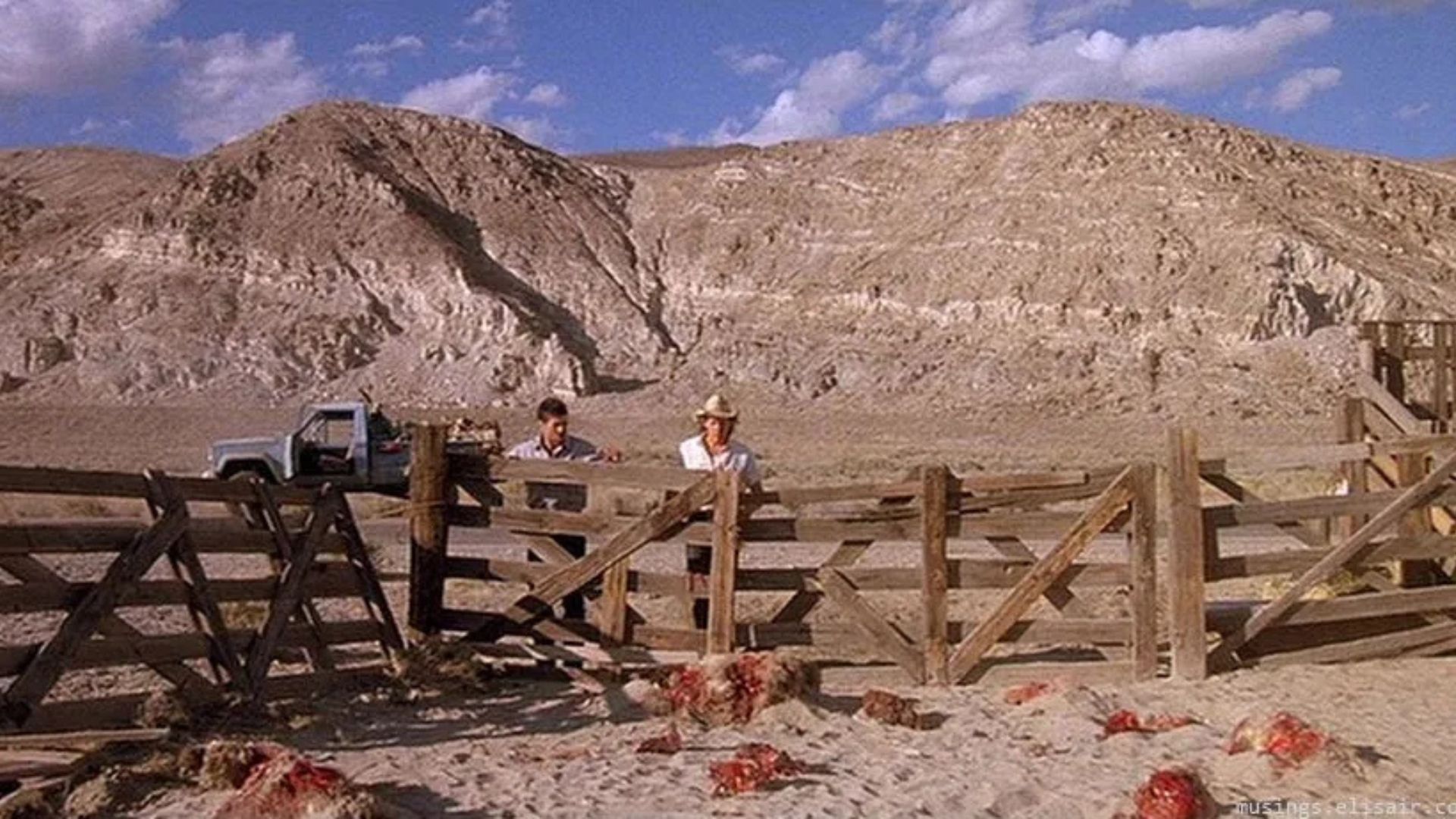
The Alabama Hills and Lone Pine area have appeared in numerous films and TV productions thanks to their striking desert scenery and cinematic landscapes.
Popular Films Shot in the Same Region
The Alabama Hills and the wider Lone Pine area have been used in an enormous number of productions. Some of the most notable include Gunga Din, How the West Was Won, Iron Man, Django Unchained, and Man of Steel.
The area has also been used for television productions including episodes of Bonanza, The Lone Ranger, and more recently, various streaming productions that needed a convincing desert landscape.
Why Filmmakers Love the Area
The Alabama Hills offer something genuinely hard to find elsewhere. The combination of accessible terrain, dramatic rock formations, mountain backdrops, and reliable sunlight makes it a practical and visually strong choice for a wide range of productions.
The area is also relatively affordable compared to building similar environments on a soundstage. For productions that need extended outdoor shooting, it offers a level of flexibility that controlled environments cannot match.
The Area's Importance in Hollywood History
Lone Pine has been called the Western film capital of the world. The town's Museum of Western Film History documents the hundreds of productions that have used the area since the early days of Hollywood. The Alabama Hills were being used for film shoots as far back as the 1920s.
This long history means the area has a well-established infrastructure for film production. Crews know how to work there, local services understand the needs of productions, and the land management rules are clear.
Tremors is part of a filmmaking tradition that goes back over a century in this part of California.
Conclusion
The Tremors filming location played a major role in making the movie memorable. California's Alabama Hills and the nearby Lone Pine area provided the rugged landscapes, open terrain, and sense of isolation that helped bring the fictional town of Perfection to life.
These real-world locations added authenticity and suspense, becoming just as iconic as the Graboids themselves. Today, fans can still visit many of the filming sites and experience the scenery that shaped this cult classic.
Have you visited the area or have a favorite Tremors moment? Share your thoughts in the comments below!
Frequently Asked Questions
Where was Tremors filmed?
Tremors was filmed primarily in the Alabama Hills near Lone Pine, California. The area is located in the Owens Valley in eastern California, about 200 miles north of Los Angeles. Despite the film setting the story in Nevada, all major outdoor scenes were captured in California.
Was Tremors filmed in a real town?
No. The town of Perfection does not exist in real life. It was a set constructed on the open land of the Alabama Hills for the purposes of the production. Most of the set was removed after filming concluded, and the land was returned to its natural state.
Can you visit the Tremors filming location today?
Yes. The Alabama Hills are public land managed by the Bureau of Land Management and are free to visit. There is no official Tremors tour, but fans use scene comparisons and online resources to locate specific spots from the film. The landscape itself has changed very little since 1989.
Was Tremors filmed entirely in California?
The vast majority of filming took place in California. Some interior scenes were captured on soundstages, but all major outdoor sequences were shot in the Alabama Hills near Lone Pine. The film does not appear to have used any Nevada locations despite setting the story there.