

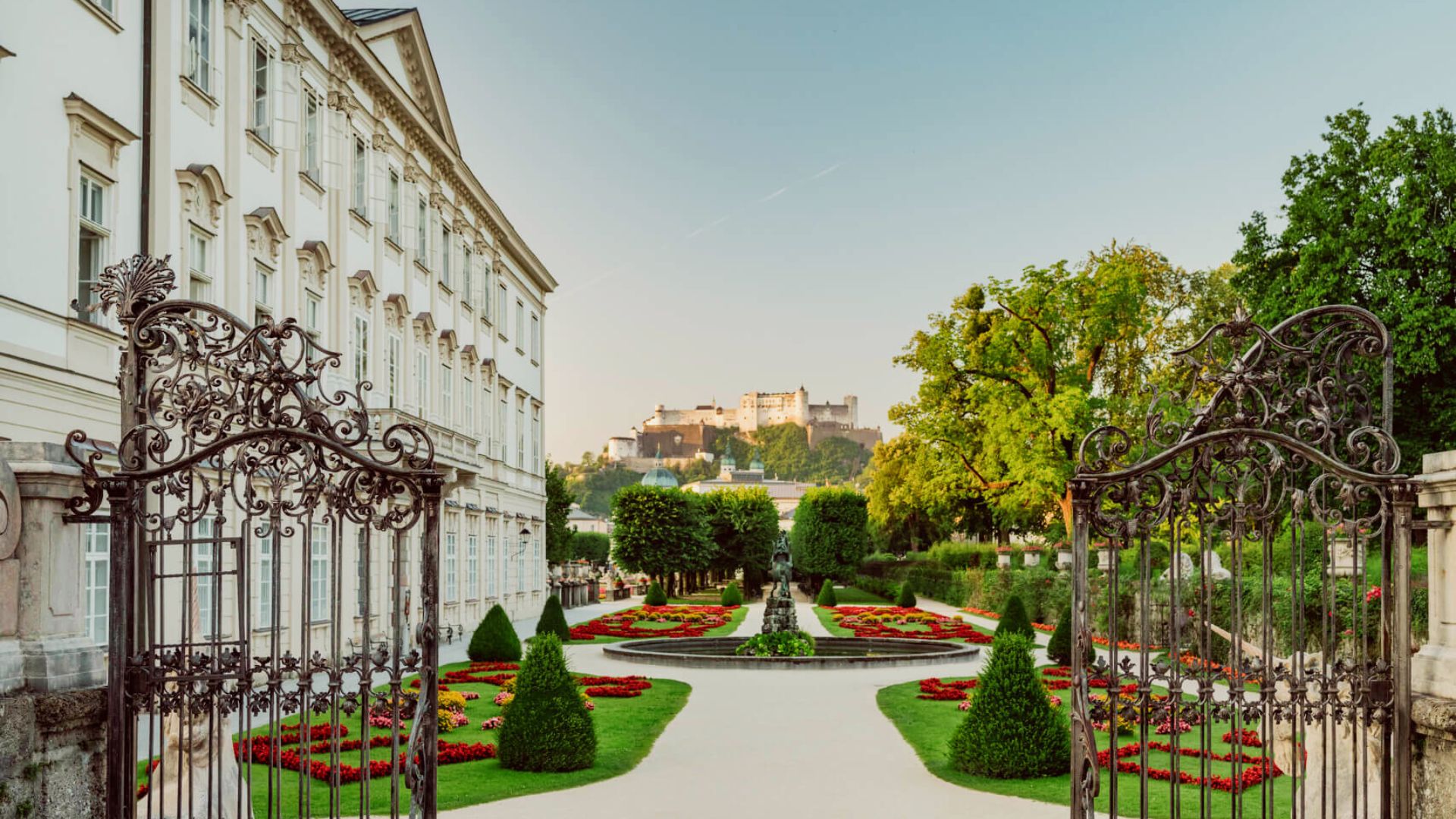
Have you ever watched a film and wished you could walk right into it? Salzburg makes that possible.
The sound of music locations in Salzburg are real, still standing, and worth every single step.
In this post, I'll take you through every major filming spot, share what each place looks like today, and help you plan a visit that actually delivers.
I've done all the hard research so you don't have to start from scratch.
Got one day or three, I've got you covered with everything you need to know.
Why Salzburg Became the Heart of the Movie
Salzburg was not just a backdrop. It was the soul of the film.
The real Von Trapp family lived here, and the filmmakers chose these streets, gardens, and hills because they told the truth of that story.
The city had a look that no studio set could fake. Its old stone buildings, open plazas, and green hills gave the film its heart.
Director Robert Wise and his team filmed here for weeks in 1964. Every frame showed what Salzburg really is.
That mix of history, music, and open sky is why this city still draws millions of film fans today.
Best of 15 Sound of Music Filming Locations in Salzburg
From palace gardens to mountain meadows, these 15 spots are where the magic of the film came to life.
1. Mirabell Gardens
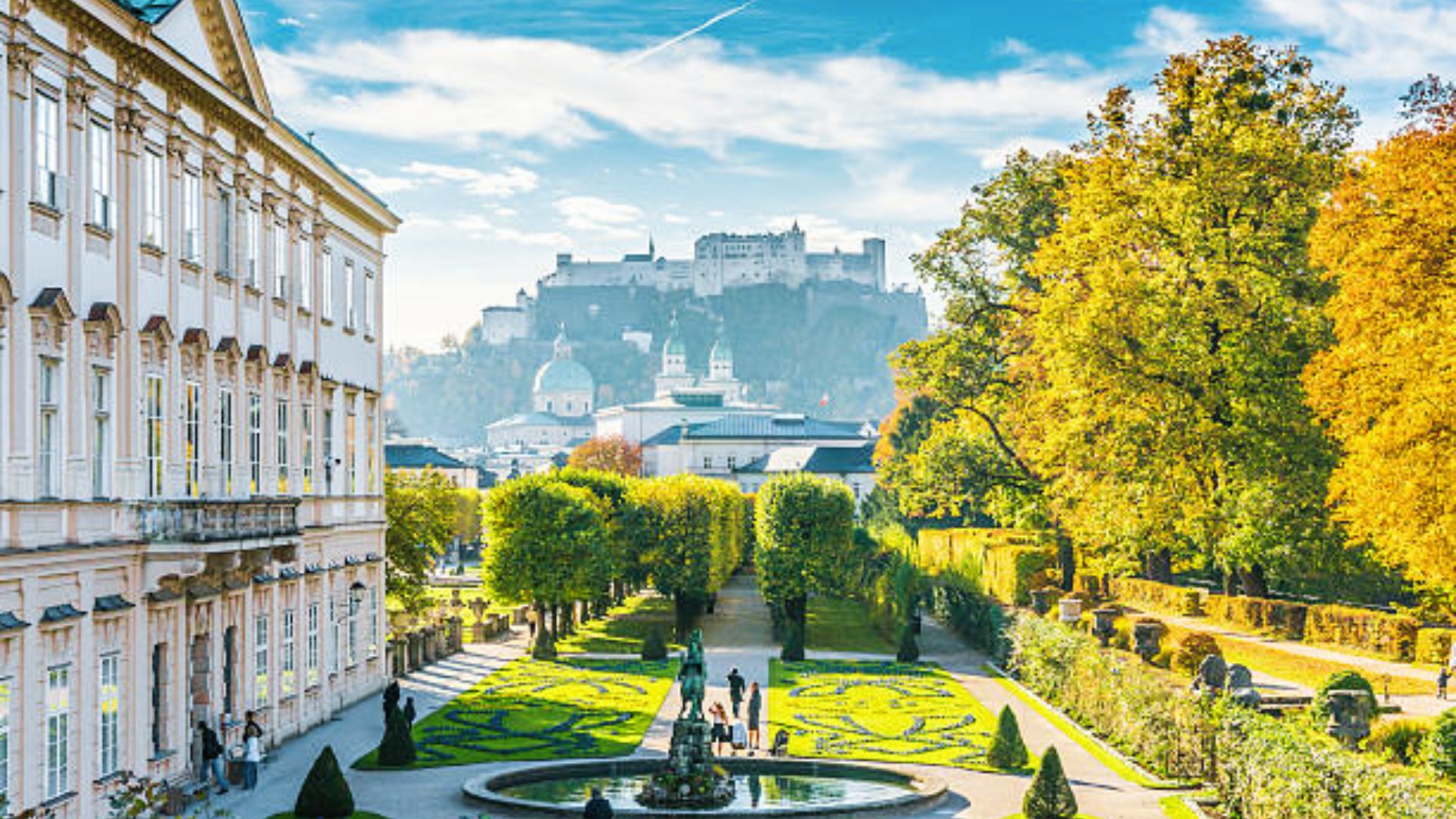
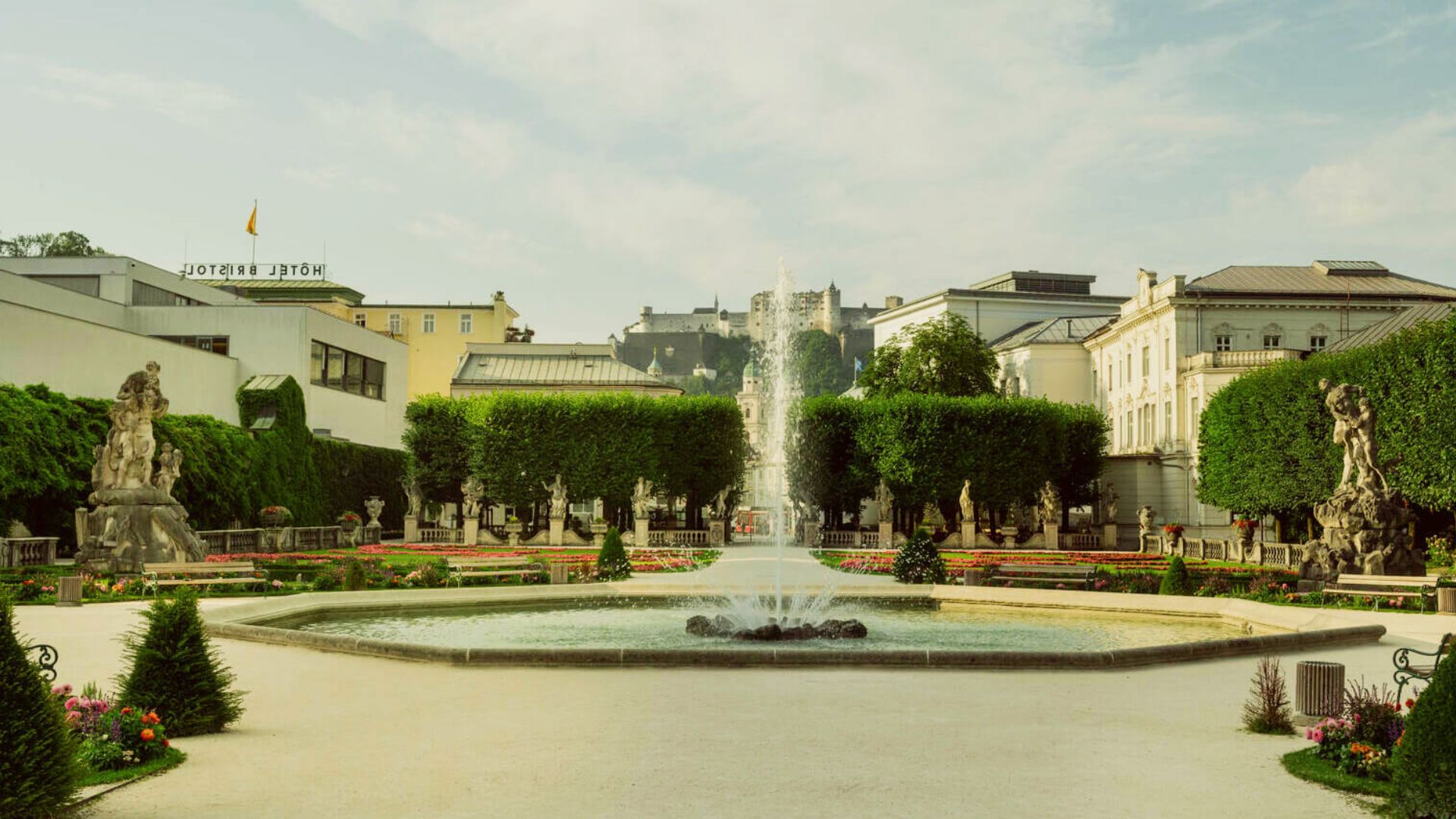
The Mirabell Gardens are one of the most visited spots in Salzburg. You know it from the "Do-Re-Mi" number, where Maria and the children sing along the paths.
The garden has wide flower beds, stone fountains, and a grand staircase. It sits in the city center and is easy to reach on foot.
I found this place more moving in person than I expected from the film.
2. Residenzplatz
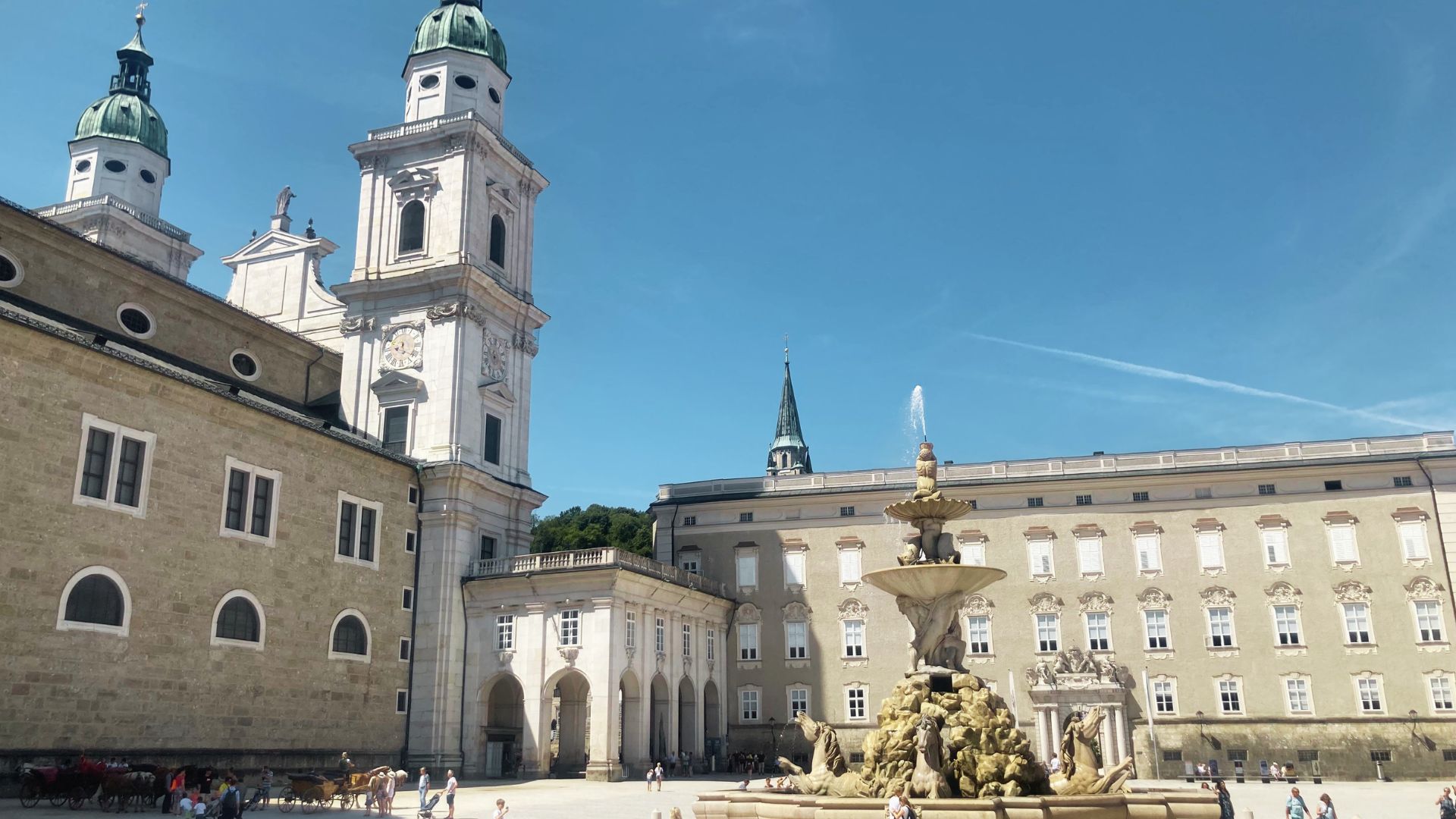
Residenzplatz is a wide open square in Salzburg's old town. In the film, Maria walks through it with her guitar case on her way to the Von Trapp home.
The square has a baroque fountain at its center and is lined with historic buildings. It feels like stepping back in time.
When I stood there, I could clearly see why the filmmakers chose this spot for the film.
3. Nonnberg Abbey
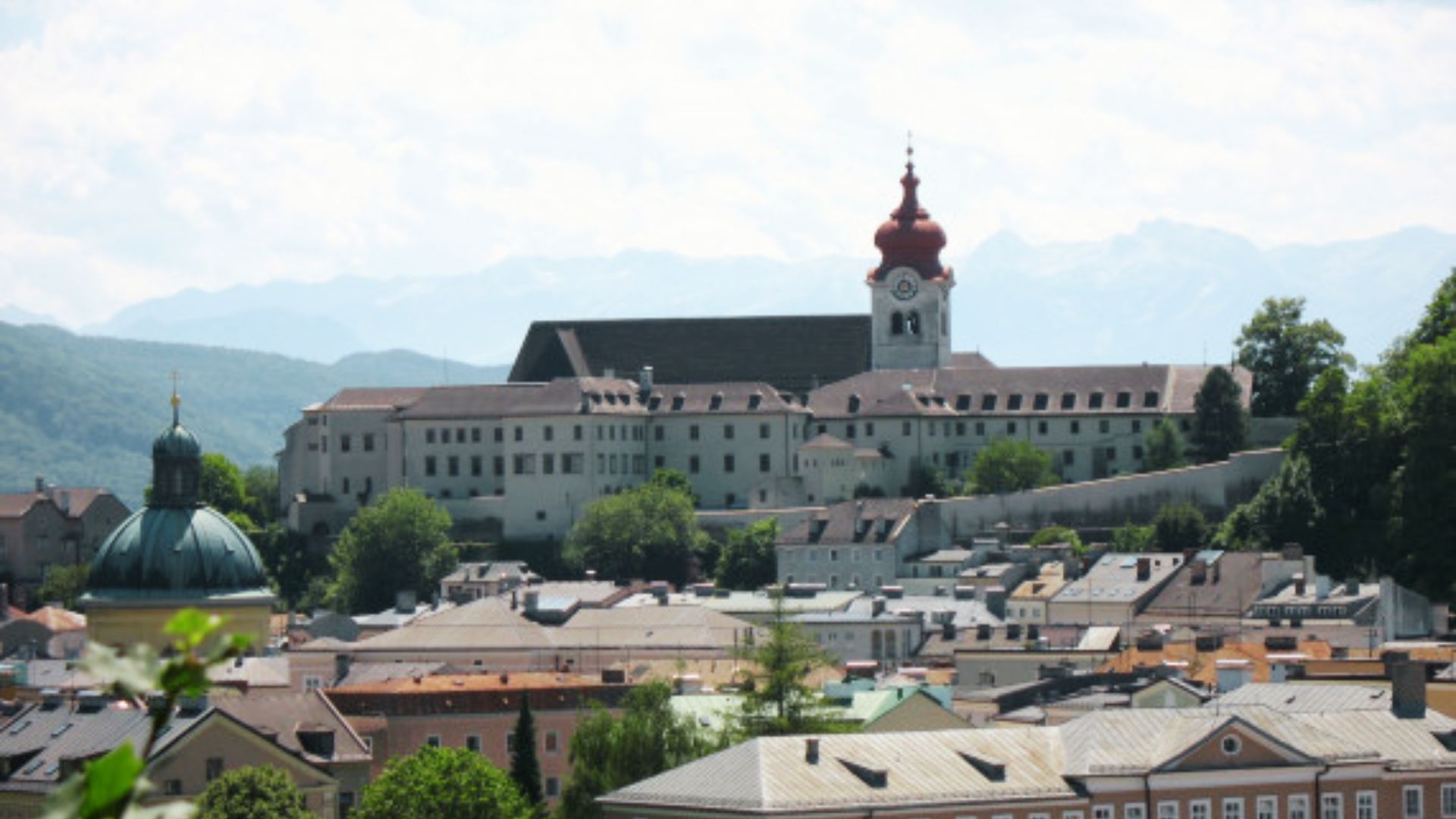
Nonnberg Abbey is one of the most important locations in the film. The real Maria Von Trapp actually lived here as a novice.
In the movie, this is where Maria sings before heading to the Von Trapp family. The abbey sits on a hill above the old town.
Visitors can see the entrance from outside, but most of the interior stays closed to the public year-round.
4. Schloss Leopoldskron
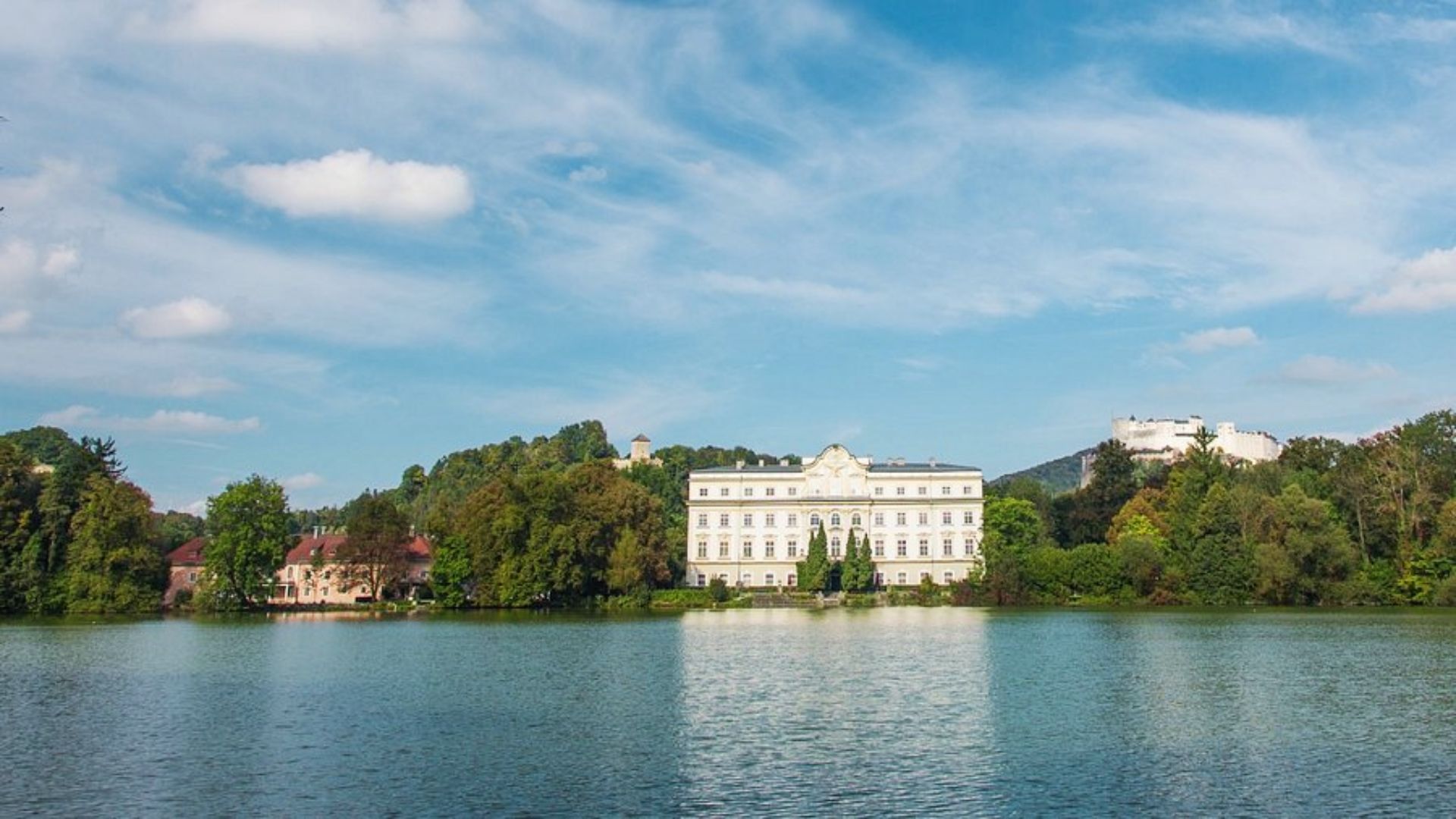
Schloss Leopoldskron is the palace used for the back of the Von Trapp home. The lake-facing terrace and boathouse scenes were filmed here.
This is where the children fall into the water in that famous scene. The building is now a hotel, so public access is limited.
But the view from the lake path is more than worth the walk over to see it.
5. Schloss Hellbrunn
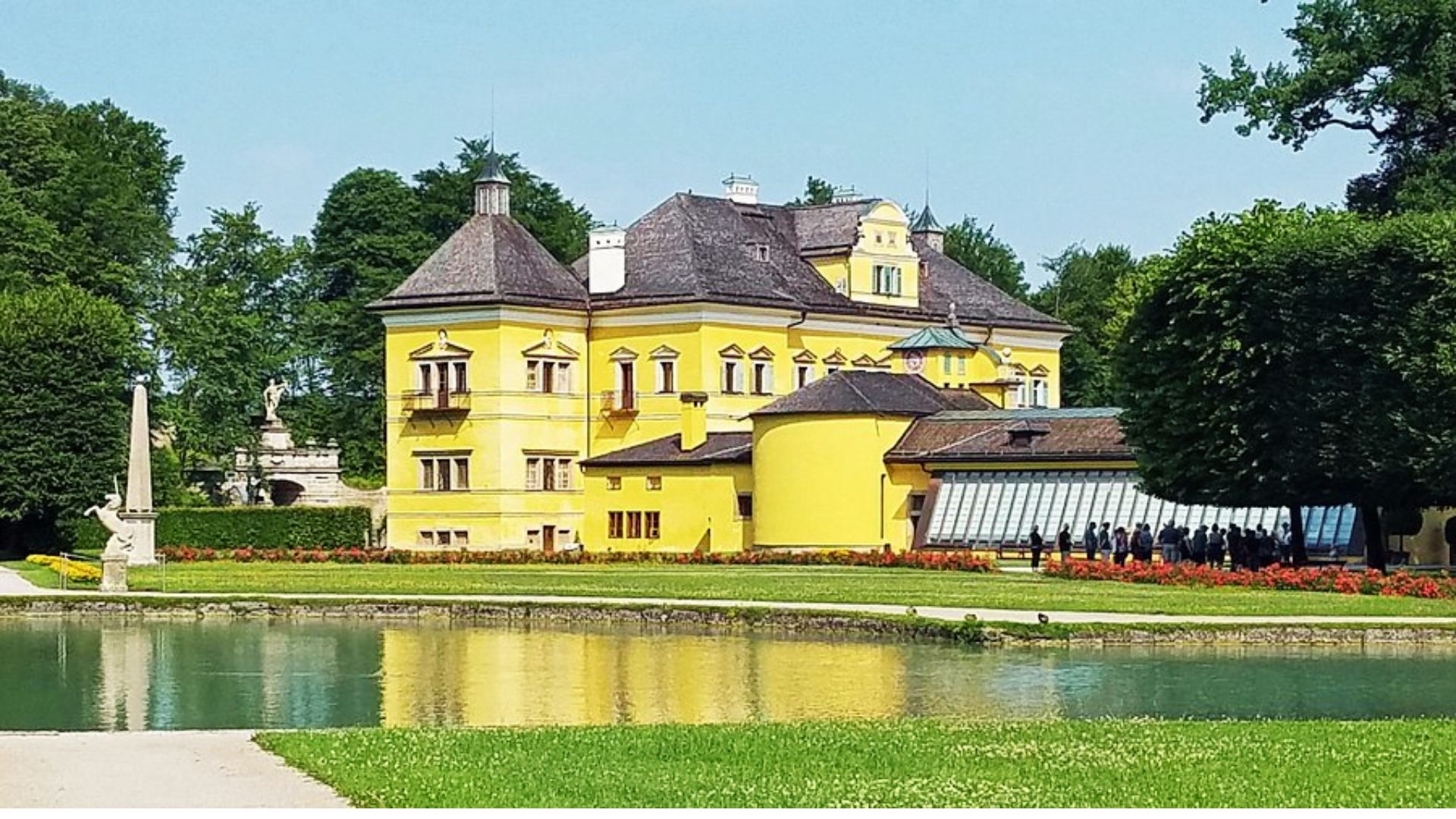
Schloss Hellbrunn is a royal palace with large grounds just outside the city.
The glass-and-wood gazebo where Liesl and Rolf sing "Sixteen Going on Seventeen" stands right here. It was moved slightly after filming to protect it.
The palace grounds are open to the public, and the gazebo is now a popular stop on every film tour in Salzburg. Worth every minute of the visit.
6. Felsenreitschule
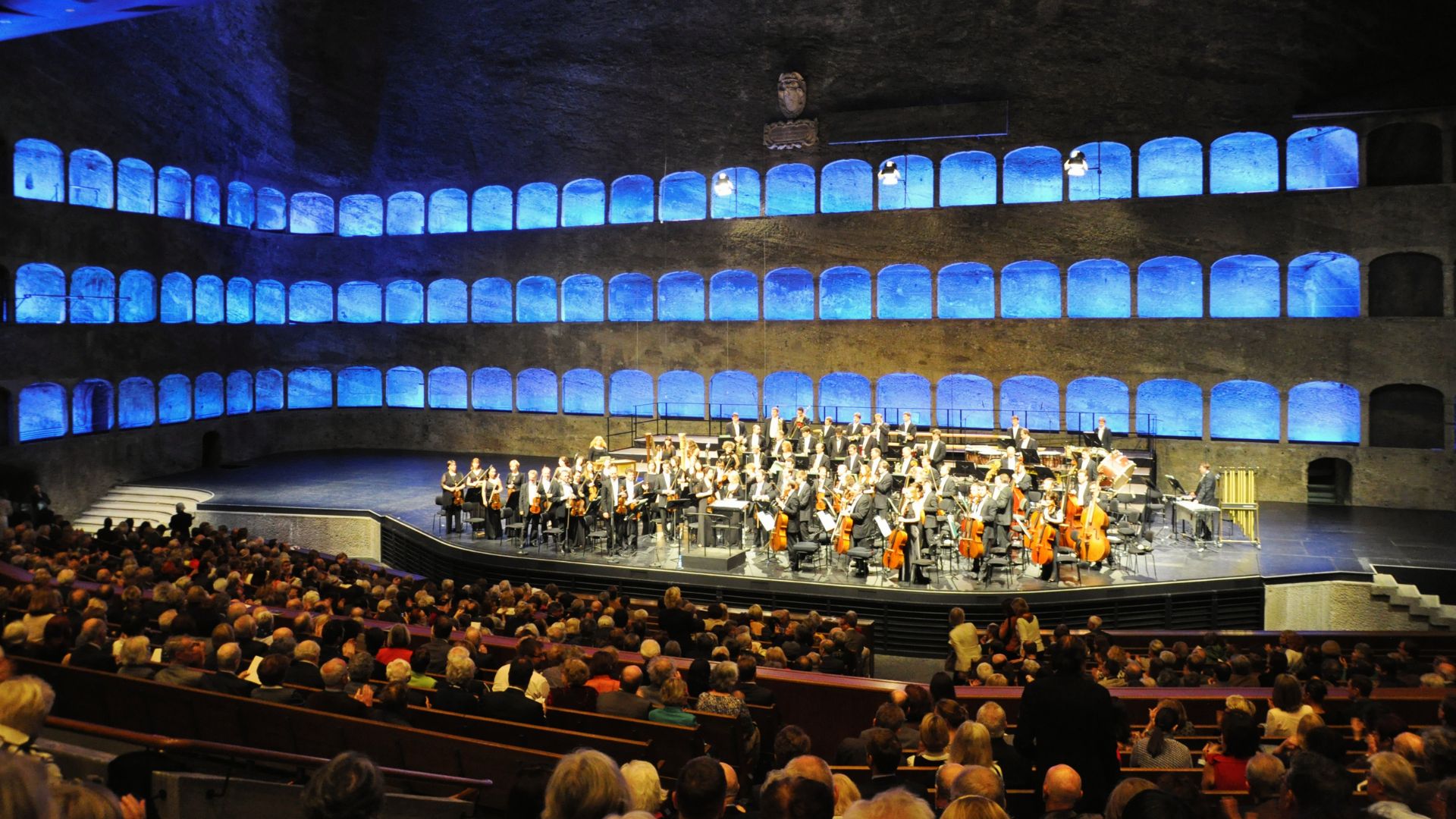
The Felsenreitschule is a rock-cut outdoor stage built into the cliff face of the Mönchsberg. In the film, this is the venue where the Von Trapp family performs before their escape.
The arched rock galleries behind the stage give it a strong visual presence. It is still used as a real performance venue today.
You can visit during the Salzburg Festival in summer or book a guided backstage tour.
7. Mozartsteg Bridge
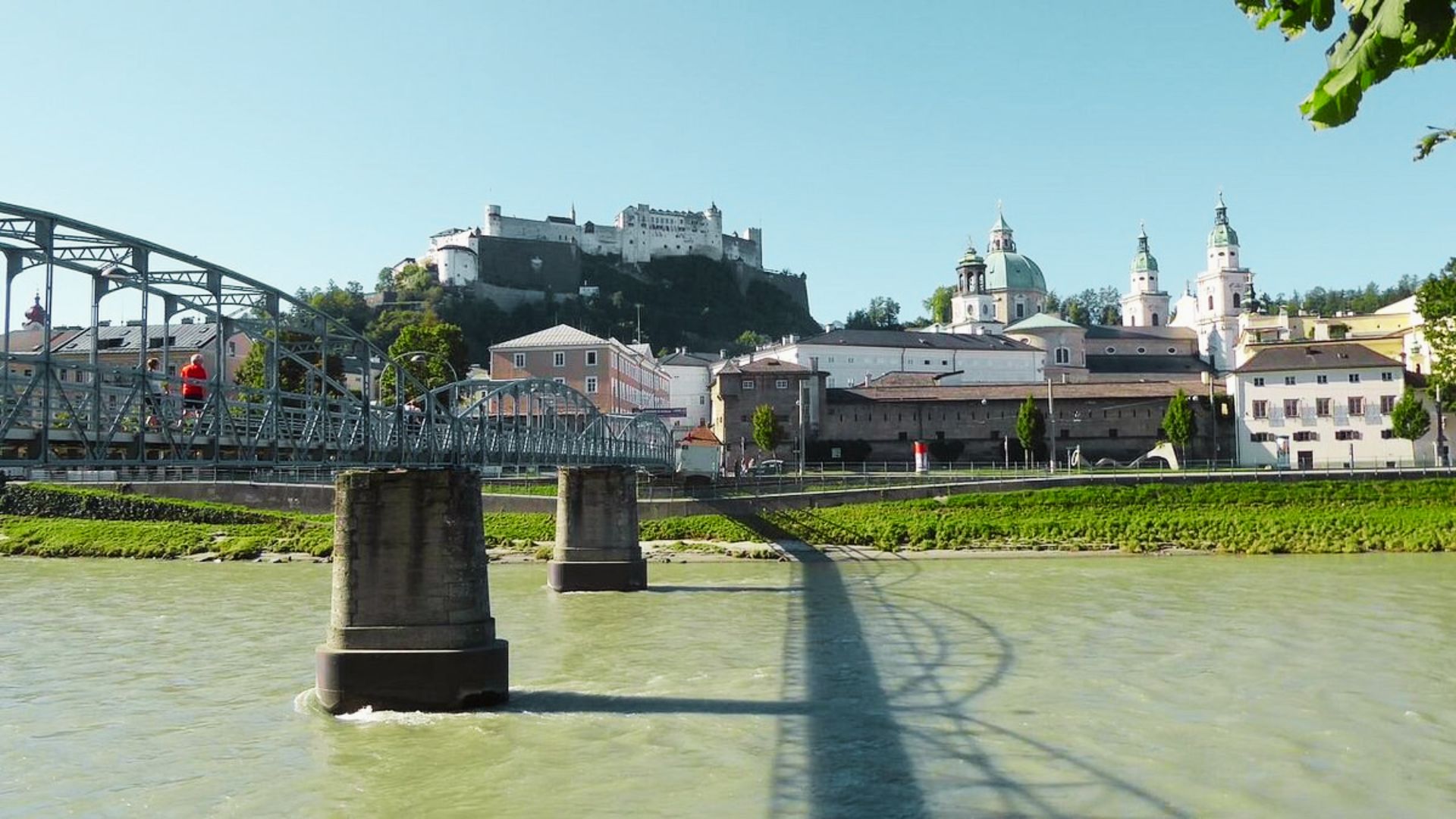
The Mozartsteg is a small footbridge over the Salzach River. In the film, Maria and the children cross it during the "Do-Re-Mi" sequence.
It connects the old town with the newer parts of the city. The bridge offers views of the river and the buildings on both banks.
It takes only minutes to cross, but makes for a great photo stop on any film location walk.
8. Mehlweg Meadow (Marktschellenberg)
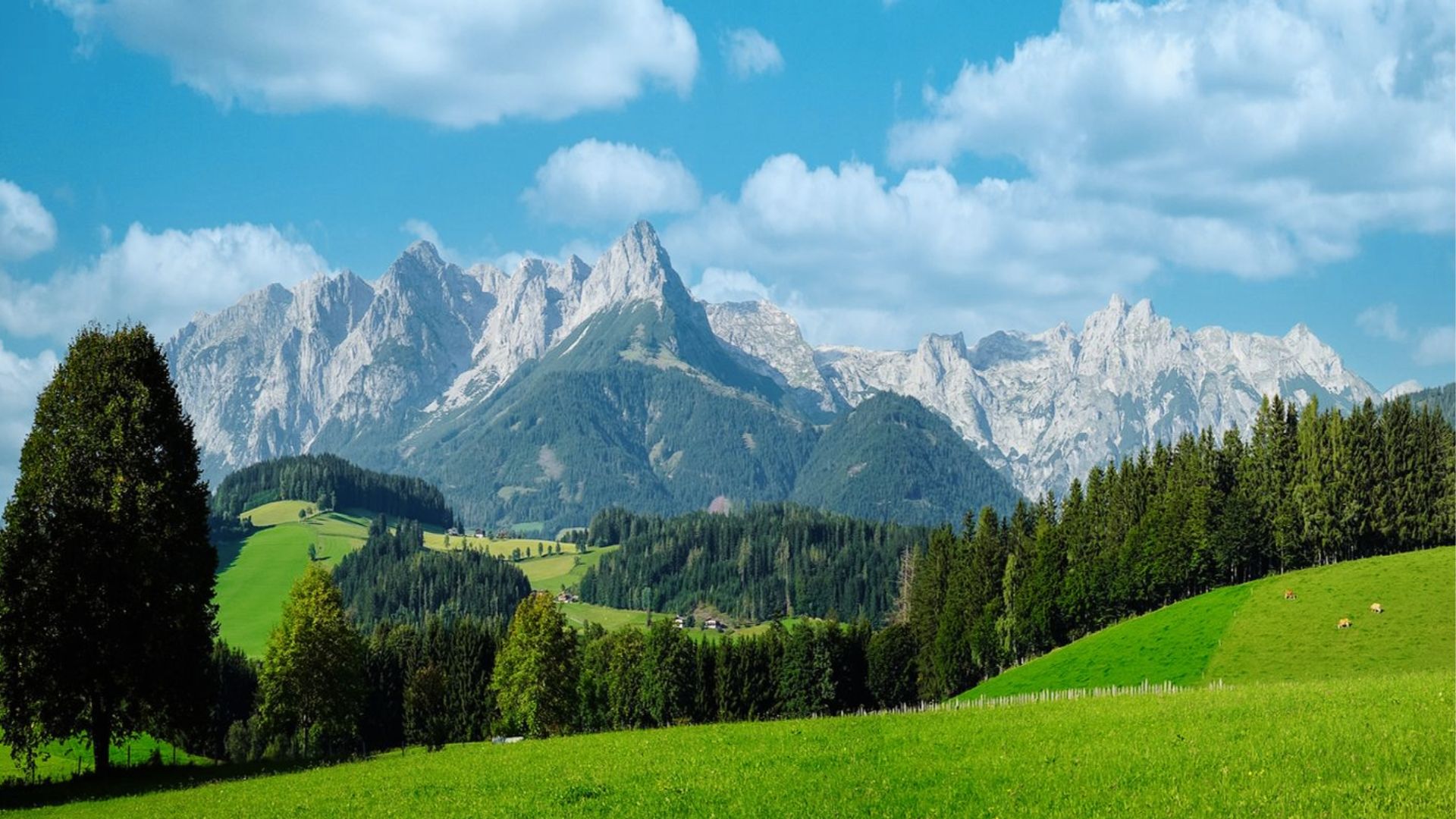
The Mehlweg Meadow sits just across the Austrian border near Marktschellenberg in Germany.
This is where the opening scene was shot, with Maria spinning in the hills. The meadow sits high up with wide open views of the Alps around it.
Getting there takes some planning, but standing in that exact spot makes the whole film feel very real. Most guided tours include a stop here.
9. Werfen (Gschwandtanger Meadow Area)
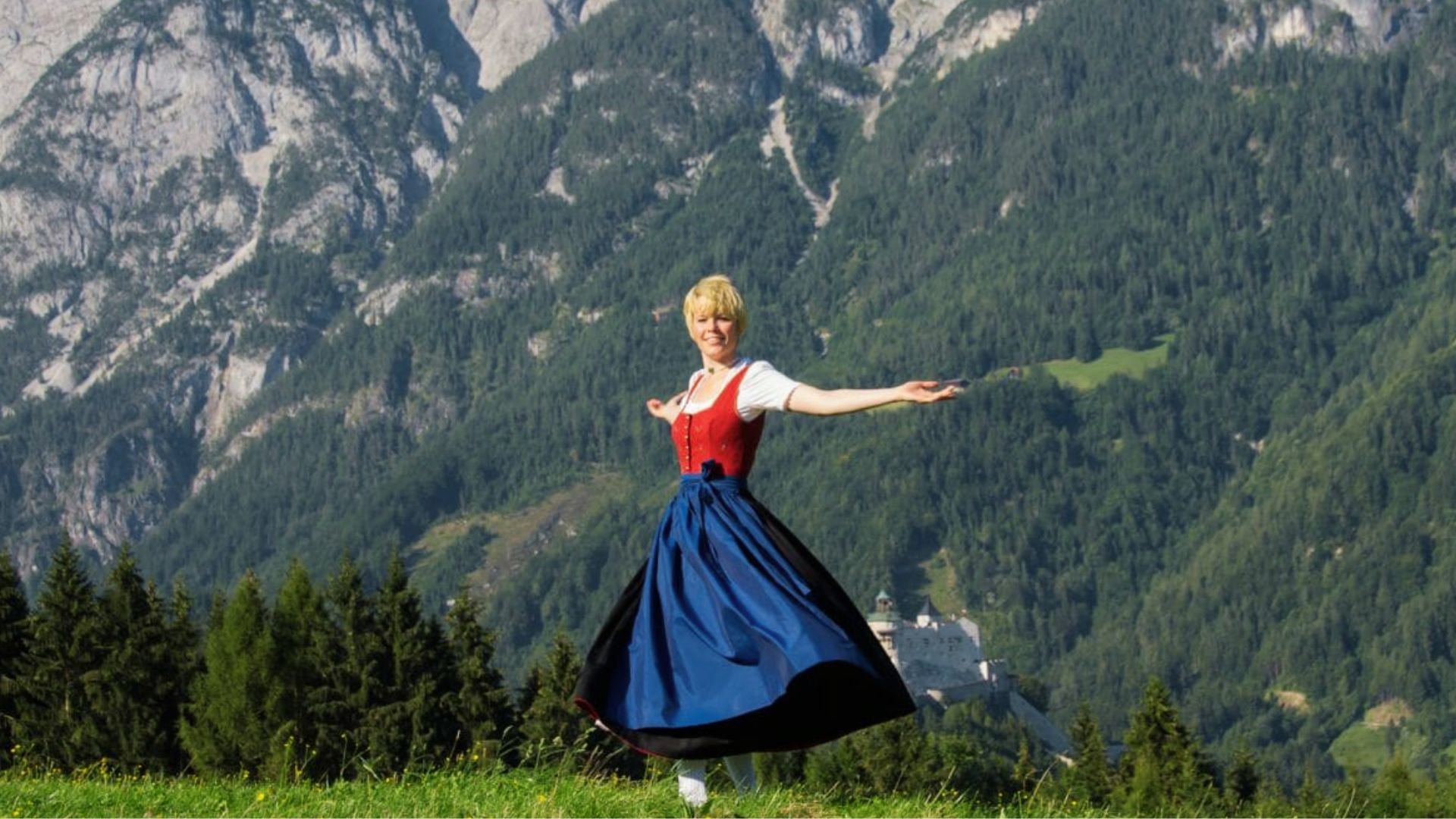
The area around Werfen, about an hour south of Salzburg, was used for wide open meadow shots in the film.
The Gschwandtanger meadow sits in a valley with tall mountains all around. These shots gave the film its wide, open feel.
It is a peaceful spot. You need a car or a tour bus to reach it, but the mountain views are well worth the trip.
10. Hohenwerfen Castle (Background Shots)
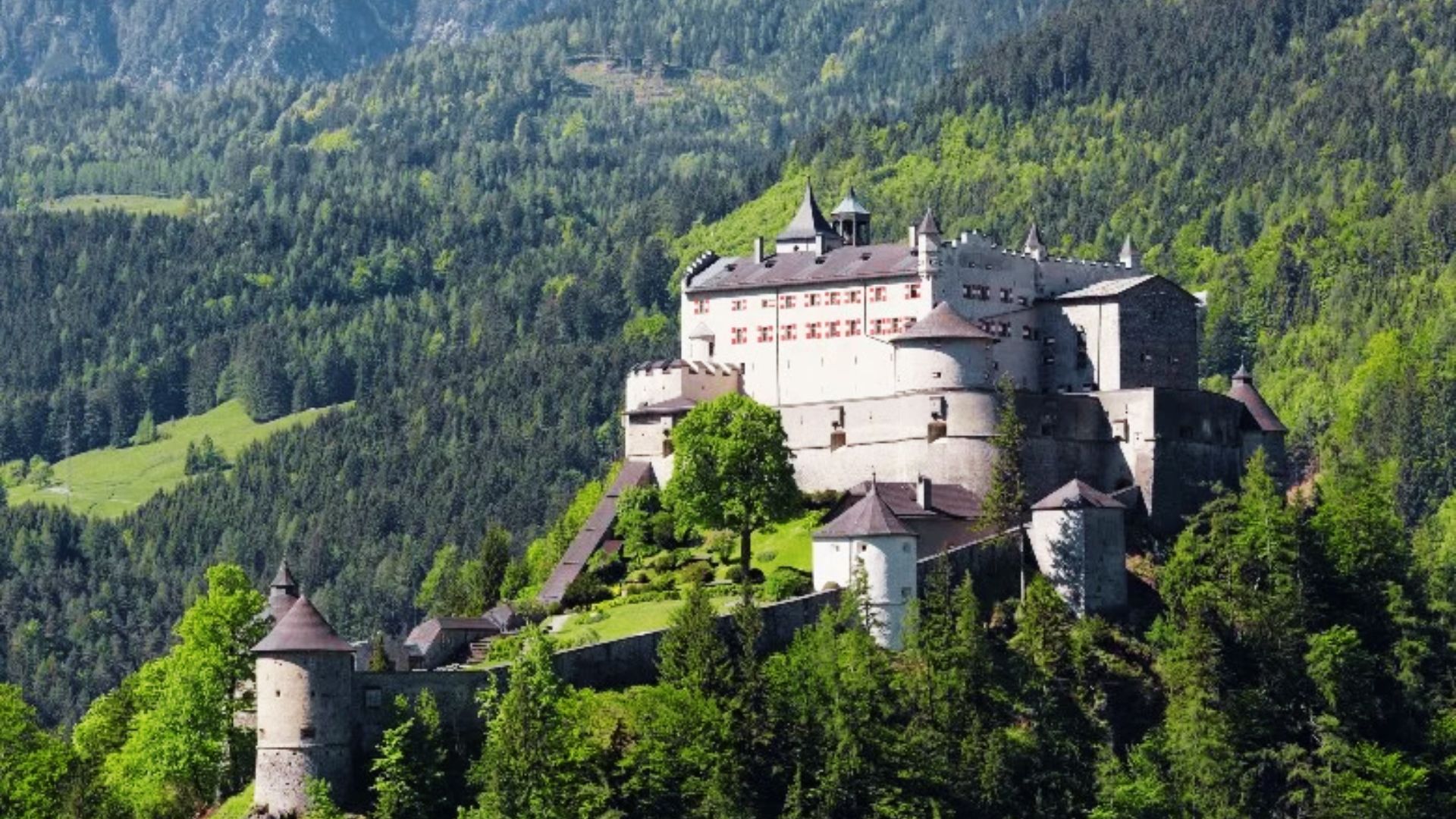
Hohenwerfen Castle sits on a rock above the Salzach Valley near Werfen. It appears in the film as a background shot during the mountain scenes.
The castle is real, old, and very well preserved. It now runs guided tours and falconry shows.
Even if you are not a big film fan, this castle is one of the most striking sights in the whole Salzburg region.
11. Mondsee Basilica (St. Michael's Church)
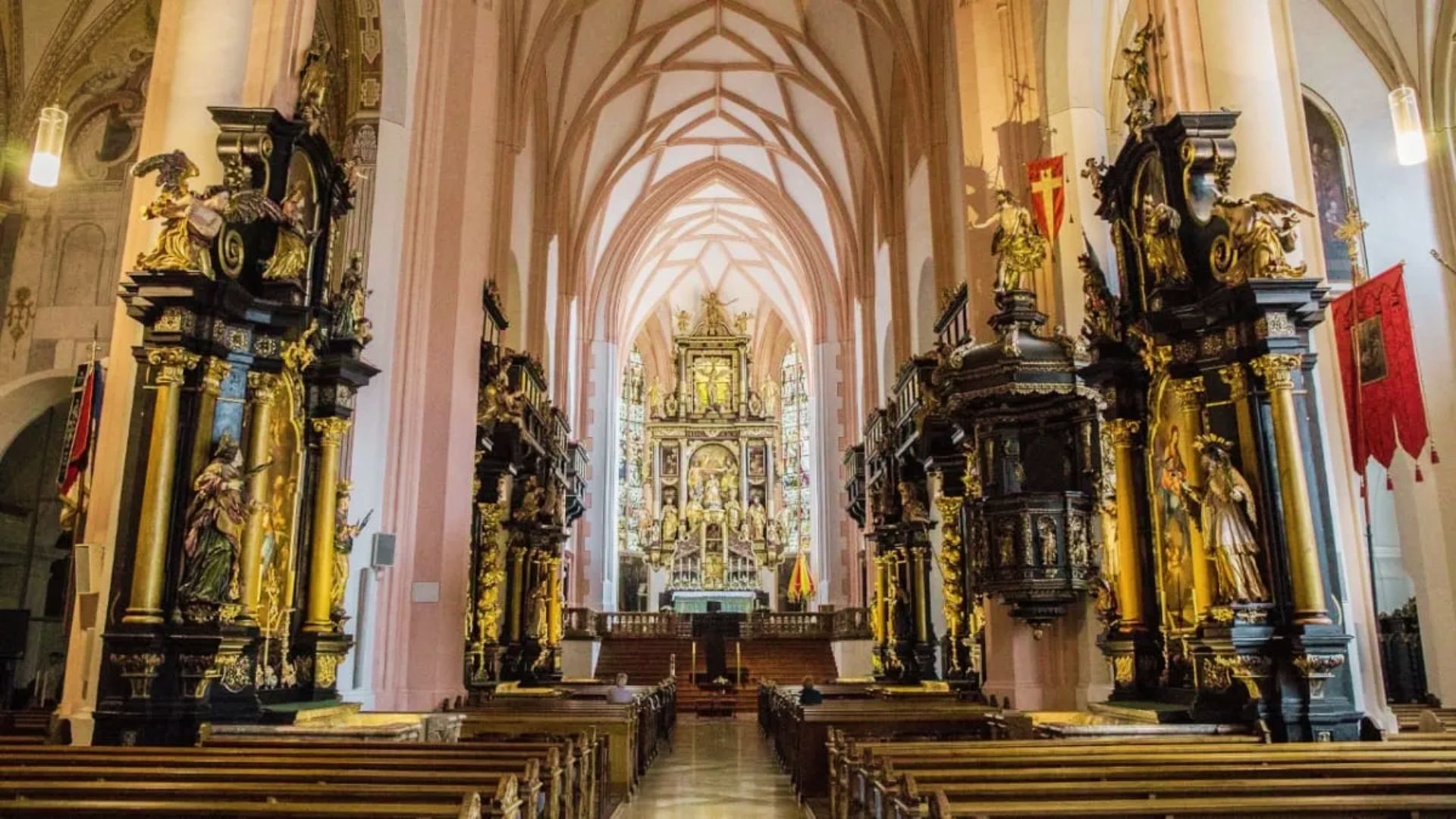
The Mondsee Basilica, also called St. Michael's Church is where the wedding scene was filmed.
Maria and Captain Von Trapp marry here in one of the most recognizable scenes in the movie. The church has a bright yellow facade and a grand interior.
It sits in the small town of Mondsee, about 30 minutes from Salzburg. The church is open to visitors throughout the year.
12. Schloss Frohnburg
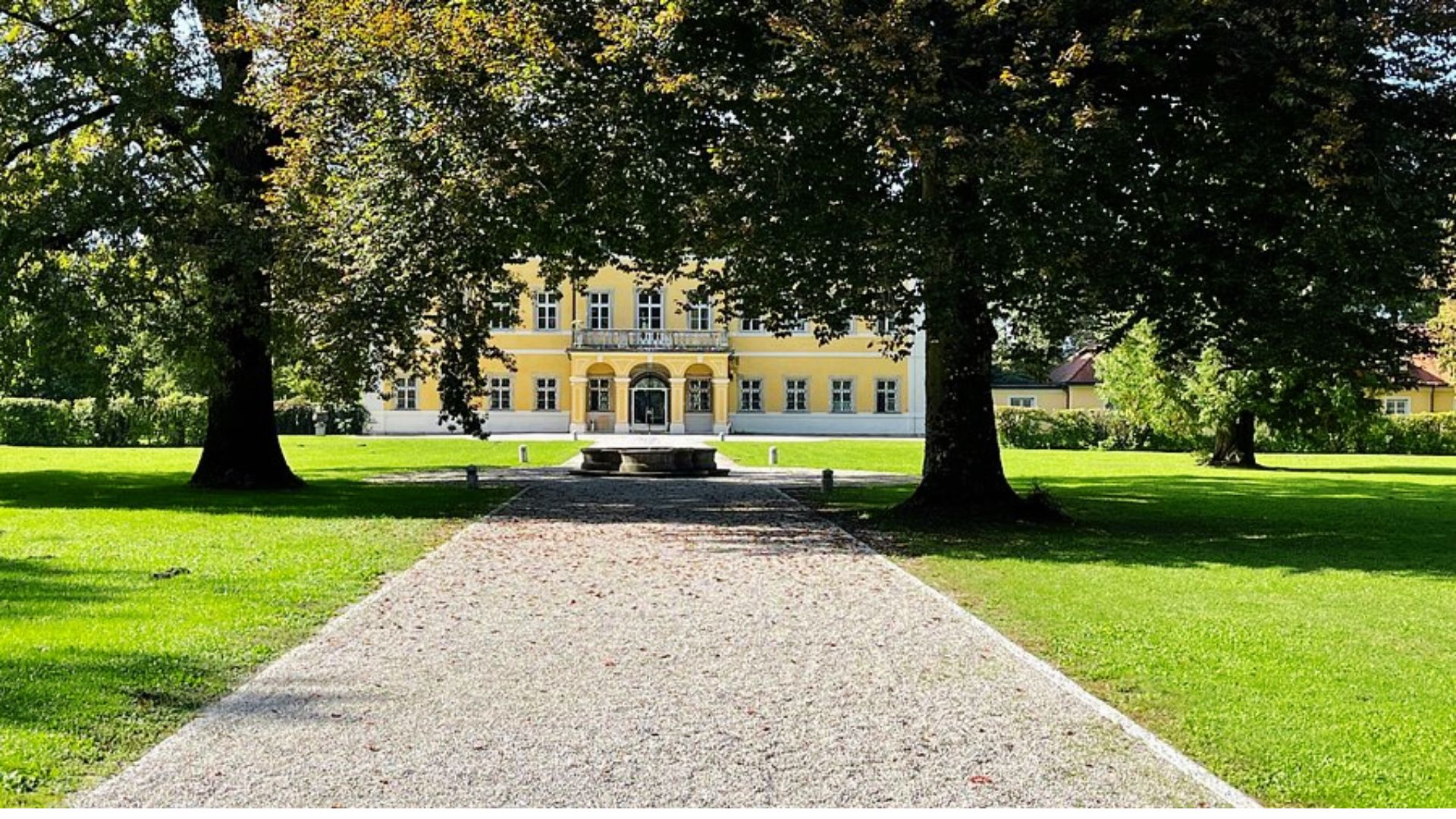
Schloss Frohnburg is the palace used for the front of the Von Trapp home in the film.
While Schloss Leopoldskron provided the back and lake scenes, Frohnburg gave the driveway and entrance shots.
The building is now a music college and not open to visitors. But you can see the gate and facade clearly from the road outside. A quick stop on any location tour.
13. Hellbrunner Allee
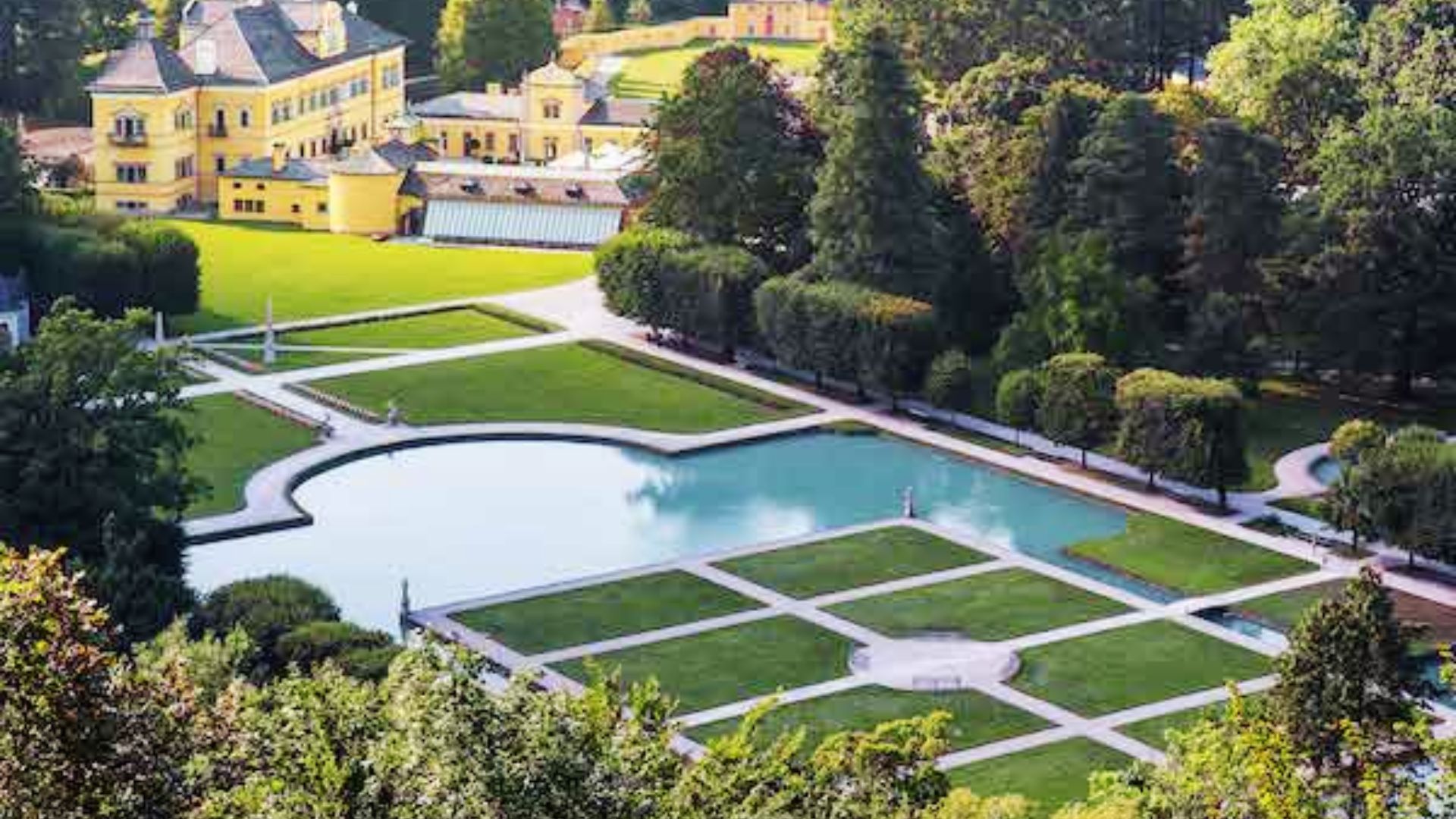
Hellbrunner Allee is a long tree-lined avenue leading toward Schloss Hellbrunn. In the film, this road appears in the bicycle scene where the family rides together.
The avenue is lined with tall chestnut trees and is very peaceful. Today you can walk or cycle along the same path.
It is one of the most relaxed and pleasant stops on any Sound of Music location visit.
14. St. Peter's Cemetery
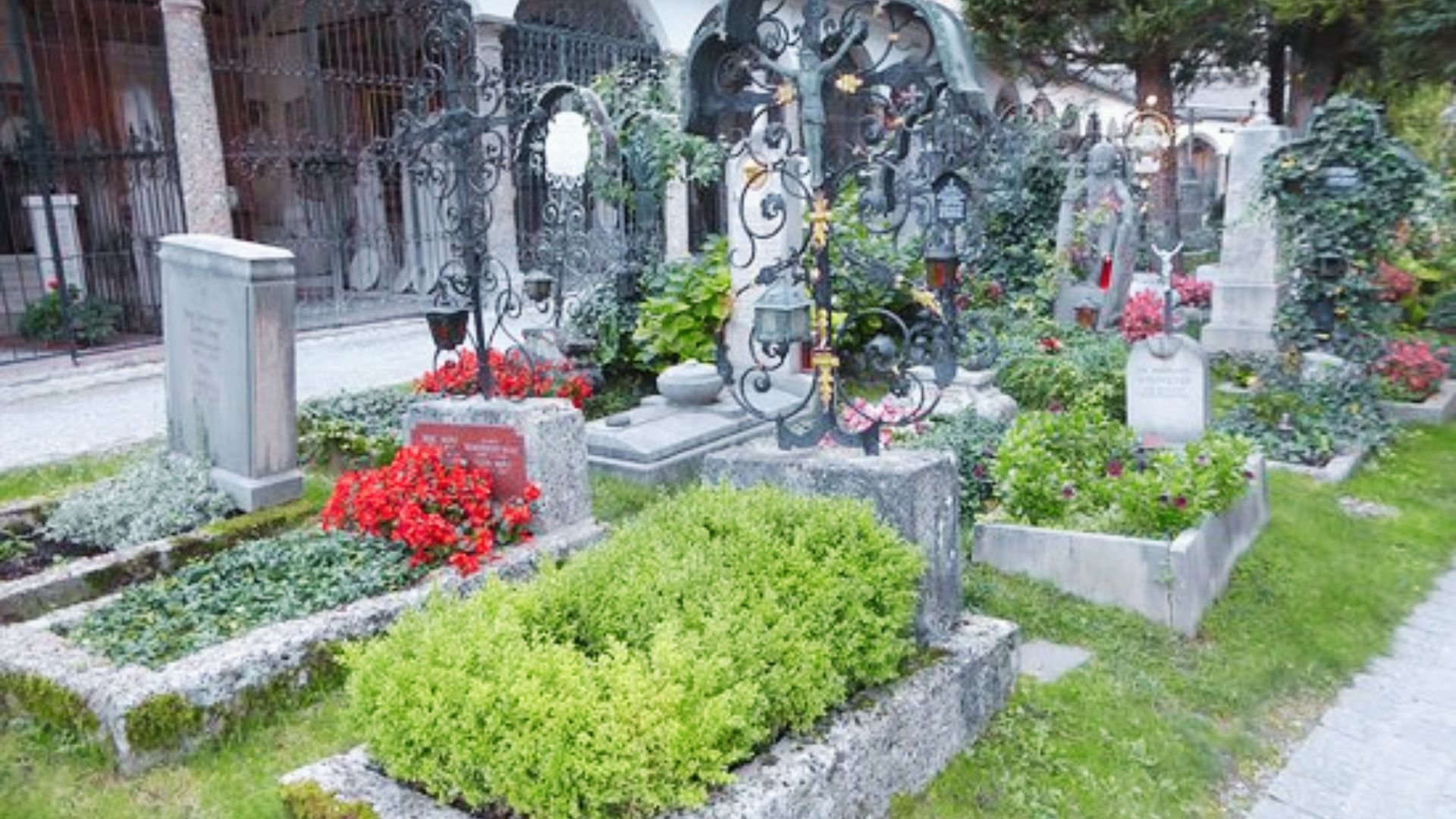
St. Peter's Cemetery is one of the oldest cemeteries in the German-speaking world.
In the film, the Von Trapp family hides here during their escape. The cemetery has old stone graves, covered arcades, and rock-cut catacombs.
It sits next to St. Peter's Abbey in the old town. You can visit freely throughout the day. It is calm, historic, and worth a slow look around.
15. Salzburg Old Town (Altstadt)
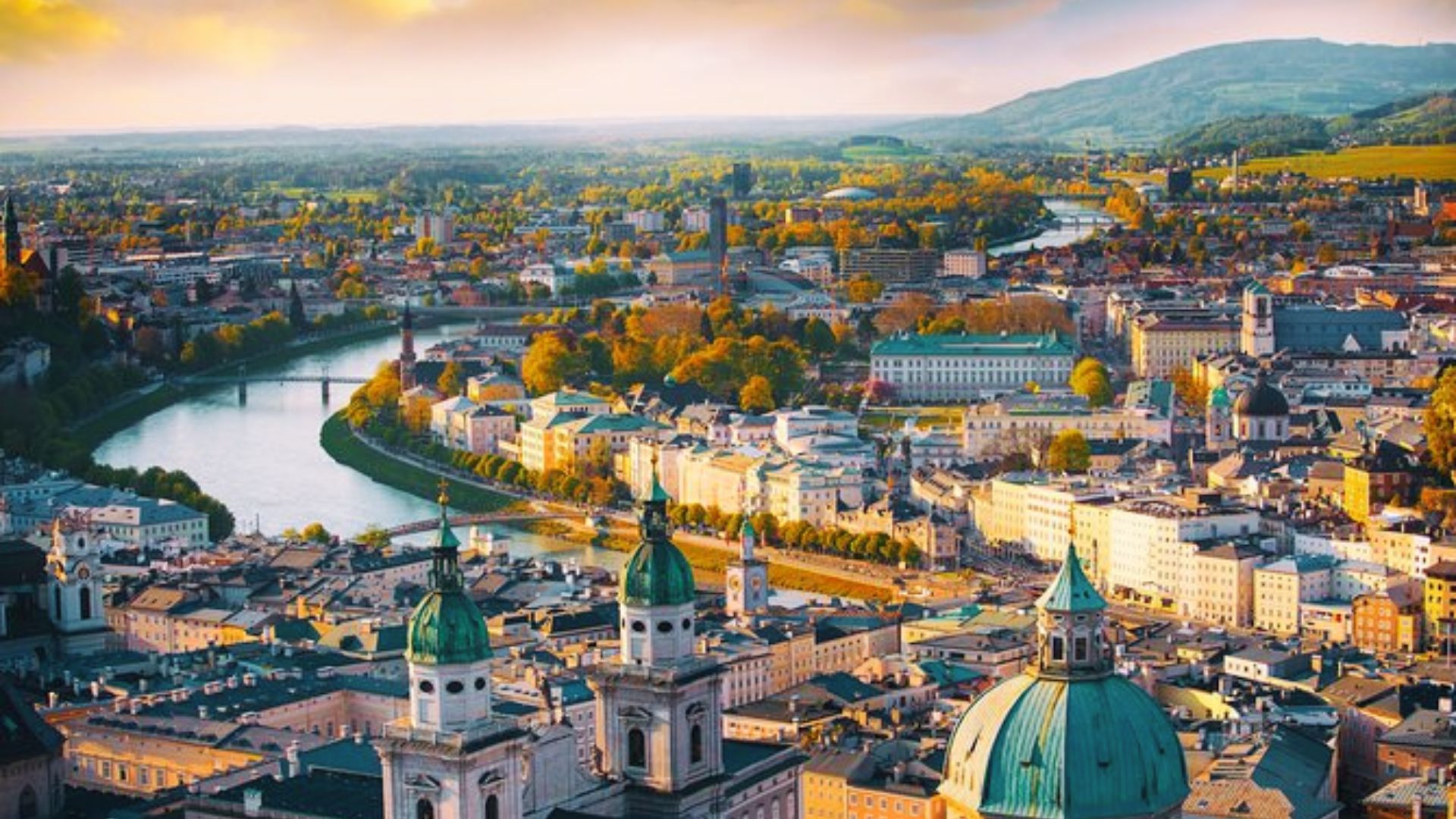
Salzburg's Old Town, known as the Altstadt, is a UNESCO World Heritage Site. Many scenes in the film were shot in these narrow streets, open squares, and along the river.
The old town gives the whole film its setting and mood. Walking through these streets feels like being inside the film itself.
It is the one area in Salzburg that ties every other filming location together.
Best Ways to Visit Filming Locations
Here is how you can see all the key filming spots in Salzburg without wasting time or money.
- Most guided bus tours last around four hours and cover 10 to 15 filming locations in a single go.
- Private tours give you more flexibility and guides often share behind-the-scenes film stories along the way.
- The main spots in Salzburg's old town are all within easy walking distance of each other.
- Mondsee and Werfen are both worth a day trip and can be combined into one early start.
- Renting a car gives you the most freedom, especially for reaching the meadow and mountain areas.
Plan ahead, start early, and you'll cover more ground than you think in a single day.
Why Salzburg is the [Top] Sound of Music Destination
![Image showing the [Top] Sound of Music Destination](https://grahmsguide.com/wp-content/uploads/2026/05/dip-N4Ad6FTdYDKX.jpg)
Salzburg is not just a filming location. It is a city that lives and breathes the story of The Sound of Music.
The real Von Trapp family walked these same streets. The same hills, churches, and palaces you see in the film are still standing today.
Millions of fans visit each year from all over the world. For many of them, seeing these places in real life brings the film closer to their hearts.
No studio set or screen can replace what it feels like to stand here.
Conclusion
I have always believed that the best way to love a film is to stand where it was made. The sound of music locations in Salzburg gave me that feeling.
Every garden, church, and hill felt like a piece of something bigger. If you ever get the chance to visit, go. You will not regret it.
Have you been to Salzburg? I would love to hear about your favorite spot in the comments below.
And if this post helped you, please share it with a fellow film lover.
Frequently Asked Questions
Is it free to visit the Sound of Music filming locations in Salzburg?
Most outdoor spots like Mirabell Gardens and Residenzplatz are free, but some sites like Hellbrunn Palace charge an entry fee.
How long does a Sound of Music tour in Salzburg take?
A standard guided bus tour usually takes around four hours and covers most of the key filming spots.
Can I visit Nonnberg Abbey from inside?
The abbey church is open to visitors, but most of the convent buildings remain closed to the public.
Which filming location is closest to the center of Salzburg?
Mirabell Gardens and Residenzplatz are both in the city center and easy to reach on foot from most hotels.
Do I need to book a Sound of Music tour in advance?
Yes, booking in advance is a good idea, especially in summer when tours fill up quickly.
