

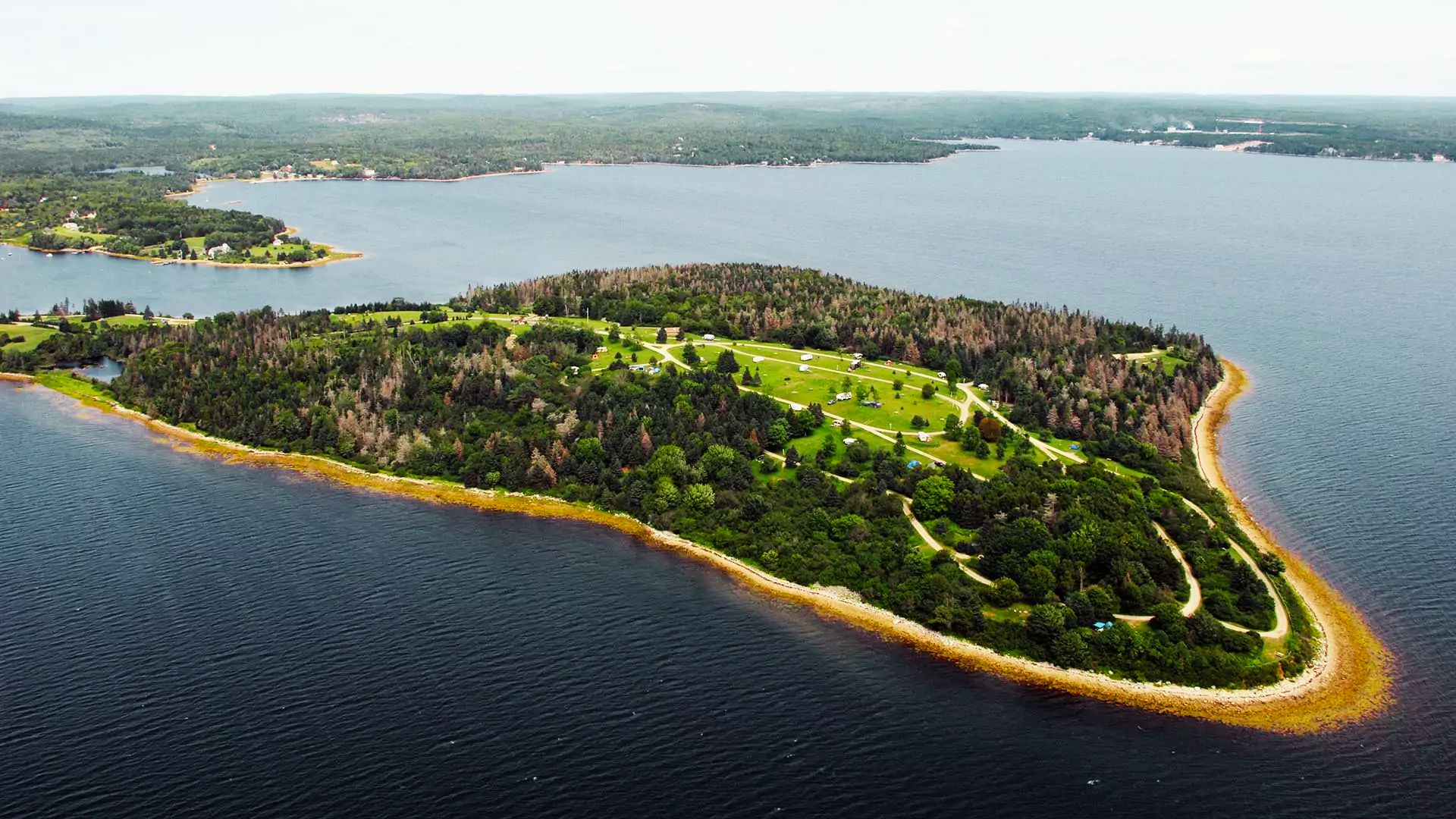
Oak Island has pulled people in for over two centuries. And honestly, it is easy to see why.
This article covers where Oak Island is located, its fascinating history, the long treasure hunt, popular theories, and how you can visit.
Whether you are a history buff or just curious, this guide gives you clear, honest answers.
We have studied the history, the excavations, and the real visitor experience so you do not have to dig through dozens of sources.
Here is what you will find inside:The exact location of Oak Island, How the treasure hunt started in 1795, Major finds and ongoing mysteries, Top theories from pirates to the Knights Templar, Practical tips for planning your visit.
Where Is Oak Island Located?
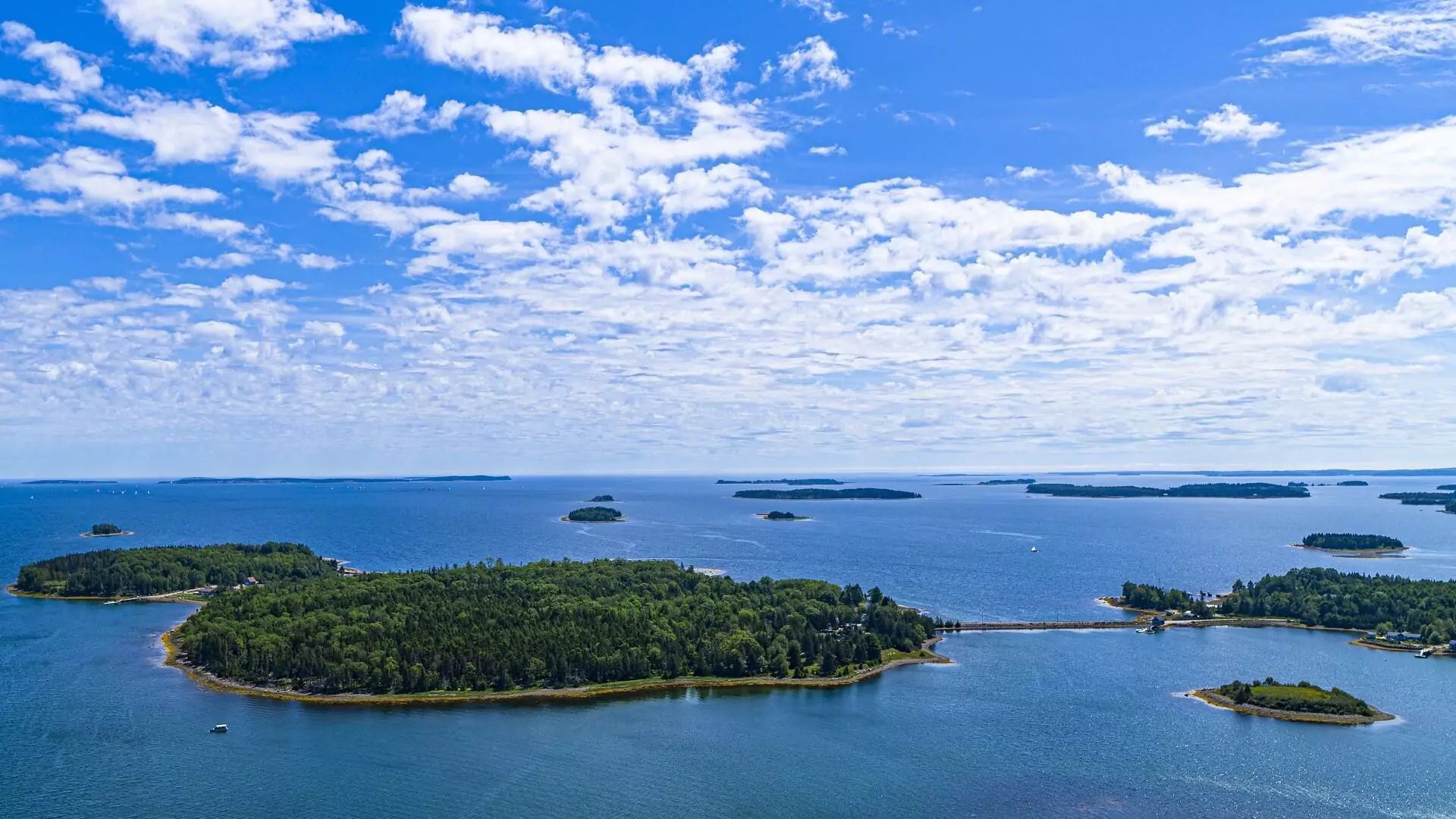
Oak Island sits on the south shore of Nova Scotia, Canada, and has been drawing curious minds for generations.
Oak Island is a small island located in Mahone Bay, near the town of Western Shore in Lunenburg County.
It covers about 57 hectares and is connected to the mainland by a causeway, making it easy to reach by road.
The island is privately owned and mostly controlled by Oak Island Tours Inc. It sits roughly 160 km southwest of Halifax, making it a reasonable day trip for most visitors visiting the Nova Scotia coast.
History of Oak Island and Its Discovery
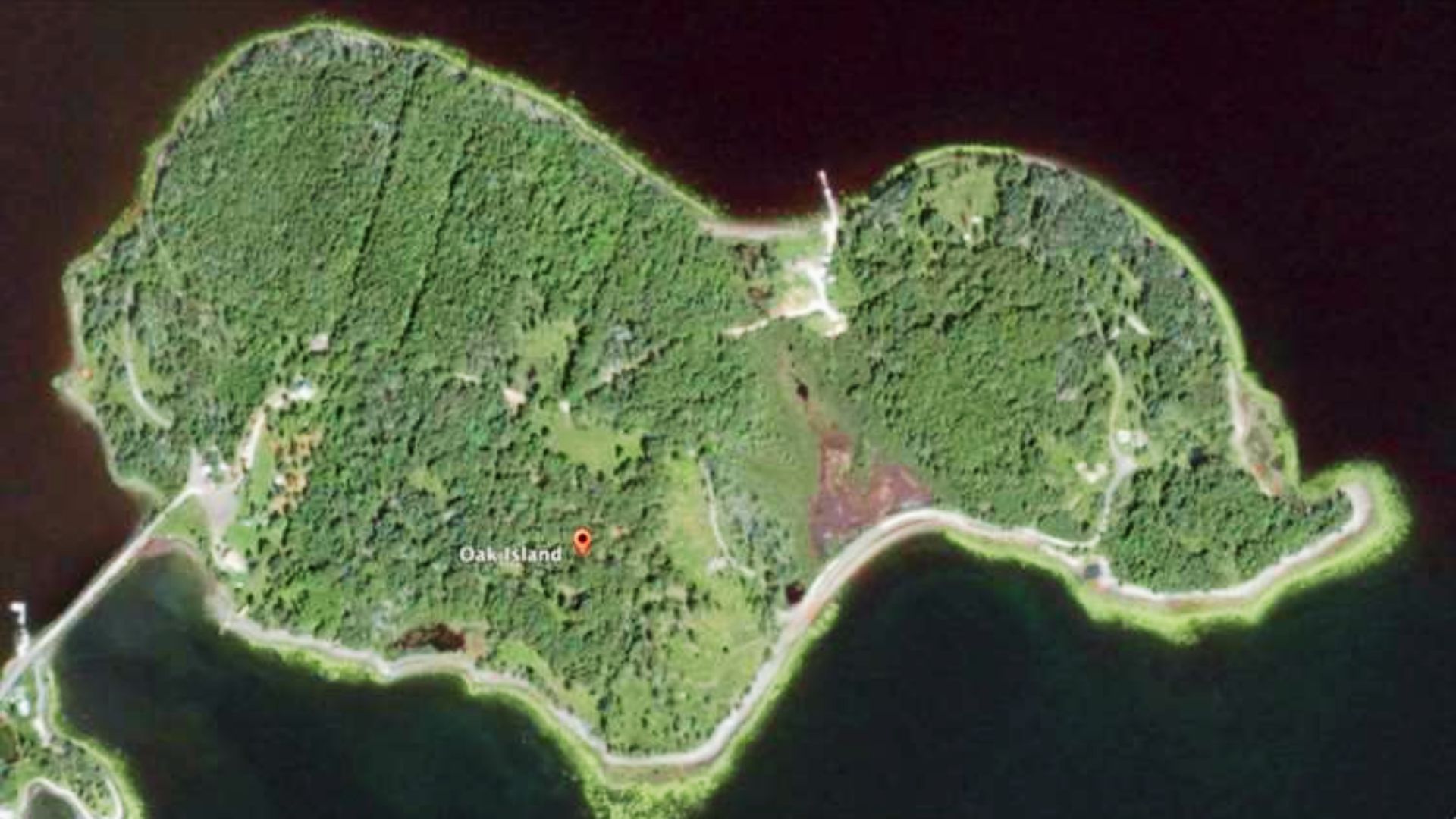
The story of Oak Island goes back more than 200 years, starting with a curious teenager and a strange depression in the ground.
The 1795 Discovery by Daniel McGinnis
In 1795, a young man named Daniel McGinnis spotted a circular depression on the island. He returned with two friends and began digging.
A few feet down, they hit flagstones and layers of logs placed every ten feet. This was no natural formation. The "Money Pit" was born.
Early Excavations and the Origin of the Money Pit
In 1804, the Onslow Company dug deeper and found layers of charcoal, putty, and coconut fiber. At around 90 feet, they reportedly found a stone with a coded message.
When they resumed digging the next day, the pit had flooded. Flood tunnels had been built to protect whatever was inside.
Key Historical Milestones in the Treasure Hunt
The search stretched across centuries with major moments along the way.
In 1861, the pit bottom collapsed into a cavern below. In 1897, a small piece of parchment was found deep inside.
By the 1970s, camera equipment was lowered into a flooded shaft called Borehole 10-X. The Lagina brothers later brought the story to a global audience through the History Channel series starting in 2014.
Treasure Hunting on Oak Island

Over 200 years of digging, spending, and searching have shaped Oak Island into one of the most talked-about mystery sites in the world.
Major Excavation Efforts Over 200 Years
Early groups used hand tools and basic drilling. Later efforts brought in industrial equipment, pumps, sonar, and cameras.
The Triton Alliance in the 1970s spent millions and drilled hundreds of boreholes. The Lagina brothers added ground-penetrating radar and professional archaeologists. Each group went deeper and more high-tech. The mystery still holds.
Challenges Faced by Treasure Hunters
The biggest problem has always been water. Flood tunnels fill any major excavation with seawater almost instantly.
The soft soil collapses frequently. Several workers have died during excavations, giving rise to the local saying:"Seven must die before the treasure is found. "
Six deaths have been recorded. Cost is another barrier. Many groups have gone bankrupt trying.
Notable Discoveries and Artefacts
Several real finds have been made over the years.
A small piece of parchment was found at 153 feet in 1897. Coconut fiber was found at Smith's Cove, unusual for Nova Scotia.
A 14th-century Spanish copper coin was found by the Lagina team. Carved stone crosses and traces of mercury were also recovered.
None confirm a buried treasure, but all point to deliberate human activity on the island.
Popular Theories About Oak Island Treasure
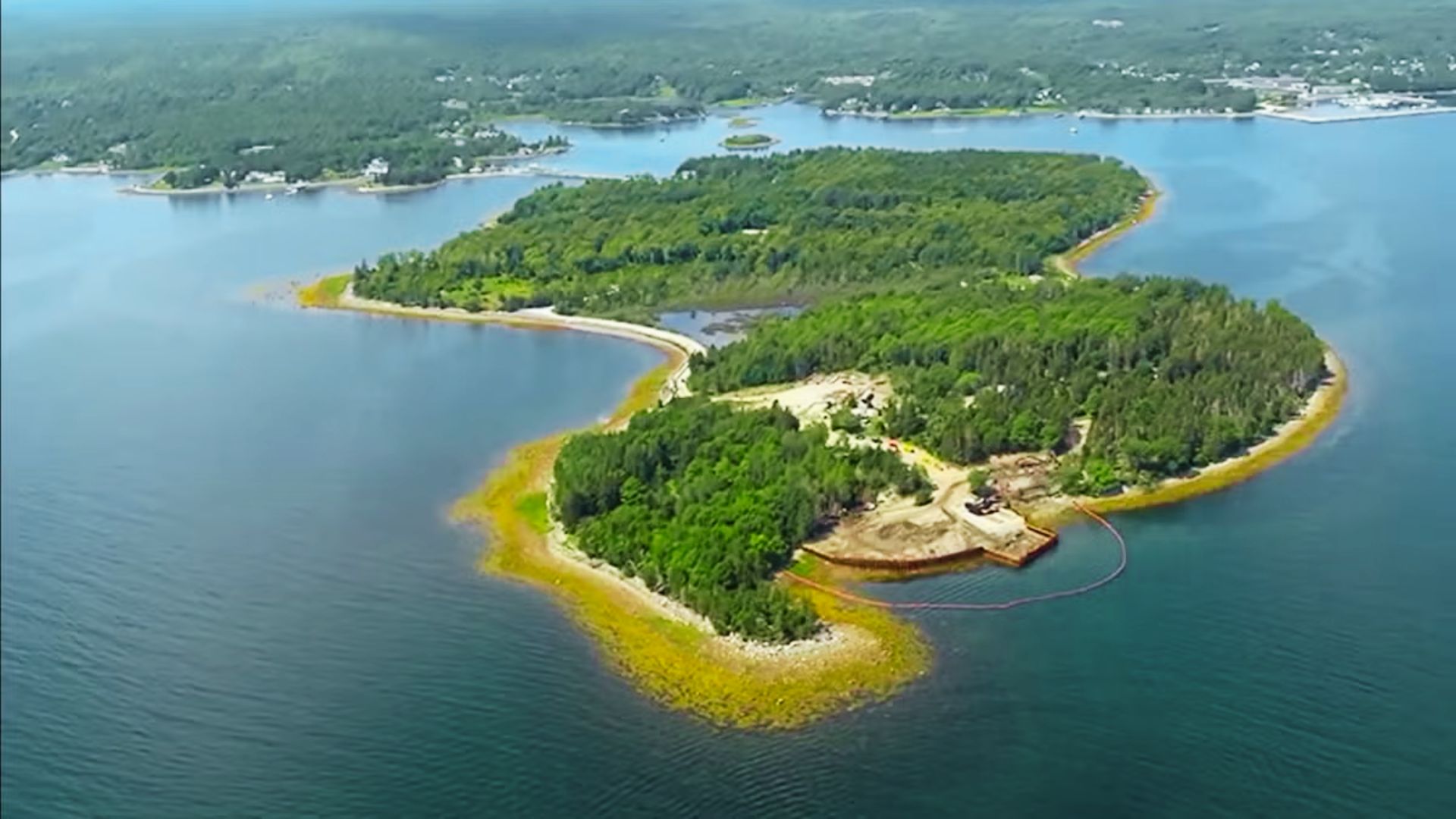
Dozens of theories have circulated over the years. Here are the three most widely discussed.
Pirate Treasure of William Kidd and Blackbeard
The most popular early theory links the pit to Captain William Kidd, who was known to hide loot before his arrest in 1701.
Blackbeard has also been mentioned. The flood tunnel design suggests serious planning. However, no hard evidence directly connects either pirate to Oak Island.
The Knights Templar Theory
Some believe the Knights Templar brought sacred treasures to North America long before Columbus.
Supporters point to stone carvings, Masonic symbols, and the proper engineering of the flood tunnels. Historians note there is no solid evidence placing the Templars in Nova Scotia.
Hidden Manuscripts and Historical Secrets
Some researchers believe Francis Bacon hid original manuscripts in the pit to prove he wrote Shakespeare's plays.
Others link the island to Rosicrucian or Freemason groups who may have buried symbolic objects as part of a secret ritual. Whatever is buried may not be gold at all.
Travel Tips for Visiting Oak Island
Planning a visit takes a little preparation, but it is well worth the effort.
- Book guided tours in advance, as Oak Island is privately owned and access requires a reservation.
- Stay in nearby towns like Chester or Western Shore for easy access to the island.
- Combine your visit with coastal experiences around Mahone Bay for a fuller trip.
- Carry weather-appropriate clothing, as coastal Nova Scotia weather can shift quickly.
- Visit off-island attractions if direct access is limited. The Oak Island Tourism Centre nearby offers great context.
Conclusion
Oak Island has a way of staying with you long after you read about it. The mystery is not just about treasure. It is about how far people will go when they believe something is worth finding.
If this guide helped you understand the Oak Island location, history, and story, share it with someone who would find it just as fascinating.
Have a question or a theory of your own? Drop it in the comments. I would love to hear your take on what is really buried on Oak Island.
Frequently Asked Questions
What is the exact Oak Island location?
Oak Island is located in Mahone Bay, off the south shore of Nova Scotia, Canada. It sits near the town of Western Shore in Lunenburg County, roughly 160 km southwest of Halifax.
Has treasure ever been found on Oak Island?
No confirmed treasure has been found. However, artefacts like parchment, coconut fiber, old coins, and carved stone markers suggest deliberate human activity on the island centuries ago.
Why is Oak Island famous for treasure hunting?
Oak Island became famous after Daniel McGinnis found a mysterious pit in 1795. The pit appeared to have been engineered with flood tunnels and log platforms, suggesting something valuable was buried there intentionally.
Can tourists visit Oak Island?
Yes, but with limitations. The island is privately owned, so public access is restricted. Visitors can book guided tours through Oak Island Tours Inc. Plan ahead and check availability before visiting.
Is the Oak Island treasure hunt still going on?
Yes. The Lagina brothers continue their search, and the History Channel series is still ongoing. New technology and active excavations keep the hunt very much alive more than 200 years after it started.
