

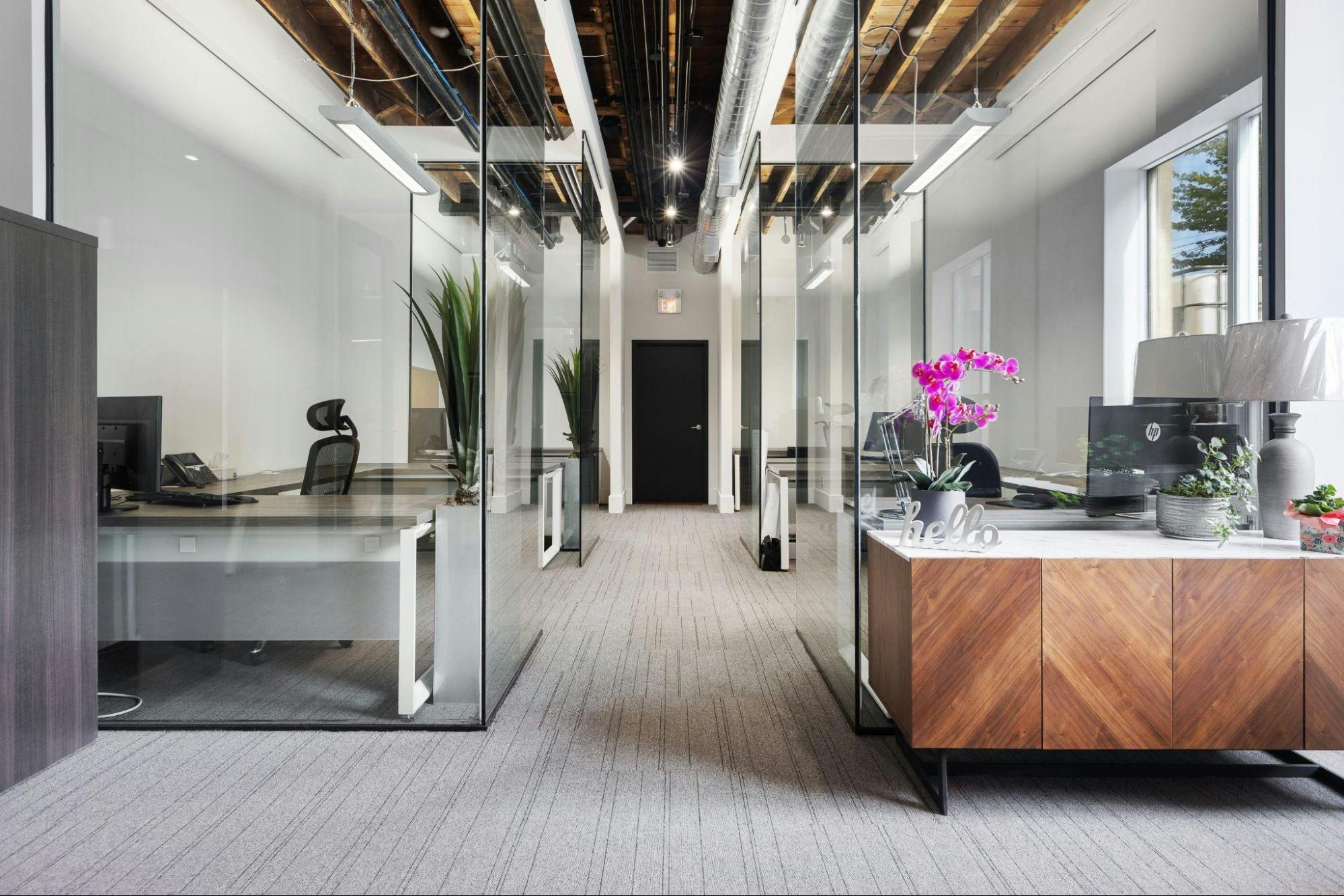
Maintaining a commercial property is about much more than fixing problems when they appear. Consistent upkeep protects the building’s value, creates a better experience for tenants and visitors, and helps avoid expensive repairs that could have been prevented with routine maintenance. The challenge for many property owners isn’t deciding whether maintenance matters, it’s deciding which responsibilities should stay in-house and which are better handled by outside specialists.
The answer usually depends on three factors: how often the work needs to be done, whether it requires specialized expertise, and how much risk is involved. Routine tasks that happen every day often make sense to manage internally, while highly technical or infrequent jobs are typically more efficient to outsource. Many successful property owners ultimately use a combination of both approaches to balance costs, flexibility, and quality.
Keep Routine Cleaning and Daily Maintenance Under Your Control
The work that keeps a building looking clean and functioning properly every day is often the best candidate for an in-house team. Regular inspections, minor repairs, waste removal, touch-up cleaning, restocking supplies, and monitoring common areas all benefit from employees who know the property well and can respond quickly when something needs attention.
For larger commercial buildings, maintaining floors efficiently is often one of the biggest ongoing responsibilities. Property managers comparing best commercial floor cleaning machines are usually looking for equipment capable of handling heavy daily traffic while improving productivity and reducing long-term labor costs. Investing in the right equipment often allows in-house teams to complete routine cleaning more consistently without increasing staffing requirements.
Outsource Specialized Work That Requires Expertise
Not every maintenance task should be handled internally. Roofing, major electrical work, HVAC servicing, structural repairs, fire protection systems, and exterior renovations typically require certified professionals, specialized equipment, and experience that most property maintenance teams don’t possess. Hiring experts also helps reduce liability while ensuring work complies with applicable building codes and safety standards.
Exterior building components are a good example. When evaluating materials such as aluminum soffit, property owners often work with experienced contractors who understand proper installation, ventilation requirements, and long-term durability. These projects usually involve technical knowledge that extends well beyond routine maintenance, making professional installation a worthwhile investment.
Focus Internal Resources on Speed and Prevention

One of the biggest advantages of an in-house maintenance team is responsiveness. Employees already familiar with the building can often resolve small issues before they become larger ones. Loose hardware, damaged ceiling tiles, leaking faucets, burned-out lighting, or minor cosmetic repairs are all examples of tasks that can usually be completed quickly without waiting for outside scheduling.
Preventive inspections also become easier when staff members regularly walk the property. Identifying wear early often costs far less than responding after equipment fails or visible damage appears. An effective maintenance program is built around preventing disruption rather than simply reacting to it.
Use Outside Specialists When Scale Matters
Certain projects require additional labor, equipment, or expertise that simply isn’t practical to maintain year-round. Parking lot resurfacing, large landscaping projects, window restoration, pressure washing, elevator servicing, and major renovations typically fall into this category. Outsourcing these jobs gives property owners access to experienced crews without carrying the ongoing expense of full-time specialists.
It also allows internal maintenance teams to remain focused on the work that keeps the property operating smoothly every day instead of being pulled away by large one-time projects. This combination of in-house responsiveness and outsourced expertise is a common strategy for commercial property management because it balances operational efficiency with access to specialized skills.
Build a Maintenance Strategy Instead of Solving Individual Problems
The most successful commercial properties aren’t maintained through isolated repair decisions. They operate with a long-term strategy that clearly defines which responsibilities belong to internal staff and which should always be handled by trusted contractors. Routine cleaning, inspections, and minor repairs often benefit from an in-house team that understands the building’s daily needs, while specialized construction, building systems, and technical installations are usually better left to experienced professionals.
Finding the right balance creates a property that’s easier to manage, less expensive to maintain over time, and better prepared to meet the expectations of tenants and visitors alike. Instead of asking whether maintenance should be handled internally or outsourced, the better question is which approach delivers the greatest value for each specific job.
