

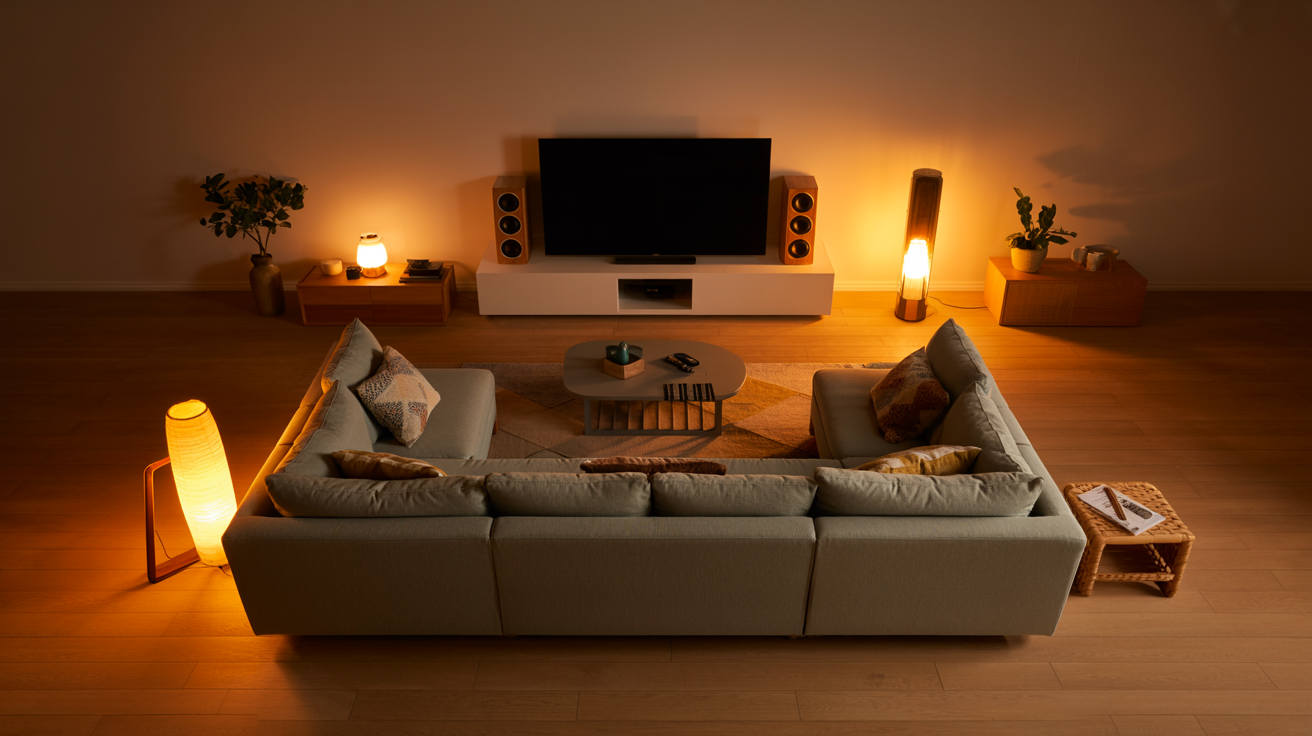
A home entertainment room can turn an ordinary night at home into an event, but putting one together can get expensive surprisingly fast. A large television or projector may grab most of the attention, yet seating, speakers, lighting, storage and smaller accessories can push the final price far beyond the original plan. The good news is that creating a room you genuinely enjoy does not require buying everything at once or automatically choosing the most expensive products. A thoughtful budget, a few well-timed purchases and some flexibility can produce a space that feels comfortable, polished and ready for everything from movie marathons to Sunday football.
Decide Where to Spend First
Start by figuring out what you actually want the room to do. Someone who watches films every weekend may want to dedicate more of the budget to the screen and sound system, while a household that gathers for sports, gaming and casual television may get more value from comfortable seating and a versatile TV setup. Making those decisions before shopping helps prevent a collection of expensive purchases that do not work particularly well together.
It also helps to divide potential purchases into essentials and upgrades. A television, basic sound system and seating might form the first version of the room. Acoustic panels, smart lighting, upgraded speakers, a beverage refrigerator and decorative pieces can wait. Building in stages gives you time to see how you use the room before spending money on features that sound appealing in theory.
Consider Flexible Ways to Pay
Paying cash is the simplest option when the money is already available, but it is not the only way to approach larger purchases. Some shoppers may choose options like lease to own electronics, furniture and more with online loans that are flexible like pay in four plans when the terms suit their budgets. The important part is looking beyond the size of an individual payment and calculating what the purchase will cost from beginning to end.
Before agreeing to any financing arrangement, review fees, interest charges, payment dates and penalties for missed payments. Compare the total against the regular retail price and determine whether the monthly obligation fits comfortably alongside existing expenses. Financing can make a major purchase easier to divide across several paychecks, but a gorgeous sectional becomes considerably less charming when its payment is fighting with the electric bill.
Another option is simply saving for one category at a time. Buying the television this month and waiting several months for new seating can keep the project moving without creating several simultaneous payments.
Shop Around Before Buying
Home entertainment technology changes constantly, which can work in a budget-conscious shopper’s favor. Last year’s television or receiver may still offer everything you need while costing considerably less than the newest release. Compare specifications rather than assuming the latest model automatically provides enough improvement to justify the price difference.
Seasonal sales can also make expensive purchases more manageable. TVs, speakers and other electronics frequently receive discounts around major retail events, while furniture stores may offer their own holiday promotions and clearance periods. Open-box products can offer additional savings when they come from reputable retailers with clear return policies and warranty information.
Measure the room before buying anything. An enormous screen may seem irresistible online, but viewing distance matters. The same applies to furniture. A sectional that overwhelms the room can make a costly renovation feel cramped instead of luxurious. Buying for the dimensions you actually have often saves money while producing a better result.
Build Entertainment Beyond Television
Think about what will keep the room useful for years rather than designing it around one activity. Home entertainment is not just streaming movies anymore. Gaming consoles, record players, sports viewing, karaoke systems, board games and music can all influence how you arrange the room and where you spend your budget.
You may find that a flexible layout provides more enjoyment than another expensive electronic upgrade. Side tables can make game nights easier, while movable ottomans provide extra seating without consuming permanent floor space. Shelving can hold records, books, games and collectibles while giving the room personality.
Lighting deserves attention as well. Lamps, dimmable bulbs and affordable smart lighting can dramatically change the atmosphere without requiring a major renovation. Instead of trying to recreate a commercial movie theater, focus on building a room that reflects how your household actually relaxes and spends time together.
Finish the Room Gradually
Once the major purchases are handled, smaller details can make the room feel complete. Rugs can soften sound and make a large space more comfortable. Curtains may reduce glare during daytime viewing, while blankets, pillows and wall art can make the room feel intentional rather than like a television surrounded by leftover furniture.
There is no deadline for finishing the space. In fact, waiting can lead to better choices because you will discover what the room actually needs after using it for a while. You might realize that an extra speaker matters more than decorative lighting, or that additional storage would improve the room more than replacing perfectly comfortable seating.
The entertainment room of your dreams does not have to arrive in one enormous shopping spree. Prioritize the features you will use most, compare prices carefully and add upgrades as your budget allows. A room built thoughtfully over time can deliver plenty of big-screen fun without leaving you with an equally big financial headache.
