

I’ve spent more time than I’d admit studying the father of the bride house interior, and honestly, I get why people love it. The home feels warm, real, and easy to connect with.
In this article, I break down what makes each space work, how the layout flows, and why it still feels relevant today.
You’ll find room-by-room details, design insights, and simple ideas you can actually use.
I’ve looked closely at film homes for years, so you get clear, honest guidance. If you’ve ever watched a scene and thought, “I want that kind of home,” you’re in the right place.
Overview of the Father of the Bride House Interior
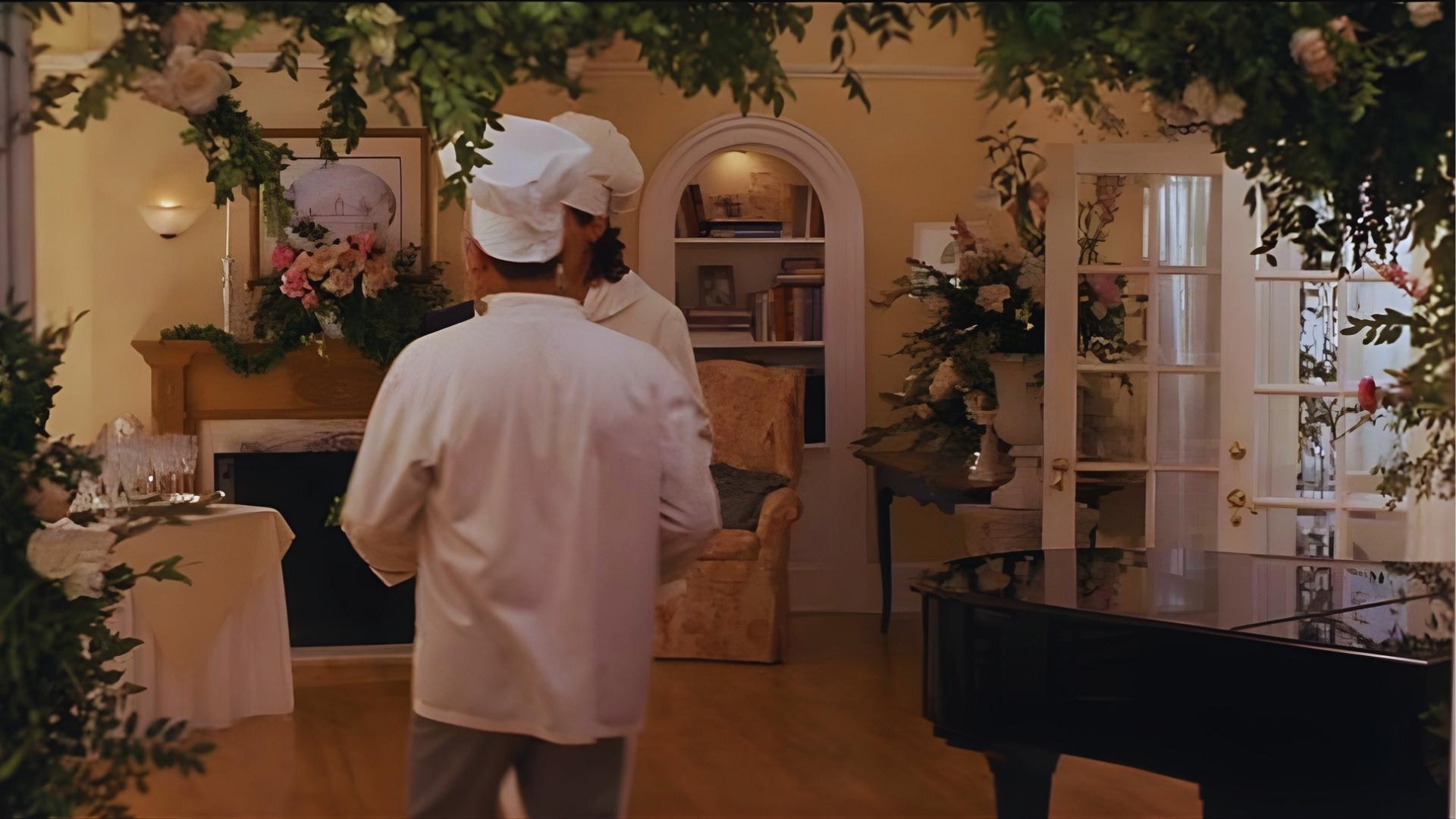
The house blends comfort with a clean, traditional layout that feels both open and structured. Each room has a clear purpose, yet flows smoothly into the next, making the space feel large and personal at the same time.
Light colors, wood tones, and simple fabrics shape the overall look and keep it calm. The design supports daily family life without feeling forced.
Some scenes were filmed in real homes and others on sets, but the look stays consistent.
The focus on comfort and balance helps the home feel familiar, which is why it still connects with people today.
Full Interior Tour of the Father of the Bride House
A room-by-room look at key spaces, showing layout, purpose, and how each area supports family life and emotional moments.
Entryway and Staircase
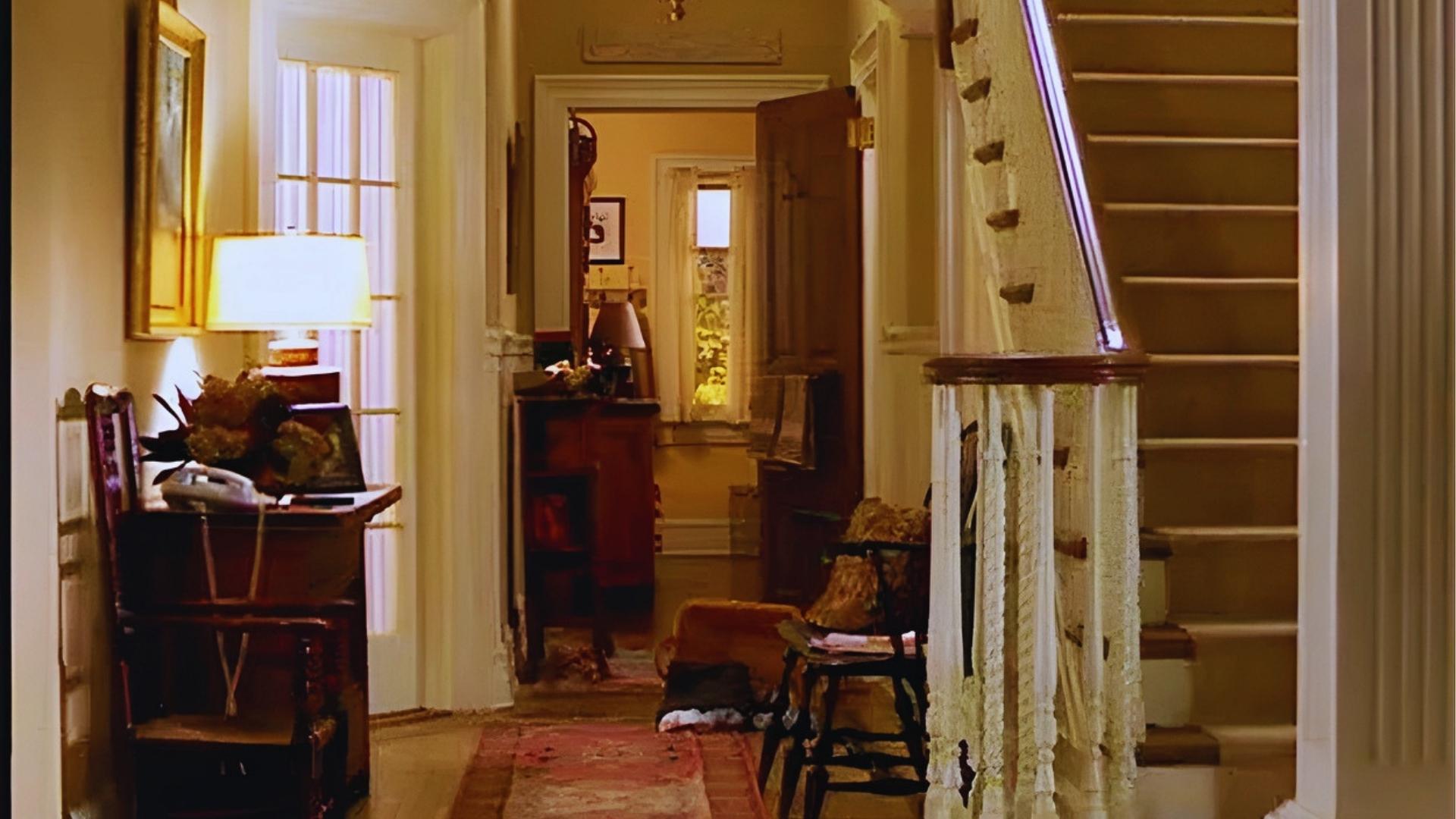
The entry sets the tone with a calm and open feel. The staircase stands out as the main feature, adding height and balance to the space. Its simple layout creates a strong first impression without feeling too formal.
This area also holds one of the most remembered moments, when Annie walks down the stairs, adding emotion and making the space feel connected to the story.
Living Room
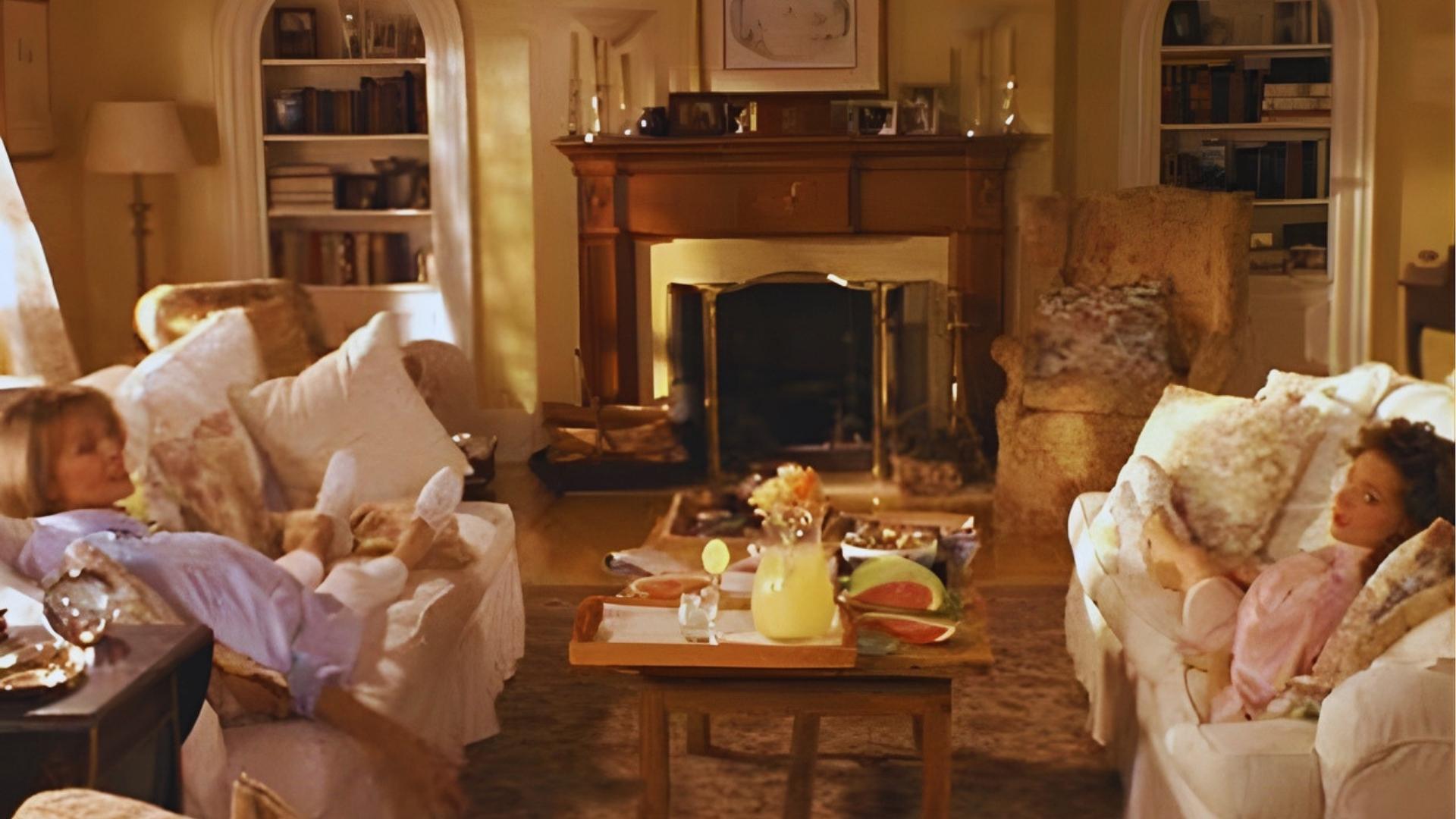
The living room feels relaxed and thoughtfully arranged, with soft seating and warm tones that make it easy to spend time here. It works well for both quiet moments and family gatherings.
Many important conversations happen in this space, and its natural, lived-in feel helps those scenes connect, making the room feel real and memorable.
Dining Room

The dining room follows a clear and balanced layout with a central table and soft lighting that supports shared meals. It feels structured but still welcoming, not too formal or stiff.
The design allows for easy conversation and connection, showing how a dining space can feel organized while still being comfortable for everyday family use.
Kitchen
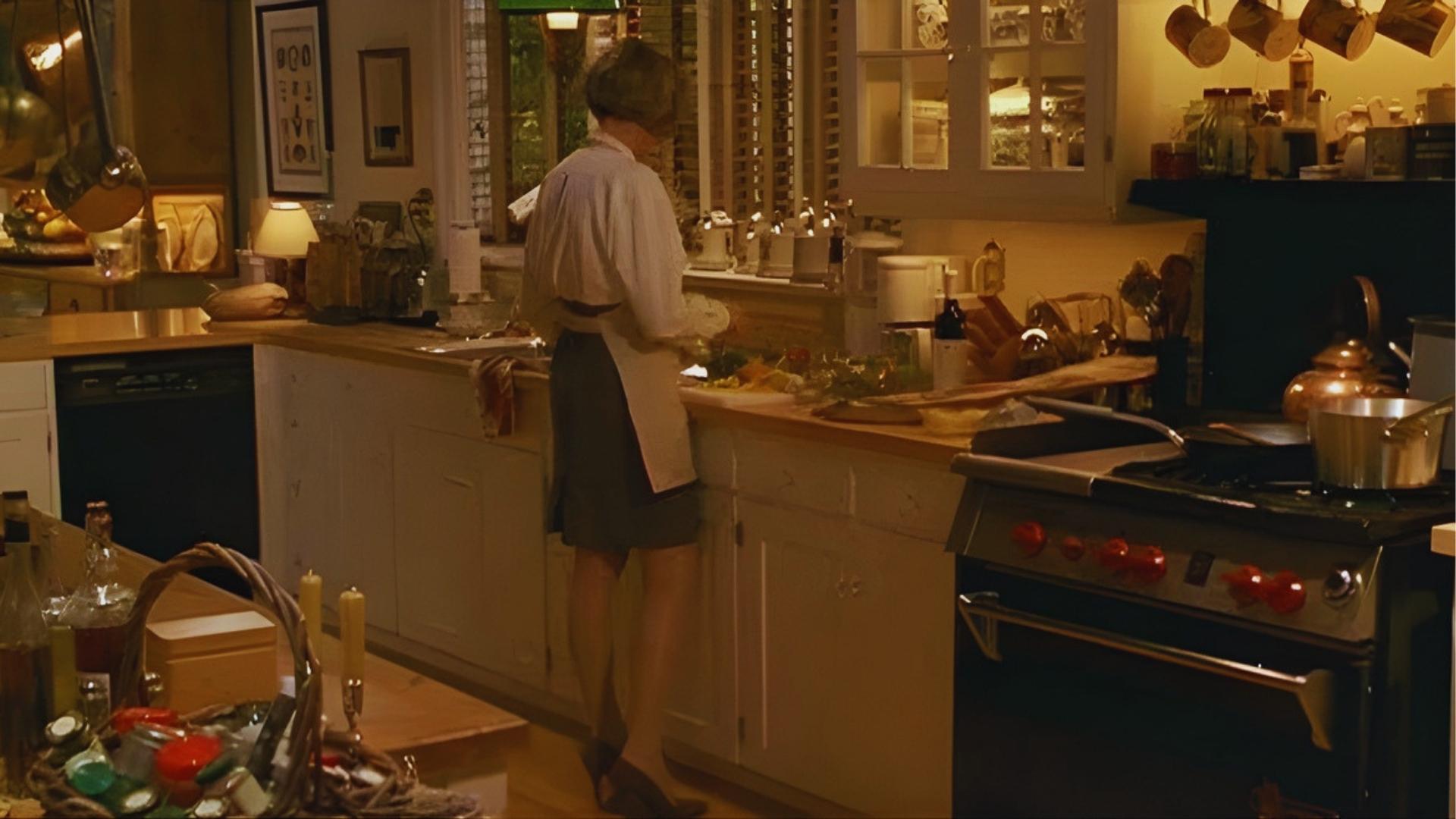
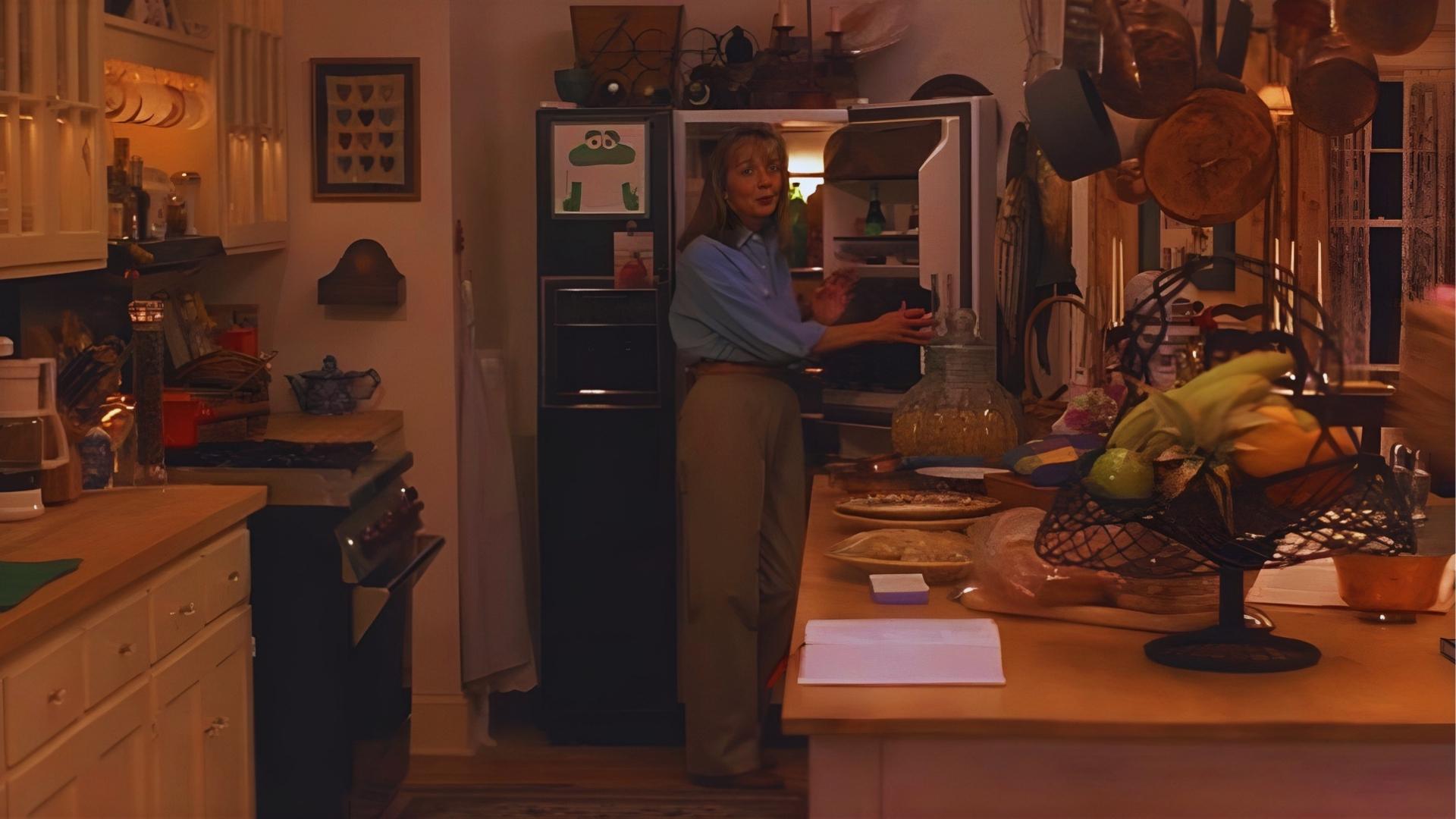
The kitchen is practical and easy to use, with everything placed within reach for smooth movement. It supports both cooking and family interaction at the same time.
Many key scenes take place here, making it a central part of the home. Small changes, like the backsplash update in the sequel, show how details can shift the look without changing the feel.
Annie’s Bedroom
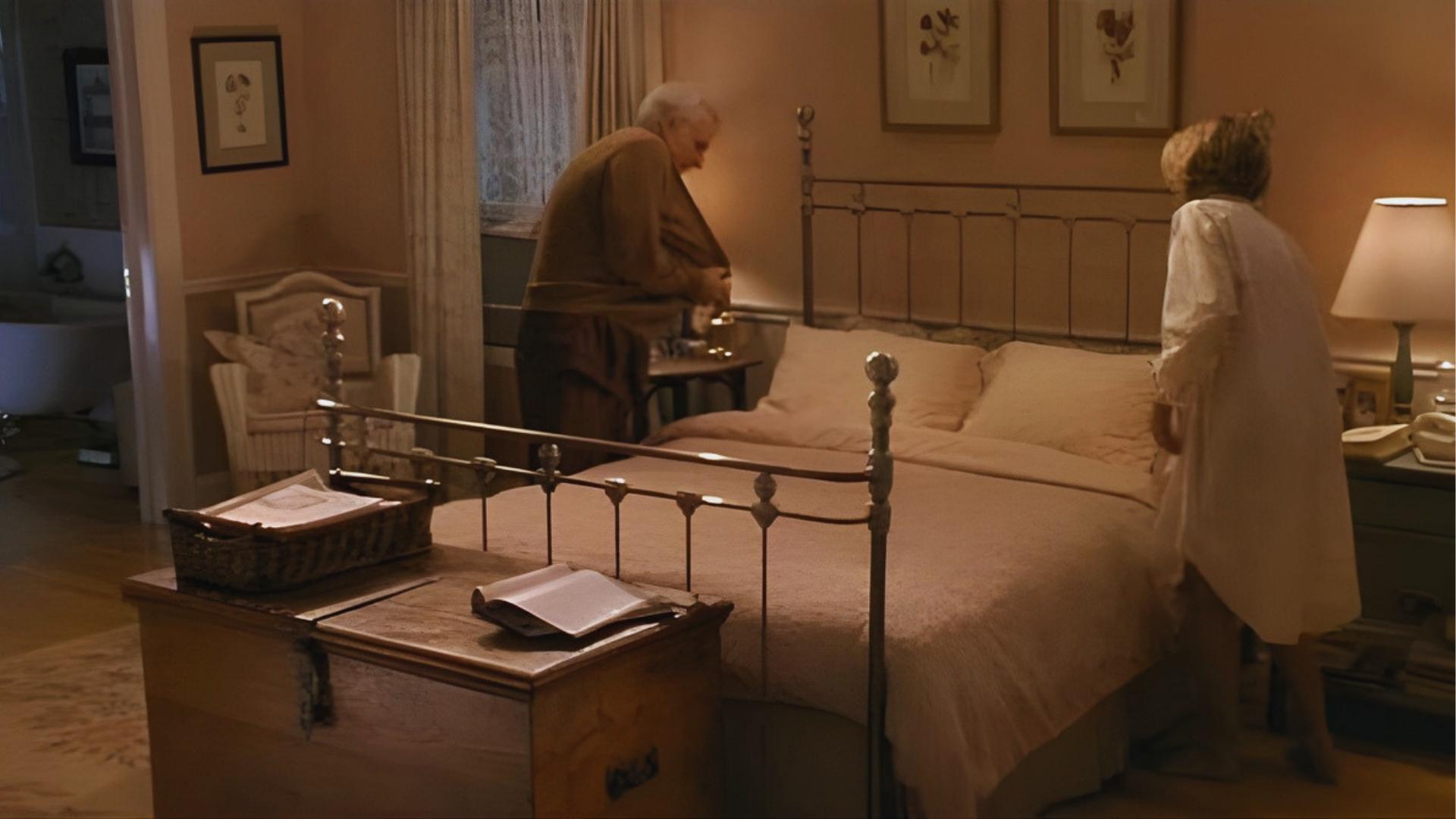
The bedroom reflects Annie’s personality through soft colors and simple textures. It feels calm, private, and personal without too many details.
Every element supports her role in the story, helping the space feel meaningful. The room is simple, but it clearly shows her character and adds depth to the home.
Attic Space
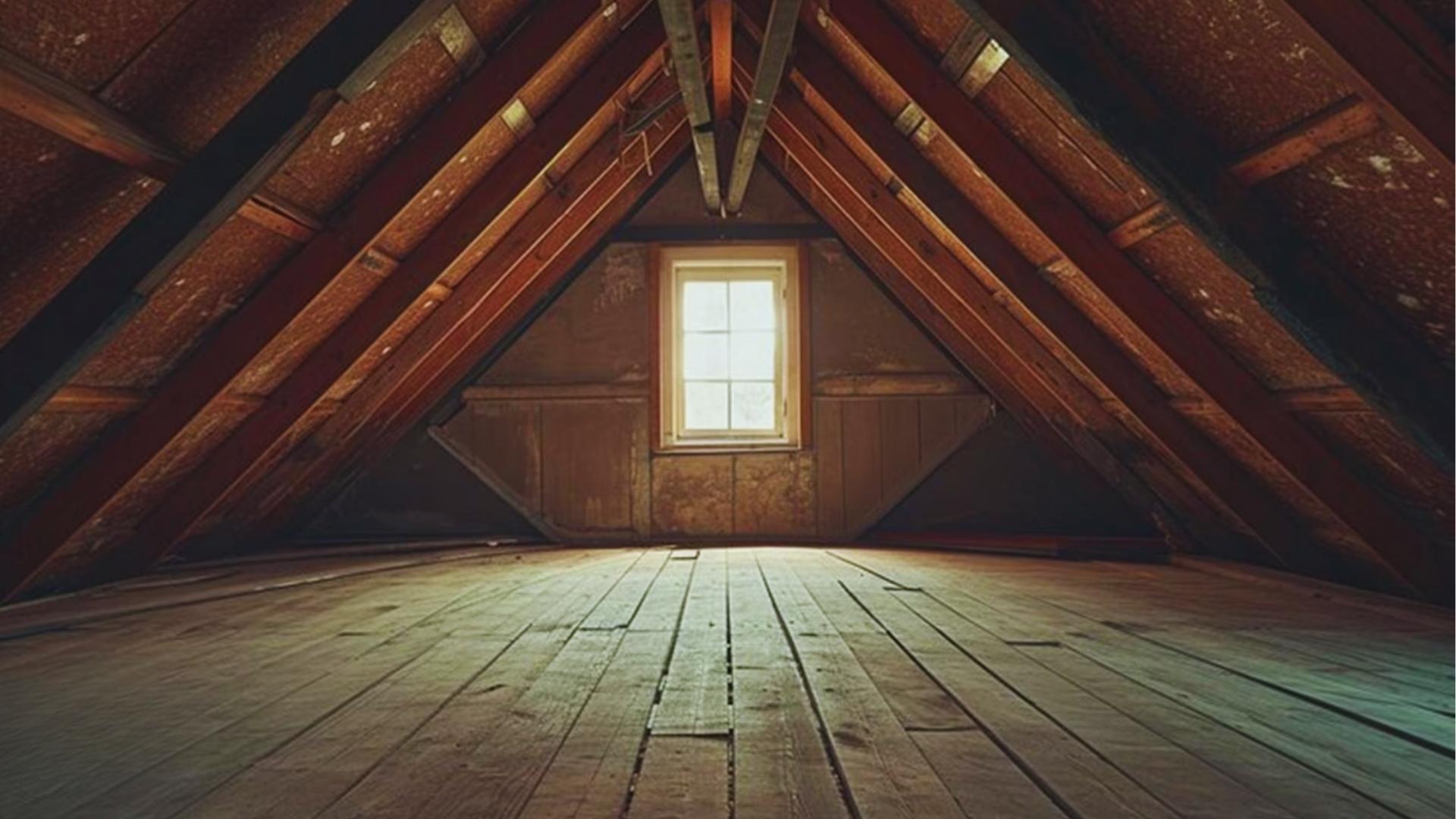
The attic feels quiet and reflective, holding a strong sense of memory. It adds emotional depth to the home and connects to past moments.
This space is more than storage, as it holds items that carry meaning. Its simple design helps highlight its purpose, making it feel special and important within the house.
Why the Interior Still Influences Today

A warm, balanced home style that continues to connect with viewers through simple design and real family energy.
Perfect Mix of Comfort and Class
The house stands out because it blends comfort with a clean, put-together feel. Rooms look organized but still easy to live in, which makes the space feel real and relatable.
That balance is why fans still connect with it today. It reminds people of homes that feel safe, warm, and familiar, without trying too hard or feeling overly styled.
Influence on Home Décor Trends
This interior has shaped many home styling choices over time. Soft colors, wooden textures, and simple furniture layouts are often influenced by this look.
It shows how a traditional setup can still feel current when kept simple. Many people use this style as a guide because it focuses on comfort first while keeping the overall space calm and well balanced.
Design Details That Make the Interior Iconic

Key design choices like color, light, and furniture create a warm and balanced home that feels real and welcoming.
Classic Color Palette and Textures
The home uses soft neutral shades and warm tones that keep the space calm and balanced. Wood finishes, simple fabrics, and light textures add depth without making rooms feel heavy.
Nothing looks too bold or out of place. This approach helps the space feel consistent, easy to live in, and closely connected to everyday family comfort.
Use of Natural Light and Windows
Natural light plays an important role in shaping the feel of the home. Large windows allow daylight to flow through different rooms, making spaces feel open and fresh.
The light highlights soft colors and textures, helping the home feel brighter without needing too many extra elements or strong lighting choices.
Traditional Furniture and Décor Elements
Furniture in the home is simple, practical, and made for daily use. Each piece supports comfort first, without trying to stand out too much.
Decor items are carefully placed to add character without crowding the space. This balance keeps the home feeling organized, relaxed, and easy to connect with.
Tips to Recreate the Father of the Bride House Interior
Simple ideas you can use to bring a warm, family-style look into your own home without overthinking design choices.
- Stick to soft, neutral, and warm colors to keep the space calm and balanced without visual noise.
- Mix good design with comfort so the home looks nice but still feels easy for daily living.
- Use soft seating and simple layouts that support relaxed movement and natural family interaction.
- Add small classic details like moldings, trims, or railings to give rooms more depth and structure.
- Focus on a cozy, lived-in feel instead of perfection so the space feels real and welcoming.
- Keep décor simple and intentional, using fewer items so every piece feels meaningful and not overcrowded.
Conclusion
The father of the bride's interior stays special because it feels real and close to everyday life. I always liked how it blends comfort with a simple, clear structure.
It shows that a home does not need to be perfect to feel right or welcoming. If you are planning to refresh your space, start with one small idea from this guide and notice the change it brings.
I would love to hear your thoughts on it. Share what stood out for you or explore more home ideas here for ideas.
Frequently Asked Questions
What style is the father of the bride house interior?
It follows a traditional American home style with warm tones, simple layouts, and balanced rooms focused on comfort, family living, and everyday use.
Was the house real or a set?
Some scenes were filmed in a real house, while others used sets. The design stayed consistent across both to maintain a natural, connected look.
Why is the house interior so popular?
It feels real, warm, and easy to relate to. The design reflects family life, emotions, and simple living that many viewers connect with naturally.
Can I recreate this style in a small home?
Yes, use warm colors, simple furniture, and uncluttered layouts. Focus on comfort first and avoid heavy décor to keep the space balanced and inviting.
What is the most iconic part of the house?
The staircase is the most memorable feature. It appears in key scenes and adds emotional depth, making it a central visual point of the home.