

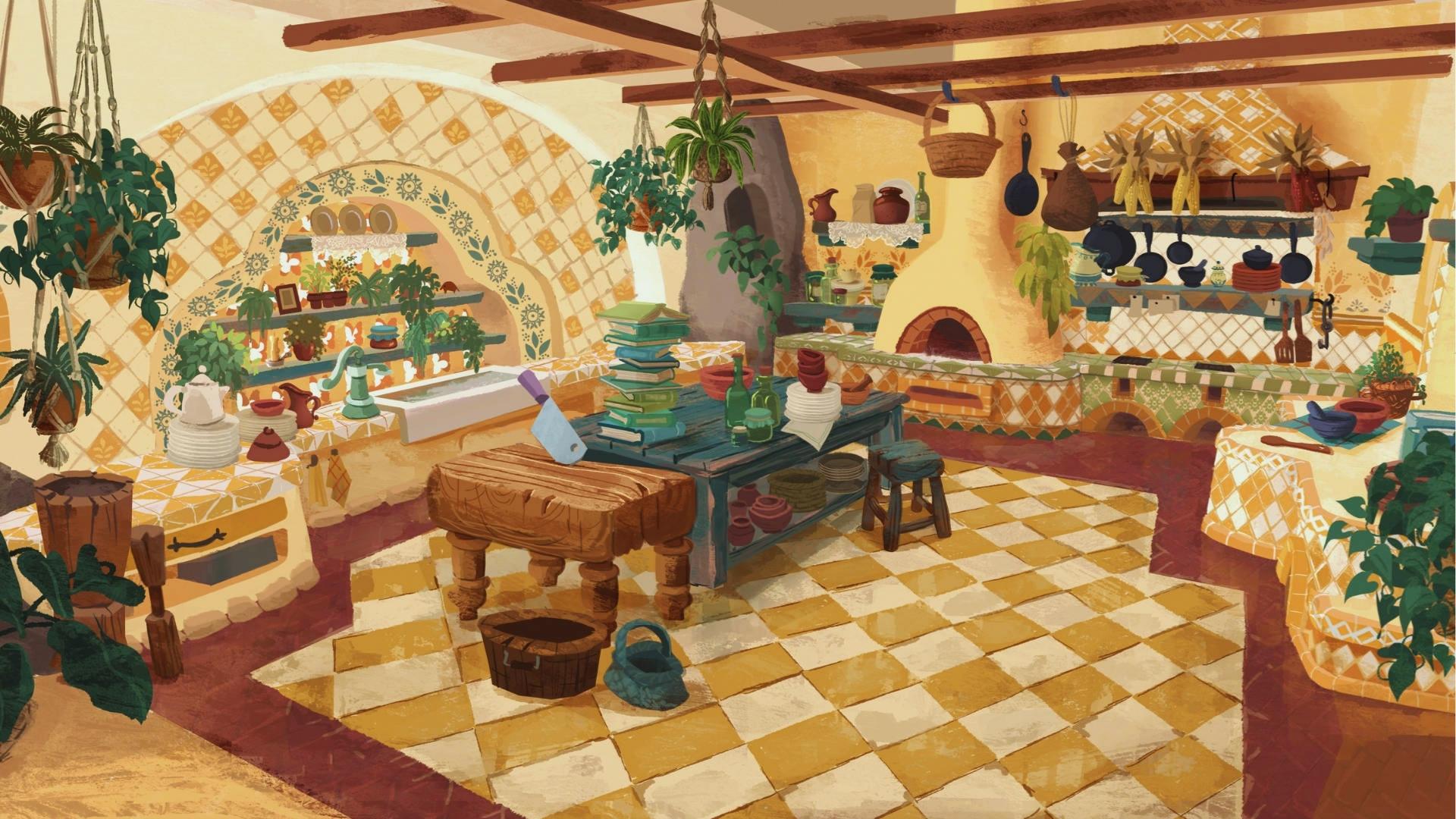
The Encanto house inside is one of the most talked-about animated interiors ever made. Every room tells a story. Every corner holds meaning.
I've spent time breaking down each space so you don't have to guess what it all means.
In this blog, I'll cover the magical rooms, hidden design details, real-life ideas, and what makes Casita so much more than just a house.
I've researched this thoroughly, so you're getting the full picture in one place. Trust me this one's worth the read.
What Makes the Encanto House Inside So Perfect
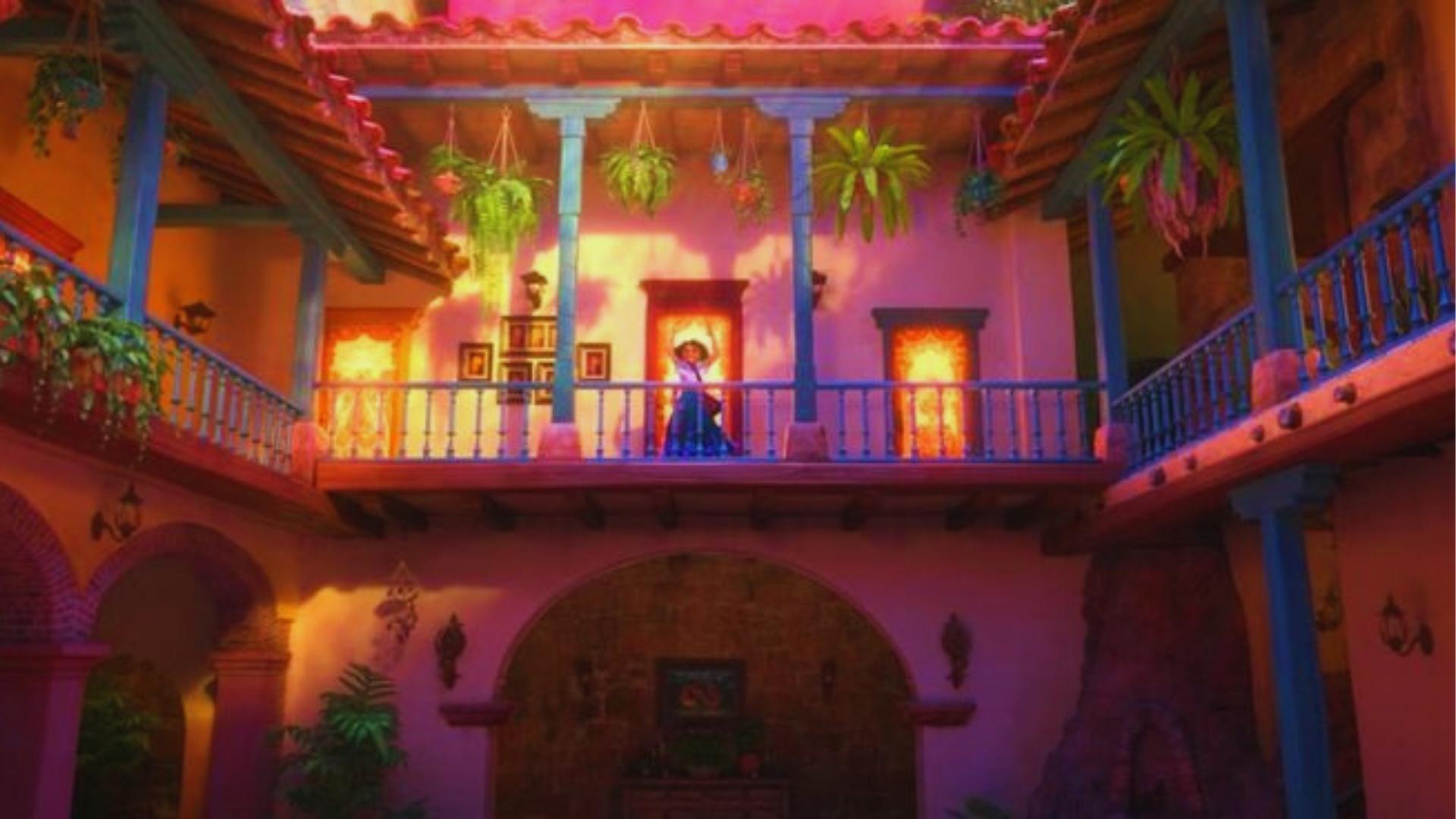
Casita isn't just a backdropī it's a character with its own personality and purpose. The Madrigal home, known as Casita, is alive.
It moves tiles, opens windows, and responds to emotions. That alone sets it apart from any fictional house you've seen.The design blends real Colombian architecture with pure fantasy.
You'll notice colorful walls, arched doorways, terracotta roofs, and lush greenery all pulled from towns like Barichara and Salento in Colombia.
But the magic goes deeper. The house reacts to the family's feelings. When things fall apart emotionally, the house cracks too. It's not just a setting. It's a mirror.
How the Magical Rooms Are Created
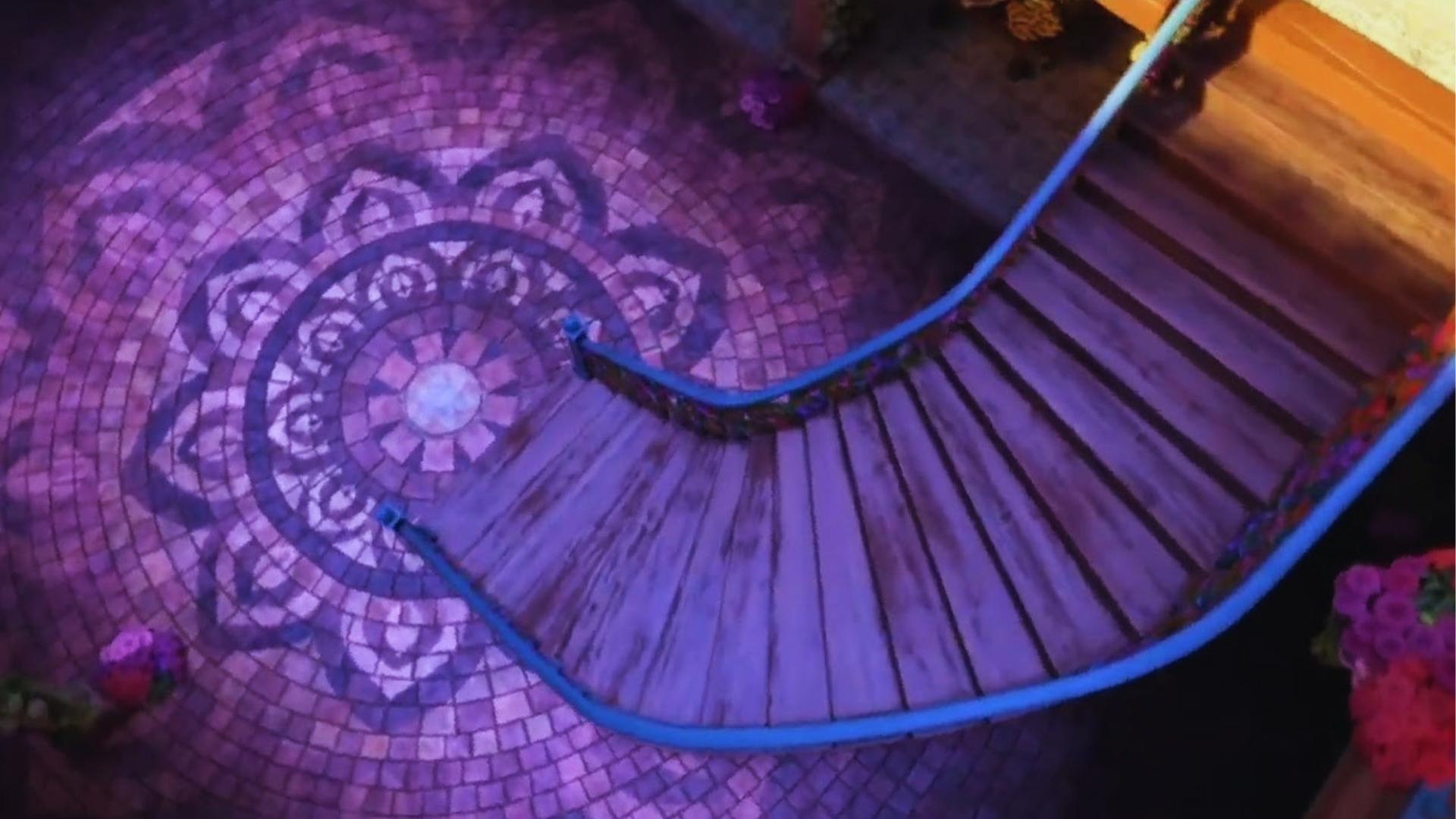
Each room is born from a gift and the design follows the magic, not the other way around.
The Gift Ceremony and Magical Doors
Every Madrigal child gets a moment at a ceremony where a magical door appears just for them. That door opens to a room built around their gift. The space shifts, grows, and fits who they are completely.
Isabela gets flowers, so her room blooms. Antonio gets animals, so his room turns into a jungle. The magic shapes the space. The space reflects the person.
Expanding Spaces and Impossible Layouts
Step inside any room in Casita and the physics stop making sense. Ceilings stretch too high. Rooms spread too wide. But that's the point.
The house doesn't follow normal rules. It bends them to serve each gift. What looks impossible is actually intentional, every oversized space exists because the magic demands it.
Encanto House Inside All Rooms Explained
A room-by-room breakdown of every major space and what it says about the person inside.
Isabela's Room – Floral Perfection to Creative Freedom
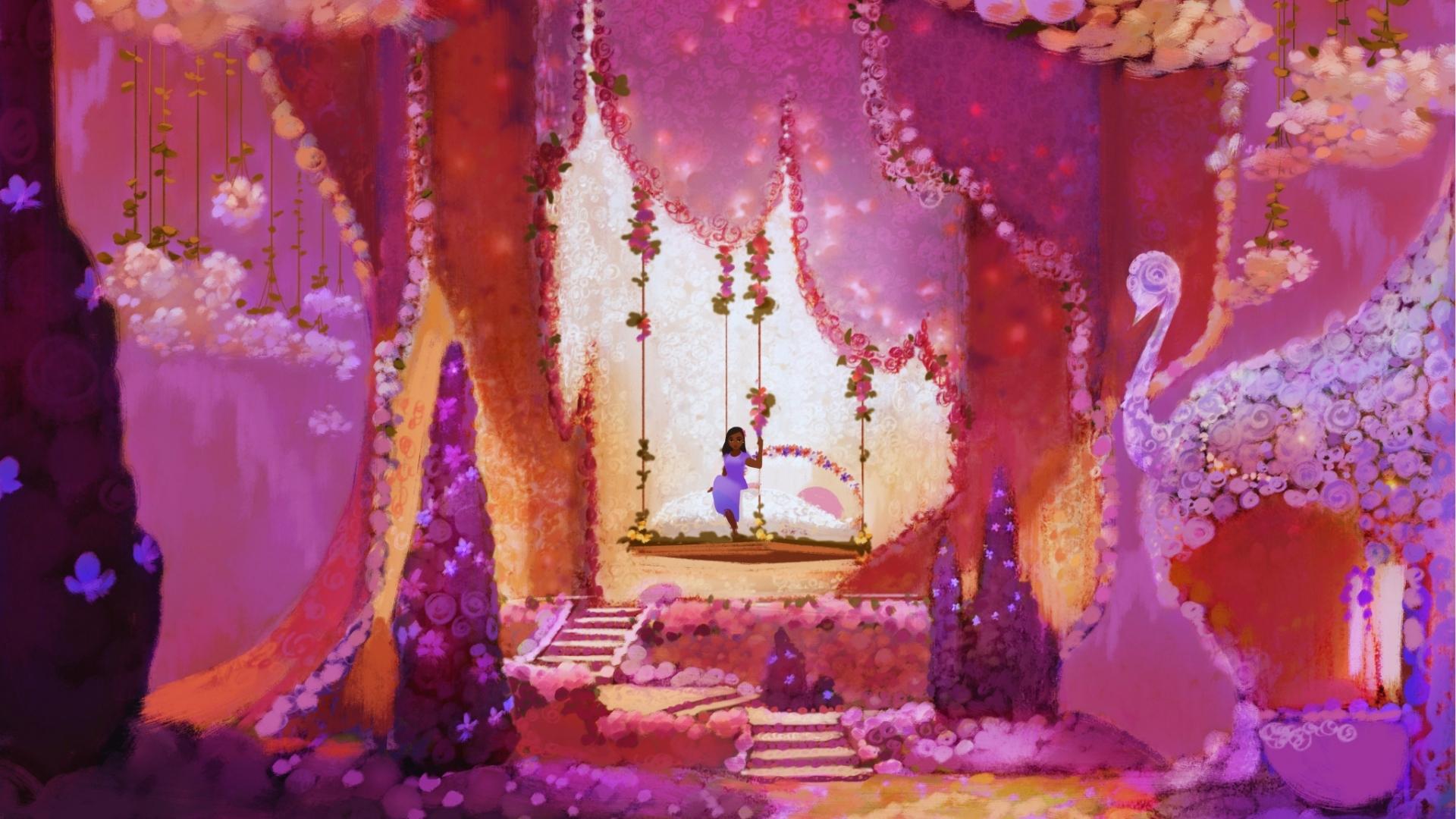
At first, Isabela's room is picture-perfect. Flowers line every wall in neat patterns. Pinks, whites, and soft purples dominate. It feels controlled because Isabela was controlled.
After her arc, everything changes. Wild plants burst through. Cacti, vines, and unusual blooms take over. The room literally grows with her freedom. It's one of the most visible character changes shown through design.
Bruno's Room – Isolation Hidden Within the House

Bruno's tower room is tall, cold, and covered in sand. It reflects his isolation from the family. But the more interesting space is the hidden room behind the walls where he actually lived.
That cramped, dim area is filled with broken items, a small TV, and rat companions. It's sad and human at the same time. He wasn't gone, he was hiding in plain sight, surrounded by the rubble of his reputation.
Antonio's Room – Jungle-Influenced Natural Paradise

Antonio's room is the most open in the house. It has a full rainforest inside tall trees, waterfalls, birds, jaguars, and soft morning light filtering through the canopy.
The layout feels free and wide because Antonio's gift is communication with animals. His space had to hold all of them. The design signals trust, openness, and connection with nature.
Luisa's Room – Strength and Pressure (Concept Design)

Luisa's room was mostly conceptual in the film but the idea was heavy and minimal. Stone textures, bare walls, little comfort. It reflected her role as the family's workhorse.
One early concept included a secret escape within her room, a softer hidden space that was later removed. That cut detail says a lot about how buried her real feelings were.
Mirabel's Space – No Room but Deep Connection

Mirabel never got a door. No magical room. She stayed in the nursery with faded butterfly murals on the wall.
The butterflies matter. They show up throughout the film as a symbol tied to her identity and her grandmother's love. Mirabel's lack of a room isn't a loss, it's a sign that her connection to the house runs deeper than a single space.
Hidden Interior Design Meanings in Encanto

The colors, cracks, and cultural details in Casita all carry emotional weight.
Colors and Textures That Carry Emotion
Color does a lot of work in Encanto. Warm yellows and golds fill the shared spaces, reflecting family warmth. Darker tones appear near Bruno's areas and along the growing cracks.
It's not random, every shade ties back to how the family feels inside.
Colombian Culture Woven Into Every Corner
The house pulls directly from real Colombian design. Tile work, hand-painted walls, and courtyard layouts all reflect traditional architecture.
The filmmakers consulted cultural experts to get it right. And the cracks? They grow with the family's emotional tension.
When Casita falls, it's the house feeling what no one would say out loud.
Design Ideas You Can Take from Encanto House Inside

You don't need magic to create rooms that feel personal and full of meaning.
Let the Room Reflect Who You Are
The best rooms don't follow trends. They follow the person living in them. Think about what you love, what calms you, and what makes a space feel like yours.
Antonio's room works because it fits him completely. Isabela's post-arc room works because it finally tells the truth about her.
Start there. Ask what your room says about you right now, and whether that still feels true.
Bring Culture and Nature Into Your Space
Two things Casita does really well are nature and cultural grounding. You don't need a rainforest or hand-painted murals to pull this off.
A few plants, a natural texture, or a color pulled from your background can do the same work. Rooms that borrow from where you come from feel lived-in and real.
That's exactly the energy the Madrigal home carries throughout the film.
Encanto House Inside Interior Design Tips to Try
Simple, practical ideas pulled straight from Casita's design.
- Design rooms around your personality, not trends, use colors, art, and furniture that feel like you.
- Bring nature in with plants, organic textures, and natural shapes to add life to any space.
- Use color intentionally, bold tones for energy, soft tones for calm, mixed for depth.
- Keep rooms practical but expressive layers in personality through textures and standout pieces.
- Pick one strong focal point per room and one bold element beats ten average ones.
- Mix cultural patterns or materials with modern furniture for a layered, personal feel.
Conclusion
The Encanto house inside is more than movie magic. It's a masterclass in using design to tell the truth about people.
Every room, crack, and color choice means something. I think that's what makes it stick with you long after the credits roll.
If you're looking to bring more meaning into your own space, start small, pick one room and ask what it says about you.
I'd love to hear your thoughts. Drop a comment below or share this post with a fellow Encanto fan!
Frequently Asked Questions
What is the Encanto house called?
The Madrigal family home is called Casita. It's a living, magical house that responds to the family's emotions and helps its members throughout the film.
Why doesn't Mirabel have a room in Encanto?
Mirabel never received a magical gift, so no door appeared for her. She remained in the nursery, but her bond with Casita is actually deeper than any single room.
What is Bruno's hidden room in Encanto?
Bruno lived in a secret space behind the walls of Casita after leaving the family. It was small and dim, filled with broken objects and his pet rats, showing his isolated life inside the house.
How does Encanto represent Colombian culture in its design?
The film drew from real Colombian towns, using terracotta roofs, colorful facades, tiled courtyards, and hand-painted details to reflect traditional architecture and cultural identity.
Can Encanto's room designs influence real home decor?
Yes. The film shows how rooms can reflect personality, emotions, and culture. You can apply those ideas by using personal colors, natural elements, and meaningful decor in your own space.