

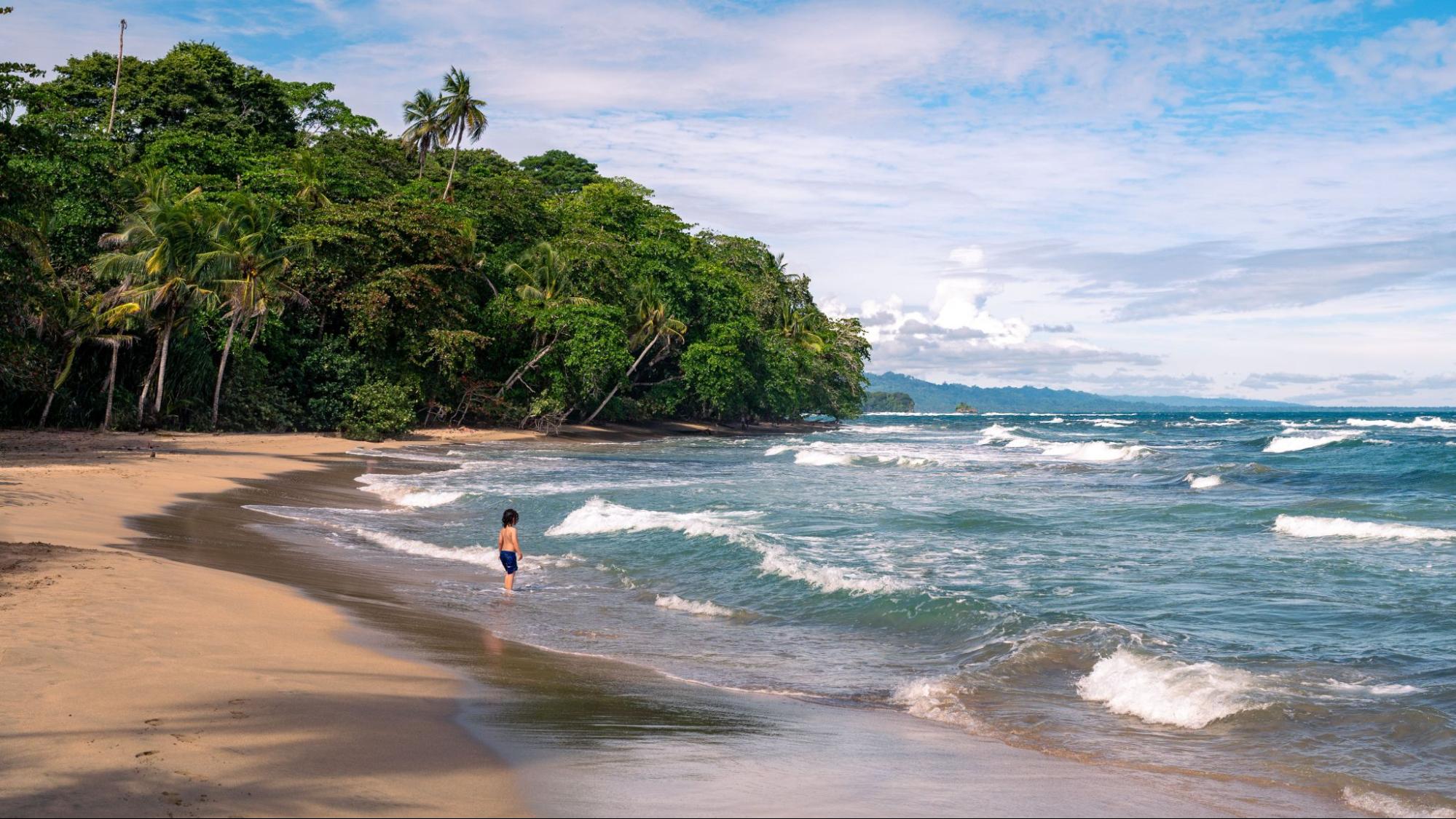
When it comes to exploring Central America on their own, Costa Rica is one of the most convenient places to do so, and it pays off when travelers take the time to do a bit of research. Though it may appear a small country on a map, the distances between mountains, coastlines, rainforests, volcanoes and rural roads can seem longer than expected. A great travel plan to Costa Rica is not one that involves a lot of rushing from place to place, but one that carefully selects the right regions, allows for sufficient time and understands the workings of transportation.
If you are a new visitor to Costa Rica, traveling alone can offer you some freedom you may not find on an organized tour. You can get up near a volcano, spend the afternoon on the Pacific beach and grab a roadside casado when the vista is too irresistible. The secret lies in how to travel around the nation without overstuffing your itinerary.
Why Independent Costa Rica Travel Works So Well
The tourist facilities are very good, making Costa Rica a suitable country for self-tourism. The popular areas offer a wide choice of hotels, eco-lodges, restaurants, activity operators, guides and transport. English is used a lot in tourist areas but it helps to learn some Spanish.
It is also a small enough country to traverse with a diversified trip. Wildlife, beaches, hiking, surf towns, volcanoes, coffee lands, and hot springs in one holiday. This is one of the main reasons why Costa Rica travel is still so popular among couples, families, solo travelers and nature lovers.
Moreover, the first-time visitor’s error is attempting to see it all. When it comes to ticking off, Costa Rica isn’t the spot to do it at high speed. The travel days are often languid, and the most enjoyable things take place when you are longer in one region. It’s better to pick 2 to 3 regions or bases and visit them on a one-week tour, or 3 to 5 bases and regions on a longer tour of Costa Rica.
Getting Around Costa Rica: Buses, Shuttles and Domestic Flights
There are several ways to get around Costa Rica. The cheapest way is by public buses, which also run from many towns, but may be slow and involve changing buses, possibly through San José or regional hubs. They are great for travelers on a budget who have plenty of time, but not so great for short holidays or very far-out locations.
A popular compromise is shared shuttles. They provide links to key tourist attractions like La Fortuna, Monteverde, Manuel Antonio, Tamarindo, Puerto Viejo and San José. They are more expensive than buses, but save time and stress, particularly if you have suitcases.
Private transfers can be helpful for families and groups, late arrivals and those who prefer not to drive. They can be costly, but they help take the guesswork out of an unfamiliar road trip after a lengthy flight.
On longer flights, domestic flights may support travel, such as to the Osa Peninsula or parts of Guanacaste, but schedules, luggage restrictions and weather could impact plans. Their best use is when they actually save a full day of travel.
Self-Driving and the Costa Rica Road Trip Experience
Many travelers prefer to rent a car in Costa Rica and create a flexible itinerary to explore the country on their own. A car will provide you with better access to quieter beaches, early morning wildlife walks that are not easily accessed by bus or shuttle, rural lodges, waterfall stops, and roadside restaurants.
Having a road trip in Costa Rica can be very rewarding, but it will require realistic planning. Roads vary a lot. Highways may be simple or mountain roads may be steep, narrow, in fog or potholed. During the rainy season, the unsealed roads may become problematic, particularly in beach towns, river crossings or remote lodges.
While not essential, a 4×4 can be helpful if you’re staying in Monteverde, the Nicoya Peninsula, the Osa Peninsula or at a more remote lodging. Always check the route with your hotel before driving. Local recommendations are better than the navigation app.
Daylight driving highly recommended. Limited Street Lighting, difficulty seeing signs, animals, cyclists, pedestrians, and unexpected road conditions may be present. A good rule of thumb for first-time visitors to Costa Rica is to keep driving days short and arrive before dark.
The Regions Worth Visiting First
If you are looking for a first-time Costa Rica travel itinerary, then you will find that La Fortuna and Arenal are perfect for your trip. The area offers volcano tours, hot springs, waterfalls, hanging bridges, rafting, wildlife safaris and easy access to nature. One of the best places to start, since it provides a solid introduction to the country without being too distant.
Monteverde has another terrain. The cloud forest is colder, more misty and more atmospheric. People come to do canopy walks, birdwatching, night hikes, zip-line and to use forest reserves. Complements it with La Fortuna, but the way between can be longer than expected.
Among the most popular stops along the coast of Costa Rica is Manuel Antonio. It offers beaches, wildlife, restaurants and a famous national park, where monkeys, sloths and tropical birds can be spotted. It’s crowded, but for those visiting for the first time who still desire nature with convenience, it’s the one.
Guanacaste wins out for beach time, resorts, surfing and sunshine in the dry season. There are various versions of the Pacific coast (Tamarindo, Nosara, Playa Flamingo, and surrounding beaches). This area will be useful if you are looking for a more laid-back conclusion to your trip to Costa Rica.
It is different on the Caribbean coast than on the Pacific. Puerto Viejo and Cahuita are places famous for their Afro-Caribbean culture, beaches with jungle behind them, laid-back eating and wildlife. It’s gentler and more relaxed.
The Osa Peninsula is for those looking for more untamed nature. Some of the best wildlife experiences in the country are in Corcovado National Park and Drake Bay, but this area requires more planning. Suitable for a second visit or longer itinerary.
How Long to Spend in Each Place
One of the most frequent first-time errors is moving every night. Two to three nights in each region is a better way to explore Costa Rica. This will allow you time to get your mornings in, weather, and not spend most of the driving time in transit.
La Fortuna, Monteverde, and Manuel Antonio or Guanacaste should all be good destinations for a 7 to 9-day tour. Depending on what you are looking to do, you could consider adding the Caribbean coast, the Nicoya Peninsula, or the Osa Peninsula for ten to fourteen days.
Don’t underestimate travel times. Three hours on the map can turn into five with rain, traffic, road construction, mountain roads, or a pretty valley. Allow for downtime in the travel itinerary. The word of the day in Costa Rica is: space.
Practical Tips for First-Time Visitors
Pack for various microclimates. On the same trip, swimwear, hiking shoes, a rain jacket, insect repellent, light layers, and quick-dry clothing may be needed. The coastline can be hot and humid, or Monteverde can be cool and damp.
Arrange ahead for national park visits and popular tours during busy times. Tours to Manuel Antonio, wildlife tours, hot springs, zip-line adventures, and boat tours tend to book easily.
Even if cards are accepted in touristy places, have some cash for small restaurants, parking, tips, rural shops and roadside stops. Avoid leaving valuables in plain view in cars and never leave luggage unattended.
Most importantly, travel patiently. Transportation in Costa Rica is an integral part of the experience. Roads are slow, weather conditions change rapidly and wildlife isn’t on schedule. Great independent excursions allow for surprises.
The Best Way to Explore Costa Rica Is Slowly
While not a country to rush, exploring Costa Rica is easy enough to get around for first-time independent travelers. Its beauty lies in the diversity of its mornings in the rainforest, its ground-level views of volcanoes, its beach sunset, its cloud-forest mist, and its empty roads between small towns.
The bus, shuttle, private transfers, or rental car solutions used must have the same goal. Opt for fewer destinations and longer stays, and allow the journey to breathe.
A well-planned Costa Rica road trip can provide you with the freedom to explore the country in your own time and on your own terms. However, the true gift of the trip to Costa Rica isn’t how many stops you can make. It’s the amount of country that you do have time for.
