

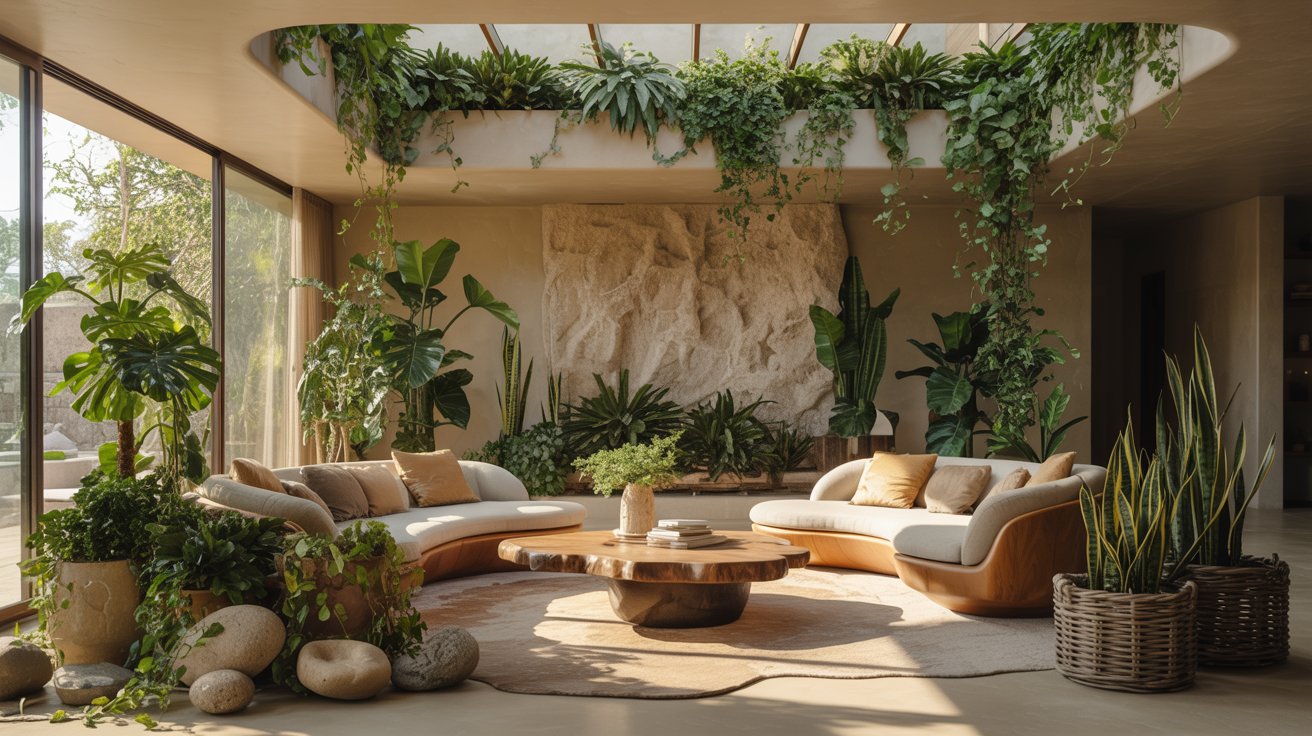
I used to think bringing nature indoors meant tossing a plant in the corner and calling it a day.
It took me a while to realise there's a whole design approach built around this idea, and it's called biophilic interior design.
It connects your living space to the natural world through light, texture, materials, and greenery.
Homeowners and designers are leaning into it because it genuinely makes spaces feel better. Better for your mood, your focus, and your overall well-being.
This guide walks you through 11 real, doable ideas to get started.
What Is Biophilic Interior Design?
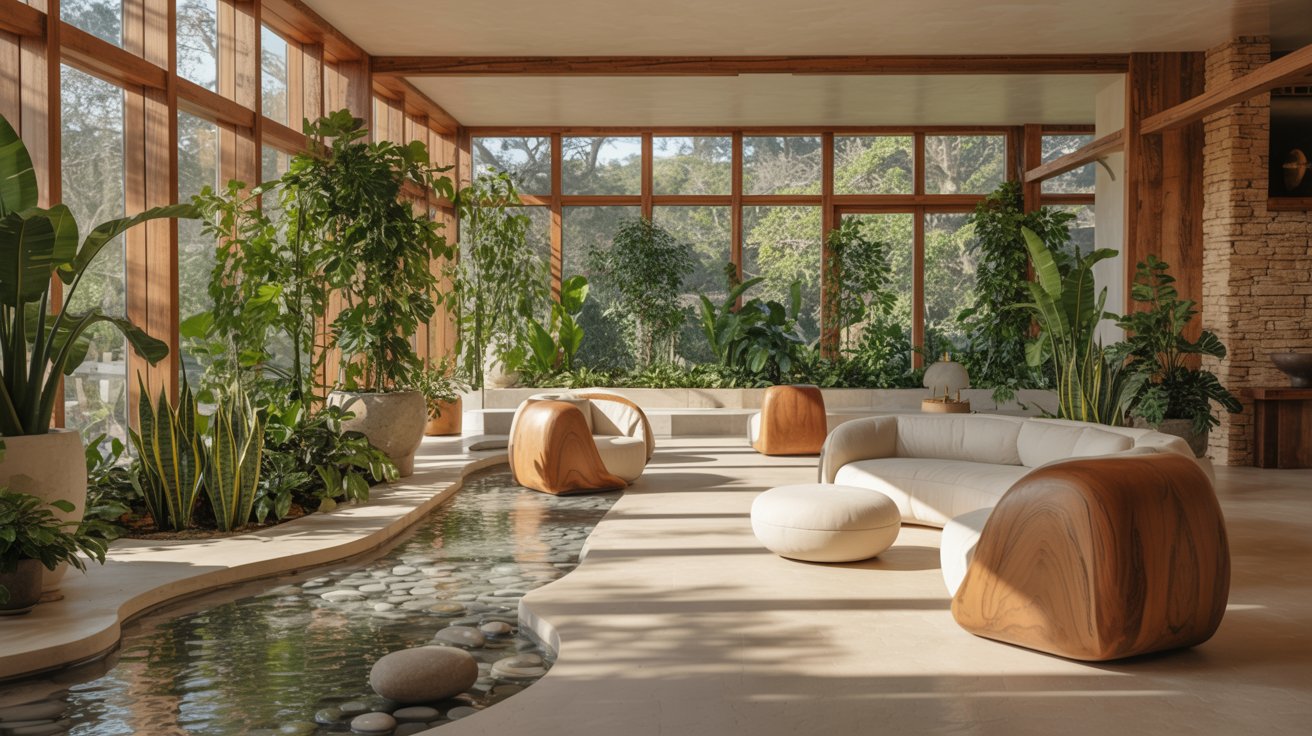
Biophilic interior design is about building a real connection between your living space and the natural world.
It uses natural light, indoor plants, organic materials, water features, and earth-inspired colors to make a home feel grounded and alive.
People are drawn to it because it works. Studies show natural elements reduce stress and sharpen focus. It's not a trend. It's a shift in how we think about the spaces we live in every day.
List of 11 Biophilic Interior Design Ideas
These 11 ideas make it easy to bring nature into any room. You don't need a big budget or a complete renovation to make your home feel more natural and grounded.
1. Create an Indoor Plant Corner

Start with low-maintenance plants like pothos, snake plants, or peace lilies. Group them on shelves, tuck them into corners, or hang them near windows. Layering different heights makes the space feel full and intentional without looking cluttered.
2. Maximize Natural Light
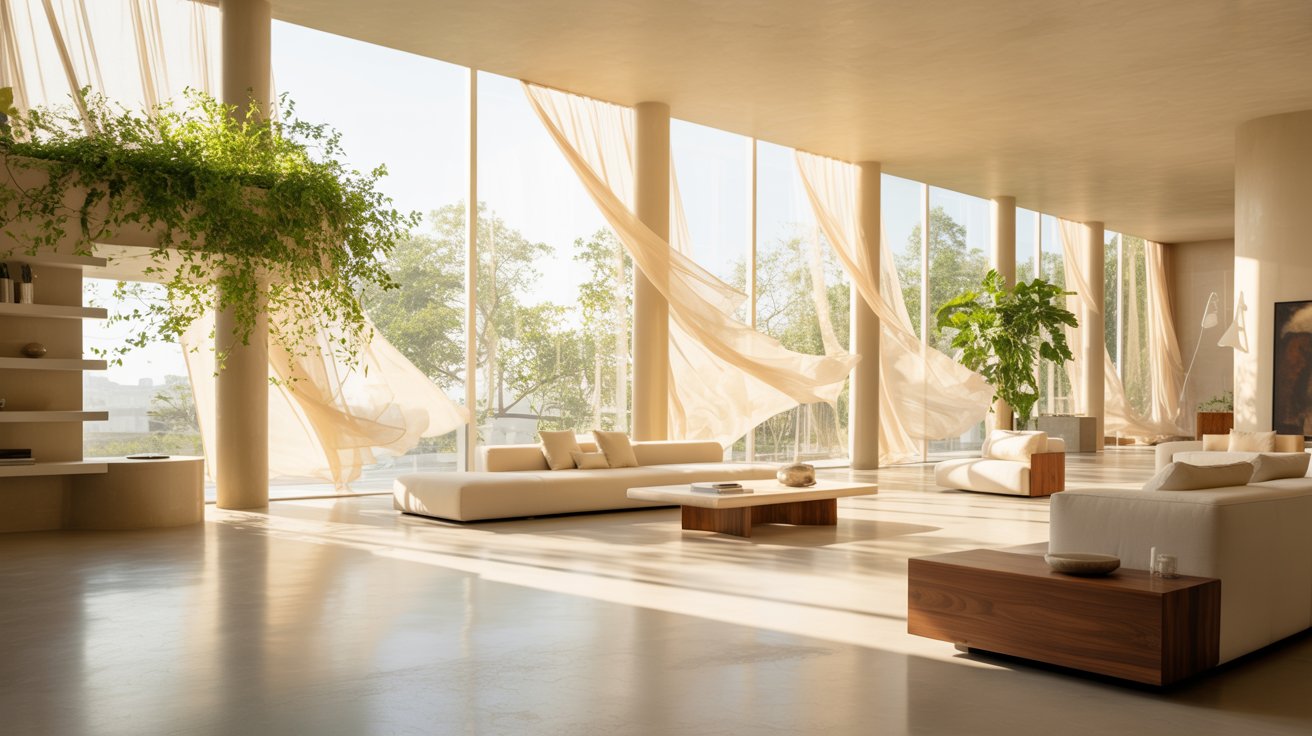
Swap heavy curtains for sheer ones and place mirrors across from windows. Move furniture away from blocking light sources. A well-lit room instantly feels more open, fresh, and connected to the outdoors without any major changes.
3. Add Natural Wood Elements
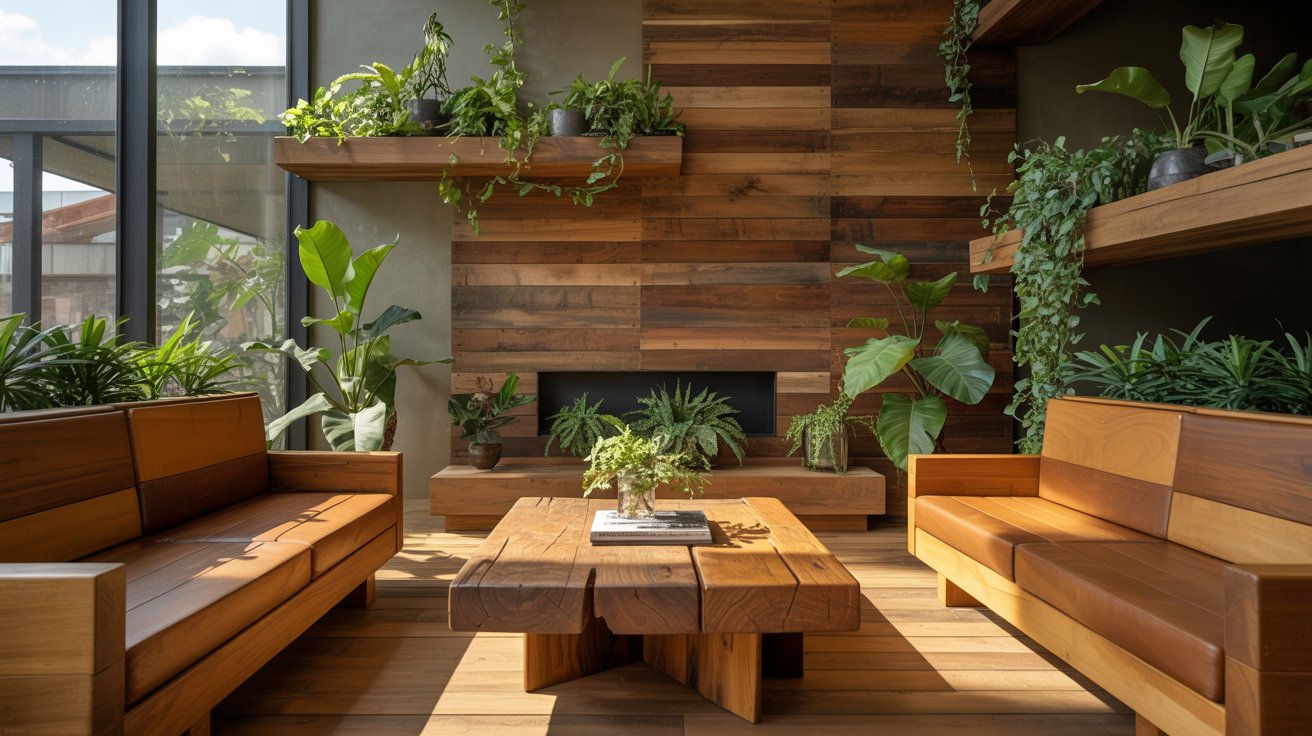
Wooden furniture adds warmth to any room. Reclaimed wood works especially well for shelves, accent walls, or coffee tables. It brings in texture and a raw, natural feel that polished materials simply cannot replicate in the same way.
4. Use Earthy Color Palettes
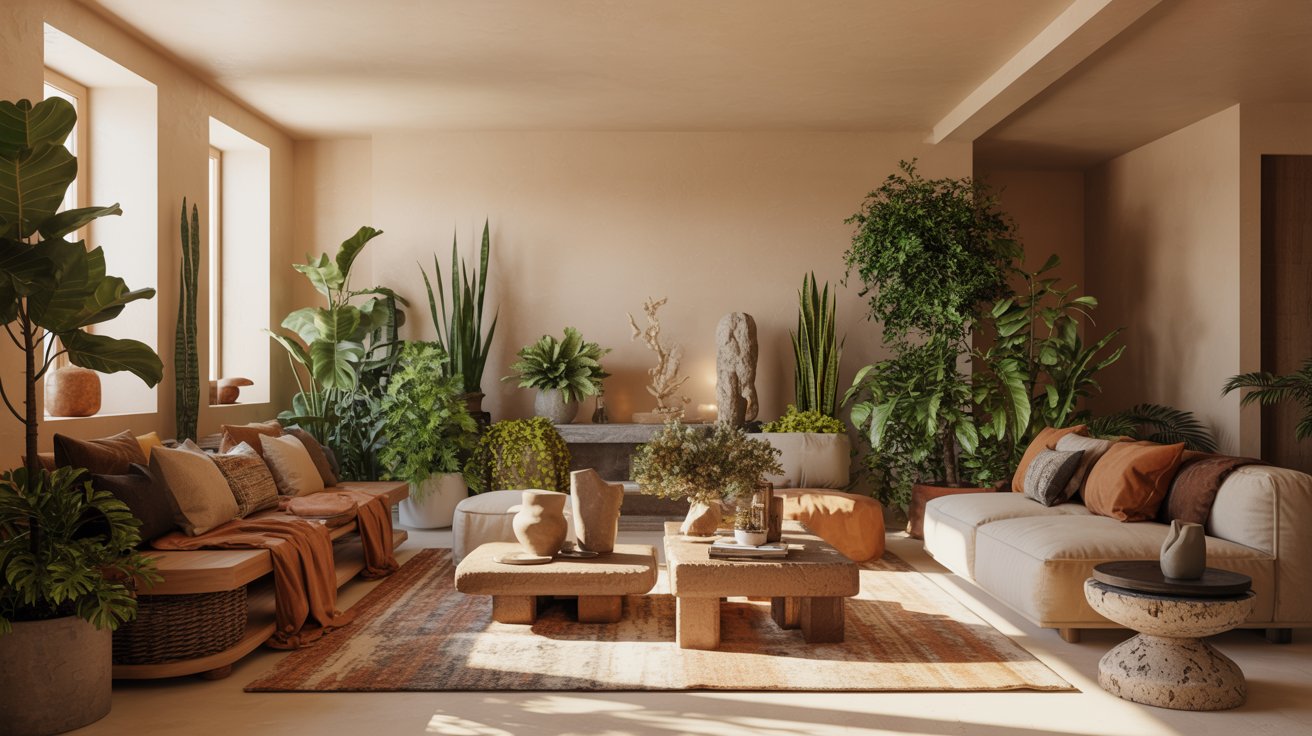
Greens, browns, beige, terracotta, and sand tones all work well together. Keep walls lighter and add darker earthy shades through cushions or rugs. This stops rooms from feeling heavy while still giving that grounded, nature-inspired look you want.
5. Incorporate Stone and Organic Textures
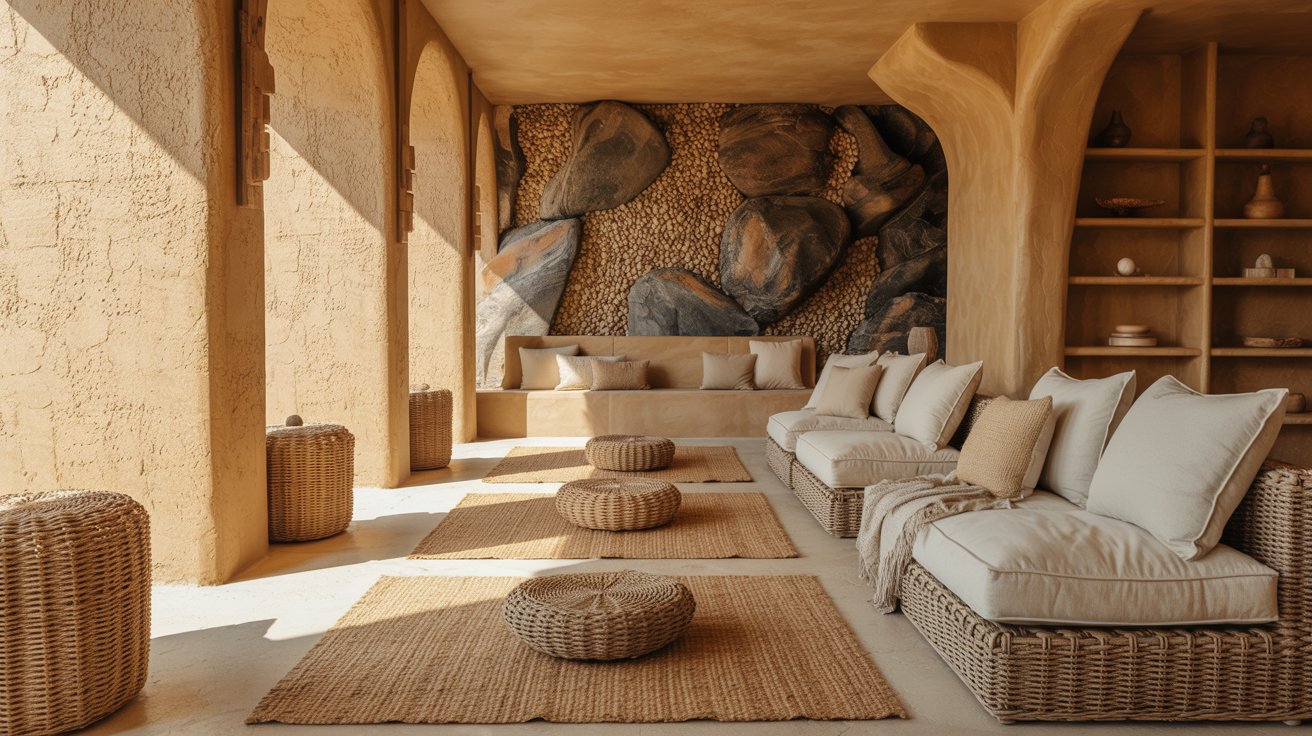
Try a stone accent wall, pebble décor, or textured plaster finishes. Layer in linen cushions, jute rugs, cotton throws, and rattan furniture. Mixing these materials adds depth and makes a room feel naturally layered without looking overdone or forced.
6. Design a Living Wall or Vertical Garden
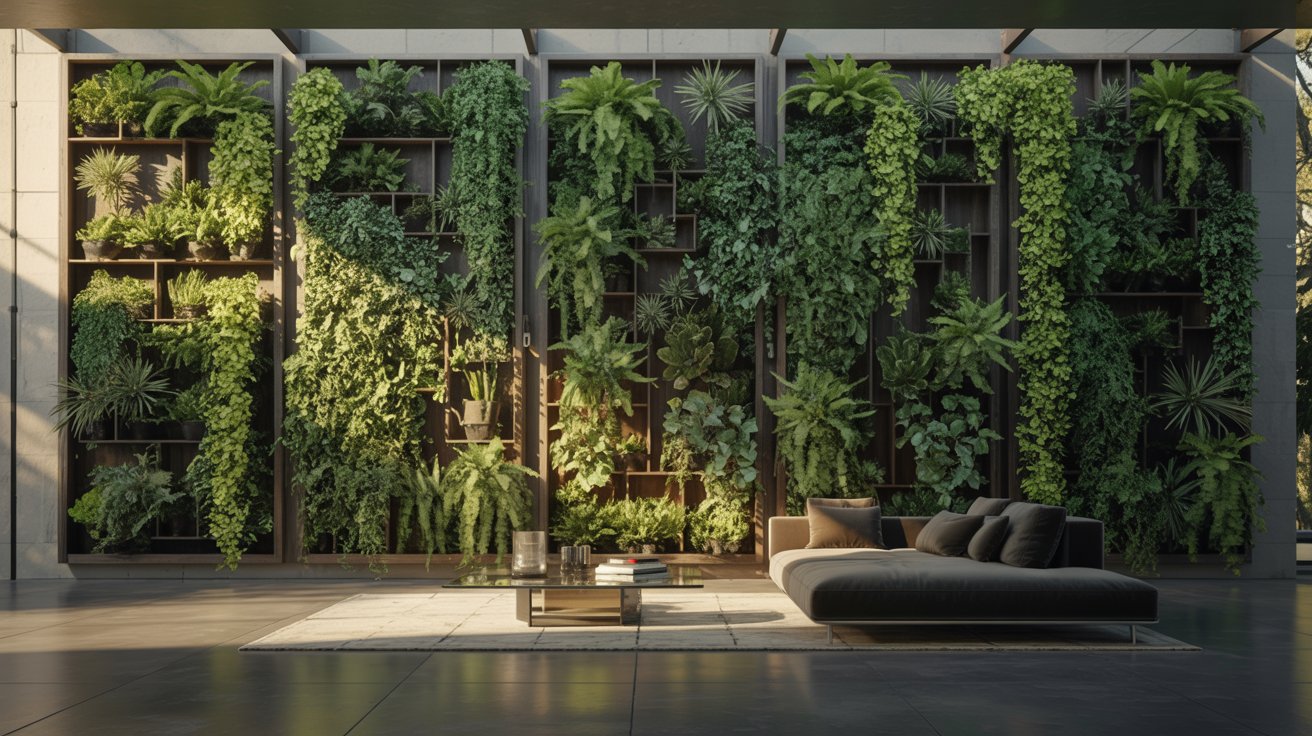
Vertical gardens work well even in small spaces. Mount a simple frame with pothos, ferns, or succulents on any wall. It adds greenery without taking up floor space and instantly becomes the focal point of any room.
7. Bring in Water-Inspired Features
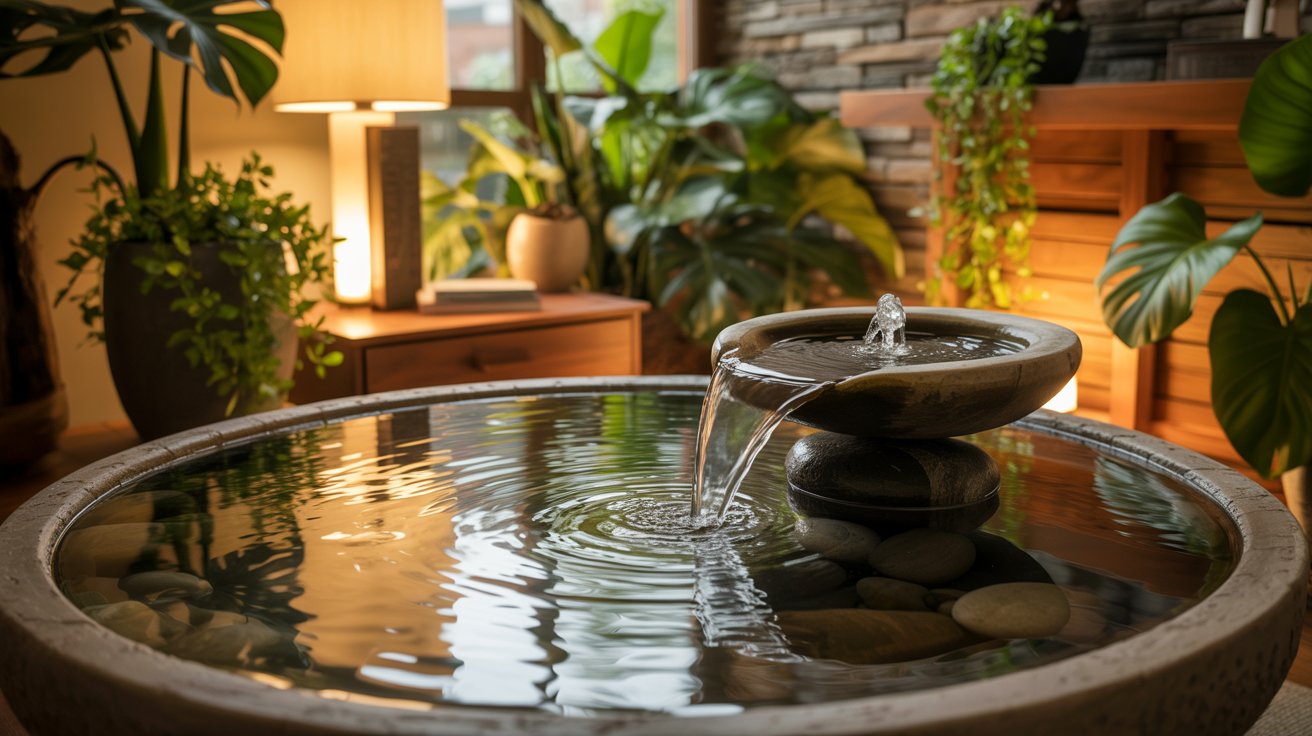
A small tabletop fountain adds a calming sound element to any room. Aquariums work well too, even compact ones. Moving water creates a peaceful atmosphere and has been shown to lower stress levels noticeably over time.
8. Choose Nature-Inspired Furniture Shapes
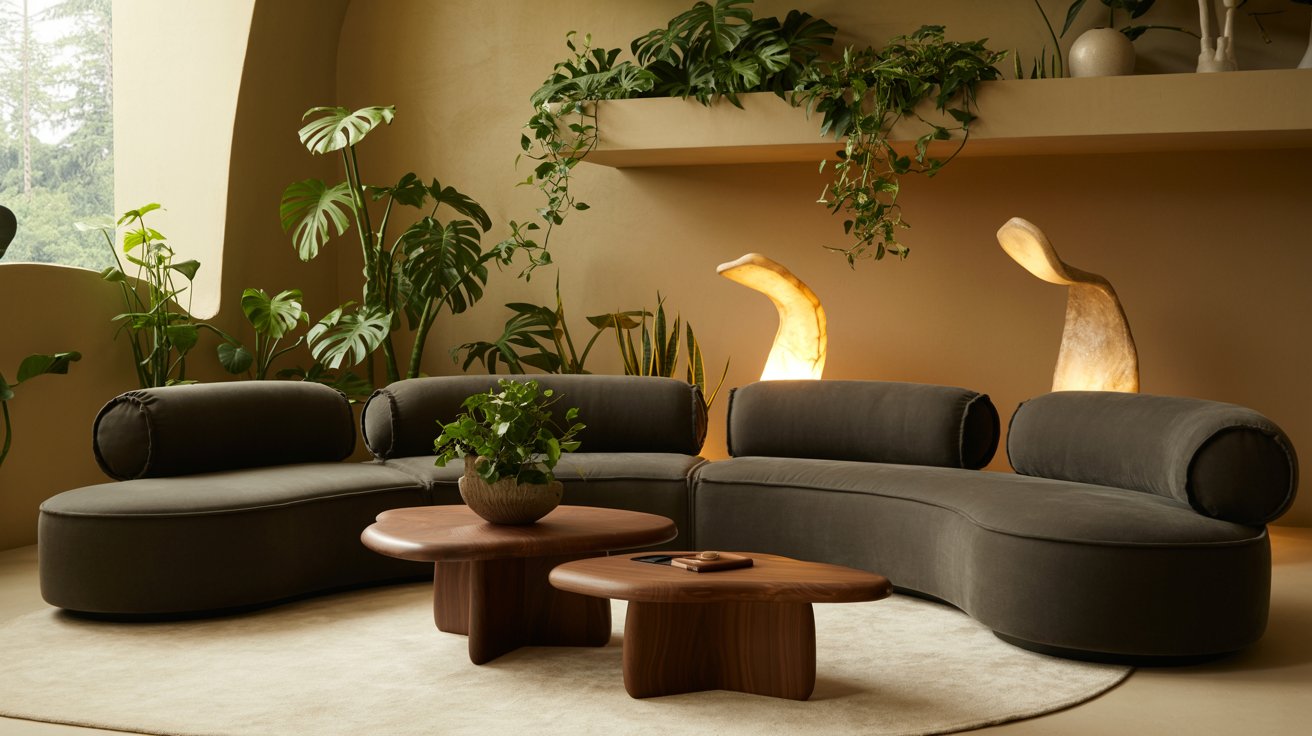
Look for curved sofas, rounded tables, and furniture with organic silhouettes. Avoid sharp edges and heavy industrial designs. Softer shapes feel more relaxed and work naturally with plants, wood, and earthy tones already present in the room.
9. Improve Indoor-Outdoor Connection
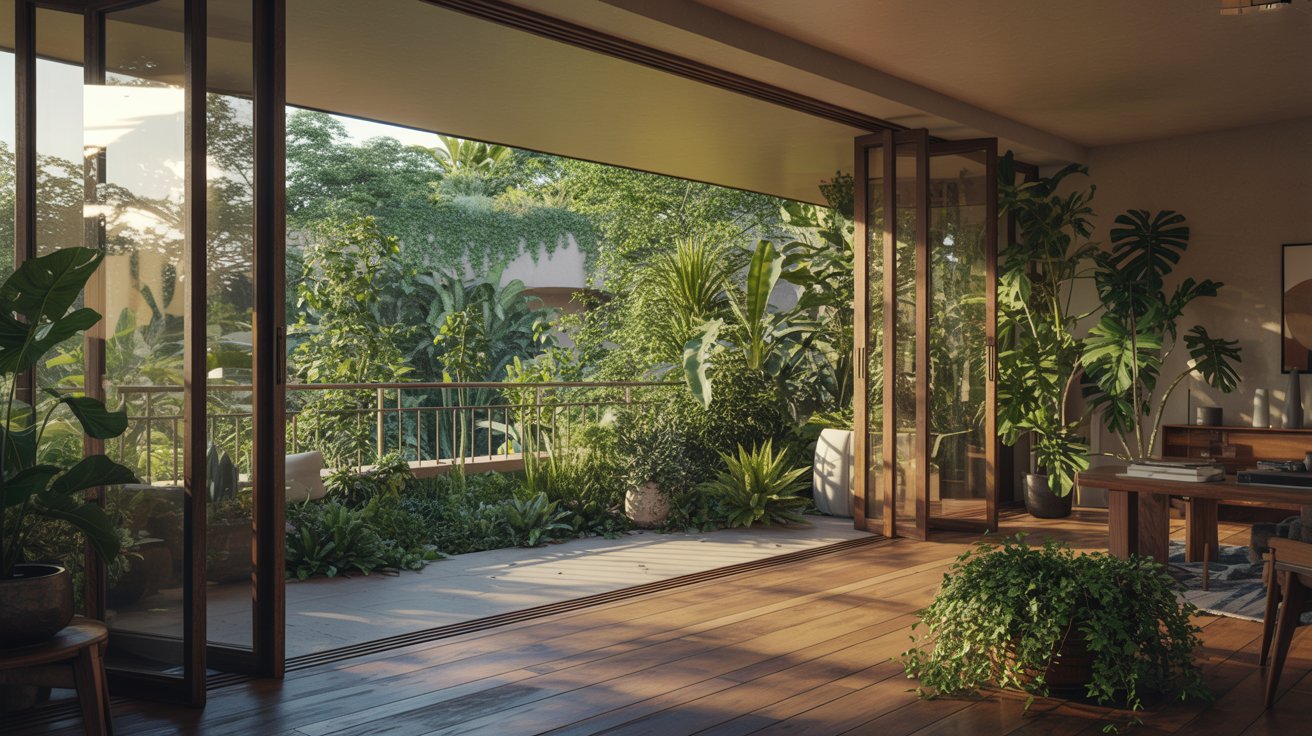
Sliding glass doors, open balcony gardens, and large windows blur the line between inside and outside. Even a small patio with potted plants helps. The goal is making your living space feel like a natural extension of the outdoors.
10. Decorate With Botanical Prints and Nature Art
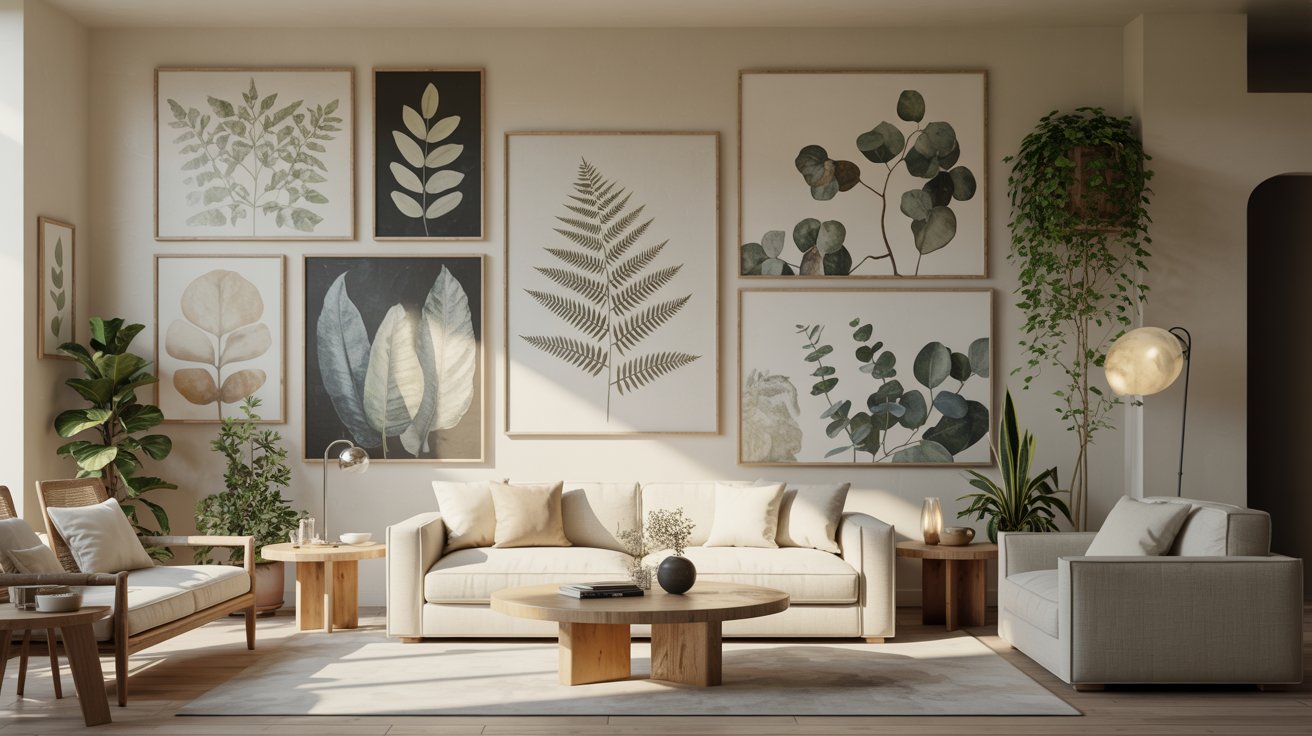
Leaf-pattern wallpapers, botanical illustrations, and landscape paintings all add a nature-inspired layer to walls. Even one large print makes a difference. It's one of the easiest and most affordable ways to bring the outdoors into your home.
11. Use Sustainable and Eco-Friendly Décor
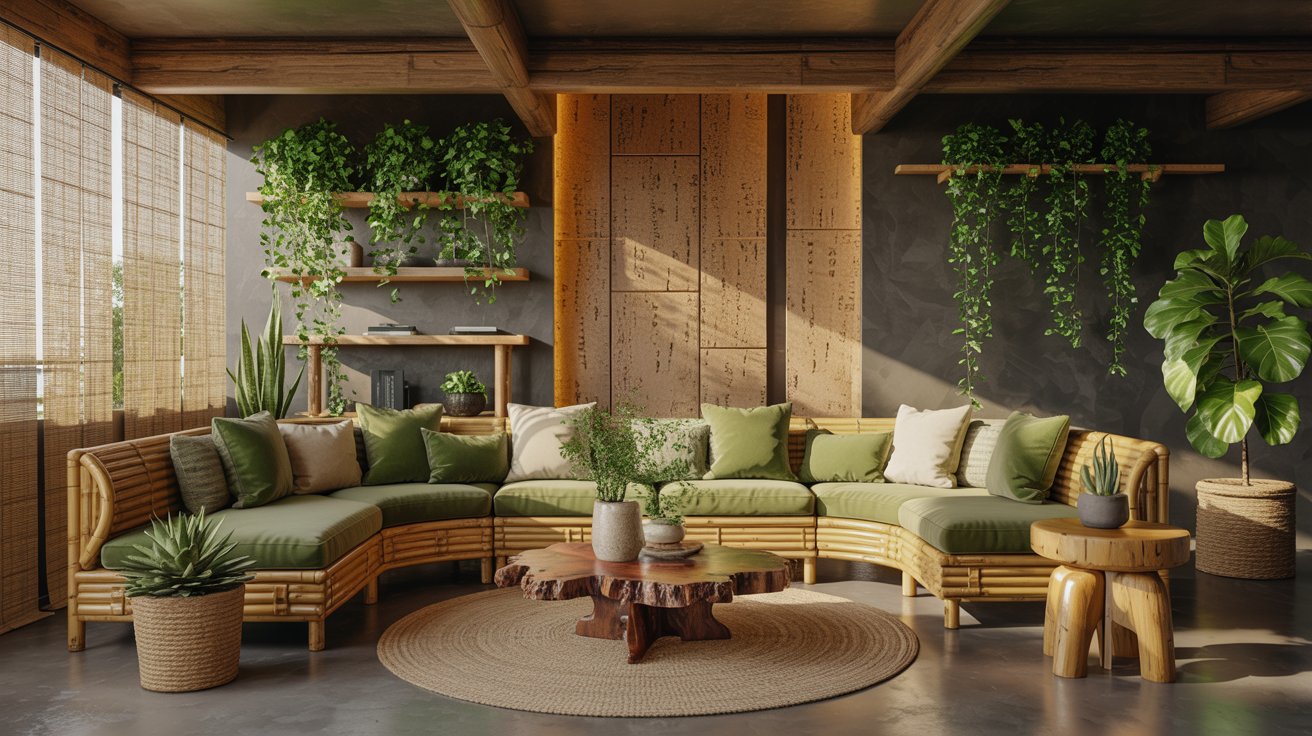
Choose bamboo, cork, recycled wood, or responsibly sourced furniture. Look for brands that prioritise low-emission materials. Sustainable décor aligns perfectly with biophilic design because it respects the natural world you're trying to bring inside your home.
Expert Tips for Creating a Balanced Biophilic Interior
- Don't just focus on how a space looks. Bring in sounds like a small fountain, scents like eucalyptus, and textures you can actually feel.
- Layer materials like wood, stone, linen, and rattan gradually. Too many at once can make a room feel heavy instead of natural.
- You don't have to choose between modern and organic. A sleek sofa paired with a jute rug or wooden shelf works really well together.
- A cluttered space cancels out the calming effect of natural elements. Keep surfaces clean and let each natural piece have room to breathe.
- Good biophilic design is about balance, not abundance. A few well-placed plants, one wood accent, and natural light can do more than a room full of décor.
Conclusion
Biophilic interior design doesn't have to happen all at once. I started with a couple of plants and a wooden shelf, and the difference was noticeable right away.
You don't need to redo your entire home. Pick one idea from this list and start there. Add a plant corner, swap in some earthy tones, or hang a botanical print.
Small changes add up. A home that feels connected to nature is one that genuinely feels good to live in every day.
Which idea are you trying first? Drop it in the comments below!
Frequently Asked Questions
What is biophilic interior design?
It's the practice of connecting your home to nature through plants, natural light, wood, stone, and earthy colors. It makes your space feel calmer and more comfortable to live in every day.
How do I start with biophilic design on a small budget?
Add a few indoor plants, swap heavy curtains for sheer ones, or pick up a jute rug. Small, affordable changes can make a big difference without overhauling your entire space.
What plants work best for biophilic interiors?
Pothos, snake plants, peace lilies, and ferns are all great choices. They grow well indoors, need minimal care, and add instant greenery to any room.
Can biophilic design work in small apartments?
Absolutely. Vertical gardens, hanging planters, and mirrors that bounce natural light work really well in compact spaces. You don't need a big home to make it feel natural.
Does biophilic interior design actually improve well-being?
Yes, research backs it up. Natural elements in your home help reduce stress, sharpen focus, and lift your mood over time.
