

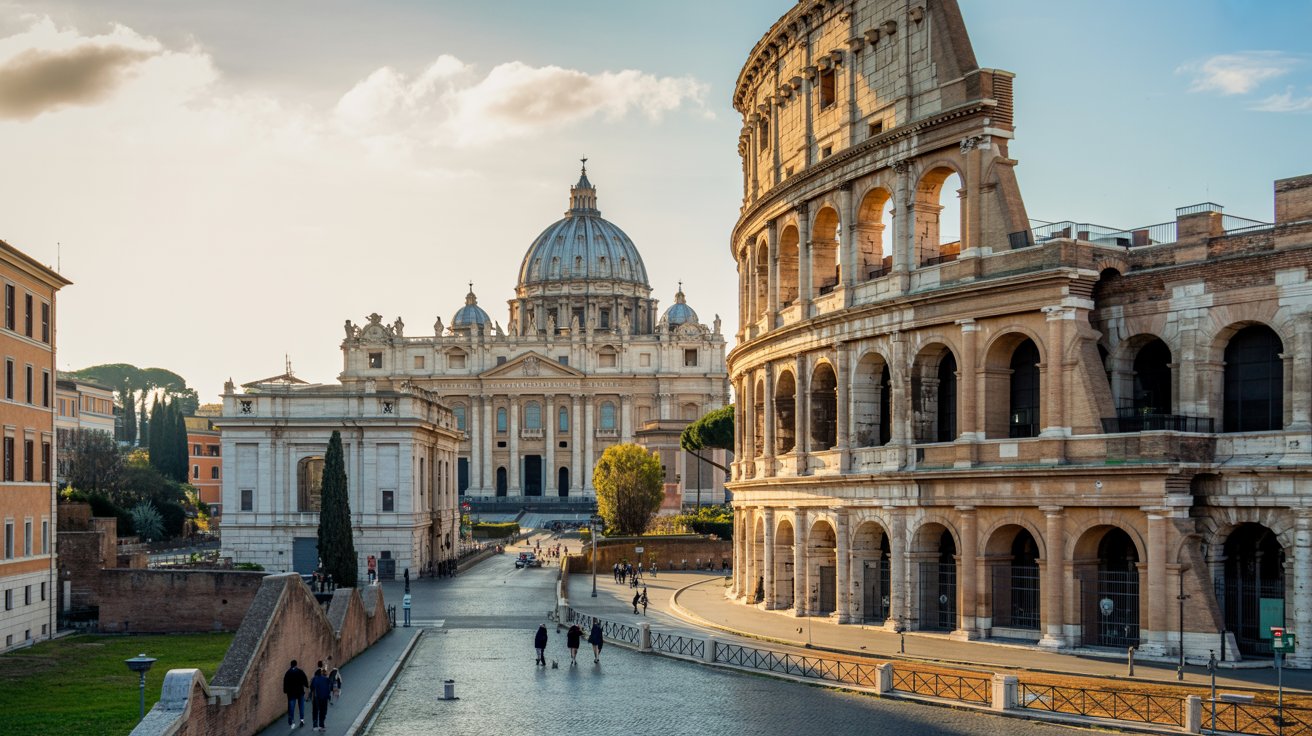
I’ve been to Rome twice. Both times I came back wishing I had a better list going in.
Planning the best sights in Rome sounds simple until you’re stuck in a two-hour queue or paying 18 euros for a bad pizza next to the Colosseum.
This guide covers the best sights in Rome, from iconic landmarks to less-known spots most travelers walk right past.
It’s sorted by category with honest notes on each place, what it’s actually like, how long to spend, and whether you need a ticket in advance.
You’ll also get itineraries for one, two, and three days, travel tips most blogs skip, what to pack, and mistakes that catch first-timers off guard. I’ve visited over 30 cities in Europe.
Rome is one of the trickiest to plan. This list helps you do it right.
How to Use This Guide
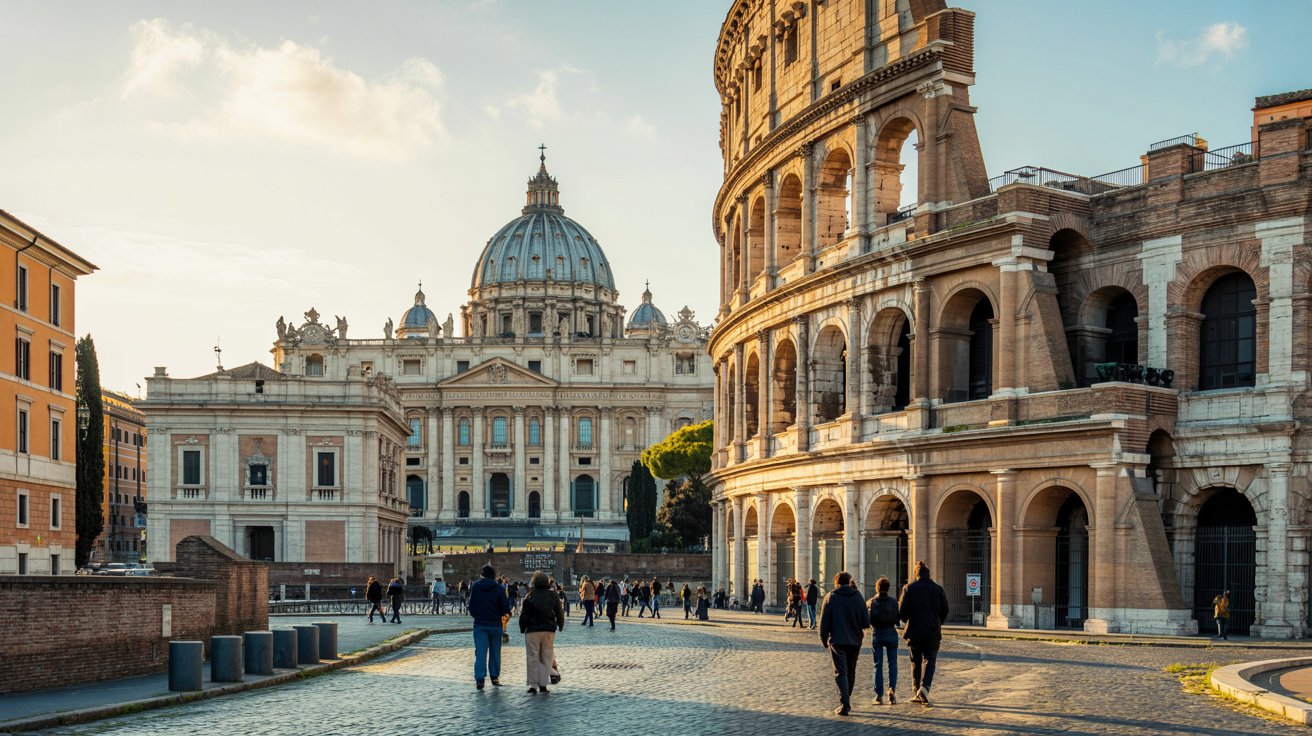
Six categories, 27 sights. Start with whatever matters most to you. This guide covers everything, I made sure of that.
Short on time? Jump straight to the itineraries.
Each entry is short so you can scan fast and plan without getting overwhelmed.
Ancient Rome Icons (Must-See Landmarks)
These are the top sights in Rome that put the city on the map. Ancient, massive, and still worth every minute you spend there.
1. Colosseum
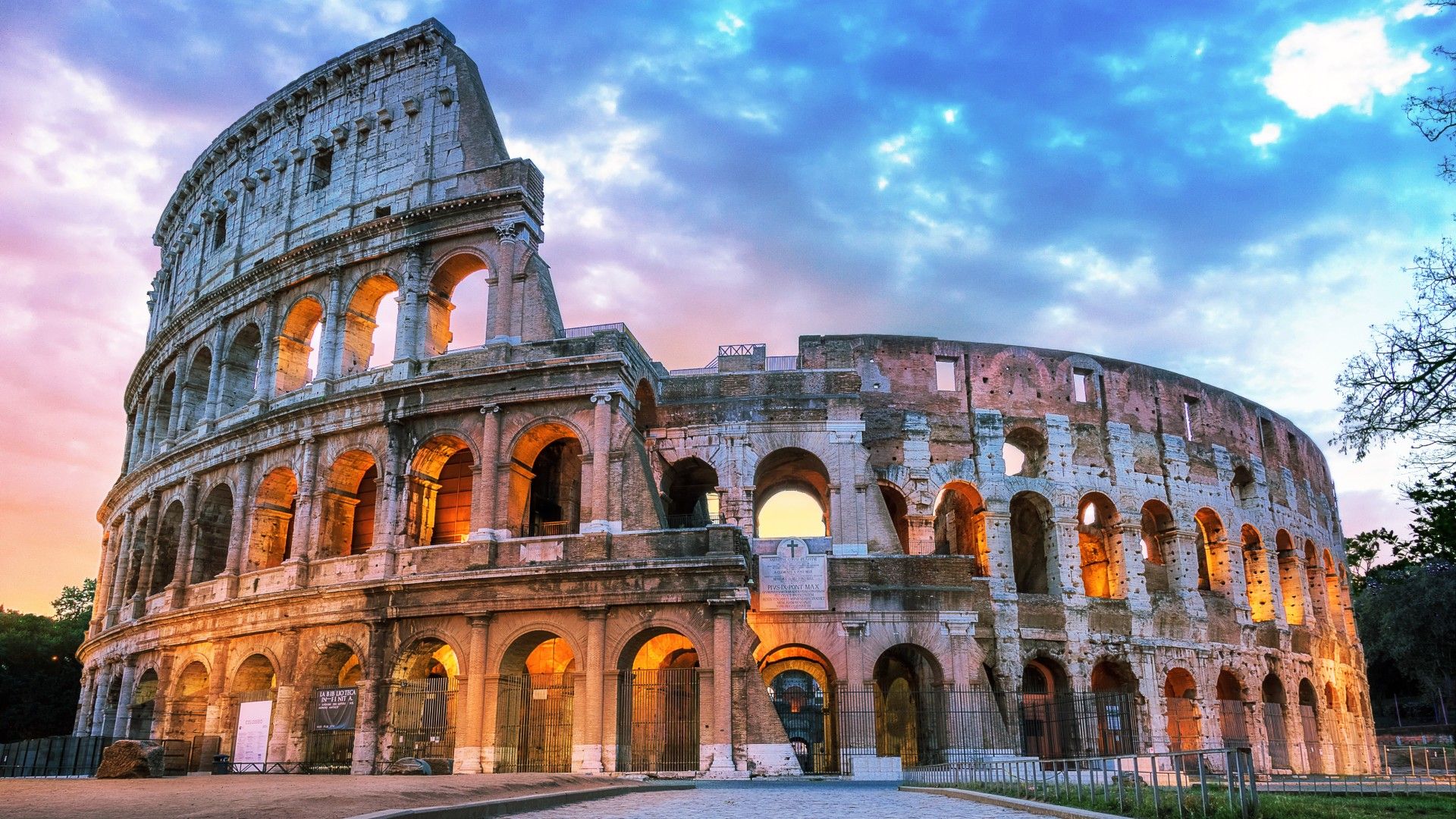
Book tickets online at least two days ahead, more in summer. Plan 1.5 to 2 hours inside. Skip the ticket touts at the gate. The interior gives real scale to what ancient games actually looked like.
2. Roman Forum
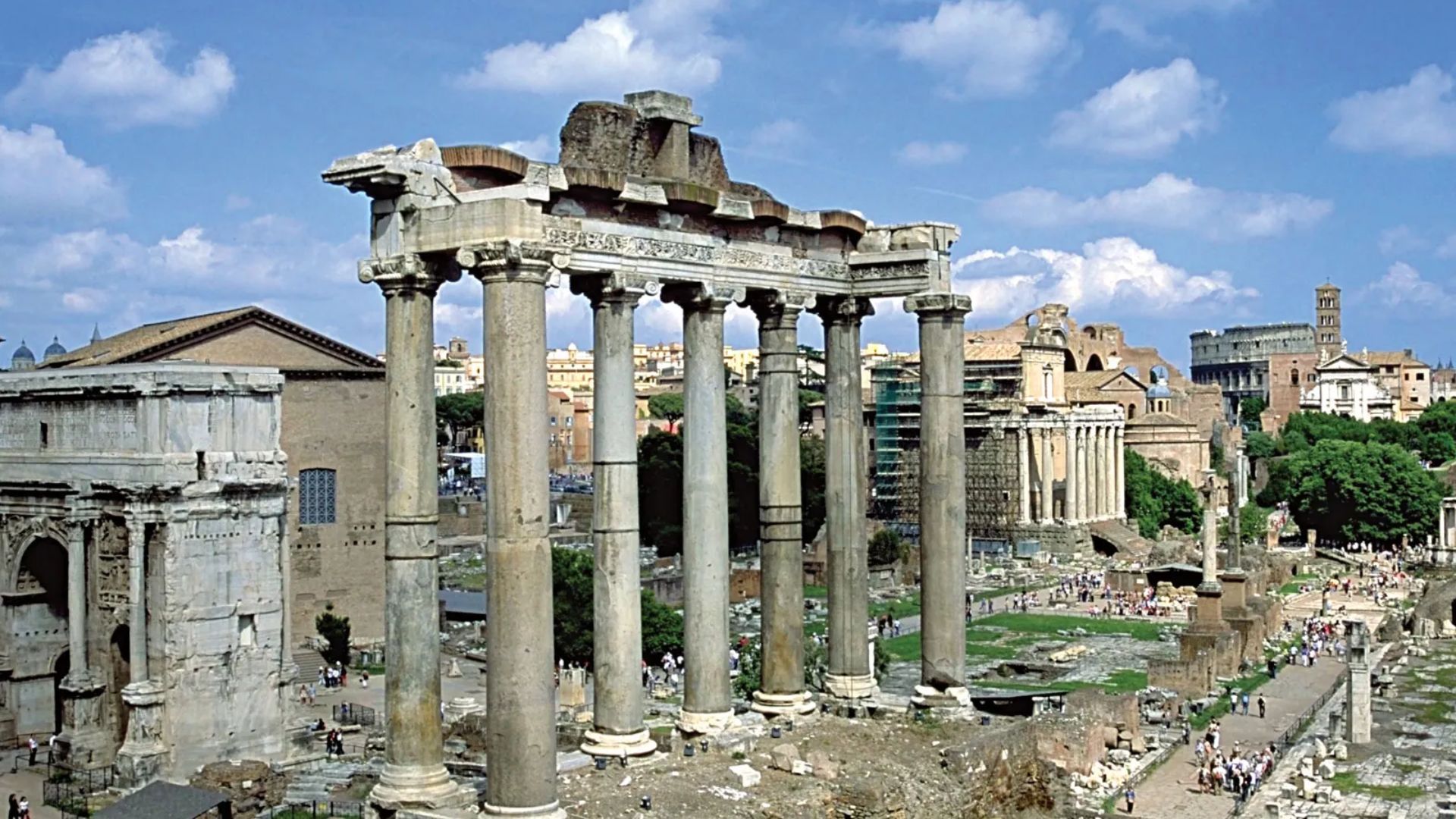
Included with your Colosseum ticket. Walk through the ruins where ancient Roman daily life played out. Give yourself an hour to cover the full site. Good audio guide available.
3. Palatine Hill

Also on the combined ticket. Good views over the city, fewer crowds than the Colosseum floor. Take your time up top.
4. Pantheon
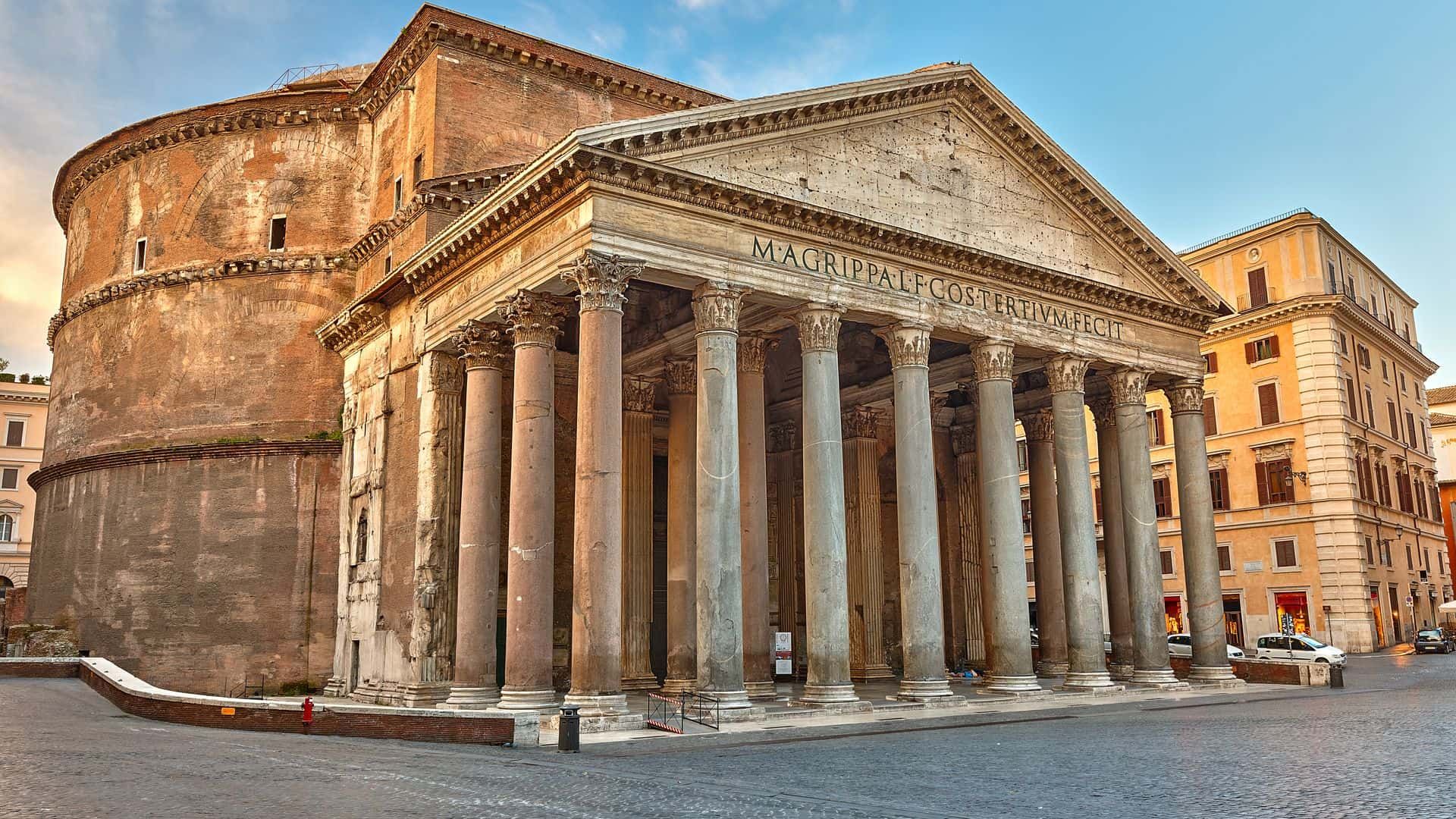
One of the best-preserved ancient buildings in existence. Free entry now requires a timed slot booked online. Go first thing in the morning before the square fills up.
5. Circus Maximus

Open and free. More context than spectacle. Worth a 20-minute stop if you’re in the area.
Vatican & Religious Masterpieces
These are the famous sights in Rome that draw millions of visitors every year. The scale of this area alone is worth the trip.
6. St. Peter’s Basilica
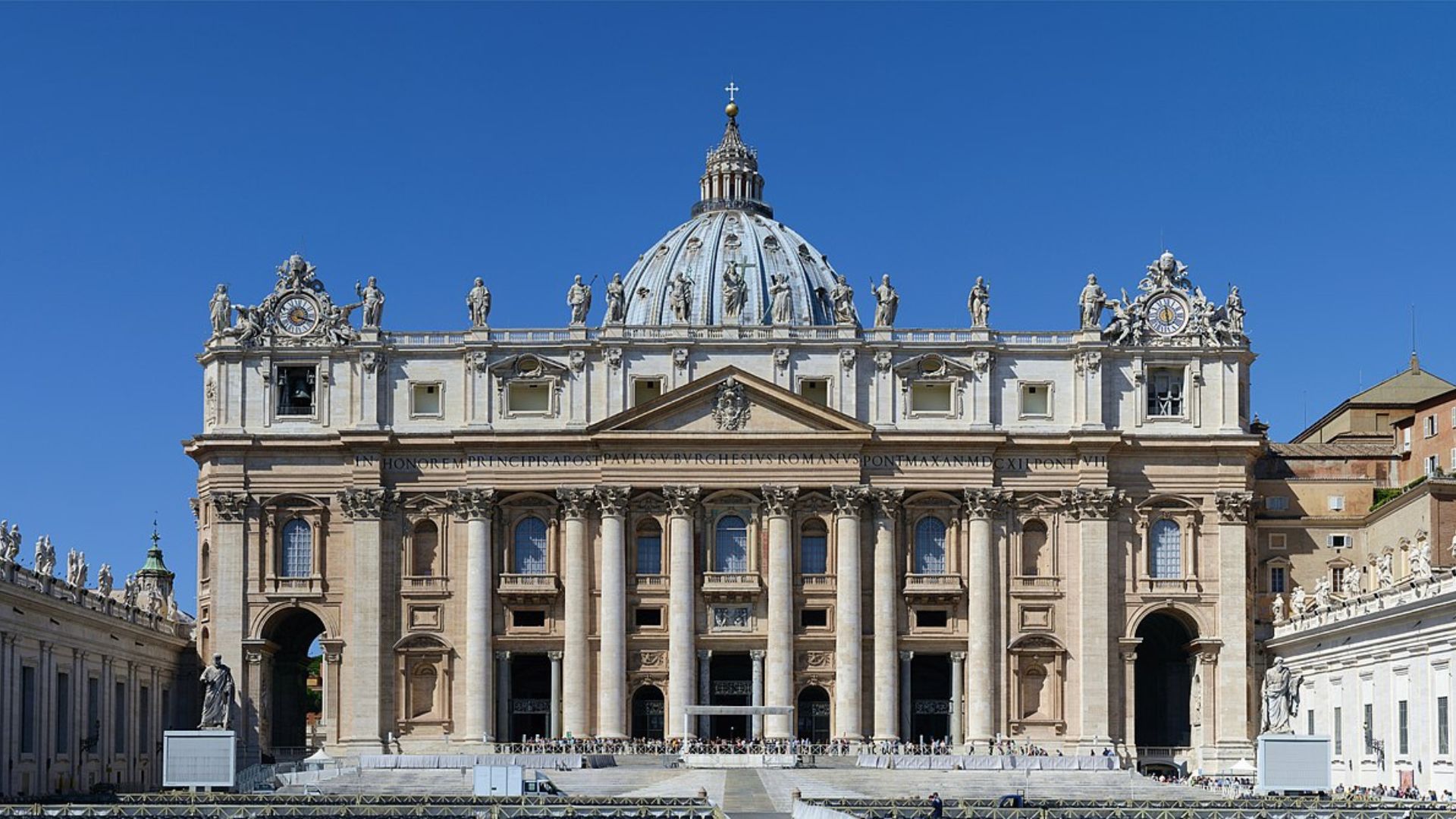
Free to enter the main church. The dome climb costs a few euros. Views from the top are some of the best in the city. Go on a weekday morning.
7. Vatican Museums

Book weeks in advance if you can. Plan at least three hours here. The collection is overwhelming in size. You won’t see everything in one visit.
8. Sistine Chapel

Inside the Vatican Museums. No photography allowed inside. The ceiling hits differently in person than in any photo you’ve seen.
9. Castel Sant’Angelo
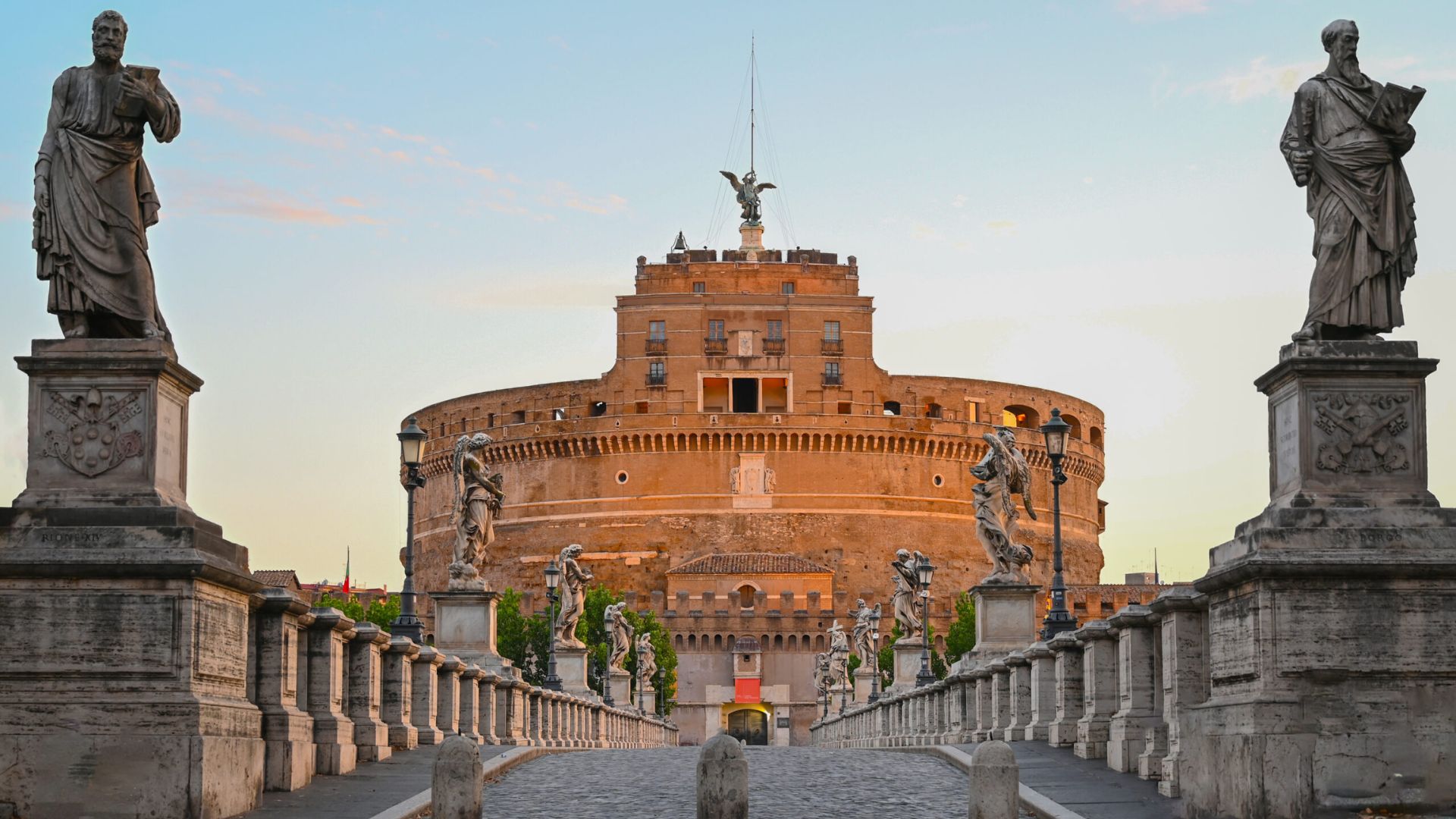
Former papal fortress with solid rooftop views. About one hour to walk through. Quieter than the Vatican and worth combining on the same day.
Art, Piazzas & Cultural Hotspots
A mix of Rome attractions that balance history, street life, and art. These are the places where the city actually feels alive.
10. Piazza Navona

Long open square with three fountains and outdoor cafes. Free to visit. Best in the evening when the daytime crowds ease off.
11. Trevi Fountain

Go at 7am before the crowds arrive. Smaller in person than photos suggest. Toss your coin from your right hand over your left shoulder.
12. Spanish Steps
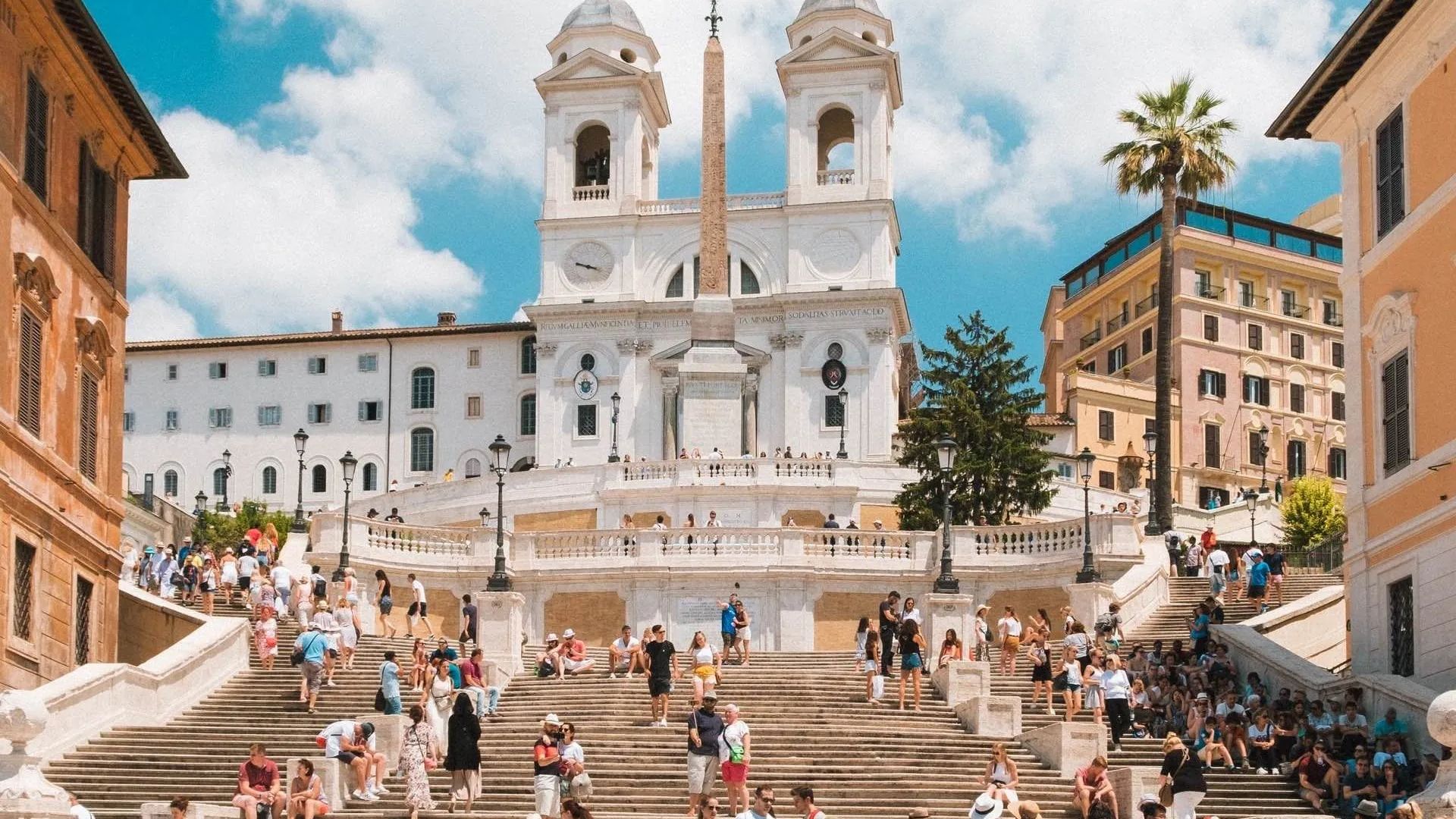
138 steps, no entry fee. Good for a morning sit and people-watching. Gets crowded by 10am.
13. Capitoline Museums
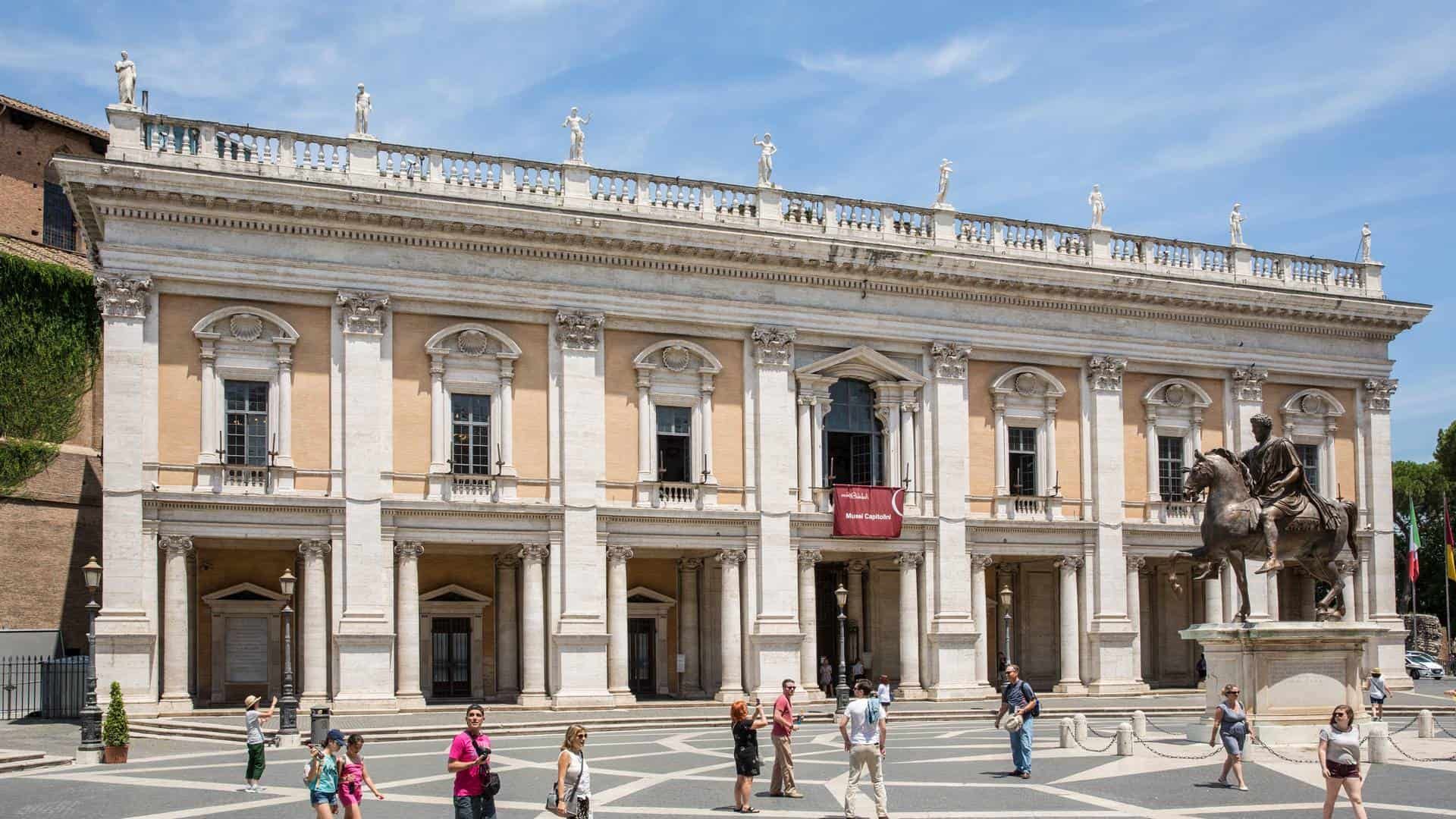
Older than the Vatican Museums. The original Marcus Aurelius bronze is here. Plan two hours minimum.
14. Villa Borghese Gardens & Gallery

Book the gallery weeks in advance. The gardens are free and a solid midday break from the heat. You can rent a bike if you have time.
Views, Streets & Local Atmosphere
Some of the must-see sights in Rome aren’t ruins or museums. These are the neighborhoods and viewpoints that show you how the city actually lives.
15. Trastevere
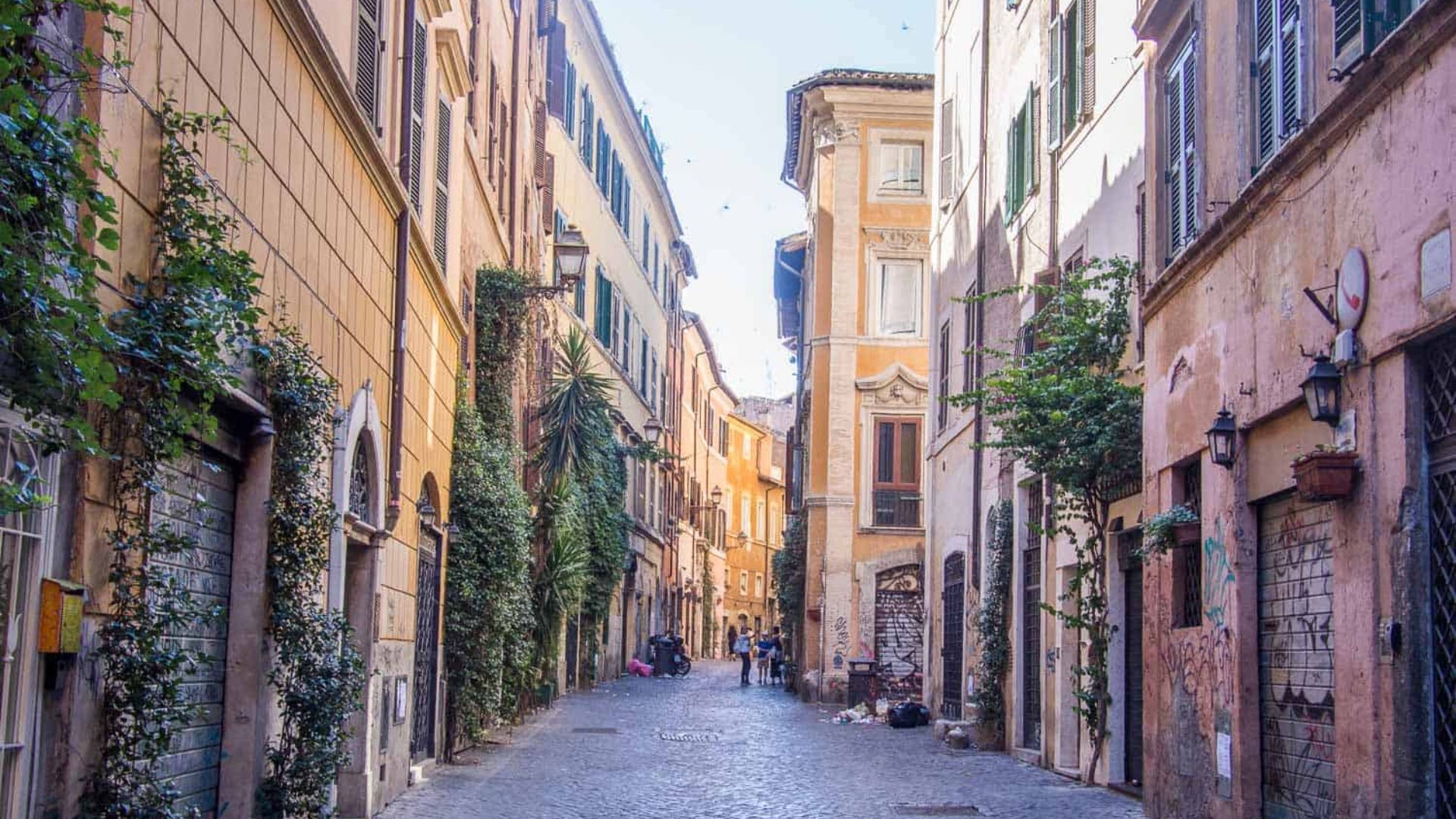
One of Rome’s oldest neighborhoods. Good food, fewer tour groups, and locals still living there. Walk it in the late afternoon.
16. Gianicolo Hill
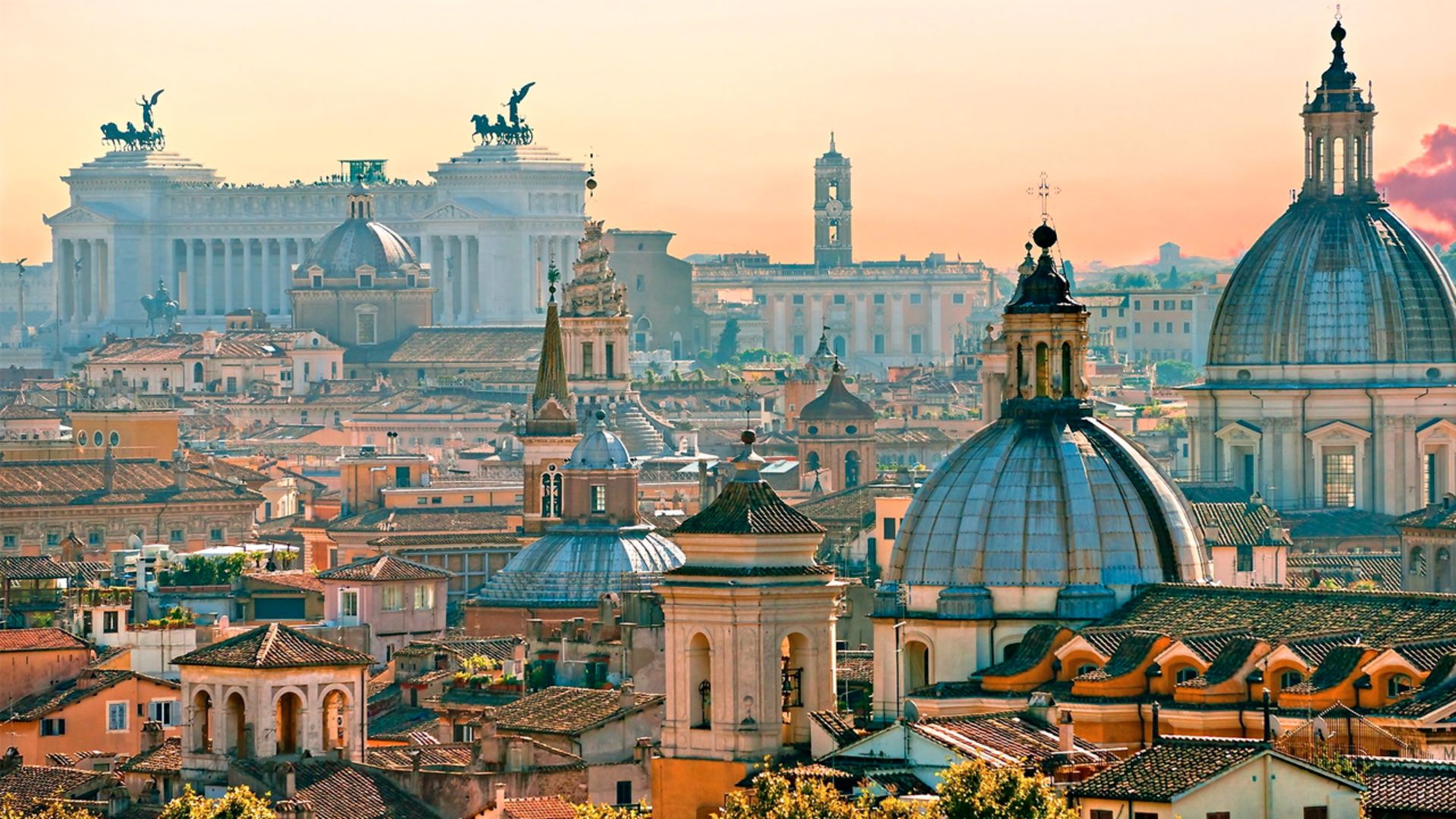
A viewpoint most tourists miss. One of the best panoramic views in the city. Bus or walk up. Free.
17. Via Appia Antica

Ancient road with ruins along the way. Rent a bike on a Sunday when it’s car-free. One of my favorite things I did in Rome.
18. Campo de’ Fiori
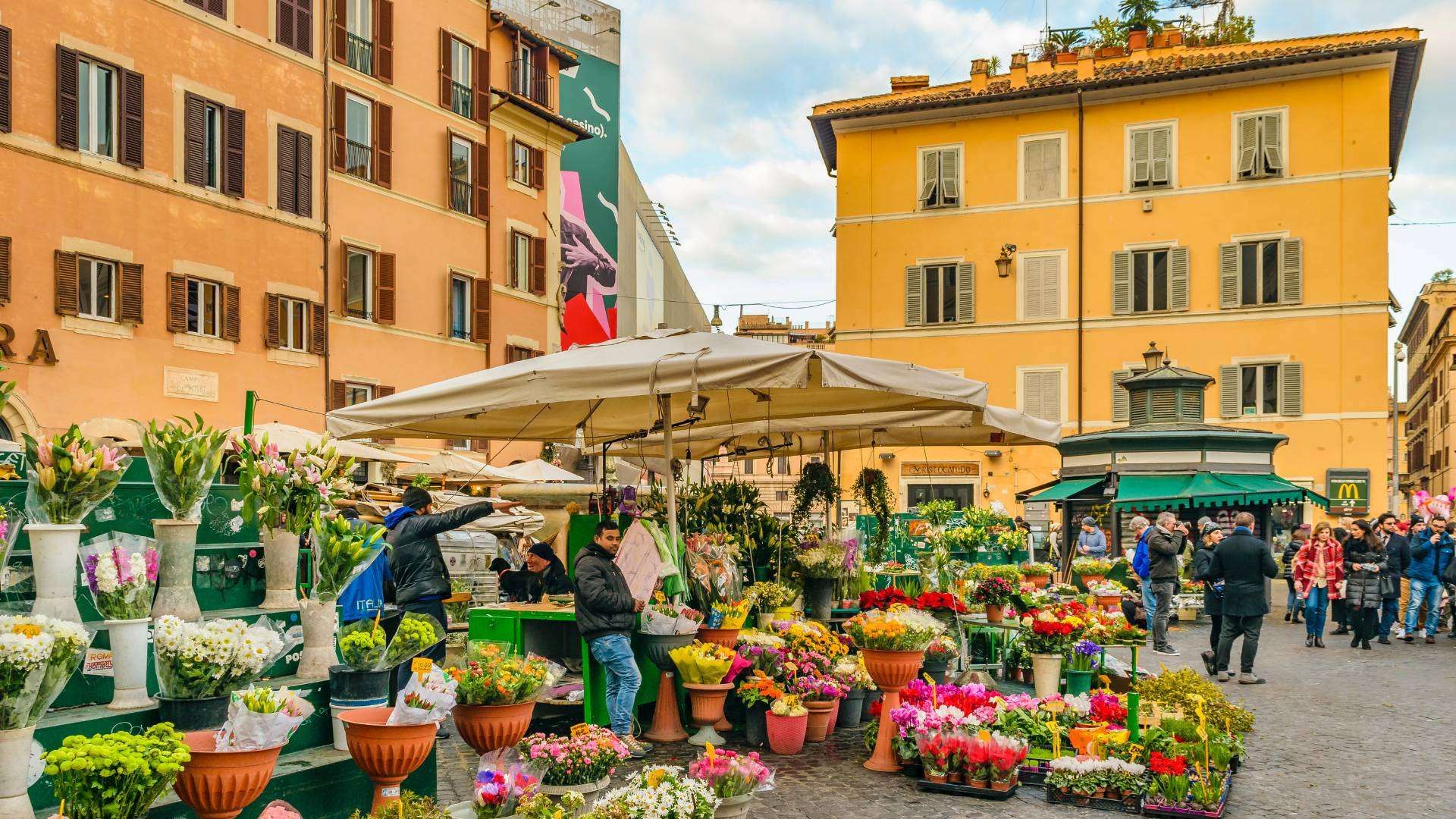
Morning market, lively evenings. Stop for street food. Free to walk around anytime.
Hidden Gems & Less-Known Spots
These sights in Rome don’t make every tourist list. That’s exactly why they’re worth your time.
19. Aventine Keyhole

A small keyhole in a wooden door that frames a perfect view of St. Peter’s dome. Free, takes five minutes, and genuinely surprising.
20. Baths of Caracalla
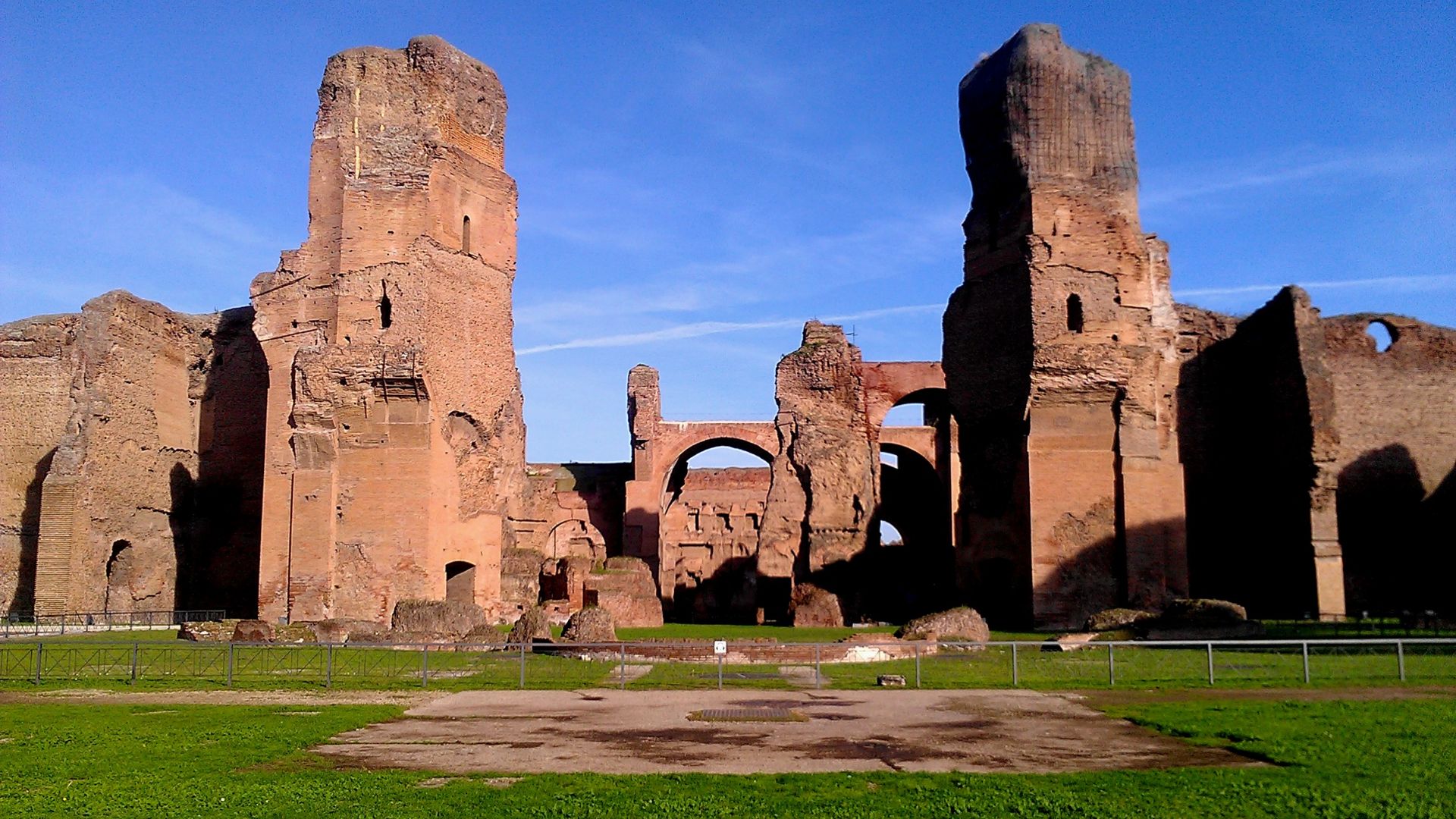
Large ancient bathhouse south of the city. Less crowded than the Colosseum. Worth about an hour.
21. Basilica di San Clemente
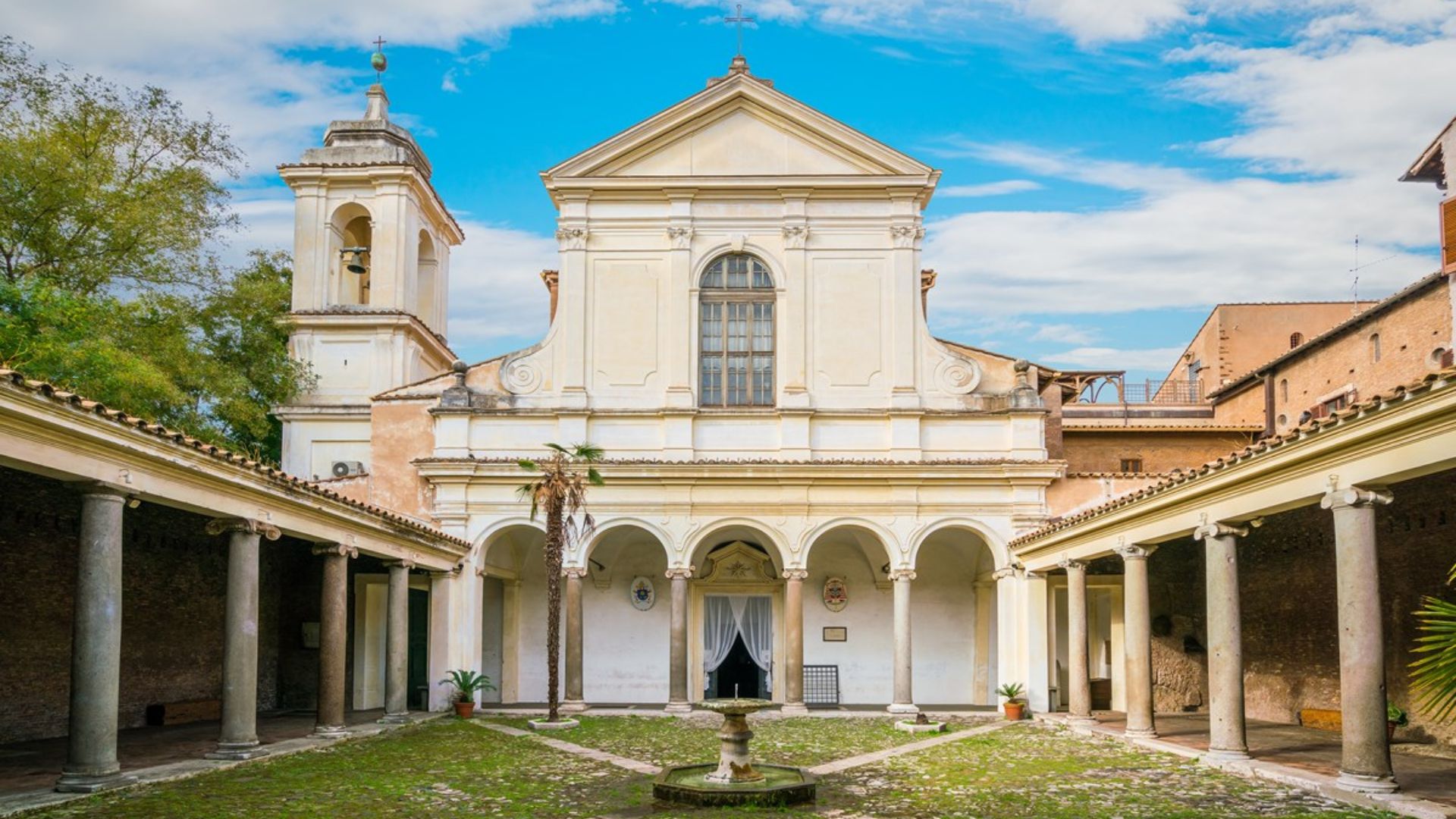
Three layers of history stacked underground. A Roman temple, early church, and medieval basilica all in one spot. One of the most interesting places I visited.
22. Quartiere Coppedè
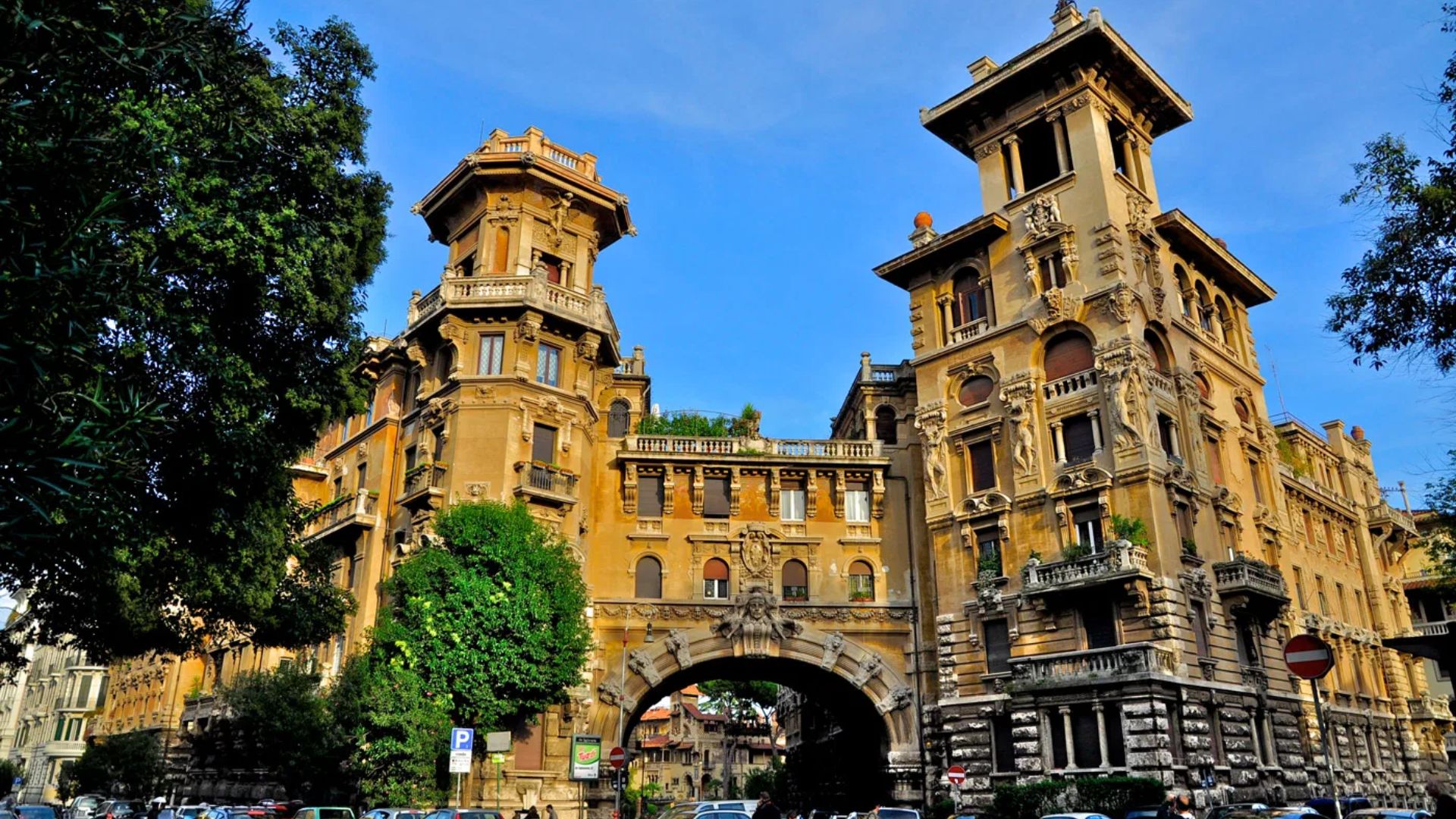
Art Nouveau buildings most visitors never see. Worth 30 minutes. Easy to add to a Trastevere afternoon.
23. Testaccio District
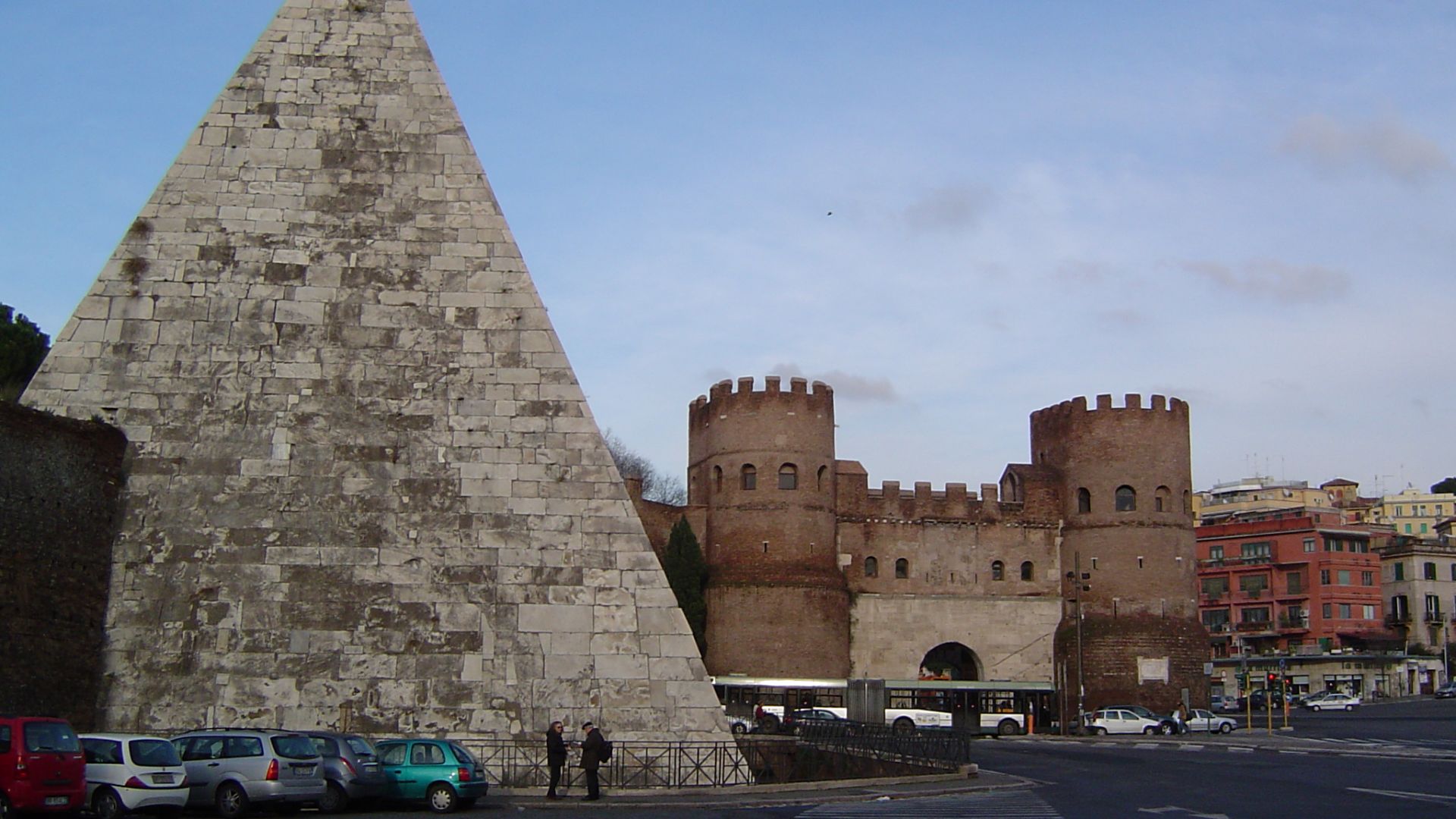
Local food market, street food, no tour buses. One of my favorite spots in the whole city.
Historic Churches & Architecture
These are the famous sights in Rome that most visitors skip because they’re not on the main tourist trail. They’re often the calmest places you’ll find.
24. Basilica di Santa Maria Maggiore

Free entry. 5th-century mosaics inside. One of Rome’s four major basilicas and worth the 30-minute visit.
25. San Giovanni in Laterano
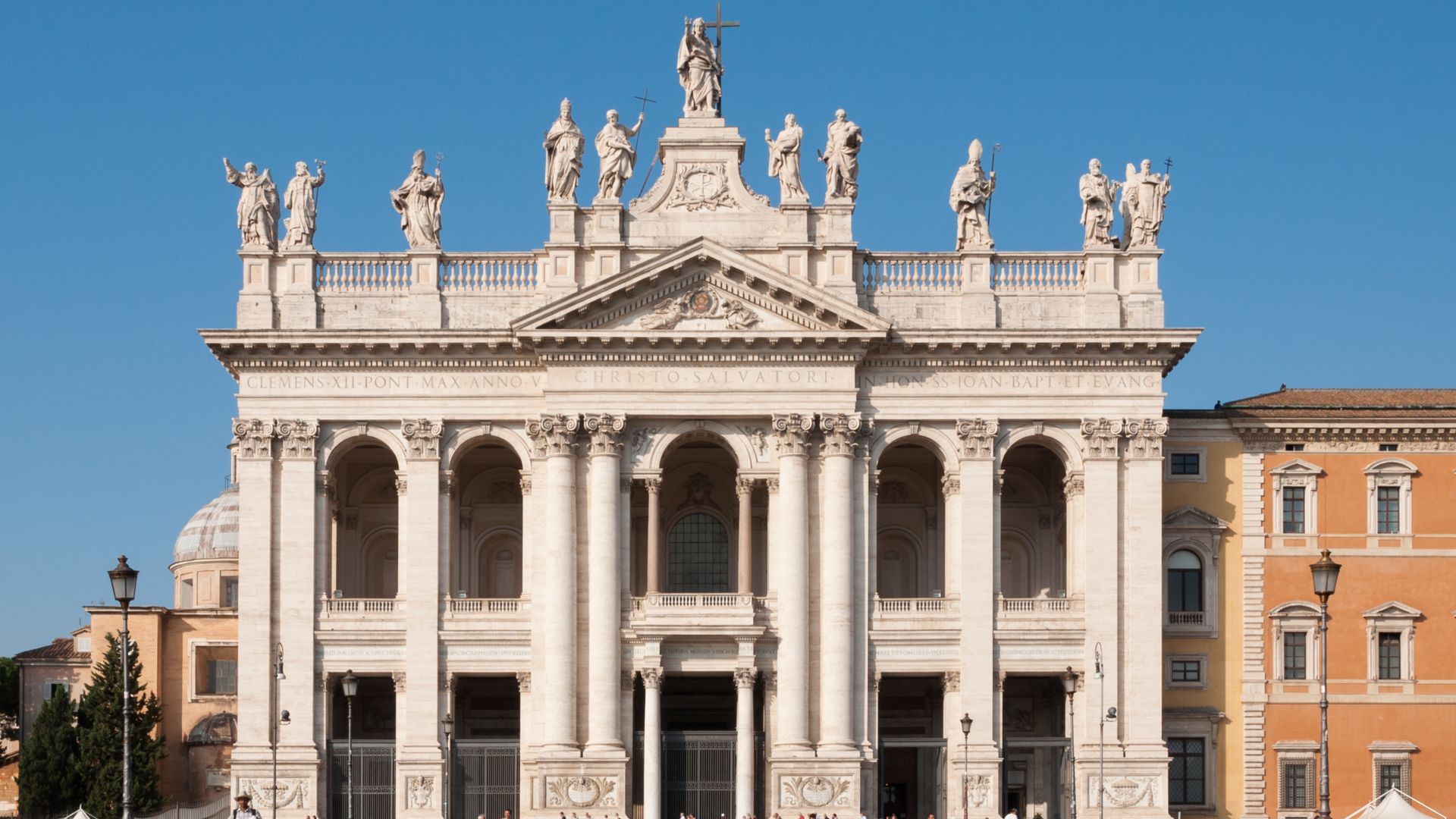
Rome’s oldest church. Impressive architecture and far less crowded than most major sites.
26. Santa Maria in Trastevere
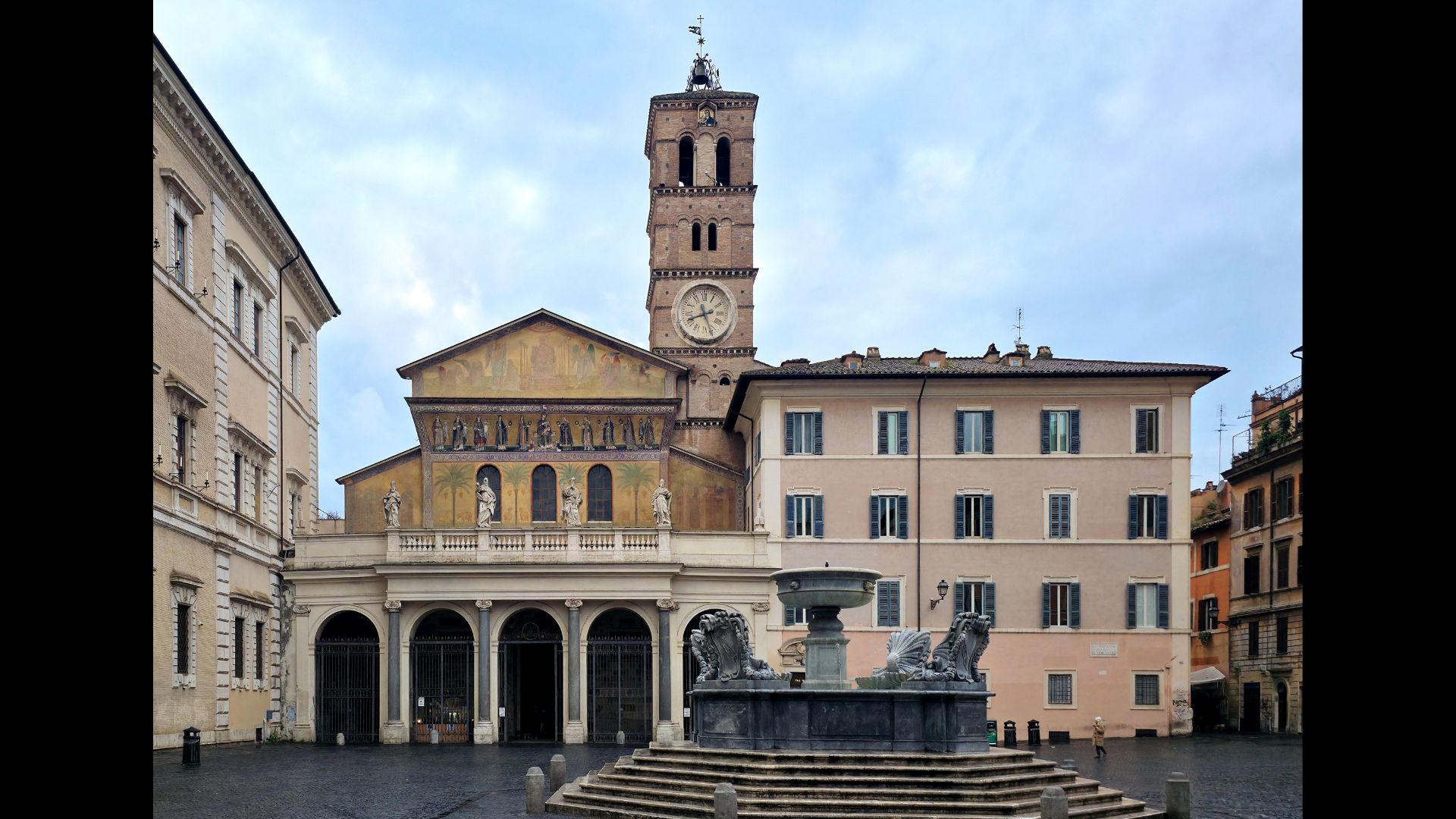
Free to enter. Old gold mosaics inside. Calm and worth a look before or after walking the neighborhood.
Bonus Must-See Experience
27. Tiber River Walk at Sunset
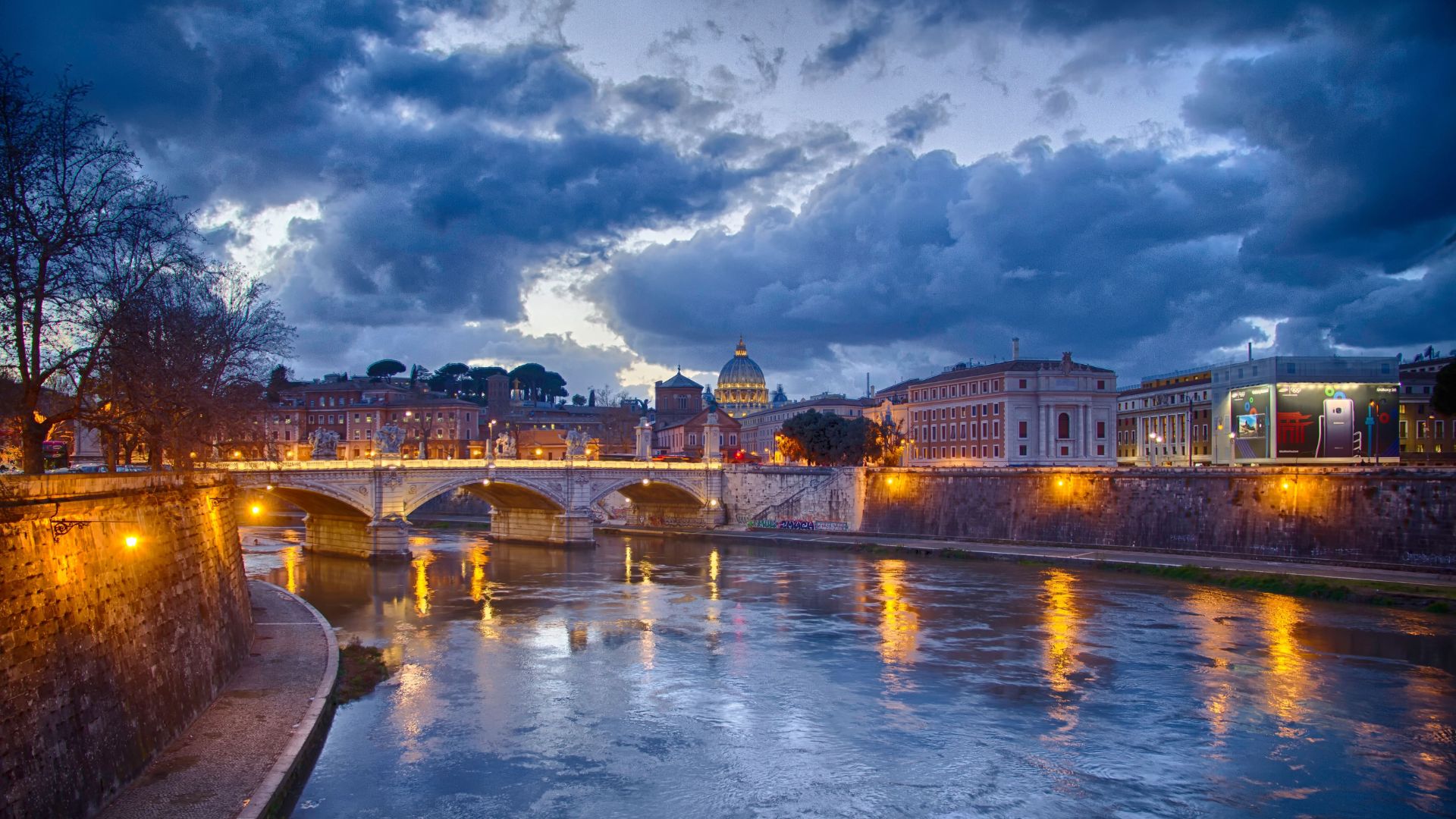
Walk along the river as the light fades. Free. Takes about 45 minutes. One of the best things I did on my second trip to Rome. No ticket, no queue, no crowds.
3 Perfect Rome Itineraries Based on Trip Length
Use these as a starting point. Each one is built around the top sights in Rome and works for real travel days, not perfect ones.
1-Day Rome
Itinerary Morning at the Colosseum, Roman Forum, and Palatine Hill. Afternoon at the Pantheon and Trevi Fountain. Evening dinner in Trastevere.
2-Day Rome Itinerary
Day 1: Colosseum, Forum, Palatine Hill, Pantheon, Piazza Navona.
Day 2: Vatican Museums, Sistine Chapel, St. Peter’s Basilica, Castel Sant’Angelo.
3-Day Rome Itinerary Days 1 and 2 as above.
Day 3: Capitoline Museums, Villa Borghese, Trastevere, and Tiber walk at sunset. Add the Aventine Keyhole if you have a spare 20 minutes.
Best Time to Visit the Top Sights in Rome
Early morning is almost always your best option. Go to the Trevi Fountain and Spanish Steps before 8am.
The Vatican is most crowded around midday.
In summer, avoid outdoor sites from 11am to 2pm. Weekday mornings are the calmest overall.
Rome Travel Tips Most Guides Don’t Tell You
Rome’s tap water is drinkable. Use the street fountains called nasoni to refill your bottle.
Most churches require covered shoulders and knees.
The Roma Pass saves money if you plan to visit five or more paid sites. Avoid restaurants right next to major landmarks. Walk one street over and prices drop fast.
How to Get Around Rome Efficiently
The historic center is more walkable than most people expect. Top sights are within 30 minutes on foot of each other.
Use the metro for the Vatican and Colosseum. Buses cover everything else.
Avoid taxis in the center. Traffic is slow and fares add up quickly.
Mistakes to Avoid When Visiting Rome
Don’t skip ticket booking. Many sites sell out days in advance.
Avoid eating at restaurants right next to the Colosseum or Trevi Fountain.
Don’t try to see everything in one day. You’ll burn out fast. And don’t skip the less-visited spots.
Some of my best memories in Rome came from the places no one talks about.
Conclusion
Rome is the kind of city that rewards people who do their homework. I’ve been there twice and I still feel like I missed things worth seeing.
Start with the big three: the Colosseum, the Vatican, and the Pantheon. Then add in whatever fits your time and pace. Don’t rush it. Rushing is how people miss the good stuff.
The best moments I had weren’t at the famous spots. They were on Via Appia Antica on a bike, looking through a keyhole on the Aventine Hill, and sitting by the Tiber after sunset.
These are the best sights in Rome if you want a trip that balances history, views, and a real feel for the city. Plan ahead and go at your own pace.
Which sight on this list are you most looking forward to seeing?
Frequently Asked Questions
How many days do you need in Rome to see the main sights?
Three days is the sweet spot. You can cover the major landmarks, a few less-visited spots, and still have time to eat well without feeling rushed.
Do you need to book tickets for the Colosseum in advance?
Yes, always. Book at least two to three days ahead, more in summer. Lines without a ticket can run two hours or longer.
Is Rome a walkable city?
Most of the historic center is very walkable. The top sights are close together. Good shoes matter more than transport planning.
What is the cheapest way to see Rome?
A lot of the best spots are free: Trastevere, Campo de’ Fiori, most churches, and the Tiber walk. The Roma Pass helps with paid sites if you’re visiting several.
What should I avoid doing in Rome?
Avoid eating at restaurants directly next to major landmarks. Don’t over-schedule your first day. And don’t ignore the smaller spots. They’re often the most memorable.
