

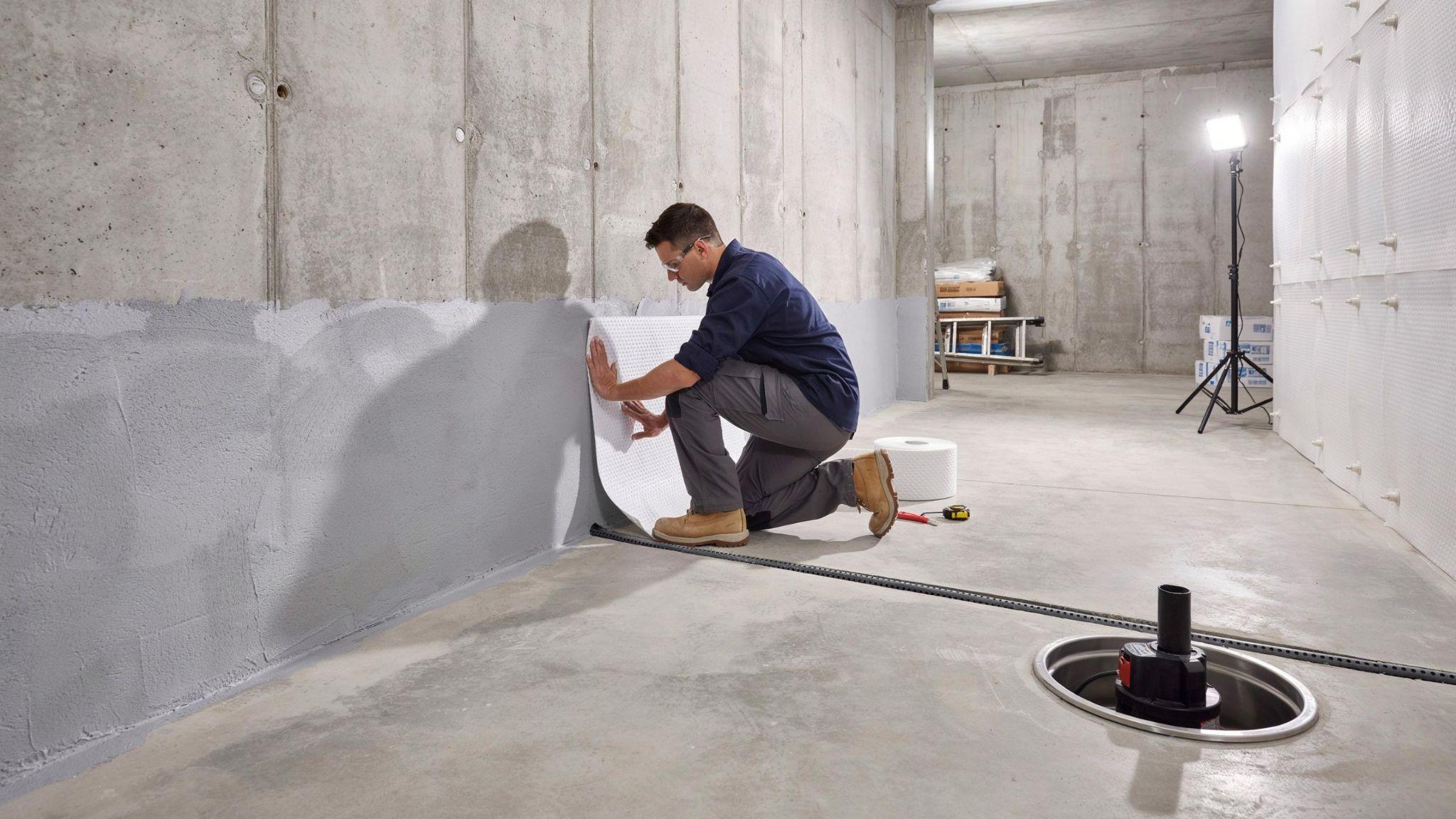
I still remember the first time I walked into a damp basement. That musty smell hit me right away.
The walls had white stains, the floor felt cold and wet, and there was visible mold creeping up the corners.
If your basement looks anything like that, you're not alone.
Water gets in through cracks, porous concrete, poor drainage, and pressure from saturated soil. The damage builds up slowly until it becomes a real problem.
The good news? You don't always need to dig up your yard to fix it. Interior waterproofing handles it from the inside using sealants, drains, and sump pumps.
Let me walk you through everything you need to know.
What Is Interior Basement Waterproofing?
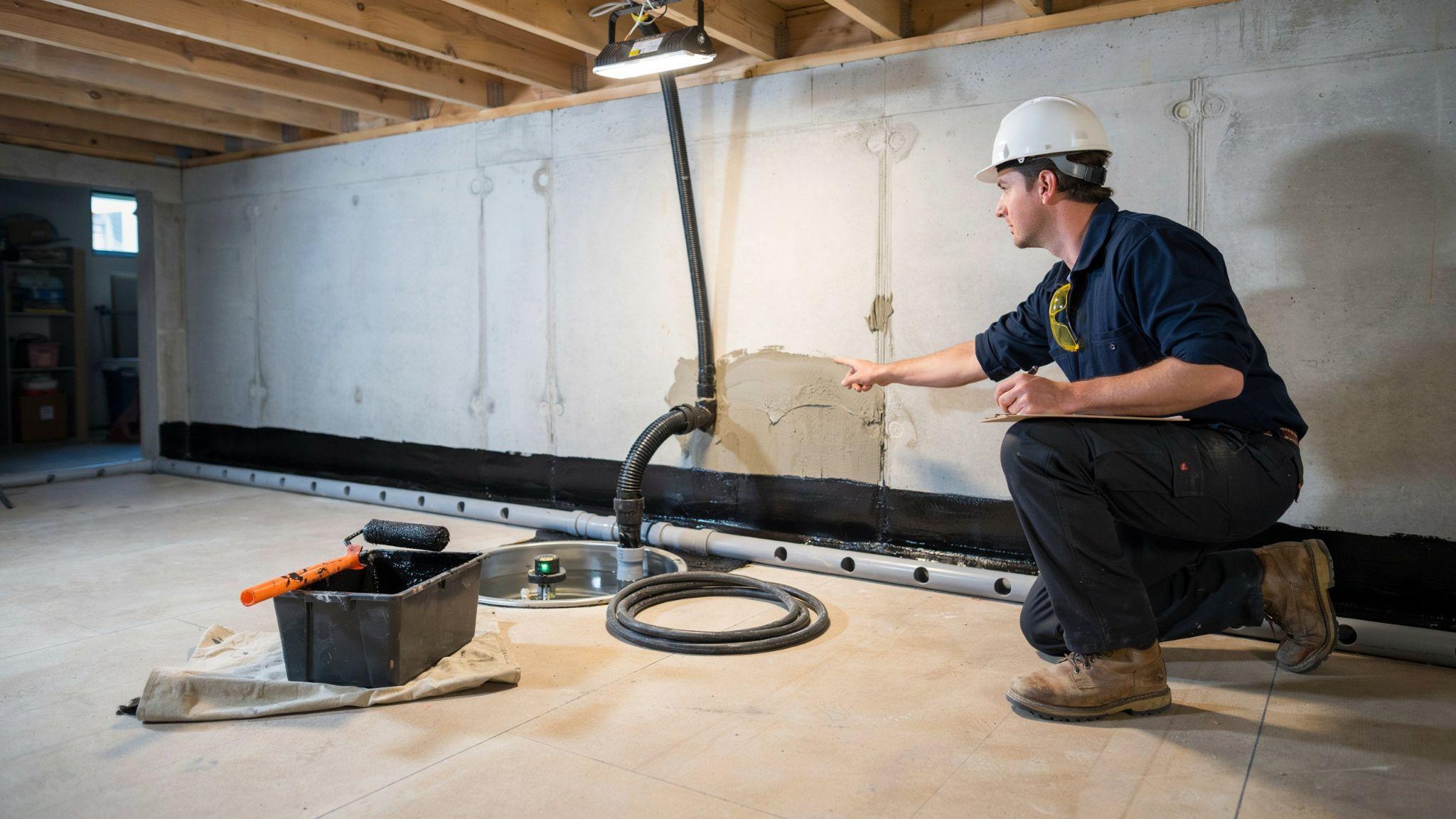
Interior basement waterproofing means managing water after it gets inside your basement.
Instead of stopping water outside, it controls moisture and redirects water away from your home. It uses drains, sealants, and sump pumps to keep things dry.
It works best when exterior waterproofing isn't possible or too costly. If you're dealing with seepage, cracks, or humidity, interior waterproofing is often the smarter, more affordable fix.
Why Basements Develop Moisture Problems
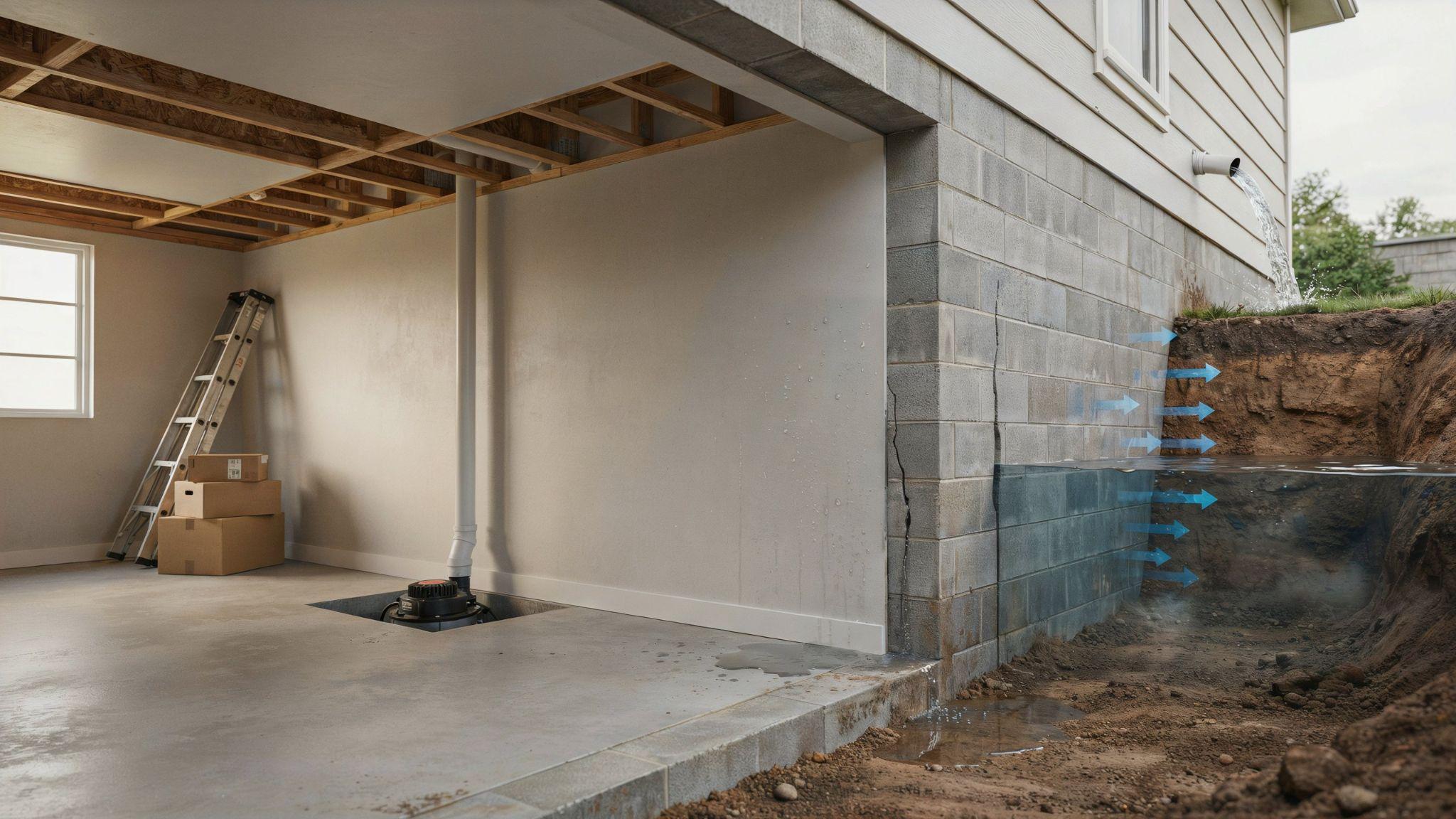
Basements sit underground, which makes them a magnet for water. Several things work against you when it comes to keeping them dry.
Hydrostatic Pressure
When soil around your foundation gets saturated, it builds pressure against the walls. That pressure forces water through even the smallest cracks in concrete.
The longer it sits, the worse the damage gets.
Capillary Action Through Concrete
Concrete looks solid but it's actually porous. Water moves through tiny gaps in the material slowly and consistently.
Over time, this brings steady moisture into your basement without any visible cracks.
Condensation and High Humidity
Warm air meets cold basement walls and turns into moisture. This happens a lot during summer months.
High humidity alone can make your basement feel damp even when no water is coming in from outside.
Foundation Cracks and Structural Gaps
Cracks form naturally as your home settles over the years. These gaps in the foundation or around pipes give water a direct path inside.
Heavy rain or snowmelt makes this problem much worse.
Poor Drainage Around the Home
If the ground around your home slopes toward the foundation, water pools right there.
Without proper grading or gutters, rainwater has nowhere to go. It ends up pushing straight into your basement walls.
Key Benefits of Interior Basement Waterproofing
- Stops water from damaging your floors, walls, and belongings. Even small amounts of moisture can cause big problems over time.
- Reduces musty smells and keeps the air in your home cleaner. A dry basement means healthier air circulating through the whole house.
- Cuts down on mold and mildew growth significantly. Mold loves damp spaces, and waterproofing takes away the conditions it needs to grow.
- Protects your foundation from long-term water damage. Constant moisture weakens concrete and can lead to serious structural issues down the line.
- Gives you more usable space in your home. Once your basement is dry, you can use it as a living area, storage, or anything else you need.
Common Interior Basement Waterproofing Methods
There are several ways to waterproof your basement from the inside. The right method depends on where the water is coming from and how bad the problem is.
1. Waterproof Sealants and Coatings
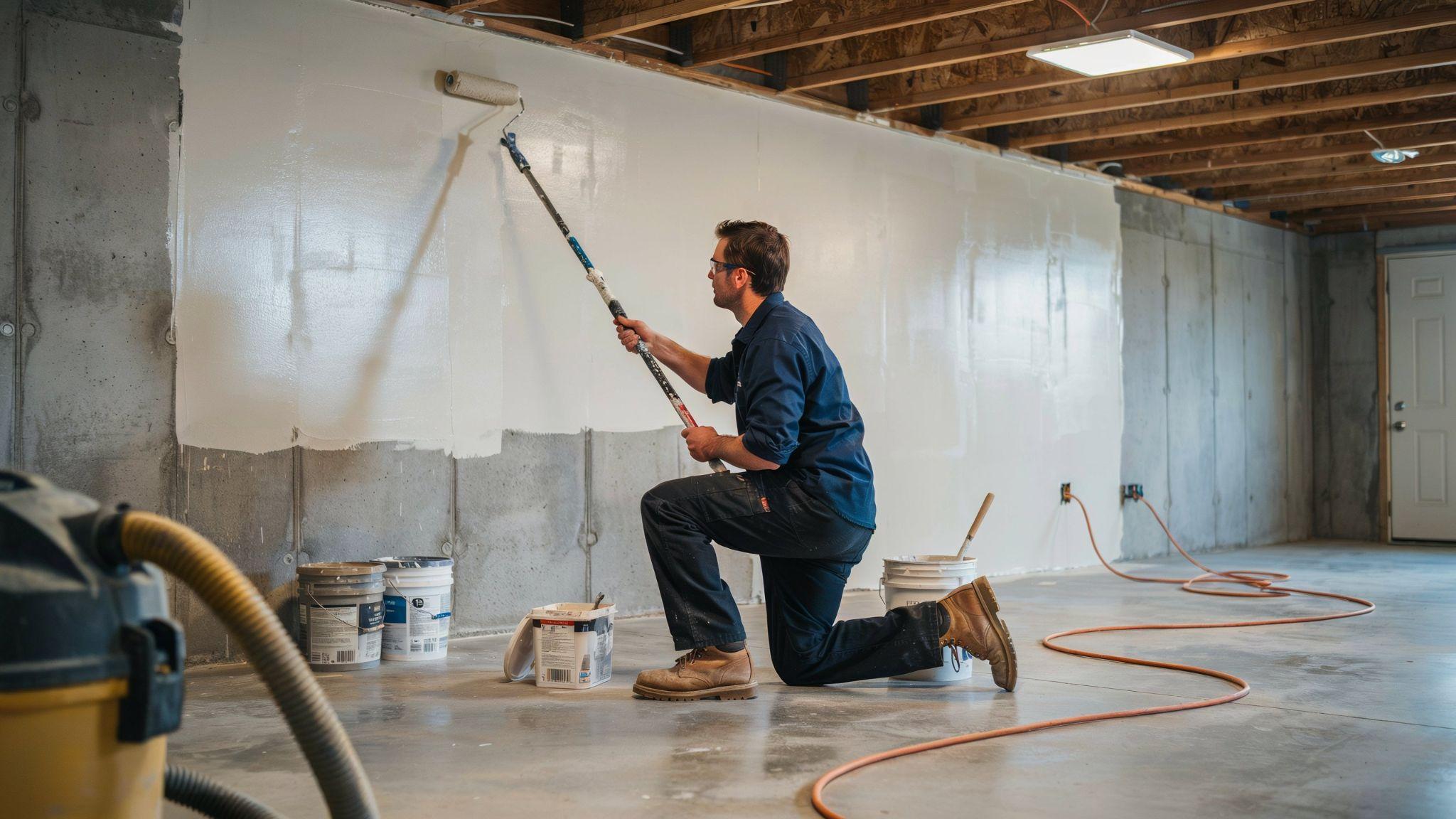
These are applied directly to basement walls and floors to block moisture from seeping through. They work well for minor dampness and are one of the easiest fixes. Most are paint-like products you can apply yourself without professional help.
2. Crack and Joint Repair Systems
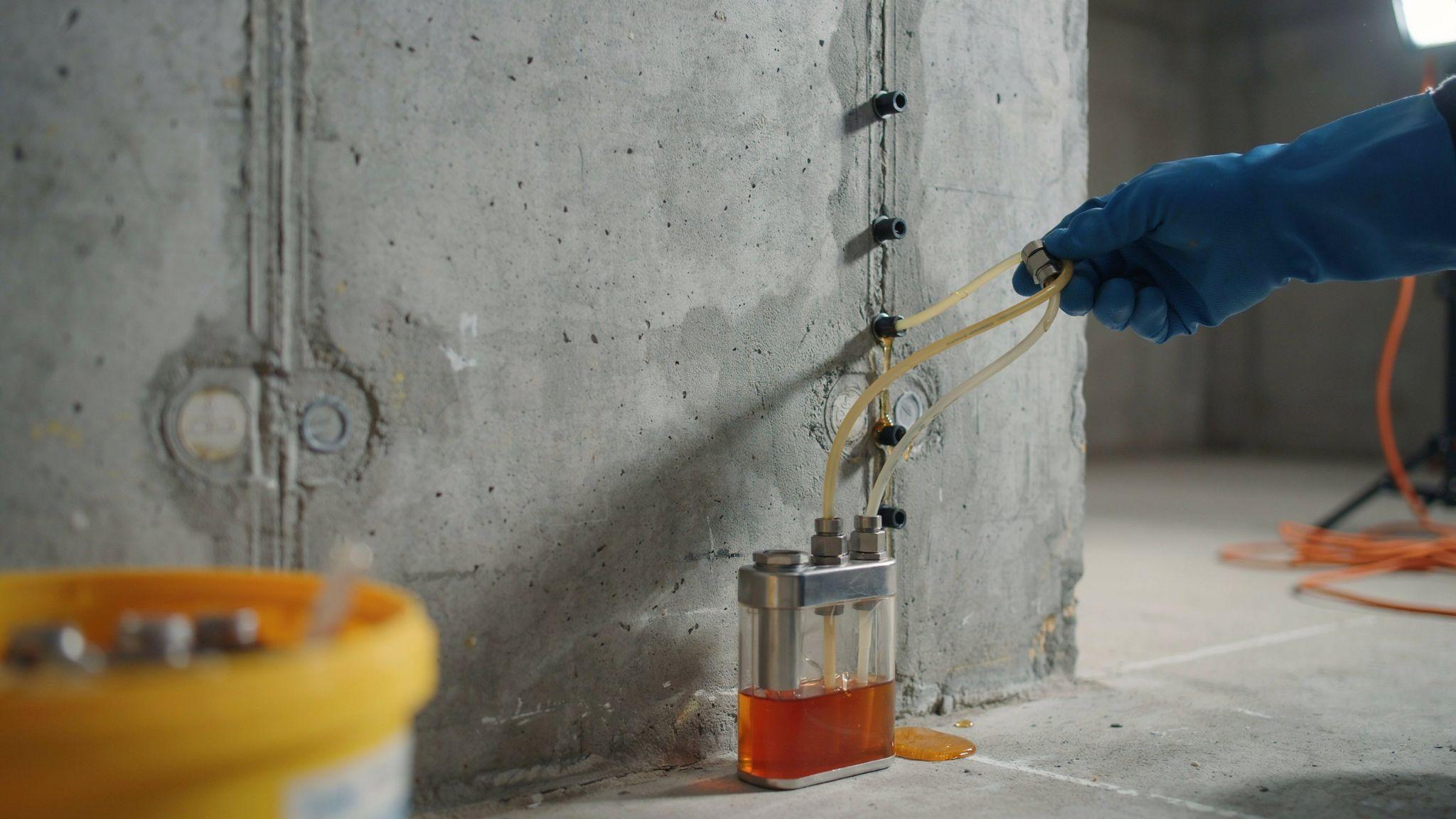
Cracks in your foundation walls are a common entry point for water. These systems use epoxy or polyurethane injections to fill and seal cracks from the inside. It stops water from getting through without needing to dig outside.
3. Interior Drainage Channels
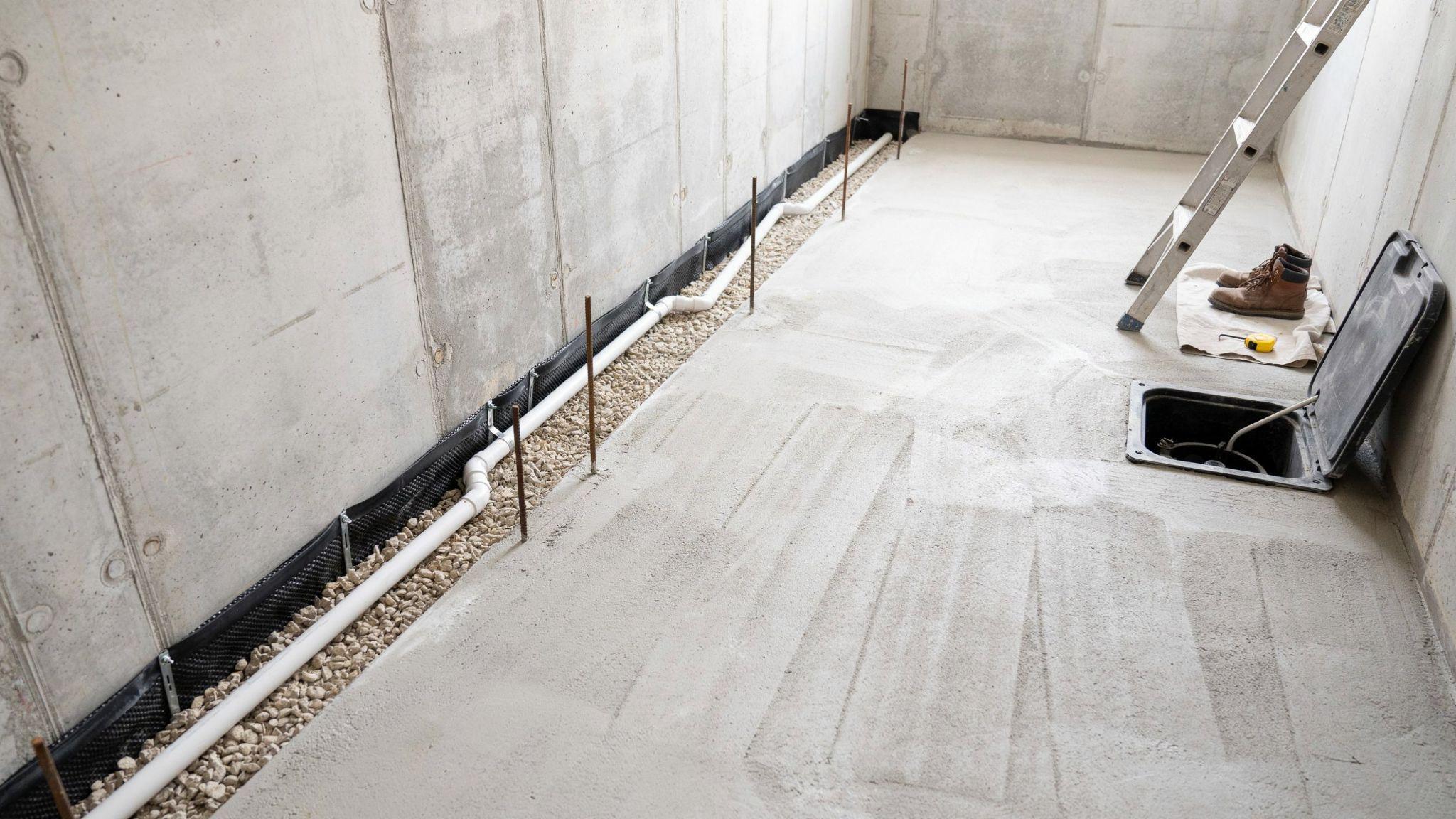
These are installed along the base of your basement walls to collect water before it spreads. The water gets directed toward a sump pump and removed. It is one of the most reliable long-term solutions for persistent water seepage.
4. Reinforced Wall Liner Systems
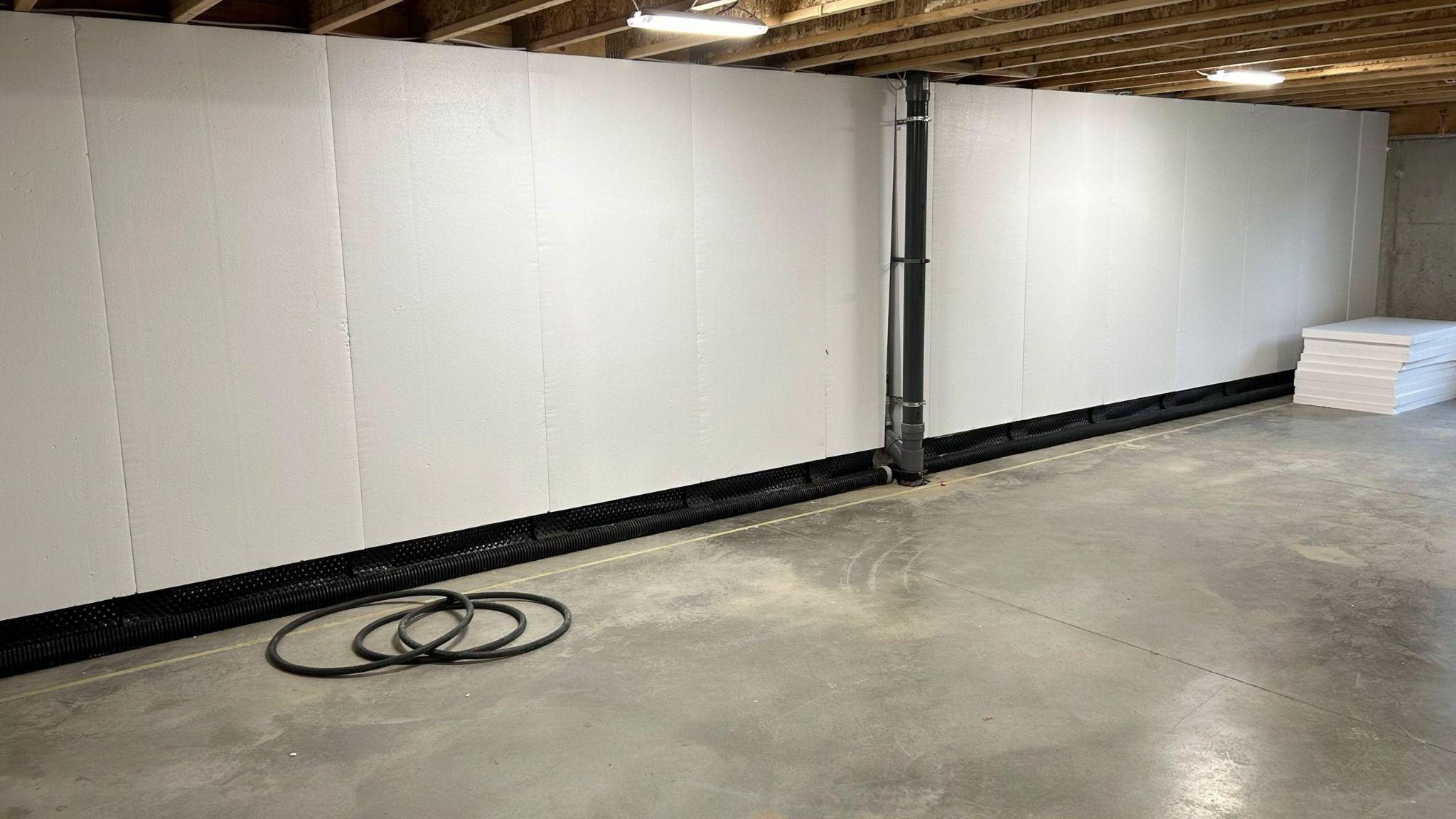
These thick plastic liners get attached to your basement walls to block moisture and redirect water downward. They are durable and work well in basements with heavy seepage. They also protect walls from further water damage over time.
5. Vapor Barriers and Moisture Barriers
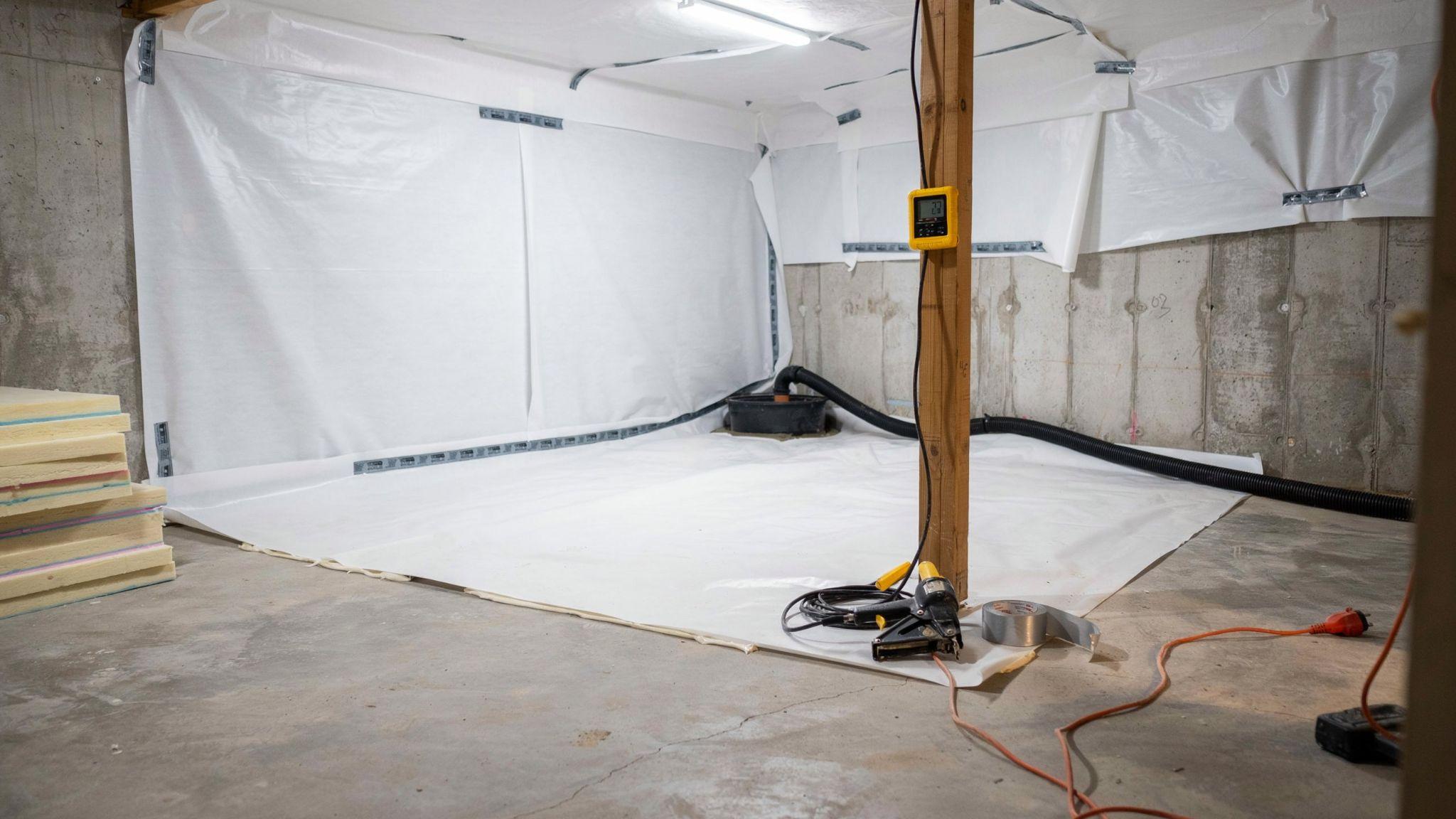
These are plastic sheets installed on walls or floors to stop moisture from passing through. They are great for controlling humidity and condensation. Often used alongside other waterproofing methods for better overall protection in damp basements.
6. Interior French Drain Systems
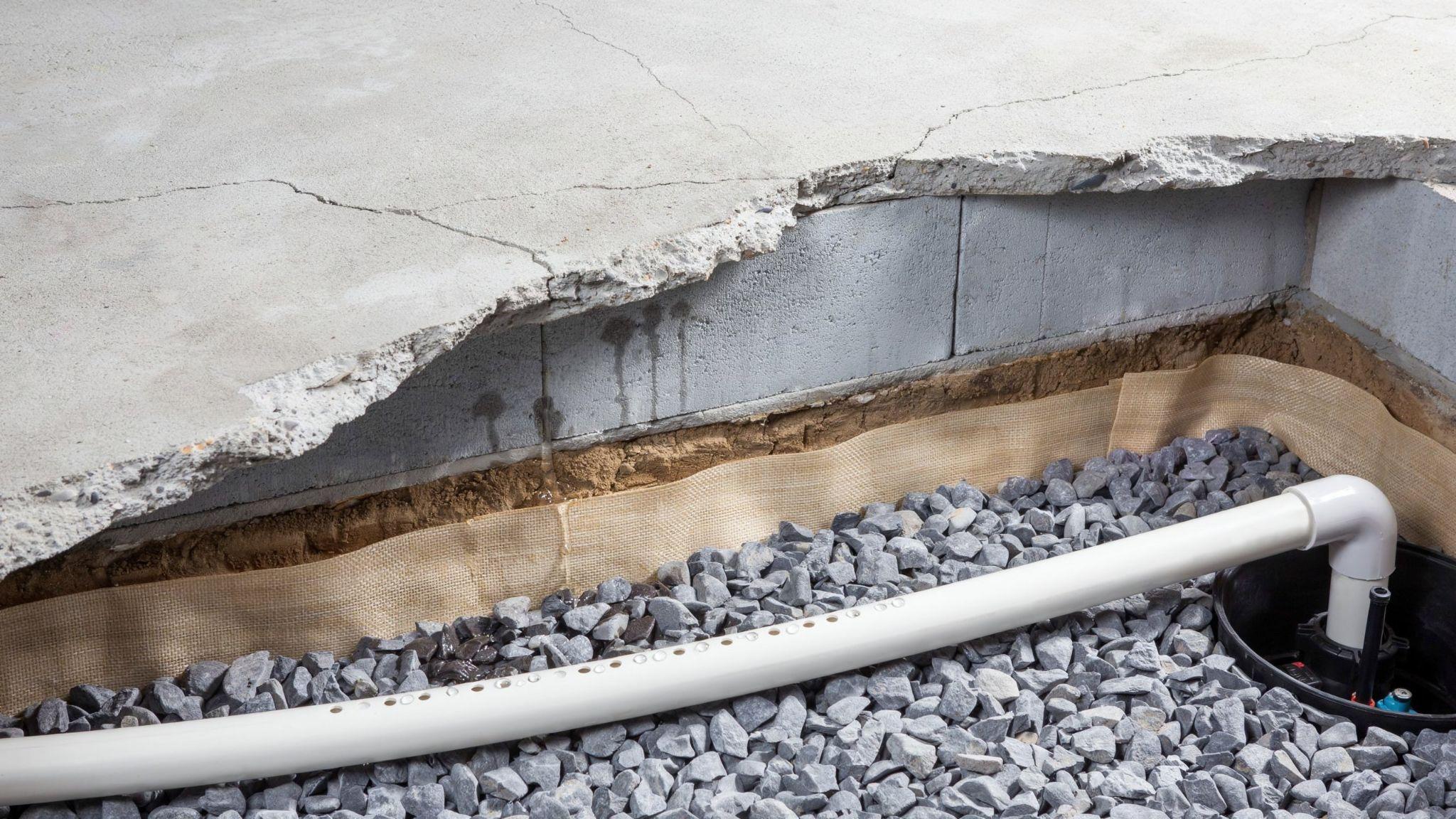
A French drain is a perforated pipe installed under your basement floor that collects groundwater and moves it away. It works great for basements with serious water intrusion. This system is usually paired with a sump pump for best results.
7. Sump Pump Installation
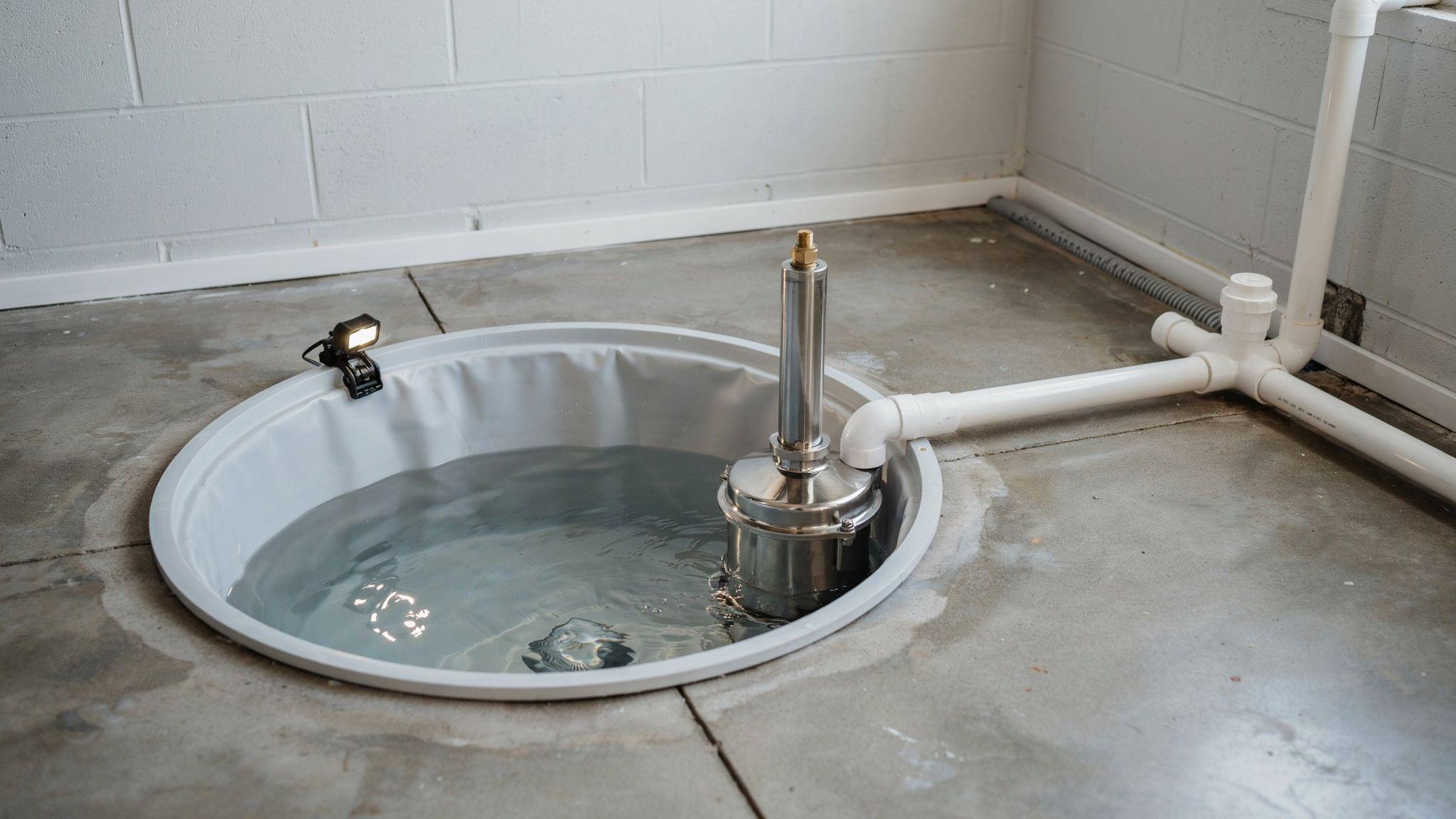
A sump pump sits in a pit in your basement floor and pumps out collected water automatically. It is a key part of most interior waterproofing systems. Without one, water collected by drains or channels has nowhere to go.
Best Materials Used for Interior Basement Waterproofing
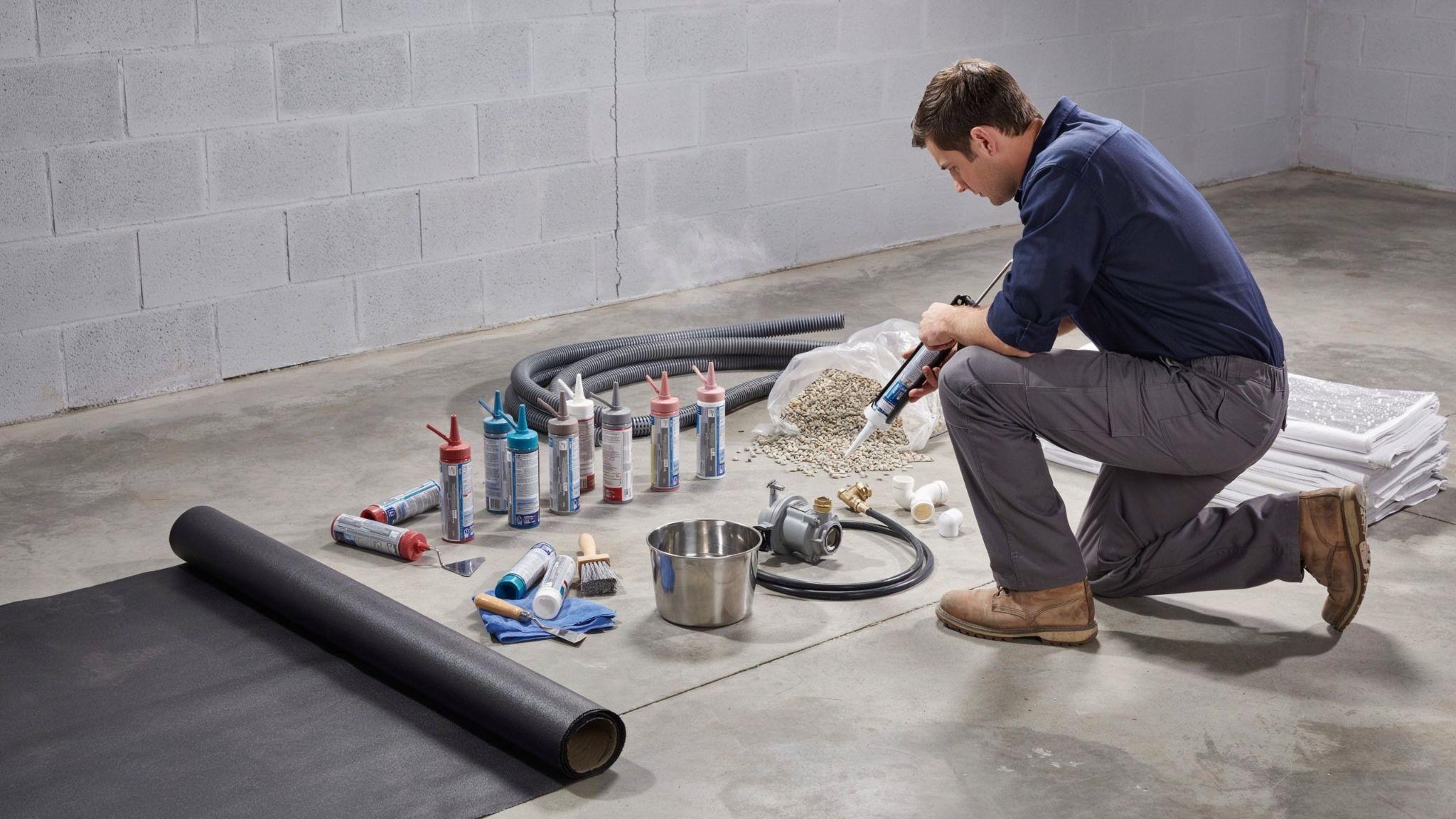
- Masonry Waterproof Sealants: These are applied directly to concrete or block walls to seal out moisture. They work best for walls with minor dampness or surface seepage.
- Waterproof Membranes: Thick sheets or coatings bonded to walls and floors to block water completely. They hold up well under heavy moisture pressure.
- Polyurethane and Elastomeric Coatings: Flexible coatings that stretch with your walls instead of cracking over time. They handle temperature changes and minor movement really well.
- Crack Fillers and Joint Sealants: Used to fill gaps, cracks, and joints in your foundation walls. They stop water from finding its way through weak points in the concrete.
- Drainage Pipes and Gravel: Perforated pipes and gravel beds collect and move water away from your foundation. They are a core part of any interior drainage system.
- Sump Pump Components: Includes the pump, pit liner, float switch, and discharge pipe. All these parts work together to remove water collected inside your basement.
- Vapor Barriers: Plastic sheeting installed on walls or floors to block moisture and humidity. Often used as an extra layer of protection alongside other waterproofing materials.
How to Waterproof a Basement From the Inside
Waterproofing your basement from the inside is a step-by-step process. Done right, it can keep your basement dry for years without major exterior work.
Step 1: Identify the Source of Moisture
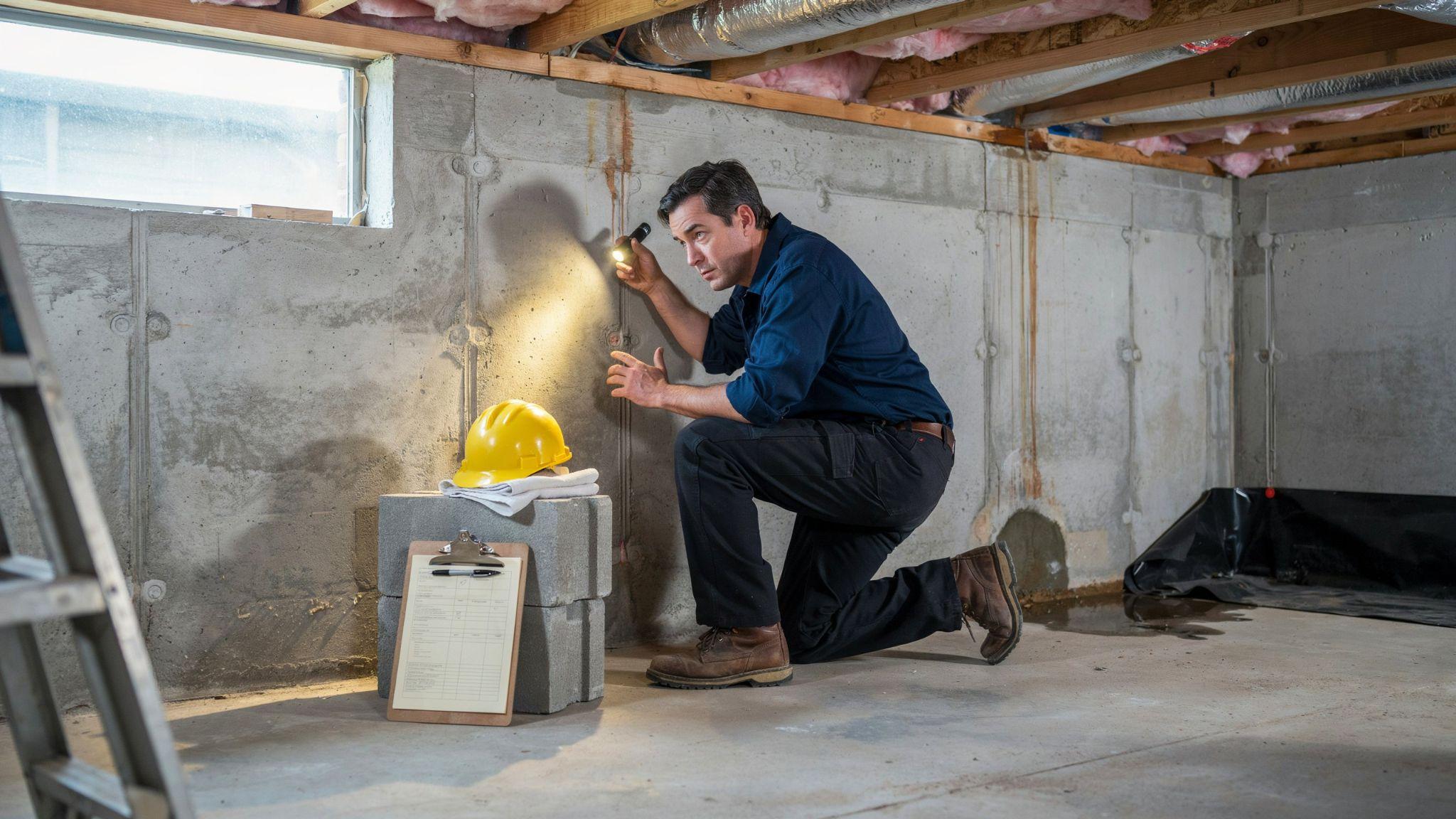
Before doing anything, figure out where the water is coming from. Check walls, floors, and joints for wet spots, stains, or cracks. Knowing the source helps you pick the right fix instead of wasting money on the wrong solution.
Step 2: Repair Cracks, Joints, and Gaps
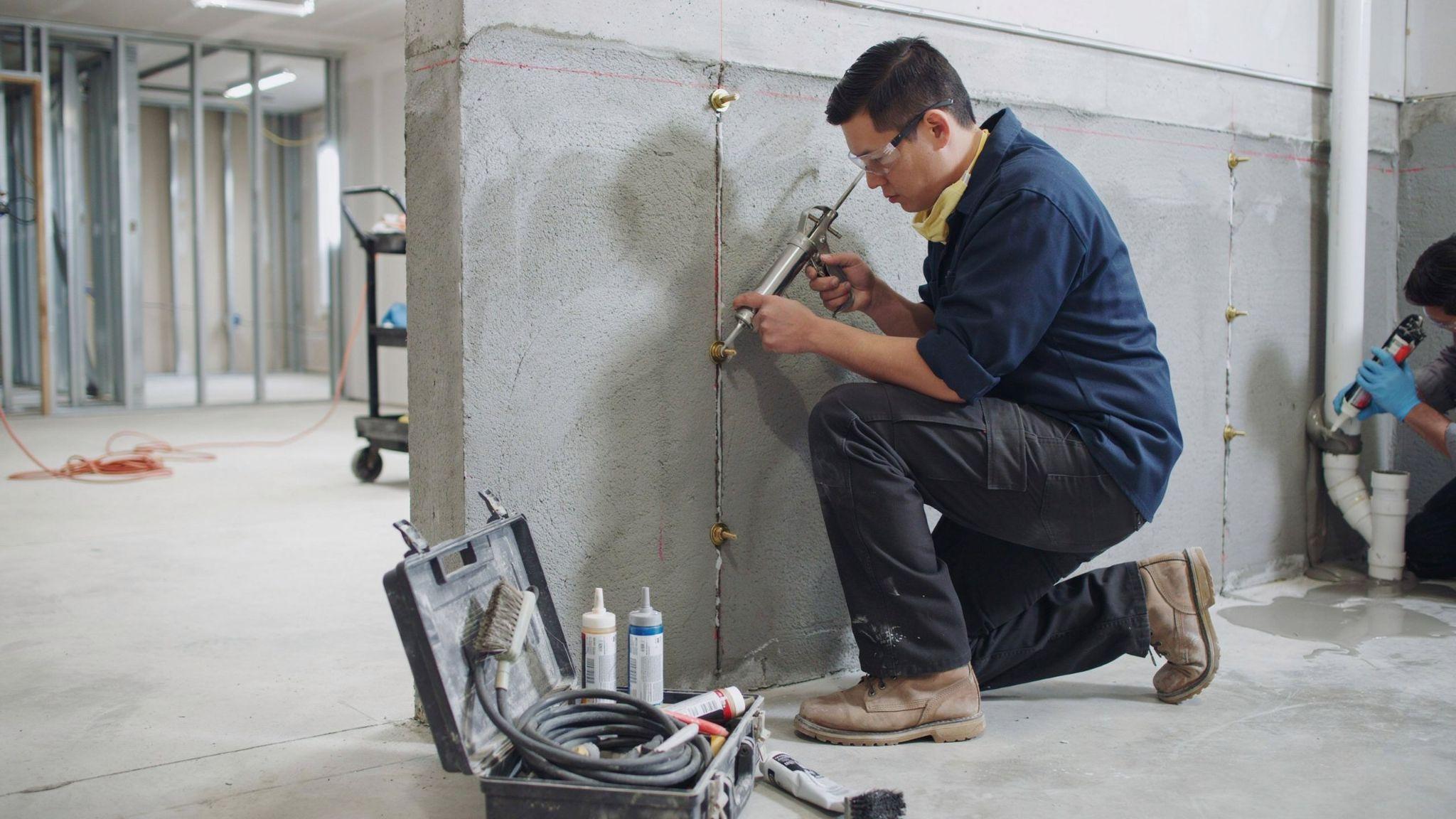
Fill any visible cracks in your walls or floor using epoxy or polyurethane injection. Seal gaps around pipes and joints with waterproof sealant. This stops water from having an easy entry point before you apply any further waterproofing.
Step 3: Apply Waterproof Sealants or Membranes
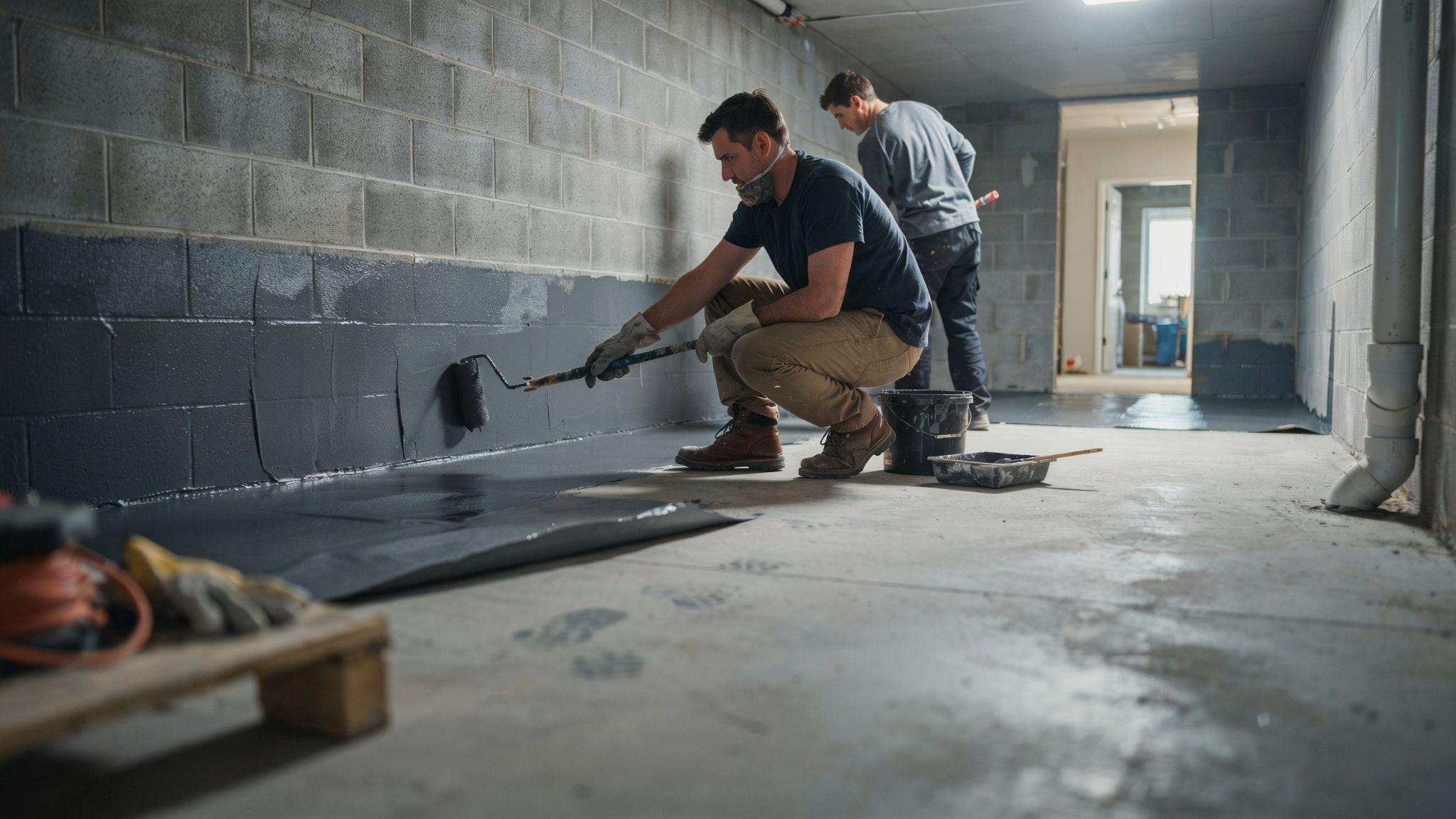
Once cracks are sealed, coat your walls and floor with a waterproof sealant or membrane. Apply it evenly and let it cure fully before moving on. This creates a strong barrier that blocks moisture from passing through the concrete.
Step 4: Install an Interior Drainage System
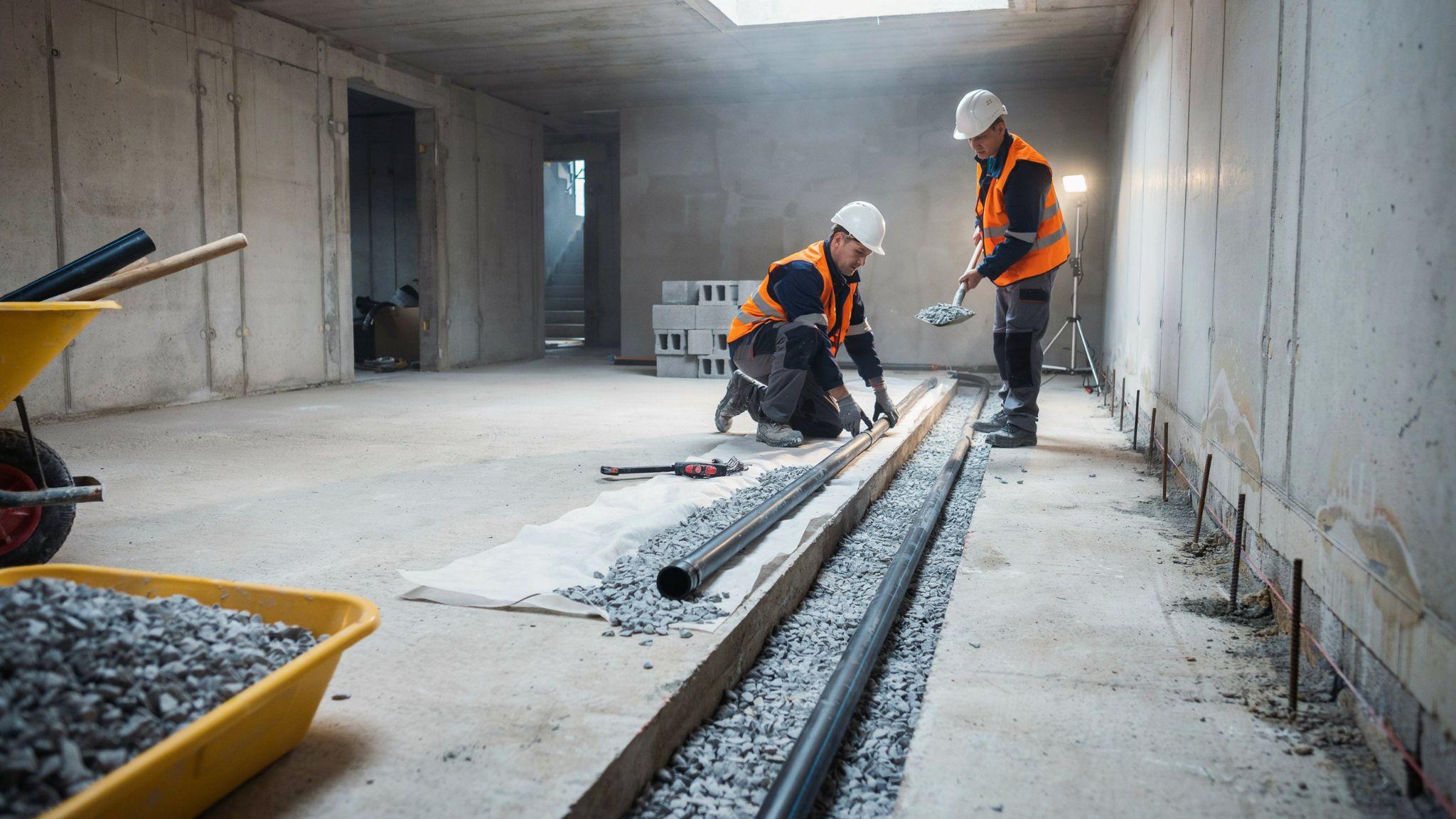
Cut a channel along the base of your basement walls and lay perforated pipes in it. Cover with gravel and concrete. This system collects any water that gets through and directs it toward the sump pump safely.
Step 5: Add a Sump Pump and Moisture Control Solutions
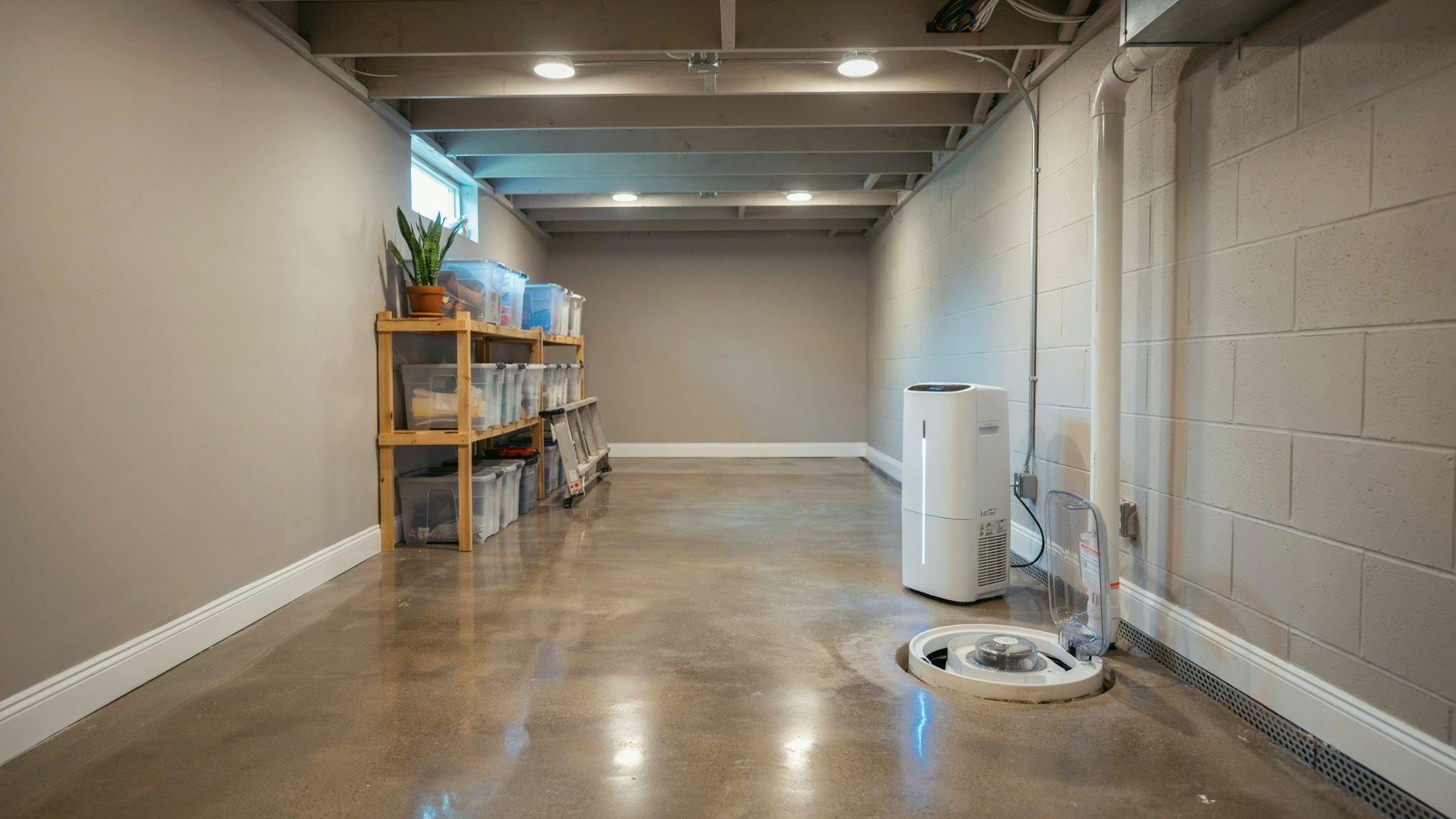
Install a sump pump in a pit at the lowest point of your basement floor. It automatically pumps out collected water. Add a dehumidifier to control humidity levels and keep the space consistently dry year-round.
Interior Basement Waterproofing Costs
Costs vary depending on the method you choose and the size of your basement. Here is a simple breakdown to give you a rough idea.
| Waterproofing Method | Average Cost Range | Key Cost Factor |
| Sealants and Coatings | $100 – $2,000 | DIY vs professional application |
| Interior Drainage System | $3,000 – $10,000 | Basement size and severity |
| Sump Pump Installation | $500 – $1,500 | Pump type and labor costs |
| Crack and Joint Repair | $250 – $800 per crack | Number and size of cracks |
| Full Interior Waterproofing | $5,000 – $15,000+ | Age of foundation and region |
Common Interior Waterproofing Mistakes to Avoid
- Many homeowners treat the wet wall but never find out why it is wet in the first place. Always locate and fix the moisture source before doing anything else.
- Waterproof paint can slow down minor dampness but it will not stop serious water problems. It is a temporary fix, not a real solution.
- Without proper drainage, water will keep building up around your foundation no matter what you do inside. Fixing drainage is just as important as treating the walls.
- Most interior waterproofing systems need regular checks to keep working well. Skipping maintenance lets small issues grow into expensive repairs over time.
- No single fix works forever when it comes to basement moisture. Stay consistent with upkeep and inspect your waterproofing at least once every year.
Conclusion
Interior basement waterproofing is one of those things you don't want to put off.
I've seen what happens when moisture sits too long. It damages walls, grows mold, and weakens the foundation over time.
The good news is that fixing it from the inside is very doable. Start small, find the source, and work from there.
Got questions about your basement? Drop them in the comments. I'd love to help you figure out the best plan for your space.
Frequently Asked Questions
Can I waterproof my basement from the inside myself?
Yes, you can handle basic waterproofing like applying sealants or vapor barriers on your own. For drainage systems or sump pump installation, hiring a professional is the safer option.
How long does interior basement waterproofing last?
It depends on the method used. Sealants may need reapplication every few years, while drainage systems and sump pumps can last 10 to 25 years with proper maintenance.
Does interior waterproofing stop water completely?
It controls and redirects water rather than blocking it entirely at the source. When done right, it keeps your basement dry and prevents damage effectively.
How do I know if my basement needs waterproofing?
Look for signs like wet walls, white mineral stains, musty smells, visible mold, or damp floors. Any of these are clear signs that moisture is already getting in.
Is interior waterproofing better than exterior waterproofing?
Neither is universally better. Interior waterproofing costs less and causes less disruption. Exterior waterproofing stops water at the source but involves digging and higher costs.
