

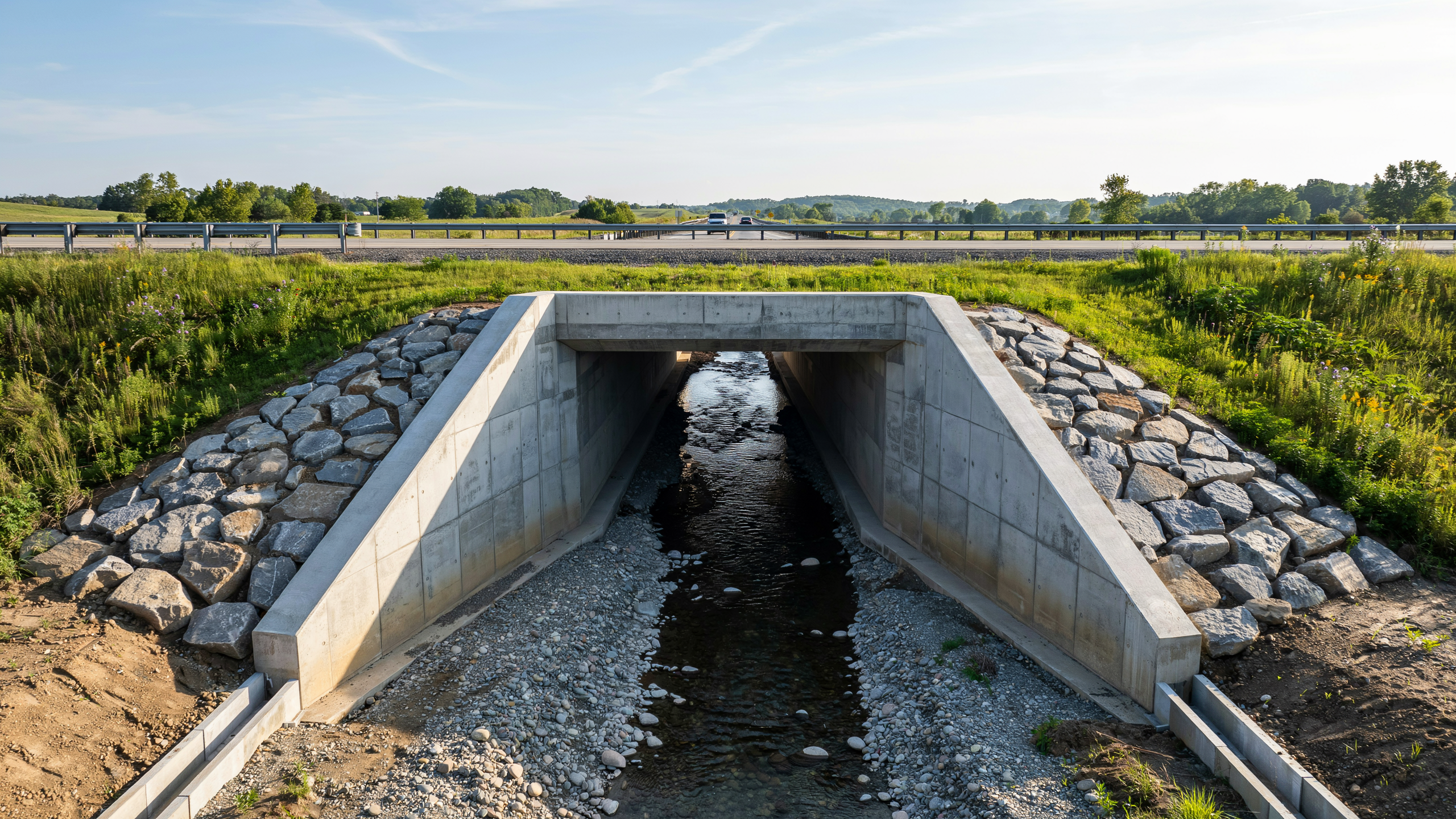
Large box culverts play a critical role in modern infrastructure projects, helping manage water flow, support transportation networks, and improve drainage systems. Found beneath roads, railways, embankments, and other structures, these reinforced concrete solutions are designed to handle significant water volumes while providing long-term durability.
As communities continue to grow and infrastructure demands increase,large box culverts have become an essential component in civil construction. Understanding their benefits and applications can help project planners, engineers, and contractors make informed decisions when developing drainage and water management systems.
What Are Large Box Culverts?
Large box culverts are rectangular structures typically made from reinforced concrete. They are installed beneath roads, highways, railways, and other infrastructure to allow water to flow from one side to another without disrupting transportation routes.
Their box-like shape provides excellent load-bearing capacity while maximizing water-carrying efficiency. Depending on project requirements, they can be installed individually or connected together to create larger drainage channels.
1. Efficient Water Management
One of the primary purposes of large box culverts is to manage stormwater and natural watercourses effectively.
Large culverts help:
- Reduce flooding risks
- Direct water away from infrastructure
- Maintain natural water flow patterns
- Protect surrounding land from erosion
Their larger dimensions make them suitable for areas that experience high rainfall or substantial water runoff, ensuring water can move efficiently even during extreme weather events.
2. Strong Structural Performance
Large box culverts are engineered to withstand substantial loads from vehicles, trains, and other infrastructure above them.
Why Structural Strength Matters
Infrastructure projects often require drainage solutions that can support:
- Heavy traffic volumes
- Large commercial vehicles
- Rail transport systems
- Industrial developments
The reinforced concrete construction of large box culverts allows them to maintain structural integrity over many years while supporting demanding load requirements.
3. Versatility Across Multiple Projects
Large box culverts are highly versatile and can be used in a wide variety of civil and infrastructure applications.
Common uses include:
- Highway drainage systems
- Railway crossings
- Flood mitigation projects
- Urban stormwater networks
- Agricultural water management
- Industrial developments
- Residential subdivisions
Their adaptability makes them a practical solution for projects of varying sizes and complexities.
4. Improved Flood Mitigation
Flood management is a growing concern for many communities due to increasing urban development and changing weather patterns.
Large box culverts contribute to flood mitigation by:
- Increasing drainage capacity
- Allowing rapid water movement
- Preventing water buildup near roads and structures
- Supporting stormwater management systems
By efficiently handling large volumes of water, they help reduce the likelihood of flood-related damage to infrastructure and surrounding properties.
5. Long-Term Durability
Durability is a key consideration in any infrastructure project. Large box culverts are designed to perform reliably for decades with minimal maintenance.
Factors Contributing to Durability
Several features support their long service life:
- Reinforced concrete construction
- Resistance to weather exposure
- Ability to withstand heavy loads
- Protection against erosion
- Low susceptibility to corrosion when properly designed
This durability helps reduce lifecycle costs and minimizes the need for frequent repairs or replacements.
6. Support for Transportation Infrastructure
Transportation networks rely heavily on effective drainage systems to remain safe and operational.
Large box culverts help support:
- Roads and highways
- Rail corridors
- Bridges and overpasses
- Access roads in industrial sites
Without adequate drainage, water accumulation can weaken foundations, damage pavements, and create hazardous conditions for motorists and pedestrians.
7. Faster Installation Compared to Some Alternatives
Many large box culverts are manufactured as precast concrete units, allowing for efficient installation on site.
Advantages of Precast Construction
Precast culverts can offer:
- Reduced on-site construction time
- Consistent quality control
- Lower labor requirements
- Less disruption to surrounding areas
- Improved project scheduling
Faster installation can be particularly beneficial for projects located on busy roads or in areas where minimizing downtime is important.
8. Environmental Benefits
Modern infrastructure projects increasingly focus on balancing development with environmental responsibility.
Large box culverts can support environmental objectives by:
- Maintaining natural water movement
- Reducing erosion risks
- Protecting surrounding ecosystems
- Supporting fish and wildlife passage in certain designs
- Improving stormwater management practices
When properly planned and installed, culverts can help minimize the environmental impact of infrastructure development.
9. Cost-Effective Infrastructure Solution
While large box culverts represent a significant infrastructure investment, they often provide strong long-term value.
Their cost-effectiveness comes from:
- Long service life
- Low maintenance requirements
- Reliable performance
- Reduced flood-related damage risks
- fficient installation processes
When considering total lifecycle costs rather than initial installation expenses alone, large box culverts can offer substantial economic benefits.
10. Scalability for Future Growth
Infrastructure projects must often account for future development and increasing demand.
Large box culverts can be designed to accommodate:
- Population growth
- Urban expansion
- Increased stormwater runoff
- Future infrastructure upgrades
This scalability helps ensure drainage systems remain effective as surrounding areas evolve over time.
Conclusion
Large box culverts are an essential component of modern infrastructure, providing reliable water management, structural strength, and long-term durability. Their ability to handle significant water volumes while supporting transportation networks makes them a valuable solution for a wide range of civil construction projects.
From flood mitigation and stormwater management to transportation support and environmental protection, large box culverts offer numerous benefits that contribute to safer and more resilient infrastructure. As communities continue to grow and infrastructure demands increase, these versatile structures will remain an important part of effective drainage and water management systems.
