


I’ve watched a lot of anime. But this Tokyo Ghoul review comes from someone who genuinely felt something while watching it.
This blog covers everything you need to know before hitting play. The story, the characters, the animation, the soundtrack, and the big question: is it actually worth your time in 2026?
I’ll also break down where it shines and where it drops the ball. No fluff. No spoilers you didn’t ask for.
Here’s what you’ll find inside: a full story overview, character breakdown, animation thoughts, ratings, and a straight answer on who should watch this show.
Let’s get into it.
What Is Tokyo Ghoul About?
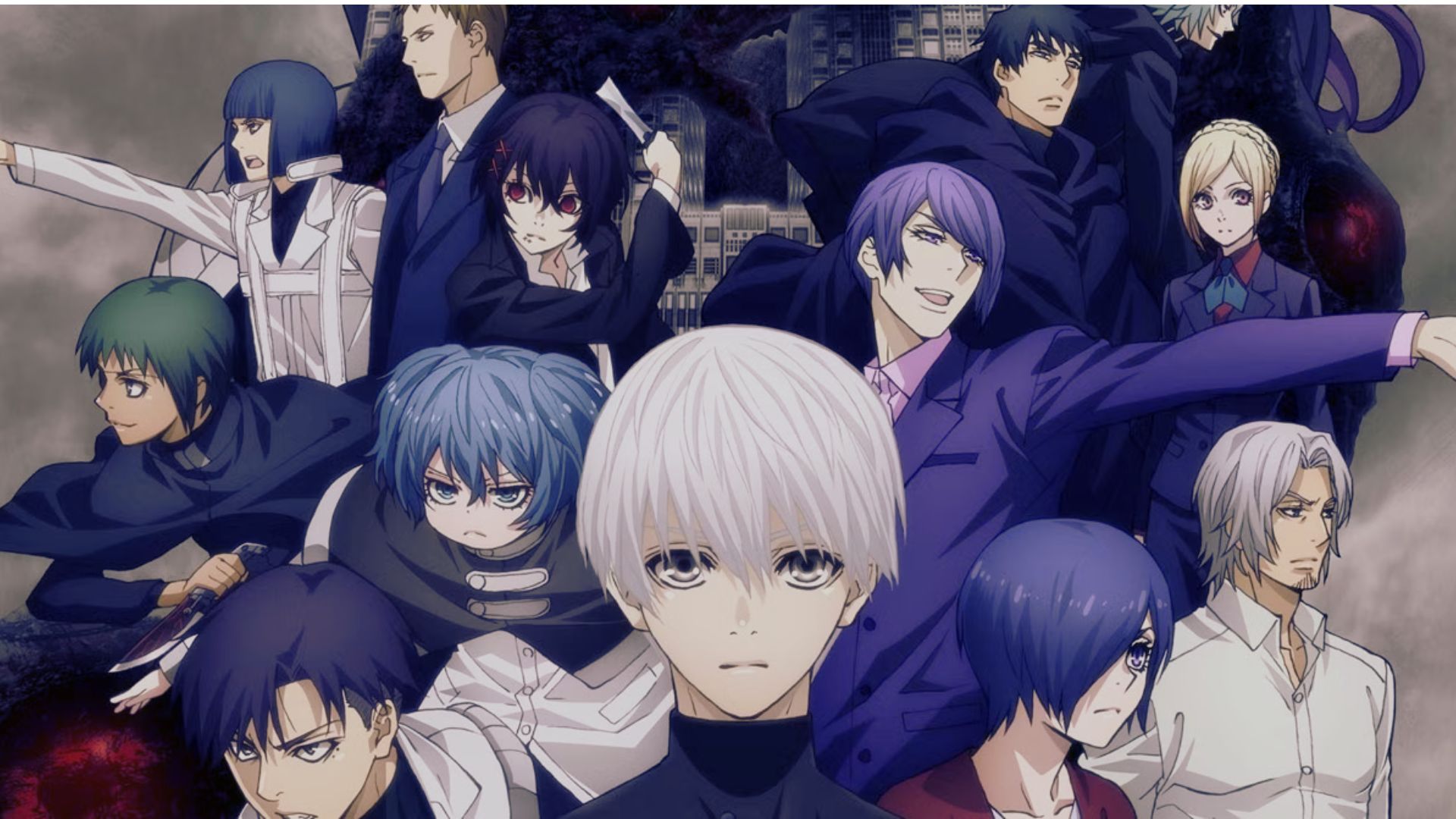
Tokyo Ghoul is set in a version of Tokyo where humans and ghouls exist side by side. Ghouls look human but survive by eating human flesh. Most people don’t know they’re real.
The story follows Ken Kaneki, a regular college student. One date changes his entire life. He ends up half-ghoul, half-human, and suddenly belongs to neither world.
That’s the setup. And it works really well.
Tokyo Ghoul’s Core Concept Explained
The core idea is identity. What are you when you no longer fit anywhere?
Kaneki doesn’t choose to become what he is. He’s forced into it. And watching him figure out who he is after that is the whole point.
It’s dark. It’s emotional. And it asks questions that stick with you.
Why Tokyo Ghoul Became So Popular
This Tokyo Ghoul series review would be incomplete without talking about cultural impact.
When Tokyo Ghoul first aired on Tokyo MX in 2014, it hit at exactly the right time.
Dark anime was gaining mainstream traction. Shows like Attack on Titan had already opened the door for morally heavy storytelling. Tokyo Ghoul walked right through it.
Kaneki’s white-haired transformation became one of the most shared images in anime fandom.
The opening song Unravel by TK from Ling Tosite Sigure spread across YouTube, fan covers, and AMVs within weeks of the first episode airing.
The fanbase grew fast. And so did the controversy.
When the second season deviated sharply from Sui Ishida’s manga, a split formed between anime-only viewers and manga readers that still gets debated today.
That controversy, ironically, kept the show in conversation longer than a cleaner adaptation might have.
Tokyo Ghoul’s Cultural Legacy

This is something most reviews skip. But it matters.
Tokyo Ghoul played a real role in pushing dark anime into mainstream culture. Before 2014, psychological horror anime had an audience.
After Tokyo Ghoul, that audience grew significantly. It introduced a wave of new fans to the genre who then went on to watch Death Note, Parasyte, and Fullmetal Alchemist.
The cosplay community latched onto it quickly. Kaneki’s white hair and black and white mask became one of the most recognized costumes at anime conventions worldwide. You still see it today.
The imagery became part of anime internet culture in a lasting way. The torture arc, the mask design, the kagune visuals. These are reference points that anime fans still use when talking about dark storytelling done right.
Even the adaptation controversy added to its cultural footprint. Fan debates about the manga vs anime adaptation helped grow both audiences at the same time.
Story Review
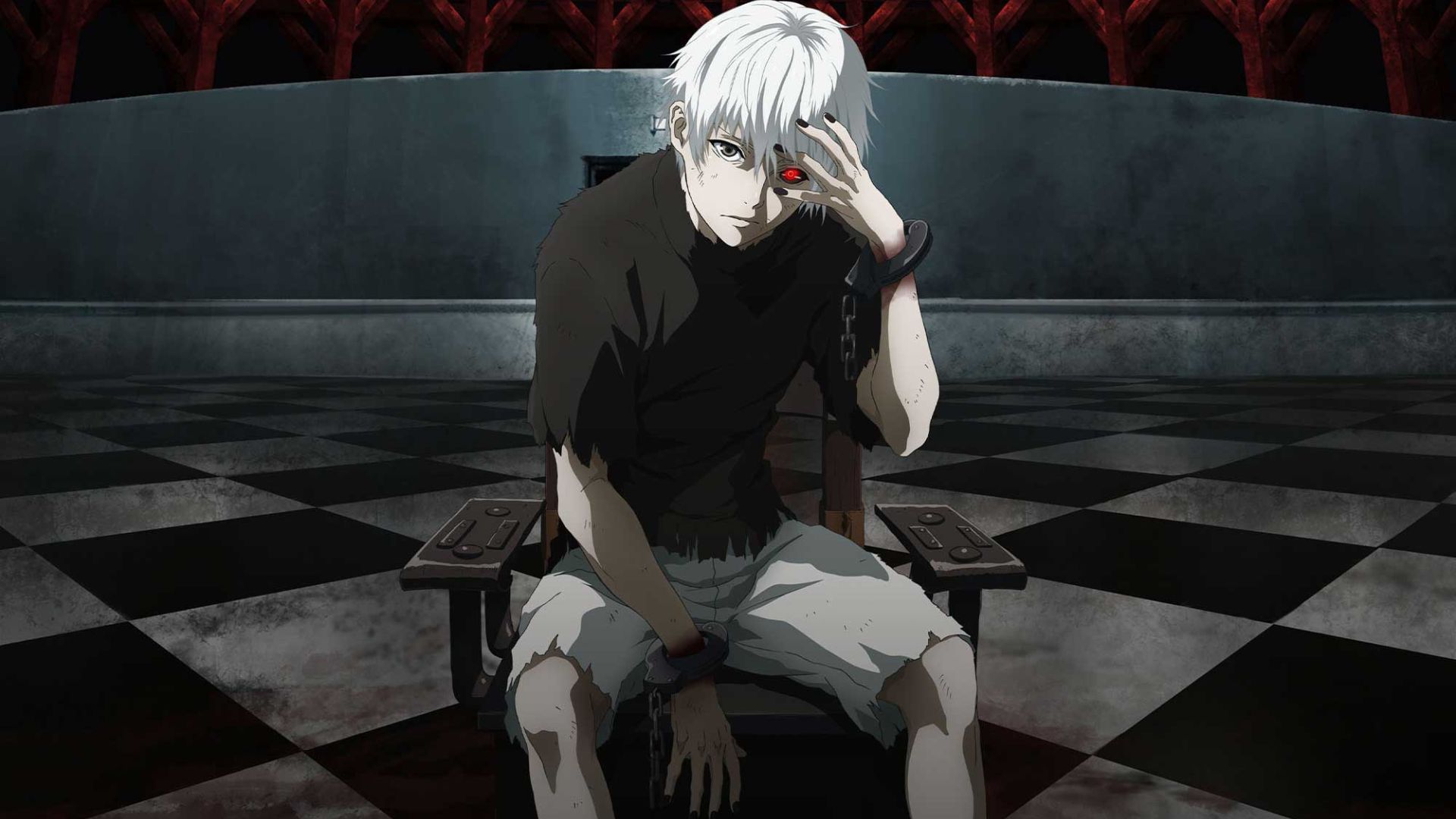
In this Tokyo Ghoul review, the story is one of the first things worth examining. It starts strong.
The first season builds tension well. You feel the weight of Kaneki’s situation. It’s not just action. There’s real emotional depth underneath all the chaos.
What I liked most was how it didn’t treat the ghouls as pure villains. Some of them are. But many are just trying to survive. That moral grey area is where the show gets really interesting.
Is the Story Easy to Follow?
Yes, mostly. The first season is clean and easy to follow. The second season, Root A, is where things get muddy. Decisions feel rushed. Some plot points don’t land properly.
If you’ve never touched the manga, certain parts of the anime may feel confusing or incomplete. That’s not your fault. It’s a pacing issue.
Tokyo Ghoul Anime vs Manga Differences
The manga by Sui Ishida goes much deeper. The anime, especially from season two onward, skips or changes major story beats. Fans of the manga often feel let down by these choices.
If you want the full story, the manga is the better option. But the anime is still worth watching, especially the first season.
Tokyo Ghoul Season-by-Season Review
One of the most searched questions around this Tokyo Ghoul anime review is how each season holds up on its own. Here’s a quick breakdown.
Season 1 Review: The best of the four. Directed by Shuhei Morita with clean pacing, strong emotional beats, and an excellent introduction to Kaneki and the ghoul world. Close to the manga and better for it.
Root A Review (Season 2): A significant drop. The studio chose an original story instead of adapting Sui Ishida’s manga. Some moments work. Most feel rushed or unexplained.
Tokyo Ghoul:re Review (Seasons 3 and 4): The most divisive. Directed by Odahiro Watanabe, it skips large chunks of the manga and moves too fast. Emotional payoffs feel unearned. Still watchable, but frustrating for anyone who knows what was left out.
Tokyo Ghoul Character Review
The characters are one of the strongest parts of this Tokyo Ghoul series review. Most of them have a reason for being the way they are. That makes them feel real.
Ken Kaneki — The Heart of Tokyo Ghoul
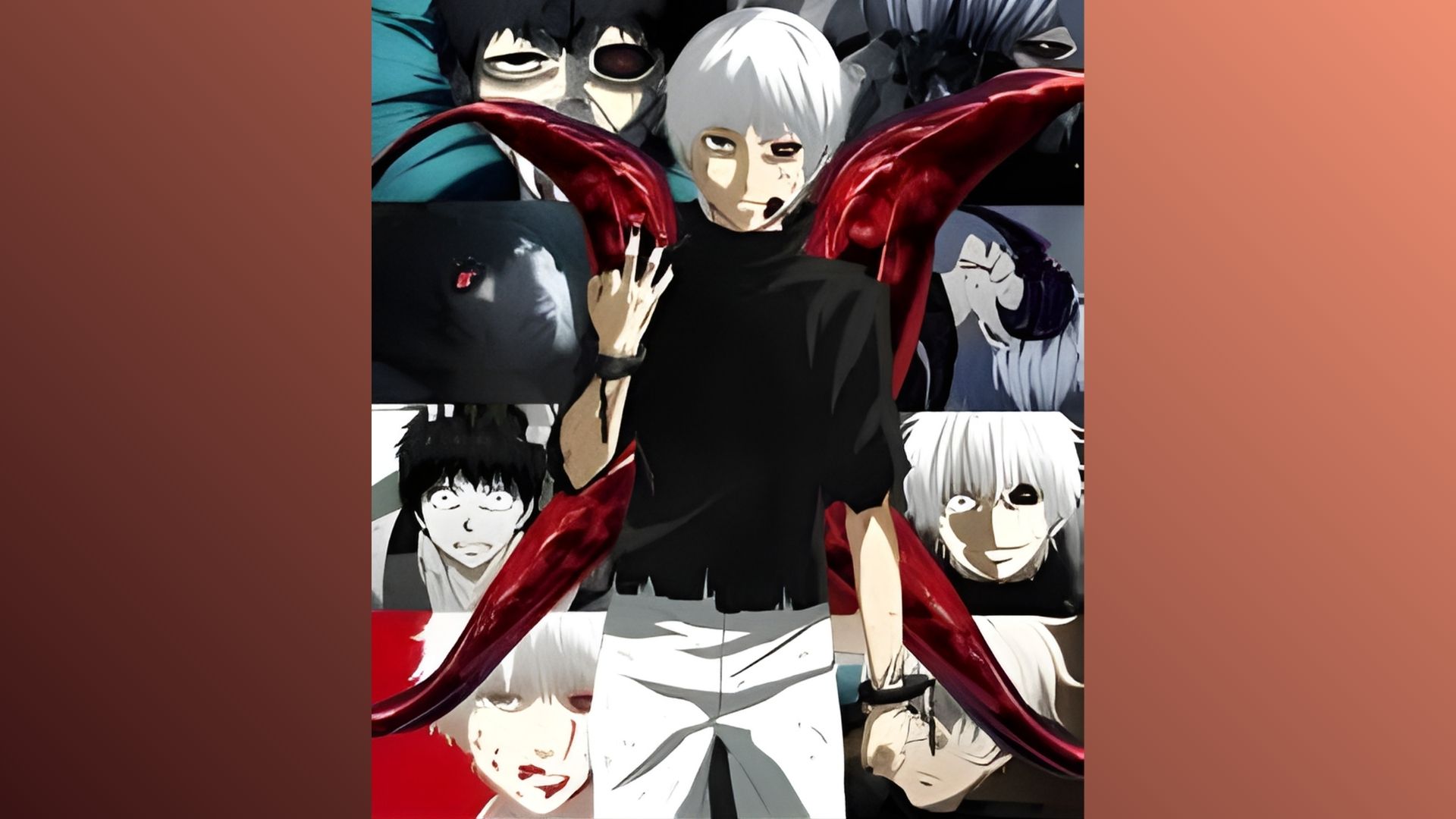
Kaneki is the kind of character you don’t forget. He starts soft, bookish, and kind. Then life hits him hard. Watching him change over time feels earned, not forced.
His internal conflict is the engine of the show. He doesn’t want to hurt people. But he also needs to survive. That tension never really leaves.
Supporting Characters That Stand Out
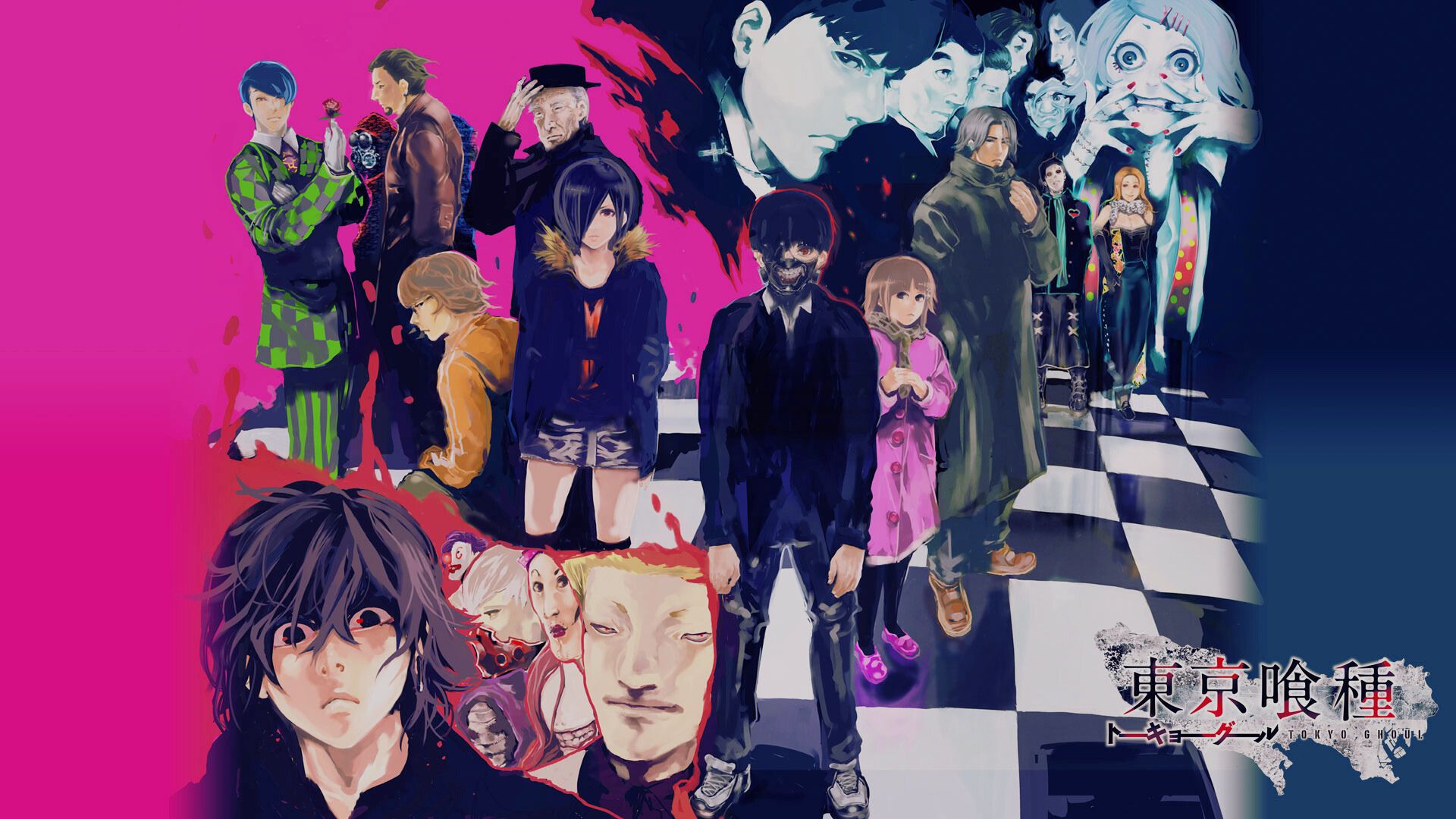
Touka is sharp, guarded, and layered. She doesn’t open up easily, but when she does, it hits. Rize is unforgettable despite limited screen time. Amon, on the human side, is a great counterpart to Kaneki.
Even the smaller characters feel thought out. That’s not easy to pull off.
Creator’s Vision and Character Writing
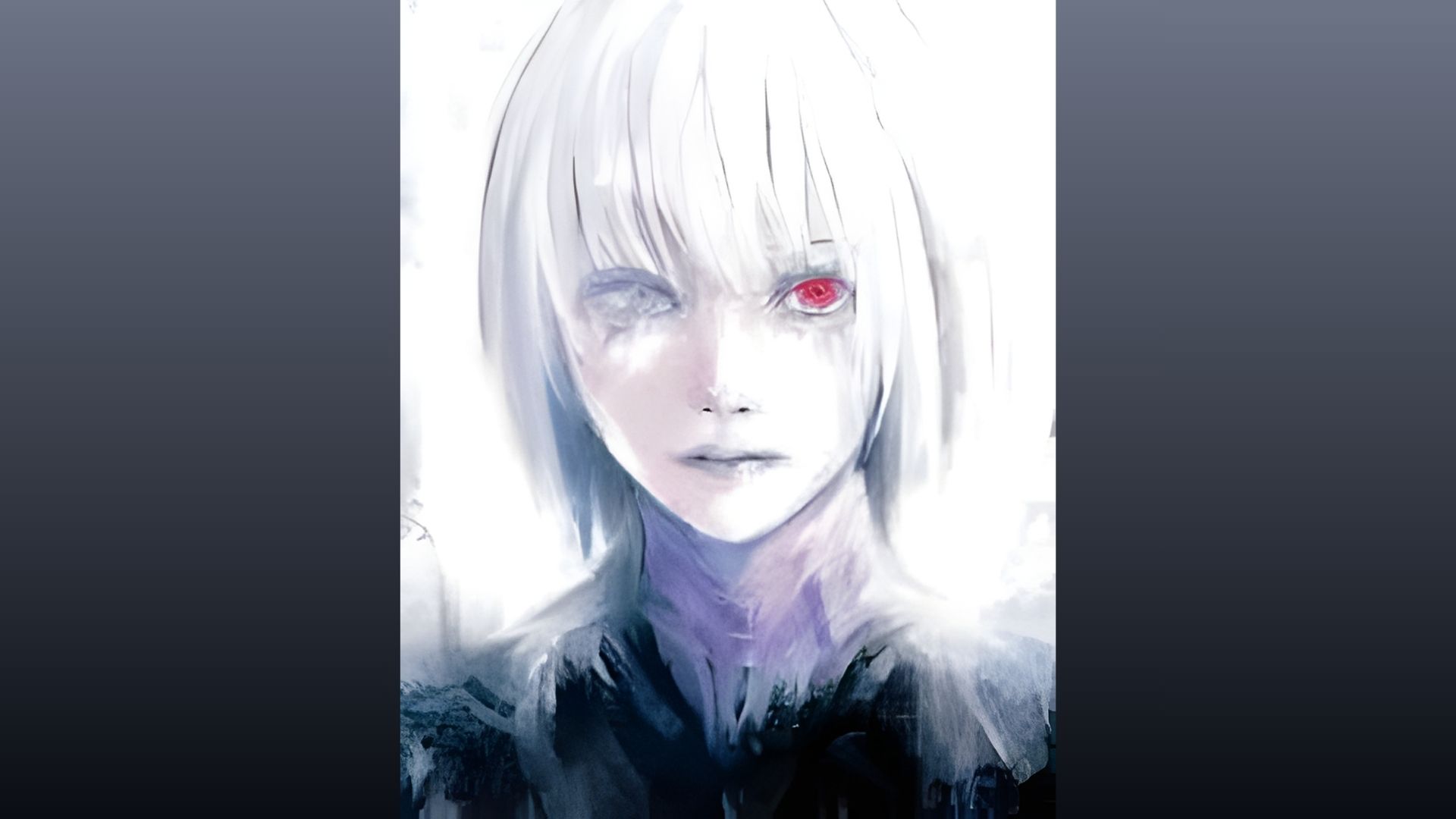
Sui Ishida clearly cared about each character having a reason to exist. The writing shows that. Even antagonists get moments that make you feel something for them.
That’s quality character work, and it carries the show even when the plot stumbles.
Animation and Soundtrack Review
Studio Pierrot’s animation is solid without being spectacular. The direction carries it.
The kagune designs, Kaneki’s white hair, the half-and-half mask became iconic because they carry meaning, not just style.
Composer Yutaka Yamada’s score shifts between tense and melancholic with ease. Unravel by TK from Ling Tosite Sigure remains one of anime’s best openings.
The lyrics mirror Kaneki’s emotional state in a way most viewers don’t notice until they look them up.
Themes and Deeper Meaning
This is where the show earns long-term respect. It’s not just a dark action show. There’s something real being said.
What Tokyo Ghoul Really Tries to Say
The show is about what happens to a person when they’re forced to carry something they never asked for. Trauma, identity, belonging. These aren’t background themes. They’re the point.
It also asks where humanity comes from. Is it biology? Choices? How do you treat others? The show doesn’t give clean answers, which is actually the right call.
Discrimination is another big thread. Ghouls are hunted not just because they’re dangerous, but because they’re different and misunderstood. That parallel isn’t subtle, but it’s handled well enough to resonate.
How It Compares to Similar Anime
If you’re trying to decide where this Tokyo Ghoul review sits in the bigger anime picture, these comparisons help.
Death Note shares the psychological conflict. Both shows put a sharp focus on a protagonist whose world is flipped upside down by something beyond their control. The moral weight is similar, but Death Note leans more into intellectual games while Tokyo Ghoul leans into emotional identity.
Parasyte tackles the same human vs monster identity crisis directly. If Parasyte resonated with you, Tokyo Ghoul will feel familiar in the best way. Both shows ask whether a person is defined by their body or their choices.
Attack on Titan brings similar moral grey areas. No clean heroes, no clean villains. Both shows ask you to sit with uncomfortable truths about how societies treat those they fear.
Tokyo Ghoul sits comfortably alongside these titles. It doesn’t top all of them. But it earns its place in that conversation.
Tokyo Ghoul Anime Pros and Cons
Here is a clear breakdown of what works and what doesn’t in this honest Tokyo Ghoul review.
| Pros | Cons |
| First season is near-perfect in pacing | Root A deviates heavily from the manga |
| Kaneki is one of anime’s best protagonists | Tokyo Ghoul:re feels rushed and incomplete |
| Strong psychological and emotional depth | Key manga arcs are skipped in the anime |
| Unravel is one of anime’s greatest openings | Pacing drops sharply after season one |
| Morally complex characters on all sides | The anime ending leaves many unsatisfied |
| Yutaka Yamada’s score adds real weight | Animation quality is inconsistent overall |
The pros are real. So are the cons. Knowing both before you start will make the experience better.
Tokyo Ghoul Ratings Breakdown
Here is how this Tokyo Ghoul anime review scores each element, with a reason behind every number.
- Story: 7.5/10
- Characters: 9/10
- Animation: 7/10
- Soundtrack: 9/10
- Entertainment value: 8/10
- Overall: 7.8/10
Who Should Watch Tokyo Ghoul?
If you like psychological anime with emotional depth, this is a good pick. It works well for people who enjoyed Death Note, Parasyte, or Attack on Titan.
It’s not for viewers who want a clean, fully satisfying ending. And it’s not for younger audiences. The violence is real and purposeful, not gratuitous, but still intense.
Is Tokyo Ghoul Worth Watching in 2026?
Yes. With one condition.
Go in knowing the anime doesn’t fully complete the story. Read Sui Ishida’s manga after season one for the full version.
The characters, themes, and Yutaka Yamada’s music hold up. This Tokyo Ghoul review lands on a clear yes.
Where to Watch Tokyo Ghoul in 2026
Crunchyroll: Sub and dub available. Accessible in most regions including India.
Funimation: Primarily dub catalog. Select regions only.
Digital Purchase: Amazon Prime Video and Apple TV for regions without streaming access.
Conclusion
Tokyo Ghoul is not a perfect anime. But it’s an honest one. It tries to say something real, and it mostly succeeds in the parts that matter most.
Kaneki’s story, the themes, Yutaka Yamada’s music, the moral questions. These stay with you long after the credits roll.
I came in expecting a dark action show. I left thinking about identity and belonging. That surprised me.
The anime stumbles after season one. But that first season alone earns the show a spot on any serious watch list. Sui Ishida’s manga goes further if you want more.
This Tokyo Ghoul review comes down to one simple truth: flawed or not, it leaves a mark.
So here’s my question for you: would you rather watch a flawed show that tried something meaningful, or a polished one that played it safe?
Frequently Asked Questions
Is the Tokyo Ghoul anime review mostly positive or negative overall?
Most honest reviews land in the middle. Season one earns strong praise, but seasons two through four bring the score down due to pacing and adaptation issues.
Is the Tokyo Ghoul manga better than the anime?
Yes. Sui Ishida’s manga covers arcs the anime skips and delivers a more complete ending. The anime is a starting point, but the manga is the fuller experience.
How many seasons does Tokyo Ghoul have and which is the best?
Tokyo Ghoul has four seasons produced by Studio Pierrot. Season one, directed by Shuhei Morita, is widely considered the strongest.
Is Tokyo Ghoul suitable for viewers in India?
Yes. Crunchyroll is fully accessible in India with both sub and dub options. Rated 17 and above due to graphic violence and mature themes.
Does Tokyo Ghoul have a satisfying ending in the anime?
Most viewers find the anime ending rushed and incomplete. The manga ending by Sui Ishida is better received. Managed expectations help.
