

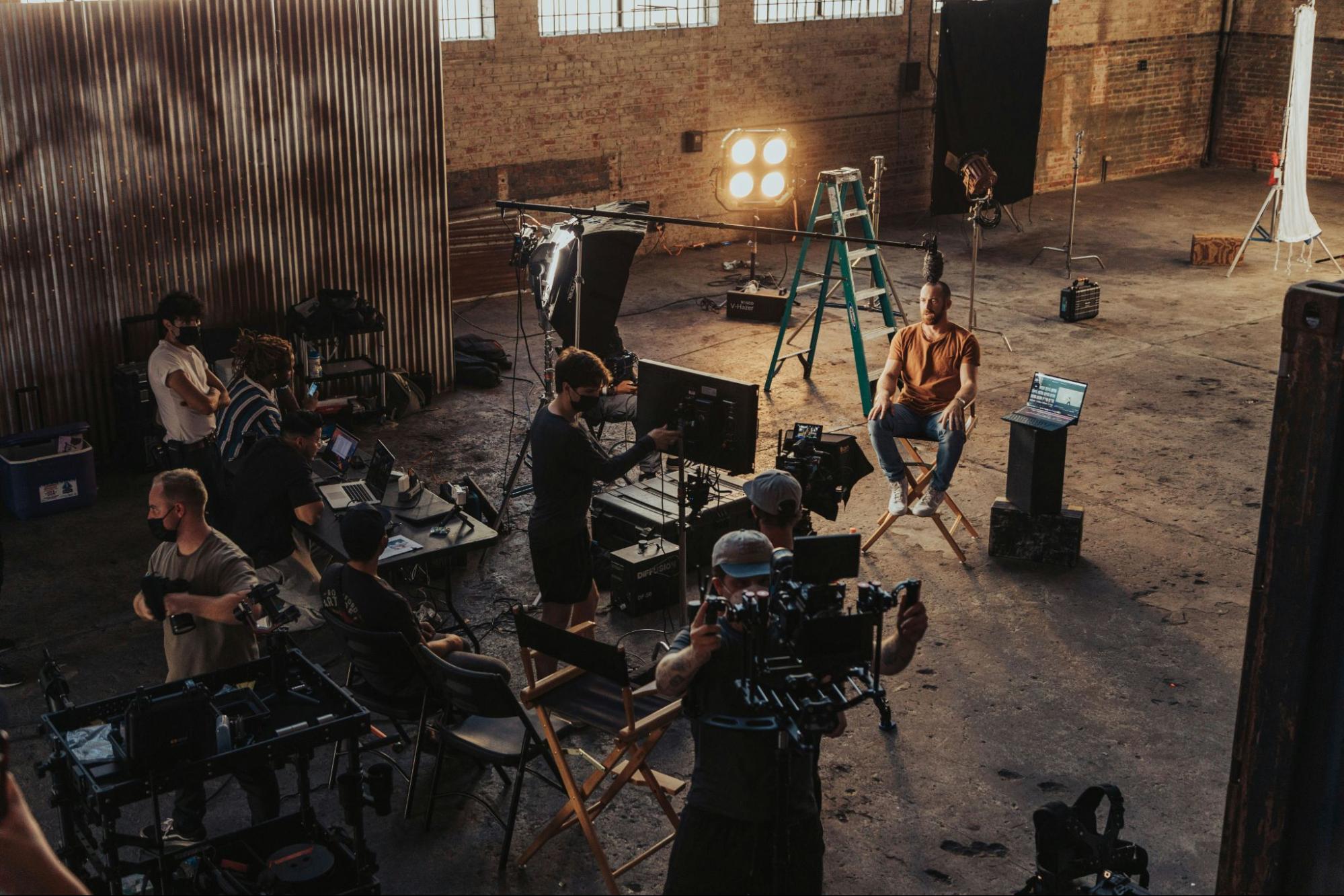
When you think about a dramatic car chase, an alien invasion, or a family of ghosts, the magic of a Hollywood backlot, suburban neighborhood, or Victorian estate often springs to mind. What you don’t see is the business and legal logistics behind the filming locations of your favorite shows.
To bring a popular series to life, production companies enlist a team of experts to ensure filming is safe, on budget, and right on schedule. This article breaks down these roles to create a clearer picture of how a smash TV show really operates.
How Production Companies Legally Protect Themselves
Did you know that when a major entertainment studio signs a commercial property lease, they rarely do so under their own name?
You’ll seldom find Disney, Netflix, or Warner Bros. signing off on a Los Angeles property lease. They instead form Special Purpose Vehicle (SPVs), which are single-use LLCs created for a single show or season. Therefore, a commercial real estate attorney would work with “Production Season 4, LLC” when negotiating a building lease for a new corporate drama.
An SPV creates a legal “firewall” for studios and isolates accounting activities. So, if a piece of construction equipment accidentally damages a leased building, the liability falls on the SPV, not the studio. Assets belonging to the parent studio, like Disney, are legally shielded from lawsuits.
Navigating The On-Location Real Estate Process
Before a producer can bring a camera crew to a location, whether it’s a public park or a private home, they need the proper paperwork for navigating municipalities and private properties.
To film in a public location, a producer or lawyer must obtain a film permit from the city’s film commission. This permit grants production companies the right to override certain local ordinances, such as:
- Blocking a public intersection to film a scene
- Running equipment past city noise curfews
- Rerouting public transit lines
- Bringing in off-duty police officers for crowd control
Now, suppose a production company wants to film a suburban sitcom at a private home in Pasadena, but some remodeling is required before filming.
In this case, the company’s legal team would draft a location agreement. While standard commercial leases generally assume long-term tenant occupancy with minimal modifications, a location agreement is ideal for private properties that require quick and substantial renovations, including:
- Exterior and interior painting
- New landscaping
- Structural changes (new story levels, rooms, etc.)
The agreement may allow these changes as long as the private home is returned to its original state after filming. There are often contract clauses that force productions to assume full financial liability for any personal injuries or structural damage from modifications.
Contracts must clarify tiered fee structures. It’s standard in the industry for productions to pay full rates on filming days and negotiate lower rates for setting up and dismantling sets and equipment. There are also contract provisions that allow productions to pause or extend timelines due to weather or cast sick days.
Soundstages and Warehouse Conversions
Real-world locations add a sense of authenticity to productions. Meanwhile, the classic Hollywood soundstage is a more controlled environment and better suited for certain productions, like TV shows that need green screens for special effects.
Soundstages also follow different lease models, primarily long-term master leases and “four-walling” leases.
A major network would secure a multi-year master lease for a new premier studio lot with infrastructure. Small, independent shows typically go for four-wall rentals, which provide a simple stage and nothing more. The indie company would be responsible for setting up its own infrastructure.
Soundstage contracts stipulate guidelines for large utility loads, ensuring the production has a dedicated, uninterrupted power supply. The number of amperes must also be clarified. Silent HVAC systems are frequently enforced in these contracts to prevent production disruptions.
A production company can also lease a warehouse conversion if a soundstage isn’t available. However, this type of property introduces complex zoning challenges, which may require an attorney to secure temporary certificates of occupancy.
Get Your Production House in Order
Are you planning your first TV production?
Squaring away the business and legal side leaves more room to focus on the creative side. Consider the role of SPVs, commercial real estate lawyers, complex leases and location agreements, and soundstage logistics.
Follow the blog to discover more production tips and tricks and even some secrets about famous filming locations!
