

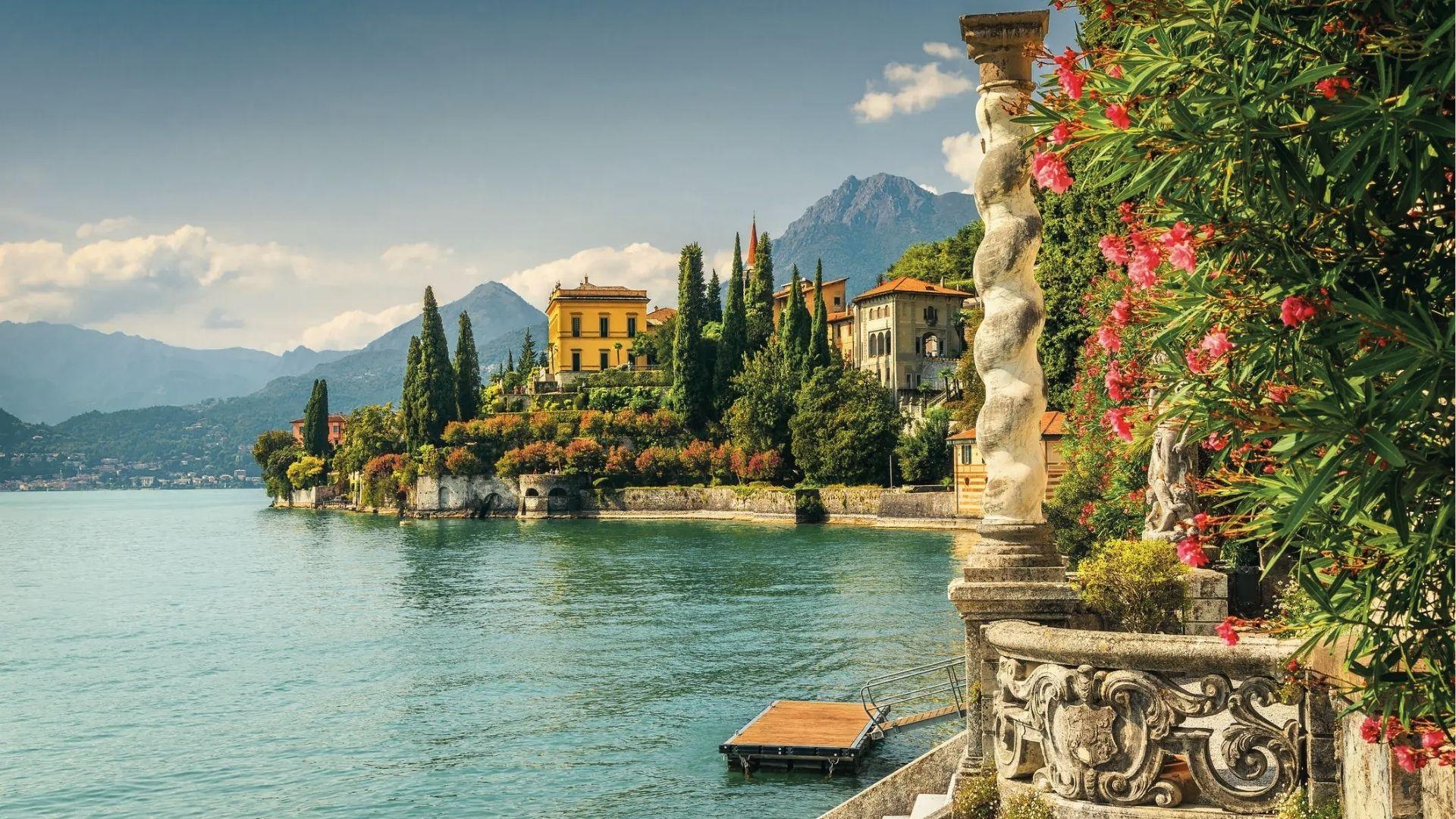
Italy has been on my list for years, and once I finally went, I understood why everyone talks about it the way they do.
This guide covers 21 of the prettiest places in Italy worth visiting on your first trip. From the cliffs of the Amalfi Coast to the canals of Venice, I've put together a list that actually helps you plan, not just dream.
I've spent time researching and visiting these spots so you don't have to guess. You'll also find tips on when to go, how to plan your trip, and which places suit your travel style best.
How to Plan Your First Trip to Italy (Quick Guide)

Planning a first trip to Italy can feel like a lot. Here's a simple breakdown to help you figure out where to start.
Trip length matters. Seven days works if you stay in one region. Ten days lets you mix a city with a coast or countryside stop. Fourteen days covers both north and south comfortably.
North vs South: The north is easier to get around with cities like Milan, Venice, and Florence. The south is slower, warmer, and far less touristy. Think Puglia, Sicily, and Calabria.
Type of destination: Cities like Rome and Florence are rich in history. Countryside areas like Tuscany move at a slower pace. The coast, from Amalfi to Sardinia, is all about sun and sea.
A few tips before you go:
- Book trains early, especially Rome to Florence or Milan.
- Most towns shut down between 1 pm and 3 pm. Plan around it.
- Learn a few Italian words. Locals genuinely appreciate it.
- Carry cash. Small towns and local restaurants often don't take cards.
- Visit in May, June, or September to avoid the worst of the summer crowds.
21 Top Pretty Places in Italy to Visit
From coastlines to hilltop towns, here are the most visually rewarding spots Italy has to offer.
1. Amalfi Coast

The Amalfi Coast is one of those places that looks exactly like the photos, and somehow still shocks you when you see it in person.
Cliffside villages cling to steep rock faces above turquoise water. The drive along the SS163 road is both terrifying and incredible at the same time. Towns like Positano, Ravello, and Amalfi each have their own feel.
What to do:
- Walk the Path of the Gods for views over the sea.
- Take a boat to see the coast from the water.
- Eat fresh seafood in Amalfi town.
Best for:Couples, photographers, and anyone who loves dramatic scenery.
2. Rome
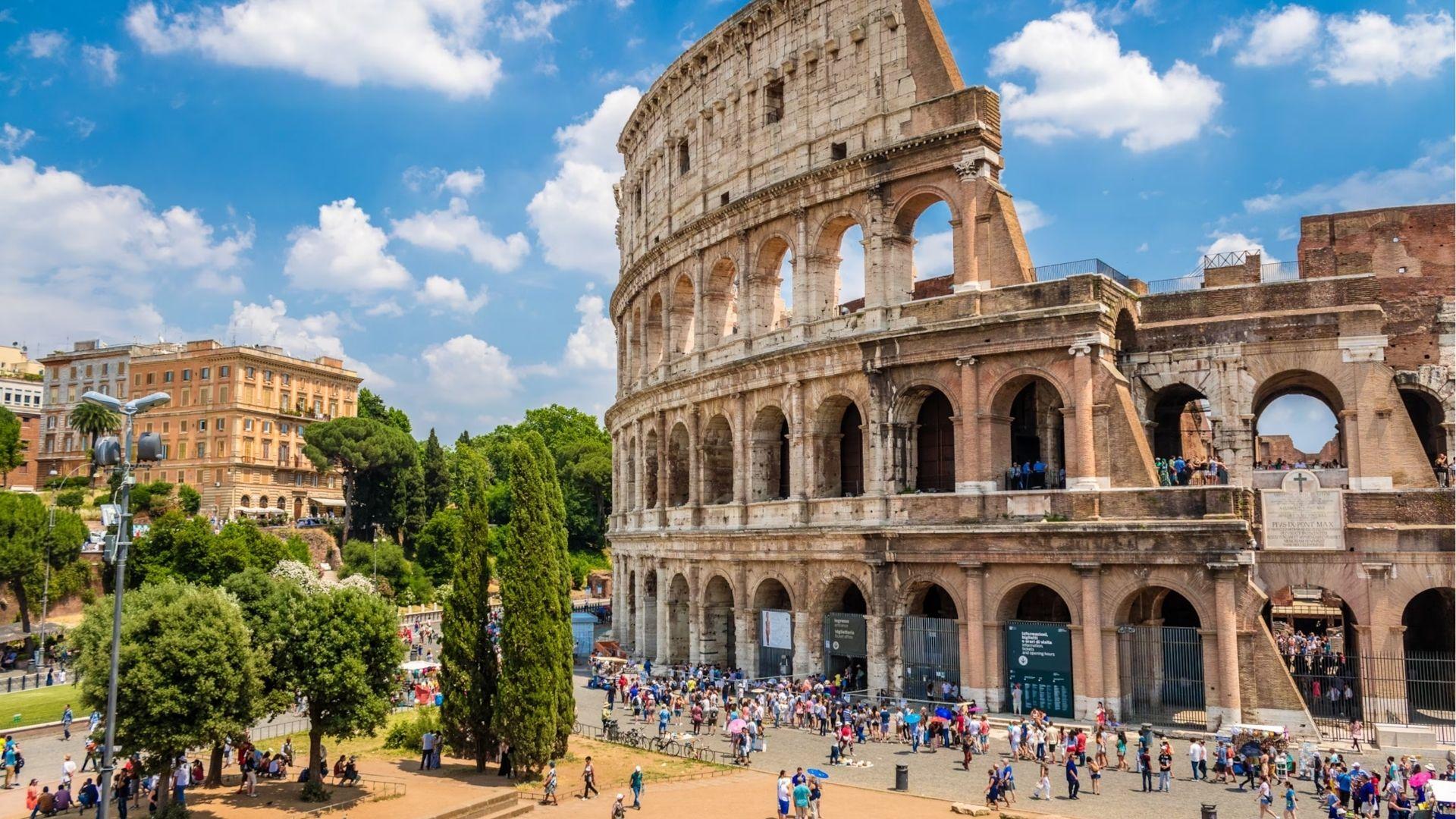
Rome doesn't need an introduction. But what surprises most first-time visitors is how much of it is free to see just by walking around.
The Colosseum, the Pantheon, the Trevi Fountain, and countless piazzas all sit within a few kilometers of each other. The city is loud, warm, and full of life at any hour.
What to do:
- Toss a coin in the Trevi Fountain.
- Walk through the Roman Forum at golden hour.
- Eat cacio e pepe in Trastevere.
Best for: History lovers, first-time visitors to Europe, and food fans.
3. Lake Como

Lake Como sits in the shadow of the Alps, about an hour from Milan. The water is deep and still, and the villas around it are some of the most photographed in the world.
George Clooney famously owns a home here, which tells you everything about the kind of crowd it attracts. But even on a regular budget, you can walk the lakeside promenades and take ferries between towns without spending much.
What to do:
- Take a ferry from Como to Bellagio.
- Visit Villa del Balbianello.
- Walk up to the war memorial for views over the lake.
Best for:Couples, slow travelers, and those visiting Milan who want a day trip.
4. Florence

Florence is the kind of city that makes you care about art even if you never did before.
The Uffizi Gallery holds works by Botticelli, Leonardo, and Michelangelo. The Duomo dominates the skyline. The Ponte Vecchio is lined with jewelry shops that have been there for centuries.
It's compact enough to walk almost everywhere, which makes it one of the most manageable cities in Italy for first-timers.
What to do:
- Climb the Duomo dome for views over the city.
- Cross Ponte Vecchio at sunrise before the crowds arrive.
- Visit the Accademia to see Michelangelo's David.
Best for:Art lovers, culture seekers, and first-time Italy visitors.
5. Tuscany
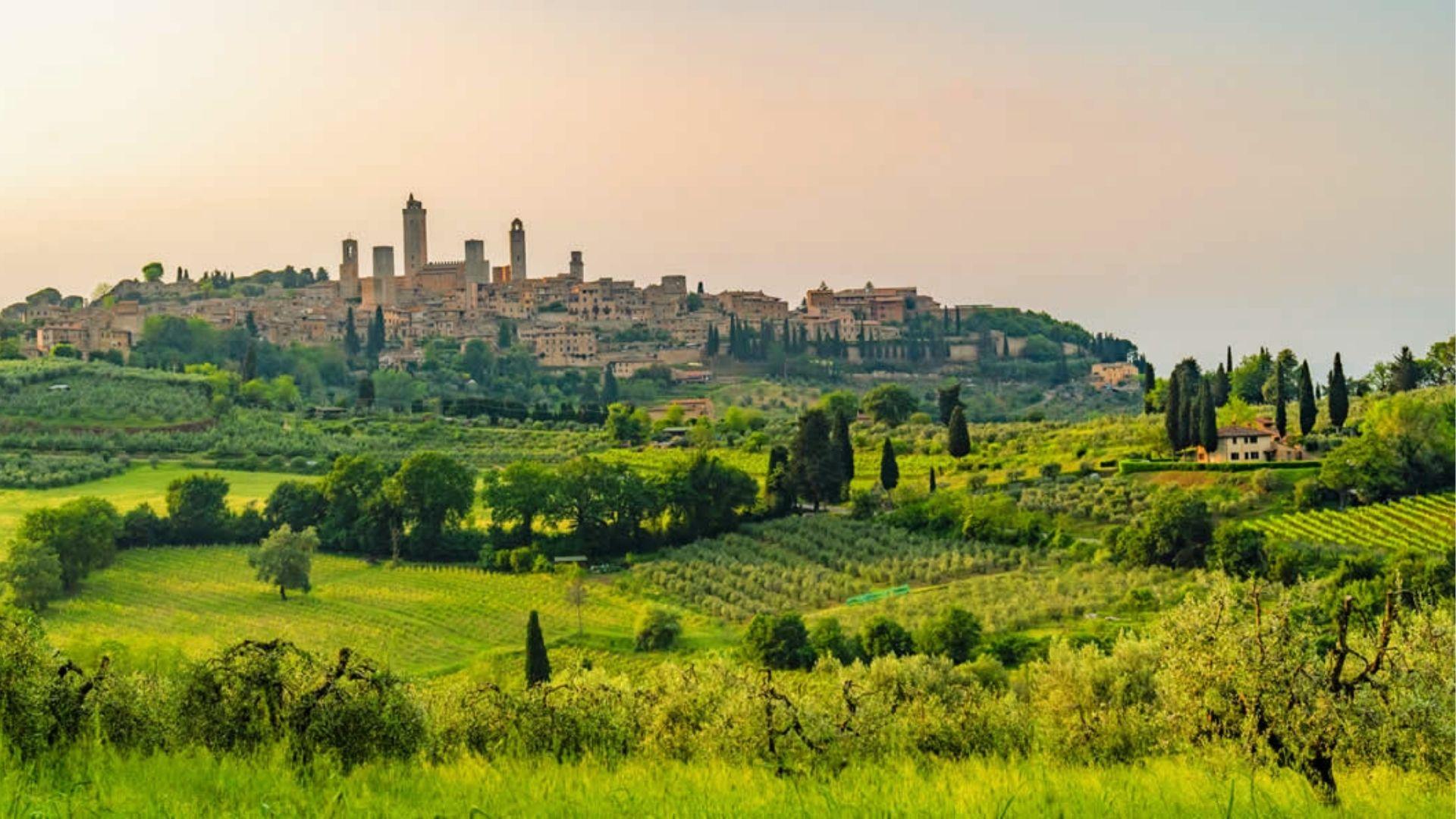
Tuscany is what most people imagine when they think of Italy. Rolling hills covered in cypress trees, vineyards, and stone farmhouses sitting in golden light.
The region covers a lot of ground. Siena, San Gimignano, Montalcino, and Val d'Orcia are all worth visiting. Renting a car here is the best decision you'll make.
What to do:
- Drive the Val d'Orcia route in spring when wildflowers are in bloom.
- Visit a local winery and try Brunello di Montalcino.
- Spend a night in an agriturismo for the full countryside feel.
Best for: Slow travelers, wine lovers, road-trippers, and photographers.
6. Portofino

Portofino is a small harbor town on the Ligurian coast that punches well above its size in terms of visual impact.
The colorful buildings around the harbor, the yachts, the rocky coastline, and the surrounding hills make it one of the most photogenic spots in Italy. It's small enough to walk end to end in 20 minutes, but you'll want to stay much longer.
What to do:
- Hike to the lighthouse for a panoramic view of the harbor.
- Walk to the Church of San Giorgio for sea views.
- Take a boat to the nearby cove of Paraggi.
Best for: Day-trippers from Genoa, couples, and those who love coastal scenery.
7. Cinque Terre
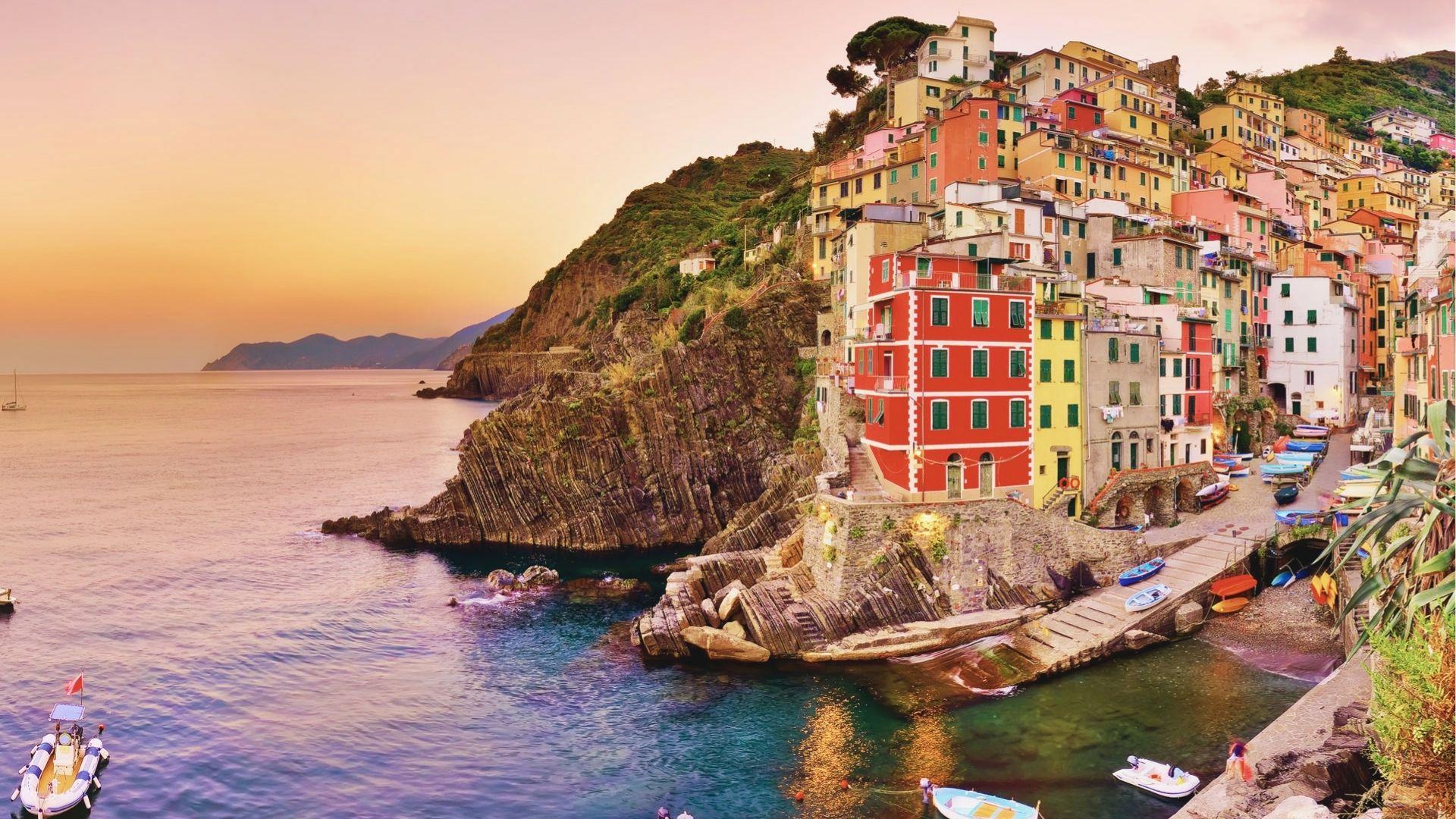
Cinque Terre means "Five Lands" in Italian, referring to five small villages built into the cliffs above the Ligurian Sea: Monterosso, Vernazza, Corniglia, Manarola, and Riomaggiore.
Each village has its own personality. Monterosso has a beach. Vernazza has the best harbor. Manarola is the most photographed. You can hike between them or take the local train.
What to do:
- Hike the trail from Vernazza to Monterosso.
- Watch the sunset from Manarola's rocky waterfront.
- Eat pesto pasta. This region invented it.
Best for: Hikers, photographers, backpackers, and anyone who loves coastal villages.
8. Sardinia
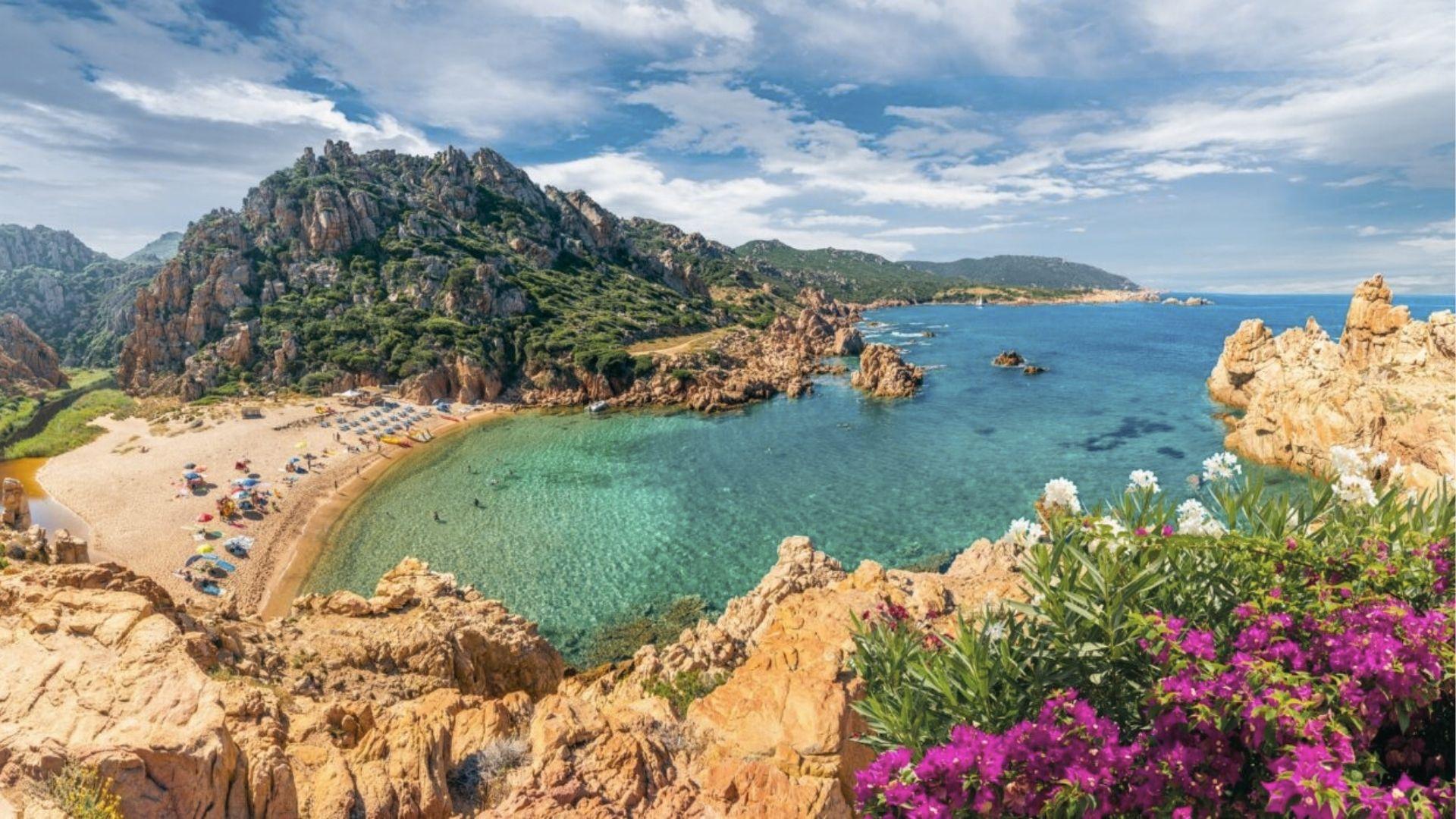
Sardinia sits off the western coast of Italy and feels like its own world. The water here is some of the clearest in the Mediterranean. Think shades of blue and green you'd expect in the Caribbean.
The Costa Smeralda in the north is glitzy and upscale. The southern beaches like Chia and Villasimius are wilder and less crowded.
What to do:
- Visit the prehistoric Nuraghe Su Nuraxi site.
- Swim at Cala Goloritzé beach, accessible only by boat or foot.
- Eat bottarga, Sardinia's answer to caviar.
Best for:Beach lovers, off-the-beaten-path travelers, and those with more time.
9. Puglia

Puglia is the heel of Italy's boot. It's a region that has only recently started getting the attention it deserves.
Lecce is often called the Florence of the South for its ornate Baroque architecture. Ostuni is a whitewashed hilltop town that glows in afternoon light. The coastline along the Adriatic is calm and quiet.
What to do:
- Walk through Lecce's old town on a weekday morning.
- Take a day trip to the sea caves of Grotte di Castellana.
- Try orecchiette pasta made fresh by local women in Bari's old town.
Best for:Travelers looking to avoid tourist crowds and see a more local side of Italy.
10. Dolomites

The Dolomites in north east Italy are unlike anything else in the country. These are sharp, dramatic peaks that turn pink and orange at sunrise. The valleys below hold alpine lakes that mirror the sky perfectly.
Lake Braies and Lago di Carezza are two of the most photographed spots. In winter, the area becomes a ski destination. In summer, it's a hiker's paradise.
What to do:
- Wake up early to photograph Lake Braies before other visitors arrive.
- Hike the Tre Cime di Lavaredo loop in summer.
- Drive the Great Dolomites Road for mountain views.
Best for: Hikers, nature lovers, photographers, and winter sports travelers.
11. Venice

Venice is one of those cities you have to see at least once. There is no other place in the world quite like it.
Built on 118 small islands connected by canals and bridges, it has no roads for cars. You get around by foot or boat. The city is sinking slowly, which makes visiting now feel more meaningful.
What to do:
- Get up at 6 am and walk San Marco before the cruise ship crowds land.
- Take a vaporetto down the Grand Canal.
- Visit Burano, a nearby island covered in brightly painted houses.
Best for: Romantics, first-time Italy visitors, and those who love architecture and history.
12. Verona

Verona is famous for being the setting of Romeo and Juliet. But the city is worth visiting even if you have no interest in Shakespeare.
The Arena di Verona, a Roman amphitheater from the first century, still hosts opera performances in summer. The old town is lined with red-brick buildings and medieval streets that feel unchanged by time.
What to do:
- Attend an opera at the Arena di Verona in summer.
- Visit Juliet's balcony in Casa di Giulietta (yes, it's real).
- Walk across the Ponte Pietra at sunset.
Best for:Culture lovers, couples, and those adding a stop between Venice and Milan.
13. Bologna
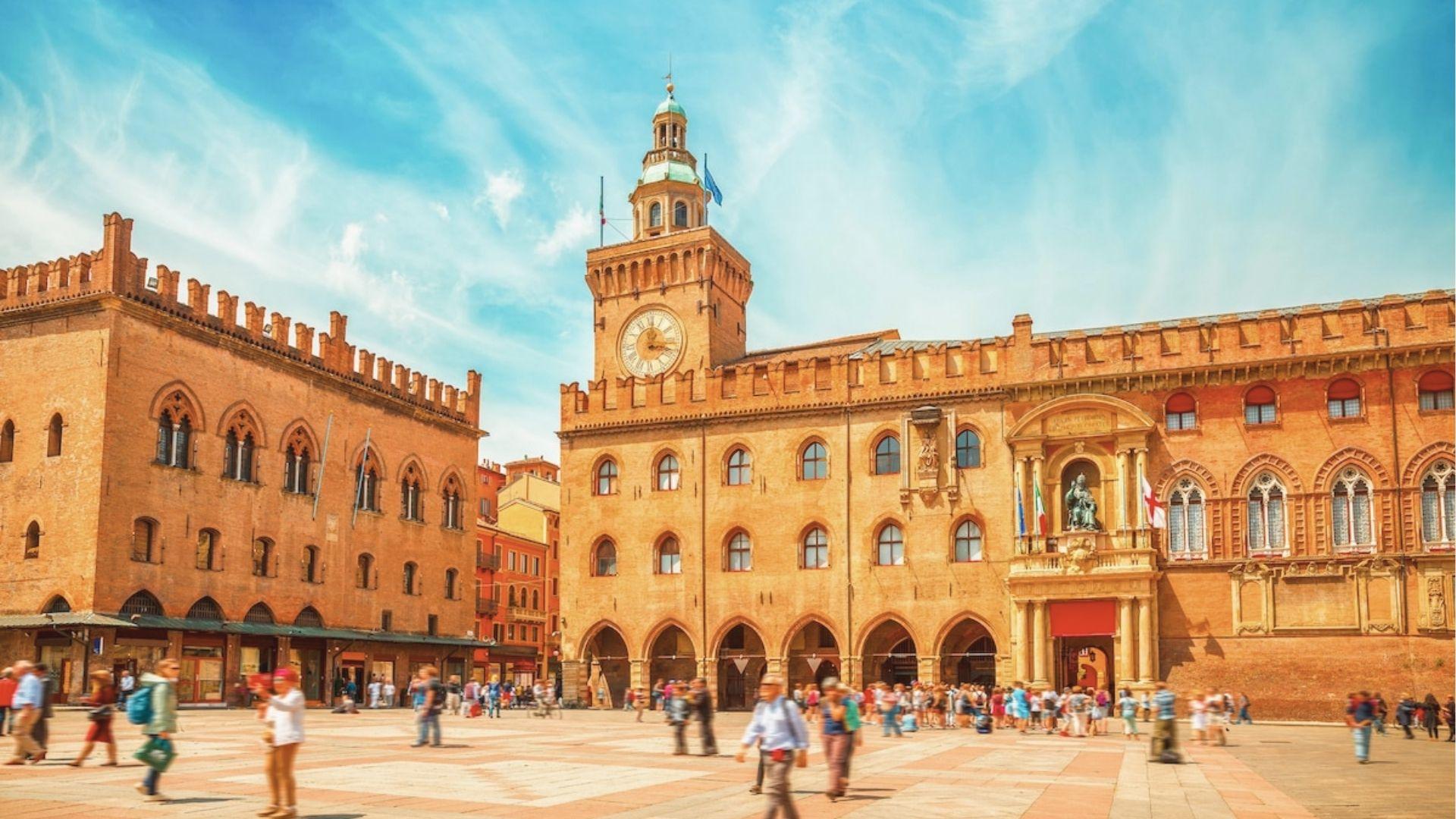
Bologna doesn't get the same attention as Rome or Florence, and that's exactly why it's worth visiting.
The food here is exceptional. It's the birthplace of tagliatelle al ragù (what the rest of the world calls Bolognese), tortellini, and mortadella. The covered walkways called porticoes run for 40 kilometers through the city, making it the perfect walking city even in the rain.
What to do:
- Climb the Asinelli Tower for views over the terracotta rooftops.
- Eat at a local osteria rather than a tourist-facing restaurant.
- Visit the city's covered food market at Mercato di Mezzo.
Best for:Foodies, slow travelers, and those looking to go beyond the tourist trail.
14. Capri

Capri is a small island off the coast of Naples that has attracted artists, writers, and celebrities for over a century.
The Blue Grotto is the most famous attraction, a sea cave where the water glows a surreal shade of blue due to light refraction.
The island itself is split into two towns:Capri Town, which is lively, and Anacapri, which is quieter.
What to do:
- Take a boat tour of the Blue Grotto early in the morning.
- Ride the chairlift to Monte Solaro for island-wide views.
- Walk the Via Krupp if it's open for dramatic cliff views.
Best for: Day-trippers from Naples or Amalfi, couples, and those who want an island feel without a long journey.
15. Sicily

Sicily is Italy's largest island and one of its most layered in terms of history and culture. Greek temples, Arab-Norman architecture, Baroque towns, active volcanoes, and beautiful beaches all coexist here.
Mount Etna is the most active volcano in Europe and you can hike close to its crater. The towns of Taormina, Agrigento, and Palermo each offer something completely different.
What to do:
- Visit the Valley of the Temples in Agrigento at sunset.
- Take a guided hike up Mount Etna.
- Eat arancini in a Palermo street market.
Best for:History buffs, foodies, and those who want a mix of beach, culture, and nature.
16. Lake Garda

Lake Garda is Italy's largest lake and sits at the meeting point of Lombardy, Veneto, and Trentino.
The northern part of the lake feels almost Norwegian, with steep mountains dropping into the water. The southern end is wider and warmer, with resort towns and olive groves.
What to do:
- Visit Sirmione, a town built on a narrow peninsula jutting into the lake.
- Take a ferry between Gardone Riviera and Limone sul Garda.
- Rent a bike and ride the southern shore.
Best for:Families, cyclists, and those who want lake scenery without the Lake Como price tag.
17. Camogli
Alt Text:The stone abbey of San Fruttuoso sits tucked between forested cliffs and a small beach on the Italian Riviera.
Camogli is a small fishing village on the Ligurian coast, about 25 minutes from Genoa by train. It's far less visited than Portofino or Cinque Terre, but just as visually rewarding.
Tall, narrow buildings painted in warm shades of orange and yellow line the seafront. The pebble beach is local, not touristy. The fish market in the morning is a genuine piece of daily Italian life.
What to do:
- Eat fresh fish at a seafront restaurant.
- Walk to San Fruttuoso Abbey along the coastal trail.
- Sit on the pebble beach with an espresso from the bar above.
Best for:Travelers who want an authentic Italian coastal experience without the crowds.
18. Calabria

Calabria is the toe of Italy's boot. It's rough around the edges in the best possible way.
The beaches here are some of the least crowded in the entire country. The sea is clear and warm. Inland, you'll find wild national parks, old hill towns, and a culture that has barely changed in decades.
What to do:
- Swim at Tropea, one of Italy's most photographed beaches.
- Visit the hilltop town of Gerace for views and quiet streets.
- Try 'nduja, the spicy spreadable salami that Calabria is known for.
Best for:Off-the-path travelers, beach lovers, and those on a budget.
19. San Gimignano
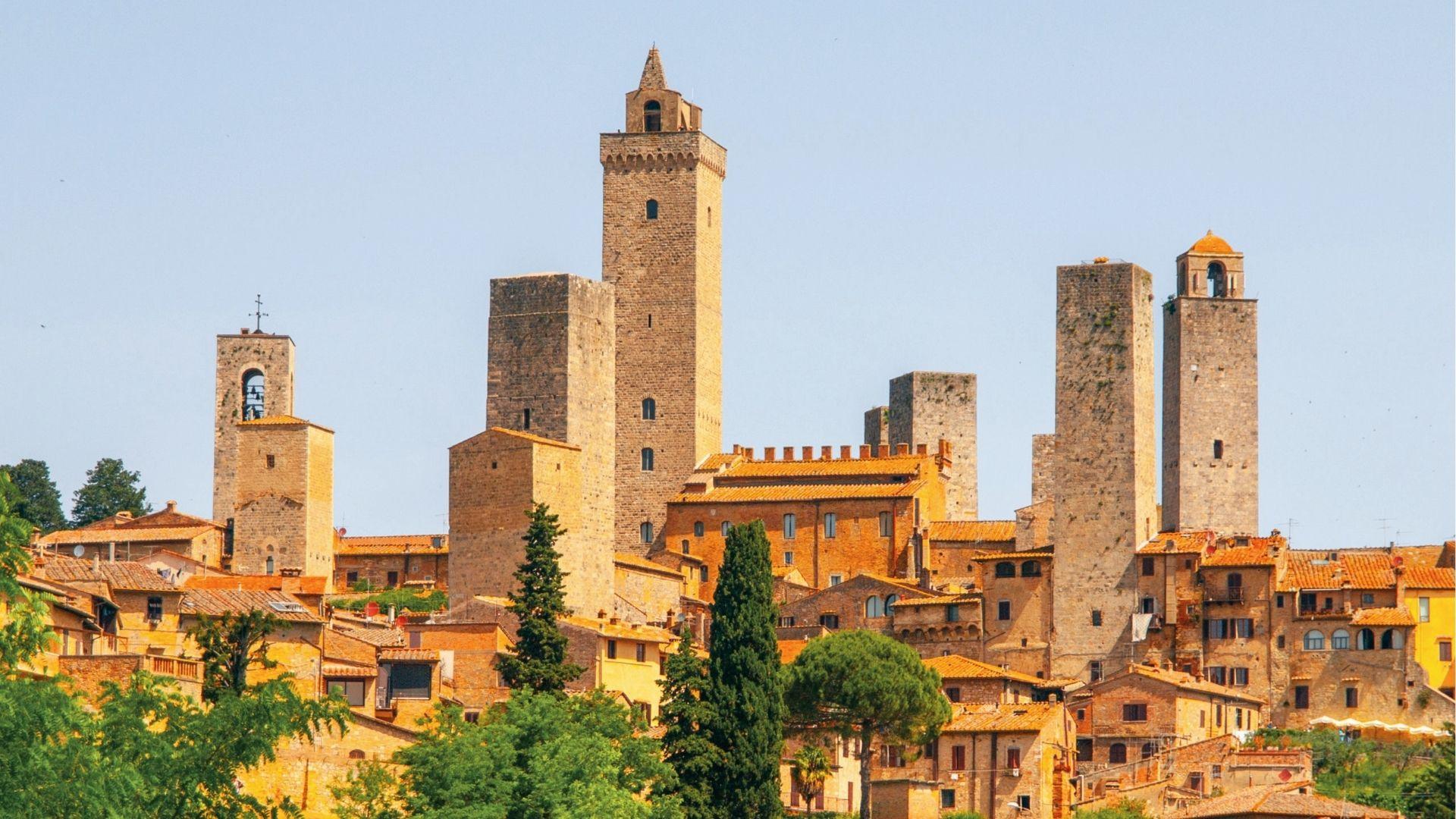
San Gimignano is a medieval walled town in Tuscany known for its towers. In the Middle Ages, wealthy families built tall towers to show their status. Fourteen of them still stand today.
The skyline is like nothing else in the country. Inside the walls, you'll find art galleries, wine shops, and quiet streets that feel genuinely medieval.
What to do:
- Climb the Torre Grossa for views over the Tuscan countryside.
- Try saffron-based dishes, a local specialty of the area.
- Visit at dusk when the day-trippers have left and the town quiets down.
Best for: Day-trippers from Florence or Siena, history lovers, and photographers.
20. Montepulciano

Montepulciano sits on a ridge in southern Tuscany and looks out over the Val d'Orcia valley in one direction and Umbria in the other.
The town is compact and entirely walkable. It's best known for Vino Nobile di Montepulciano, a red wine made from Sangiovese grapes that pairs perfectly with local pecorino cheese.
What to do:
- Walk up the main street, Corso, and stop in local wine shops along the way.
- Stand at the top of the Piazza Grande at sunset.
- Drive down into the valley for classic Tuscan landscape shots.
Best for: Wine lovers, slow travelers, and those visiting southern Tuscany.
21. Alberobello

Alberobello is in Puglia and is famous for its trulli, cone-shaped limestone houses that look like something from a storybook.
The entire town feels otherworldly, particularly the Rione Monti district where over 1,000 trulli are packed together on a hillside. It's now a UNESCO World Heritage Site.
What to do:
- Stay overnight in a trullo for the full experience.
- Walk the backstreets rather than the main tourist strip.
- Visit just before opening hours for the best photos without crowds.
Best for:Families, photographers, and those who want to see something they won't find anywhere else on Earth.
Tips to Choose the Best Pretty Places in Italy for You
The right spot depends on your travel style, who you're with, and how much you want to spend.
- First-time visitors should start with Rome, Florence, and the Amalfi Coast or Cinque Terre. These cover history, art, and scenery in one trip.
- Couples will love Venice for romance, Lake Como for slow mornings, and Positano for cliffside sunsets above the sea.
- Families do well at Lake Garda for outdoor activities, Sicily for beaches and culture, and Tuscany for open space and farm stays.
- Solo travelers are best served by Bologna for food and local life, Puglia for affordability, and Camogli for a quiet and safe coastal base.
- Budget travelers should look at Calabria, Puglia, Bologna, and Camogli. For a more luxurious trip, Capri, Portofino, Lake Como, and Positano are the top picks.
Best Time to Visit Pretty Places in Italy

Timing your trip well can make the difference between a relaxed trip and a stressful one.
Spring (April to June)
This is the best time for most travelers. Temperatures are comfortable, the countryside is green, and crowds are smaller than summer. May is particularly good for Tuscany when wildflowers are in bloom.
Summer (July to August)
This is peak season. The coast and islands are packed. Prices are at their highest. If you're going in summer, book everything months in advance and aim to visit sites early in the morning.
Fall (September to October)
September is one of the best months to visit Italy. The heat drops, the summer crowds thin out, and the vineyards are in harvest. Tuscany and Puglia are particularly good in September.
When to Avoid Crowds
- Avoid Cinque Terre and Amalfi in July and August if you can.
- Skip Venice in summer. The heat and crowds can make it unpleasant.
- Book popular sites like the Colosseum and Uffizi online weeks ahead, regardless of season.
Best Months for Scenery
- April to May: Tuscany in bloom, mild temperatures everywhere.
- September: Harvest season, golden light, and warm sea.
- October: Fewer people, lower prices, and beautiful fall colors in the north.
Conclusion
Italy gave me more than I expected, and I think it will do the same for you.
From the trulli of Alberobello to the cliffs of the Amalfi Coast, there's something here for every kind of traveler. I still think about that quiet morning in Camogli watching fishermen bring in their catch.
Start with what excites you most from this list. You don't have to see it all at once.
Which of these pretty places in Italy is at the top of your list? Drop a comment below. I'd love to know where you're headed.
Frequently Asked Questions
What are the most pretty places in Italy for first-time visitors?
Rome, Florence, the Amalfi Coast, Venice, and Cinque Terre are the top picks for first-timers. These places offer a good mix of history, scenery, and culture without being overwhelming.
When is the best time to visit the pretty places in Italy?
April, May, and September are ideal months to visit. The weather is good, the crowds are manageable, and prices are more reasonable than in peak summer.
Is Italy expensive to visit?
Italy can be affordable or expensive depending on where you go. Bologna, Puglia, and Calabria are budget-friendly, while Capri, Portofino, and Lake Como lean toward the higher end.
How many days do I need to see Italy properly?
Ten to fourteen days gives you enough time to cover two or three regions. A week works well if you plan to focus on one area like Tuscany or the Amalfi Coast.
Can I visit multiple pretty places in Italy in one trip?
Yes, especially in the north where cities are close together. Rome to Florence by train takes 90 minutes. Florence to Venice takes about two hours. In the south, a car is more practical for getting between spots.
