


Planning your first trip to Tokyo? Picking the right area to stay can make or break your trip. This article covers the best neighborhoods in Tokyo for first-time visitors and helps you choose based on your budget, travel style, and must-see spots.
I've broken it all down so you don't waste time guessing. We'll look at Shibuya, Shinjuku, Ginza, and a few other solid options.
Here's what you'll find inside: Quick area comparisons, pros and cons of each neighborhood, hotel picks for every budget, and booking tips that actually help.
Having helped many travelers plan Tokyo trips, one thing is clear:location matters more than most people think.
Best Location to Stay in Tokyo for First-Time Visitors (Quick Answer)
Not sure where to start? Here's a fast look at the top three picks.
Shibuya (Best Overall): Sits right in the middle of Tokyo's action. Easy to get around, always something nearby. Great for first-timers who want a real feel for the city.
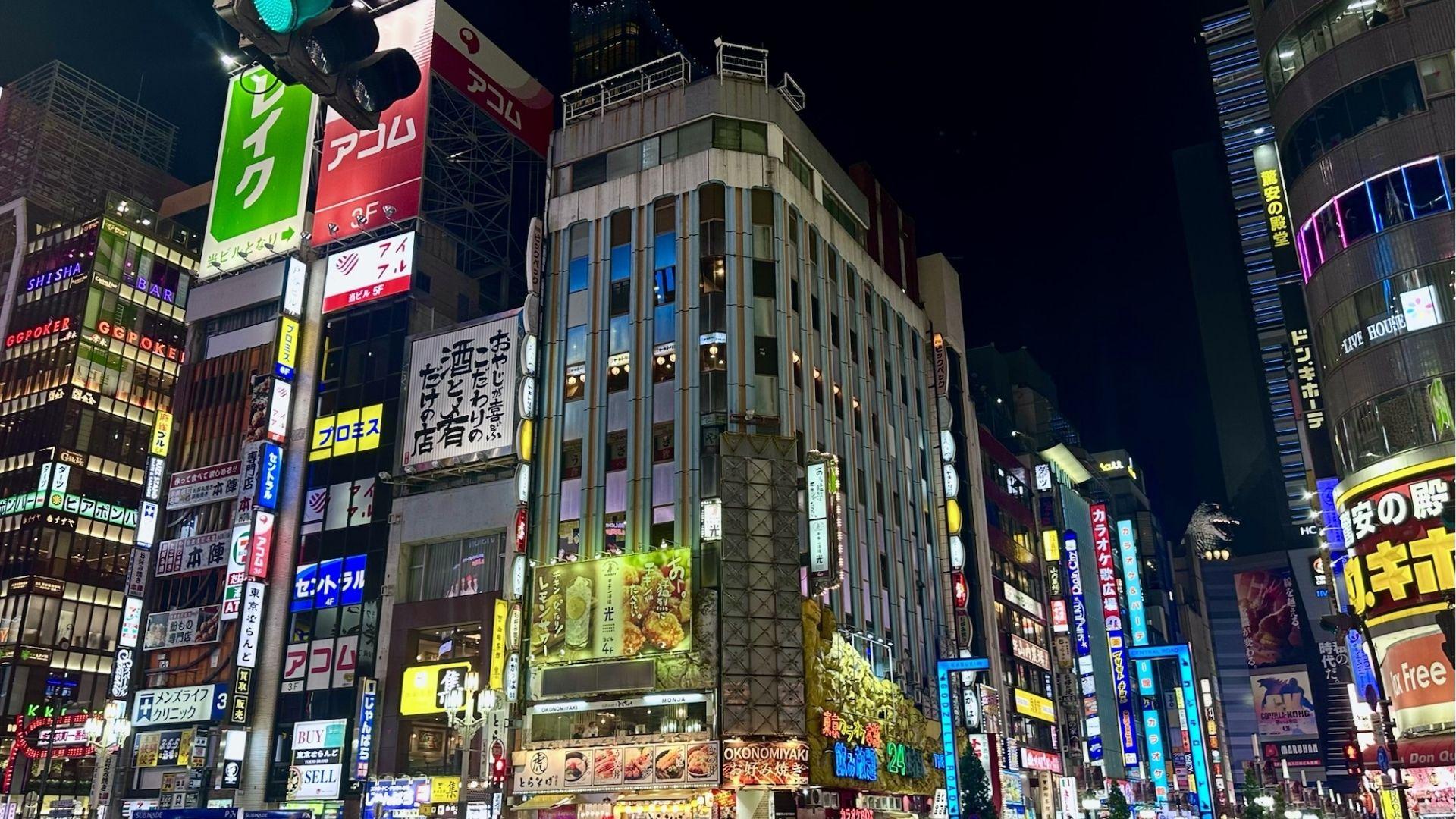
Shinjuku (Best for Transport and Nightlife): Home to one of the world's busiest train stations. After dark, bars and restaurants keep the energy going all night.
Ginza (Best for Shopping and Dining): Tokyo's upscale district with high-end stores, great food, and a calm atmosphere. Well connected too, even if luxury shopping isn't your thing.
Why Choosing the Best Location to Stay in Tokyo Matters
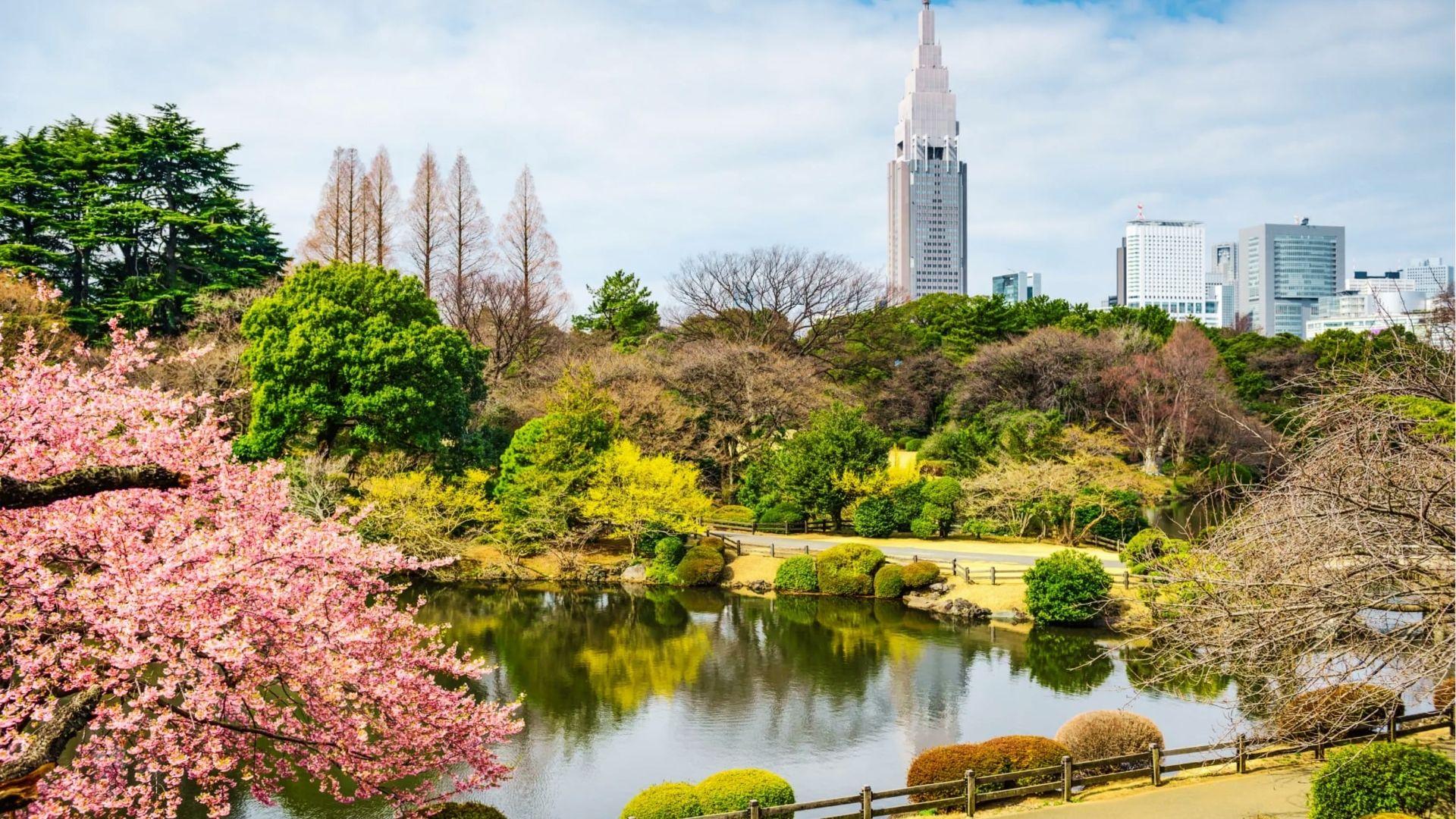
Tokyo is massive, over 13 million people and dozens of very different districts. Some areas are calm and residential. Others are loud and packed with tourists. Staying in the wrong spot means long commutes and missed experiences.
Your hotel's proximity to a train station matters more than most people expect. The JR and subway lines cover the whole city, but only if you're close enough to use them without hassle. The right location saves time, money, and daily stress.
Simply put, where you sleep shapes what you see and how much you enjoy it.
How to Choose the Best Location to Stay in Tokyo
A few smart questions before you book can save you a lot of trouble later.
Stay Near Major Train Lines (JR and Subway)
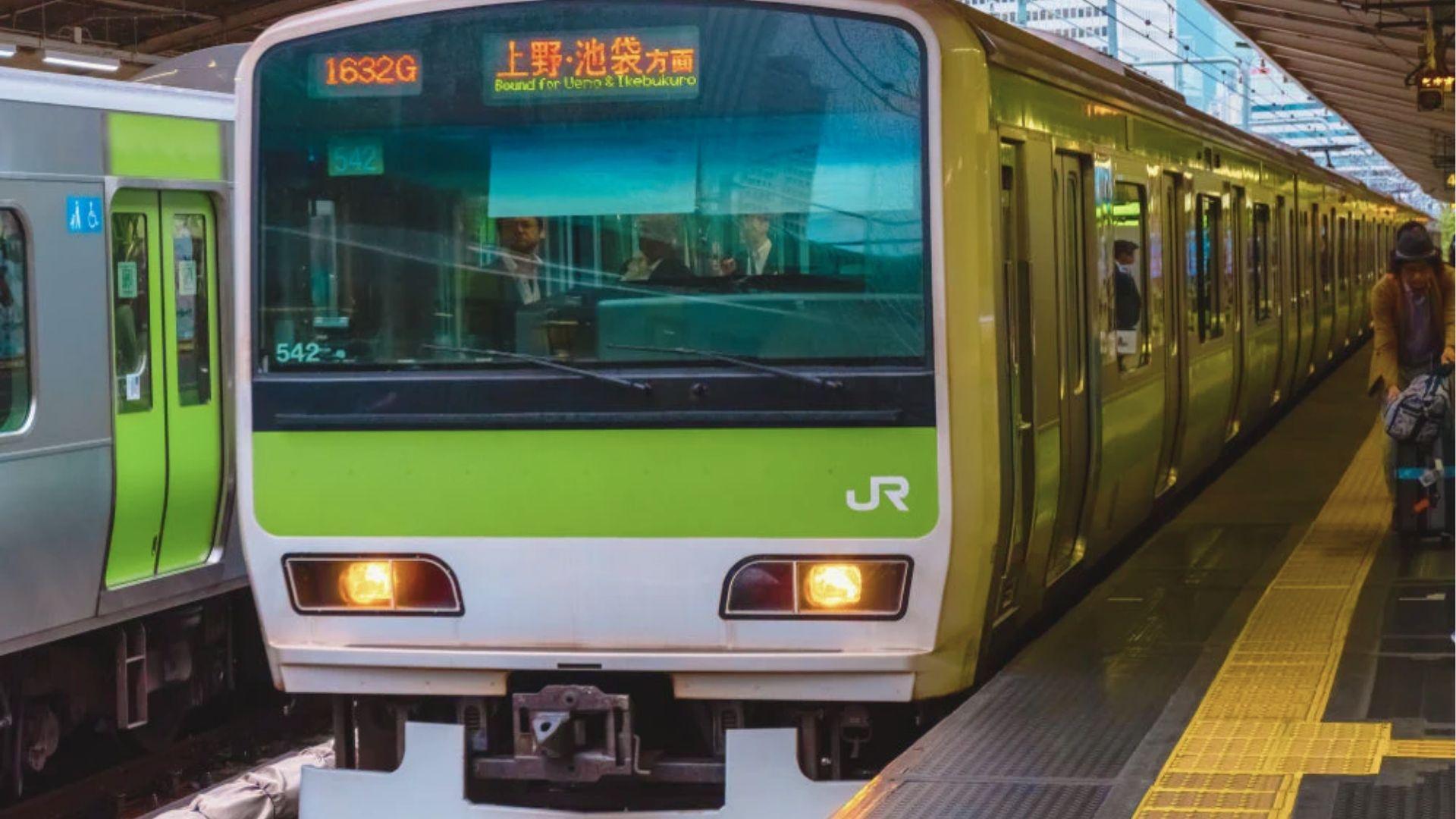
Always check which train lines are near your hotel. The JR Yamanote Line loops around central Tokyo and connects most top neighborhoods. Subway lines fill in the gaps.
If your hotel is a 10-minute walk from a major station, that adds up fast over a week.
Choose Based on Your Travel Style (Food, Nightlife, Shopping)
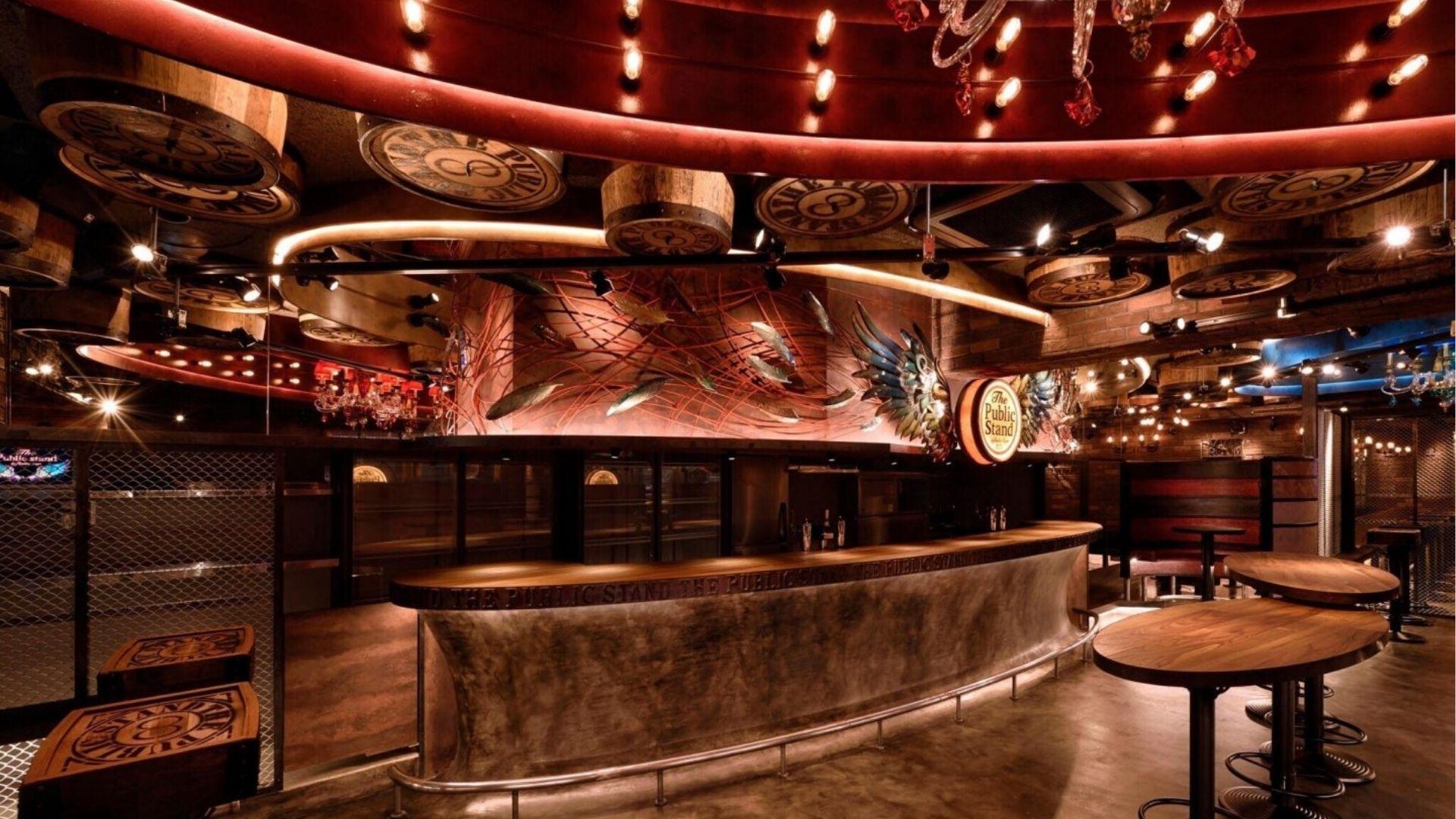
Think about what you actually want to do. Are you a foodie? Ginza and Shinjuku have great dining scenes. Into nightlife? Shinjuku's Kabukicho or Shibuya's bar scene will suit you.
Love pop culture and anime? Akihabara might be a better fit.
Budget vs Space: What to Expect in Tokyo Hotels
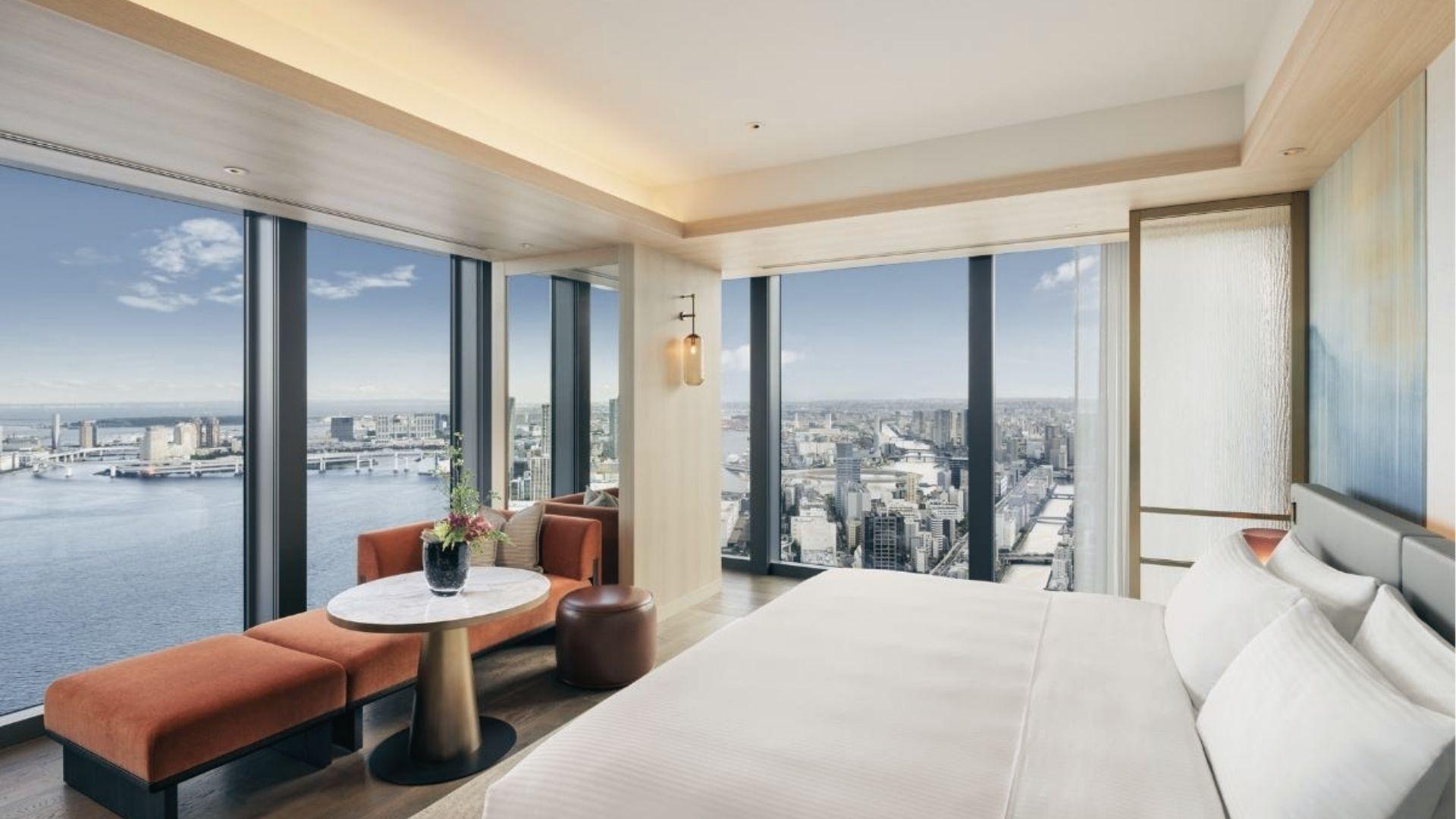
Tokyo hotels are clean and well-run, but they are small. Even mid-range rooms can feel tight compared to what you're used to back home. Budget places are even smaller.
If space matters to you, be ready to pay more or stay in a less central area where prices drop.
Accessibility to Airports and Attractions
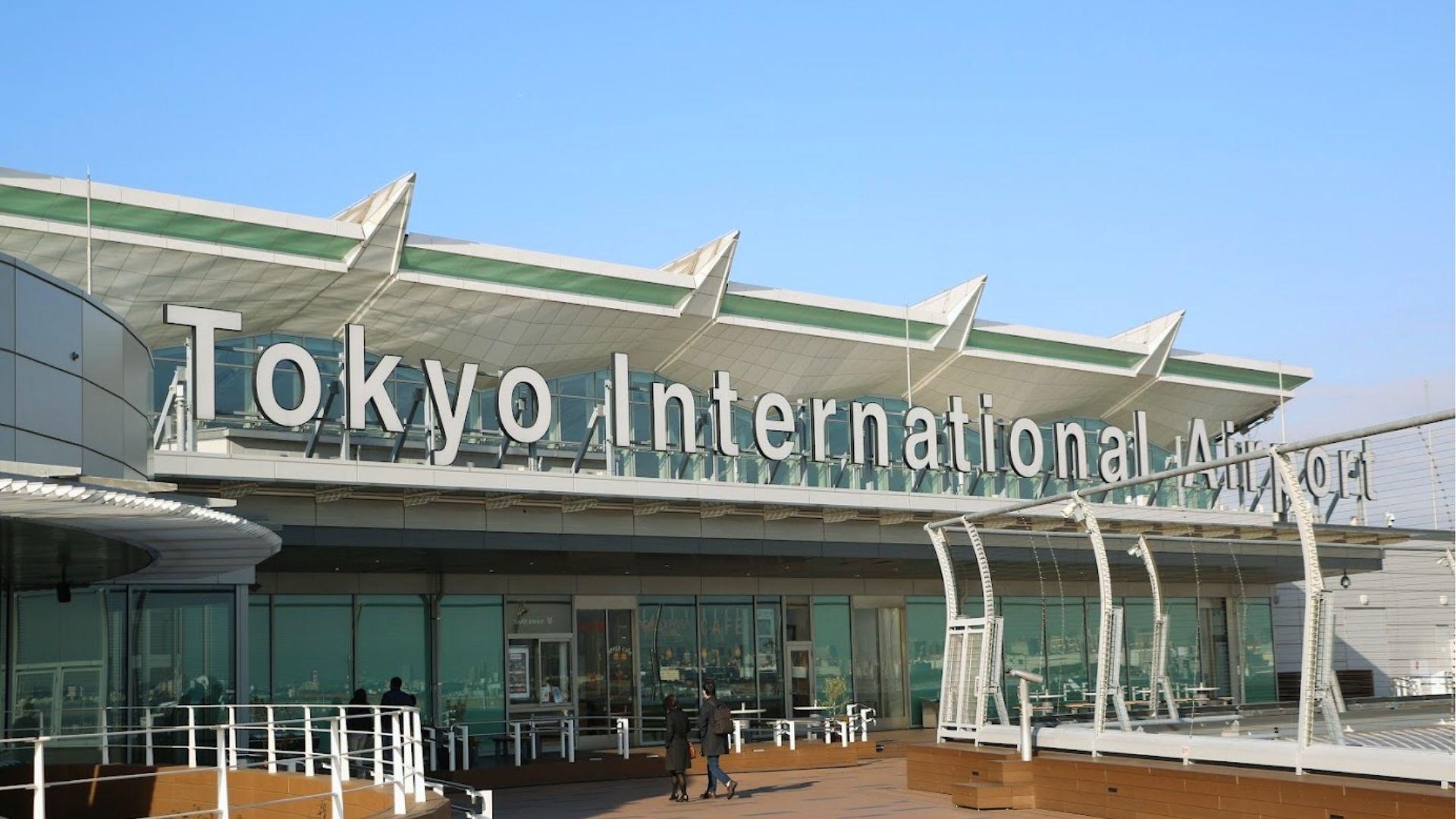
Tokyo has two main airports:Narita and Haneda. Haneda is closer to the city and easier to reach. Check how long it takes to get from your hotel to each one.
Also map out the attractions you want to visit most and see which neighborhood puts you closest.
Shibuya: Best Location to Stay in Tokyo for First-Time Visitors
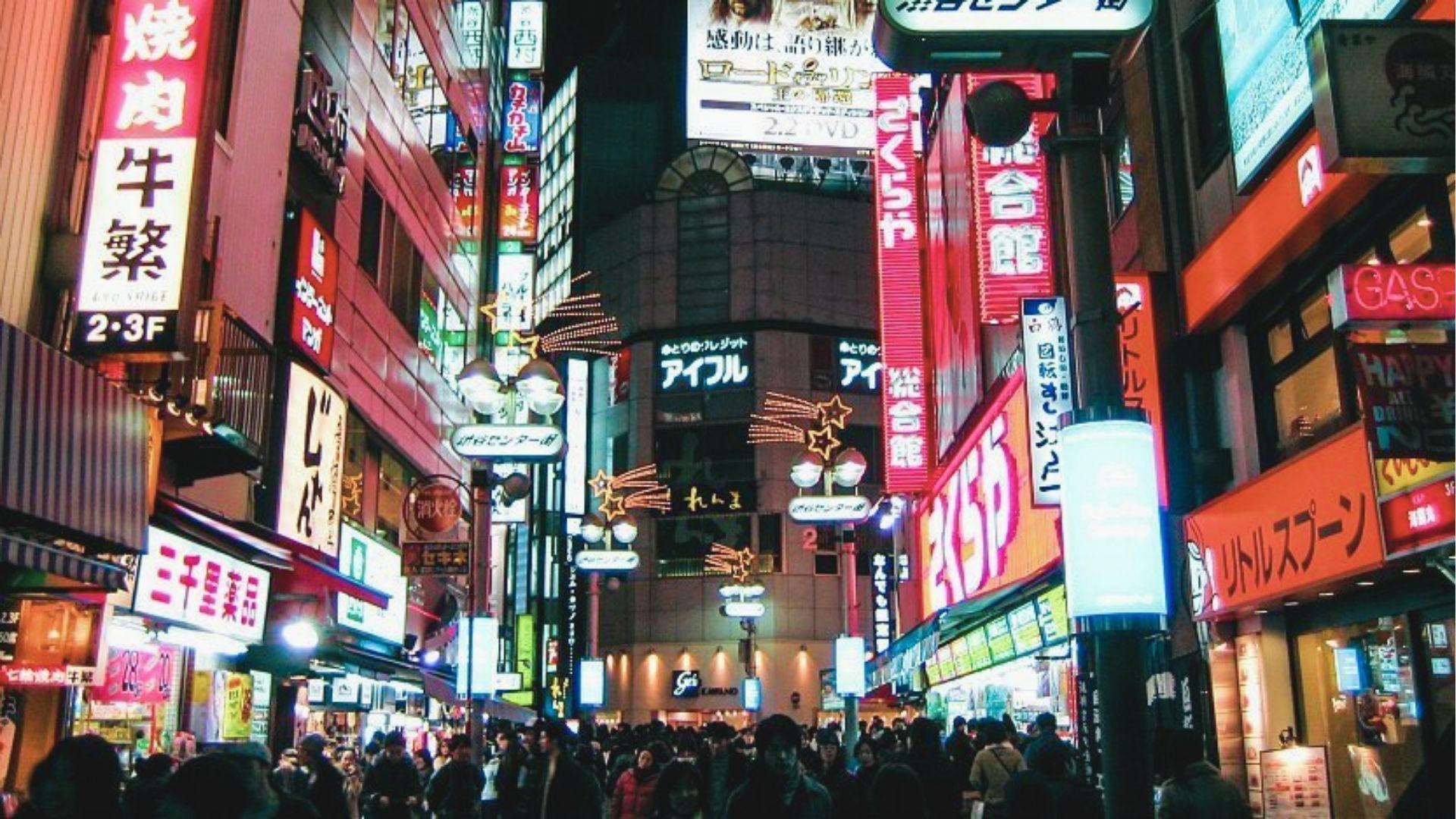
Shibuya is the go-to pick for first-time visitors. It has energy, great access, and iconic sights all in one spot.
Shibuya sits on the JR Yamanote Line and connects to several subway lines. You can reach Harajuku, Roppongi, and Shinjuku in under 15 minutes.
Shibuya Crossing is right outside the station and is one of the most visited spots in Japan. Harajuku is just a 15-minute walk away, giving you easy access to Takeshita Street and Meiji Shrine.
Pros: Central location, great food and shops, lively atmosphere, easy walk to Harajuku and Daikanyama, hotels for every budget.
Cons: Can get crowded and noisy, hotels near the station cost more, not ideal if you want a quiet stay.
Best Hotels: Budget: Shibuya Stream Excel Hotel Tokyu.
Mid-range:Cerulean Tower Tokyu Hotel.
Luxury:The Trunk Hotel.
Shinjuku: Best for Connectivity and Nightlife
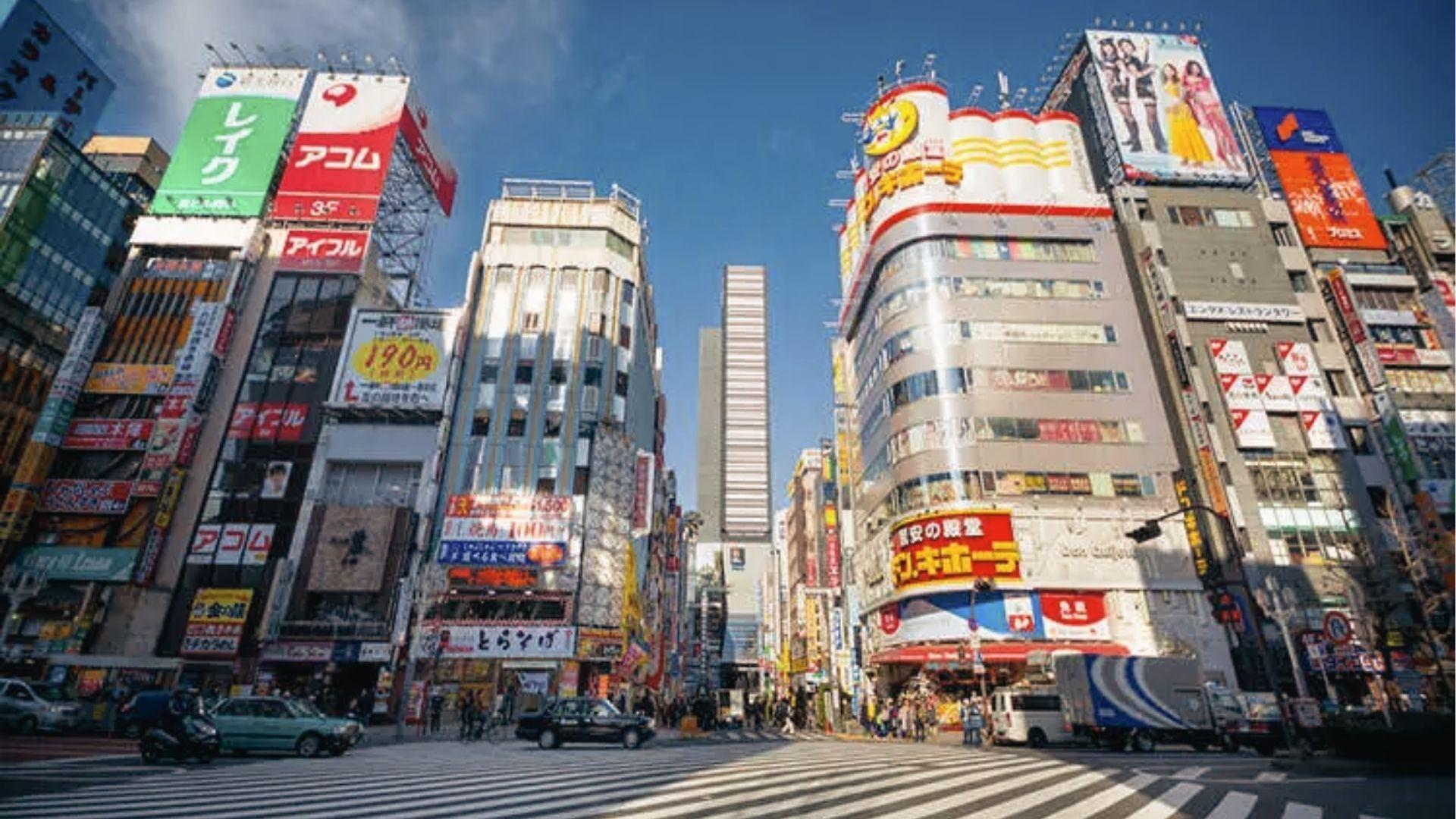
Shinjuku moves fast. It's loud, bright, and always open.
Shinjuku Station handles over 3 million passengers a day and connects the JR Yamanote, Chuo, and Sobu Lines along with multiple subway lines.
You can reach almost any part of Tokyo quickly. After dark, Kabukicho and Golden Gai offer bars, clubs, and karaoke that run well into the early hours.
Pros: Best transport links in Tokyo, food at all hours, great nightlife, hotels for every budget, close to Shinjuku Gyoen park.
Cons: The station can be confusing, the west side is more business-focused, noisy near entertainment areas at night.
Best Hotels: Budget: Keio Presso Inn Shinjuku.
Mid-range: Park Hyatt Tokyo.
Luxury:Hyatt Regency Tokyo.
Ginza: Best for Shopping and Central Location
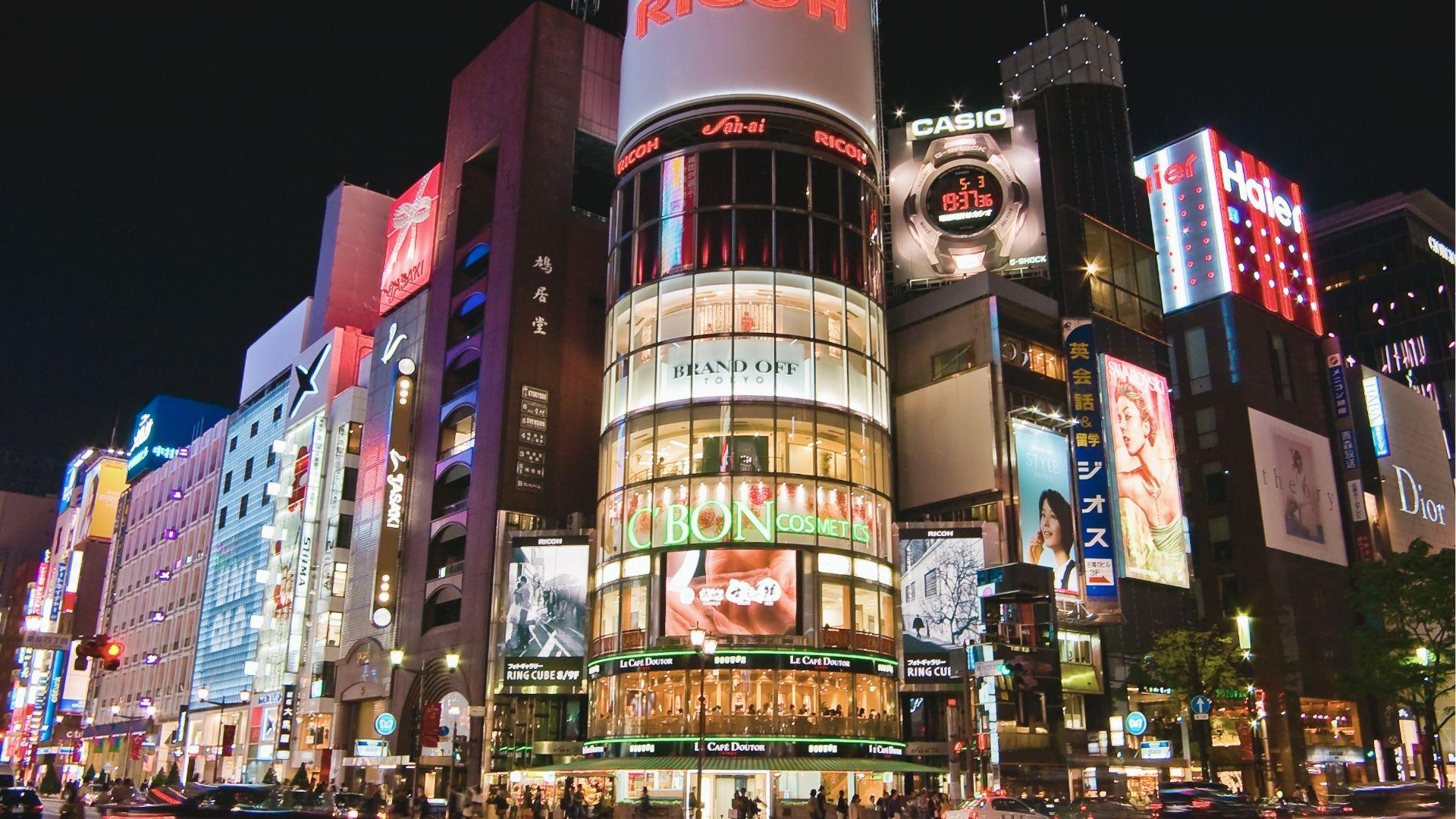
Ginza has a different pace. It's calm and polished but still very well connected.
The area is known for high-end brands but also has affordable shops and department stores like Mitsukoshi. On weekends, free art events and gallery walks are common.
The food scene is strong too, from sushi counters to ramen shops, and Tsukiji Outer Market is just nearby.
Pros: Very central, great dining, calm streets, close to Tsukiji Market and Tokyo Station.
Cons: Hotels cost more here, fewer budget options, limited nightlife compared to Shibuya or Shinjuku.
Best Hotels: Budget:Via Inn Ginza.
Mid-range:Mercure Tokyo Ginza.
Luxury:Okura Tokyo.
Other Good Areas to Consider in Tokyo
These areas don't always make the top lists, but they're worth knowing about.
Tokyo Station: Best for Transportation Access
Tokyo Station connects the Shinkansen bullet train to Kyoto, Osaka, and beyond. If you plan to take day trips, staying here makes that very easy.
The area around the station is clean and convenient, though it's more business-focused than tourist-friendly.
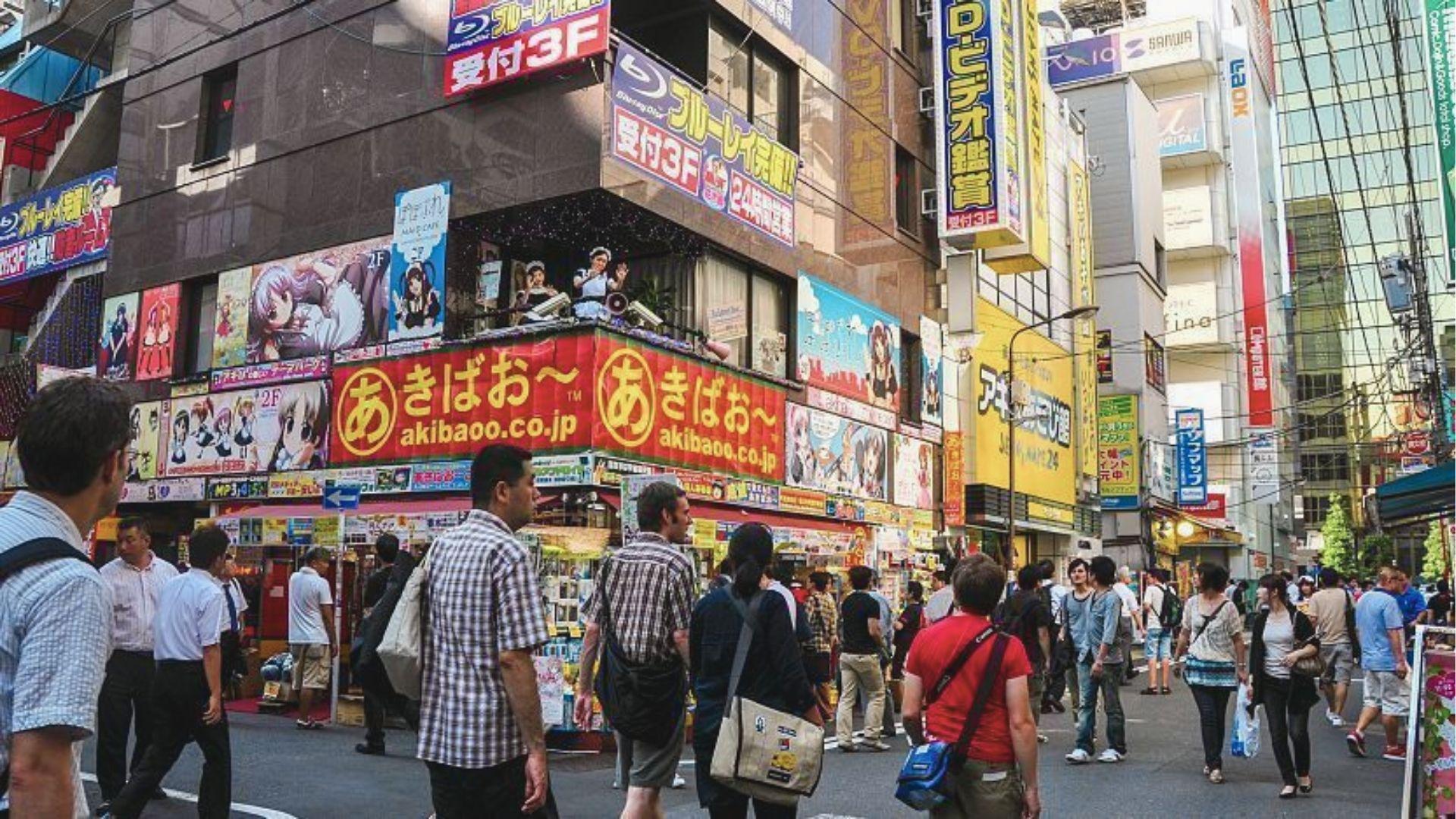
Akihabara: Best for Budget and Anime Culture
Akihabara is the hub for electronics, anime, manga, and gaming culture. Hotels here are often cheaper than in Shibuya or Shinjuku.
It's a good base if you love that world or want to save money while staying close to central Tokyo.
Roppongi: Best for Nightlife and International Vibe
Roppongi has a big expat community and a lively bar scene that runs late. It's also home to world-class museums like Mori Art Museum and the National Art Center.
The area feels more international than most other Tokyo neighborhoods.
Tips for Booking Accommodation in Tokyo
Little decisions before you book can save you time, money, and stress once you land.
- Book 2 to 3 months early, especially around cherry blossom season and Golden Week. Prices climb fast and good rooms go quickly.
- Tokyo hotel rooms are small. Even mid-range options feel compact. Pack light, and always check if bathrooms are shared before confirming.
- Get a Suica or Pasmo IC card the moment you land. It works on trains, buses, and even at convenience stores, no individual tickets needed.
- Hotels are the safest bet for first-timers. Staff often speak basic English, rooms are reliable, and many include breakfast.
- Hostels save money, Airbnb adds space, but Japan's short-term rental rules limit Airbnb options. Always read the cancellation policy before you book anything.
Conclusion
If you ask me, Shibuya is still the best location to stay in Tokyo for first-time visitors. It puts you right in the middle of everything. When I first mapped out a Tokyo trip, Shibuya kept coming up as the smartest base, and that held true.
That said, your choice depends on what matters most to you. Pick Shinjuku for transport and nightlife. Pick Ginza for calm streets and great food.
Which area are you leaning toward? Drop a comment below or share this post with a friend planning their Tokyo trip!
Frequently Asked Questions
What is the best area in Tokyo for first-time visitors?
Shibuya is widely considered the top pick for first-time visitors. It has great transport links, famous landmarks, and a wide range of hotels to suit different budgets.
Is Shinjuku or Shibuya better for tourists?
Both are great, but it depends on your travel style. Shibuya is better for a central, sightseeing-focused stay, while Shinjuku works better if you prioritize transport connections and nightlife.
Is Ginza expensive to stay in?
Ginza does lean toward the higher end for accommodation. However, budget and mid-range options do exist. The area offers great dining and shopping without always requiring a luxury budget.
How far in advance should I book a hotel in Tokyo?
Book at least two to three months ahead, especially if you're visiting during peak seasons like spring cherry blossom time or the Golden Week holidays in late April and early May.
Is Tokyo easy to get around without knowing Japanese?
Yes. Train stations have English signs, and maps are available in multiple languages. An IC card like Suica makes getting around simple, and most hotel staff in tourist areas speak basic English.
