

If you're wondering where was andor filmed, you're in the right place.
The series stands out for using real places instead of relying mostly on digital backgrounds, and many fans want to know exactly where those scenes were shot.
In this guide, you'll learn about the real filming locations, the studios used, and the outdoor sites that became planets in the Star Wars universe.
You'll also find out why these locations were chosen, which places you can visit today, and a few interesting filming facts.
I've carefully researched the official filming locations and production details to make this guide clear, accurate, and easy to follow.
My goal is to save you time by putting everything you need in one place, whether you're simply curious or planning to visit these locations yourself.
Overview of Andor
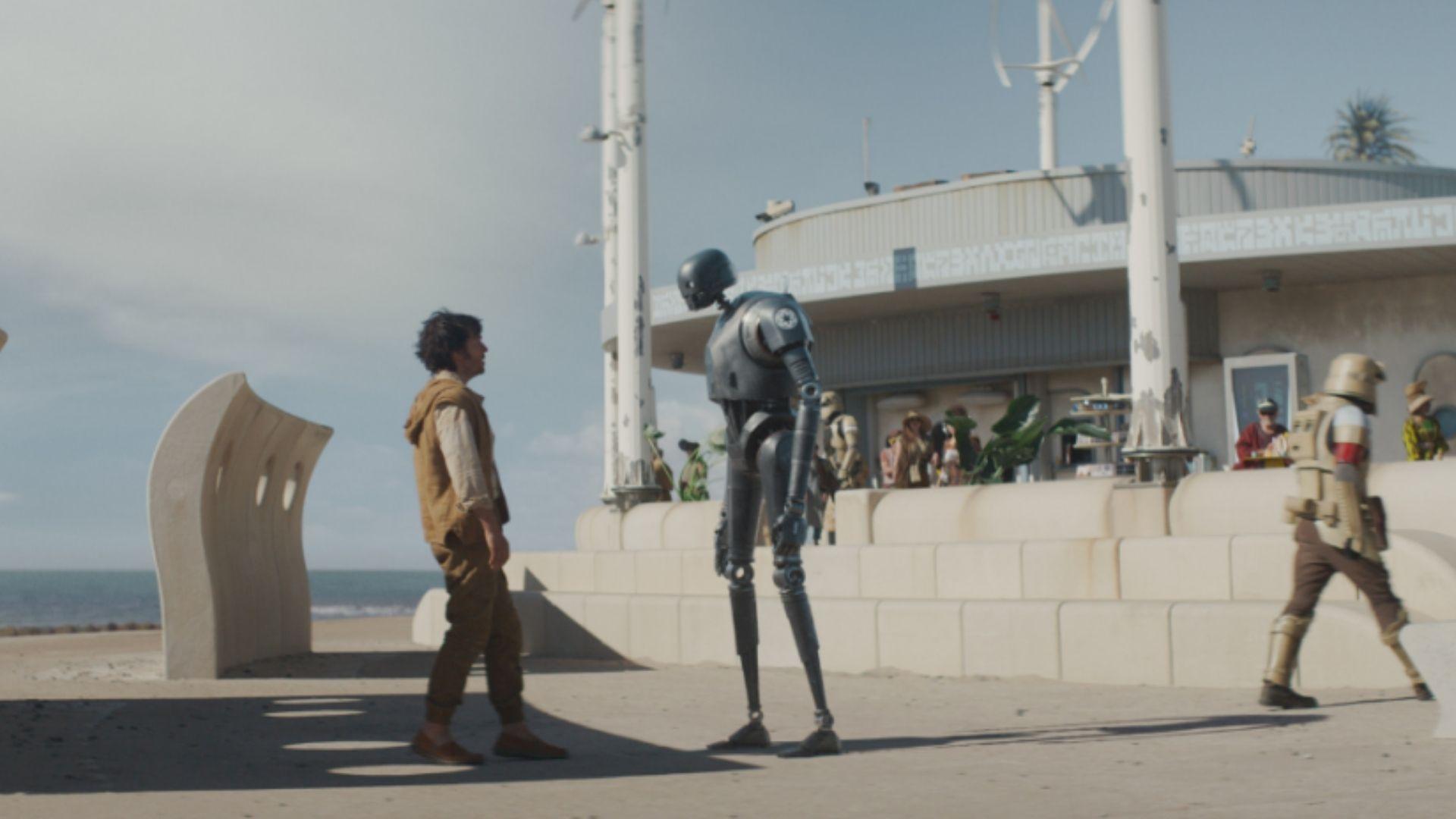
Andor is a Star Wars television series created by Tony Gilroy that follows Cassian Andor, played by Diego Luna, before the events of Rogue One: A Star Wars Story. Unlike many recent science fiction shows, it uses real filming locations and large practical sets to create its worlds instead of depending mainly on virtual backgrounds.
Most of the series was filmed across England and Scotland, with additional production at Pinewood Studios and Longcross Studios in the United Kingdom. Forests, quarries, dams, industrial sites, and purpose-built sets all helped shape the show's distinctive look.
If you're searching for where was Andor filmed, understanding these locations gives you a better appreciation of how the series achieved its realistic style and why many of these places have become popular with fans.
Where Were Andor's Outdoor Scenes Filmed?
Many of Andor's most memorable landscapes were filmed at real locations across England and Scotland, with each site representing a different planet or Imperial setting.
Scotland
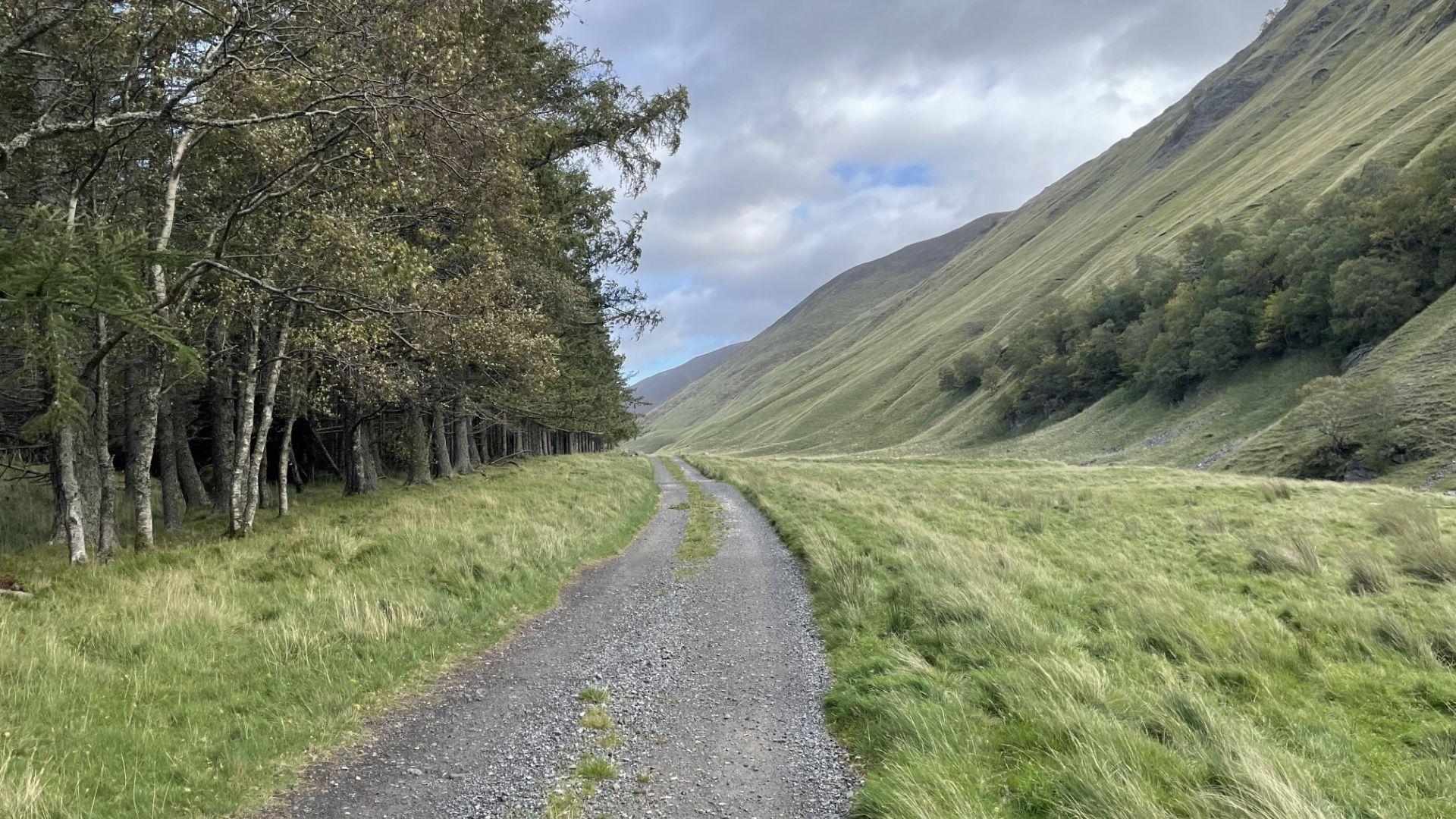
Scotland provided some of the most dramatic landscapes seen in Andor. Its rugged mountains, valleys, and remote scenery helped create the look of several planets in the Star Wars universe without requiring extensive digital effects.
The production team selected locations that already had a natural, untouched appearance, making them ideal for the grounded visual style of the series. Scotland's varied terrain also allowed filmmakers to capture wide cinematic shots that emphasized the scale of the story.
Combined with practical set pieces and visual effects, these real landscapes became some of the most memorable backdrops featured throughout the show.
England
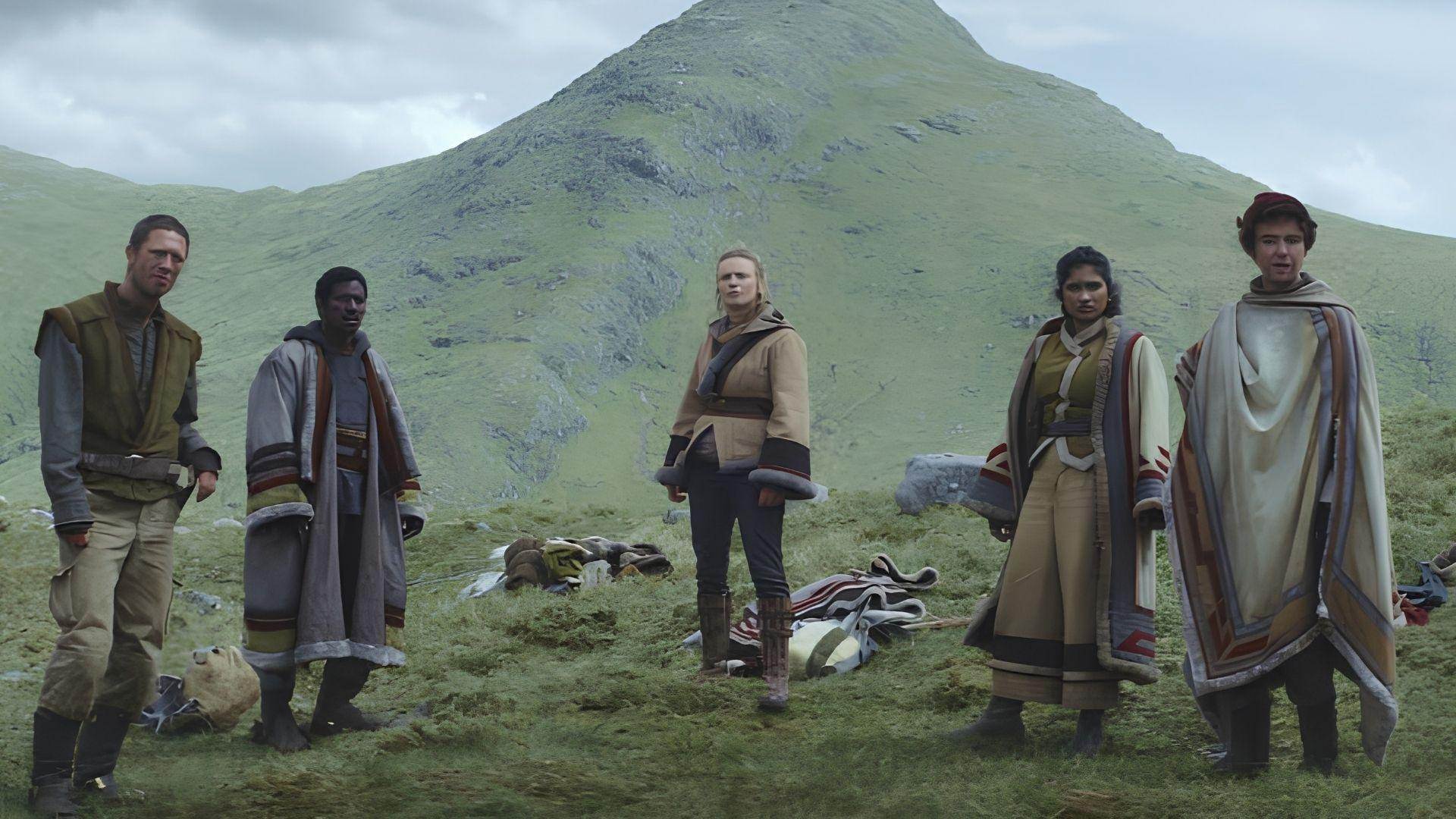
England served as the primary filming base for Andor, offering everything from forests and quarries to industrial sites and studio facilities. Many outdoor scenes were filmed across different parts of the country, where existing landscapes could easily be adapted into fictional planets.
The production also benefited from England's close proximity to Pinewood Studios and Longcross Studios, allowing crews to move efficiently between studio sets and outdoor locations.
This combination of natural scenery and modern production facilities helped maintain a consistent visual style while keeping filming schedules manageable. Much of the series' realistic appearance comes from these carefully selected English locations.
The Lancashire coastal town of Cleveleys also appeared among the series' filming locations, showing how broadly the production drew from real UK settings.
Cruachan Dam
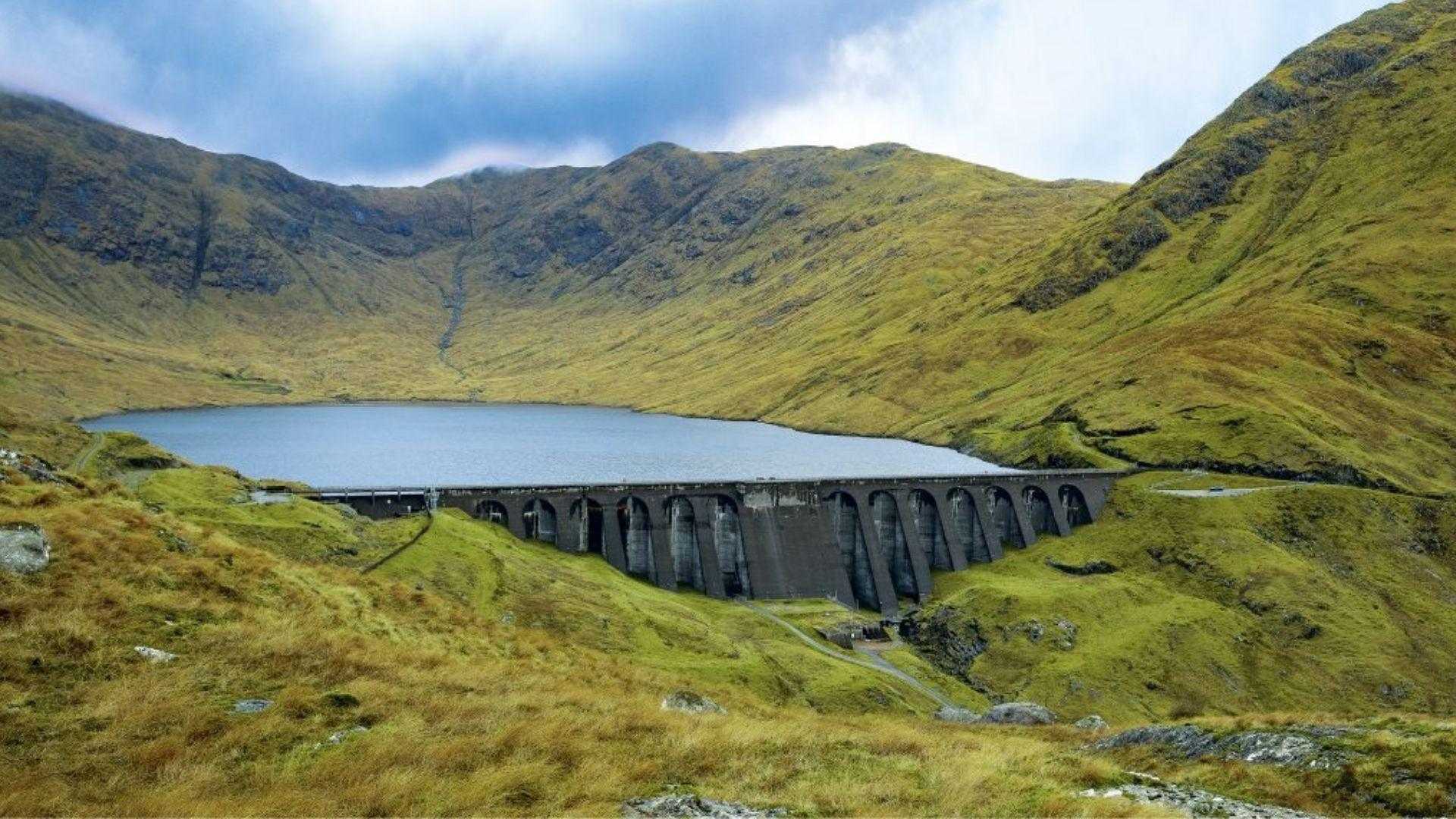
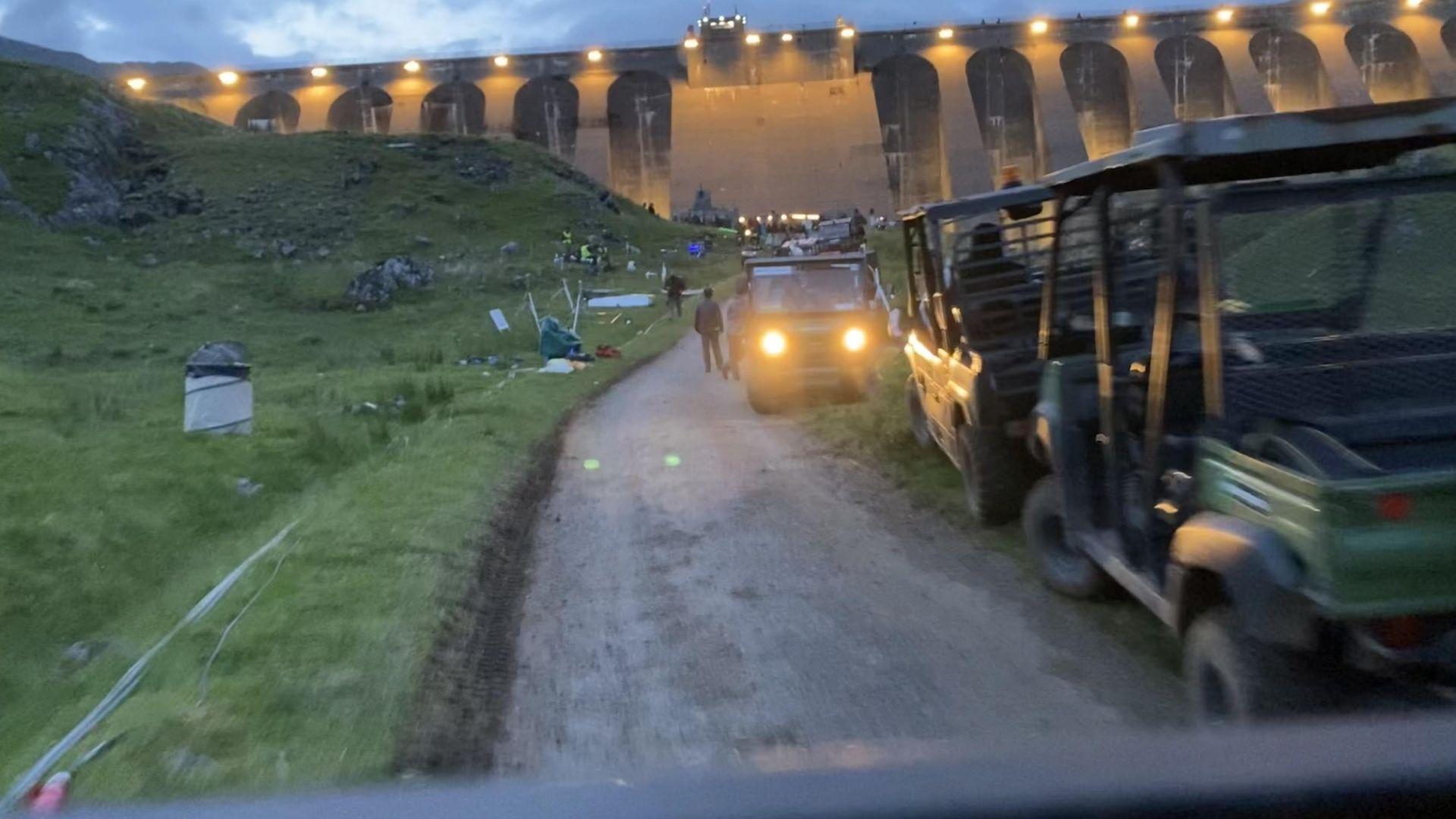
One of the most recognizable filming locations in Andor is Cruachan Dam in Scotland. The massive concrete dam was transformed into an Imperial facility through practical set additions and visual effects.
Its towering walls and striking design perfectly matched the imposing architecture often associated with the Galactic Empire. Rather than building the entire structure from scratch, the production used the real location as the foundation for several key scenes.
The dam's dramatic appearance required only minimal digital enhancement, allowing it to blend naturally into the Star Wars universe while maintaining a believable sense of scale.
Coryton Refinery
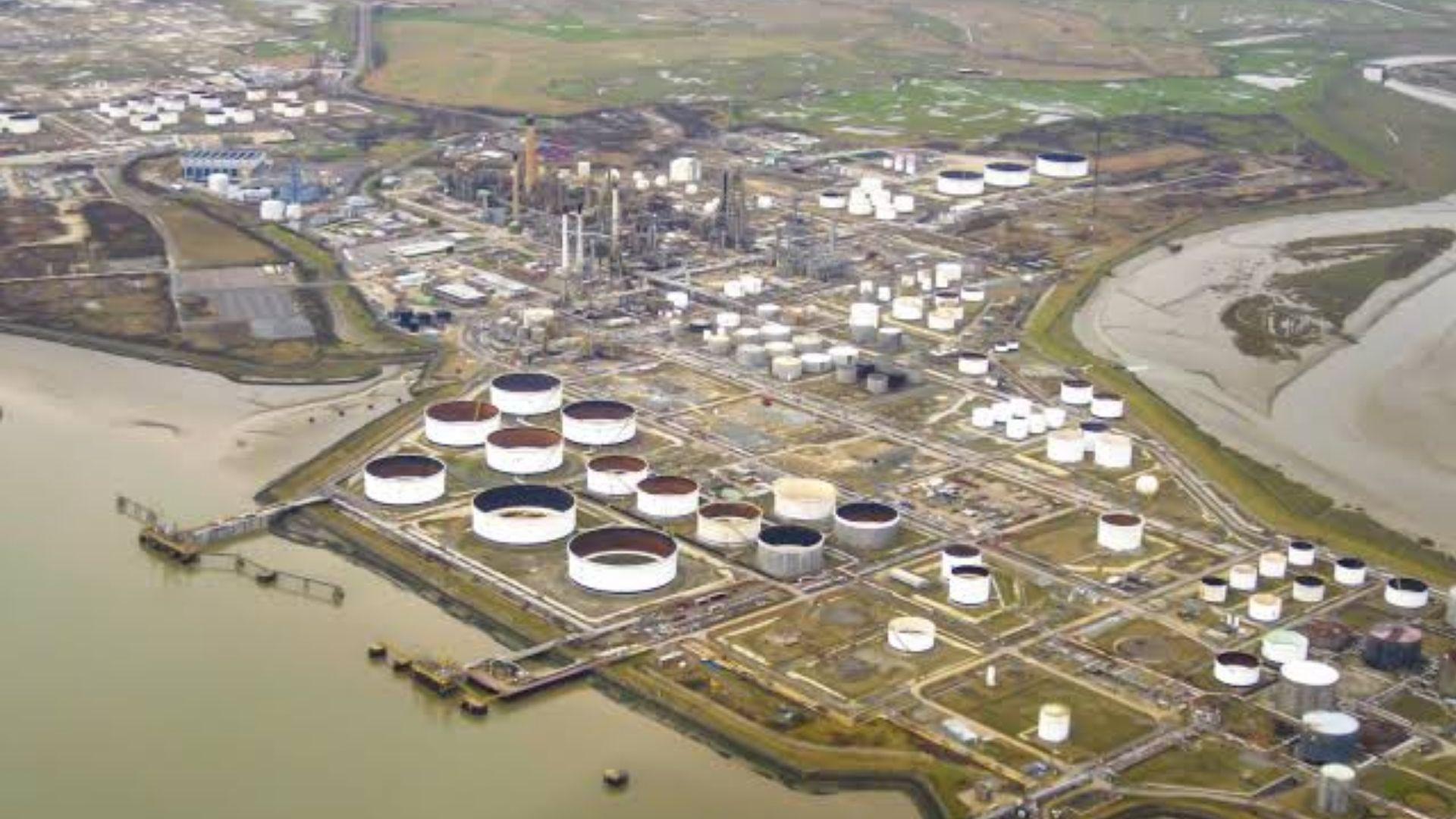
The former Coryton Refinery in Essex, England, was used to create several industrial settings seen in Andor. Its large pipelines, storage tanks, and heavy industrial infrastructure made it an ideal stand-in for Imperial facilities.
Production designers enhanced the location with additional props, lighting, and visual effects to match the futuristic aesthetic of the series. Using an existing refinery saved time while giving the environments a realistic, lived-in appearance.
The location's scale and authentic industrial features helped reinforce the gritty tone that distinguishes Andor from many other productions in the Star Wars franchise.
Black Park
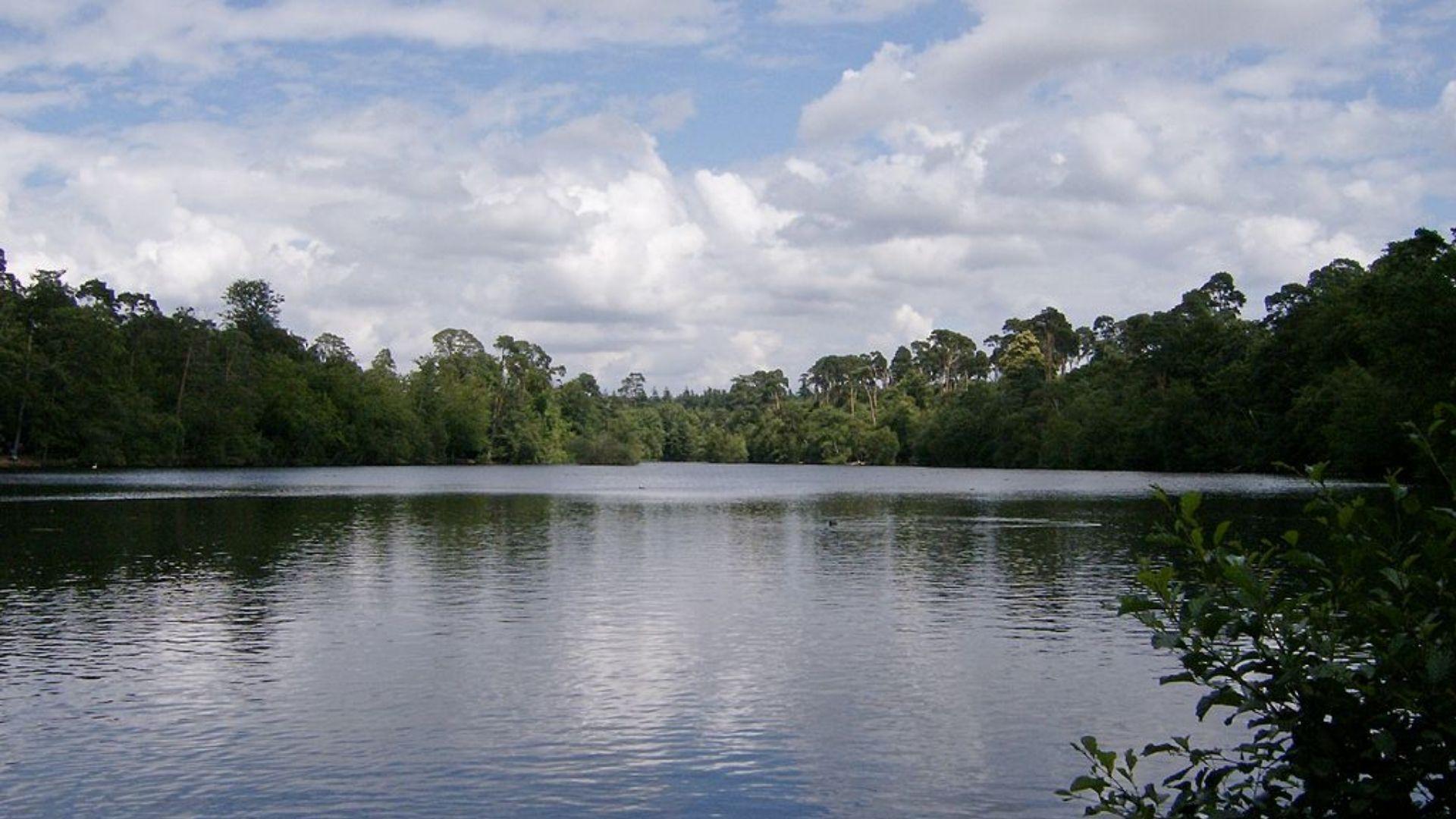
Black Park, located near Pinewood Studios in Buckinghamshire, was another important outdoor filming location for Andor. The park's dense woodland, open clearings, and winding trails provided a flexible setting that could represent several different planets.
Because it is located close to the studio, the crew could easily transport equipment and actors between indoor sets and outdoor scenes. Black Park has also appeared in numerous films and television series thanks to its diverse natural landscape.
For Andor, it became an important backdrop for scenes requiring forests and secluded wilderness without leaving the United Kingdom.
Winspit Quarry
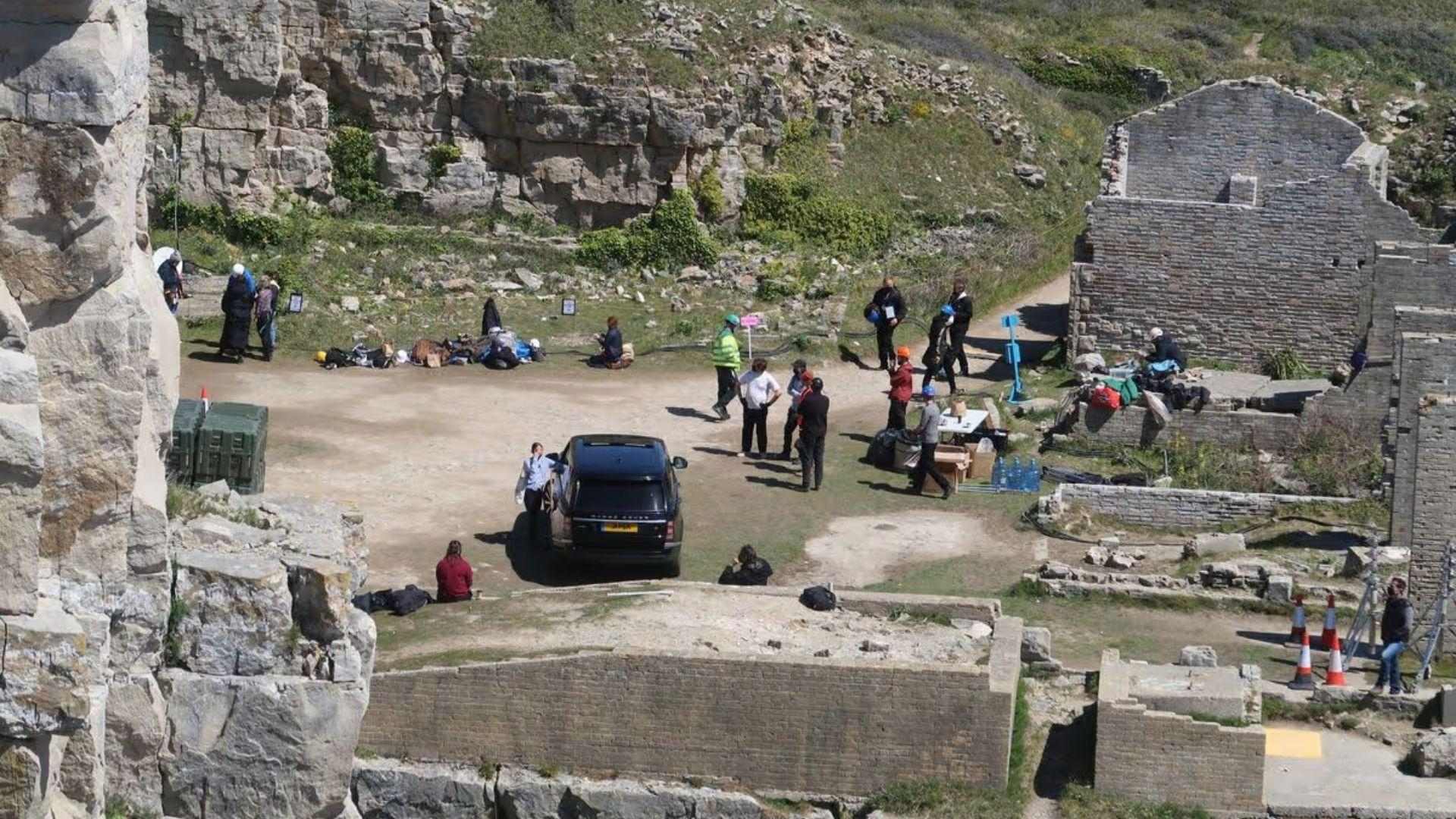
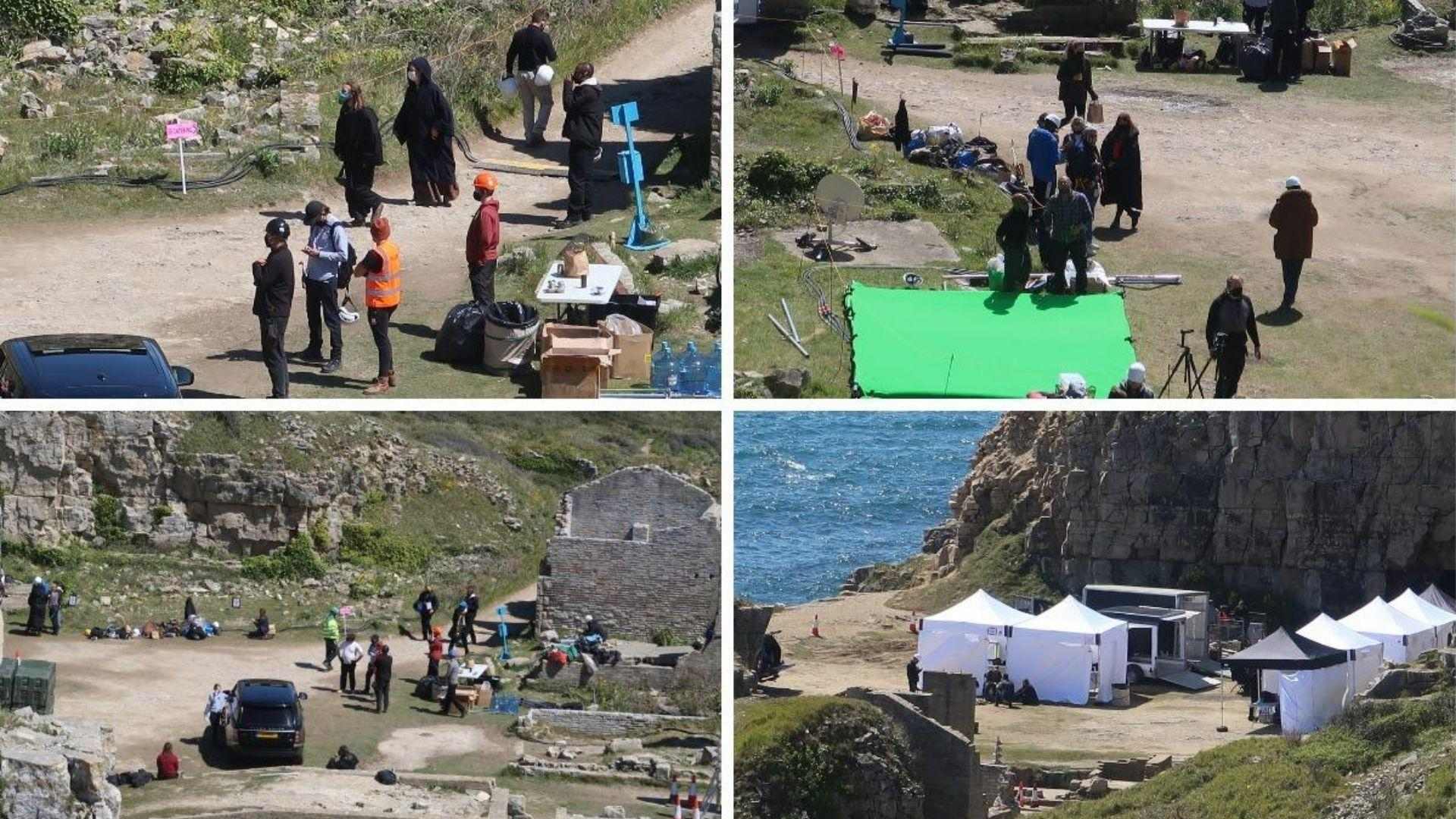
Winspit Quarry in Dorset contributed its rugged cliffs and abandoned stone quarry to the visual world of Andor. The site's rocky terrain and weathered appearance created an ideal setting for remote planetary environments.
Over the years, Winspit Quarry has appeared in several well-known productions including Doctor Who, because of its distinctive landscape.
For Andor, production designers combined the natural rock formations with practical props and digital enhancements to create believable alien scenery. The quarry's dramatic features required very little modification, making it one of the series' most visually impressive outdoor locations.
Middle Peak Quarry
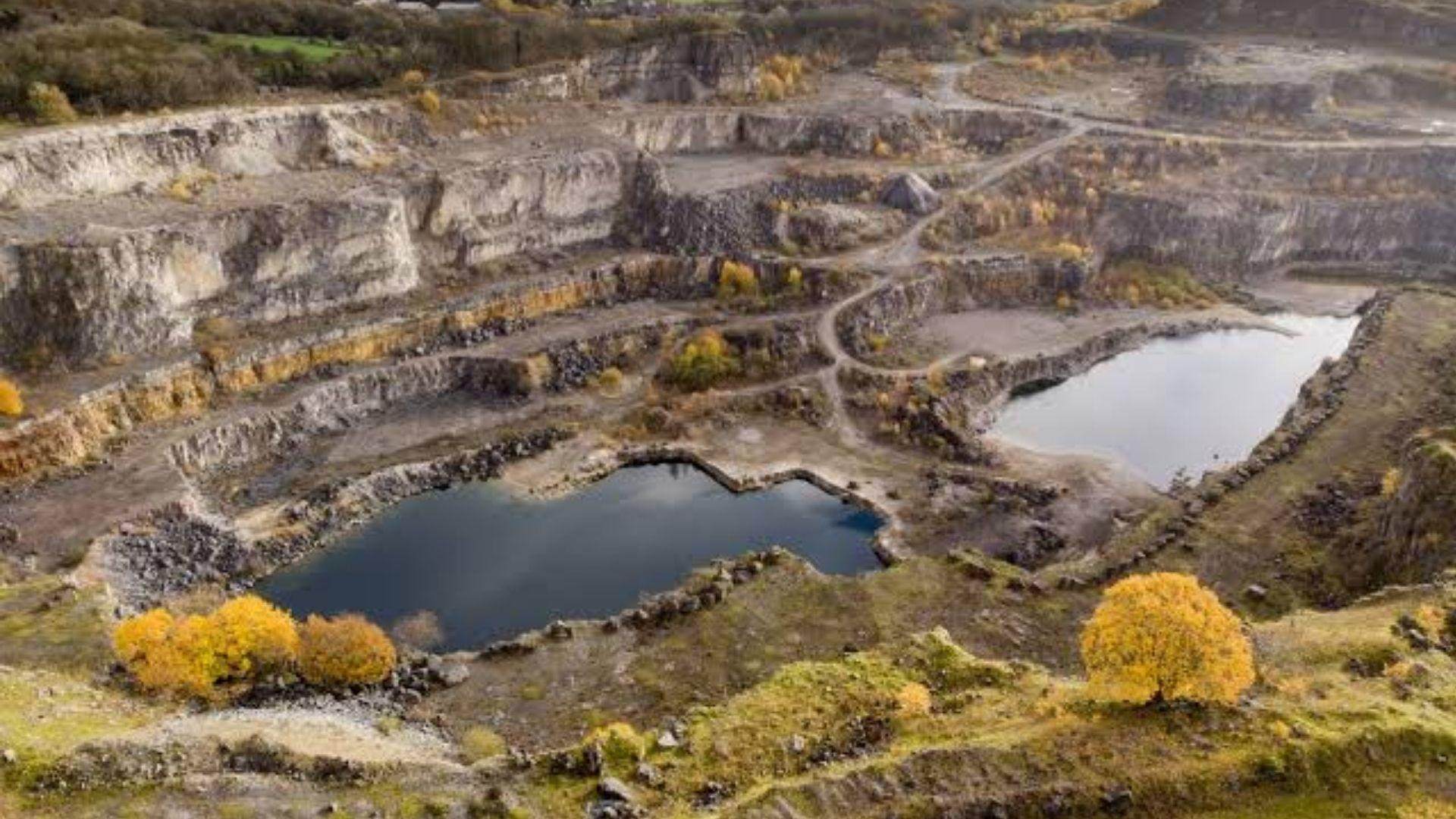
Middle Peak Quarry in Derbyshire was also used during the production of Andor. Its expansive limestone landscape offered a stark, rugged environment that fit perfectly with the series' grounded visual style.
The quarry's exposed rock faces and open terrain gave filmmakers a versatile backdrop that could represent distant planets within the Star Wars galaxy.
By combining the natural scenery with practical set elements and subtle visual effects, the production created convincing science fiction environments while preserving the authentic feel of the location.
The quarry demonstrates how real-world landscapes played a major role in shaping the series' appearance.
Can You Visit These Locations Today?
Yes, many of Andor's outdoor filming locations can still be visited. Places such as Cruachan Dam, Black Park, and Winspit Quarry are accessible to the public, although some may have restricted areas or seasonal access guidelines.
Visitors can visit these landscapes and compare them with scenes from the series, even though many cinematic details were added during production.
Several London locations used in Season 2 are also open to the public. The Barbican Centre, Guildhall, and the exterior of the Lloyds Building can all be visited. The Barbican in particular is easy to walk around, and its concrete brutalist walkways are a striking real-world echo of the Coruscant scenes.
Since these are real destinations rather than purpose-built attractions, fans should follow local guidelines and respect the natural environment. Visiting these locations offers a chance to experience the real places that helped bring Andor to life.
Where Were the Indoor Scenes Filmed?
While many scenes were filmed outdoors, much of Andor was also produced on large studio sets that recreated towns, interiors, and Imperial facilities in remarkable detail.
Pinewood Studios
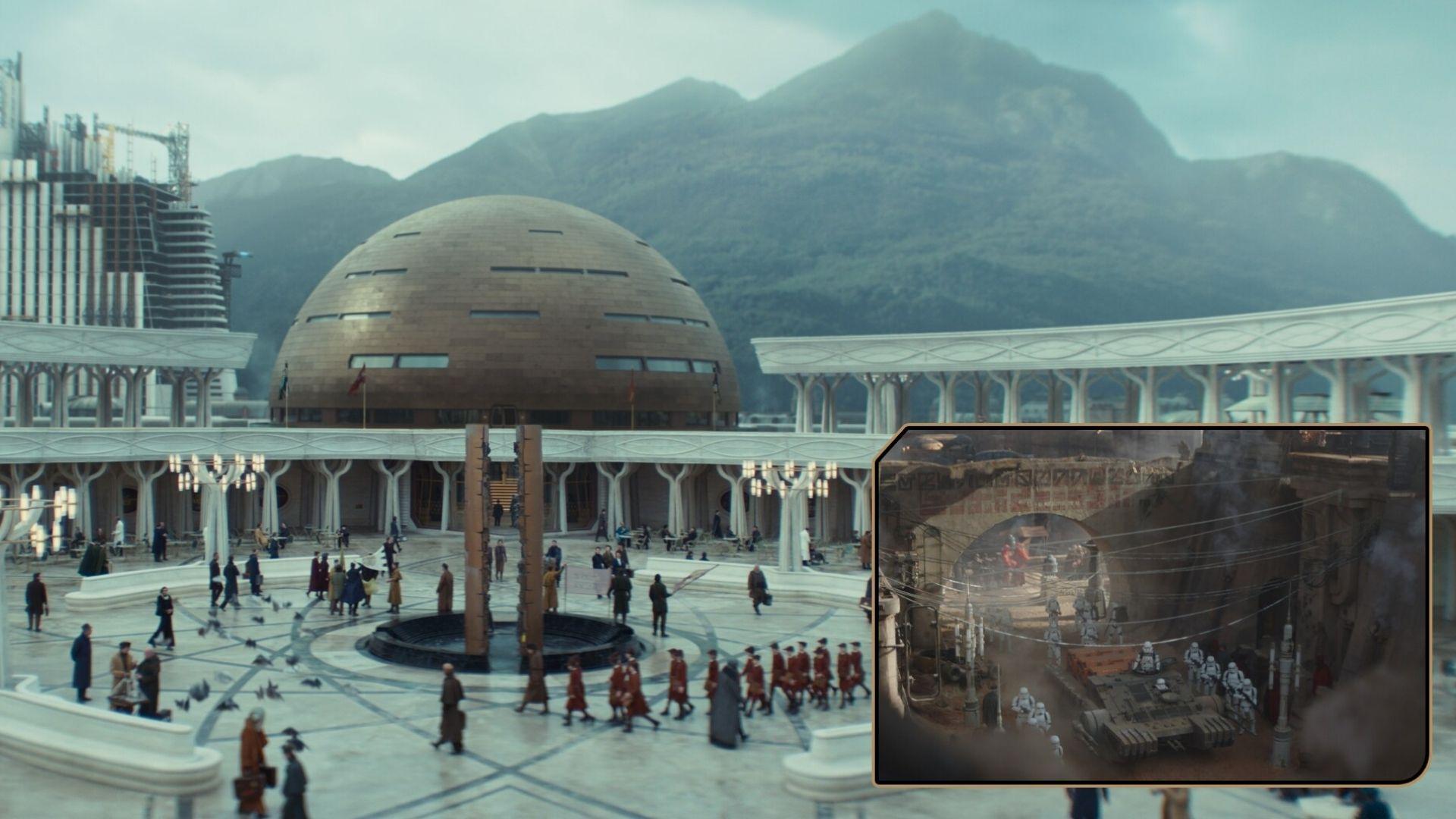
Stormtrooper inset image.
Most of Andor's indoor scenes were filmed at Pinewood Studios in Buckinghamshire, England. One of the world's most well-known film studios, Pinewood provided the space needed to build large practical sets for the series.
Instead of depending heavily on digital environments, the production constructed detailed streets, buildings, corridors, homes, and Imperial interiors that actors could physically interact with.
These sets allowed filmmakers to create a consistent visual style while maintaining complete control over lighting, sound, and camera movement. Pinewood Studios became the central production hub, supporting nearly every stage of filming throughout the series.
Longcross Studios
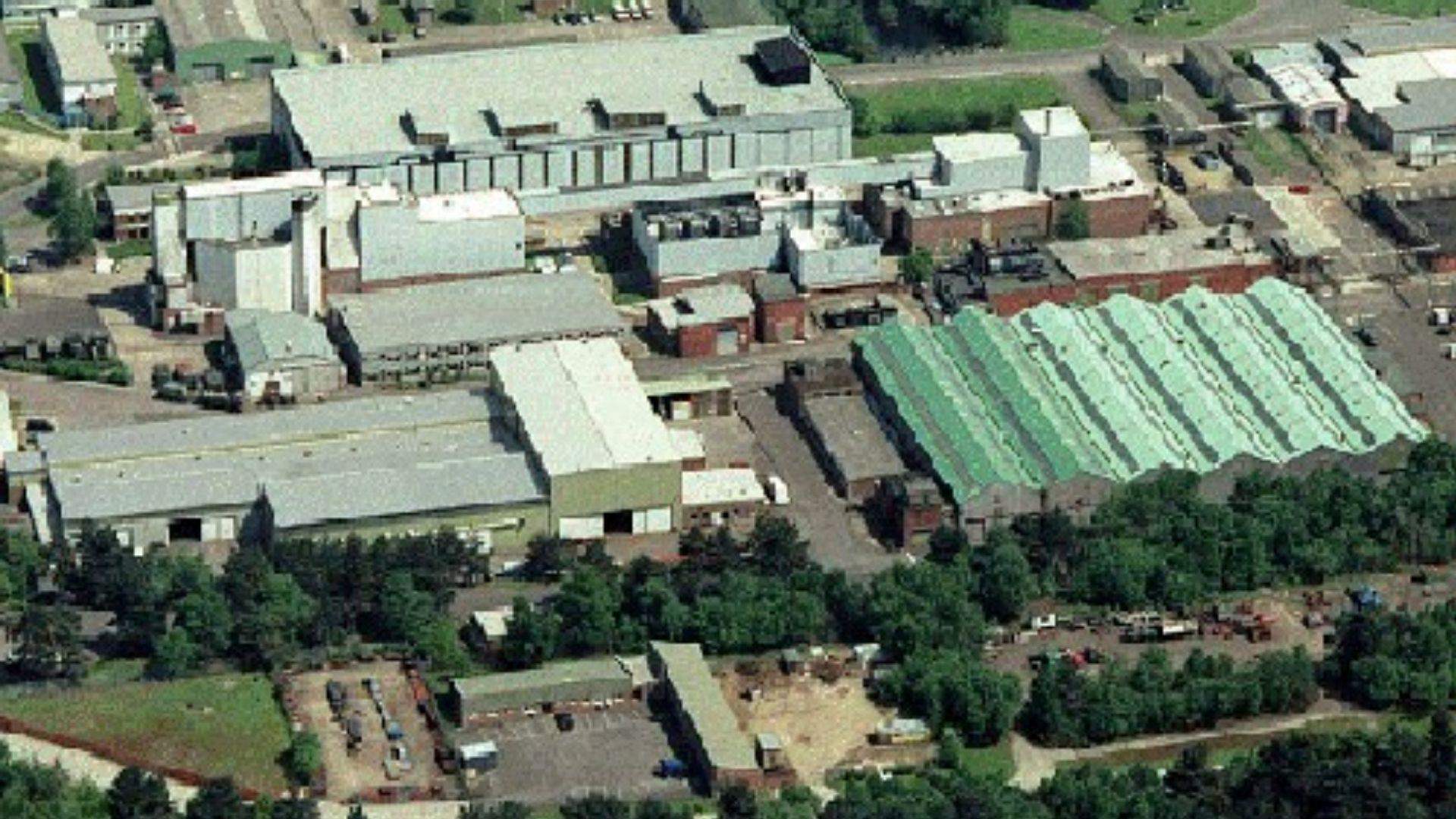
Longcross Studios in Surrey served as a secondary studio base for the production. Like Pinewood, it provided large stages and backlot space that could house major set builds.
Having two UK studio facilities available gave the crew flexibility to run multiple sets at the same time, helping keep the ambitious production on schedule.
Large Practical Sets
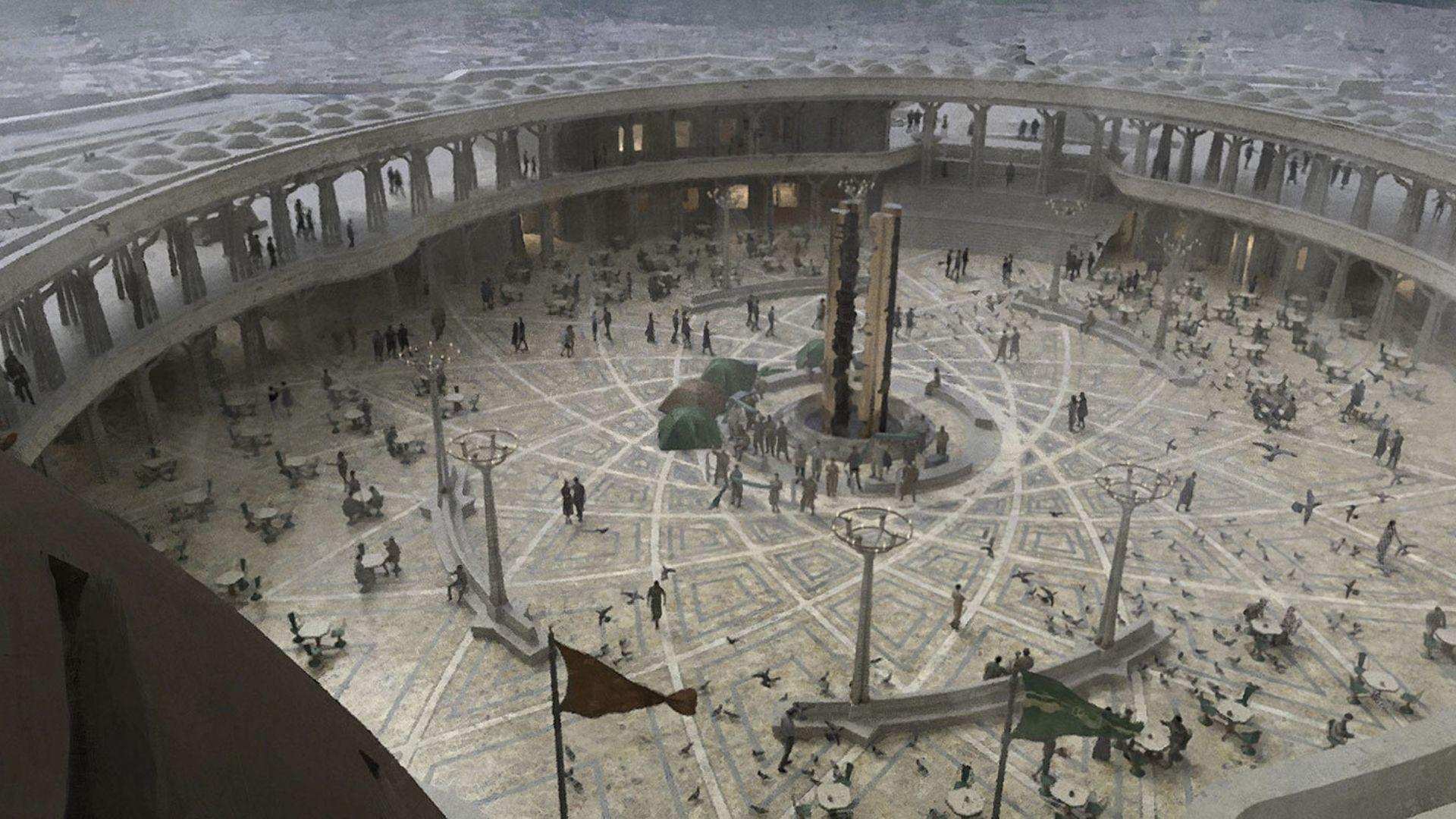
One of Andor's defining production choices was its use of large practical sets. Entire neighborhoods, marketplaces, prisons, and government buildings were built inside the studio rather than being created entirely with computer-generated imagery.
This gave the environments a natural sense of scale and realism that is visible throughout the series. Actors could move through fully constructed locations, making performances feel more authentic and helping camera movements appear seamless.
Practical sets also allowed production designers to include detailed textures, props, and architectural elements that made each fictional world feel believable and lived in.
Why the Production Preferred Physical Sets
The creators of Andor wanted the series to feel grounded and realistic, which is why they chose physical sets whenever possible.
Real environments provided natural lighting, realistic textures, and spaces where actors could interact with their surroundings instead of imagining digital backgrounds.
This approach also reduced the need for extensive visual effects during filming and gave directors greater flexibility when planning camera angles. Building practical sets required significant effort, but it helped create a cinematic look that many viewers appreciated.
The production's commitment to real environments became one of the show's most praised visual strengths.
Studio Filming vs. Location Filming
Andor successfully combined studio production with real-world filming locations to create its distinctive visual style.
Outdoor locations across England and Scotland provided dramatic landscapes and authentic scenery, while Pinewood Studios and Longcross Studios supplied carefully built interiors and large-scale sets.
This balance allowed the production to capture natural environments without sacrificing the control that comes with studio filming. Indoor scenes benefited from predictable lighting, weather, and sound conditions, while outdoor locations added realism and variety.
Together, these filming methods created a seamless viewing experience, making the fictional planets feel convincing throughout the series.
Why Did Andor Film in So Many Real Locations?
One of the biggest reasons Andor feels different from many recent science fiction series is its commitment to filming in real locations.
Creator Tony Gilroy wanted the environments to look authentic, so the production chose actual forests, quarries, dams, and industrial sites instead of relying primarily on digital backgrounds.
Real landscapes provided natural lighting, textures, and depth that helped make each planet feel believable. This practical approach also gave actors realistic settings to interact with, resulting in more natural performances.
While visual effects were still used, they mainly enhanced existing locations rather than replacing them entirely.
Combining real-world scenery with detailed studio sets allowed the production to create a grounded visual style while keeping filming efficient and consistent throughout the series.
Filming Locations Used Throughout the Series
As the story expanded, Andor continued to use a combination of returning locations, newly selected sites, and large studio sets to create different worlds across the series.
Season 1 Filming Locations
Season 1 of Andor was filmed across several locations in England and Scotland, alongside extensive work at Pinewood Studios and Longcross Studios.
Outdoor scenes used forests, quarries, industrial sites, and the famous Cruachan Dam to represent various planets and Imperial facilities. At the same time, large studio sets recreated towns, homes, prisons, and government buildings.
This combination of real landscapes and practical construction gave the first season its grounded appearance.
Rather than depending heavily on computer-generated environments, the production blended authentic locations with carefully designed sets to create a believable Star Wars universe.
Season 2 Filming Locations
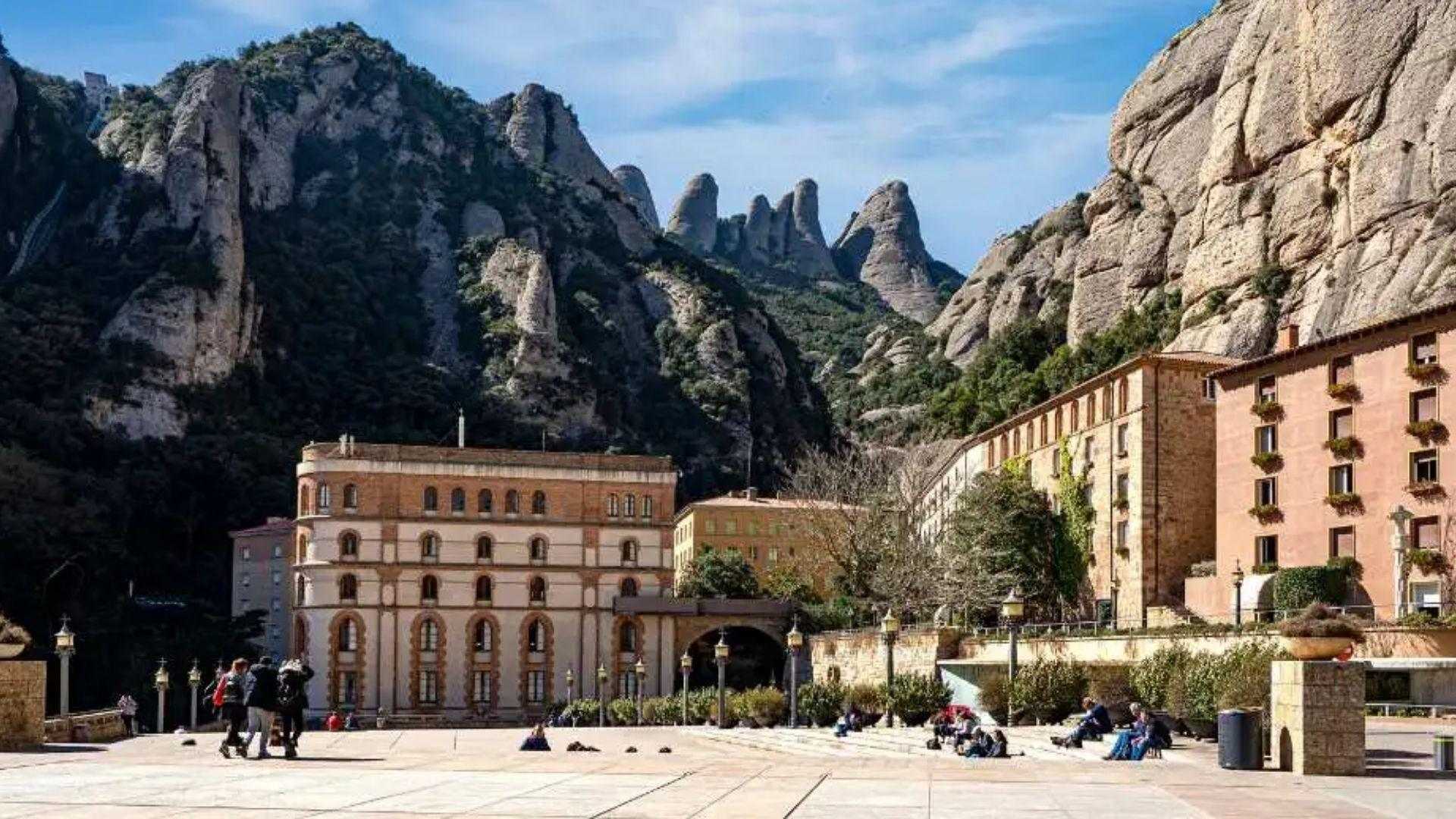
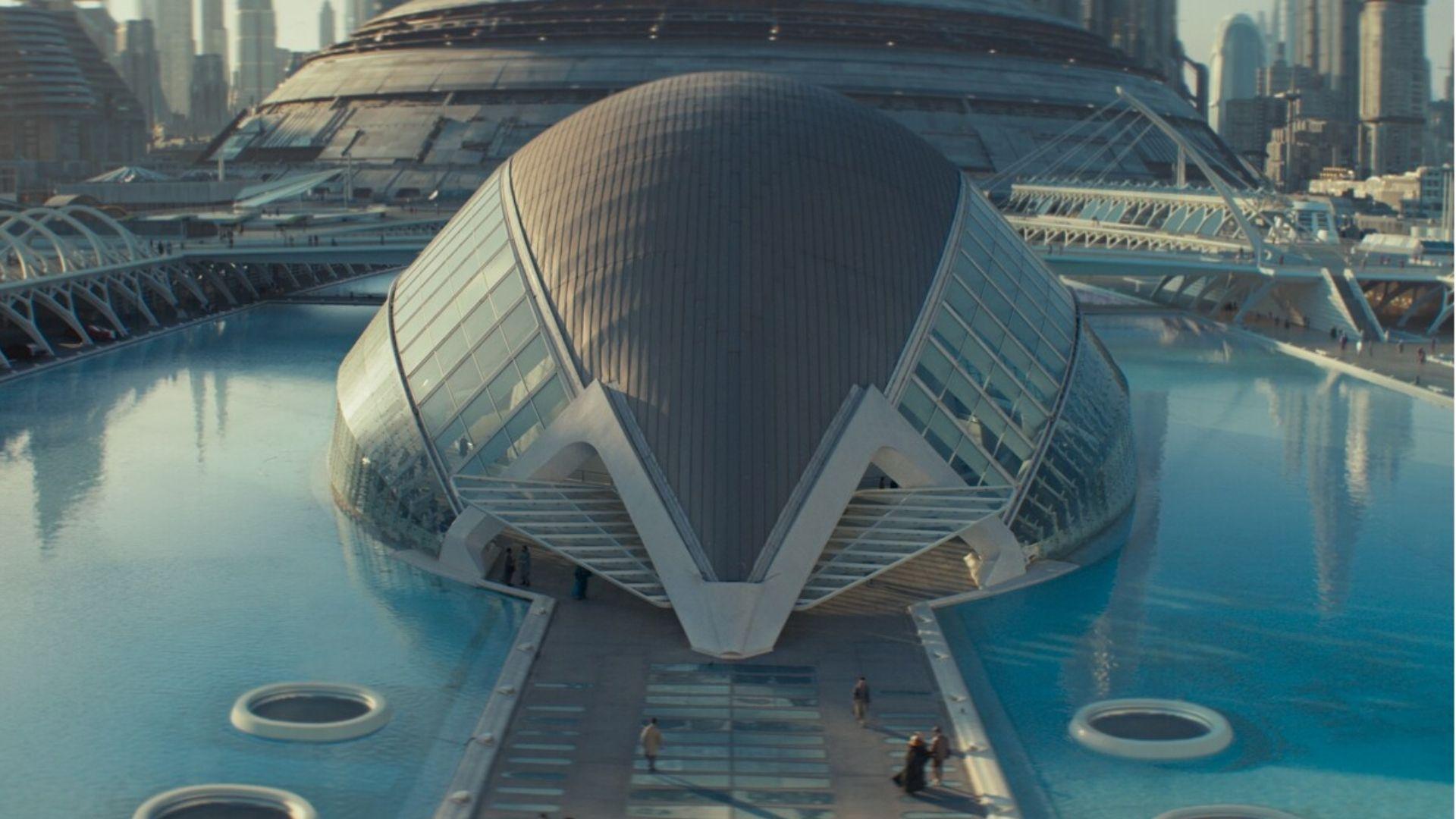
Season 2 continued filming primarily in the United Kingdom while introducing additional locations to support the story's expanding scope. The production also traveled to Spain, using the Castell de Xàtiva near Valencia as a filming location.
Xàtiva's historic castle and architecture gave the show new visual textures that hadn't appeared in Season 1. Returning studio facilities at Pinewood and Longcross remained central to production, while crews also visited new outdoor sites across England and Scotland.
London played a bigger role in Season 2 than in Season 1. The Barbican Centre's concrete walkways stood in for Coruscant, the Imperial capital planet.
The Guildhall courtyard in the City of London appeared as the planet Ghorman, where Cassian goes undercover to assess local resistance to the Empire. The Lloyds Building at 1 Lime Street appeared as a meeting point for key characters.
Returning Filming Sites
Several filming locations from the first season were reused throughout the production because they fit naturally into the series' realistic style.
Pinewood Studios remained the primary studio base, while outdoor locations such as Black Park and other UK sites continued to provide forests, rocky landscapes, and industrial settings.
Reusing familiar locations also helped maintain visual continuity between episodes and seasons. With different camera angles, set extensions, and visual effects, the same location could represent multiple planets or entirely different areas within the Star Wars galaxy without appearing repetitive to viewers.
How Locations Helped Build the Star Wars Universe
Real filming locations played a major role in shaping the visual identity of Andor. Instead of creating every environment digitally, the production used actual landscapes as the foundation for its fictional worlds.
Forests, mountains, quarries, dams, and industrial complexes gave each planet a distinct appearance while maintaining a realistic atmosphere. Practical sets blended naturally with these locations, making it difficult to tell where the real environment ended and visual effects began.
This careful combination of location filming and studio work helped create one of the most grounded and believable settings in the Star Wars franchise, and a clear step forward from the heavy virtual production seen in other recent Disney+ series.
Fun Facts About Andor Filming
The production used an impressive mix of practical sets and real-world landscapes to bring the Star Wars galaxy to life.
- Most filming locations are real:Many planets seen in Andor were created using actual landscapes across England and Scotland rather than fully digital environments.
- Virtual production was used sparingly:Unlike several recent Star Wars series, Andor relied much more on practical locations and physical sets.
- Cruachan Dam became an Imperial facility:The massive Scottish dam was adapted into one of the series' most memorable Imperial locations with minimal visual effects.
- Quarries became distant planets: Locations such as Winspit Quarry and Middle Peak Quarry were redesigned to represent worlds in the Star Wars galaxy. Winspit had already appeared in Doctor Who, making it one of the UK's busiest genre filming spots.
- Two studio bases were used: Pinewood Studios and Longcross Studios both hosted major set construction, giving the crew room to build multiple environments at the same time.
- Season 2 used Spain:The Castell de Xàtiva near Valencia, Spain, added a new visual layer to the series that the UK locations alone could not provide.
- London stood in for the galaxy:The Barbican Centre, Guildhall, and the Lloyds Building all appeared in Season 2, representing Imperial and alien settings without leaving the city.
Conclusion
I hope this guide helped answer your questions about where was Andor filmed and gave you a closer look at the real places behind the series.
I always find it fascinating when productions use actual locations because they add a level of realism that's hard to miss, and Andor does that exceptionally well.
If you're ever traveling the UK or visiting Spain, some of these places are worth adding to your itinerary. Have a favorite filming location from the show?
Leave a comment below, share this guide with other fans, or try our related filming location articles.
Frequently Asked Questions
Where were the Andor prison scenes filmed?
Many prison scenes were filmed on large practical sets built at Pinewood Studios and Longcross Studios. Some exterior shots also incorporated real-world industrial locations.
Was Andor filmed at Pinewood Studios?
Yes. Pinewood Studios in Buckinghamshire served as the main production base, where many interiors, streets, and large-scale sets were constructed.
Were any Andor scenes filmed in London?
Yes. Season 2 used several London landmarks, including the Barbican Centre, Guildhall, and the Lloyds Building. Each appeared as a different fictional planet or Imperial location.
