
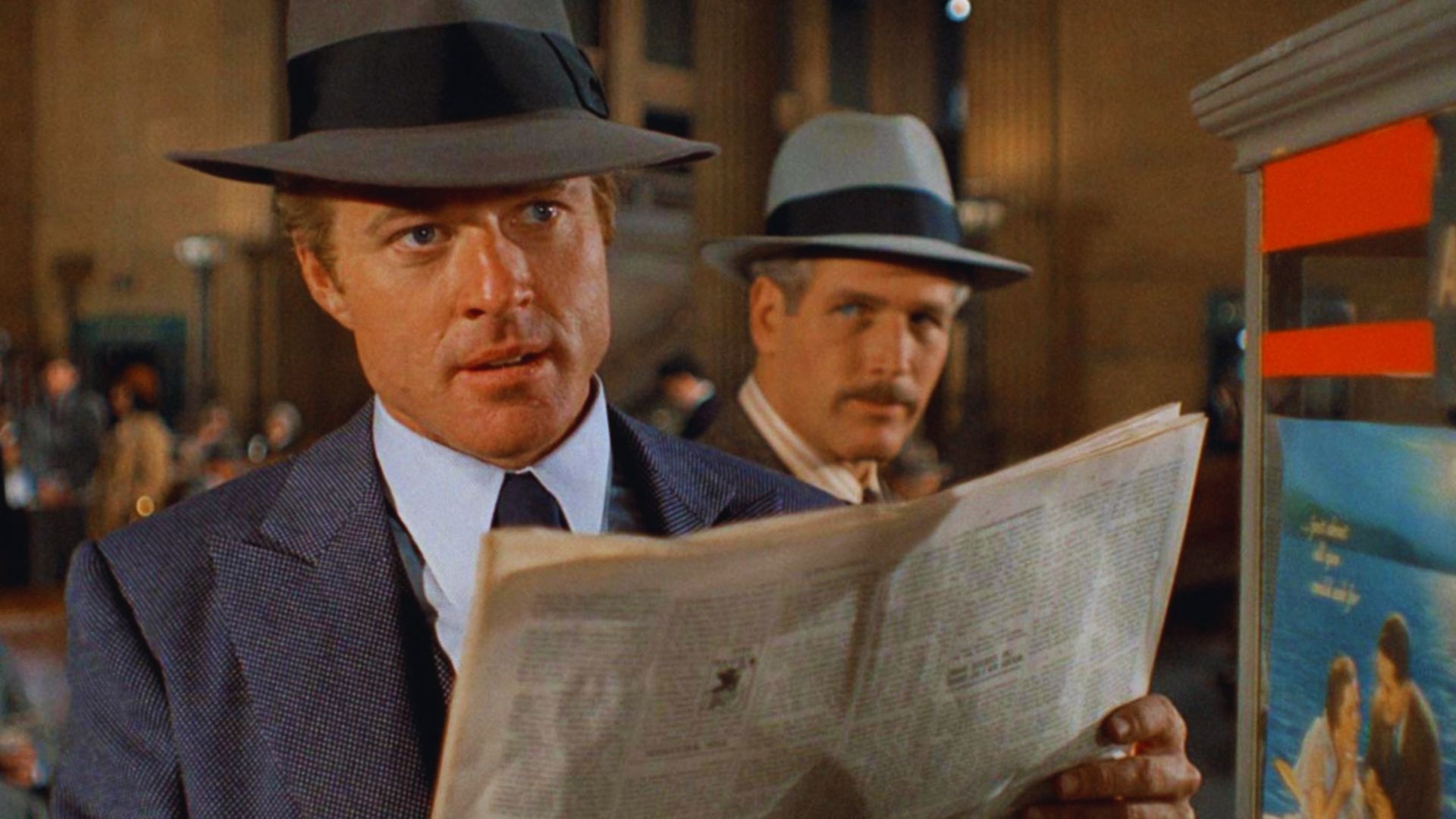
Ever watched The Sting and wondered where those scenes were actually filmed? You are not alone.
This article gives you a complete breakdown of every filming location, from Los Angeles backlots to real Chicago landmarks. I have done the research so you do not have to.
We will cover why certain places were chosen, what you can still visit today, and some interesting behind-the-scenes facts.
I have spent time going through production details so this guide is accurate and easy to follow. Simple, clear, and honest.
If you love film history, this one is for you.
The Sting Filming Locations Overview
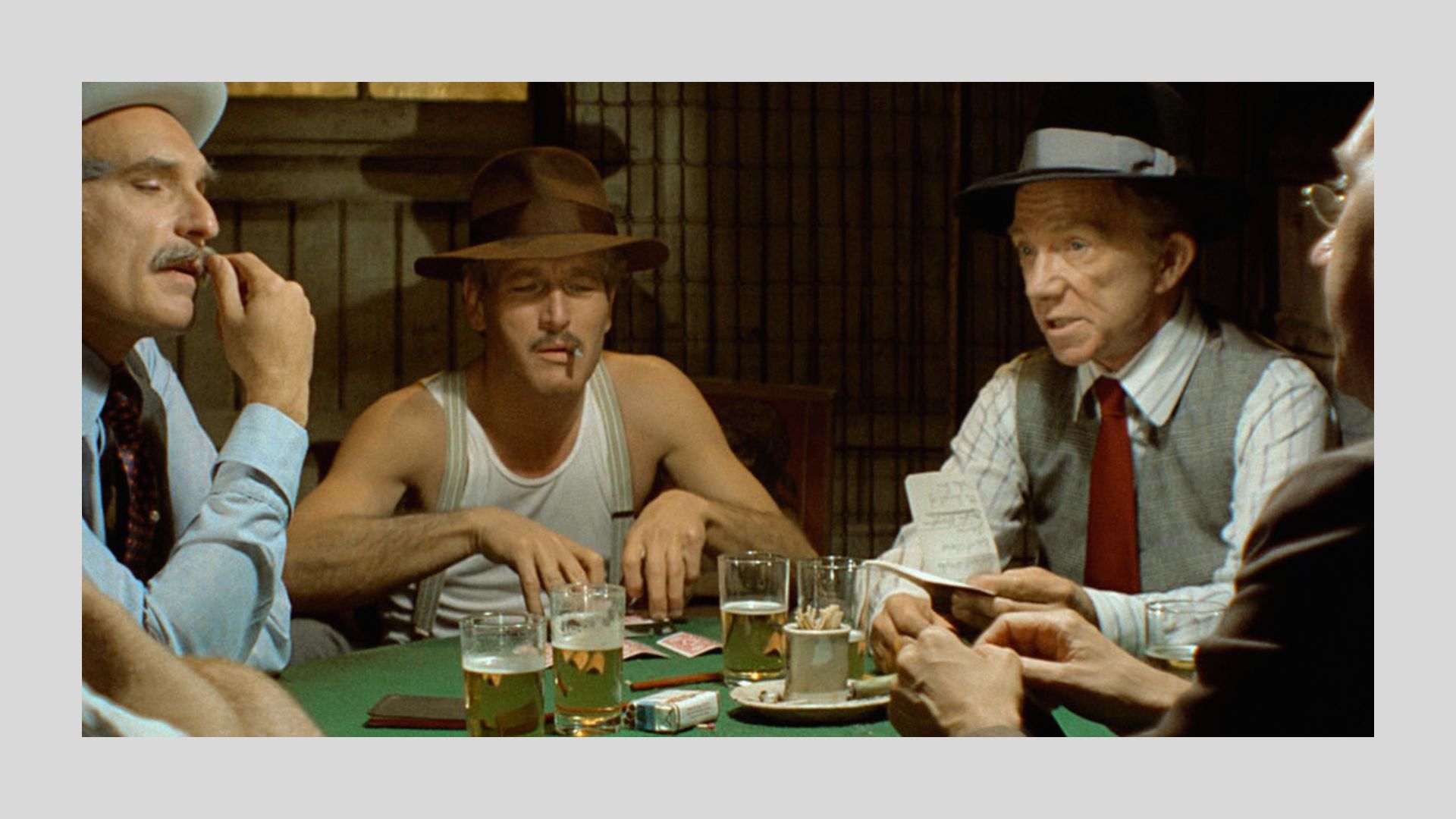
The Sting (1973) is set in 1930s Chicago, but most of it was not filmed there. The production team used a smart mix of Los Angeles sets and real Chicago locations.
Chicago was chosen because it fit the story perfectly.
The city had a strong history tied to underground gambling, crooked cops, and organized crime. That gave the film its gritty, lived-in feel.
Los Angeles was used for practical reasons. Studio backlots already had period-correct streets built. Older buildings in Pasadena and San Pedro had the right look.
With smart camera angles and set dressing, they passed easily for 1930s Chicago and New York.
Filming Locations in Los Angeles, California
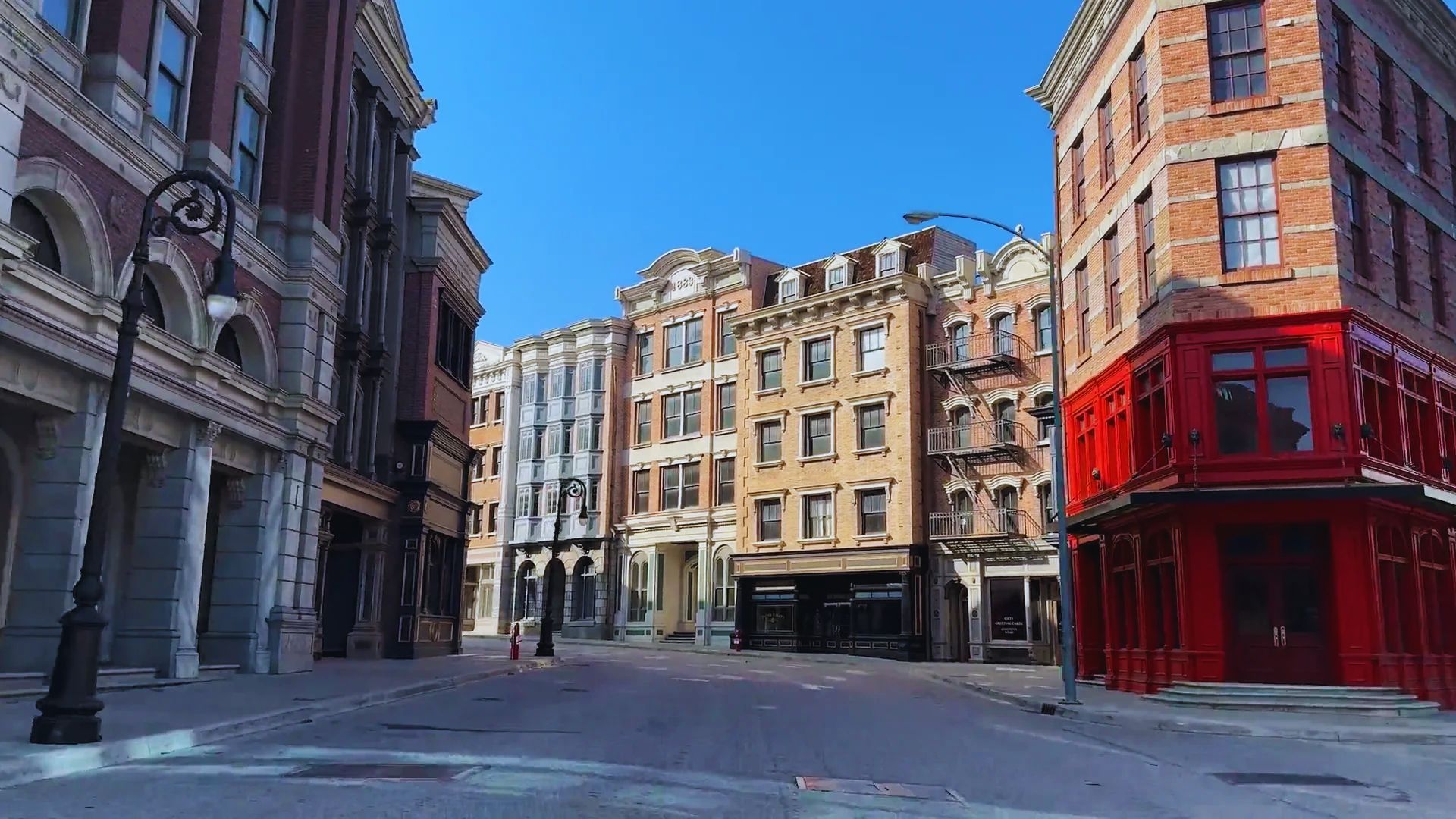
Most of The Sting was filmed in LA. Here are the key spots the crew used.
Universal Studios Backlot (Main Street Set)
The Universal Studios backlot served as the main filming location for The Sting. The production team used the existing Main Street set to recreate the look of 1930s Chicago.
This backlot had already been built for other period films. The streets, storefronts, and building facades gave the crew exactly what they needed. With some props, signs, and costume work, it became a convincing stand-in for Depression-era Chicago.
The controlled environment also meant the director, George Roy Hill, could plan shots more carefully without worrying about traffic or public interference.
Santa Monica Pier (Looff Carousel)
The iconic carousel scene in The Sting was filmed at the Looff Carousel on Santa Monica Pier. In the film, it appears as the location where Henry Gondorff, played by Paul Newman, lives and works.
The real Santa Monica Pier has a coastal feel that is nothing like Chicago. But smart framing and camera work hid the ocean backdrop. Only specific angles were used to keep the Chicago illusion alive.
The Looff Carousel is one of the oldest in the country and is still running today. If you visit, you will recognize it immediately.
Castle Green Apartments, Pasadena
The Castle Green building in Pasadena was used for two important scenes. It doubled as the high-end gambling casino in “New York” and also stood in for hotel interiors.
Castle Green is a beautiful old building with grand hallways, ornate staircases, and large rooms. It had the kind of old-money look that the script required for a luxurious gambling den.
The building is still standing and has been used in many other films and TV shows over the years. It was chosen partly because of budget limitations. Renting this existing building cost far less than building a new set from scratch.
Commercial and Savings Bank, Pasadena
For the bank scenes, the crew used the lobby of the Commercial and Savings Bank in Pasadena. The space had Italian marble floors and high ceilings that gave it the grand, formal look of a major financial institution.
This kind of setting was hard to recreate on a studio lot without spending a lot of money. Using a real building saved the production budget and added genuine texture to the scene.
San Pedro Harbor (Koppel Plant)
The FBI hideout scenes were filmed at the Koppel Plant near San Pedro Harbor. This industrial location had the right rough, utilitarian look for a federal operation running quietly in the background.
San Pedro is a working harbor area in Los Angeles. Its older industrial buildings gave the scene a sense of secrecy and grit. It would not be out of place in any 1930s crime story.
Universal Studios Phantom of the Opera Set
The burlesque theatre featured in The Sting was not a real theatre. It was actually the old Phantom of the Opera set on the Universal Studios lot.
This set had already been built with detailed period architecture. The grand interior, with its stage and tiered seating, was perfect for the scene. Reusing existing sets is a common practice in Hollywood, and this one worked extremely well here.
Filming Locations in Chicago, Illinois
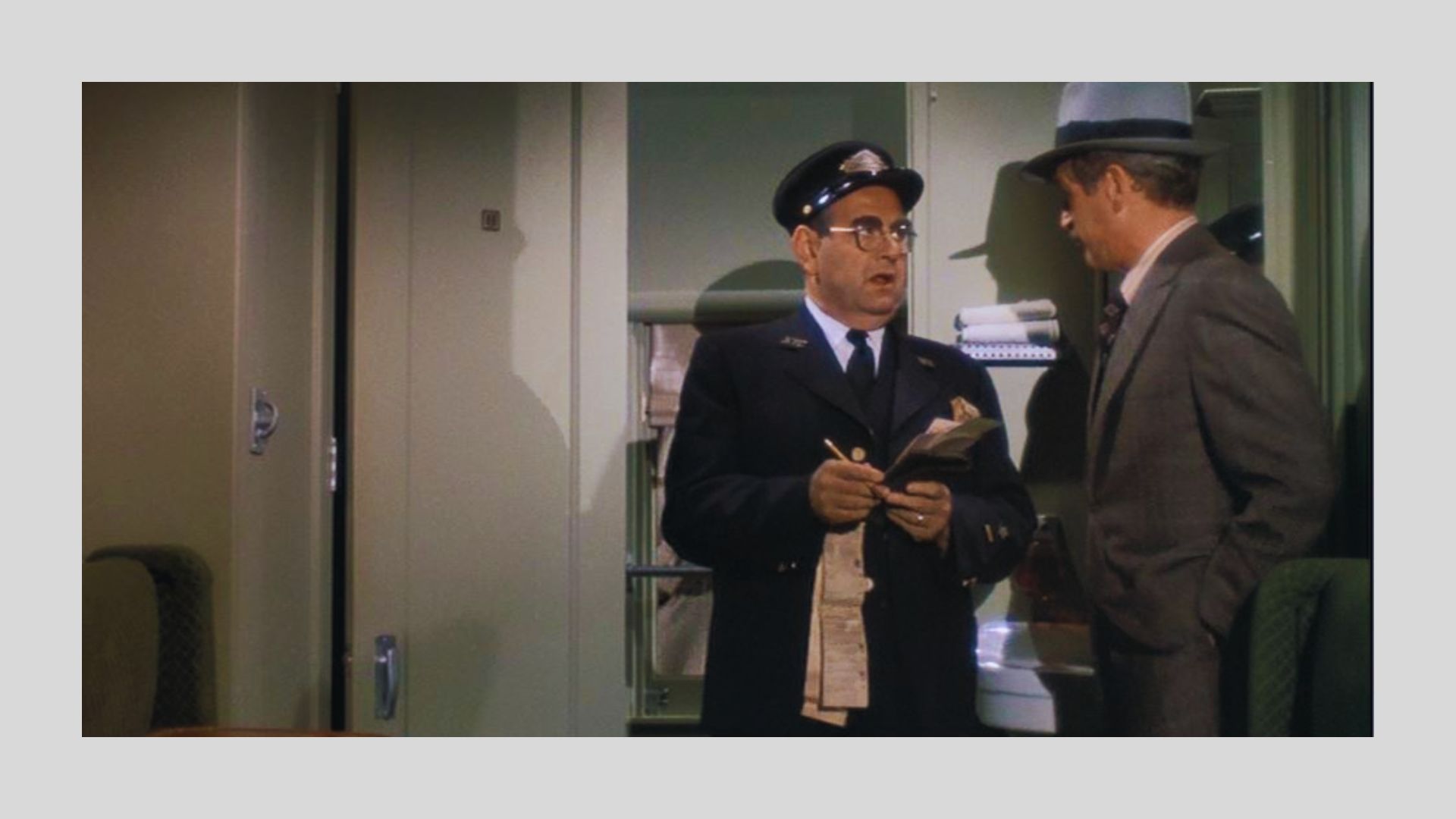
The crew did spend some time in the real Chicago. Here is what they filmed there.
Chicago Union Station
Chicago Union Station was used for several railway terminal scenes. The station’s grand concourse, with its high ceilings and classic architecture, matched the 1930s period without much modification.
Union Station is one of the most recognizable train stations in the United States. It has appeared in many films over the years. For The Sting, it helped ground the story in a real, recognizable Chicago location.
La Salle Street Station
La Salle Street Station also appeared in the film. Its exterior had the right period look for a 1930s rail scene.
The station no longer exists as a working rail hub in its original form. But at the time of filming in 1972, it still had its classic facade and atmosphere. The crew captured those details for a handful of key shots.
Illinois Central Station and Freight Yards
Additional train station scenes were filmed at Illinois Central Station and the surrounding freight yards. These locations gave the film more visual variety for its railway sequences.
Freight yards in particular have a raw, industrial quality that worked well for the tone of The Sting. They added realism without requiring any major set dressing.
Real Chicago Shooting Schedule
The crew spent about one week filming on location in Chicago. That is a very short window for a major production. But the goal was not to film the bulk of the story there.
The Chicago footage served mainly as establishing shots. These are the wide-angle, street-level images that tell the audience “you are in Chicago now.” Once that was set up visually, the story could continue on the Los Angeles sets without breaking the illusion.
Behind the Scenes of The Sting Filming
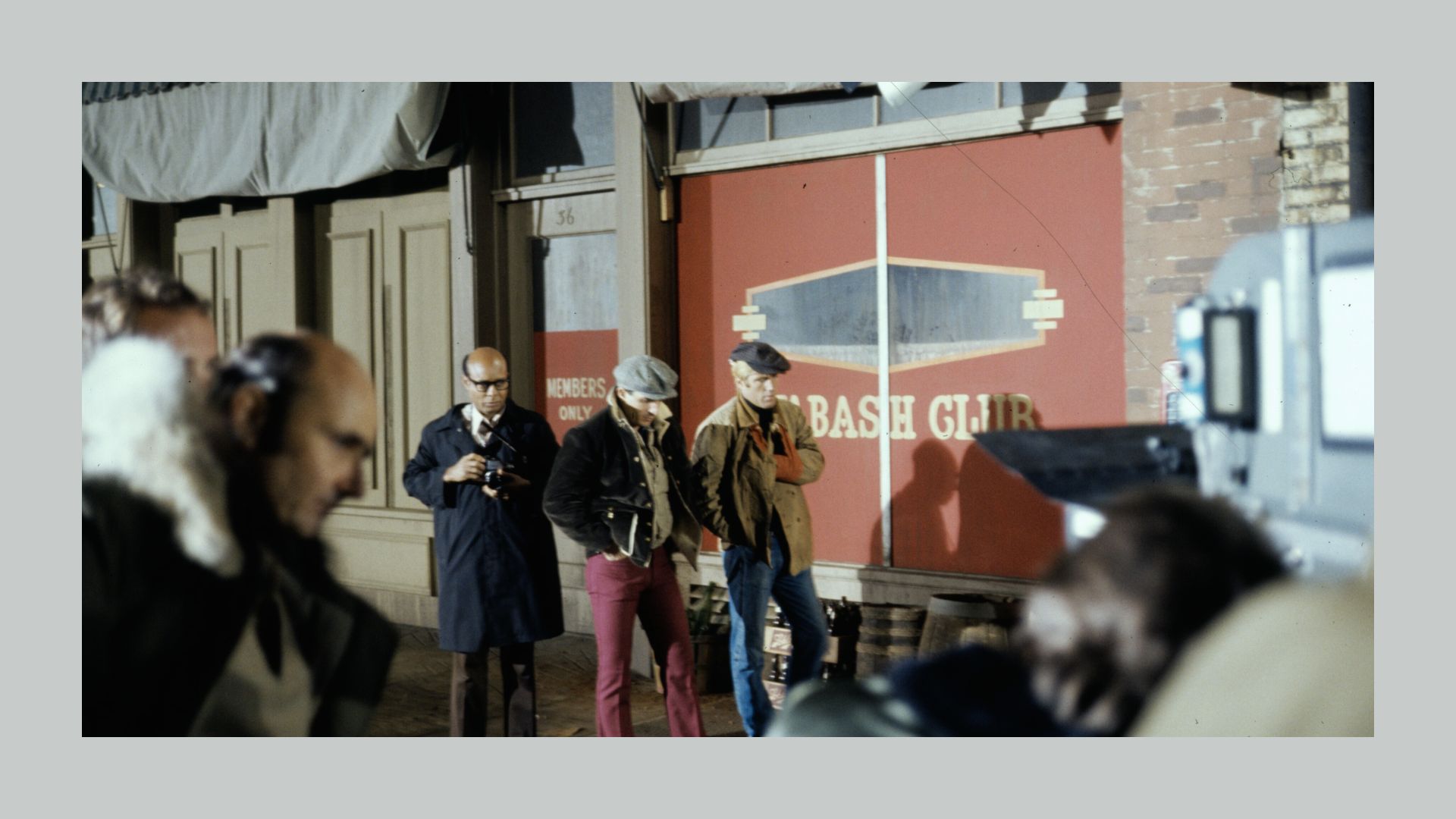
What happened off-camera was just as interesting as what happened on it.
How Los Angeles Became 1930s Chicago
Turning modern Los Angeles into 1930s Chicago required careful set design and smart camerawork. The production team paid close attention to every detail in the frame.
Street signs, newspaper stands, clothing, cars, and storefronts all had to match the era. The crew used period vehicles throughout. Set decorators sourced authentic-looking props from the early 20th century.
Camera angles were chosen to avoid showing anything modern. Wide shots were used carefully. The result was a convincing recreation of a city and time that no longer exists.
Production Challenges and Budget Choices
The original plan may have included more on-location filming in Chicago. But budget realities pushed the production toward what was already available in Los Angeles.
Castle Green Apartments, for example, was chosen partly because it saved money. Building a set that matched its grandeur would have cost significantly more. Using real buildings with character was both practical and effective.
This kind of creative problem-solving is common in filmmaking. The best results often come from working within limits, not around them.
Interesting Production Facts
Robert Redford required police protection during some filming. His level of fame at the time made public shoots difficult without crowd control measures.
The film combined real locations, existing studio sets, and a short Chicago shoot. Very few viewers noticed the mix. That speaks to how well the production team executed the vision.
The combination of practical locations and set work helped the film feel grounded. It did not rely on special effects. Everything you see in The Sting was built, dressed, or found in the real world.
Can You Visit The Sting Filming Locations Today?
Several of these spots are still accessible to the public.
The Looff Carousel at Santa Monica Pier is still running. The pier is free to walk and easy to reach. The carousel is a protected landmark and one of the most recognizable locations from the film.
Castle Green in Pasadena is a private building today but occasionally opens for public tours during historic preservation events. Check local listings if you want to see the interior.
Chicago Union Station is fully operational. You can walk through the main concourse and see the same architectural details that appeared in the film. The Loop neighborhood still carries the spirit of historic Chicago.
The Sting’s Legacy and Awards
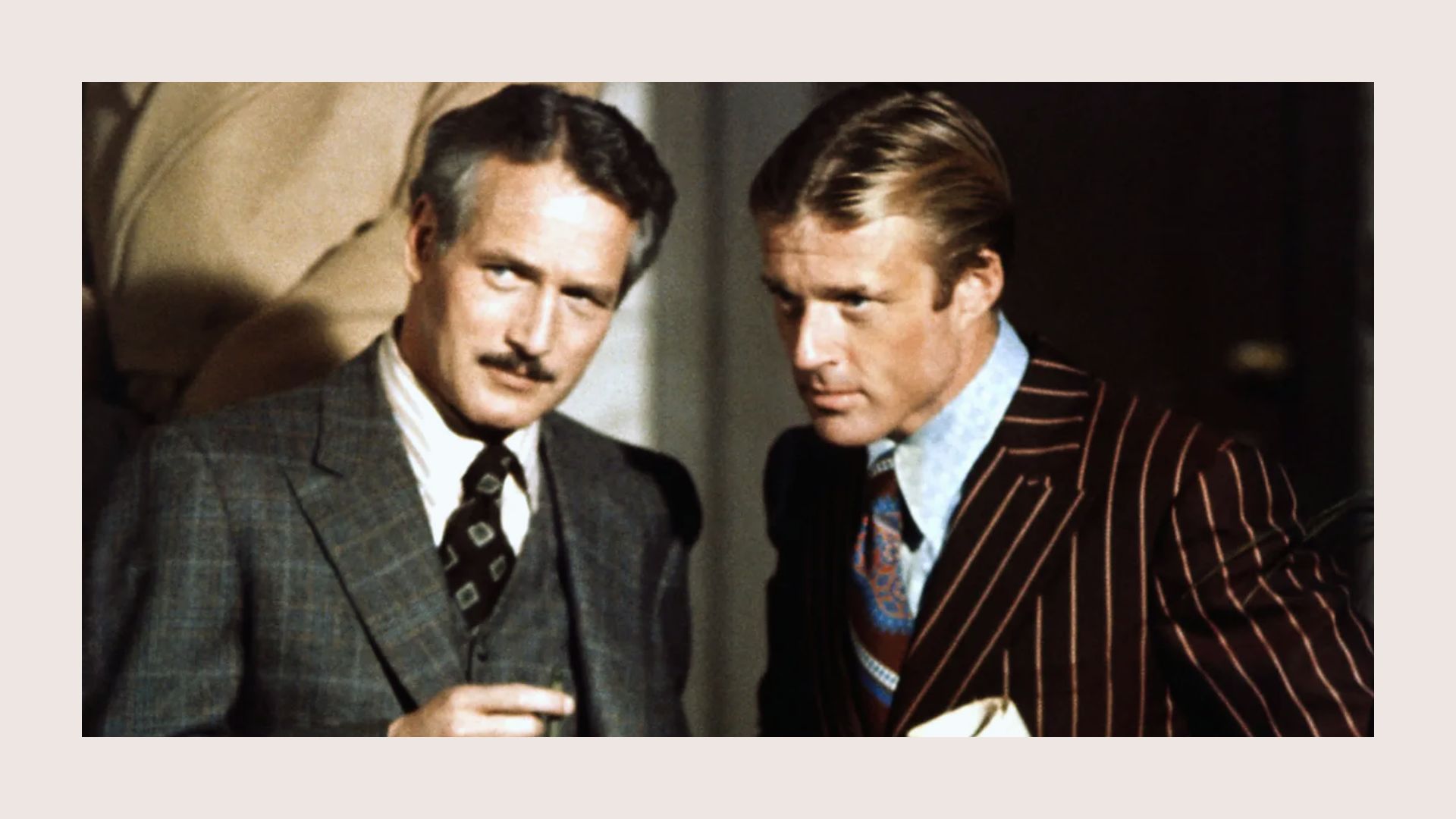
The Sting won seven Academy Awards at the 1974 ceremony, including Best Picture, Best Director for George Roy Hill, and Best Original Screenplay. It was a major achievement for a film many dismissed as simple entertainment.
The soundtrack also brought ragtime music back into popular culture, with Scott Joplin’s “The Entertainer” becoming a hit all over again.
The filming locations are a big part of why the film still holds up. Real buildings with real history give it a texture that purely digital productions often lack.
Fans still visit Santa Monica Pier and Castle Green because they want to connect with something physical. The locations are not just backdrops. They are part of the story.
Conclusion
I have always found it fascinating how a film set in Chicago was mostly made in Los Angeles. The Sting is proof that great storytelling is about vision, not just geography.
If you are planning a visit to any of these spots, go for it. Ride the carousel at Santa Monica Pier. Walk through Union Station in Chicago. You will see the film differently after that.
If you found this guide helpful, drop a comment below or share it with a fellow film fan. More location guides are waiting for you here.
Frequently Asked Questions
Where was The Sting primarily filmed?
Most of The Sting was filmed in Los Angeles, California. The crew used Universal Studios backlot, Santa Monica Pier, and several Pasadena buildings to recreate 1930s Chicago.
Did they film any scenes in the real Chicago?
Yes. The crew spent about one week in Chicago filming establishing shots at Union Station, La Salle Street Station, and Illinois Central freight yards.
Can you still visit the carousel from The Sting?
Yes. The Looff Carousel at Santa Monica Pier is still open to the public and running. It is one of the most accessible filming locations from the movie.
What building was used as the casino in The Sting?
Castle Green Apartments in Pasadena was used to film the gambling casino scenes. The building’s grand interior made it a perfect stand-in for a high-end New York operation.
How many Oscars did The Sting win?
The Sting won seven Academy Awards, including Best Picture and Best Director. It remains one of the most decorated films of the 1970s.