


What if a single script could reshape the way you think about storytelling?
I picked up the Blade Runner 2049 script expecting a straightforward read. What I found was something far more deliberate.
Every line, every pause, every silence had a reason behind it. That made me want to dig deeper.
In this blog, I’ll break down key scenes, characters, and writing techniques that make this screenplay worth studying.
By the end, you’ll see exactly why this script works on a level most films never reach.
Why Read the Blade Runner 2049 Script?
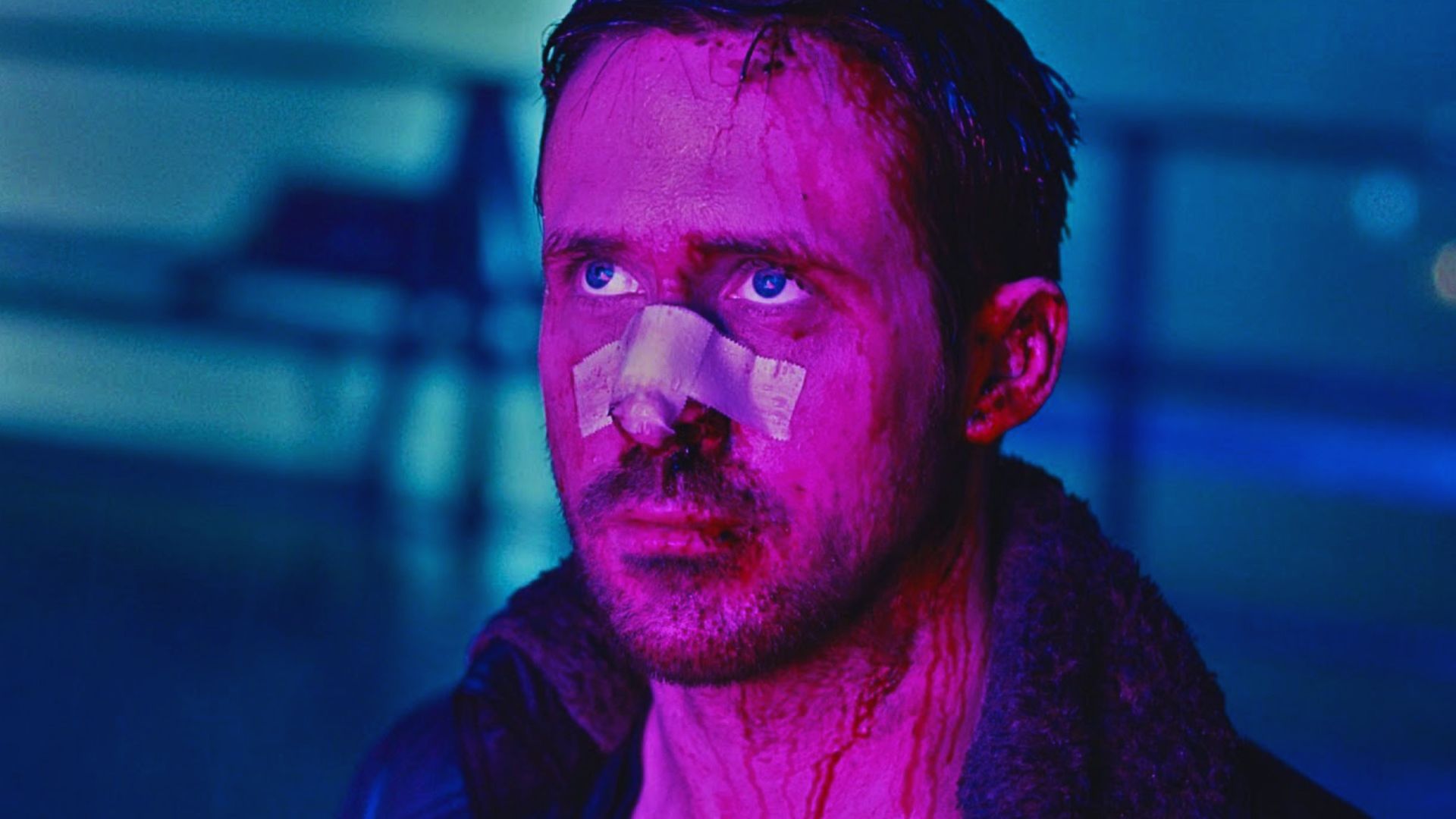
Reading the Blade Runner 2049 script gives you a direct look at how one of modern cinema’s most thoughtful films was written before the cameras started rolling.
As someone who has read this screenplay carefully, I found it valuable for writers, film students, and fans of the genre.
The script, written by Hampton Fancher and Michael Green, shows how mood, silence, and sparse dialogue can carry an entire story forward.
It also helps readers see how visual storytelling works on the page before it becomes film.
While reading it myself, I noticed how every scene serves the story’s larger questions about identity and memory.
The screenplay includes key confrontations and quiet emotional moments that define the film, making it a strong study tool for anyone serious about writing or film analysis.
Scene Breakdown & Screenplay Highlights
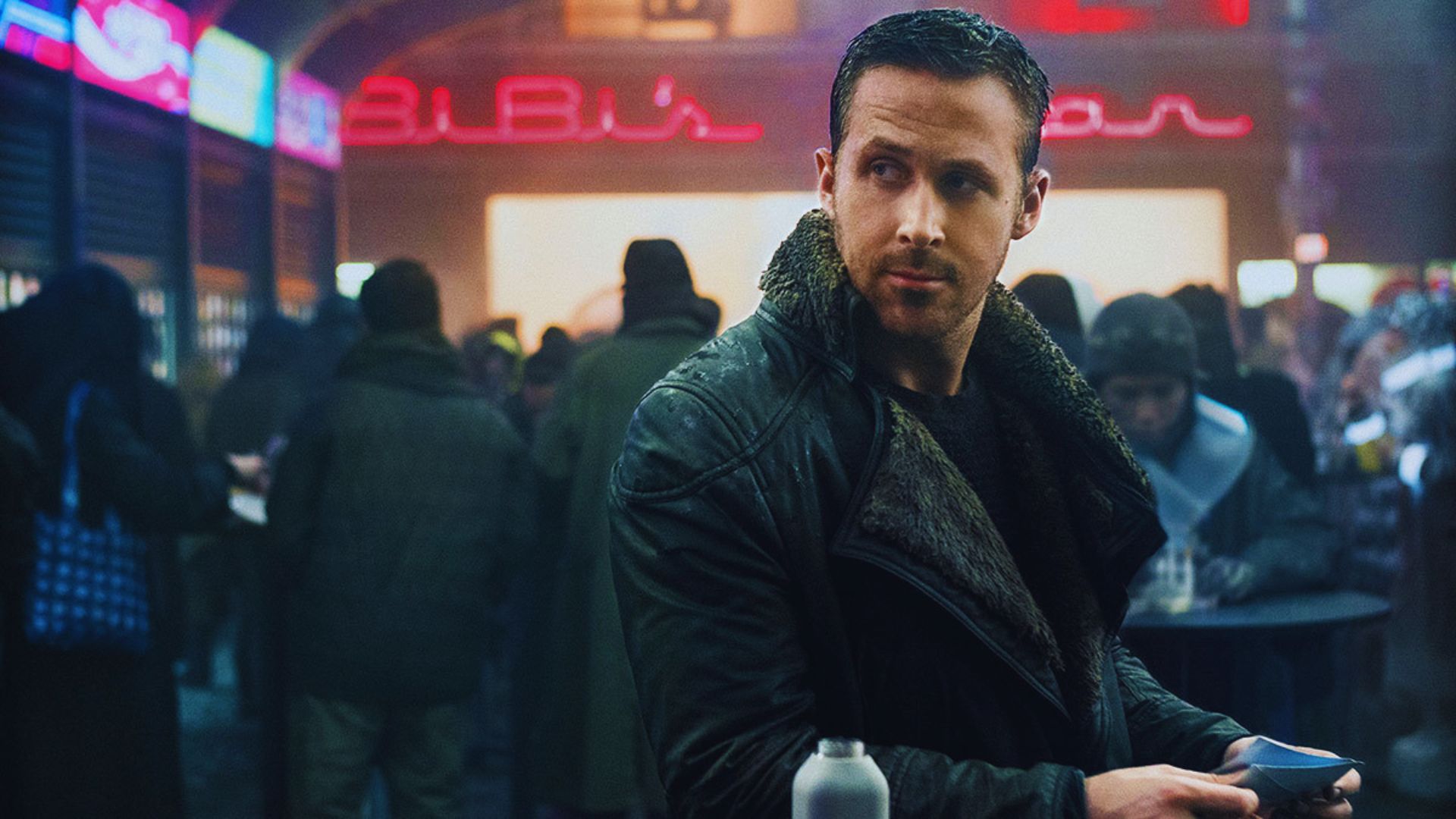
The screenplay for Blade Runner 2049 follows a deliberate scene structure. While reading the script, I noticed how each moment builds slowly toward a much larger emotional impact.
Opening Farm Scene
The opening scene sets the tone of the Blade Runner 2049 script right away. Officer K arrives at a quiet protein farm and confronts Sapper Morton in a tense, understated exchange.
This moment introduces the film’s core themes of purpose, control, and hidden truth without relying on heavy dialogue.
Investigation Scenes and Key Confrontations
The investigation scenes in the screenplay written by Hampton Fancher and Michael Green show how tension can build through restraint rather than action.
Each confrontation reveals more about K’s nature and the world he moves through. While reading the script, I noticed how short exchanges carry the weight of much larger ideas.
Ending and Reveal
The ending of the script delivers one of the most emotionally layered conclusions in modern sci-fi. As the story reaches its final moments, K faces a choice that redefines the entire film.
The screenplay places careful hints throughout, which makes the final scene feel earned and complete.
Key Characters and Dialogue in Blade Runner 2049
The Blade Runner 2049 script builds its story through a small group of deeply written characters. While reading it, I noticed how dialogue reveals as much through what is left unsaid as through what is spoken.
K: The Protagonist
Officer K is the main point of view of the story. Written by Hampton Fancher and Michael Green, the character carries a quiet conflict between duty and a growing sense of self.
His internal questions about identity and memory guide the audience through every major event in the script.
Joi
Joi enters the story as K’s companion and adds emotional depth to the screenplay. Her relationship with K raises real questions about connection, love, and what it means to feel.
Through restrained dialogue, Joi becomes one of the most affecting characters in the film.
Niander Wallace
Wallace serves as the story’s primary antagonist. His dialogue is precise and unsettling, revealing a worldview built on control and creation.
The scenes he appears in shift the story’s tone and raise the stakes for every character around him.
How to Access the Full Blade Runner 2049 Script Online
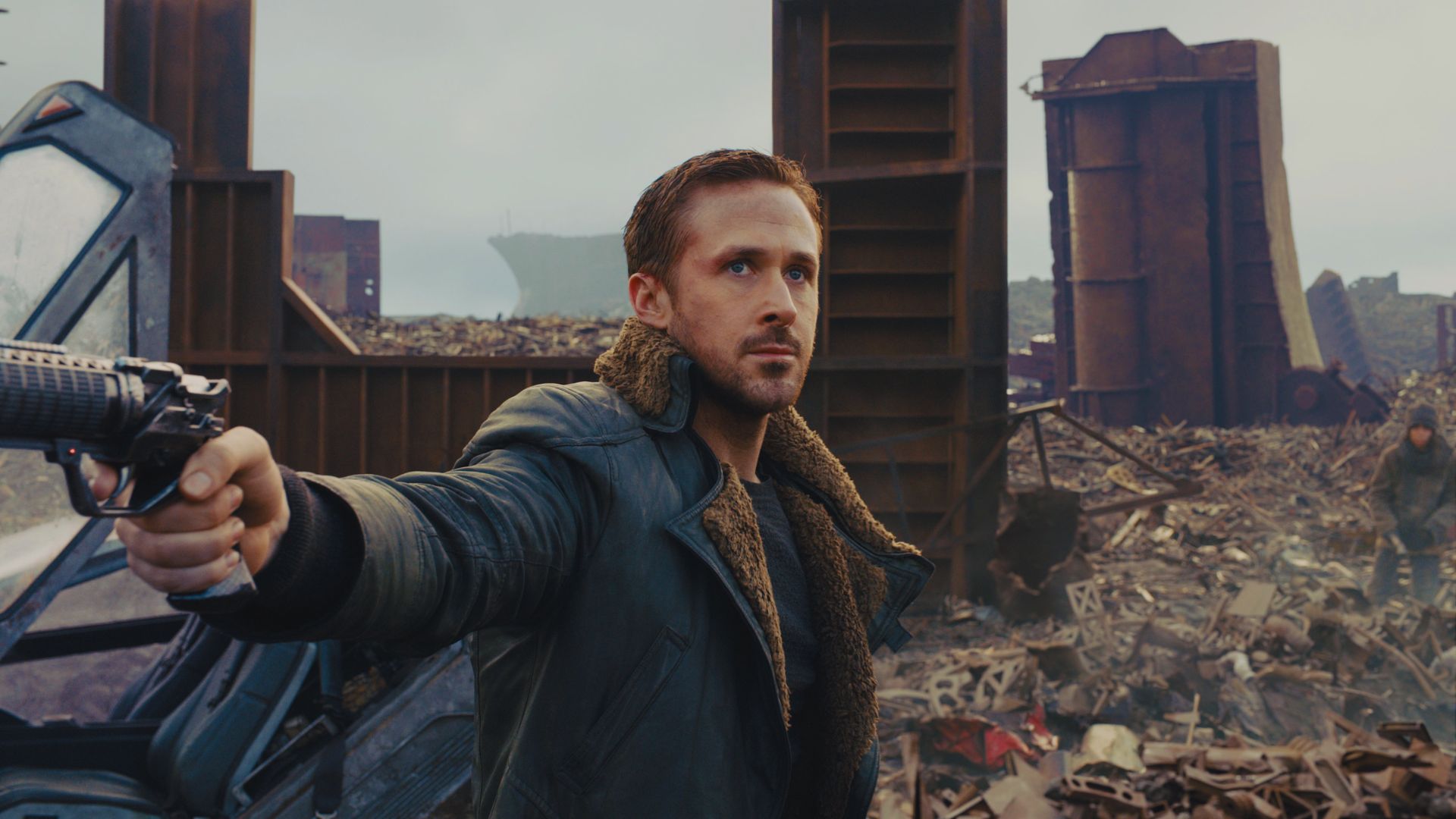
Many websites host the Blade Runner 2049 screenplay for readers who want to read it directly. From my search, some sources provide accurate versions while others may contain incomplete or edited copies.
Official Sources vs. Fan Copies
Script databases like Simply Scripts or IMSDB carry accurate, properly formatted copies of the screenplay. Fan uploads can work in a pinch, but missing pages and altered layouts make them less reliable for close study.
- Trusted script archives keep the formatting accurate and complete.
- Fan-uploaded copies may still be readable but sometimes miss pages or alter layout.
- Reliable sources usually credit Hampton Fancher and Michael Green and mention the original screenplay.
- Reading from known script databases or verified PDF libraries helps avoid broken or edited files.
Free vs. Paid Options
Most script sites let you read the full screenplay free in your browser, which works well for a casual read-through. If you plan to study it scene by scene, a downloadable PDF from a paid or academic platform gives you a cleaner, more stable copy.
- Many sites allow readers to view the script for free in a simple web page format.
- Some platforms also provide downloadable PDF versions for closer study.
- Paid screenplay collections may include formatted copies designed for academic use.
- Web-view scripts work well for quick reading, while PDFs help with page-by-page analysis.
Tips for Accessing the Script
The Blade Runner 2049 screenplay follows the standard format used in film scripts.
- Scene headings show the location and time of each moment.
- Character names appear above dialogue lines.
- Action lines describe what happens between conversations.
- Paying attention to these cues helps readers follow the pacing and mood of each scene.
These tips make the Blade Runner 2049 script easier to read online. Once you know the format, the screenplay becomes simple to follow.
Blade Runner 2049 Script Analysis
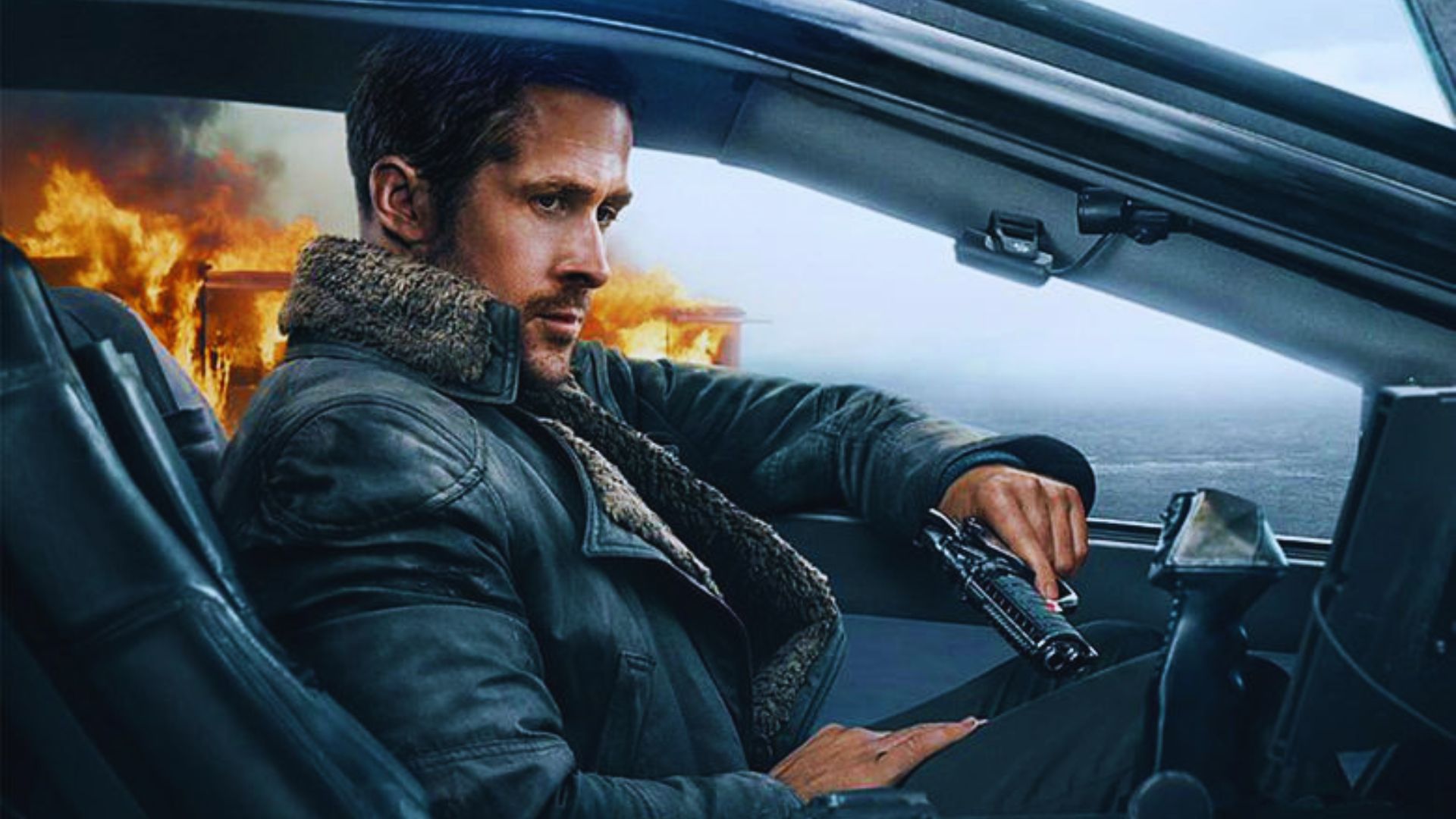
The Blade Runner 2049 script shows how mood, structure, and restraint work together to tell a story.
Screenplay Structure and Pacing
The screenplay written by Hampton Fancher and Michael Green adapts ideas from the original Blade Runner world with a clear three-act structure.
The story moves at a slow and deliberate pace through longer scenes and careful transitions. This pacing allows tension to build quietly while guiding readers through K’s shifting understanding of himself.
Writing Techniques and Style
The script uses sparse narration and minimal dialogue to carry the story forward. Many lines are short but layered, which keeps scenes moving without losing depth.
Silence also plays a major role in several exchanges, giving the story a distinct tone that sets it apart from most sci-fi screenplays.
Themes and Subtext
The Blade Runner 2049 script explores several major ideas beneath its surface story. It raises questions about memory, identity, and what it means to exist as a person.
Through K and the characters around him, the screenplay presents these themes through action and restraint rather than direct explanation.
Differences Between the Script and the Movie
The Blade Runner 2049 script and the final film have some key differences worth noting.
| Feature | Script | Movie |
|---|---|---|
|
Scenes That Were Cut or Altered |
Includes extended scenes and additional dialogue not in the final cut. |
Some scenes were shortened or removed for pacing and visual storytelling. |
|
Visual Cues vs. Written Instructions |
Describes mood, setting, and tone through action lines. |
Atmosphere is conveyed through cinematography, lighting, and score. |
Comparing the script with the film shows how writing translates into visual choices and editorial decisions.
How to Use the Blade Runner 2049 Script?
The Blade Runner 2049 script offers more than a reading experience. It is a practical tool for study and creative work.
- Study Tool: The script is useful for aspiring screenwriters to learn how mood and restraint can replace heavy dialogue in storytelling.
- Dialogue Inspiration: It shows how minimal lines can carry emotional weight and reveal character without over-explaining.
- Film Reference: The script serves as a resource for film clubs and students to analyze scenes, pacing, and visual storytelling choices.
Using it this way helps writers and fans understand how some of the most powerful moments in the film were built from the simplest writing choices.
Conclusion
The Blade Runner 2049 script is not just a film document. It is a masterclass in restraint, patience, and purposeful writing. If you have never read a screenplay before, this is the one to start with.
Pick a scene that stayed with you after watching the film, find it in the script, and read it slowly. You will see the story differently. Drop a comment below telling me which scene hit hardest for you. And if this helped, share it with someone who loves film.
Frequently Asked Questions
Can I Legally Download the Blade Runner 2049 Script?
Yes, official sources and licensed script databases allow legal downloads. Avoid fan-uploaded PDFs from unverified sites to stay safe.
How Many Pages Is the Blade Runner 2049 Script?
The full script runs around 120 pages, similar to a standard feature-length screenplay.
Who Wrote the Blade Runner 2049 Script?
The screenplay was written by Hampton Fancher and Michael Green.
Are There Alternate Versions of the Script?
Yes, early drafts and shooting scripts exist. They sometimes include scenes or dialogue that did not make the final cut.
Can I Use the Script for School Projects?
Yes, you can reference the script for educational purposes, analysis, or writing exercises, as long as it is not for commercial use.