

Before you list your rental property, maintenance should come first, not after a tenant’s complaint. Early repairs will improve curb appeal and lower the chances of emergency calls, as well as help you set fair rents for your Philadelphia rental.
In this guide, you will learn when to hire professionals to handle maintenance on essential systems, including HVAC, plumbing, electrical, and smoke and carbon monoxide detectors, before marketing your rental property.
Why Maintenance Should Come Before Listing
Preparing for listing saves you money and time and protects your reputation. The result is a much better appearance, fewer emergencies to deal with, and a more accurate price. Here’s why working on your rental before you list it matters.
Improve Appearance and First Impression
Minor defects that show up during an applicant’s walk-through of your rental unit create a negative impression. For example, peeling paint, sticking doors, or a dripping faucet may make applicants think you haven’t kept up with maintenance and therefore offer less value for their money.
Reduce Likelihood of Emergency Repairs
Pre-listing maintenance finds issues while they’re still small. An open electrical connection, small water leak, or old HVAC parts will break down once your new tenant moves in. You’ll save money on emergency service calls, minimize tenant complaints, and have time to schedule necessary repairs by identifying potential failures before listing.
Determine Property’s Condition and Rental Value
Your ability to price your rental is directly related to how well you know its condition. The pre-inspection process will help determine whether all property systems are up to date, whether some need updating, or whether something needs immediate replacement.
You’ll be able to list at an accurate price that reflects what your home is worth, plus have documented proof if you ever need to negotiate with tenants about a problem or decide which upgrades to make.
When Should Landlords Hire Professional Maintenance Services?
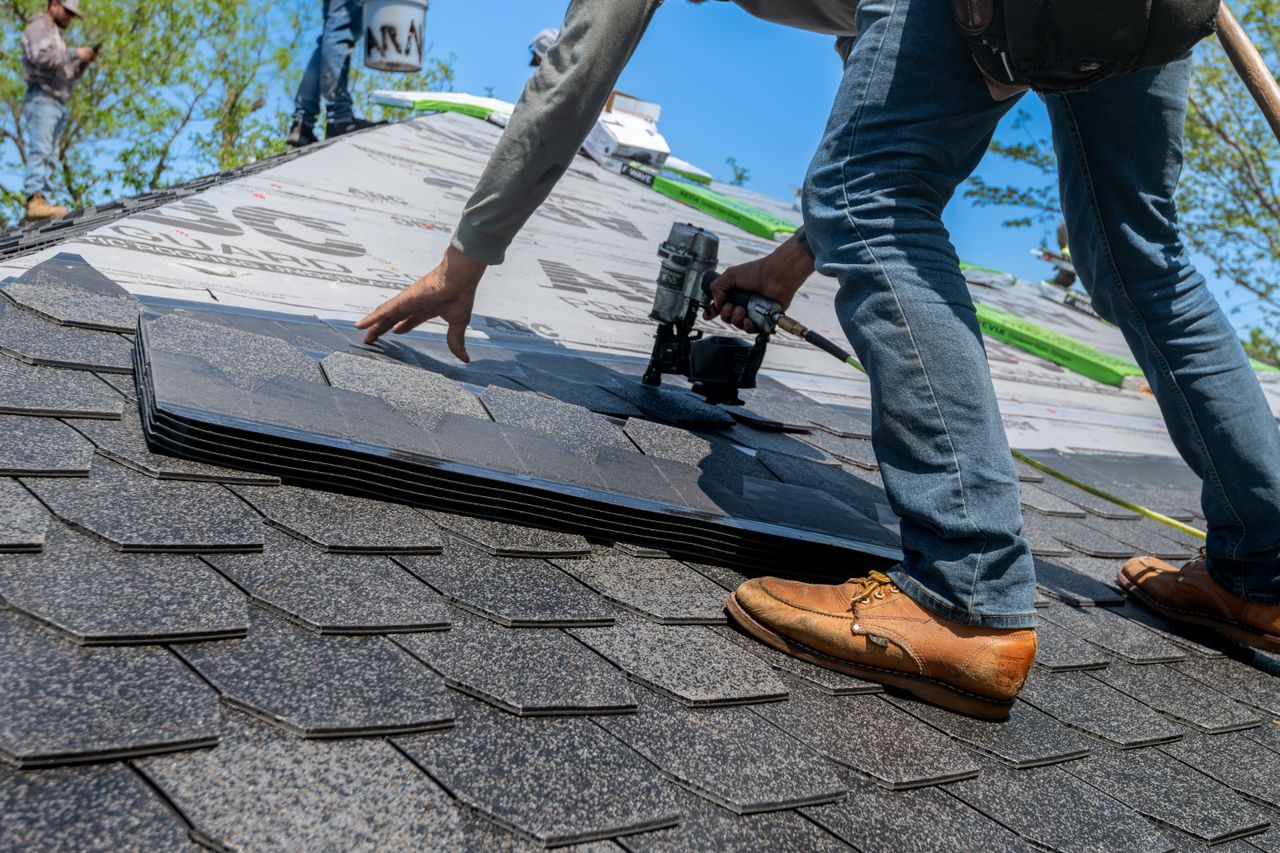
Calling in a professional helps protect your house, your schedule, and your rights as an owner. Homeowners can do many jobs, but some need professionals for their experience, tools, and speed.
Besides, reliable protocols for after-hours emergency maintenance calls protect structural assets from worsening damage while fulfilling the landlord’s duty to provide habitable living conditions.
When Work Requires a License or Permit
Plumbing, electrical, and HVAC repair in Philadelphia requires either a permit or a licensed contractor. When you hire an expert, you ensure compliance with city regulations, avoid fines for noncompliance, and get assurance that the completed job passed all inspections. If you are not certified, doing unlicensed work could complicate things if you sell the property or if there is a dispute over tenant damages.
When Safety Systems Are Involved
Smoke detectors, carbon monoxide alarms, gas lines, and electrical panels- these systems directly impact tenant safety. A professional can test, replace, and verify that these systems comply with local codes. Failing to do so creates serious liability. For this reason alone, expert service is non-negotiable even though it may appear simple.
When You Face Recurring or Hidden Problems
If a leak returns after being repaired or an outlet keeps tripping, the root cause is likely deeper than it appears. Professionals diagnose underlying issues rather than masking symptoms. In doing so, they prevent repeat tenant complaints and protect your property from long-term structural or mechanical damage caused by hiding problems.
When Time or Distance Limits Your Availability
Pre-listing deadlines give little room for trial and error. If you manage units remotely or have multiple units, maintenance teams can complete work faster and coordinate schedules. This helps you avoid delays that could push back your listing date and result in lost potential rent.
When Insurance or Warranty Coverage Demands It
Manufacturer warranties and certain insurance policies require licensed professionals to do the work. Not using a licensed professional when required by a manufacturer warranty or insurance policy may void coverage if the covered system fails. Hiring a professional documents the repair and preserves your financial protection, which matters most for high-cost items such as HVAC and water heater replacement.
Essential Maintenance Services to Complete
Prior to listing your rental unit, complete these 4 maintenance areas. These areas affect tenants’ comfort & safety, as well as overall property condition.
Experienced teams like Bay Property Management Group Philadelphia set up structured maintenance schedules to protect long-term property value and keep tenants satisfied.
HVAC System
Have a licensed HVAC technician inspect and service the HVAC system. Replace air conditioning and furnace filters, clean coil(s), and verify refrigerant levels. Also make sure the heating/cooling cycles work properly, the thermostat works, and drainage is adequate. Maintaining your HVAC system will help prevent potential emergency “no heat” or “no cool” calls from your tenants and show them you care about their comfort.
Plumbing
Check all visible pipes, supply lines, and shut-offs for leaks and/or corrosion. Test the water pressure. Test the toilets to ensure they flush properly. Clear clogged drains. Now is the time to service your hot-water heater and check for signs of rust or old age. These problems will save you from costly repairs due to water damage/mold/tenant complaints at the end of the lease period.
Electrical System
Get an electrician to check all outlets, switches, and circuit panels for loose connections or overloaded circuits. Verify that GFI’s are working as required in kitchen/bathroom/laundry rooms. Replace damaged outlet covers with new ones. Label each breaker clearly. This reduces potential fire hazards and eliminates inconvenience for tenants using electricity throughout their tenancy.
Smoke and Carbon Monoxide Detectors
Verify all smoke & carbon monoxide (CO) detectors are installed at all required locations. Replace expired units and batteries. Test all alarms. If local codes require CO detectors to be interconnected, confirm that as well. Record the installation date for each unit. Smoke & CO detectors work to protect people, help comply with state regulations, and show prospective tenants that safety was considered before they moved into your rental property.
Conclusion
Routine essential repairs help keep your Philadelphia rental ready for quicker lease-up with less hassle. Improvements to your unit’s overall condition reduce potential emergencies and give tenants confidence in the unit and building systems (HVAC, Plumbing, Electrical, Safety Systems), creating a stronger tenant base.
Document all work done by licensed professionals as needed, and price your unit competitively. Developing an ongoing proactive maintenance program before showing units will support long-term occupancy and protect your investment.
