

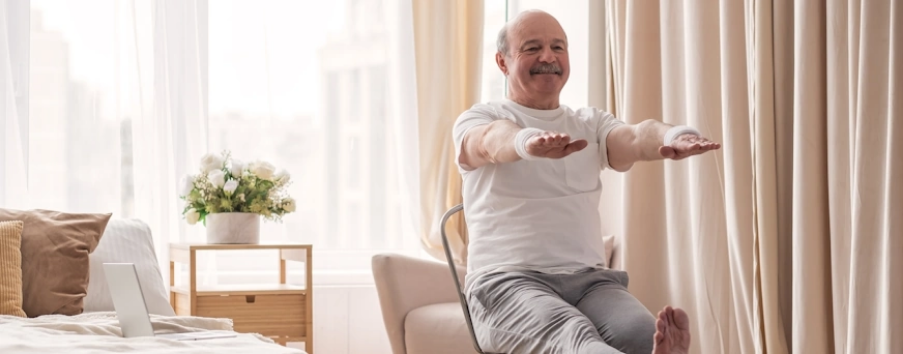
Getting older tends to slow the human body down. The knee joints get creaky, lower backs feel stiff in the morning, and balance gets trickier when walking up stairs.
Simple exercises can help strengthen the muscles, nerves, and joints over time. However, when workouts feel unsafe or uncomfortable, practicing yoga while sitting in a chair can be a safer alternative.
You only need professional guidance on selecting the right chair and what exercises work best in these situations. In this guide, you will discover a safe way to stretch tight muscles, loosen stiff joints, and keep your body moving freely daily.
Loosening Up a Stiff Spine
If you are new to yoga, you may need professional assistance to guide you through these exercises. However, using a free chair yoga guide for seniors can also provide the necessary information to get the ball rolling.
At the very beginning, you want to loosen up the spine. The human backbone has twenty-four small bones stacked on top of each other like building blocks. Sitting in one spot for hours makes those bones feel locked together; scientists call it “the new smoking.”
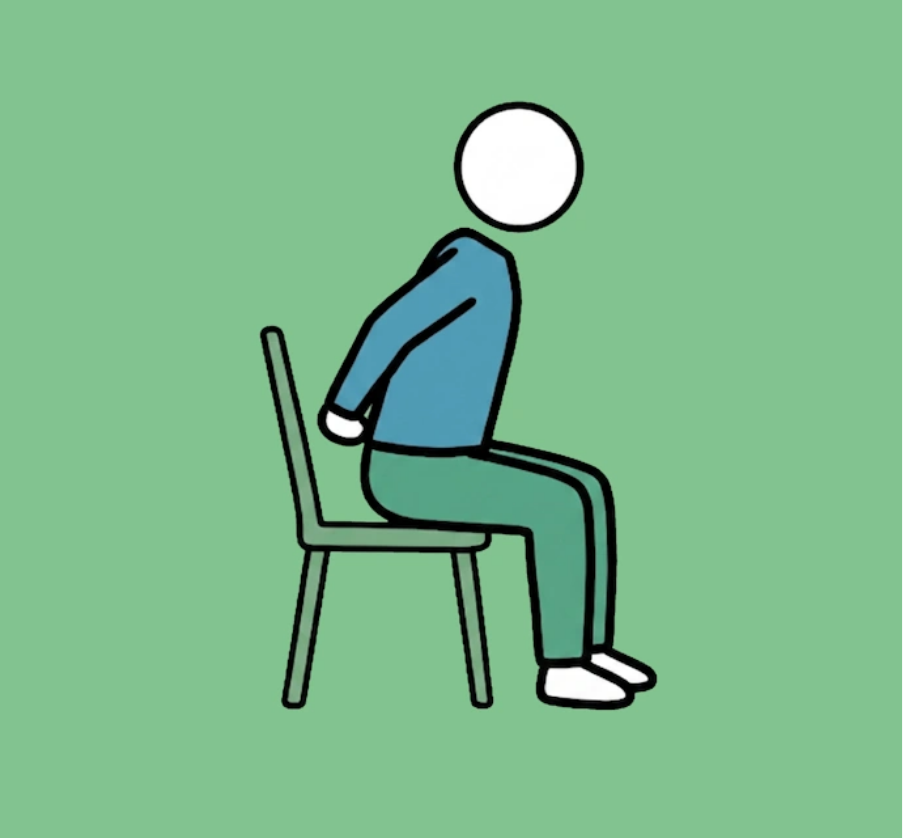
You start the spinal movement slowly by sitting upright with both feet on the floor, spaced apart like two railroad tracks. With your legs firmly on the ground, rest your hands flat on both knees. As you inhale deeply, push your chest forward and tilt your head up slightly.
Upon exhaling, the back curves against the chair seat with the chin tucked down toward the neck, and the torso pulled inward. Doing this back-and-forth stretch seven to ten times warms up the back muscles and makes it easier to sit up straight.
Opening Tight Shoulders and Chest Muscles
Daily activities such as hunching over to read books, cook meals, or use a phone pull the shoulders forward and take their toll on the chest. They tend to tighten up the chest and shoulders. When those front chest muscles get tight, it can be challenging to raise arms over the head.
Fortunately, you can work out shoulder tightness by letting both arms hang straight down toward the floor beside the chair legs. You then make big, slow circles with the shoulders, lift them toward the ears, slide them back, and drop them down.
After rolling the shoulders, reach both arms straight out to the sides like airplane wings and pull slightly backward to stretch out the front of the chest. Opening the chest fills up the lungs with air with much ease.
Stretching the Legs and Loosening Up Ankles
As people get older, even walking without tripping over rug edges would require strong legs and flexible ankles. When the ankles become stiff, you start to drag your feet instead of lifting them up with each step.
Begin leg stretches by holding onto the sides of the chair seat for extra support. Then lift one leg straight out in front until the foot is hanging in the air. Make sure the toes point straight to the wall first, before pulling it back toward the knee to stretch out the calf muscle on the back of the leg.
To complete the exercise, turn the whole foot in slow circles to loosen up the ankle joint before switching over to the other leg. Loosening the ankles helps you move up cleanly off the ground while walking on grass or uneven sidewalks.
Strengthening the Middle Body and Balance Muscles
Another set of muscles that need strengthening are those in the middle body region. The muscles around the stomach and lower back act like a wide belt that helps to keep the body upright. Standing up out of a deep couch or maintaining good posture takes a lot more effort when those middle muscles get weak.
So, build your middle-body strength by holding the edge of the chair with the right hand while reaching the left arm toward the ceiling. While maintaining that position, gently tilt the upper body over to the right side, stretching the muscles along the ribs.
After holding the stretch for three slow breaths, lower the left arm and continue the same movement on the right side. Stretching the side body enables the spine to bend easily from side to side.
Tips to Stay Active and Flexible Every Day
Maintaining healthy, flexible muscles at any age is an ongoing practice. It requires simple habits you can easily follow every day:
- Practice at the same time each morning, perhaps immediately after breakfast or a cup of tea.
- Move slowly and never forcefully stretch a joint if it starts to hurt or pinch.
- Keep breathing smoothly in and out through the nose during every stretch.
- Sit near a bright window to make the ten-minute routine feel relaxing.
- Keep a water bottle nearby to drink a few sips as soon as you complete the daily stretches.
Leveraging the Firm Anchor
Staying physically independent later in life hinges on keeping joints moving and muscles supple. Using a chair as a firm anchor makes a world of difference. Virtually anyone can safely assess full-body stretching regardless of current fitness levels, age, or balance limits with a chair.
By consciously engaging in spinal waves, shoulder rolls, leg extensions, and side bends, stiffness systematically exits the joints. Continuous practice will eventually help preserve active living, allowing you to perform daily tasks with confidence, comfort, and ease.
