

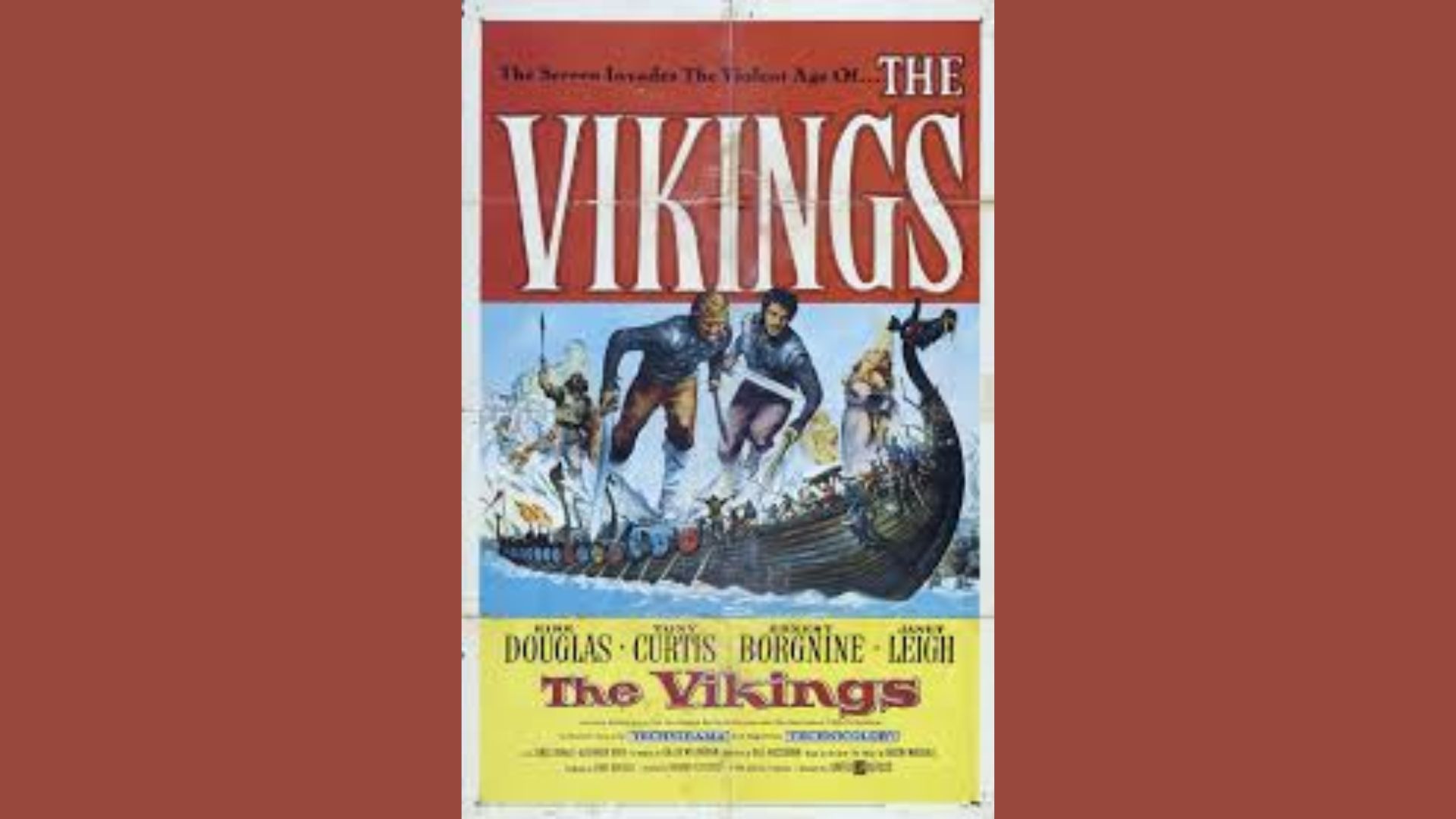
I couldn’t stop thinking about the scenery when I first watched Vikings. The fog, the mountains, the dark water. It felt too raw to be a set.
So I went looking. And what I found genuinely surprised me.
Most people assume it was filmed in Scandinavia. It wasn’t. The answer to where was Vikings filmed is much closer to the west than you’d think.
And if you’re curious about where was Vikings filmed on Netflix, same locations apply.
Let me walk you through every major filming site, one by one.
Where Was Vikings Filmed? (Quick Overview)

Ireland was the primary filming country for Vikings. The moody weather, wild landscapes, and dramatic terrain made it a natural fit for a show set in the Viking Age.
The production also traveled to Norway, Iceland, and Canada for specific scenes. Each location added something different to the overall visual identity of the series.
The choice of Ireland wasn’t just about how it looked. The country offered strong tax incentives and a well-developed film infrastructure that kept production costs under control.
Real outdoor locations were paired with purpose-built studio sets throughout the series. Together, they created a world that felt both historically grounded and visually convincing.
All Major Vikings Filming Locations Explained
Here’s a closer look at every major location used across the series and what each one brought to the screen.
1. Ireland: The Heart of Vikings Filming
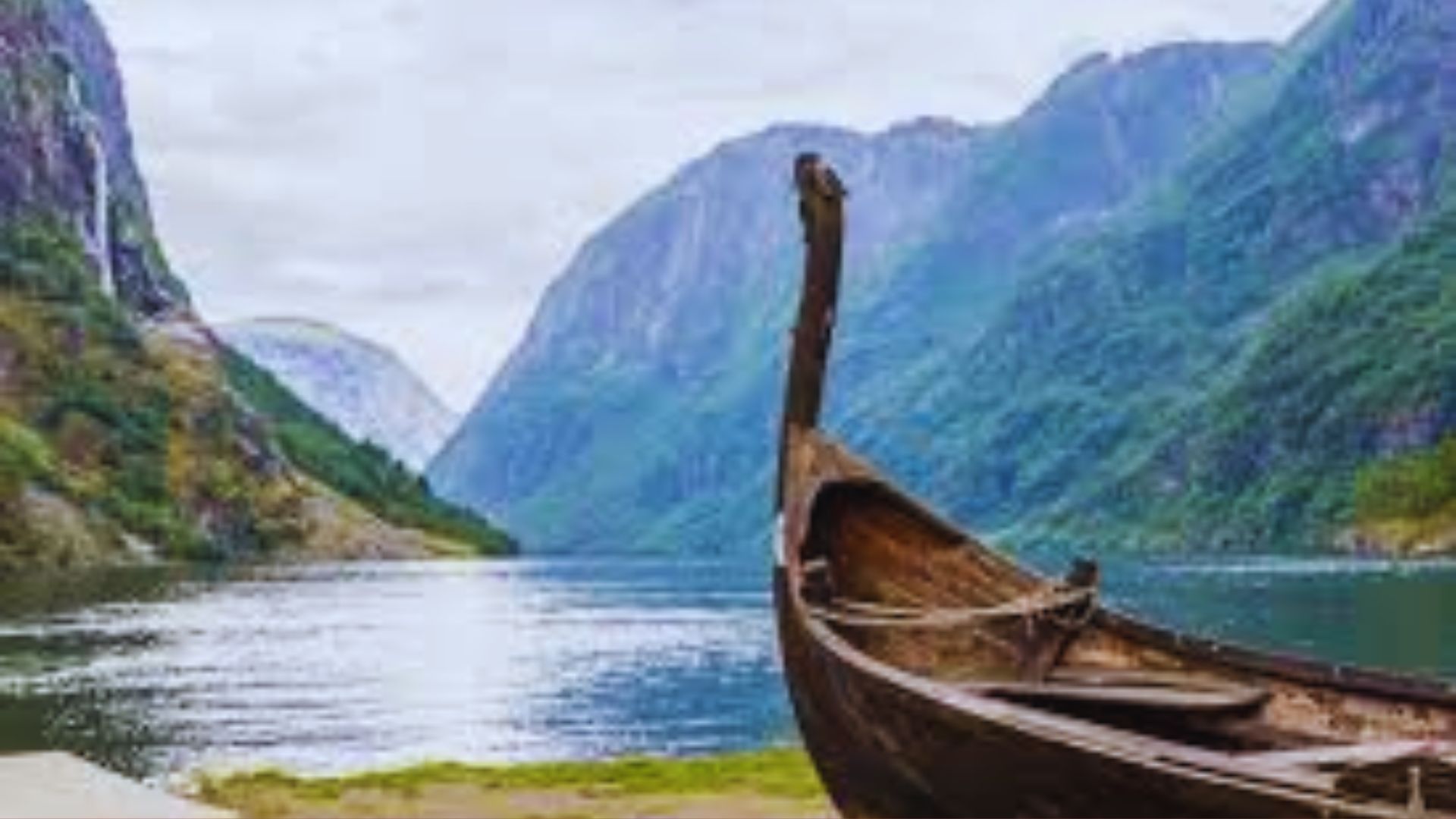
Ireland served as the main production base for Vikings throughout its entire run. Almost every outdoor scene you see on screen was shot somewhere on the island.
The Wicklow Mountains and surrounding countryside stood in for the rugged landscapes of Scandinavia. They gave the show its signature wild, untamed feel.
Forests, lakes, and open fields across County Wicklow were used regularly. Many of the Kattegat exterior scenes were filmed right in this region.
2. Ashford Studios, Ireland
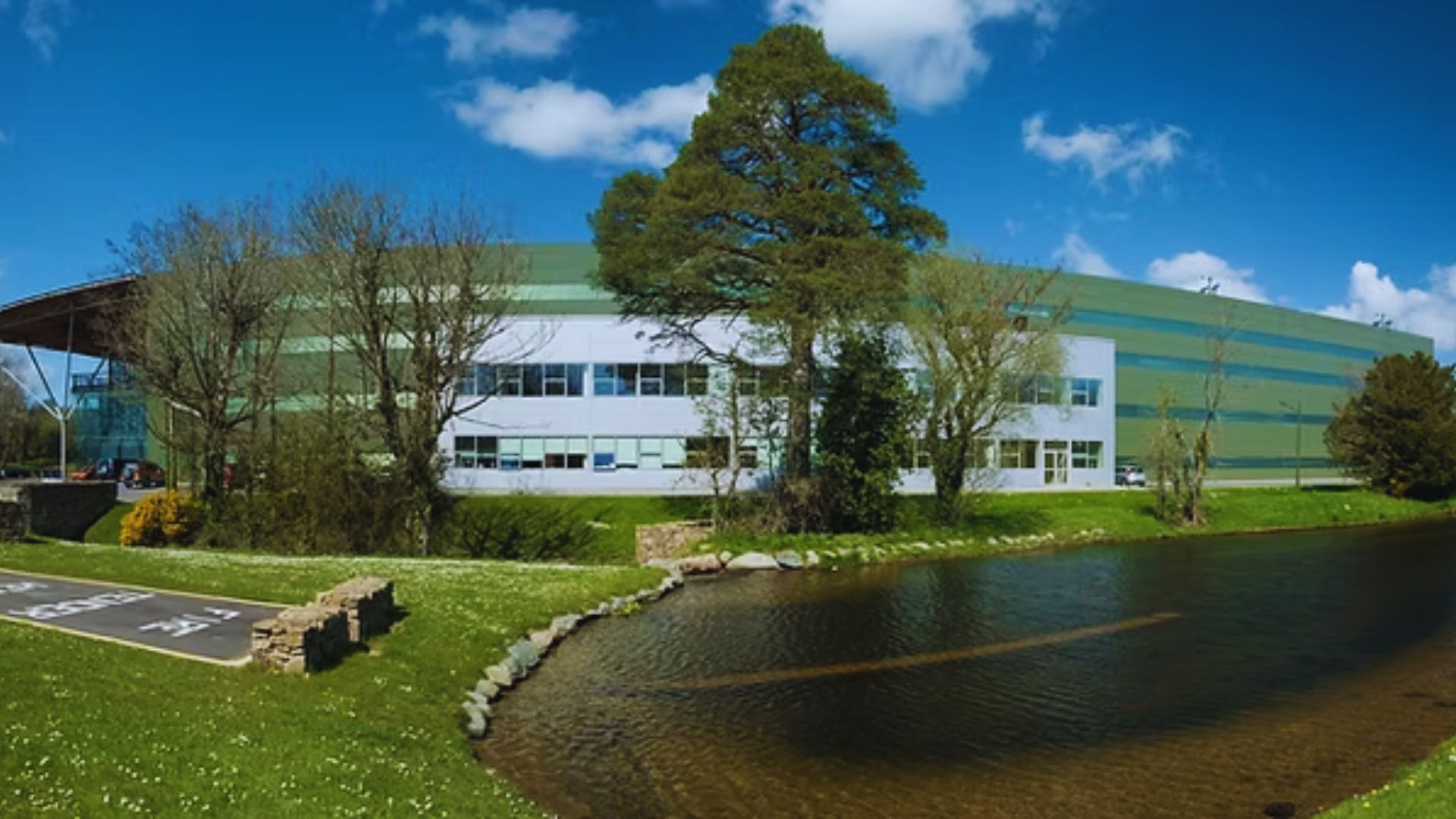
Ashford Studios in County Wicklow housed the main interior sets for the show. The Kattegat village and the iconic Great Hall were both built and filmed here.
Working inside a controlled studio gave the crew flexibility that outdoor locations simply can’t offer. Lighting, sound, and weather were no longer variables.
Large-scale battle sequences were also partly staged inside the studio. The space allowed for complex camera setups and crowd choreography that would have been far harder to pull off outside.
3. Lough Tay (Guinness Lake), Ireland
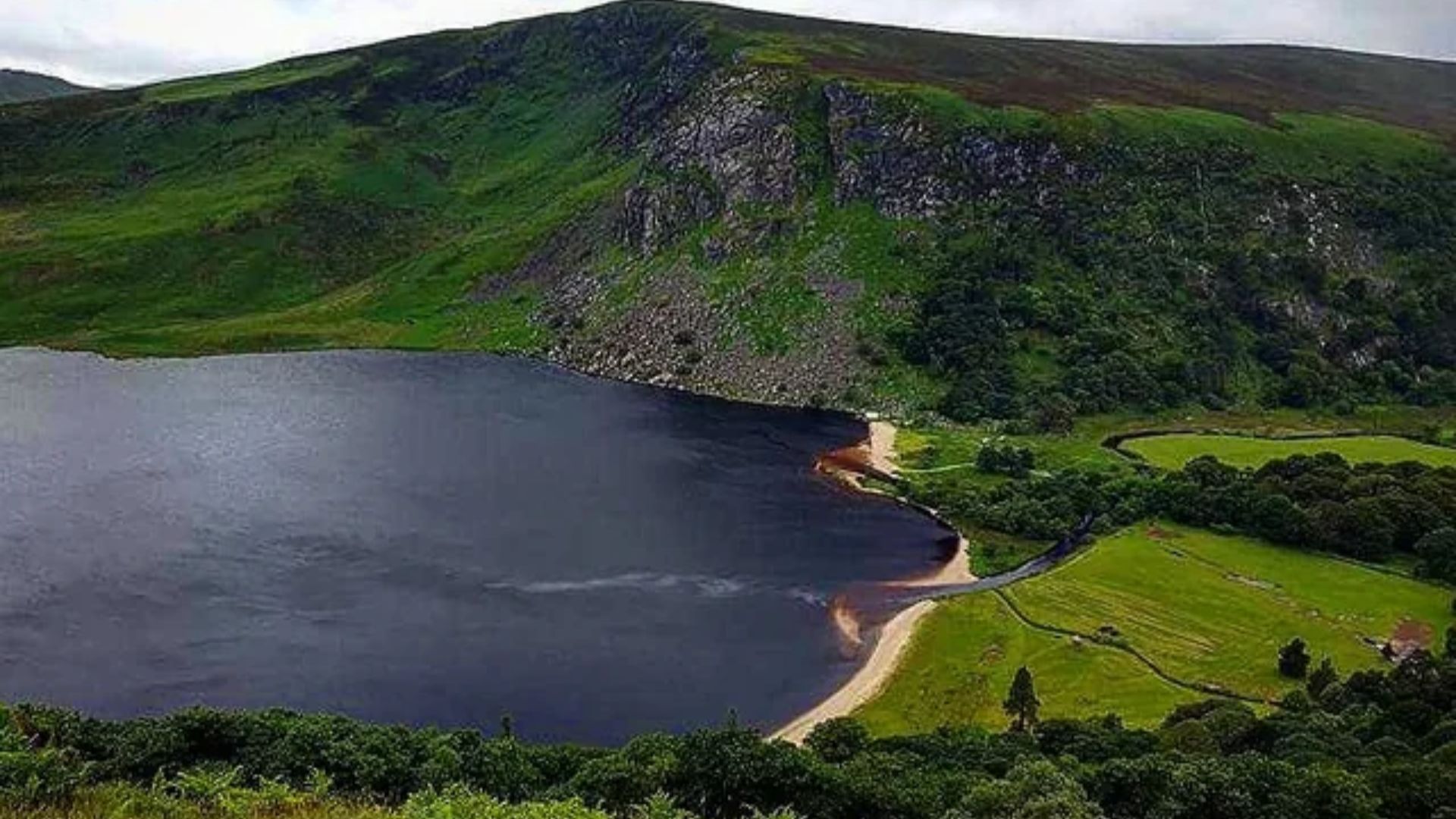
Lough Tay, also known as Guinness Lake, is one of the most recognizable spots from the series. Its dark water surrounded by green hills created a look that was hard to forget.
This lake was used repeatedly to represent the waterfront around Kattegat. The contrast between the almost black water and the bright hillsides made every shot feel dramatic.
It’s a visually striking location even without a camera in sight. If you’ve seen Kattegat’s shoreline on screen, you’ve essentially seen Lough Tay.
4. Wicklow Mountains National Park, Ireland
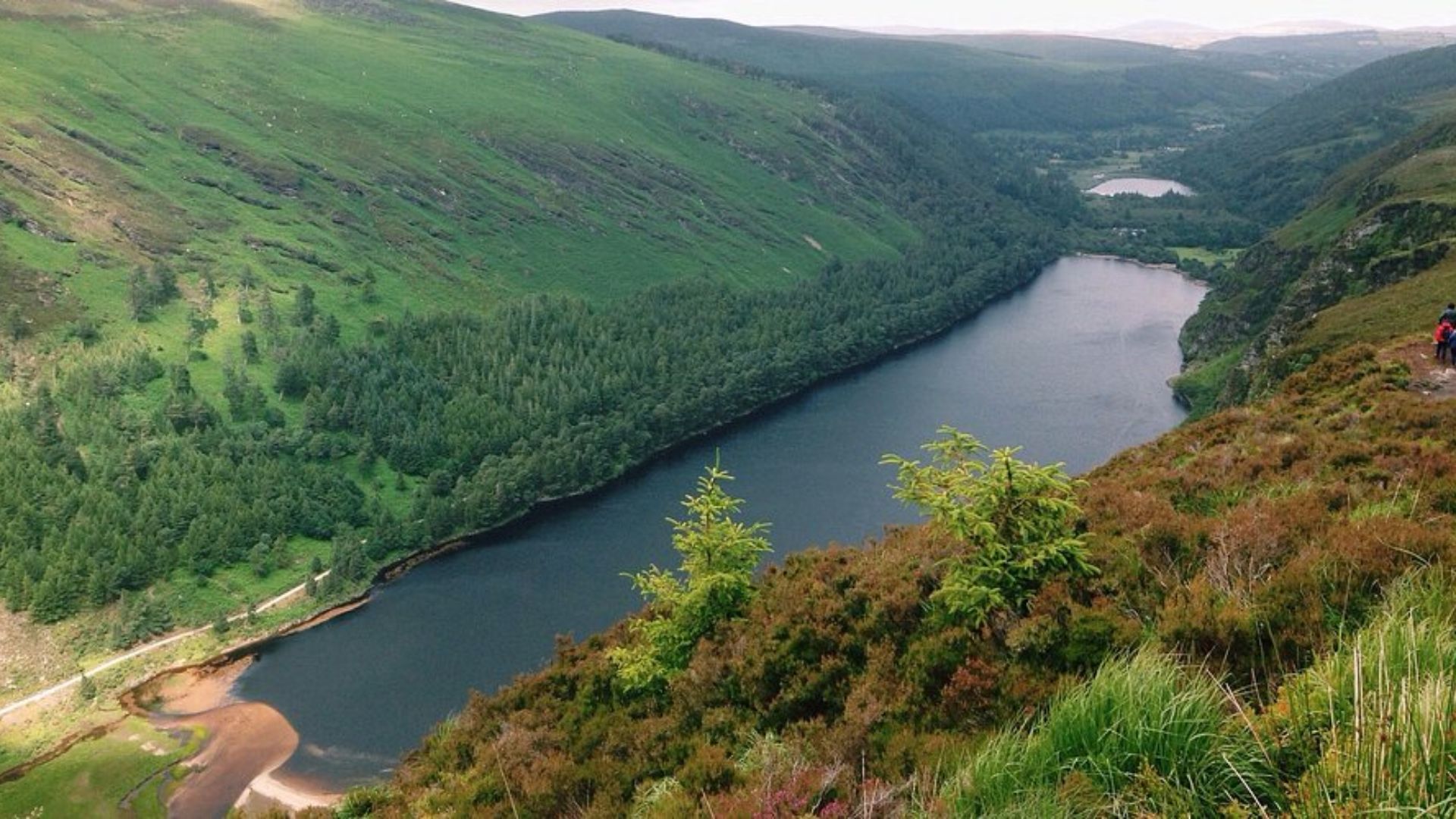
The Wicklow Mountains National Park provided the backdrop for many of the show’s most intense battle sequences. The rugged, open terrain worked perfectly for large group scenes.
Rolling hills and rocky ground gave the impression of a harsh Scandinavian environment. You’d never guess it was Ireland if no one told you.
The park is also one of the most filmed landscapes in Irish history. Vikings made full use of it, especially in the earlier seasons.
5. Blessington Lakes, Ireland

The Blessington Lakes area was used for several water-based scenes throughout the series. Boat sequences and location transitions were often shot here.
The wide, calm stretches of water gave filmmakers plenty of room to work with. It added a real sense of scale to the Norse exploration storylines.
These scenes helped sell the idea that the Vikings were always moving across great distances. The water shots gave the show a feeling of travel and open space.
6. Norway
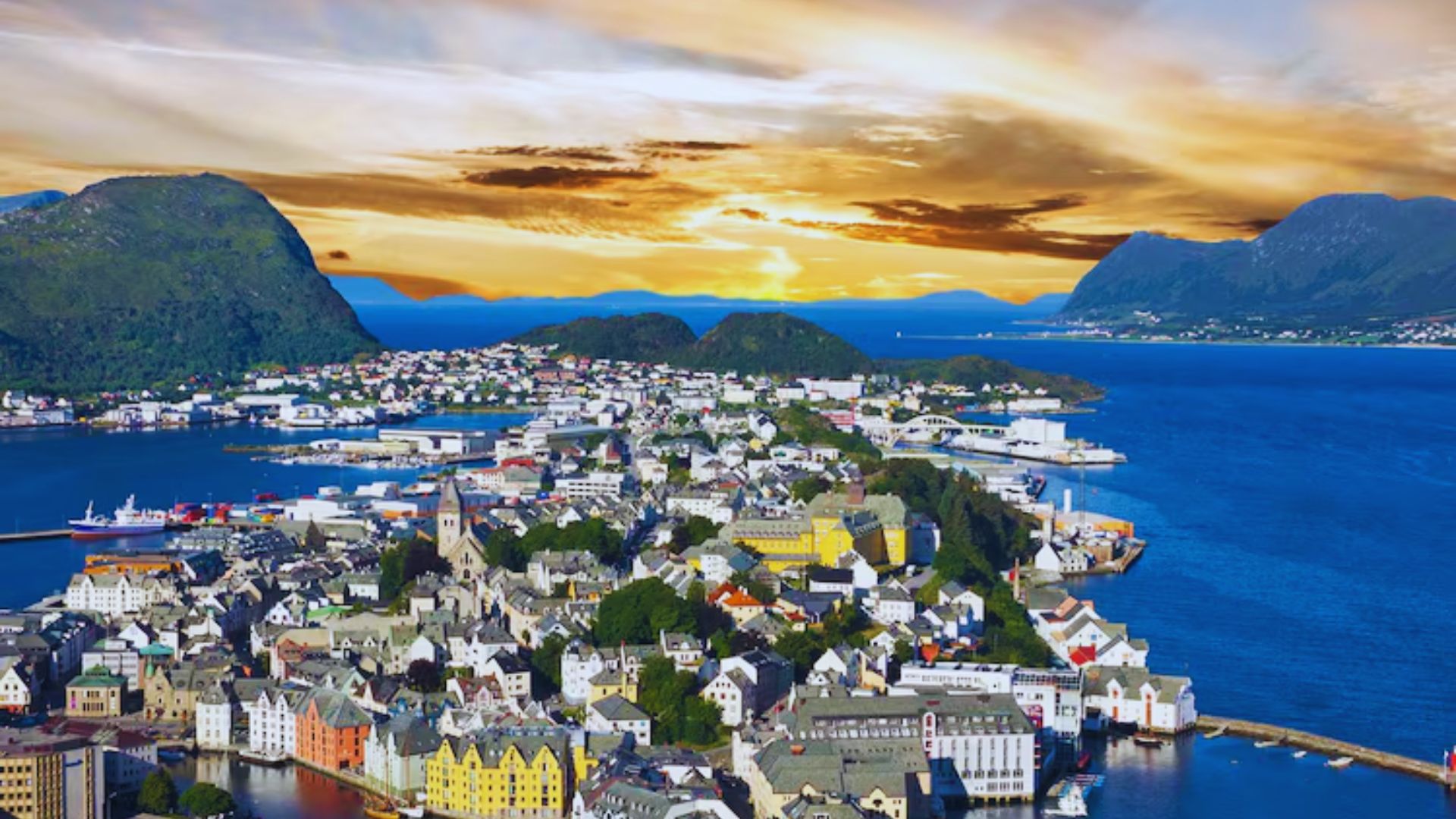
Some scenes in Vikings were filmed in actual Norway, which made perfect sense given the show’s roots. The country’s fjords and mountains added an authenticity that’s difficult to recreate elsewhere.
Norway was mainly used for establishing shots. These are the wide, sweeping views that open a scene and set the mood before the action begins.
Its contribution to the series wasn’t the largest, but it was meaningful. Those shots gave the show a real geographic anchor in Scandinavia.
7. Iceland
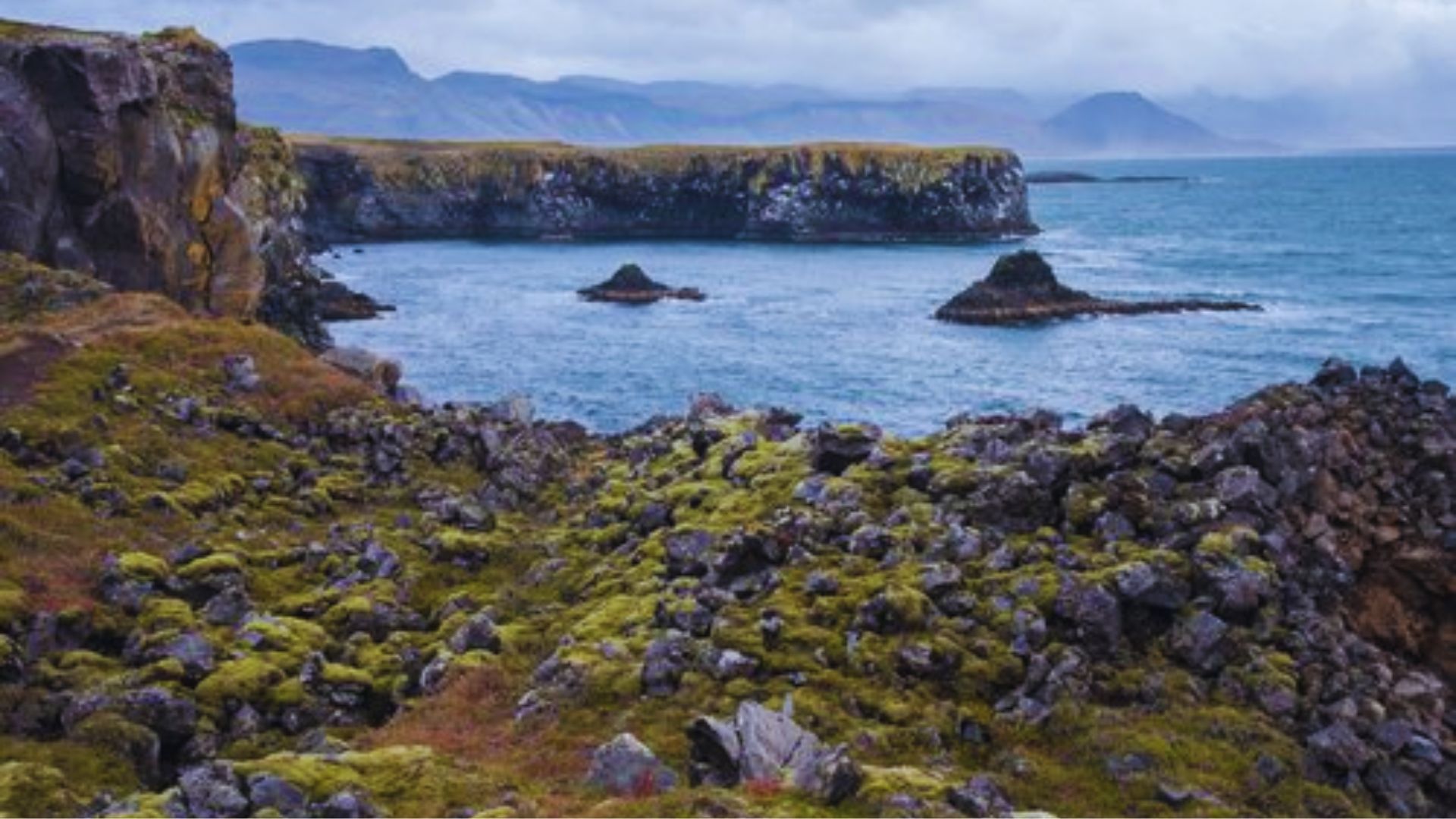
Iceland brought a completely different energy to the screen. Its volcanic terrain, black sand, and dramatic skies were used for scenes involving harsh environments and survival situations.
The landscape there looks like nowhere else on earth. That raw, almost alien quality made it ideal for sequences where characters faced brutal conditions.
Iceland added a sense of danger and isolation that other locations simply couldn’t provide. Whenever the show needed to feel truly punishing, this was the backdrop it leaned on.
8. Canada
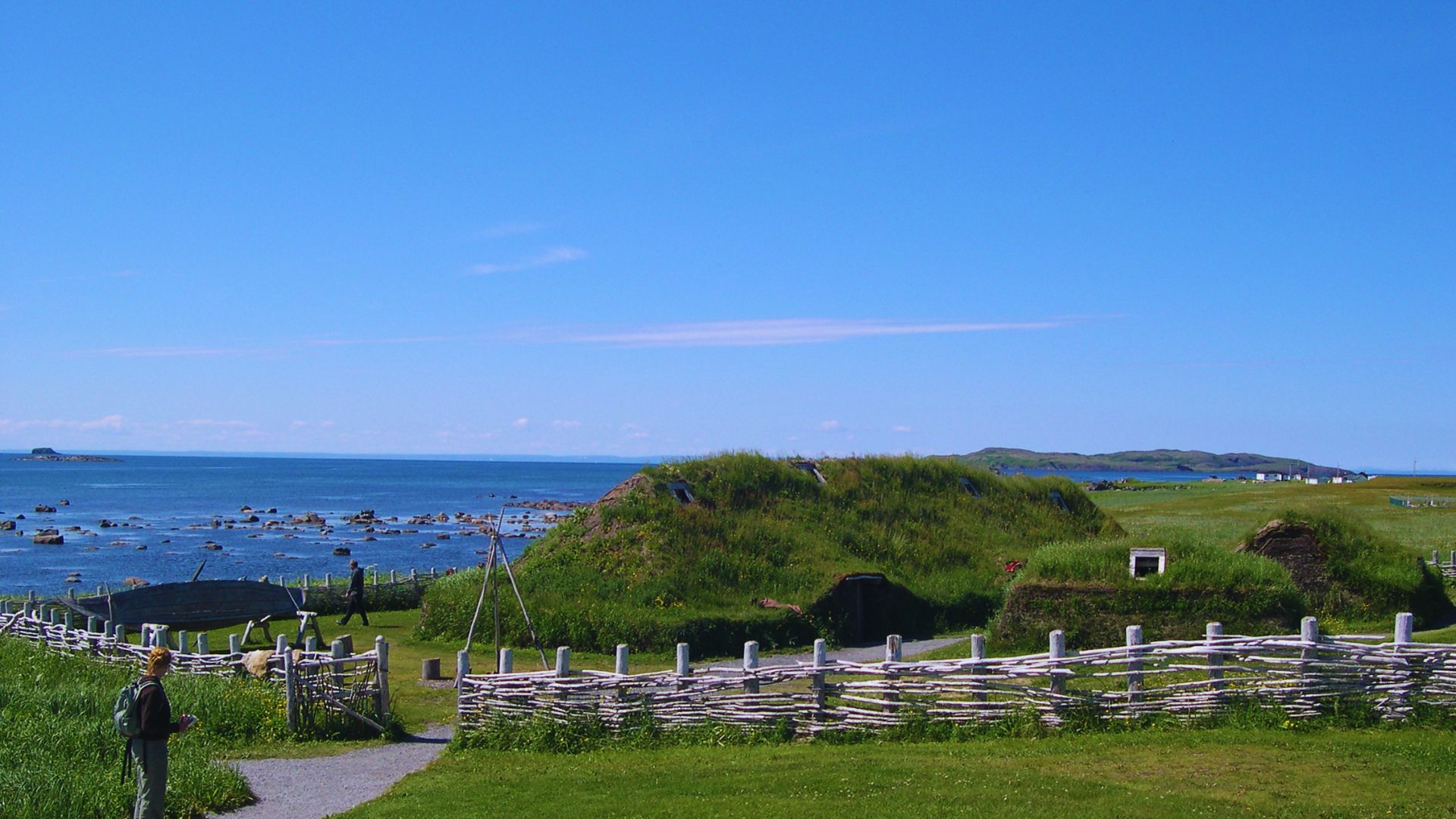
Canada was used for select scenes that required terrain similar to what was already established in the series. It gave the production team flexibility without requiring the entire crew to relocate.
Filming in Canada also helped manage costs for specific sequences. It’s a common choice for large productions that need to balance budget with visual quality.
The Canadian contribution was smaller compared to Ireland or Norway. But it filled important gaps in the production where needed.
9. CGI & Set Extensions
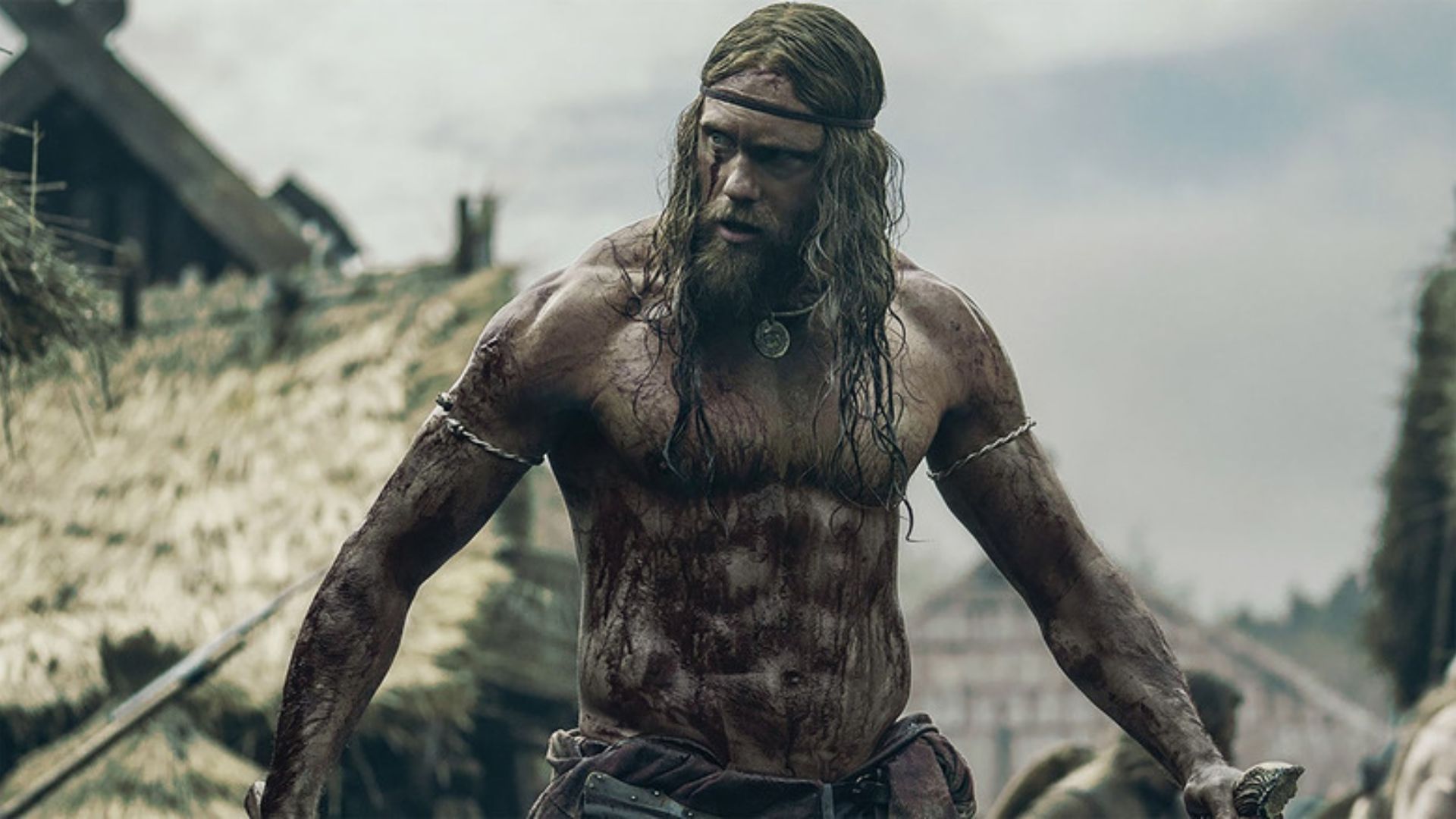
Not everything you see in Vikings was filmed on location. CGI was used extensively to expand villages, multiply armies, and add ships to wide ocean shots.
Real landscapes were built out digitally to look bigger or more dramatic than they actually were. A hillside with 50 extras could become a battlefield of thousands.
The blend of real footage and digital work held up well throughout the series. It’s a big part of why the show felt so large in scale despite being a television production.
Can You Visit Vikings Filming Locations Today?
Yes, many of the filming locations are open to visitors. The Wicklow Mountains National Park is one of the most accessible and well-visited spots in all of Ireland.
Lough Tay is a bit trickier to access. The lake sits on private land, so you can’t walk down to the shore. There is a designated lookout point on the road above where you can see it clearly.
Guided tours focused on Vikings filming locations are available in and around Dublin. Several companies offer full-day trips that cover multiple sites from the show.
For fans of the series, visiting Ireland is well worth the trip. The landscape alone makes it feel like you’ve stepped into the world of Ragnar Lothbrok.
Conclusion
Honestly, knowing where was Vikings filmed changes how you watch the show. Every foggy hillside and dark shoreline hits differently once you know it’s real. Ireland has a way of doing that. It pulls you in without trying.
If you’re a true fan, put Wicklow on your travel list. Walk the same ground the crew did. It’s worth it.
And if you’ve already visited any of these spots, I want to hear about it. Drop your experience in the comments below. Which location would you visit first?
Frequently Asked Questions
Where Was Vikings Filmed Mainly?
Vikings was filmed mainly in Ireland, specifically in and around County Wicklow. Locations like the Wicklow Mountains and Ashford Studios were central to the production.
Where Was Vikings Filmed on Netflix?
The filming locations for Vikings remain the same whether you watch it on Netflix or anywhere else. Netflix streams the show but was not involved in producing the earlier seasons.
Was Vikings Filmed in Norway?
Yes, Norway was used for filming, mainly for wide establishing shots of fjords and mountains. It added authentic Scandinavian scenery to the series.
Can You Visit Vikings Filming Locations?
Yes, many sites in Ireland like the Wicklow Mountains National Park are open to the public. Lough Tay has restricted access but can be viewed clearly from the road above.
Was Kattegat a Real Place in Vikings?
Kattegat in the show is a fictional village and not a real historical settlement. It was inspired by real Scandinavian geography and brought to life through filming locations in Ireland.
