
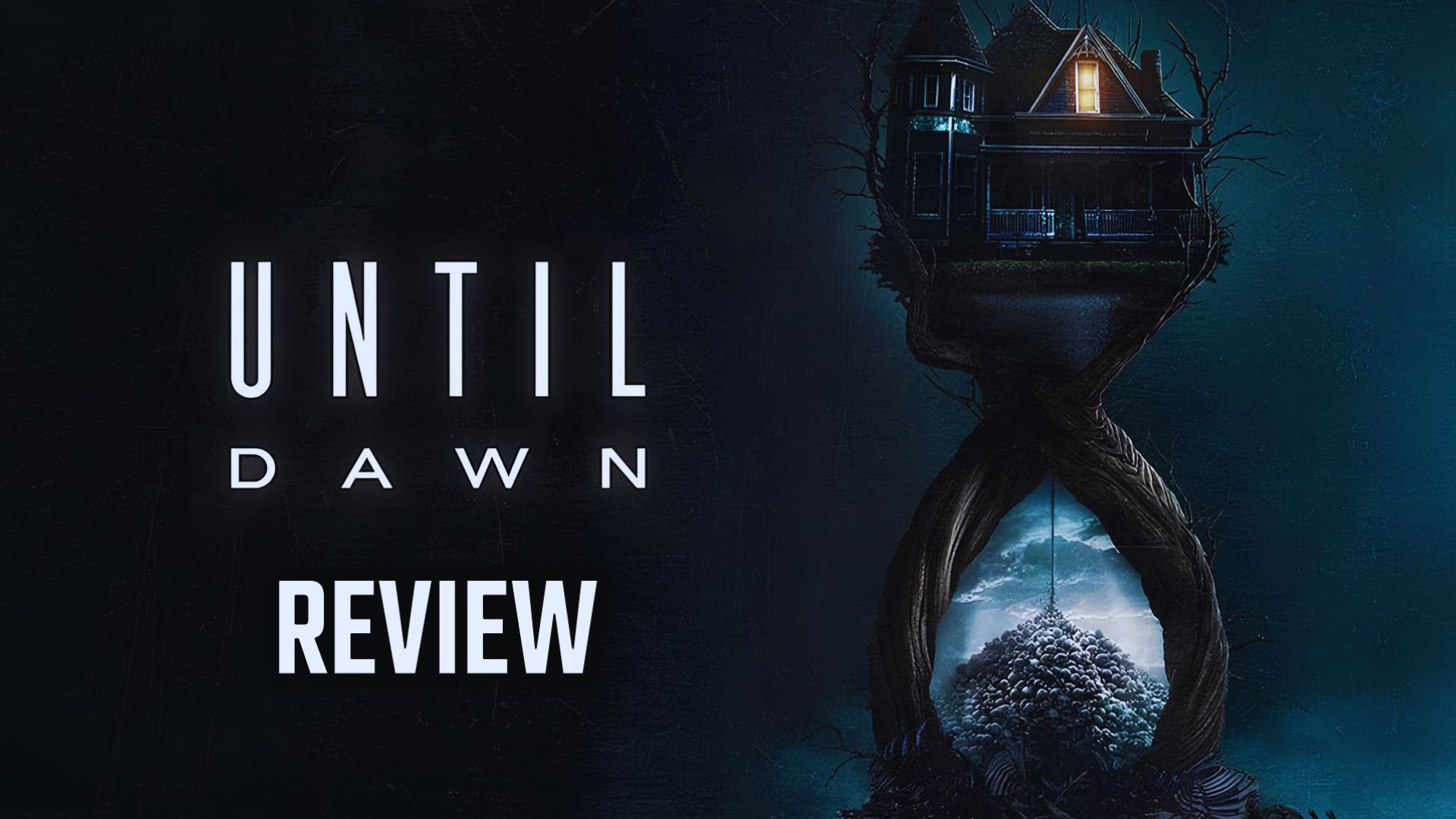
I’ve been a horror fan for years. So when I heard Until Dawn was becoming a film, I was curious and a little nervous.
This Until Dawn film review covers everything: the plot, the cast, the scares, and how the film holds up against the beloved 2015 game.
I’ll tell you what works, what doesn’t, and if it’s worth your time.
I’ve watched dozens of horror adaptations. I know what separates a good one from a lazy one. Here, I’m sharing my honest take so you don’t waste two hours on a bad call.
Spoiler-Free Plot Summary
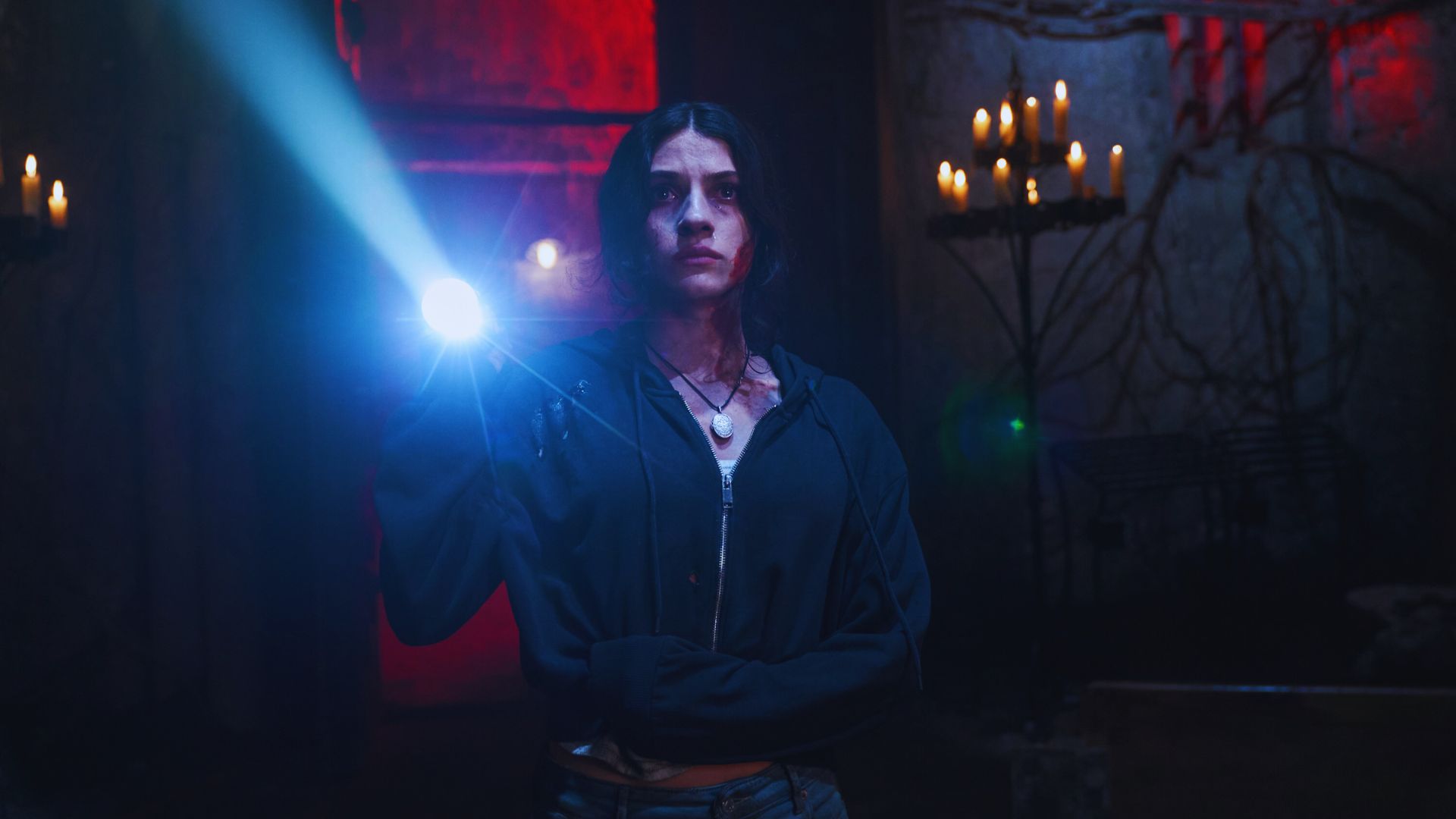
A group of college friends head to a remote mountain resort to find Clover’s missing sister. What starts as a search quickly falls apart.
Something is out there, and the group starts getting picked off one by one. The film holds tight to the game’s core premise without giving too much away early.
There’s a central twist that reframes the whole story, and it lands well. If you go in knowing as little as possible, the film rewards your patience.
Genre, Tone, and Atmosphere
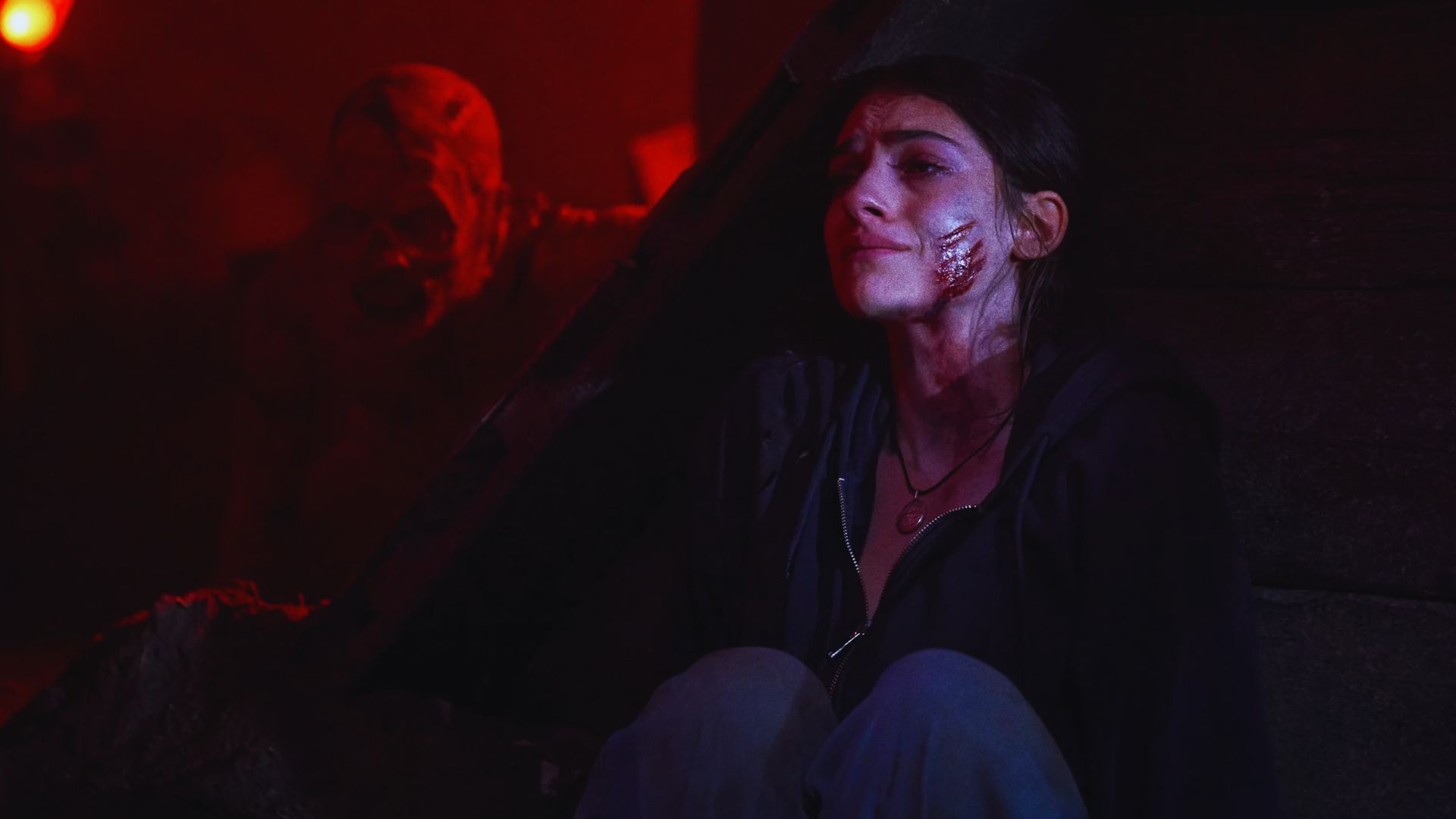
Until Dawn is a slasher horror film with strong supernatural elements running beneath the surface. The tone is dark but not joyless, with flashes of dry humor that keep it balanced.
Director David F. Sandberg leans into the isolated mountain setting to build a cold, creeping dread throughout.
Long silences, narrow corridors, and flickering lights do most of the heavy lifting before anything scary actually happens.
The atmosphere is the film’s strongest quality. It commits to the mood early and holds it consistently from the first act to the final scene.
From Video Game to Movie: The Adaptation
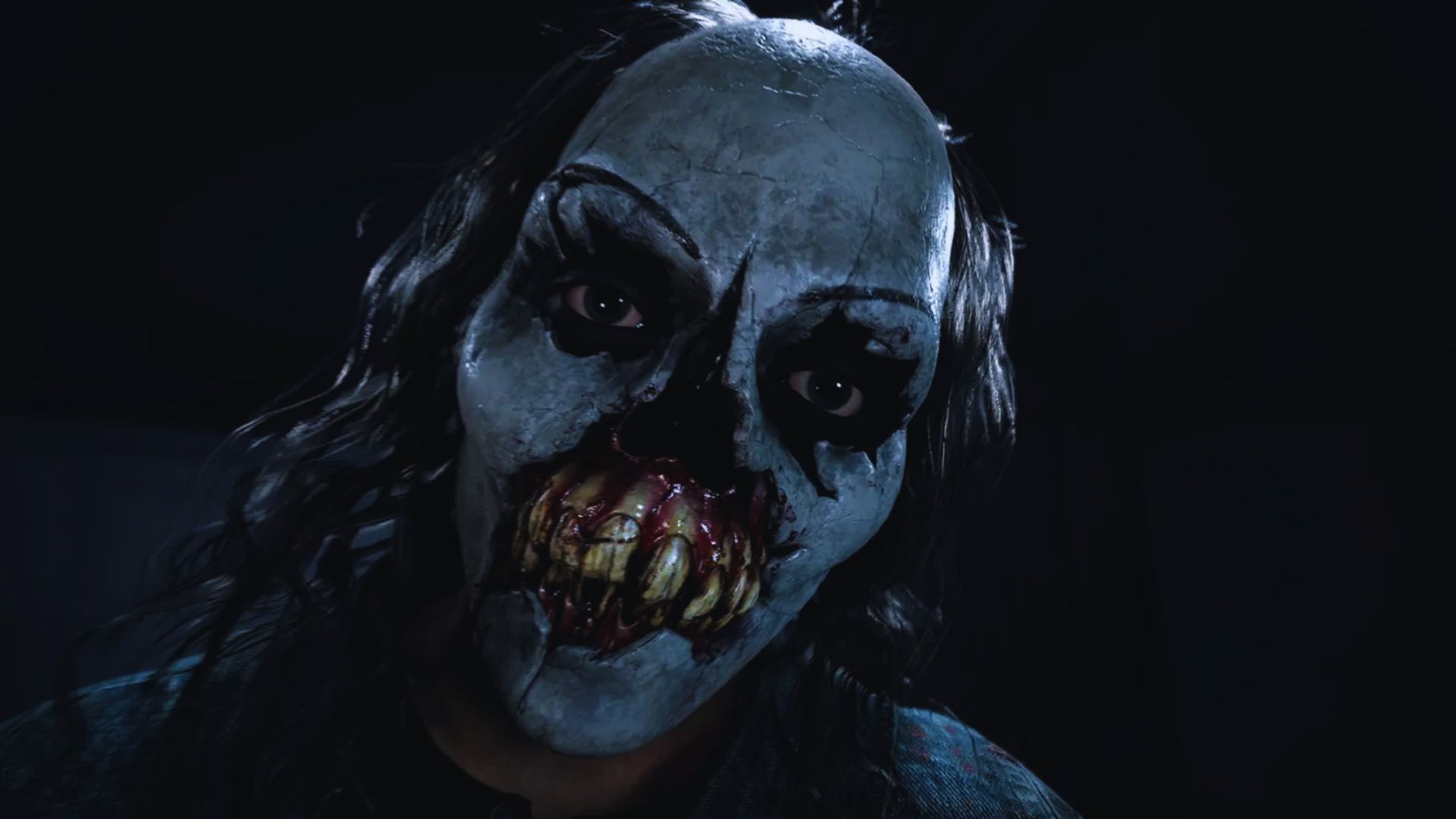
Making a game into a film is never easy. Here’s how Until Dawn handled the shift from screen to screen.
Background of the Original Game
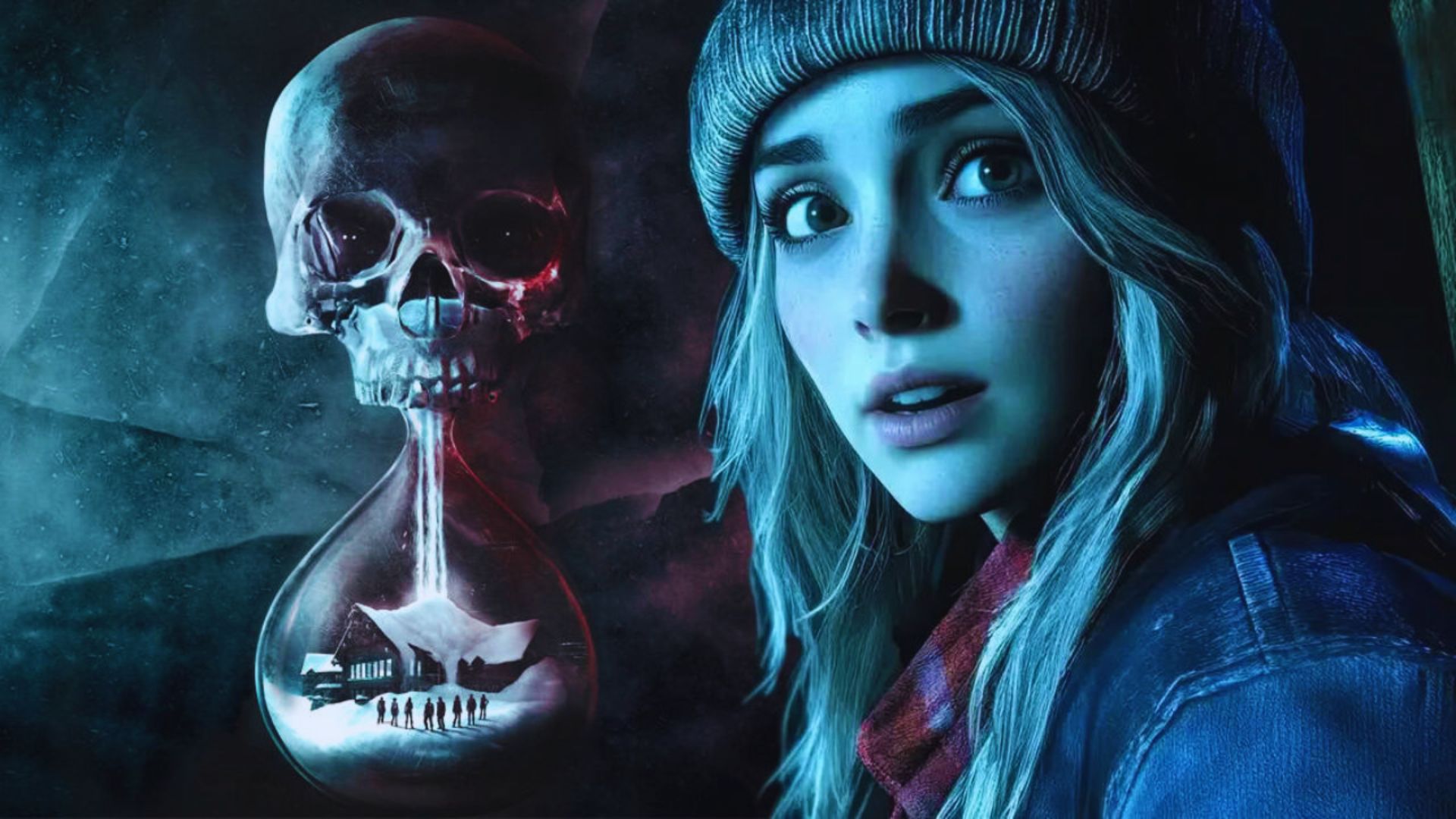
Until Dawn launched in 2015 as a PlayStation exclusive and became a fan favorite almost immediately.
Its cinematic style, branching story, and “butterfly effect” system, where every player choice shaped who lived or died, made it stand out from other horror games at the time.
Challenges of Adapting an Interactive Story
A film can’t let the audience make choices. The movie works around this by leaning into its supernatural loop mechanic, giving the story a built-in reason to reset, kill characters, and raise the stakes again without feeling like it’s cheating the viewer.
Story and Themes Analysis
The story has more going on beneath the surface than the setup suggests.
Narrative Structure and Storytelling
The film builds slowly through the first act and picks up speed after the group splits up. Key twists hit at well-placed moments, and the pacing, while not flawless, keeps things moving.
There’s enough mystery layered into the story to make the reveals feel earned rather than cheap.
Themes Explored in the Film
Fear and survival sit at the front of the story, but guilt runs underneath everything. The characters aren’t just running from something in the dark.
They’re also dealing with the weight of past choices that brought them to this mountain in the first place.
Cast and Characters
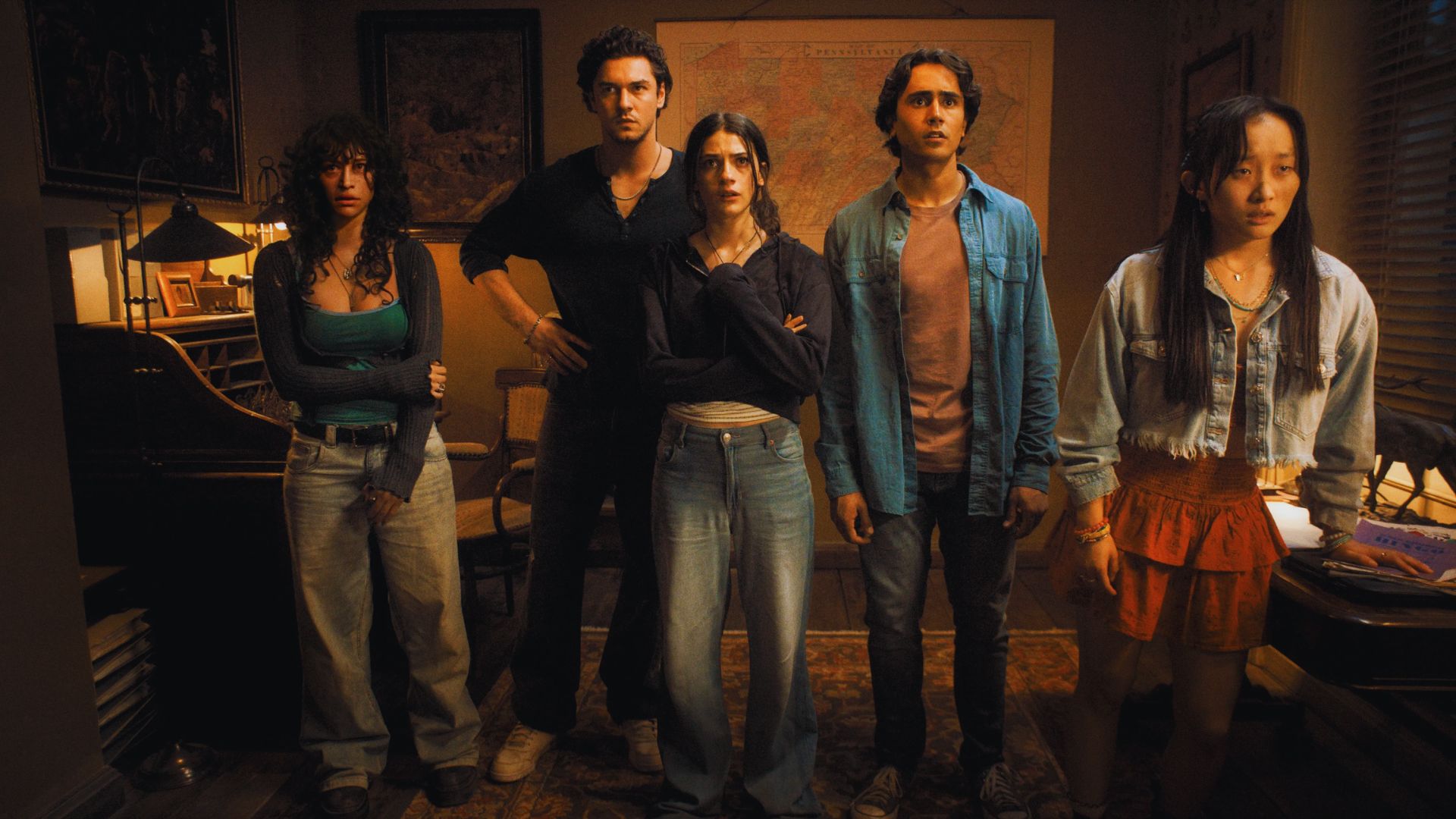
The cast brings real energy to roles that could have easily felt like horror movie templates.
Clover: Ella Rubin
Rubin carries the emotional core of the film. Clover is driven by grief and guilt over her missing sister, and Rubin plays those layers with conviction.
She’s the character you root for from the first scene.
Max: Michael Cimino
Cimino plays Max as the calm, grounded presence in a group that keeps falling apart. His quiet steadiness works well against the chaos around him, and he gives the character more depth than the script asks for.
Nina: Odessa A’zion
Sharp, fast-talking, and often the first to say what everyone else is thinking. A’zion brings a lot of energy to Nina and gets some of the best moments in the film. She’s a standout.
Megan: Ji-young Yoo
Megan is the cautious, analytical one. Yoo plays her with a quiet intensity that doesn’t ask for attention but earns it anyway.
She’s one of the more interesting characters to follow.
Abe: Belmont Cameli
Abe is the warm, lighthearted one in the group. Cameli balances the film’s darker stretches with natural humor that feels genuine rather than forced.
He keeps the tone from getting too heavy.
Melanie: Maia Mitchell
Melanie has a smaller role, but Mitchell makes the screen time count. Her character connects to the film’s larger mystery in ways that become clearer as the story moves forward.
Direction, Cinematography & Technical Review
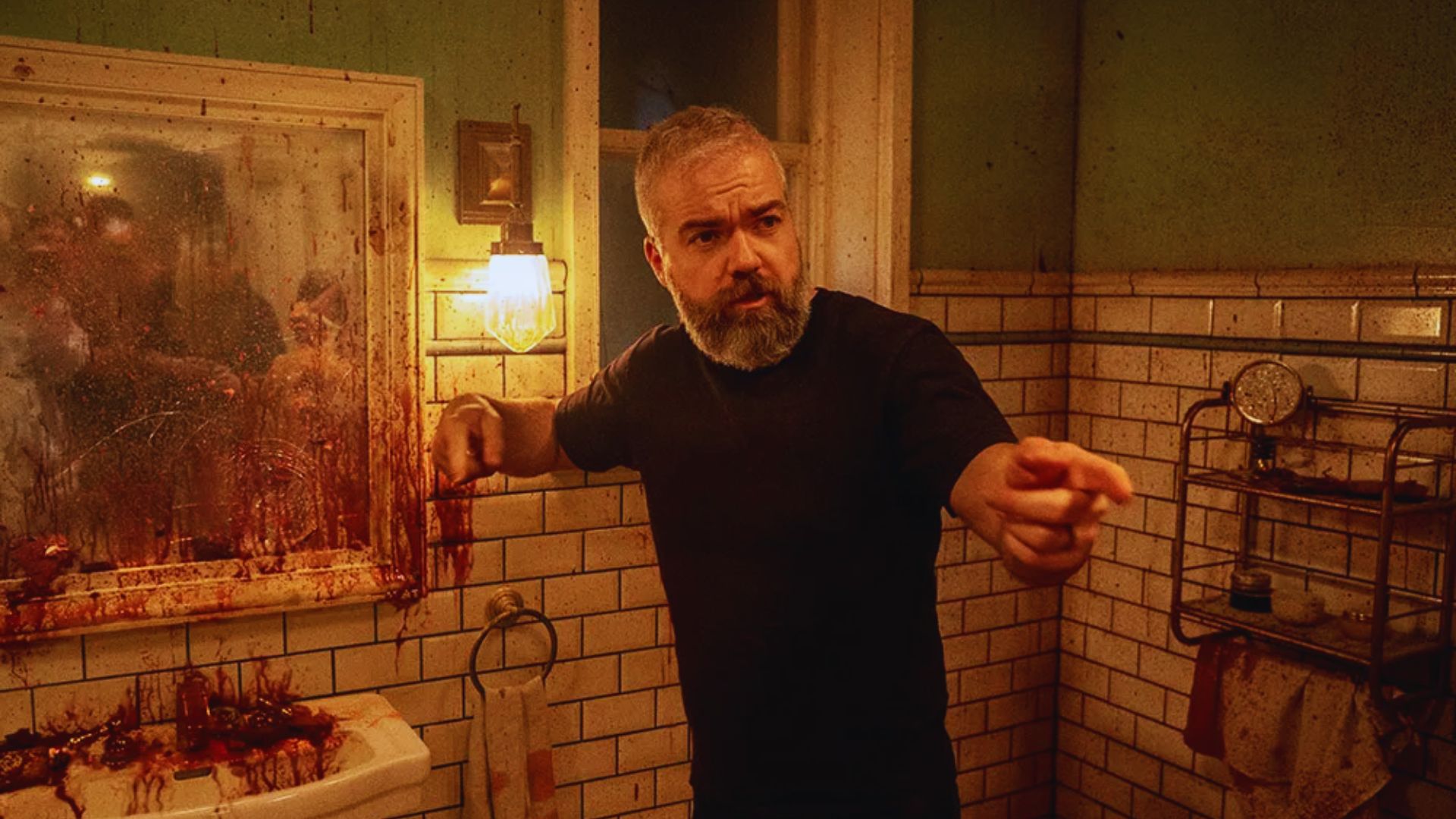
David F. Sandberg directs with confidence and a clear understanding of how horror should feel on screen.
Known for Annabelle: Creation, he uses tight framing in enclosed spaces and wide shots to make the mountain setting feel both massive and suffocating.
Lighting is handled with care, using darkness without making scenes impossible to follow. The editing keeps the film moving through its quieter passages.
Production design makes the resort feel lived-in and unsettling at the same time, which is exactly what the story needs.
Horror Elements and Scares
The film delivers on both sudden scares and slower dread, with varying results across the runtime.
Jump Scares vs Psychological Horror
Jump scares show up regularly but don’t feel lazy or cheap. The psychological dread is stronger in the quieter moments, when the camera holds just a beat too long on an empty hallway or a figure half-hidden in the dark.
Both approaches work together rather than competing.
Creature Design and Visual Effects
The creature designs are well-crafted and feel faithful to the game’s monsters without being direct copies.
Practical effects are used alongside digital work, and the blend holds up for most of the film. A few CGI shots look rough under scrutiny, but the overall creature work is solid and committed.
Audience and Critic Reception
Critical reception landed in mixed territory. Some reviewers praised the cast, the pacing, and the film’s commitment to proper horror.
Others felt it didn’t fully deliver on the promise of the source material. Audience scores have been notably warmer, especially among fans of the original game who found enough to appreciate in the adaptation.
It currently sits in the mid-range on review aggregators, a score that feels fair for a film that works better than most game-to-movie projects but doesn’t quite reach the high bar the game set.
Is Until Dawn Worth Watching?
For horror fans, yes. Until Dawn delivers a solid slasher film with a good cast and a few clever surprises that make it stand apart from similar releases.
Fans of the game will find enough callbacks and familiar elements to feel respected. First-time viewers can follow the story without any background knowledge.
It’s not a groundbreaking horror film, but it’s well-made, fast-moving, and entertaining. One viewing is easy to recommend, and fans of the genre will likely get more out of it on a second watch.
Final Verdict
Until Dawn surprised me. I went in expecting a forgettable video game adaptation and came out genuinely entertained.
The cast is strong, the scares mostly land, and the film knows what it wants to be from the opening scene.
Is it perfect? No. But it’s one of the better horror adaptations in recent years, and that counts for something.
If you’ve already watched it, drop a comment below and share your take. Did the ending work for you? I’d love to know. And if you haven’t seen it yet, this one’s worth adding to your watchlist.
Frequently Asked Questions
Is the Until Dawn film based on the video game?
Yes, the film is based on the 2015 PlayStation game of the same name. It keeps the core setup but changes the story structure to fit a linear film format rather than a branching interactive one.
Do I need to play the game before watching the film?
No. The film works as a standalone horror movie with no prior knowledge needed. You can follow the story and enjoy the scares without having played the original game at all.
Is Until Dawn appropriate for younger viewers?
No. The film is rated R and includes strong violence, horror, and mature themes throughout. It’s made for adult audiences who are comfortable with the horror genre.
How long is the Until Dawn film?
The film runs approximately 1 hour and 43 minutes. The pacing keeps the runtime from feeling slow, and it doesn’t drag in the final act the way many horror films do.
Is Until Dawn more of a slasher or a supernatural horror film?
It’s both. The film blends slasher-style kills with a supernatural story mechanic that drives the plot forward. It leans more toward slasher in tone but uses supernatural elements as the backbone of its central conflict.