

I’ll be honest with you. I avoided old Westerns for years because I thought they’d bore me to tears.
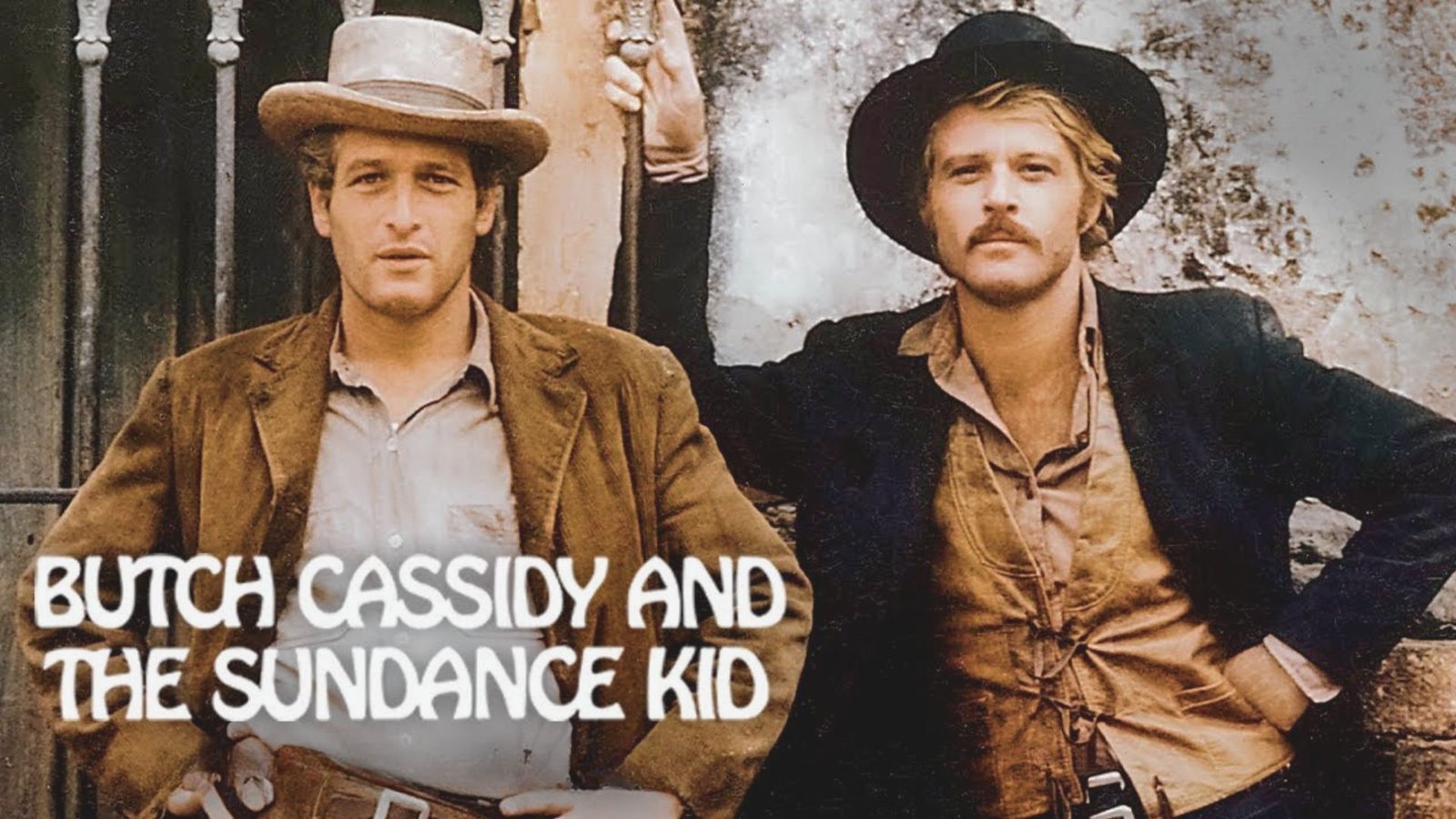
Then a friend practically forced me to watch Butch Cassidy and the Sundance Kid, and I had to eat my words. This 1969 film starring Paul Newman and Robert Redford completely flipped my expectations.
I found myself laughing, getting attached to characters I probably shouldn’t root for, and actually caring about what happened next. Now I recommend it to everyone who’ll listen.
Let me share why this movie changed my mind about the entire Western genre.
Movie Background and Production

The people behind the camera and the real history that inspired this iconic outlaw story from 1969.
Director, Cast, and Crew
George Roy Hill directed this film with a clear vision. Paul Newman played Butch Cassidy with his natural charm.
Robert Redford brought quiet intensity as the Sundance Kid. Katharine Ross played Etta Place, the schoolteacher caught between them.
William Goldman’s screenplay made this movie work. His dialogue sounds real and funny without feeling forced. He wrote these outlaws as actual people, not just cowboy stereotypes.
Historical Context
The story happens in late 1800s Wyoming, then moves to Bolivia. It’s based on the real Hole-in-the-Wall Gang, though Goldman changed things for a better story.
It came out in 1969 when traditional Westerns felt tired. Audiences wanted something fresh, and this film delivered.
Plot Summary

A quick rundown of the story without spoiling the best moments you need to see yourself.
Butch and Sundance rob trains and banks across Wyoming. They’re good at it until the Union Pacific Railroad hires expert trackers to hunt them down. This relentless posse won’t stop chasing them.
The pressure becomes too much. They flee to Bolivia with Etta, hoping to start over in South America.
The film mixes tension with humor. There’s a fun New York City sequence and that famous bicycle scene with the popular song playing in the background. It became one of cinema’s most memorable moments.
The ending? You’ll have to watch it yourself. I won’t spoil it here.
Character Analysis

Getting to know the three people who make this story work so well on screen.
Butch Cassidy (Paul Newman)
Butch is the brains with all the charm. He’s funny, smart, and tries to avoid violence when he can.
Newman plays him as someone who loves the thrill of planning heists, not just the money. His wit keeps things light even during tense moments.
Sundance Kid (Robert Redford)
Sundance is the quiet one. He’s an incredible shot and lets his skills speak for themselves.
Where Butch talks, Sundance watches and listens. Redford brings a calm confidence that balances Newman’s energy perfectly.
Etta Place (Katharine Ross)
Etta is the emotional center of the film. She’s not just there for romance.
She’s the voice of reason and the moral compass for both men. Her relationship with them feels real and complicated.
Cinematic Elements

The technical choices that turned a good script into a great film.
Direction and Cinematography
George Roy Hill shot this film in episodes, almost like chapters in a book. It works because each section feels complete on its own while building the bigger story.
Conrad Hall handled the cinematography, and his work is gorgeous. Those sepia tones give the film a nostalgic, almost dreamlike quality. The wide shots of the Western landscape remind you just how vast and empty that world was. You feel the isolation these characters face.
Screenplay and Dialogue
William Goldman’s script is sharp and clever. The dialogue sounds modern, which threw some people off at first.
But that’s what makes it work. These characters talk like real people, not like they’re reciting lines from a history book.
The quips and one-liners are memorable without feeling forced. Goldman knew when to be funny and when to let the tension breathe.
Music and Score
Burt Bacharach composed the soundtrack, and it’s nothing like typical Western music.
“Raindrops Keep Fallin’ on My Head” became a massive hit. The upbeat, pop sound feels out of place in a Western, but that’s exactly why it works. It adds warmth and personality.
Editing and Pacing
John C. Howard and Richard C. Meyer edited the film. The episodic structure keeps things interesting, though some sections drag a bit.
Overall, the pacing works. The film knows when to speed up and when to slow down for character moments.
Themes and Symbolism

The deeper meaning behind all the gunfights and wisecracks.
This film is really about friendship. Butch and Sundance stick together no matter what. But it’s also about change.
The railroad companies and big business are taking over, pushing outlaws like them out.
The Wild West is dying, and they know it. The film uses humor to tell this sad story, making it easier to watch these guys face the end of their world.
Awards and Recognition
The film industry loved this movie, and the awards prove it.
Butch Cassidy and the Sundance Kid won four Academy Awards. It took home Best Original Song for “Raindrops Keep Fallin’ on My Head,” Best Screenplay, Best Cinematography, and Best Original Score.
It was also nominated for Best Picture, Best Director, and Best Sound, though it didn’t win those categories.
Beyond the Oscars, this film earned its place in cinema history. Critics and audiences still reference it today. It influenced how Westerns were made for decades afterward and remains a cultural touchstone.
Critical Reception

How critics and audiences felt about the film then and now.
Contemporary Reviews
Roger Ebert gave it mixed reviews in 1969. He liked Newman and Redford’s performances but thought the pacing was slow in parts.
Variety called it entertaining and fast-moving. They saw it as a crowd-pleaser that delivered.
Modern Retrospectives
The Guardian revisited it in 2019 and praised its lasting charm. The performances still work decades later.
Cinema from the Spectrum was more critical in 2016. They enjoyed the chemistry between the leads but noticed uneven pacing and thin character development.
Audience Reception
Audiences made it a massive hit. The 1969 box office numbers broke records.
Its cultural impact lasted for decades. You can see its influence on buddy films and Westerns that came after. It showed these genres could be different and still succeed.
Conclusion
After all these years, this film still works. I’ve watched it multiple times, and it never gets old.
The chemistry between Newman and Redford is something you rarely see on screen. Yes, the pacing slows down in spots, but the characters and dialogue make up for it.
If you love Westerns or just appreciate good filmmaking, watch this movie. Even if you’re not typically into older films, give it a chance.
It holds up better than most movies from 1969. Trust me, you’ll understand why people still talk about it over 50 years later.
Frequently Asked Questions
Is Butch Cassidy and the Sundance Kid based on a true story?
Yes, the film is loosely based on real outlaws who led the Hole-in-the-Wall Gang in the late 1800s. However, screenwriter William Goldman took creative liberties with the story to make it more entertaining.
Why is the movie considered a classic Western?
It broke the mold of traditional Westerns by adding humor, modern dialogue, and complex characters. The film showed that Westerns could be fun and character-driven instead of just action-packed shootouts.
What makes the chemistry between Newman and Redford so special?
Their contrasting personalities complement each other perfectly on screen. Newman’s talkative, charming Butch balances with Redford’s quiet, confident Sundance, creating a believable friendship that feels genuine.
Is the bicycle scene really that important to the film?
That scene became iconic because it showed a softer, playful side of these outlaws. It also introduced “Raindrops Keep Fallin’ on My Head,” which won an Oscar and became a cultural phenomenon.
Should I watch this if I don’t normally like Westerns?
Absolutely. This film appeals to people who aren’t Western fans because it focuses more on character relationships and humor than typical cowboy tropes. Give it a shot even if the genre usually isn’t your thing.