

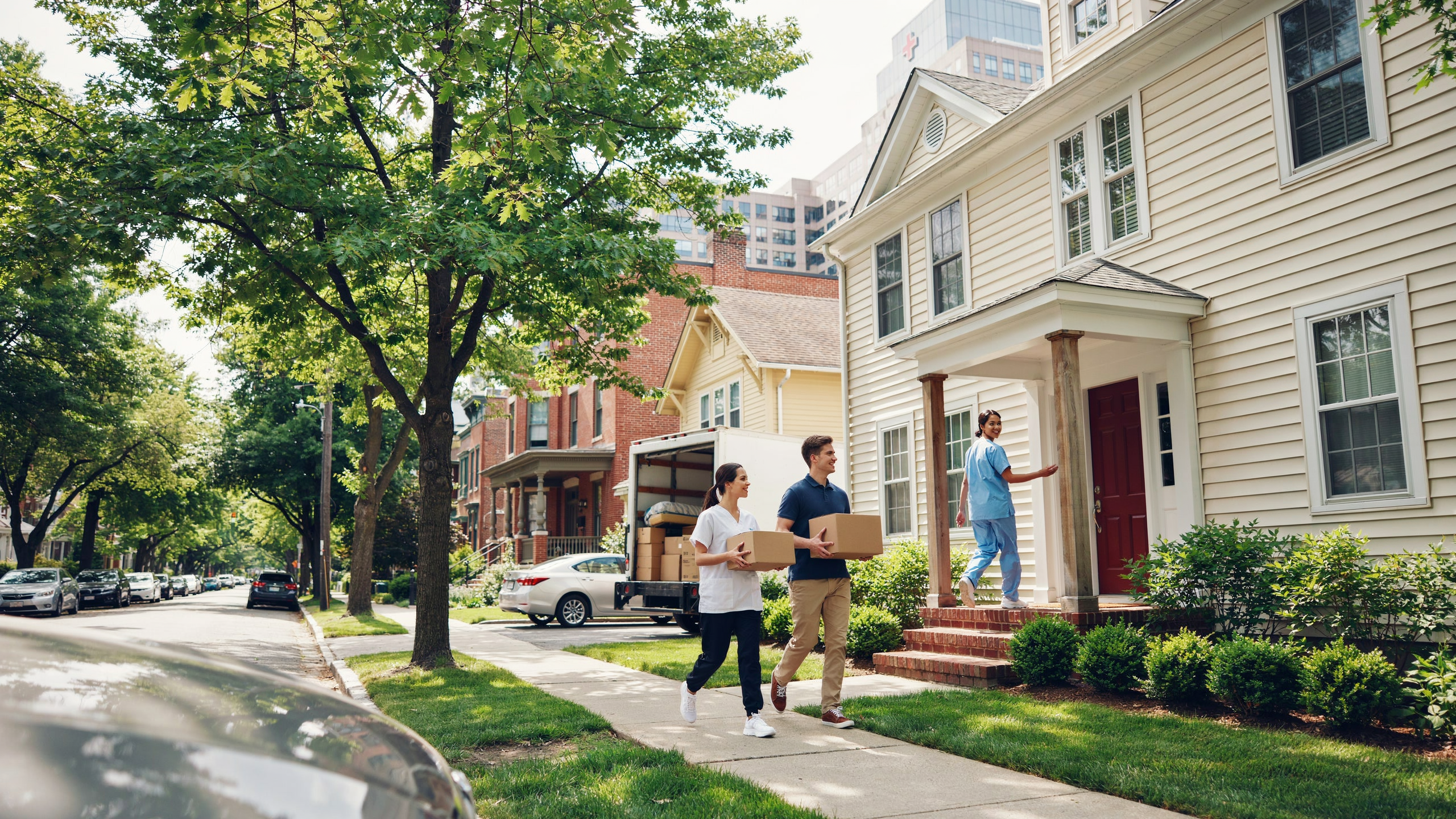
An average home in Rochester, Minnesota sells in just 16 days, according to Redfin’s May 2026 data. And behind this high interest is Rochester’s unusual demand engine: Mayo Clinic and the medical economy around it.
When Mayo Clinic hires, people arrive with a start date on the calendar and a signed offer letter in hand. They don’t have the luxury of waiting for the perfect home or the right season. Few midsize housing markets deal with this kind of start-date-driven demand. Rochester deals with it every single month of the year.
The market is more tied to Mayo Clinic than most cities are tied to a single employer. It responds to one institution, and that reality dictates how every buyer must proceed.
How Healthcare Expansion Shapes Local Inventory
According to Livability’s 2026 city profile, Mayo Clinic employs 33,400 people in Rochester and Mayo Clinic remains Minnesota’s largest employer. Rochester added jobs at 4.7% between August 2023 and August 2024. That figure is not a one-year anomaly. It reflects the second decade of the Destination Medical Center initiative. This is a 20-year, $5.6 billion plan to make Rochester a global health destination by 2035, per the DMC’s own plan documents.
This long-term medical expansion supports steady hiring and relocation demand. And that employment growth creates a specific housing problem. According to the Star Tribune’s February 2024 investigation, Rochester built only about 200 single-family homes in 2023, roughly half its typical annual goal.
Maxfield Research found Rochester still needs approximately 14,000 new housing units to keep pace with 2030 population projections, per the Star Tribune’s January 2026 update.
The gap between incoming workers and available homes helps keep the market competitive. This is not speculation driving prices. It is a shortage for people who have already accepted job offers and need to close.
Who Relocates to Rochester
Many Mayo-linked movers fall into two broad groups, and each requires a completely different approach from the housing market.
The first group is temporary. Medical residents, clinical fellows, and research students arrive on fixed program timelines of one to three years. They rent near the Mayo campus, complete their program, and leave on a fixed date. That rotation keeps the rental market near downtown fully occupied year-round, regardless of what the broader market is doing elsewhere.
The second group is more permanent, and it helps drive Rochester’s ownership market. For example, clinical fellows and staff physicians arrive with specialized loan options and frequently select zero-down medical mortgages.
According to Edina Realty’s Rochester relocation guide, this group looks at a few areas. Pill Hill, near campus, appeals to buyers who want walkable historic homes. Byron, about eight miles out, draws buyers looking at the Somerby golf community.
These buyers arrive pre-approved, often using physician loan products that require no private mortgage insurance even below 20% down, according to the Living in Rochester, MN, home-buying guide for Mayo residents.
They move fast because their start date does not flex, and a missed closing rarely means waiting for the next listing. Here, the median sale price is 8% below the national average. For buyers browsing Rochester MN Real Estate, the market looks affordable. But fast-moving homes still make early comparison essential, and current housing data shows why preparation matters.
What the Current Housing Data Reveals
Medical professional relocations arrive throughout the year, per Rochester, MN Townsites’ summer 2026 market report. That consistency keeps days on the market low even in months that slow down every other Midwestern city.
According to 2026 housing market data by Houzeo, the average home value is $375,000, up 7.33% over the past year, with homes selling at close to 99.88% of the asking price. That sale-to-list ratio shows sellers still hold pricing power, even in a more balanced market. Buyers from high-cost cities tend to move quickly once they run the comparison.
Pre-Approval and Neighborhood Strategy
In a fast market with little room to negotiate, buyers control only one factor: preparation. Mortgage pre-approval is step one. Knowledge of how physician loans compare to conventional mortgages is step two. A plan for neighborhoods by budget and commute time is step three.
Buyers who enter Rochester with current knowledge of live prices, average days on market, and neighborhood ratios are the ones who close. Those who begin that research during the search window find the listings they wanted have already moved.
Navigating the Long-Term Housing Deficit
Mayo Clinic continues to hire. The Destination Medical Center is not pausing its buildout. The housing shortage is unlikely to ease quickly enough to help unprepared buyers. Until Rochester closes the gap between the 14,000 units identified in the housing study and the homes it is actually adding, buyers will keep competing for too few homes.
Neighborhood choice ties both buyer groups together. To prepare effectively, buyers can use platforms like Houzeo to evaluate price, property type, location metrics, and physical condition before choosing which homes to view in person. In this market, successful buyers are not lucky; they are prepared before the search even starts.
