


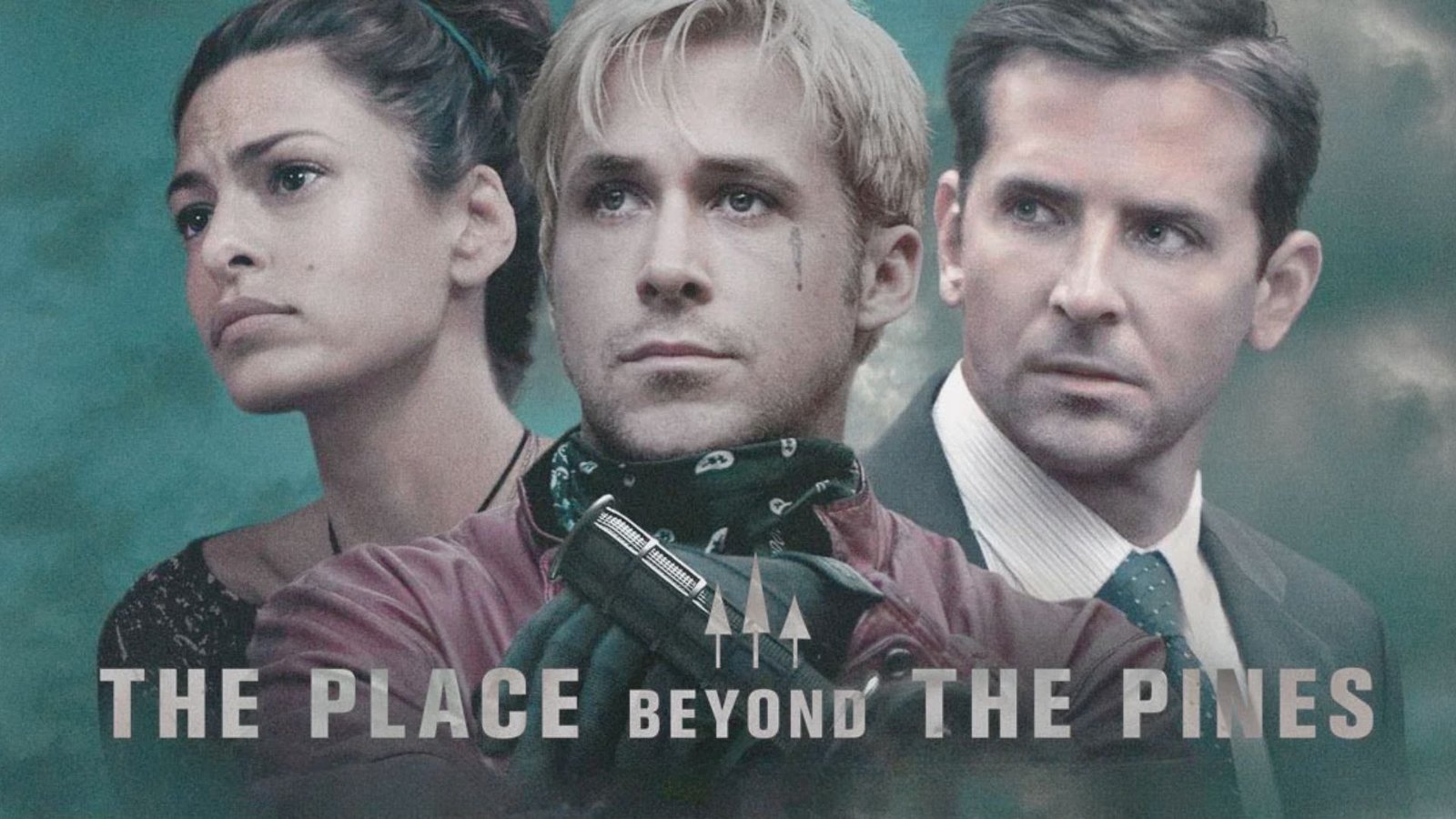
I’ll be honest with you. The Place Beyond the Pines messed with my head.
This 2012 crime drama starring Ryan Gosling and Bradley Cooper still has people arguing about it years later.
I’ve seen it twice now, and I’m still unpacking what it all means. Some viewers think it’s brilliant. Others walk away frustrated and confused.
You’re probably here because you want to know if it’s worth your time before committing to a two-hour watch. I get it. Let me share what I learned from both viewings.
Overview of The Place Beyond the Pines

This crime drama follows interconnected lives across generations, showing how one choice creates ripples that affect everyone involved.
Director, Cast, and Creative Team
Derek Cianfrance directed this after Blue Valentine. He brought the same raw emotional style here.
Ryan Gosling plays Luke, a stunt rider who becomes a bank robber. Bradley Cooper plays Avery, a rookie cop facing corruption. Eva Mendes plays Romina, caught between two men and protecting her son.
Their performances feel real and grounded. You’re watching people, not movie stars.
Genre Expectations vs. Reality
The trailers made this look like an action thriller. Motorcycle chases and bank robberies filled the promotional clips.
That’s misleading. This is actually a slow character study about fathers, sons, and consequences. The action exists but isn’t the focus.
Many viewers expected a fast-paced crime movie. They wanted Drive or Heat. Instead, they got a heavy drama asking big questions about legacy.
The marketing created wrong expectations. That’s why reviews are so mixed.
Plot Structure Without Major Spoilers

The film uses an unusual three-act structure that catches viewers off guard. Each section feels almost like a different movie.
This isn’t your typical linear story. The film breaks into three distinct parts, each with its own protagonist and tone. Just when you get invested in one character, the focus shifts completely. The timeline jumps forward, and minor characters become central to the plot.
At its core, the film asks: Do the sins of the father pass to the son? Two fathers make choices that haunt their children years later.
The consequences of decisions made before the sons were born shape their entire lives. It’s about legacy, responsibility, and whether you can escape your parents’ mistakes.
Audience Reactions and Viewer Sentiment

This film splits viewers right down the middle. Some call it a modern classic. Others can’t finish it.
Why Some Viewers Love the Film
Some viewers appreciate the slow, patient storytelling. They enjoy morally gray characters without clear heroes or villains.
The themes resonate deeply. If you’ve thought about legacy and what you leave behind for your kids, this movie hits hard. The performances feel raw and real. Every quiet moment matters as much as the dramatic scenes.
Fans love that the film doesn’t judge its characters. It reflects life’s complexity honestly.
Why Others Feel Disappointed
Many struggle when the protagonist changes. They invest in Ryan Gosling’s character, then he’s suddenly gone. The shift feels jarring.
It feels like three separate short films instead of one cohesive story. The first act has action and tension. Then the pacing slows dramatically. The energy drains out.
The biggest complaint? The ending doesn’t deliver emotional payoff. After two hours, viewers want resolution. Instead, they get ambiguity and unanswered questions.
If you need constant momentum and clear storytelling, this film will test your patience.
Performances and Character Impact

The actors deliver committed performances that ground the film’s ambitious scope. Their work keeps you watching even when the structure falters.
Ryan Gosling as the Emotional Anchor
Ryan Gosling gives the film’s standout performance. He plays Luke with quiet desperation and raw honesty.
His character hooks you within 30 minutes. You’re completely invested in his story. When his part ends, many viewers feel lost. The shift away feels like losing the film’s heart.
Bradley Cooper and the Divided Response
Bradley Cooper commits fully as Avery, a cop facing corruption and moral dilemmas. His performance is solid and nuanced.
But viewers are split. Some find his section compelling. Others find it slower and less engaging than Gosling’s part. His character gets more screen time but less clear direction.
Many never connect with Avery the way they did with Luke.
Direction, Pacing, and Ambition

Derek Cianfrance brings a naturalistic style that makes intimate moments feel real and raw. His confidence shows in every frame
Cianfrance aims high with big ideas about legacy and consequences. The film tries to cover three generations and multiple perspectives.
Sometimes this ambition pays off beautifully. Other times, it stretches too thin. Critics feel the story grows too large for its own good.
The narrative loses focus trying to connect everything. What starts tight and controlled becomes sprawling and unfocused by the end.
Overall Rating and Critical Consensus

The film sits in the middle ground of critical opinion, earning respect without full consensus on its success or failure
Average Critical Ratings Explained
Most critics give this film between 6 and 7 out of 10. That mid-range score tells the whole story.
Critics praise the performances and ambitious vision. But they note pacing issues and structural problems. The phrase “good but flawed” appears repeatedly. Nobody calls it terrible or perfect. It lands in that tricky space where talent meets uneven execution.
What the Rating Really Means for Viewers
Mixed ratings don’t mean the film is mediocre. They mean it’s divisive.
If you love character-driven dramas that take risks, ignore the middling scores. Viewers who enjoy slow burns often rate this higher than critics do.
If you prefer straightforward narratives with clear resolutions, those 6 out of 10 scores are a warning. The structure will frustrate you.
Don’t let a 6.5 rating scare you away if the themes interest you. But don’t expect a flawless masterpiece either.
Conclusion
After watching this twice, here’s my honest take. This film won’t please everyone, and that’s okay. Critics and audiences remain split for good reasons.
The performances are strong, especially Gosling’s work. The themes about fathers and sons hit hard. But the structure asks a lot from you as a viewer.
If you enjoy slow, thoughtful dramas that don’t tie everything in a neat bow, give it a shot. If you want fast-paced entertainment with clear answers, skip it.
Know what you’re getting into, and you might find something that sticks with you long after it ends.
Frequently Asked Questions
Is The Place Beyond the Pines based on a true story?
No, this is an original fictional story written by Derek Cianfrance and his co-writers. However, the themes of fatherhood and consequences feel grounded in real human experiences that many people can relate to.
How long is The Place Beyond the Pines?
The film runs for 140 minutes, which is about 2 hours and 20 minutes. The length can feel challenging for some viewers, especially during the slower middle section of the story.
Why does the movie change protagonists halfway through?
The film uses a three-act structure to show how one event affects multiple generations. Director Derek Cianfrance wanted to explore how consequences ripple forward through time and connect different people’s lives.
Is The Place Beyond the Pines appropriate for kids?
No, this film is rated R for violence, language, and some drug content. It deals with mature themes including crime, corruption, and moral compromise that aren’t suitable for younger viewers.
Do I need to like slow movies to enjoy this film?
Yes, patience helps. This isn’t a fast-paced action thriller despite what the trailers suggested. If you prefer character studies over plot-driven stories, you’ll have a better experience with this one.