

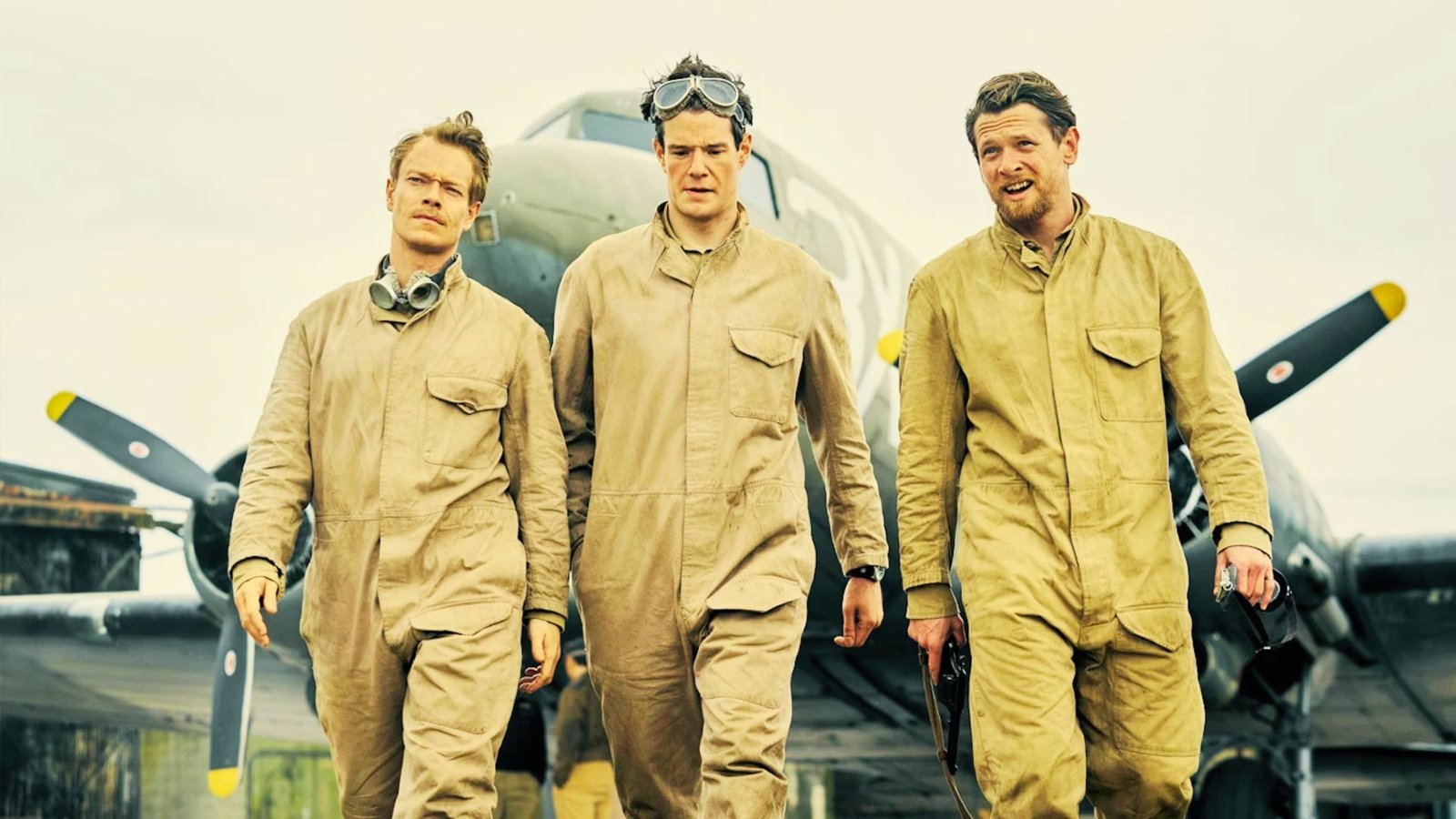
I’ll be honest with you. I almost skipped Rogue Heroes because I thought it was just another war series. Boy, was I wrong.
When I finally watched it in 2022, it grabbed my attention in ways I didn’t expect.
This BBC One series from writer Steven Knight stars Connor Swindells, Jack O’Connell, Alfie Allen, and Dominic West.
It runs six episodes in the first season and carries a TV 14 rating. But don’t let that fool you. I’m writing this review because Rogue Heroes made me rethink what war stories can be.
Let me tell you why this series matters more than you might think.
Storyline Overview

Rogue Heroes follows David Stirling’s creation of the SAS during World War II, showing how a group of rebels changed military strategy in North Africa.
David Stirling is a young British officer stationed in Cairo. Traditional tactics aren’t working against Rommel’s forces.
He pitches a bold idea. Small teams could sneak behind enemy lines and destroy planes and supplies.
He recruits misfits and troublemakers. Together, they attempt raids that seem impossible. The series asks important questions.
Can breaking rules win wars? Stirling defies authority constantly, but his methods get people killed too.
Characters and Performances
The actors bring real grit to these historical figures, making you feel like you’re watching actual soldiers rather than performers.
David Stirling (Connor Swindells)

Stirling is ambitious and reckless. He believes his idea can change the war. Everything else feels like wasted time to him.
Connor Swindells captures Stirling’s intensity perfectly. You hear it in every line. This is a man who refuses to accept no for an answer.
Stirling changes throughout the series. He starts seeing the human cost. Swindells handles these moments of doubt really well. You feel Stirling’s guilt, frustration, and finally his determination.
The performance feels real. Swindells makes you care about a guy who can be pretty difficult.
Paddy Mayne (Jack O’Connell)

Mayne is Stirling’s opposite. He’s a fighter, not a thinker. He’s been imprisoned for fighting with a superior officer.
Jack O’Connell brings intensity and danger to the role. Mayne is violent and unpredictable. But he’s also loyal, not just aggressive.
Mayne asks questions others avoid. What happens to soldiers trained to kill when the war ends? His perspective challenges everything Stirling takes for granted.
Supporting Cast

Alfie Allen voices Jock Lewes, the brains behind their explosive tactics. He brings intelligence and calm that balances the chaos around him.
Dominic West plays Colonel Dudley Clarke. He’s skeptical but intrigued by Stirling’s ideas. West makes him feel like a real officer. Cautious but open to new thinking.
The supporting characters ground the story. They remind us these wild plans affect real lives.
Production and Visuals
BBC outdid itself with Rogue Heroes’ production. The desert scenes look authentic. You can see the heat and exhaustion on their faces.
The North Africa locations are shot beautifully. The sand, the sun, the endless horizon. The desert is both an ally and an enemy.
Cairo looks busy and complicated. The bars, the headquarters, the streets. They all have that wartime tension.
The color choices tell the story too. Desert scenes are bright and washed out. Cairo is darker and more crowded.
Direction and Cinematography
The direction in Rogue Heroes isn’t just background work. It’s part of the storytelling itself.
Action Sequences
Tom Shankland directed most episodes. The raid sequences feel tense. Not Hollywood action. Real danger.
When they attack airfields, you understand why this work is terrifying. The explosions. The gunfire. The desperate sprint back to safety.
The action shows us who these men are. When they’re fighting, they’re focused. They work as a unit. This becomes important as the series develops.
Visual Storytelling
The desert feels alive through the camera work. Wind blowing sand. Stars at night. The vastness of empty space.
The cinematography pulls you into their world. When they’re confident, the shots are steady. When things go wrong, everything becomes shaky and confusing.
The contrast between Cairo’s chaos and the desert’s emptiness is striking. It makes you appreciate both the noise and the silence.
Critical Reception
Rogue Heroes got people talking. Critics appreciated it. Audiences had strong opinions.
Professional Critics
The Guardian gave the series positive reviews. Lucy Mangan called it entertaining and well researched. She appreciated how the show balanced humor with serious war themes.
Mangan pointed out some concerns. The show glamorizes violence at times. Some characters feel underdeveloped. But she considered these small issues in an otherwise strong series.
Professional critics agreed this is the BBC at its most confident. The production is high quality. The themes are more complex than most war shows.
Audience Reviews
Many viewers gave Rogue Heroes high marks. They found it exciting and thought-provoking. The series made them want to learn more about the real SAS.
History buffs appreciated the show’s accuracy. It doesn’t simplify the past. It shows the messiness of war.
But some casual viewers felt lost. They wanted more context. The pacing felt uneven. For some audiences, Rogue Heroes moves too quickly through important events.
Overall Consensus
Most agree the performances are strong. The historical detail feels authentic. The messages about war and leadership resonate.
But the series divides audiences. Some love the dark humor. Others find it disrespectful. The violence is intense for viewers wanting lighter historical drama.
Rogue Heroes makes you think about heroism differently. That works for some people. For others, it’s too cynical about military service.
Final Rating
Professional critics rate Rogue Heroes between 8 to 9 out of 10. Audience scores vary more widely, from 7 to 9.5 depending on expectations.
I’m giving it a solid 8.5 out of 10. It’s not perfect. Some character arcs feel rushed. But the honesty and production quality make up for it.
This series works best for adults who enjoy war dramas with depth. History fans will appreciate the details.
Viewers open to complicated heroes will get a lot from it. If you want simple heroics, skip this one.
Conclusion
Rogue Heroes is different from most war series. It doesn’t give you easy heroes. It asks hard questions about leadership, loyalty, and what actually makes someone brave when everything goes wrong.
The show handles historical events with respect. The storytelling feels grounded, not preachy. And the production is some of BBC’s best work.
I’ve watched Rogue Heroes twice now. Each time, I think differently about what leadership means. That’s rare for a war series.
You can stream it on various platforms now. Give it a watch. Sit with it afterward. Let it challenge your assumptions. You might see military history a little differently.
Frequently Asked Questions
Is Rogue Heroes appropriate for teenagers?
Rogue Heroes is rated TV-14 and generally safe for teens. However, the violence and strong language might be too intense for younger viewers. It works better for ages 15 and up.
Do I need to know World War II history to enjoy Rogue Heroes?
Not at all. The series provides enough context to follow along. However, some background knowledge about North Africa campaigns helps you appreciate the historical accuracy.
Is Rogue Heroes based on a true story?
Yes, Rogue Heroes is based on Ben Macintyre’s book about the real formation of the SAS. The show takes some creative liberties but stays true to the major events and real people involved.
Where can I watch Rogue Heroes?
Rogue Heroes is available on several streaming platforms depending on your region. In the UK, it’s on BBC iPlayer. Check your local streaming services for availability.
What is the main message of Rogue Heroes?
The series shows that winning requires both breaking rules and accepting consequences. Leadership means taking responsibility for the lives you risk. Heroes aren’t perfect people doing the right things.
